
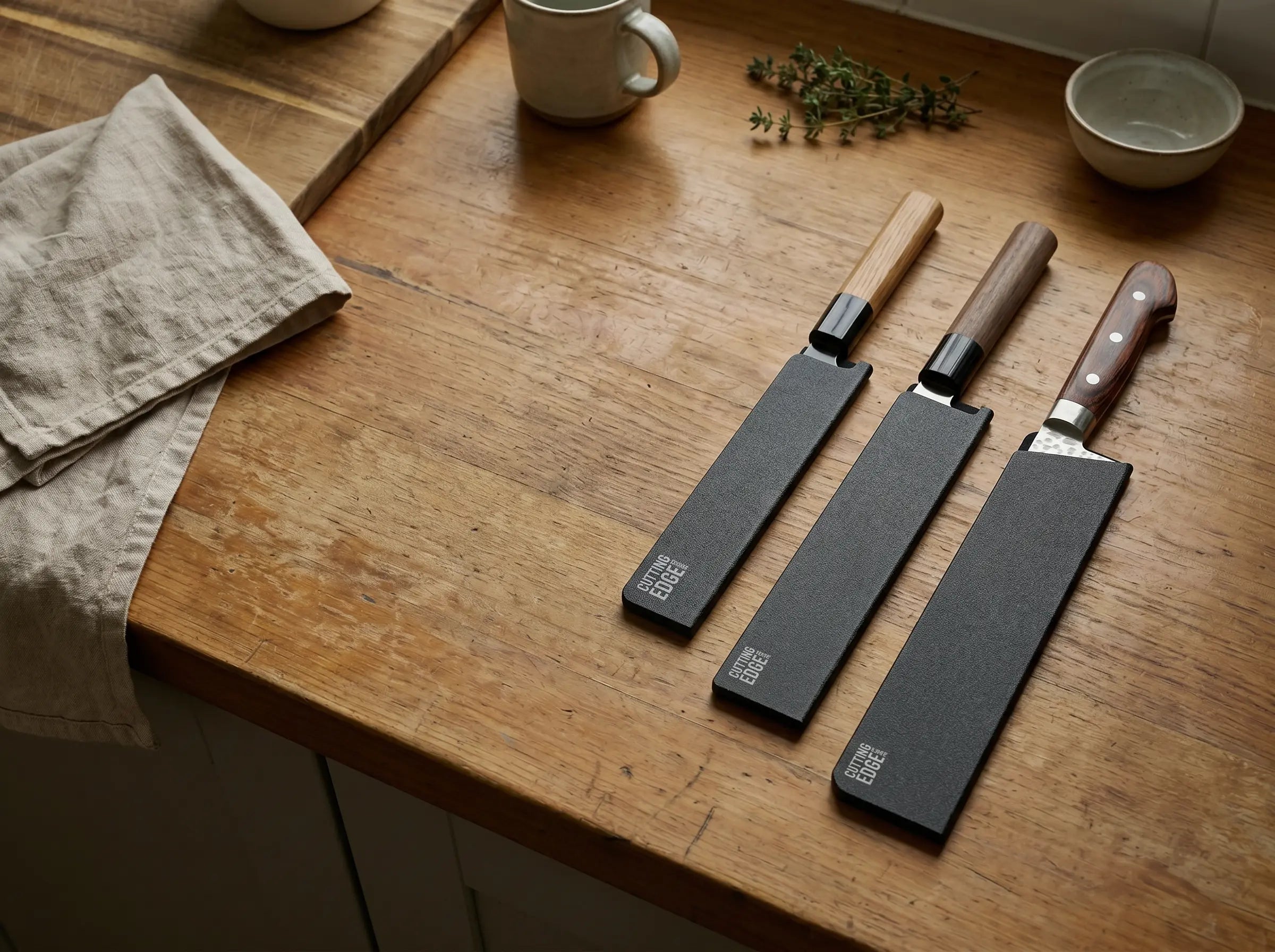
What are knife guards and why do they matter?
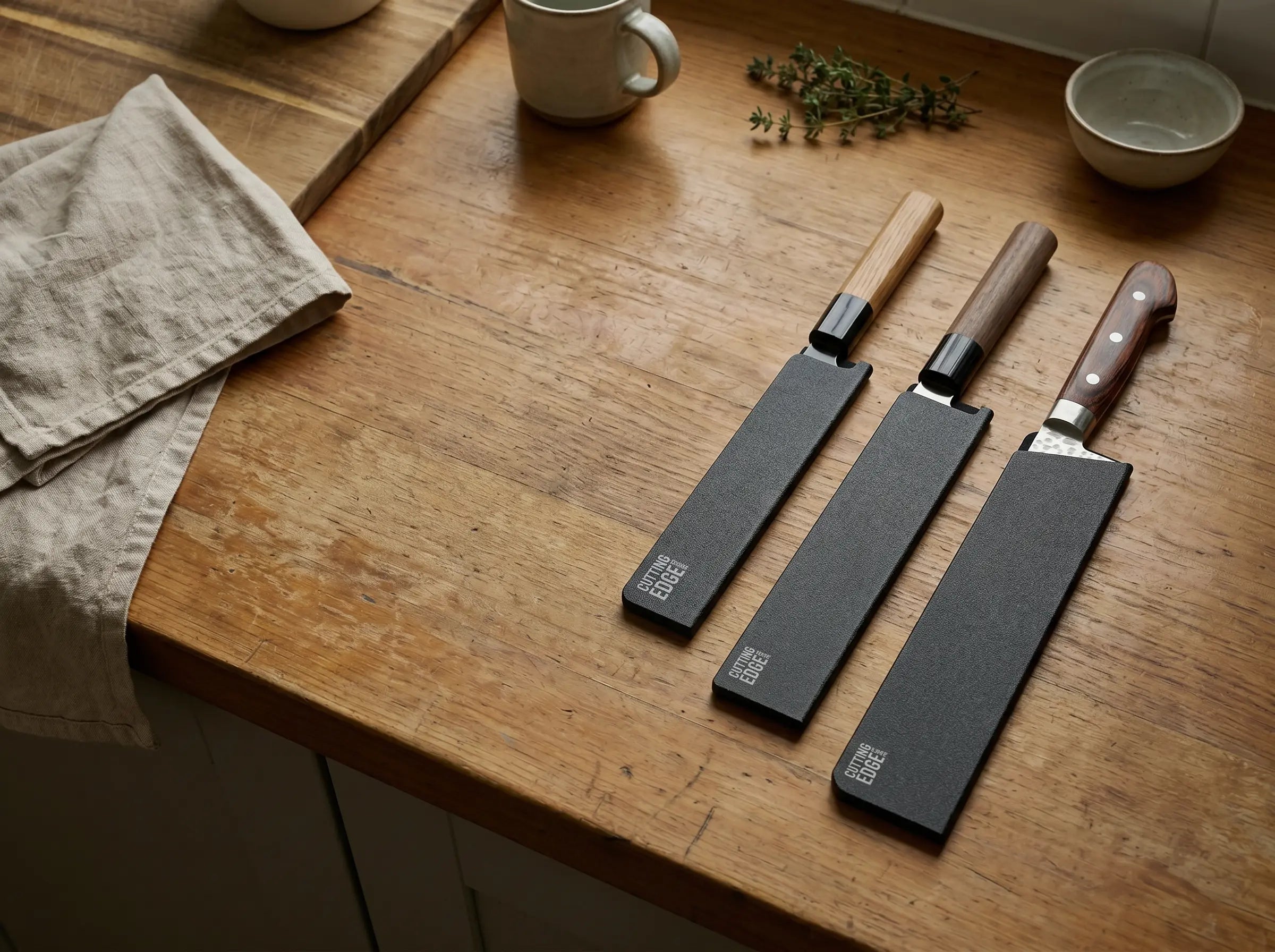
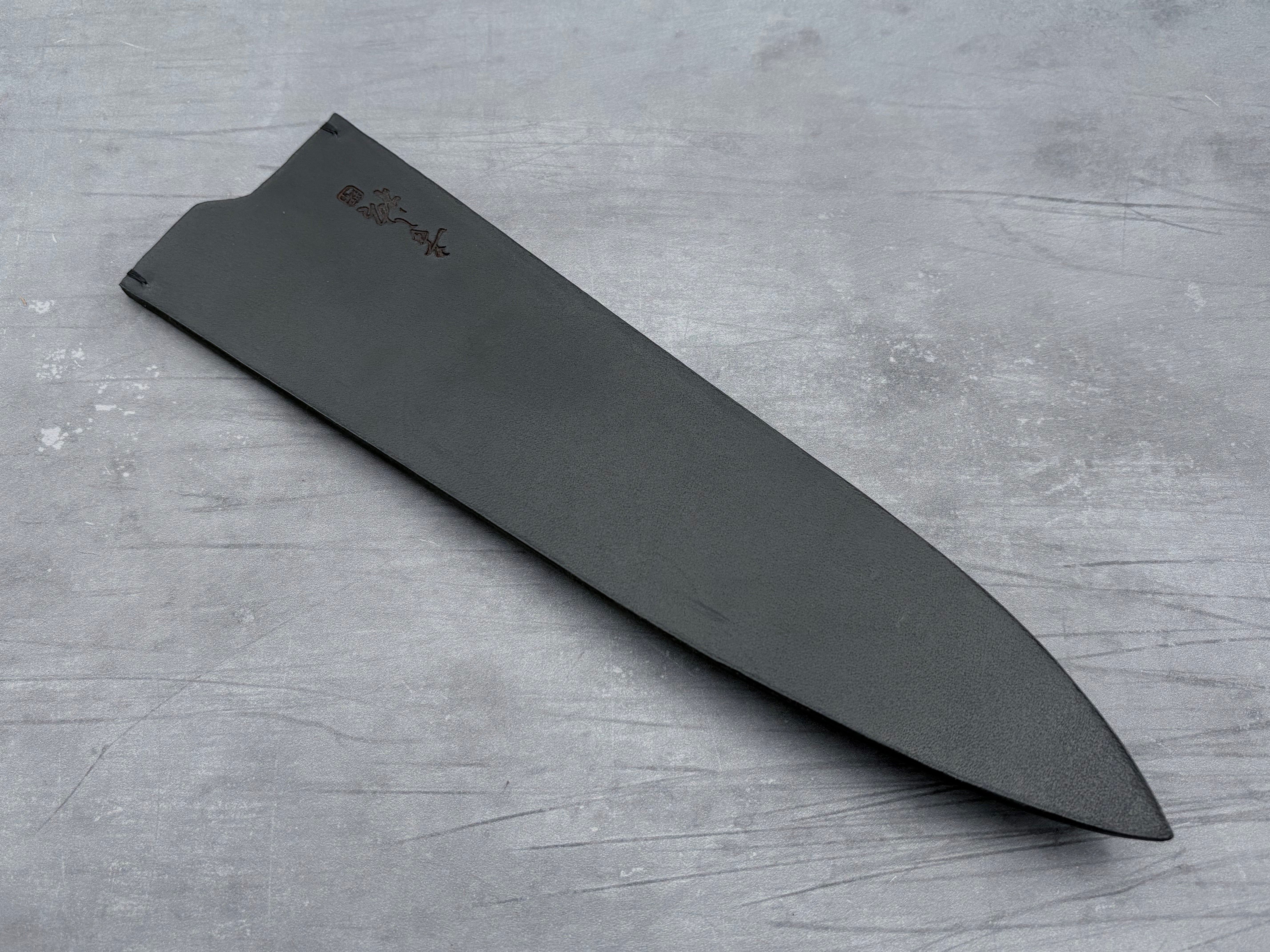
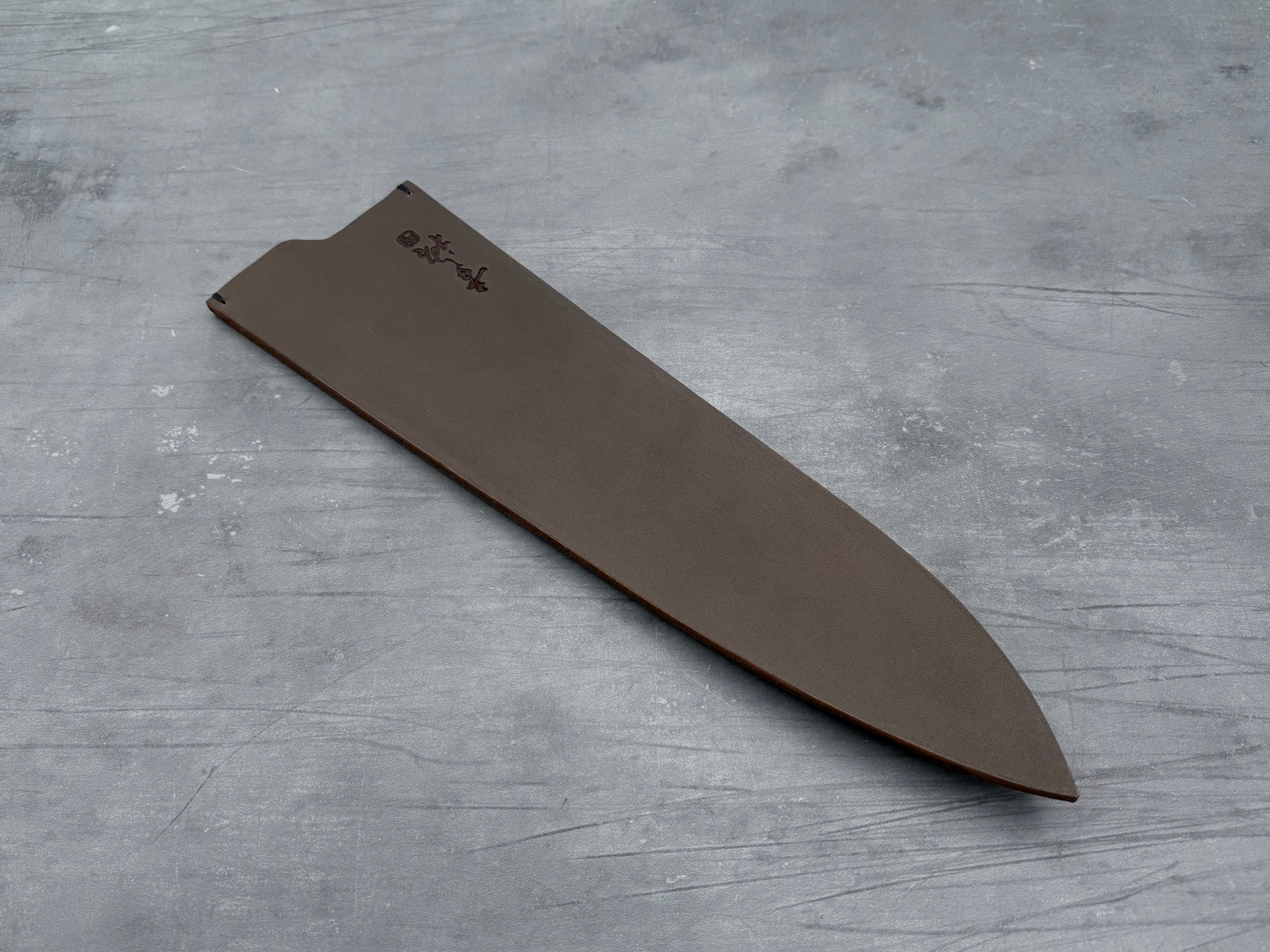
A knife guard is a sleeve or sheath that fits over a blade when it is not in use. For anyone who owns a handmade Japanese knife, it is not an optional extra. The fine, acute edges that make these knives so effective are also what make them vulnerable. A blade loose in a drawer will dull against other utensils, chip at the tip, and cut you when you reach in without looking. A guard solves all three problems.

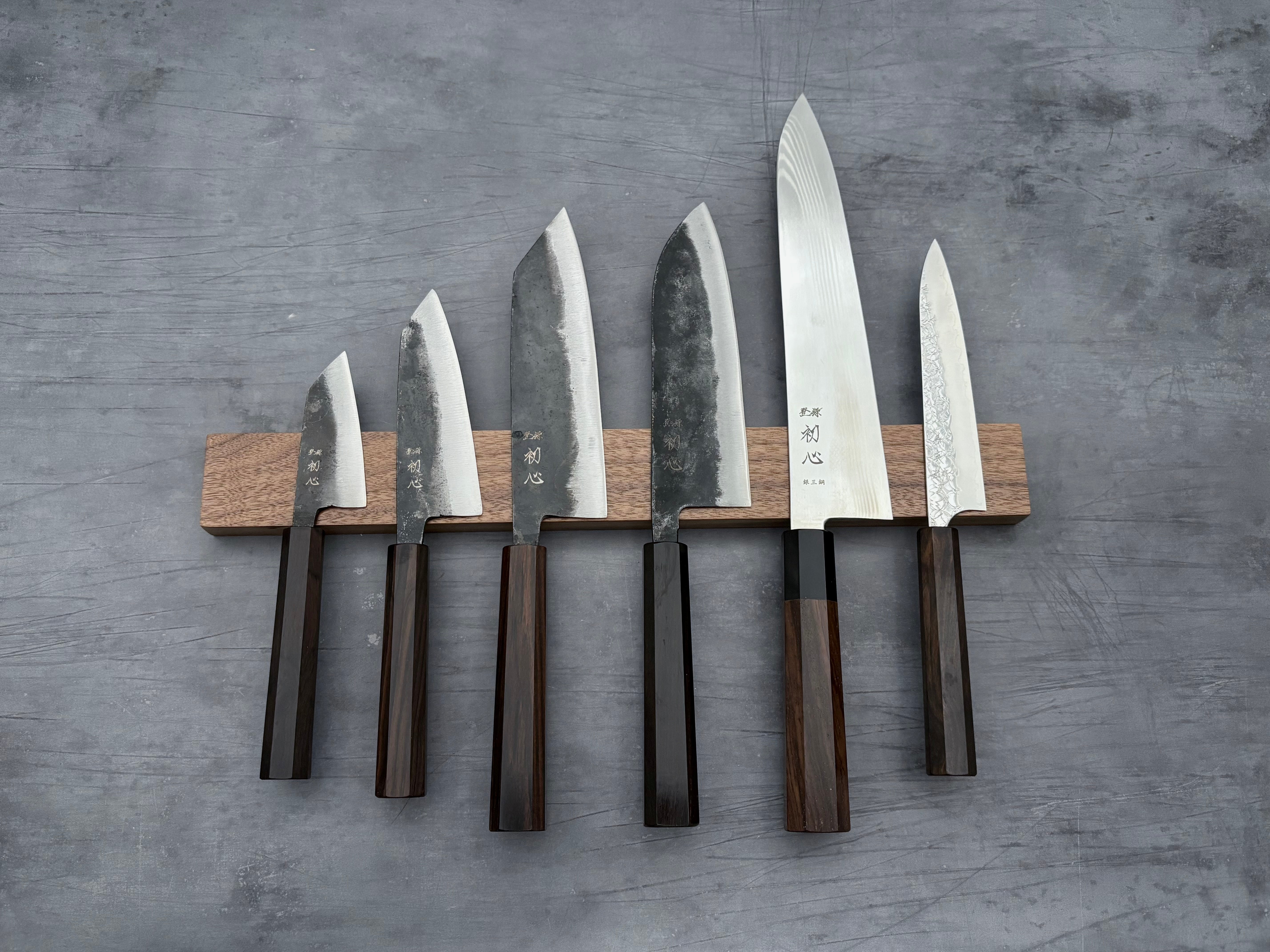
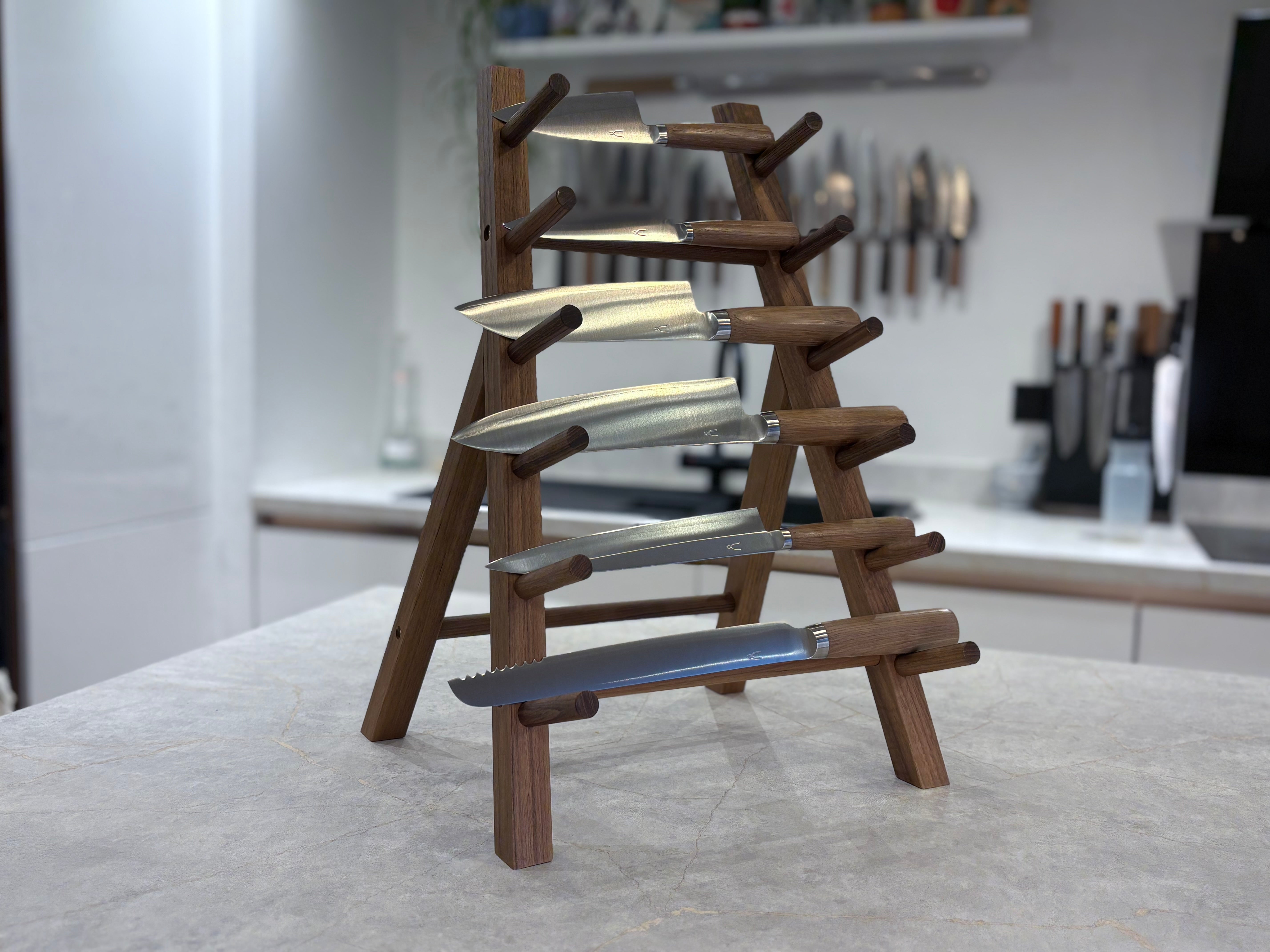
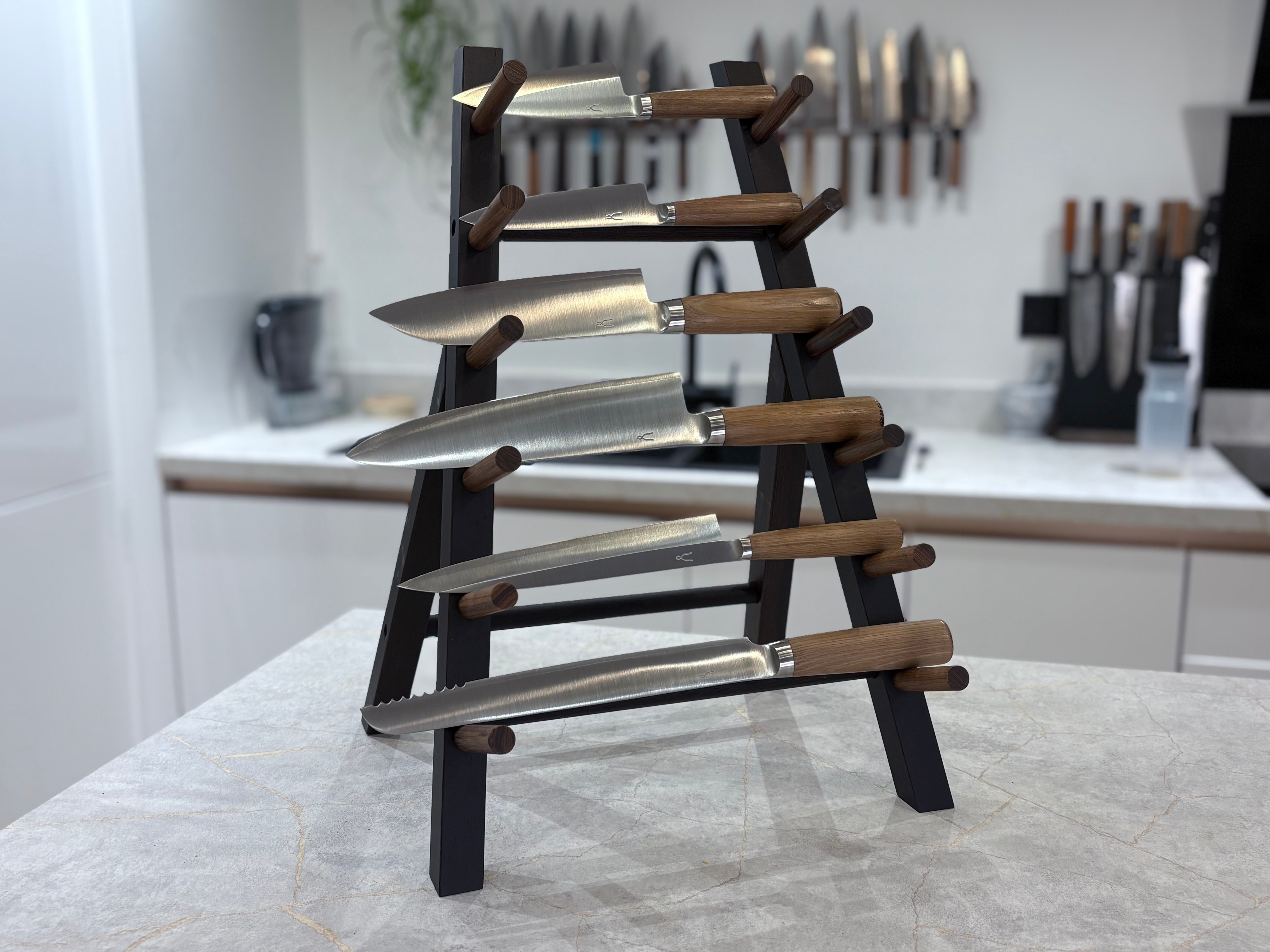
If you are new to Japanese knives, the Hatsukokoro knife collection shows how much blade profiles and lengths vary across different styles. That variety is why guards come in different sizes too. A long gyuto needs a different fit from a compact petty knife, and the wrong size will either leave the edge exposed or press against it at an angle.
Types of knife guards and what to look for
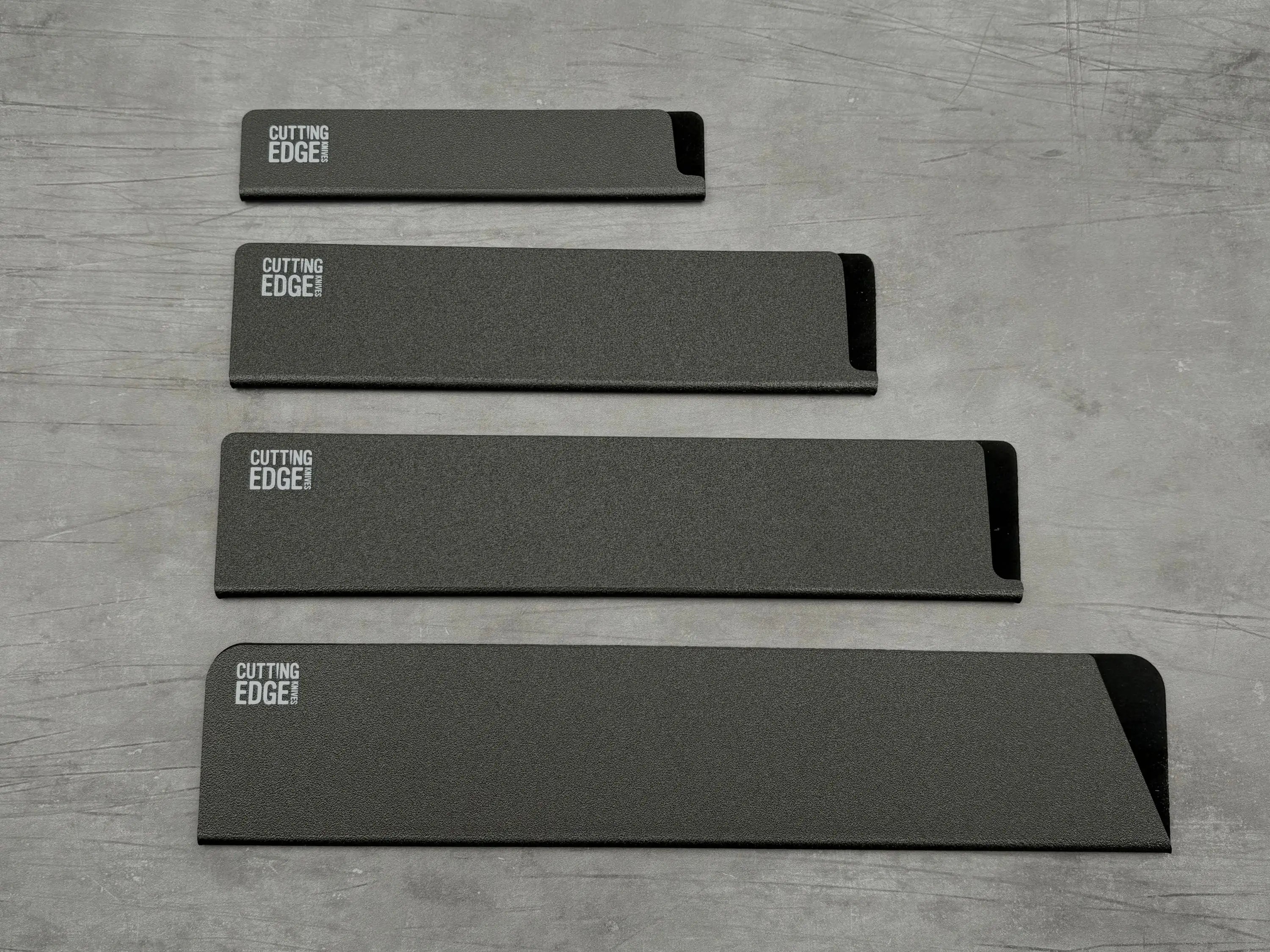
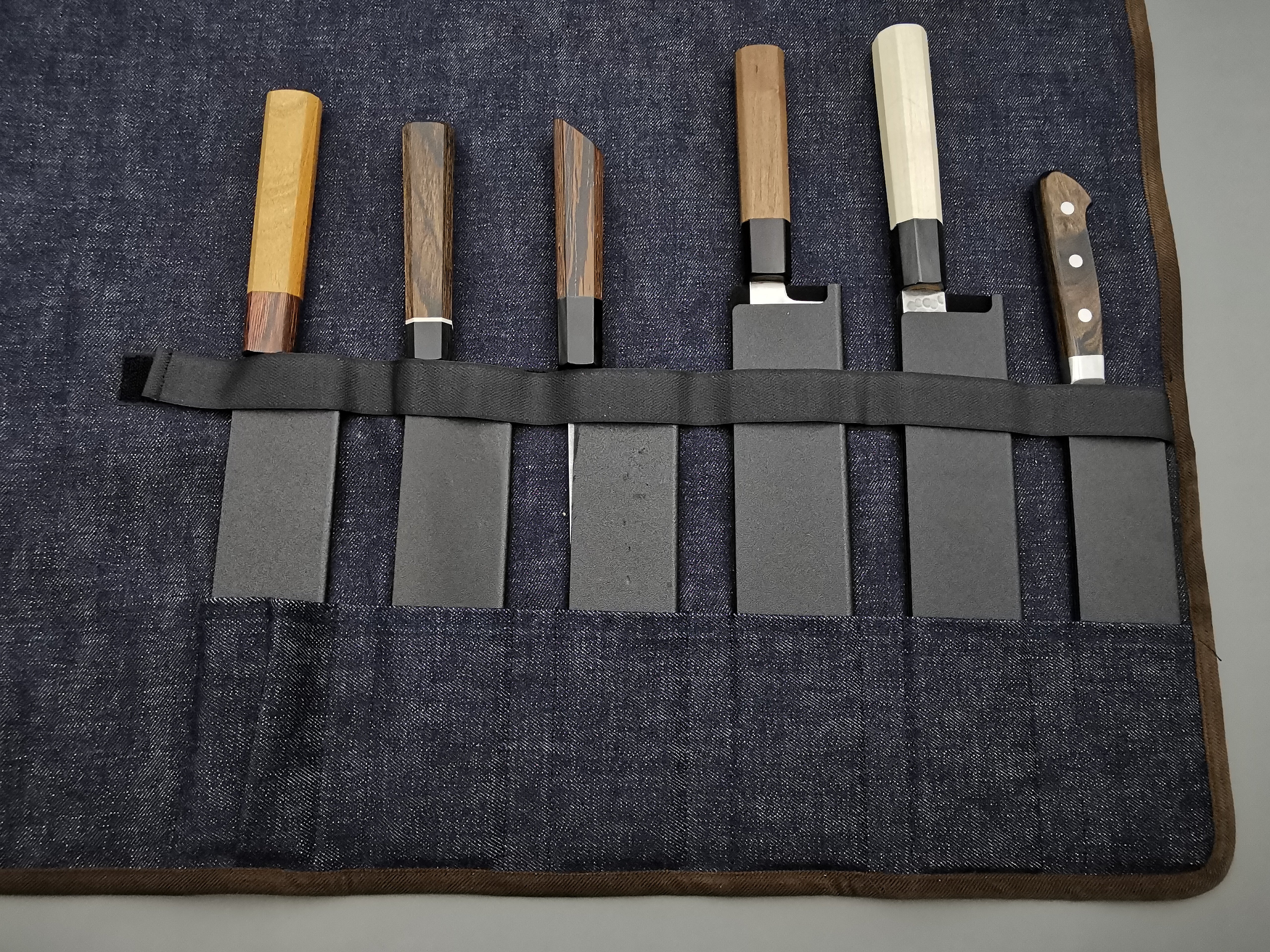
Most guards fall into two categories: hard plastic sheaths and wooden saya. Plastic guards are practical, cheap, and easy to clean. They clip on snugly and work well for most double-bevel knives. Wooden saya are made for specific blade profiles and are the traditional choice for single-bevel knives in particular. Whichever type you go with, the fit should be secure without putting lateral pressure on the edge.
- Check the guard matches both the blade length and width
- Make sure the material will not trap moisture against a reactive carbon steel blade
- Look for a retention mechanism that keeps the guard in place during transport
- If you are storing knives long-term, a guard with a ventilation channel is worth the extra consideration
Knife guards for storage, travel, and everyday use
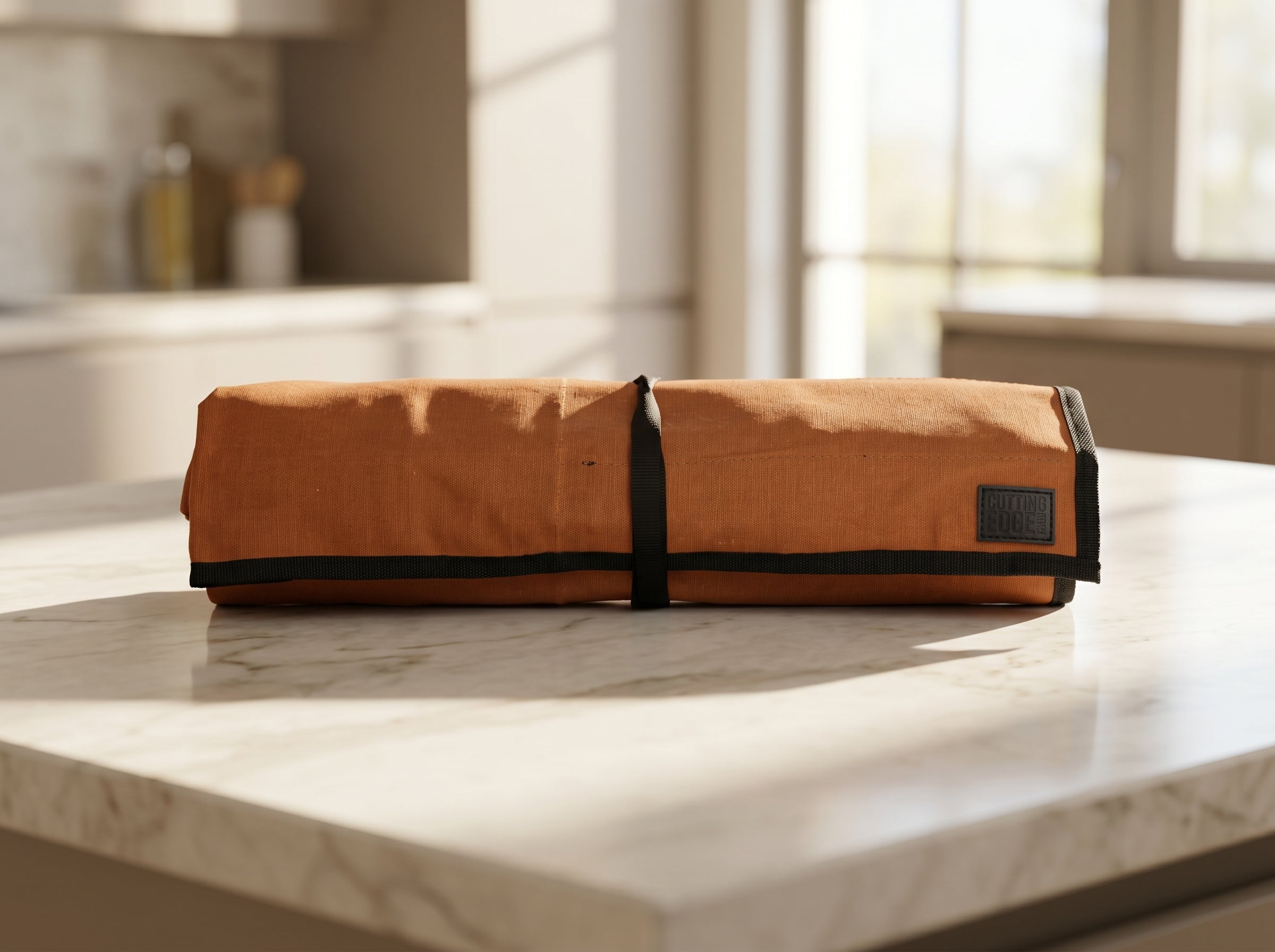
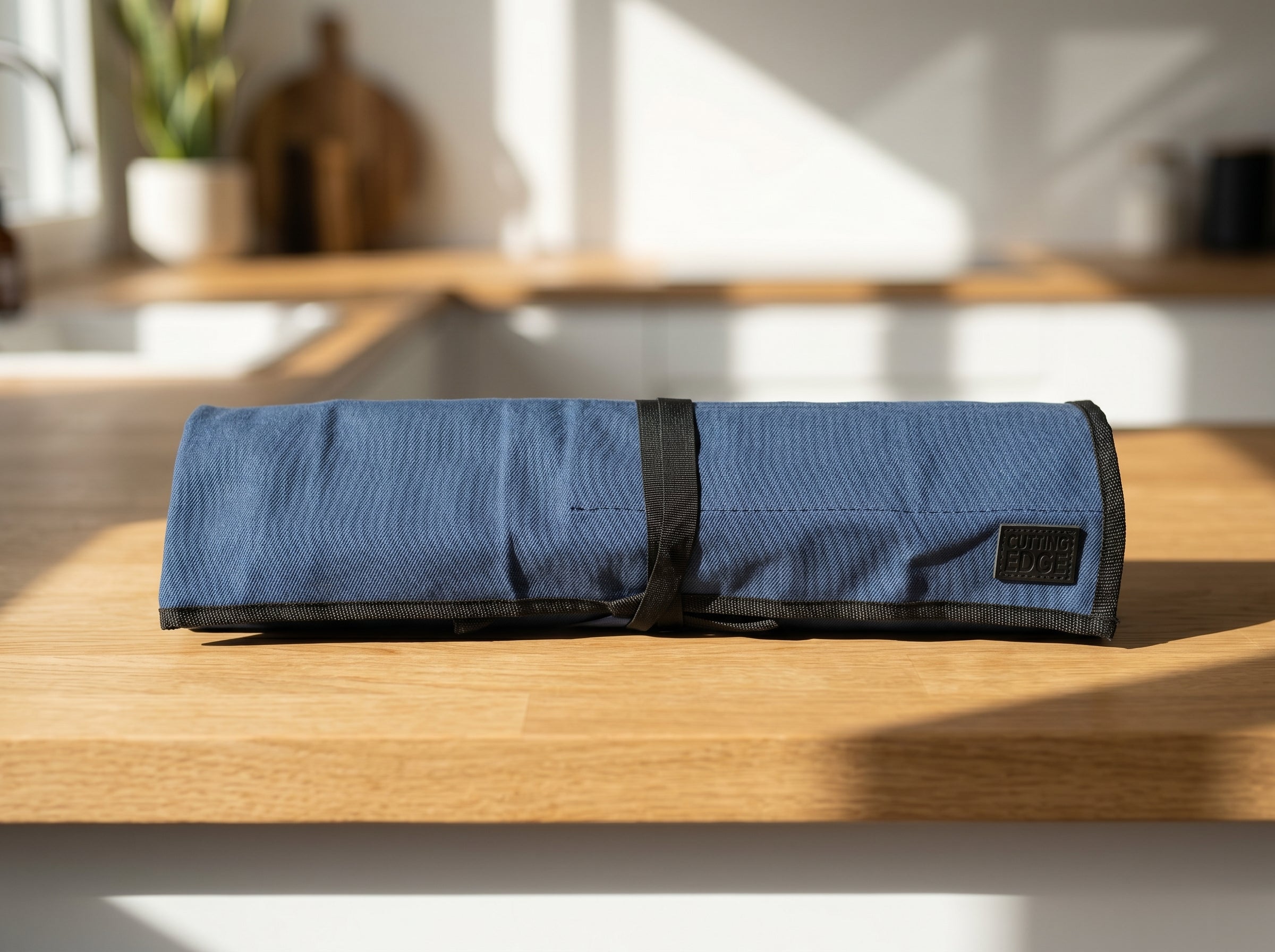
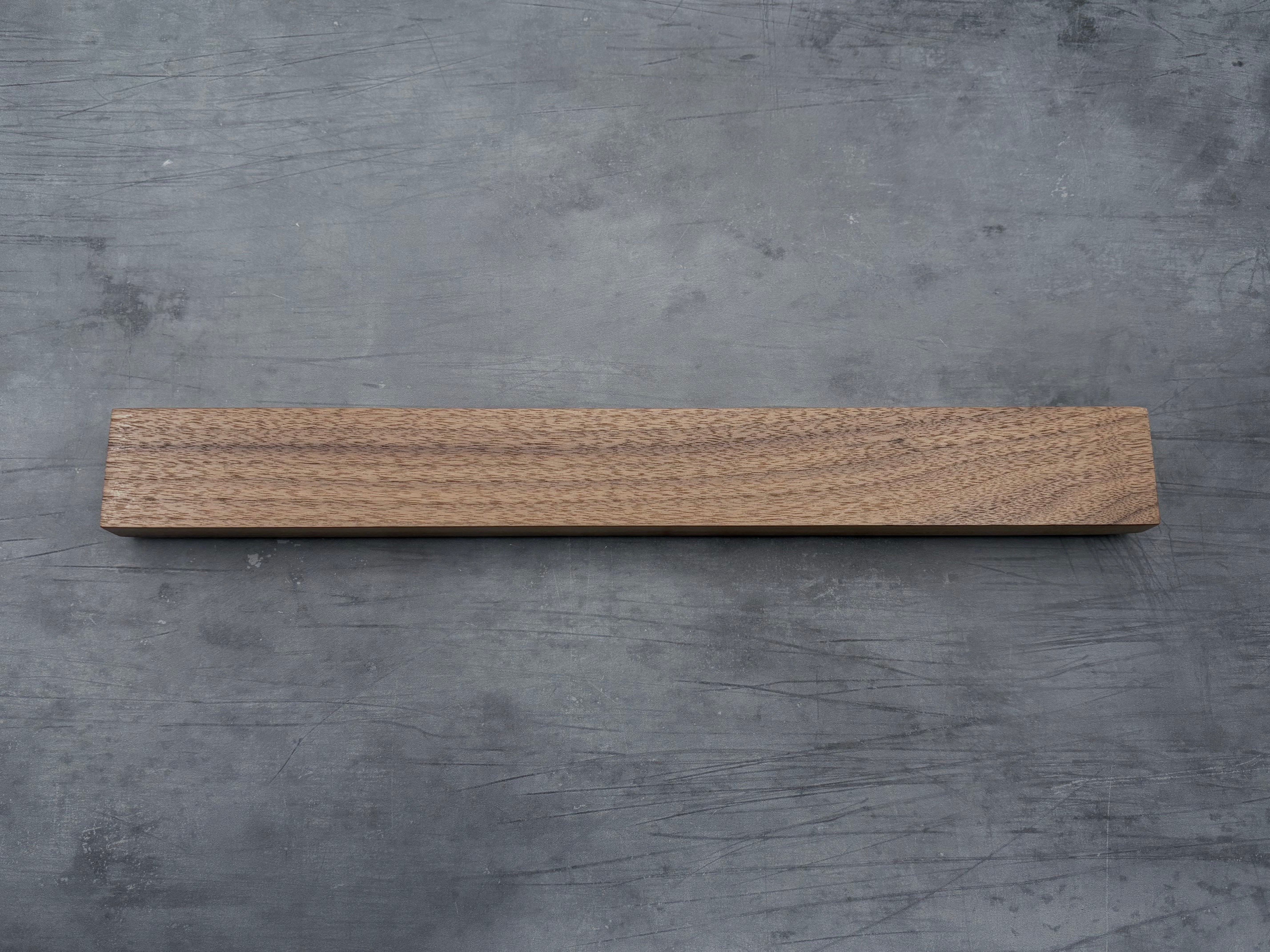
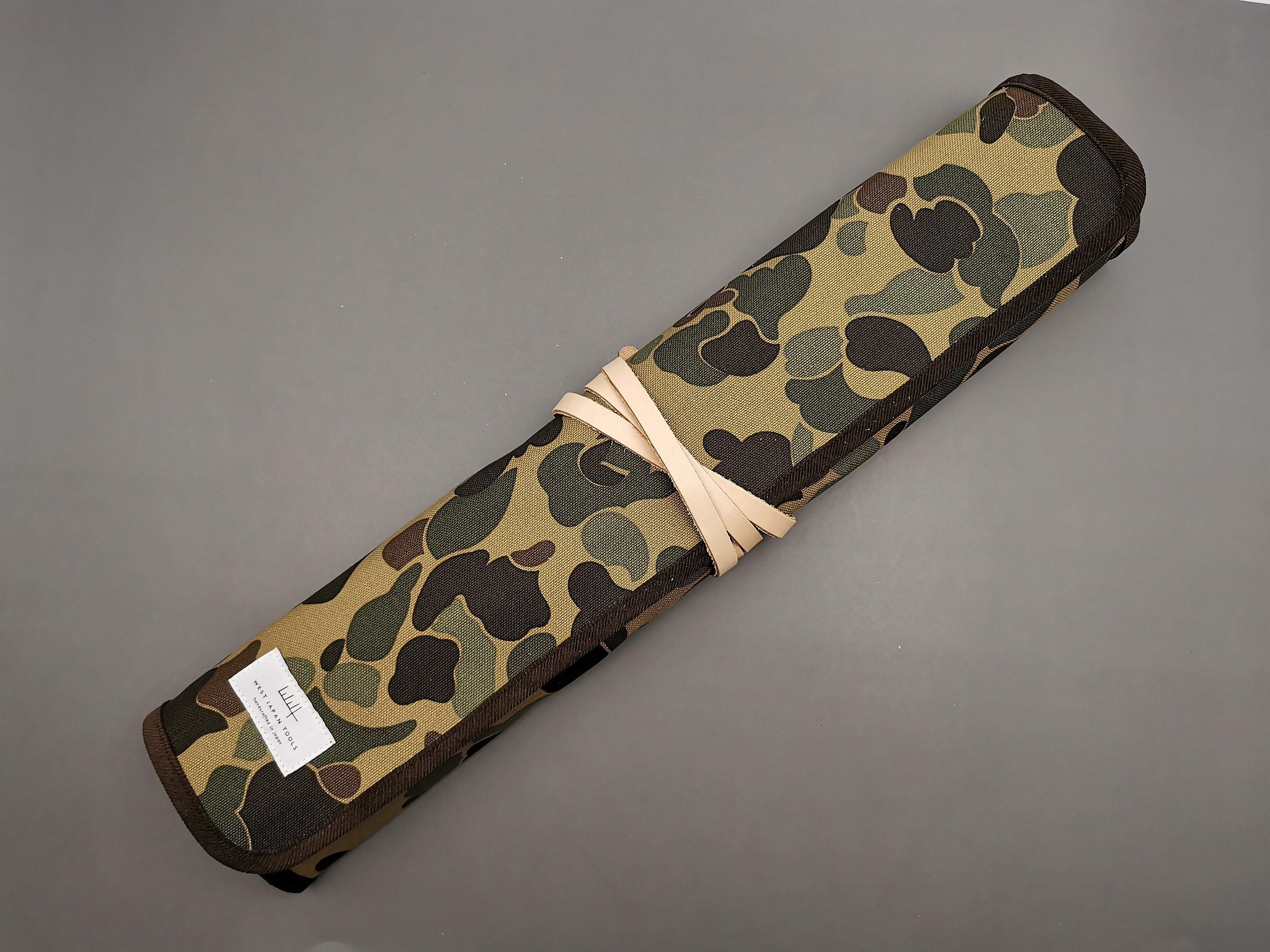
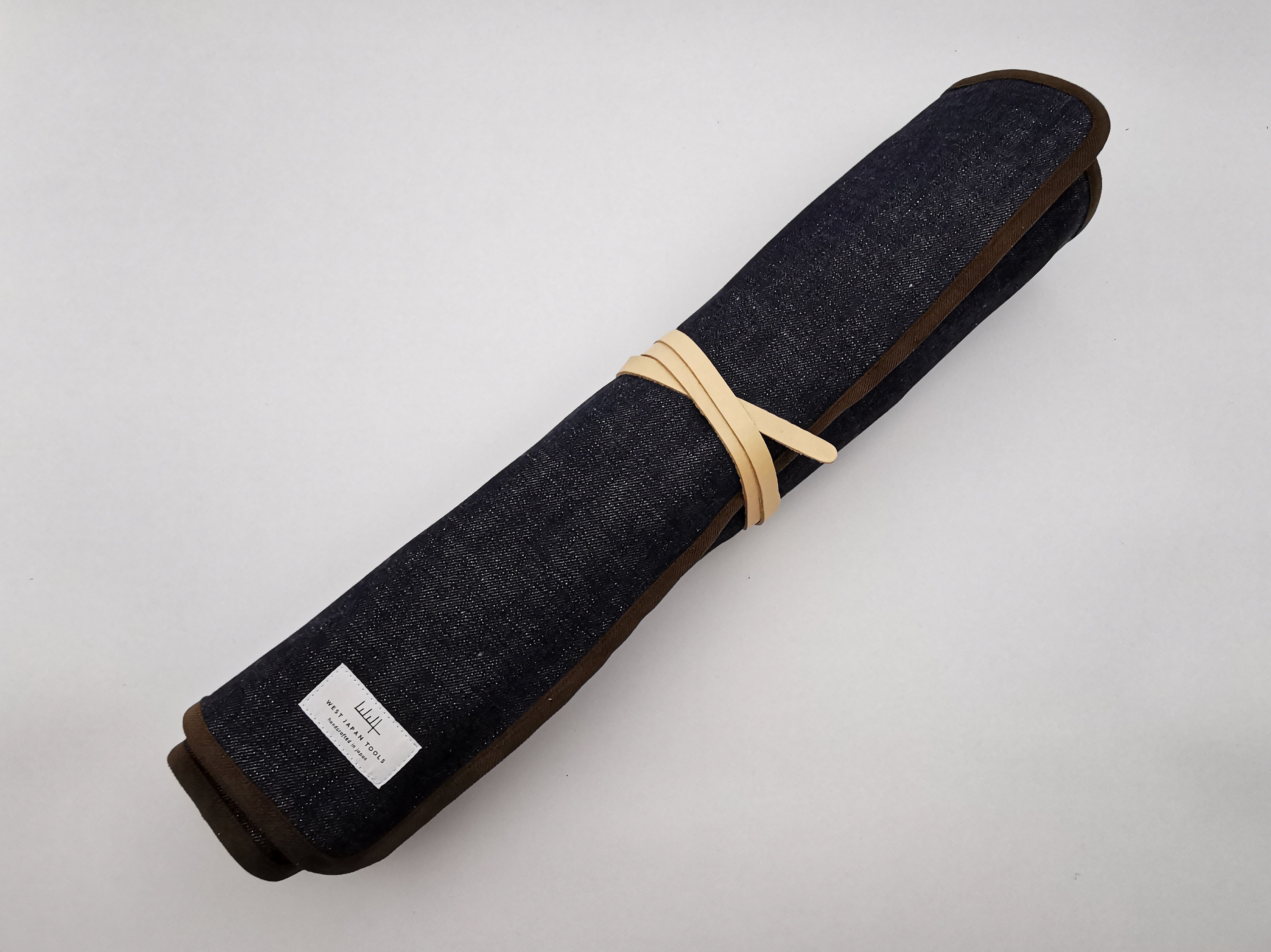
Guards are useful in three situations. At home, they protect blades kept in a drawer rather than on a magnetic rack. For cooks who carry knives to classes or other kitchens, a guard used alongside a knife roll or storage solution keeps edges intact and other people safe. Day to day, even a knife sitting on a worktop benefits from a guard if it is likely to get knocked during a busy session.
Moisture is the main concern with high-carbon steels. Many makers recommend a wooden saya with a small peg or pin that holds the blade slightly away from the wood, letting air circulate and preventing the dampness that causes rust or staining on reactive steels like Shirogami. If you are using a plastic guard on a carbon steel knife, take it off after washing and let the blade dry fully before putting the cover back on.
Pairing the right guard with your knife
Getting the right guard is mostly about blade length. If you own a knife in the 210 to 240mm range, or something shorter in the 135 to 150mm category, you can match a guard to those dimensions directly. Smaller knives like petty or ko-bunka blades in the 120 to 134mm range need a close fit so the guard does not slide off in storage.
You can browse the full range of guards, saya, and blade protection options in the knife guards, storage and protection collection at Cutting Edge Knives.