
What is the Masakage Koishi range?
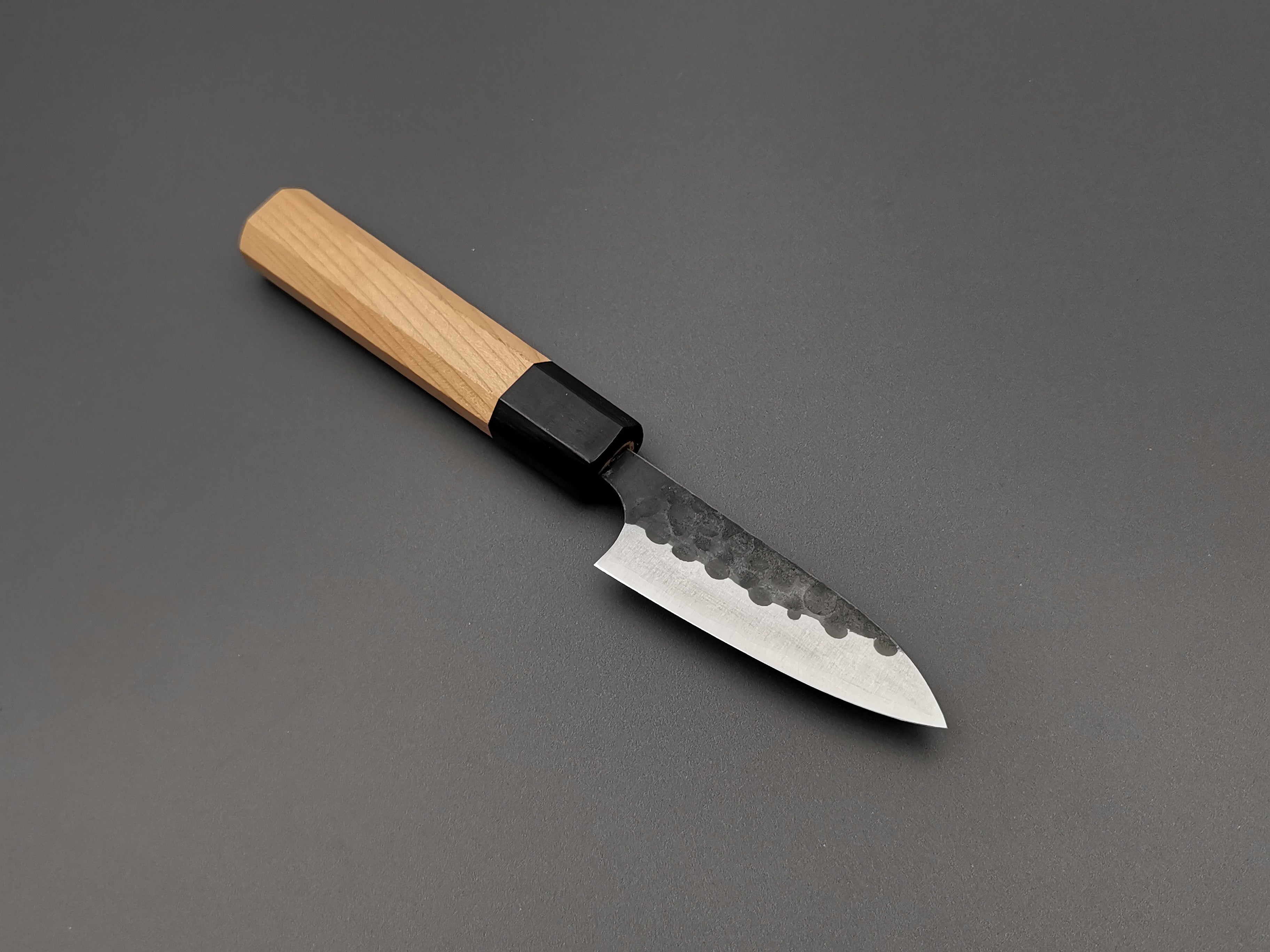
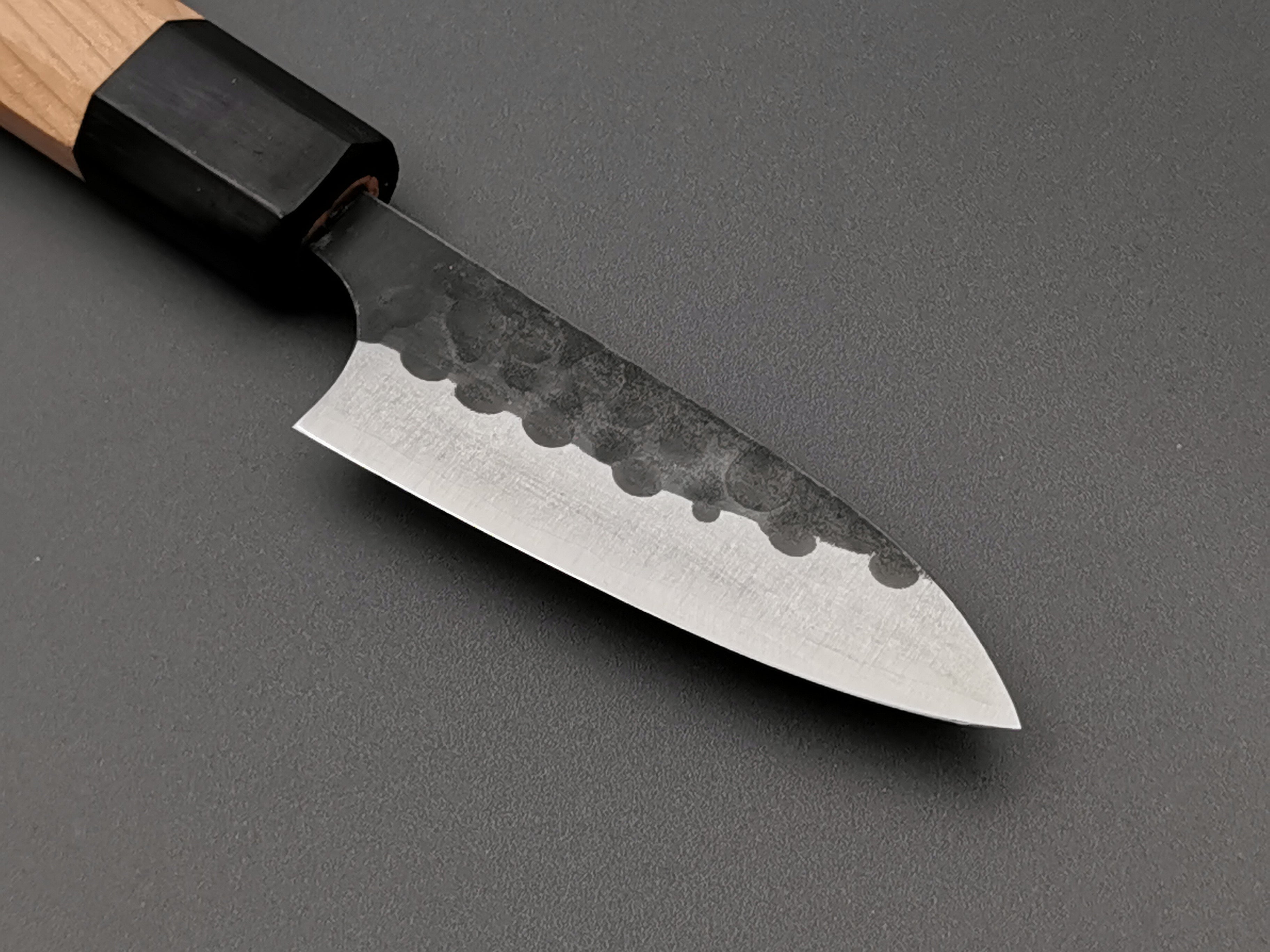
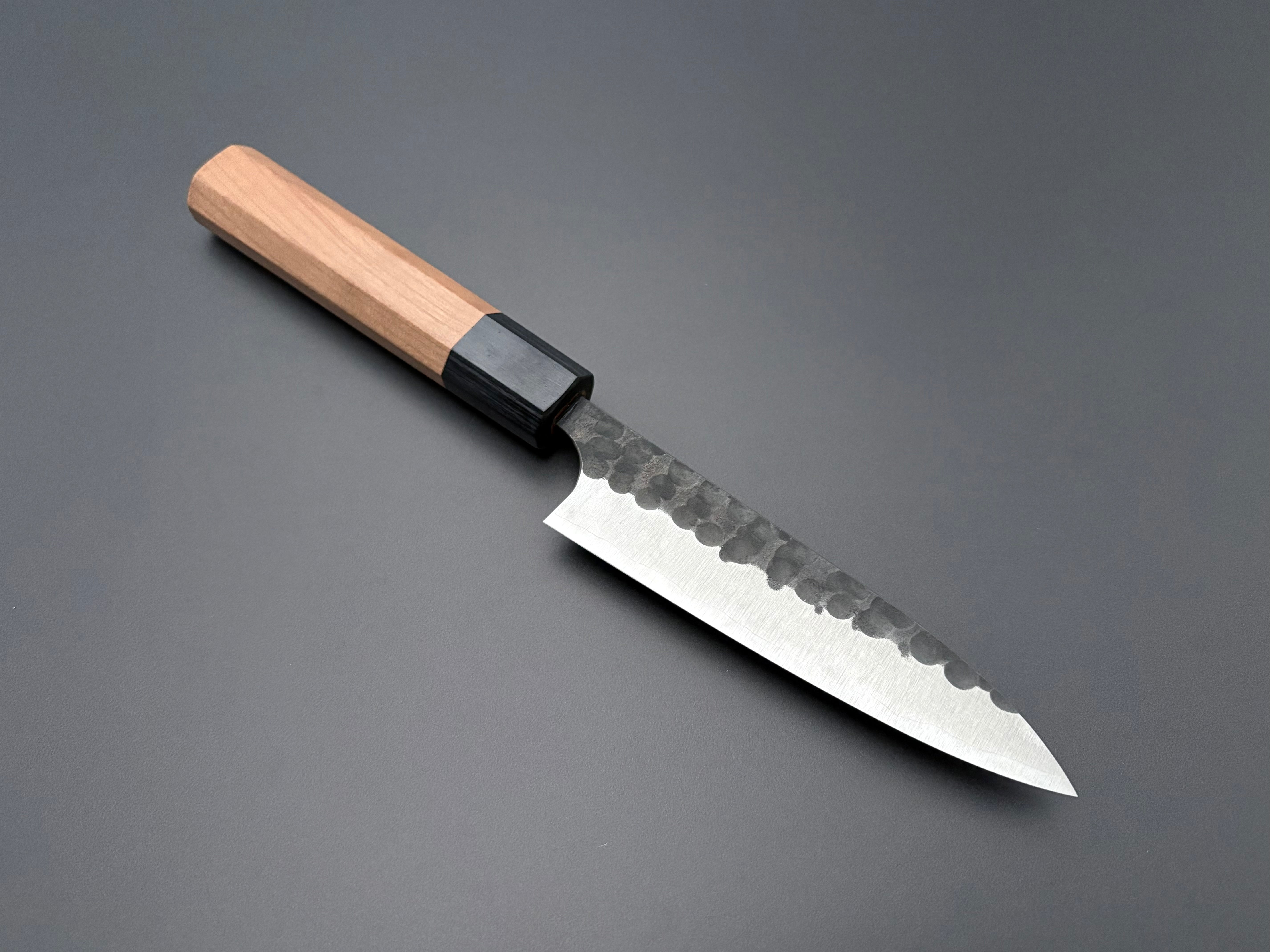
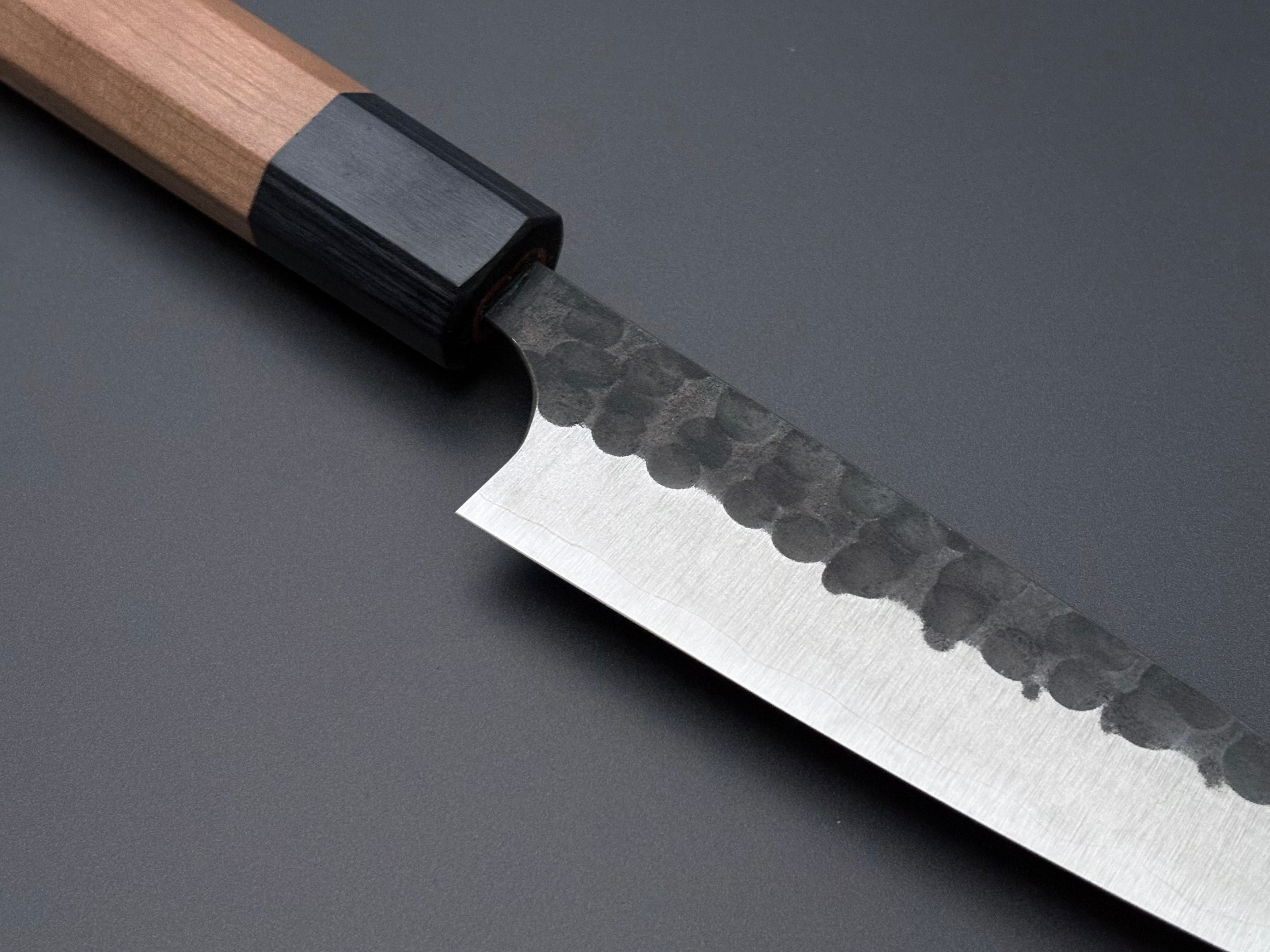
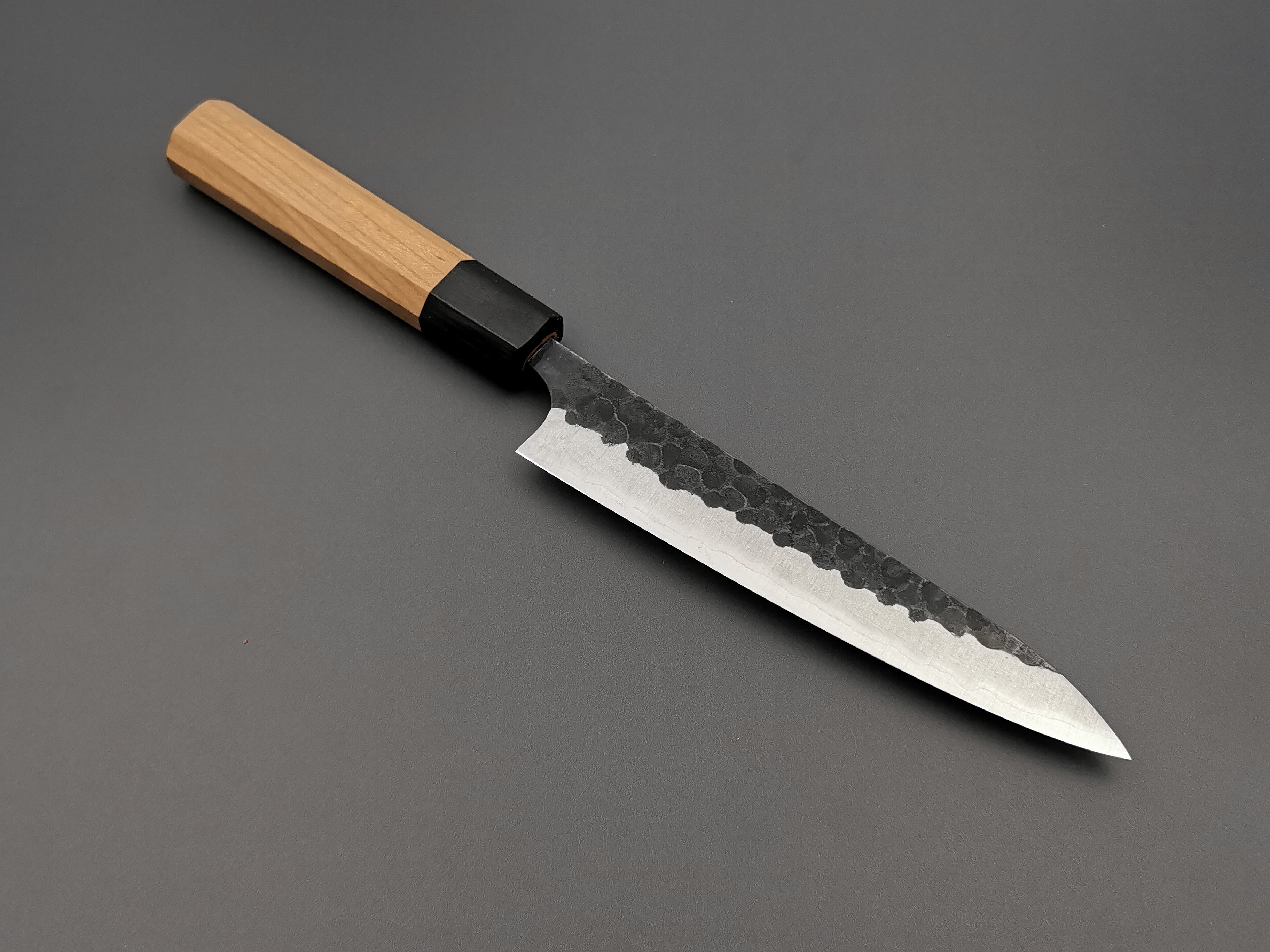
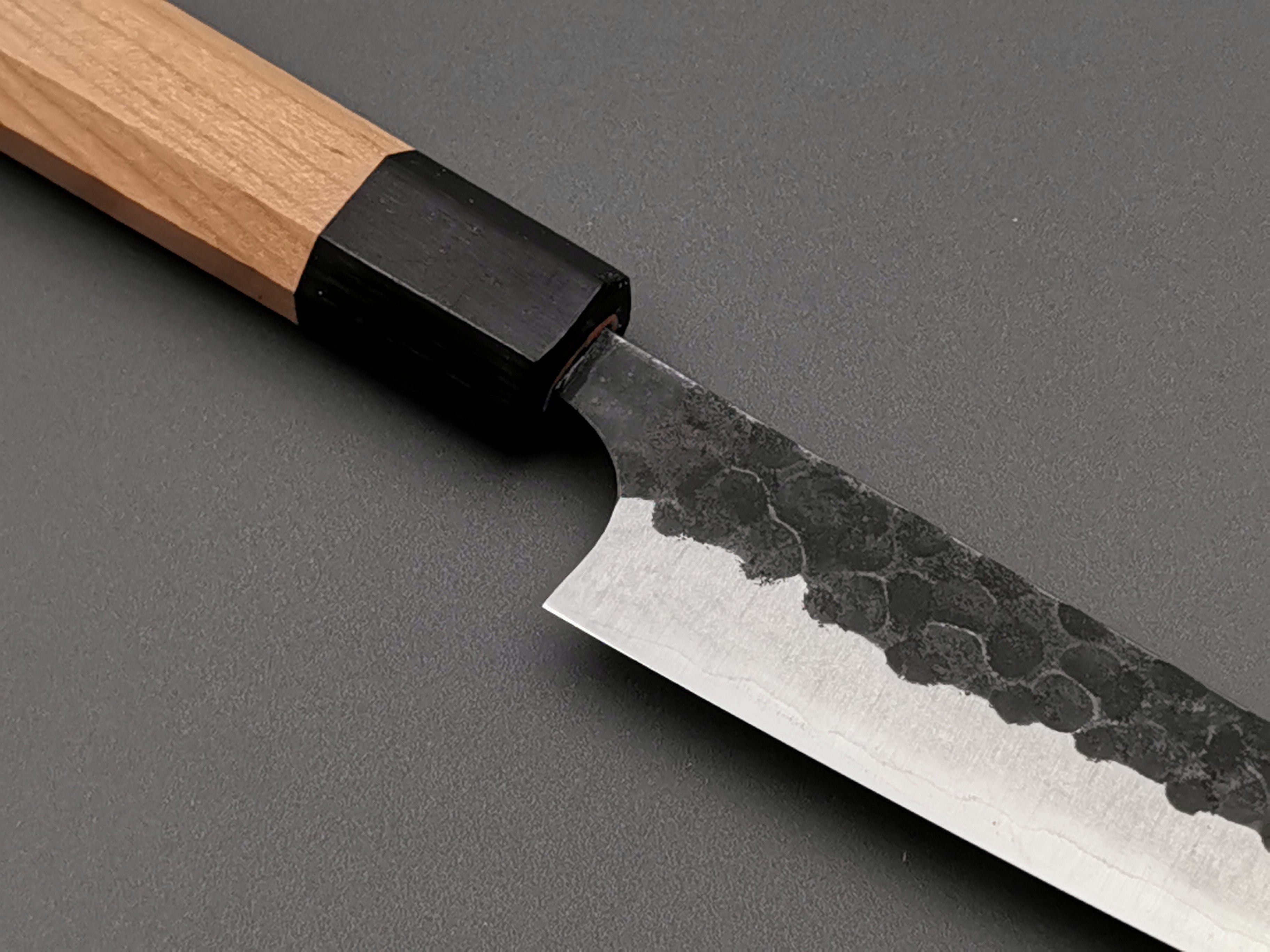
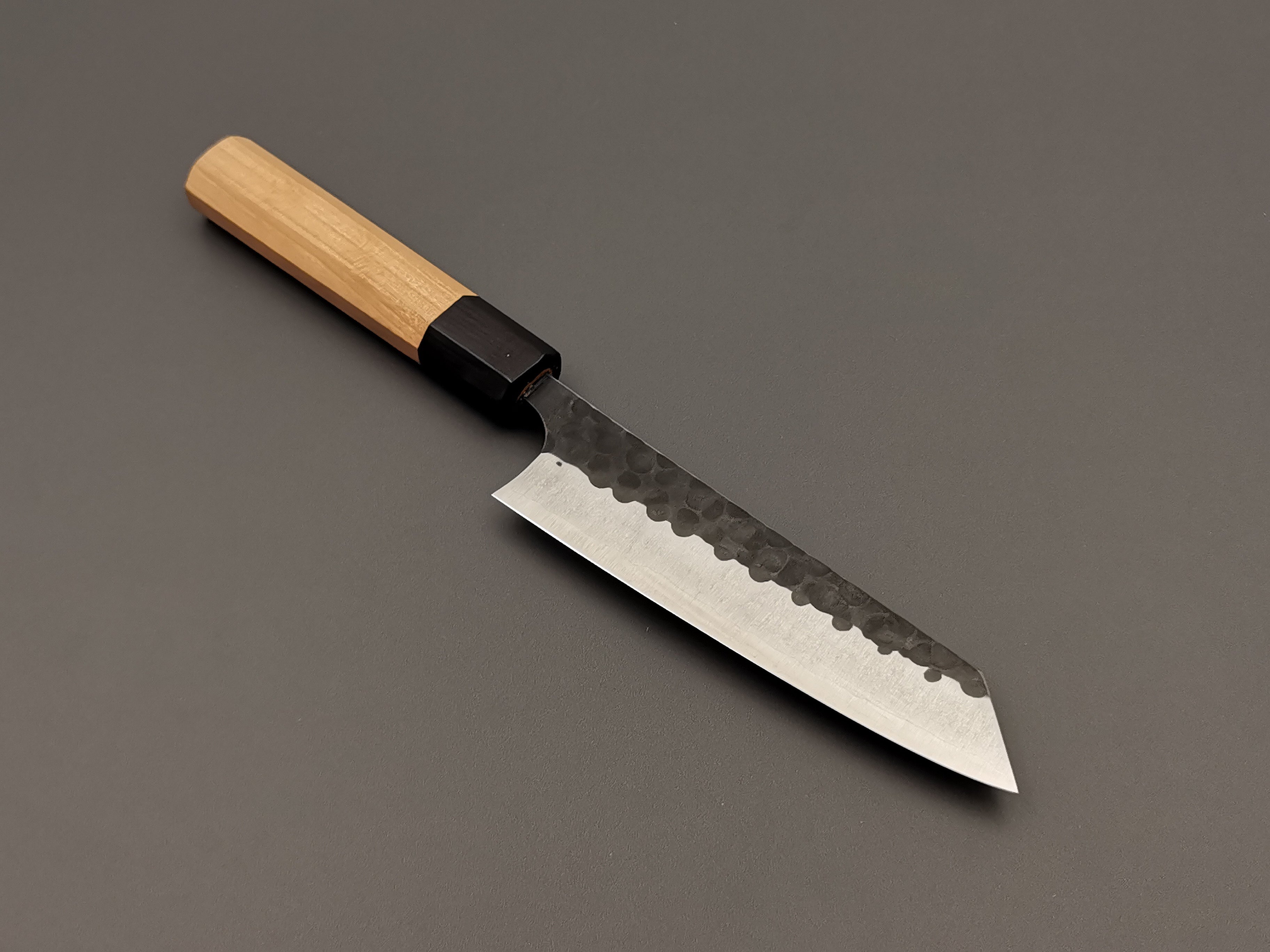
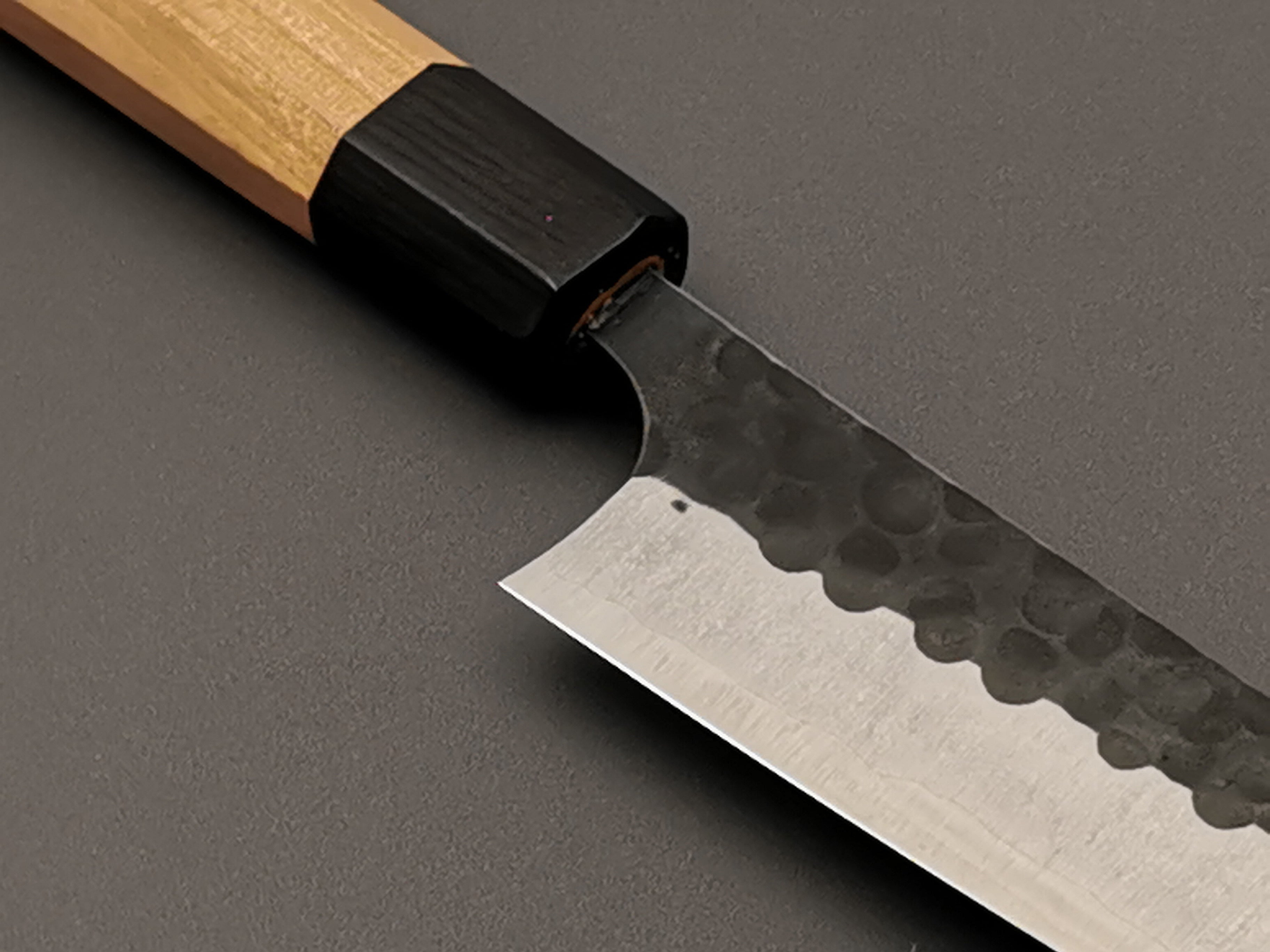
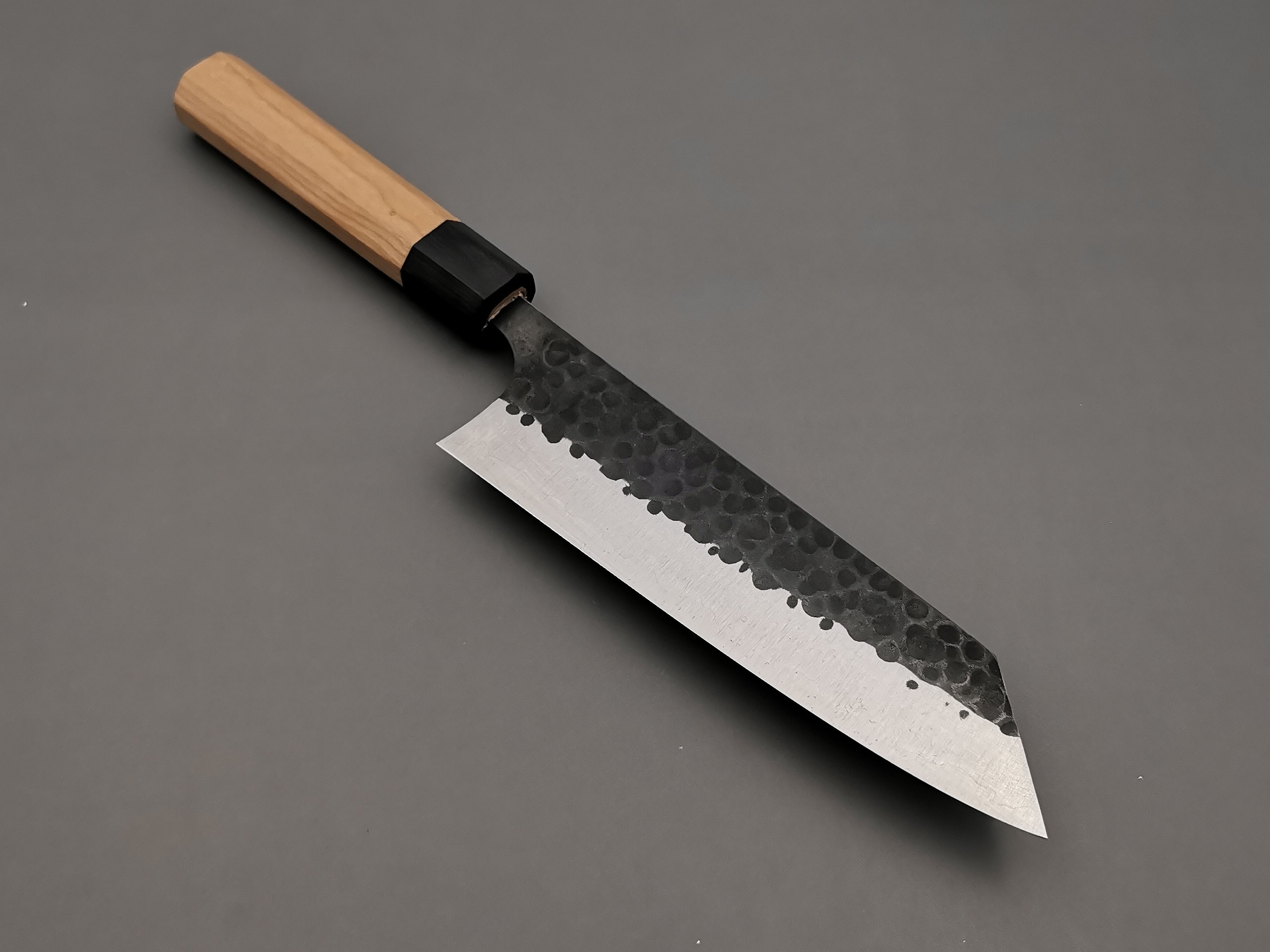
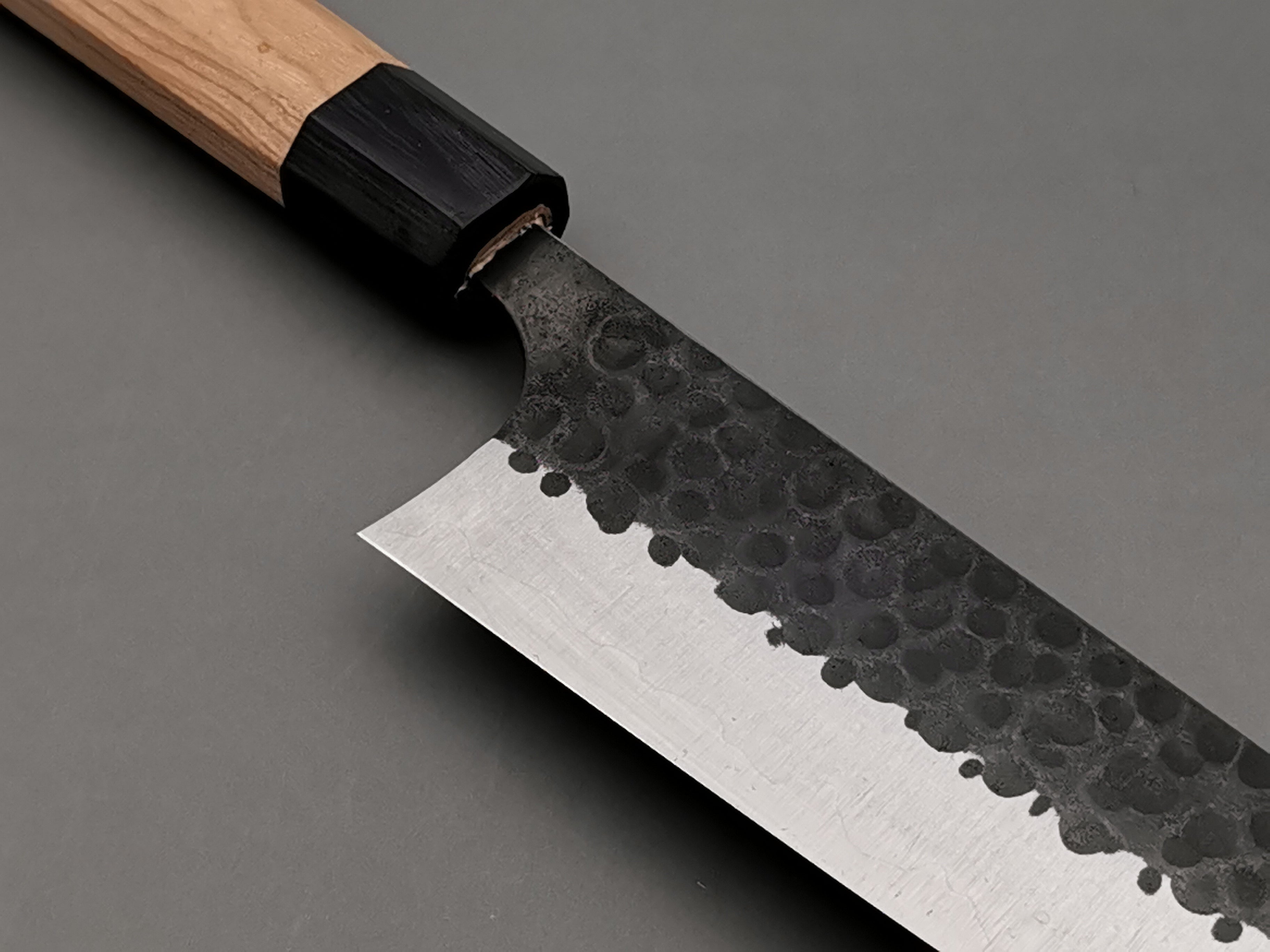
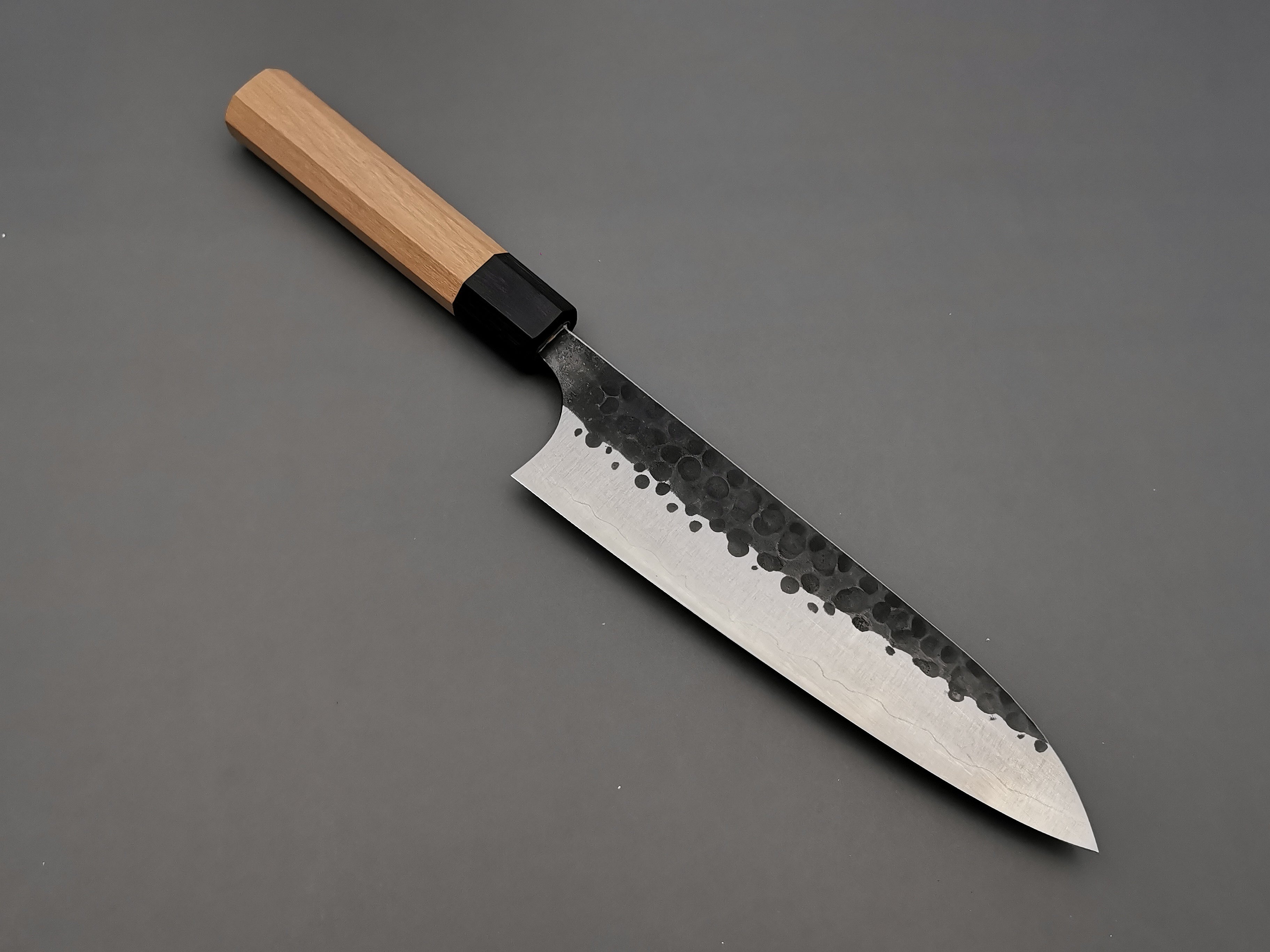
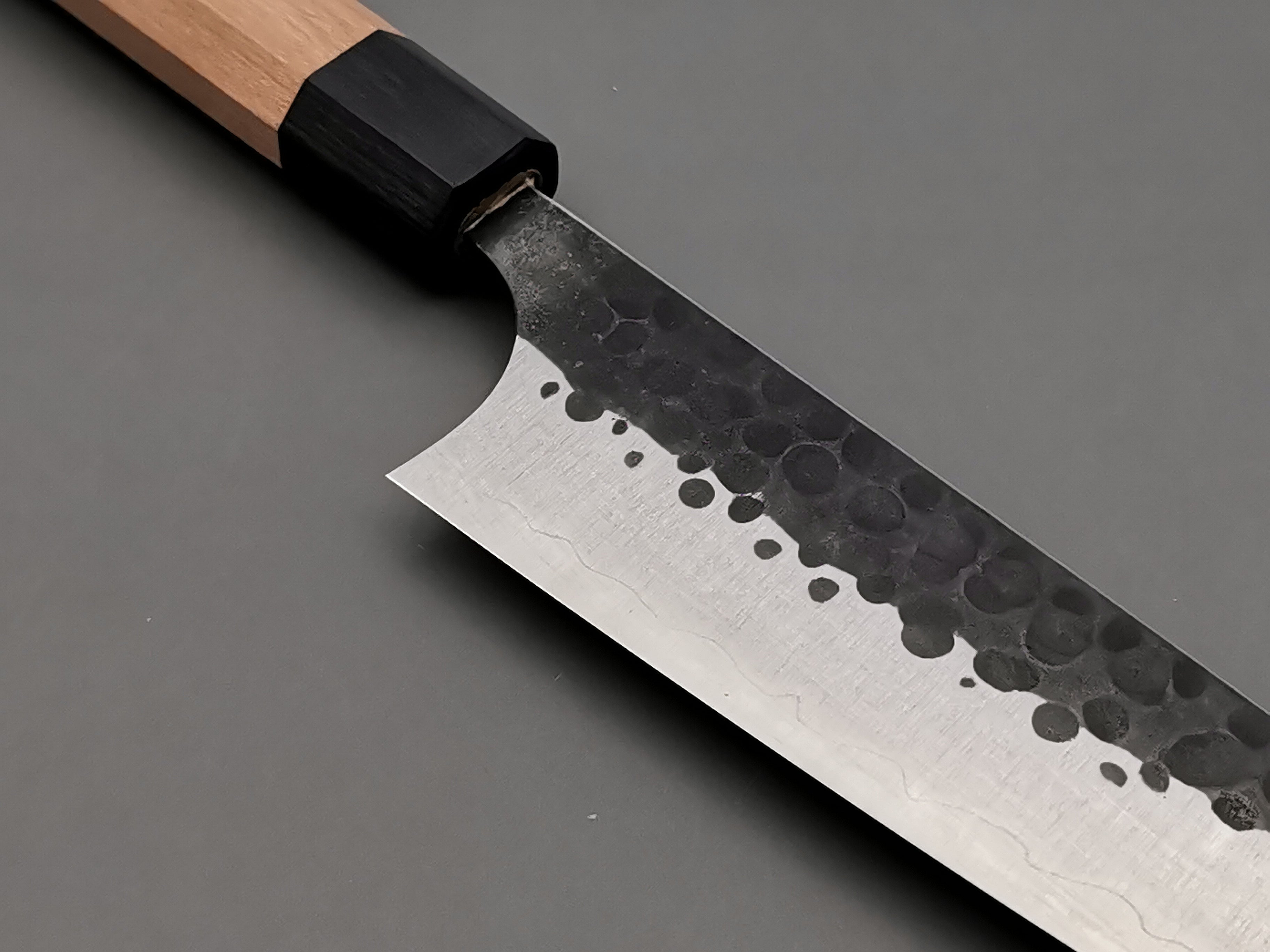
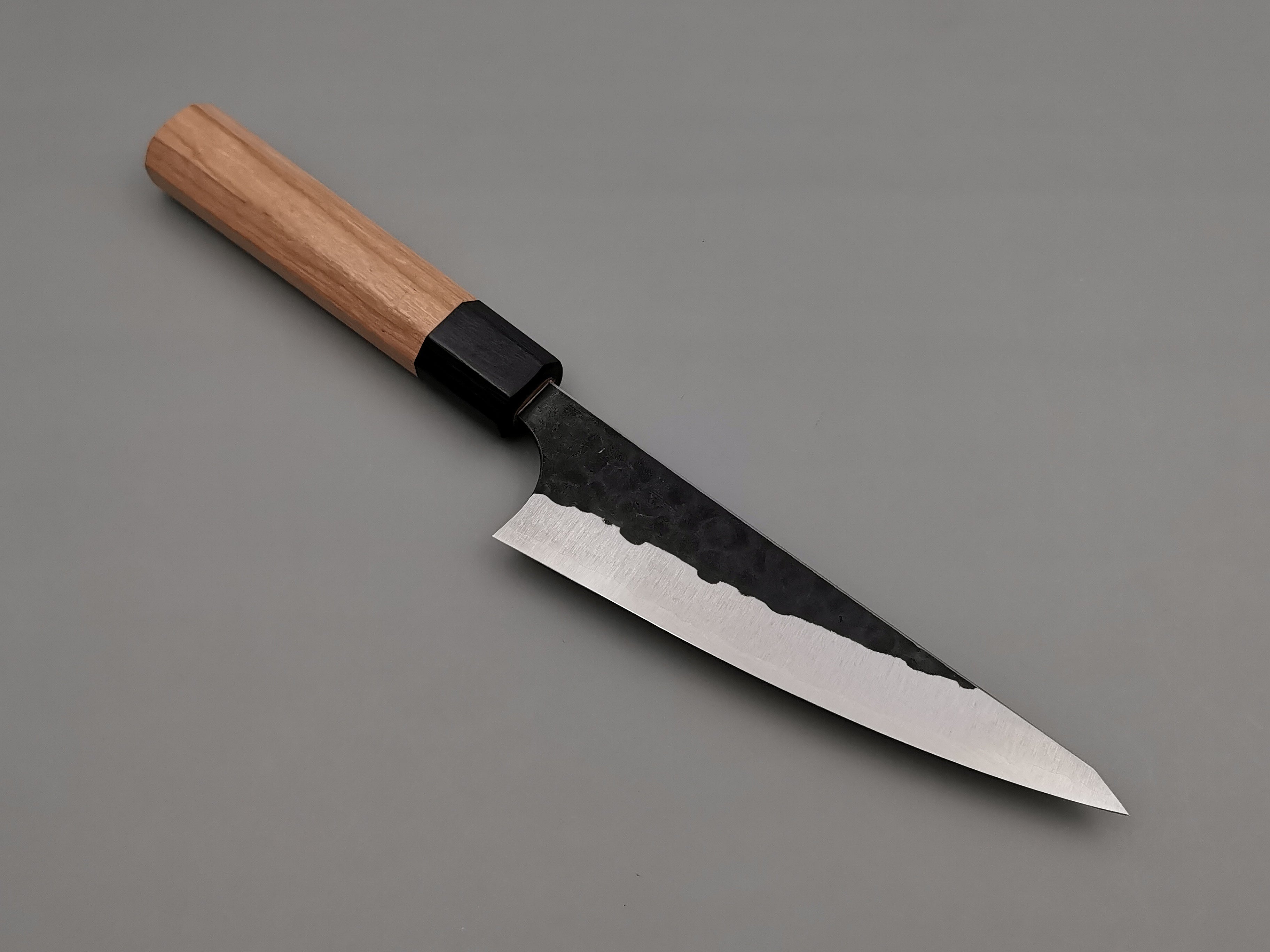
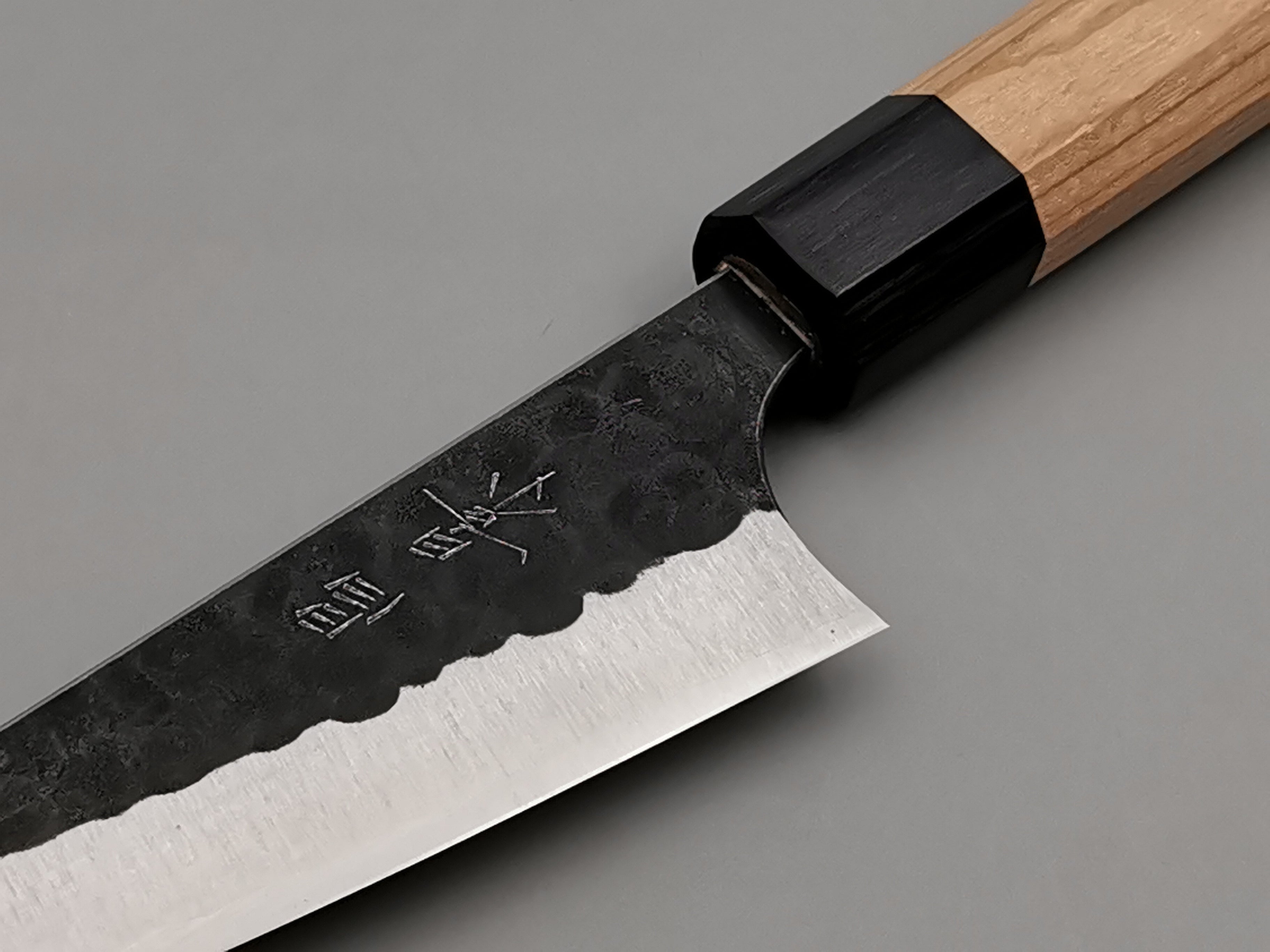
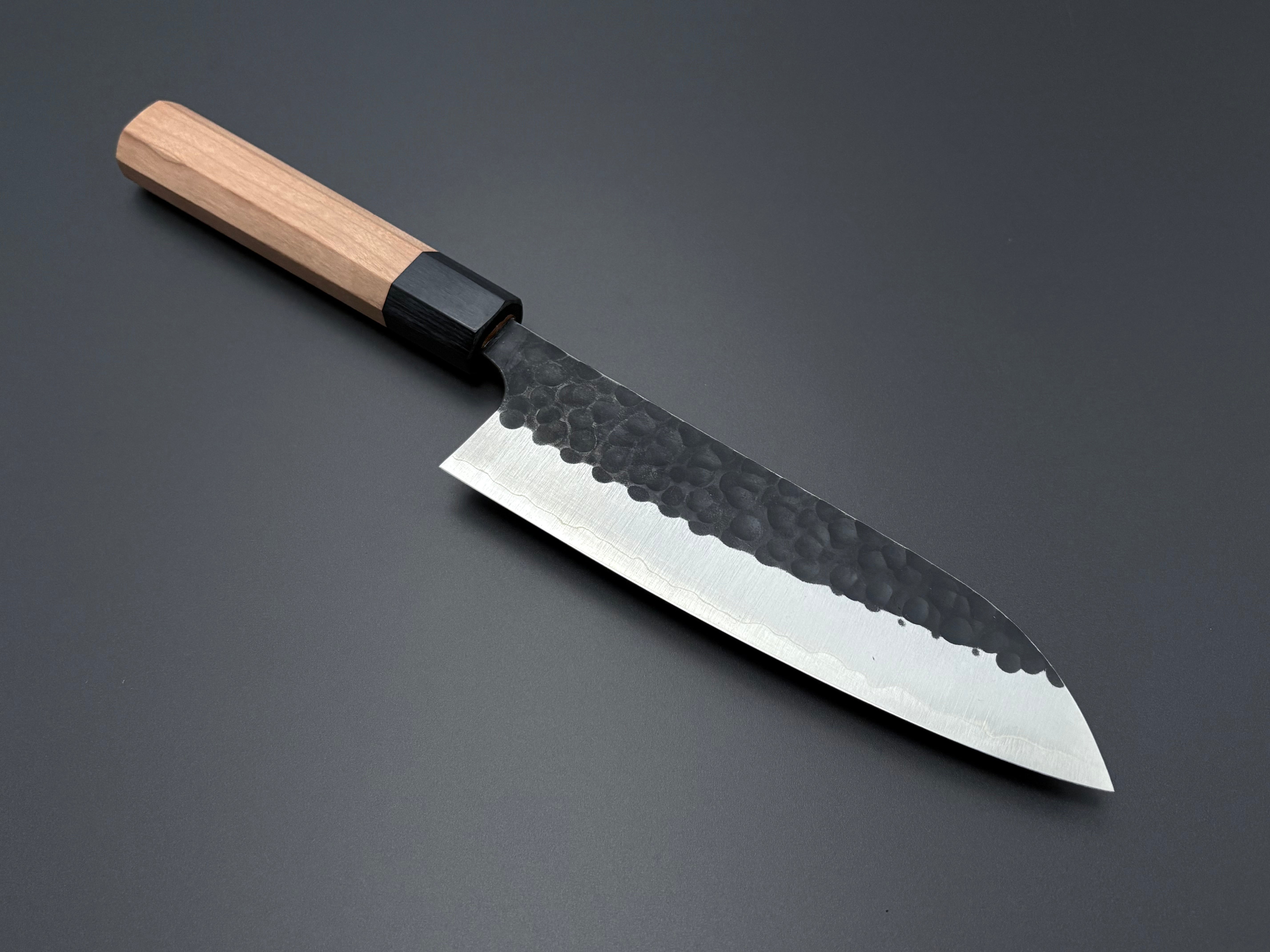
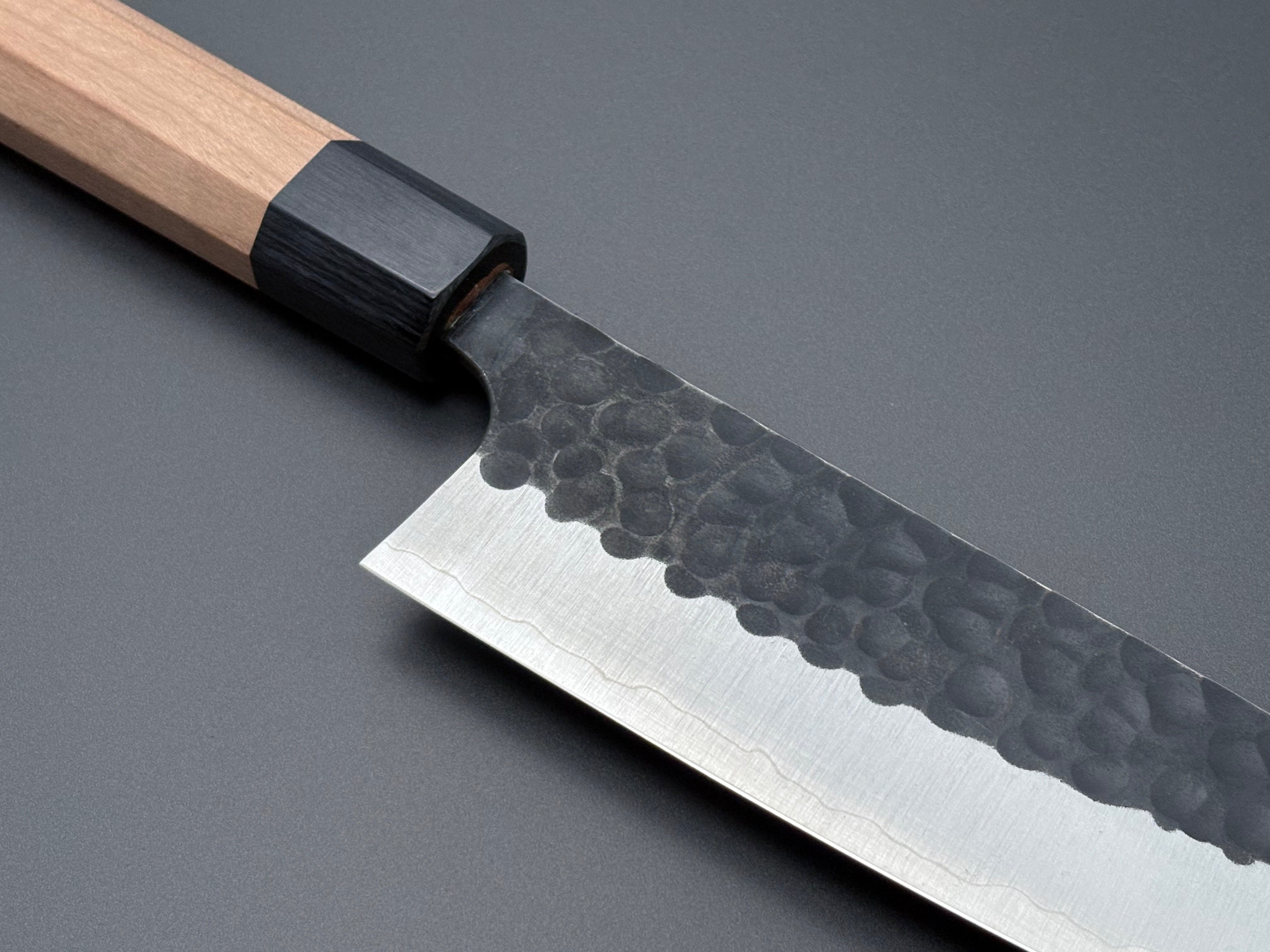
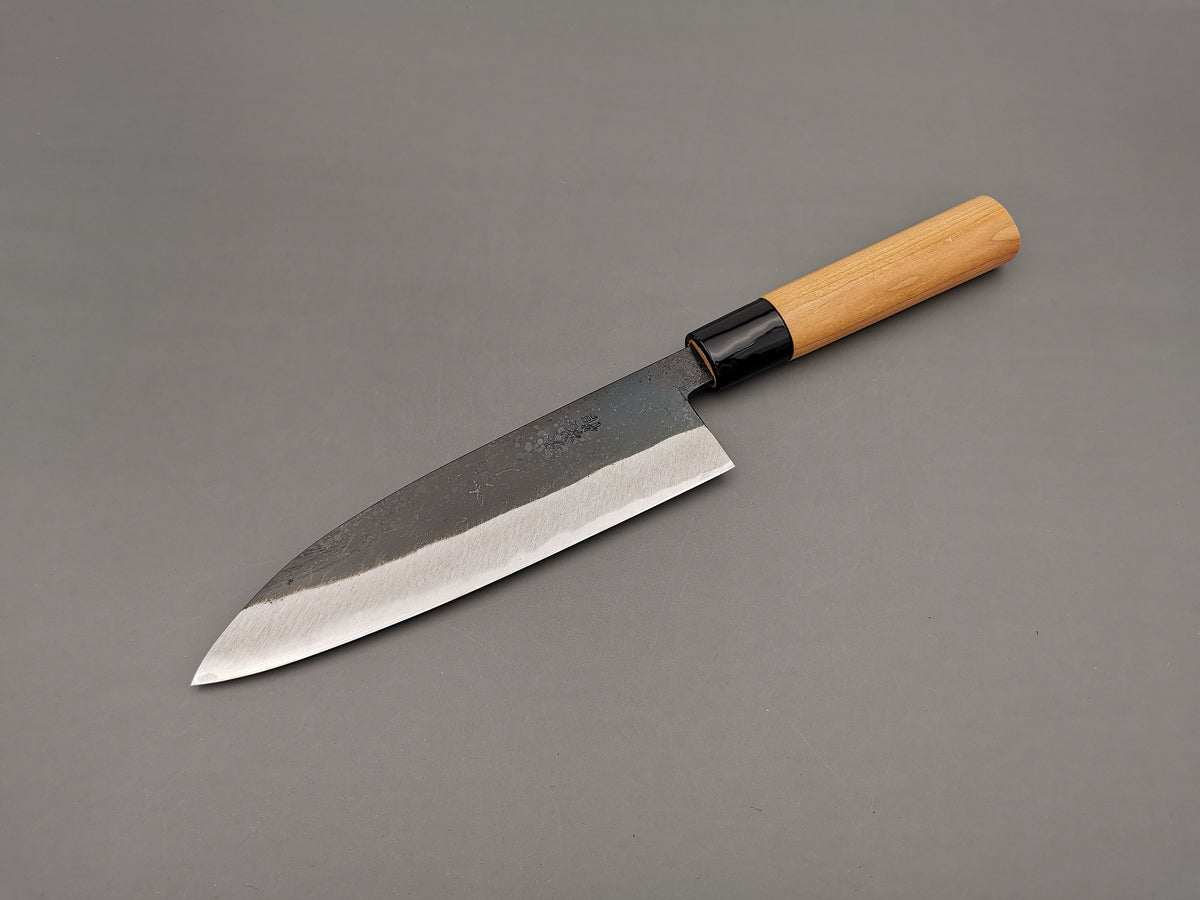
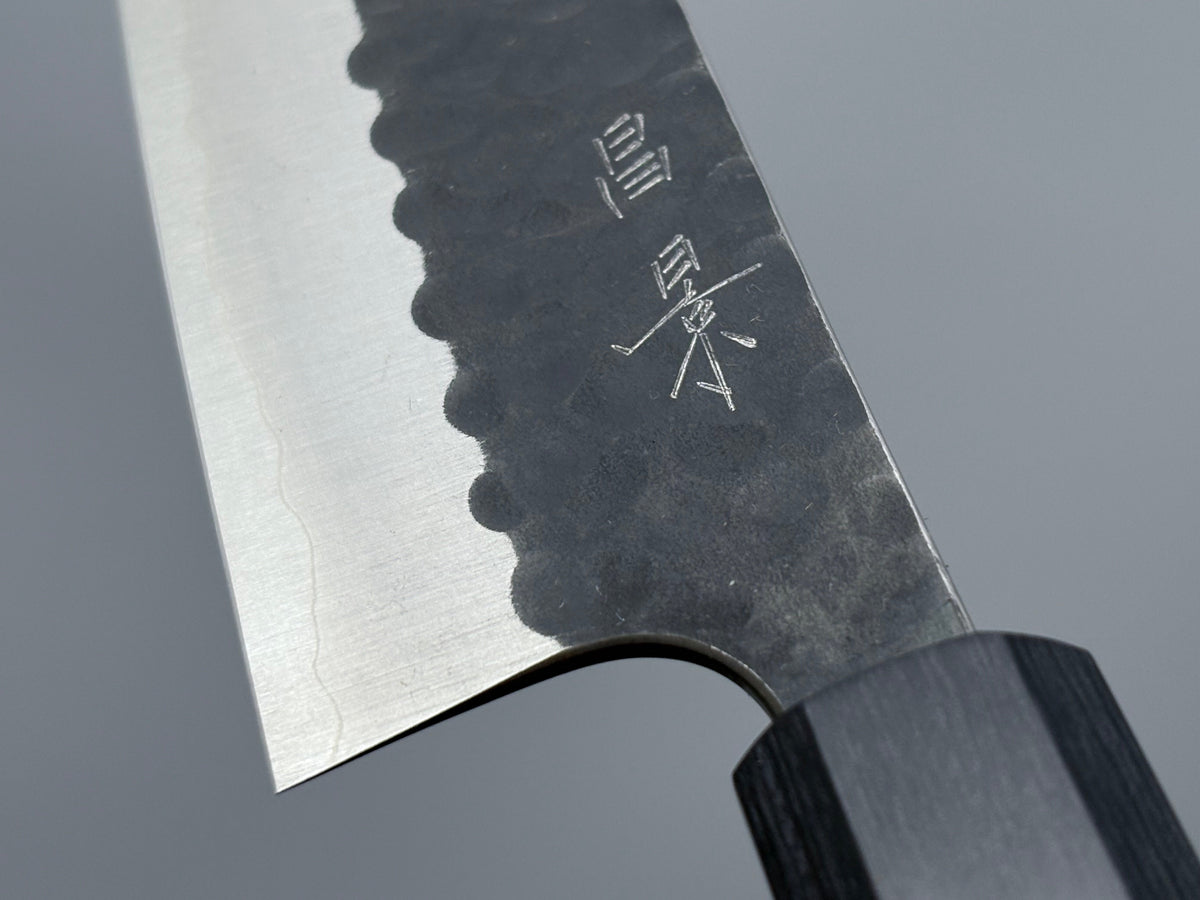
The Masakage Koishi range takes its name from the Japanese word for river pebbles, and you can see why. Each knife has a tsuchime (hammer-textured) finish over a kurouchi outer layer, giving the blade a rough, organic look that reads nothing like a polished kitchen knife. It is one of the more immediately recognisable lines in the Masakage catalogue.

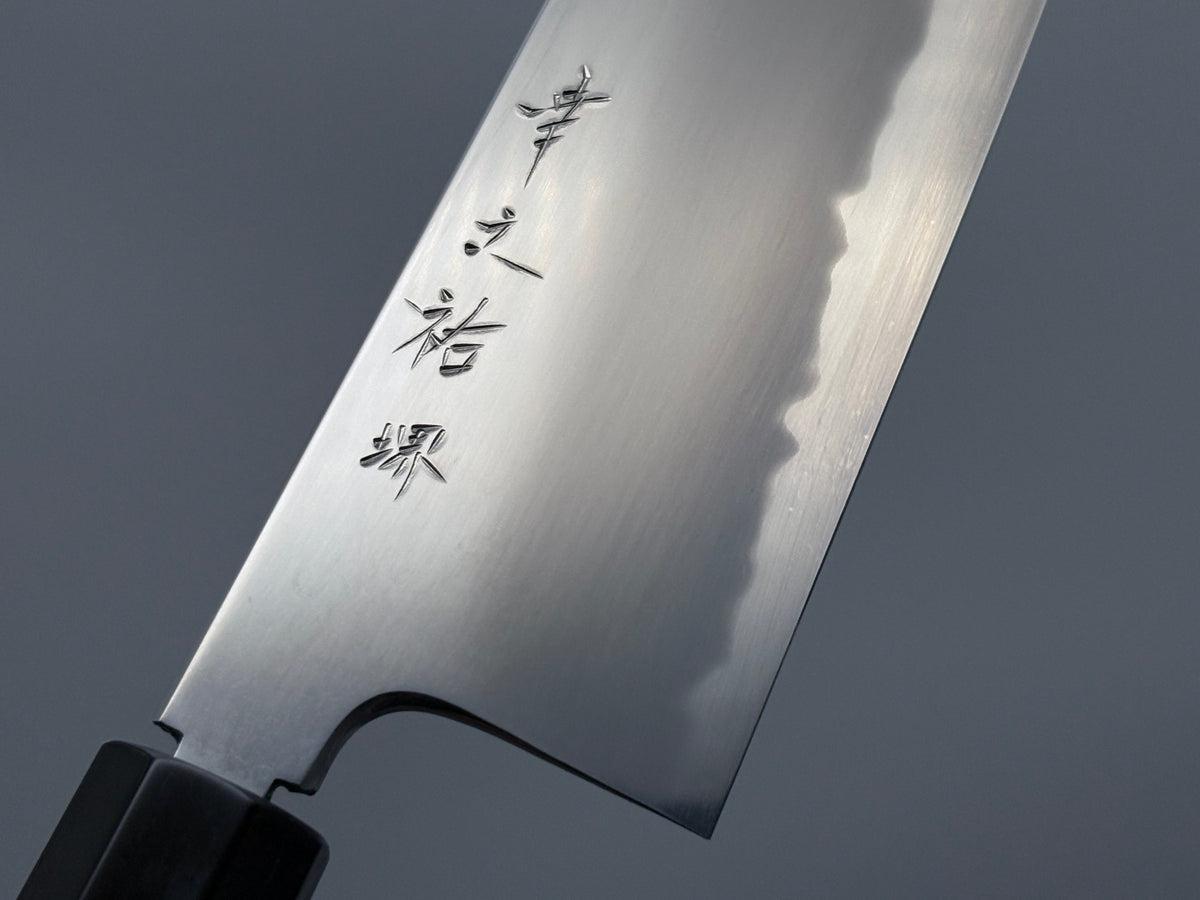
The knives are made by blacksmith Yoshimi Kato at Takefu Knife Village in Echizen. After forging, every blade is sharpened by hand by Takayuki Shibata, the master sharpener behind the Masakage brand. Each knife arrives wrapped in a page of Japanese newspaper from the day it was made.
Steel and construction
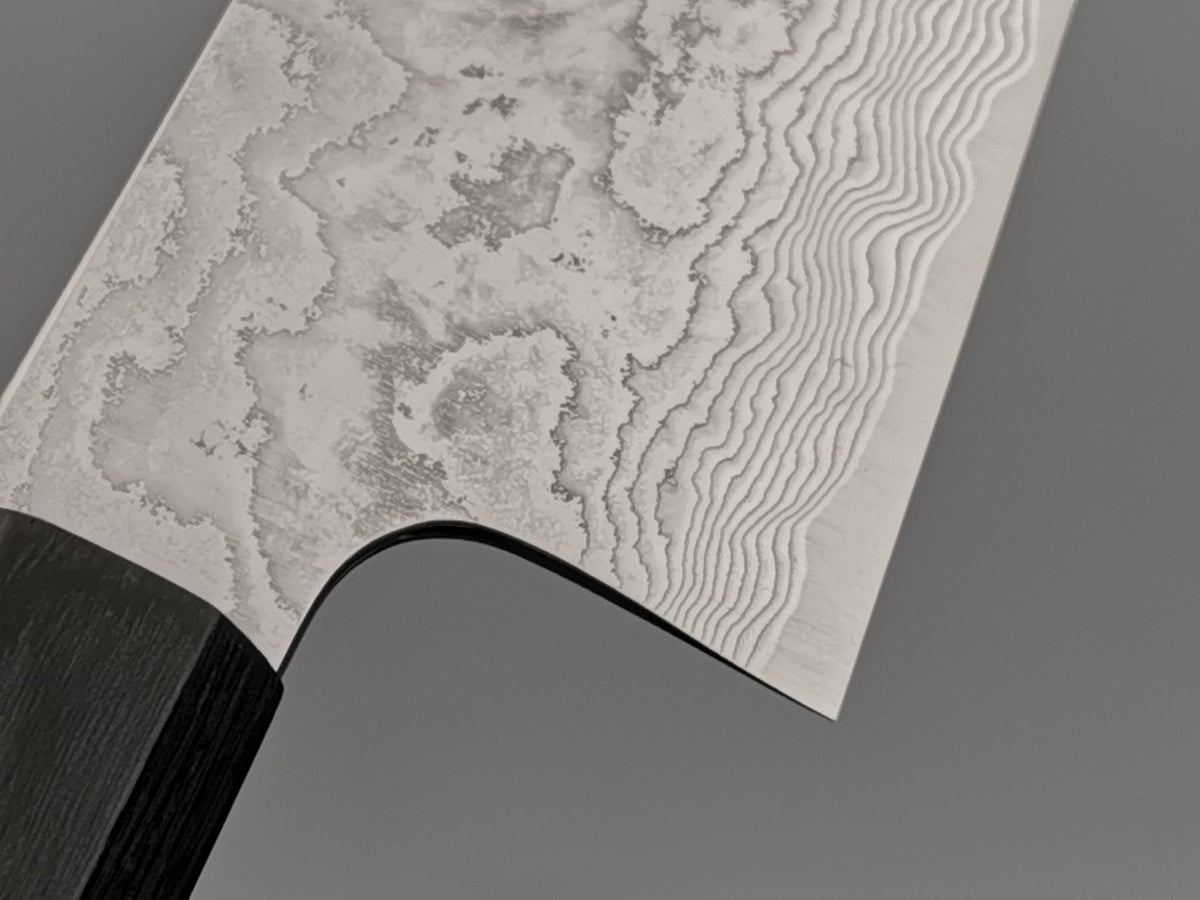
The core steel is Aogami Super Blue carbon, one of the more capable steels used in Japanese kitchen knives. It takes a very keen edge, holds it through regular use, and sharpens well on a whetstone. The outer layers are stainless steel, which adds corrosion resistance while leaving the cutting edge reactive and sharp. That combination makes Koishi knives more forgiving than a fully carbon blade, which helps if you are coming from stainless Western knives.
- Core steel: Aogami Super Blue carbon steel
- Cladding: stainless steel
- Finish: tsuchime hammer pattern with kurouchi outer layer
- Sharpened individually by Takayuki Shibata
Knives available in the Koishi range
The Koishi line runs from compact petty knives to full-size gyuto, covering petty, bunka, ko-bunka, gyuto, santoku, honesuki, and nakiri. If you are unsure about blade length, the size guides for knives between 151 and 179mm and knives between 180 and 209mm are a reasonable place to start.
Who are Masakage Koishi knives suited to?
They suit home cooks who want something handmade and functional, and working professionals after a dependable daily knife with some character. The Aogami Super Blue core rewards anyone who sharpens their own knives. The kurouchi finish also hides minor surface marks well, so it holds up to daily use without looking battered after a few months.
If you would rather have stainless, the wider Masakage collection includes the Kiri, Kumo, Shimo, and Yuki ranges, each with its own steel and finish. There are also several other makers using the kurouchi finish if that is what draws you to the Koishi.
Shop the Masakage Koishi collection
Browse the full Masakage Koishi range at Cutting Edge Knives. We offer free UK delivery, a 30-day money back guarantee, and a best price promise on every order.