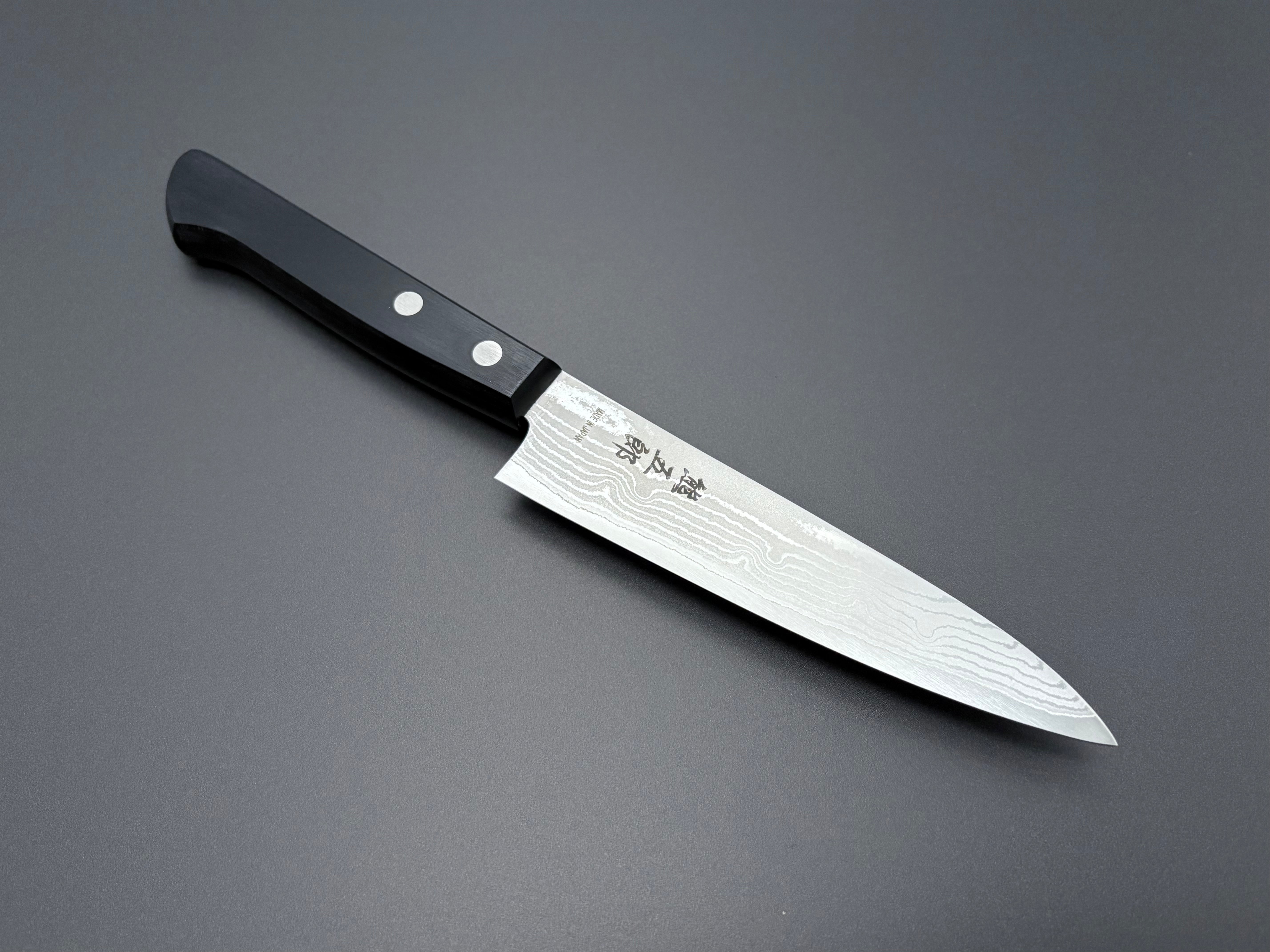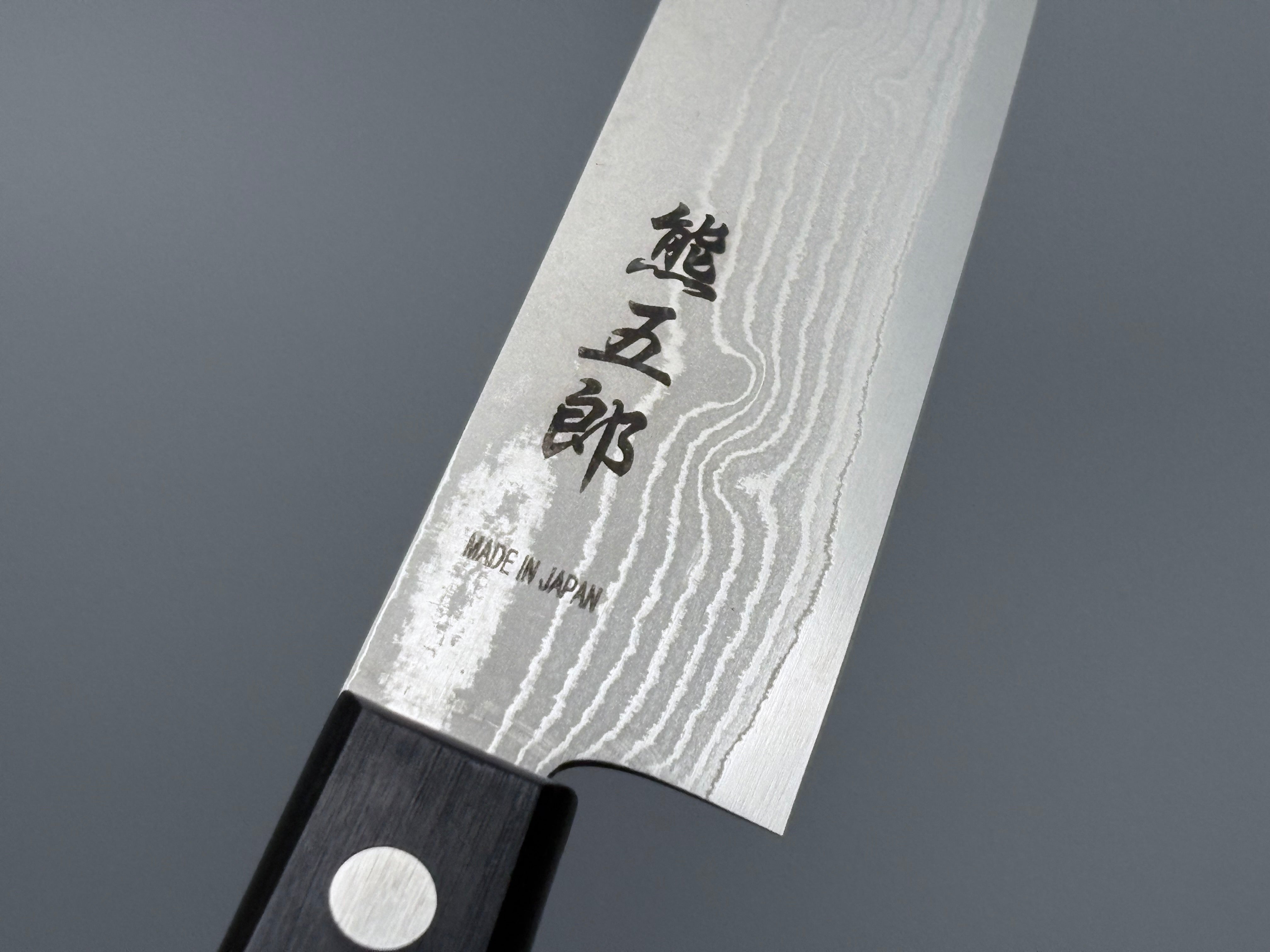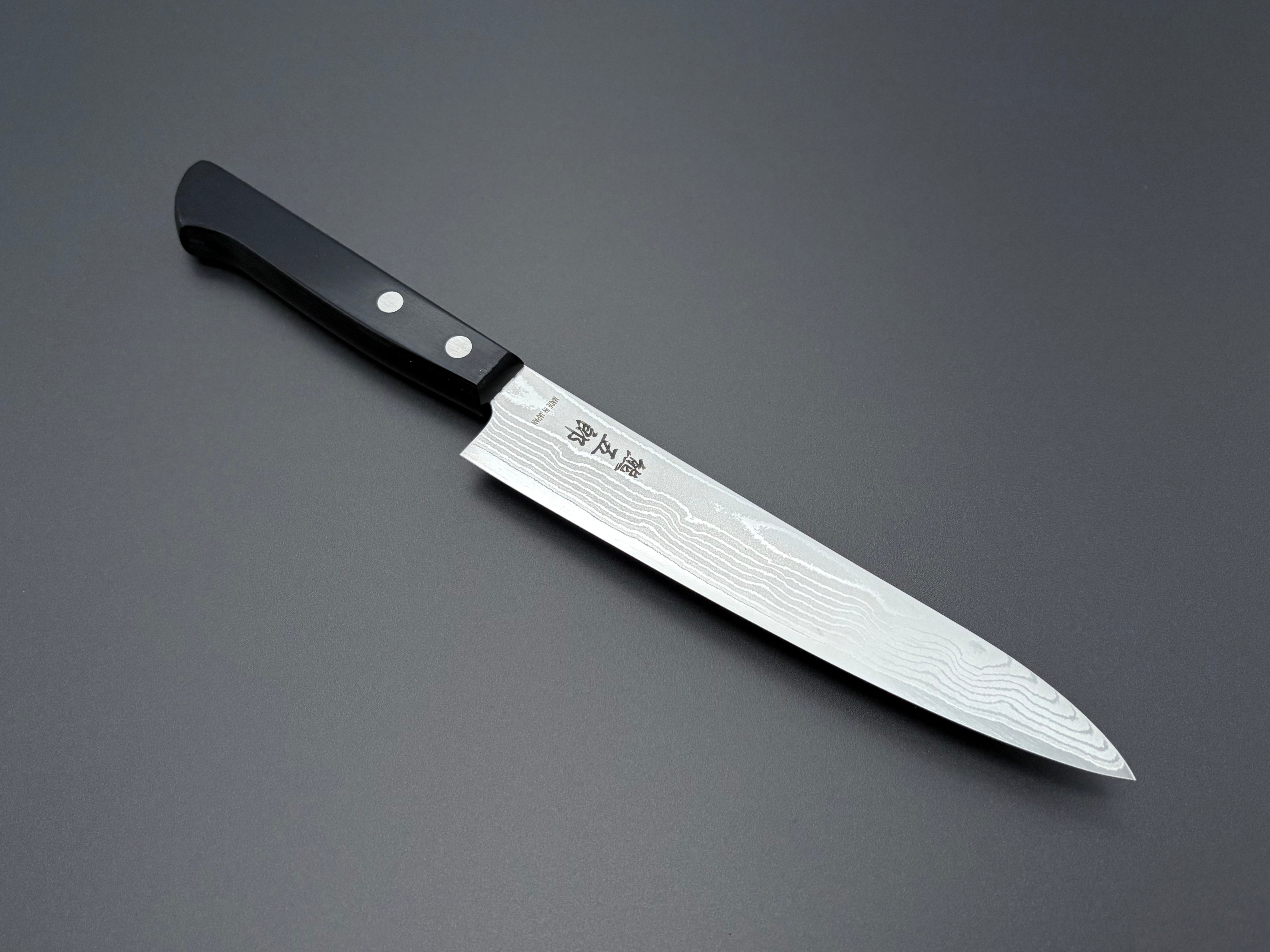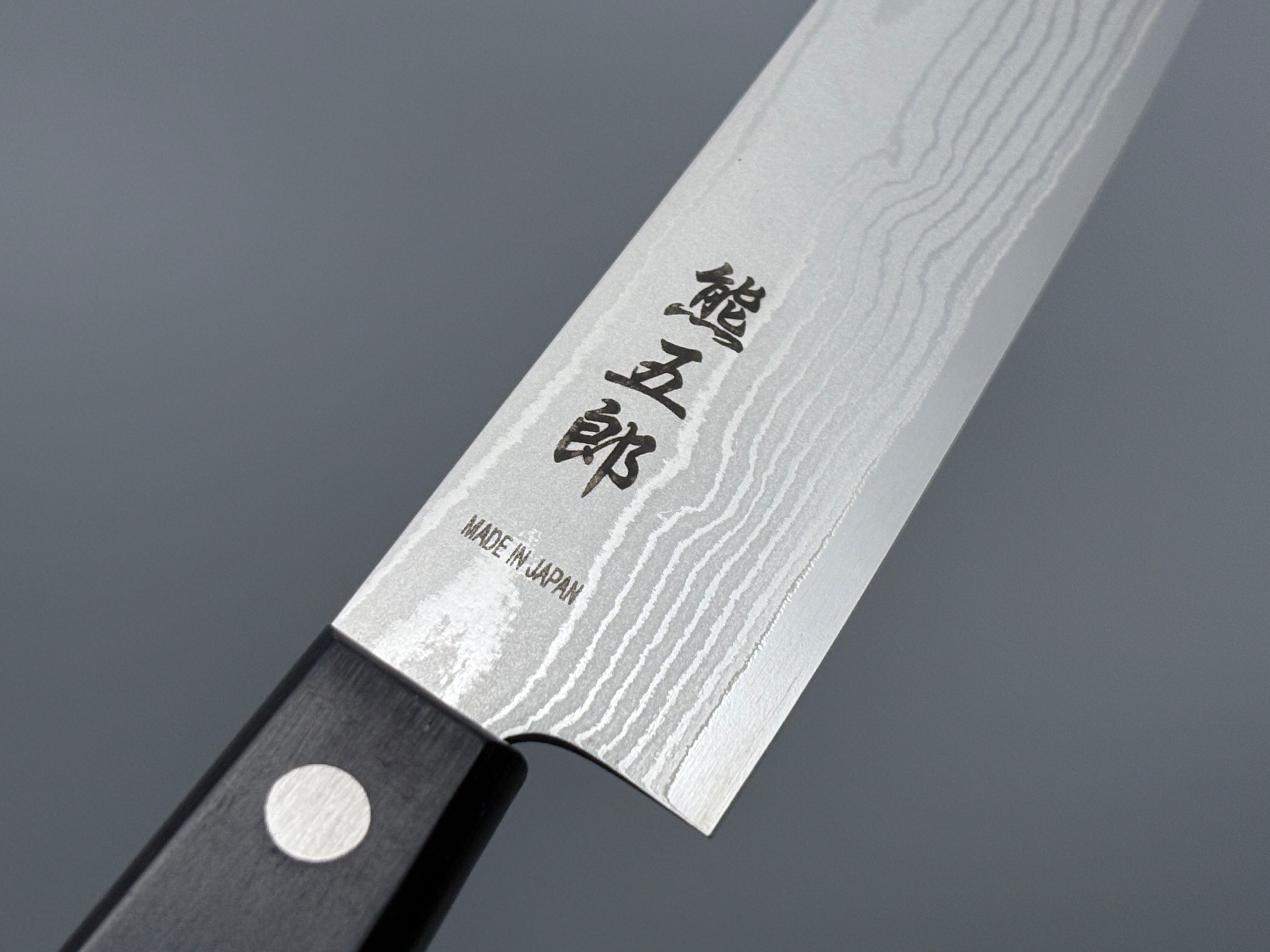

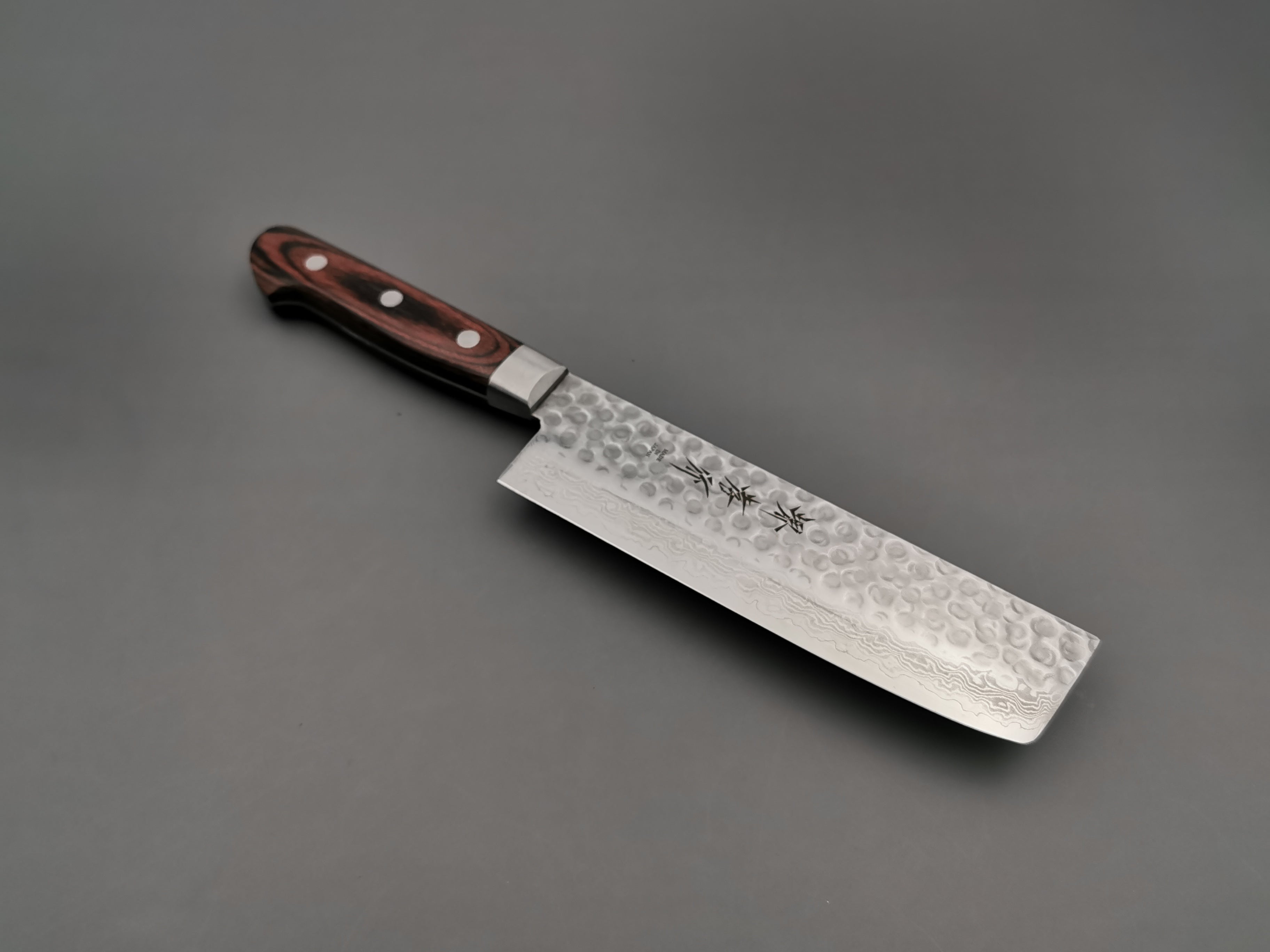
Why stainless steel knives work for most cooks
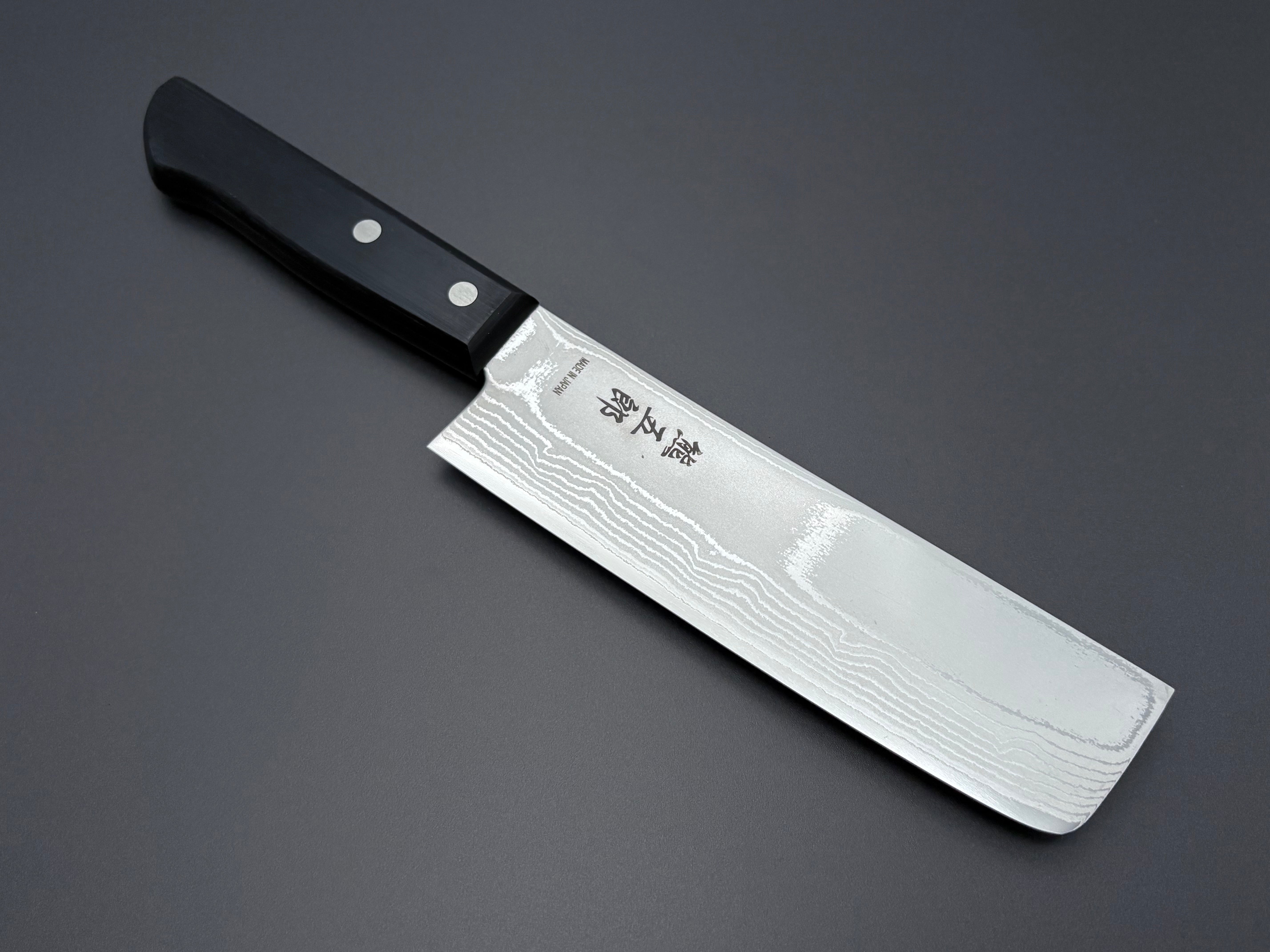
Stainless steel knives are the default choice in most kitchens because they are practical. They resist rust, need little maintenance, and perform consistently whether you cook every night or pull out a knife once a week. If you want a capable blade without the careful drying and oiling that carbon steel demands, stainless makes sense.

That reliability appeals to a wide range of cooks, from someone setting up their first kitchen to an experienced home cook who would rather spend time on food than on upkeep.
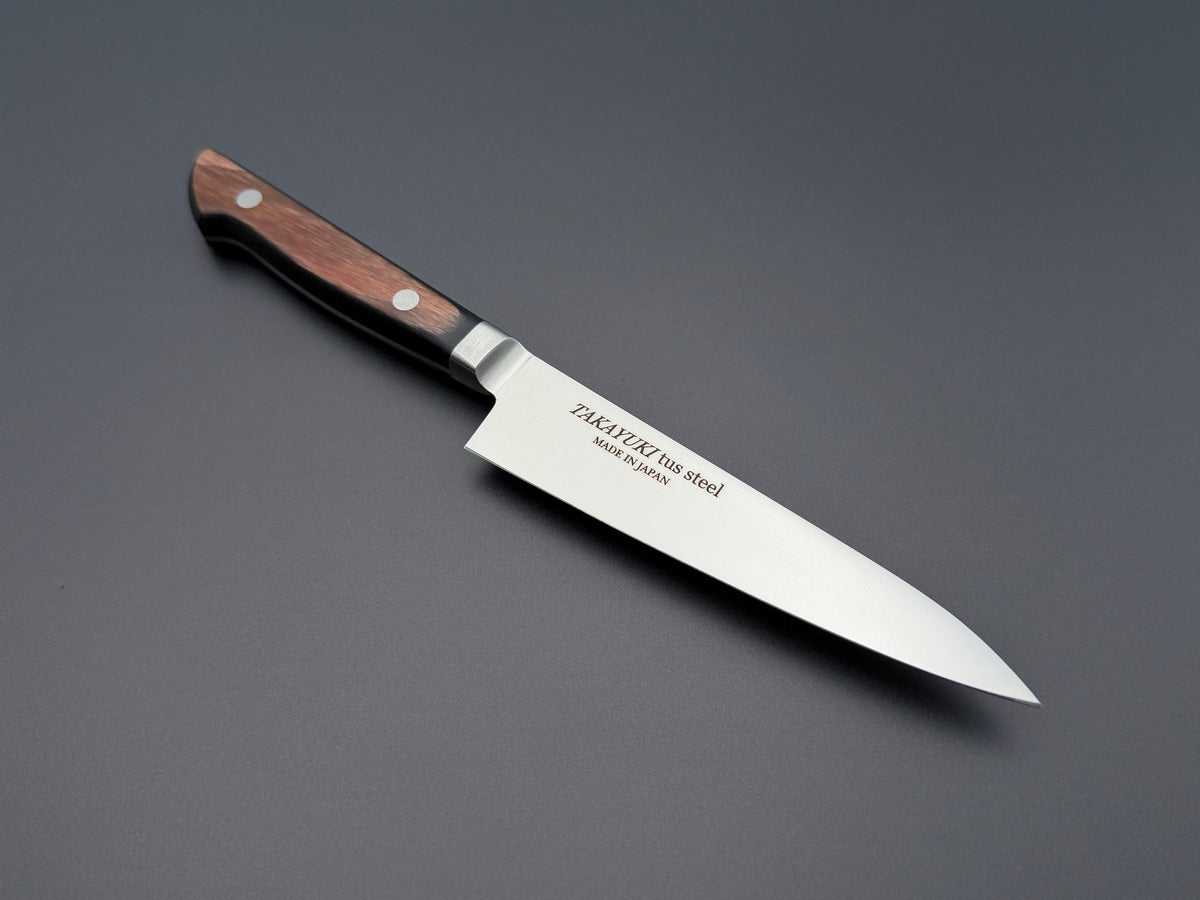
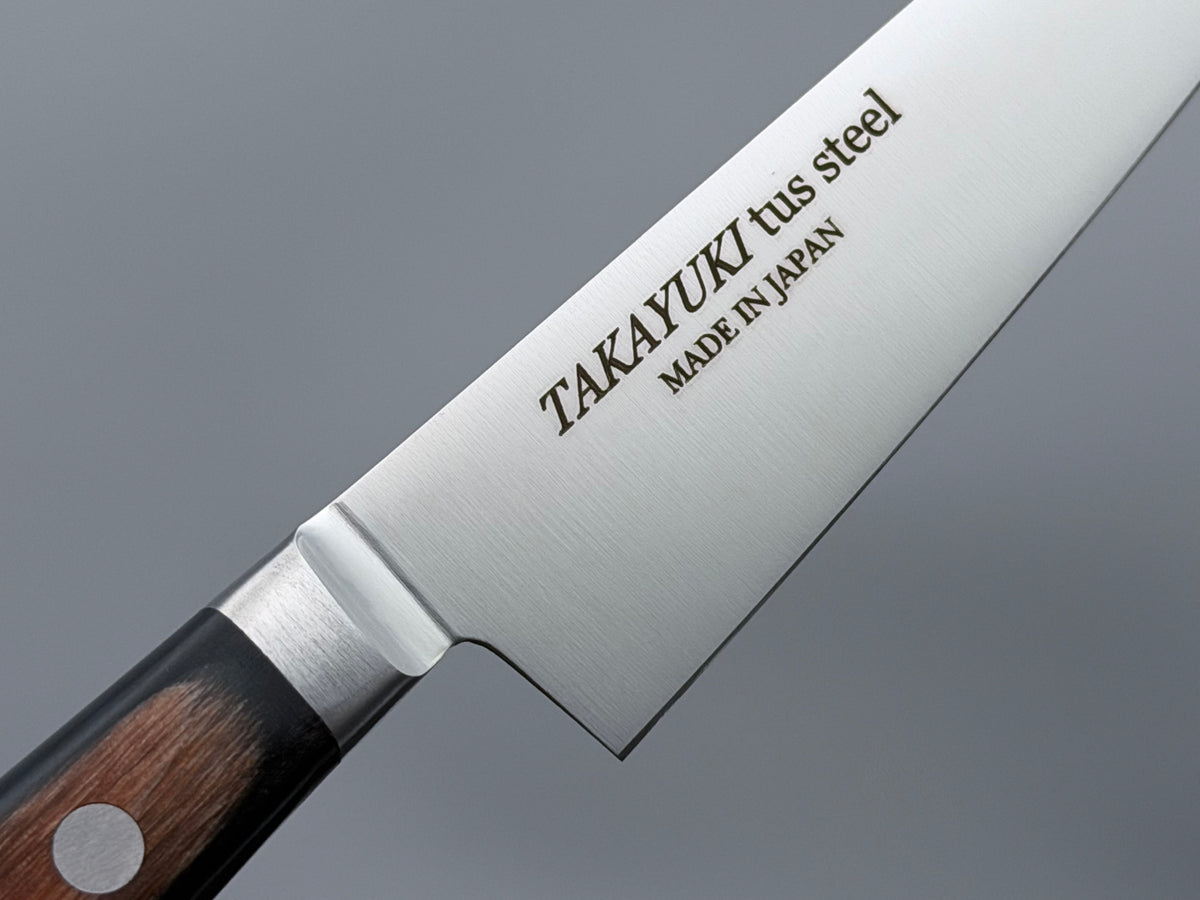
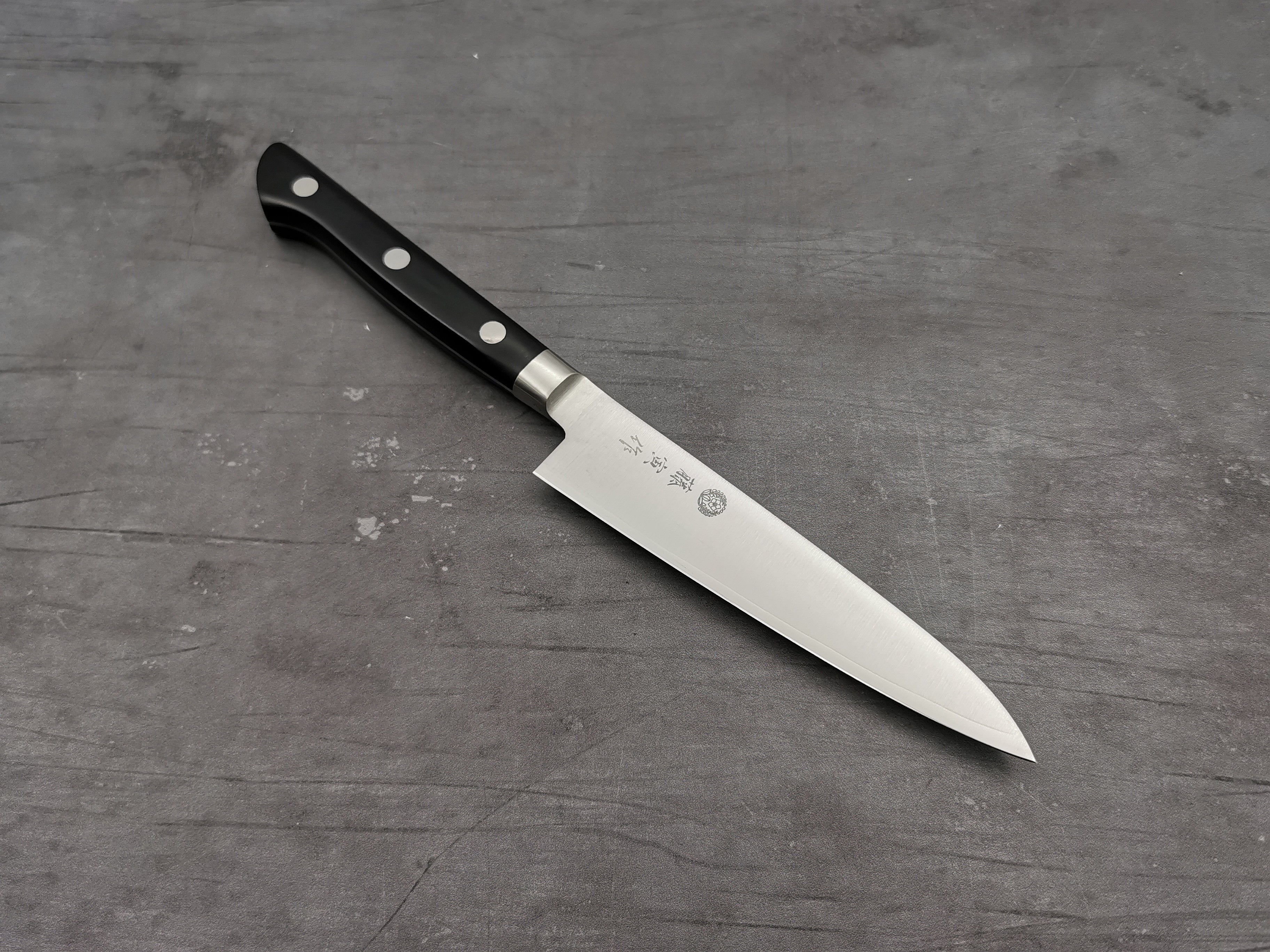
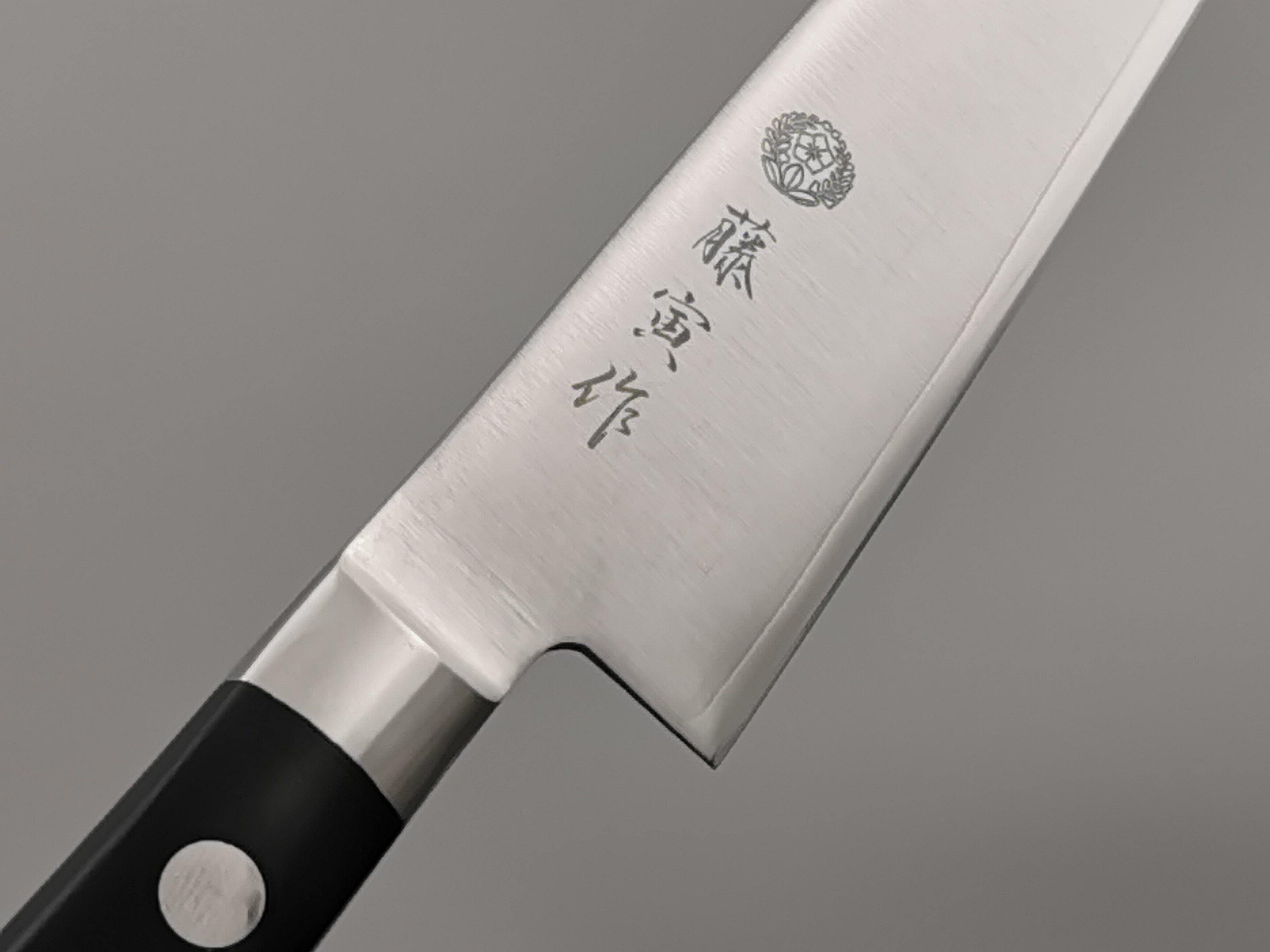
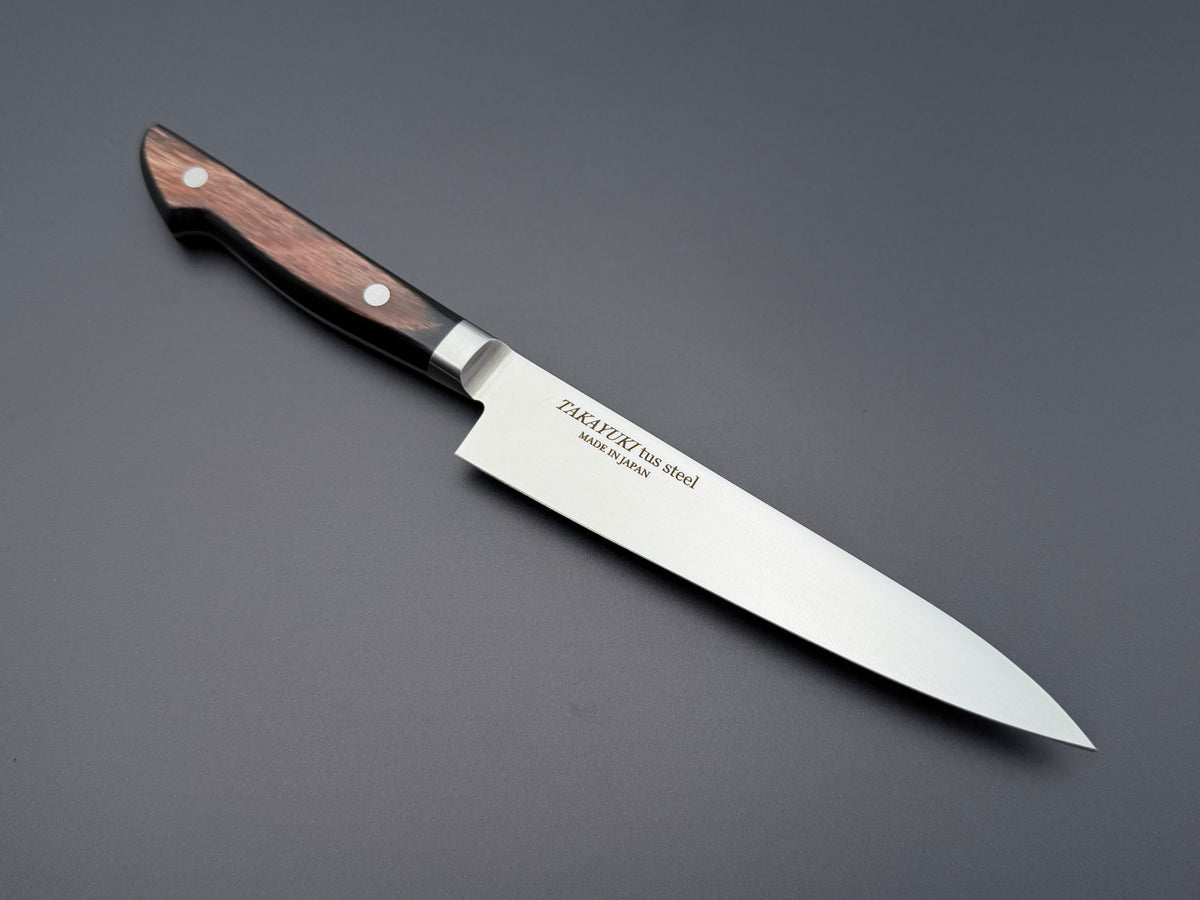
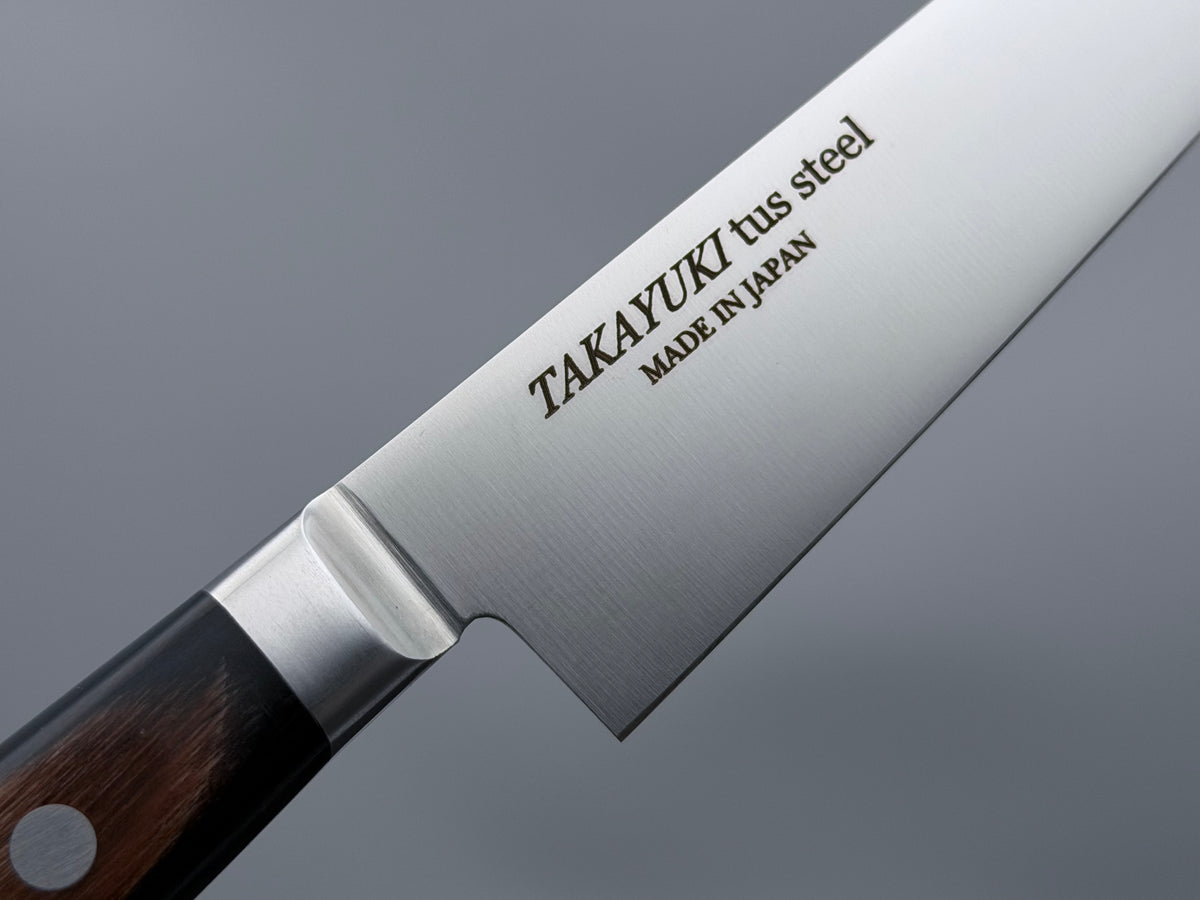
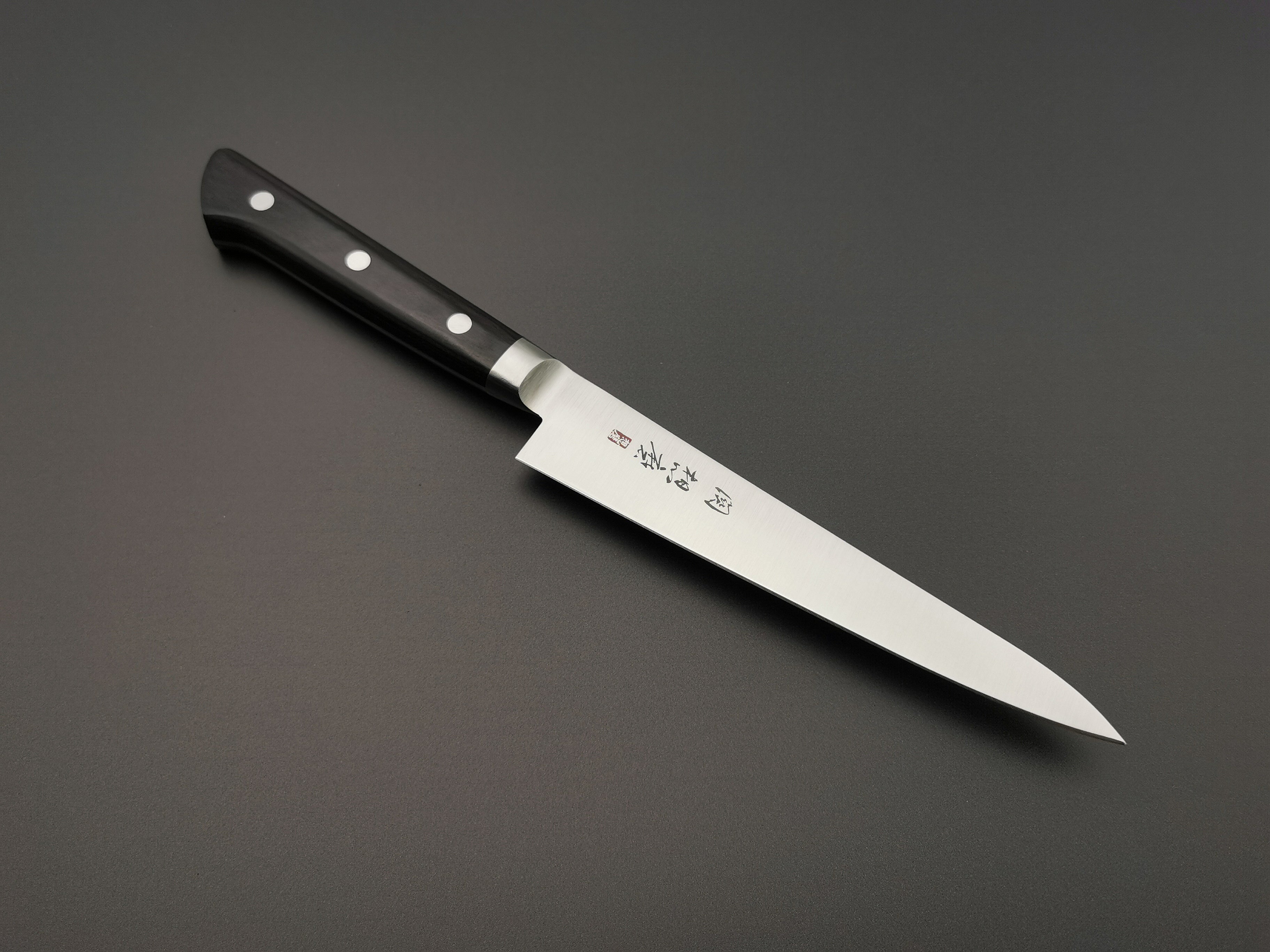
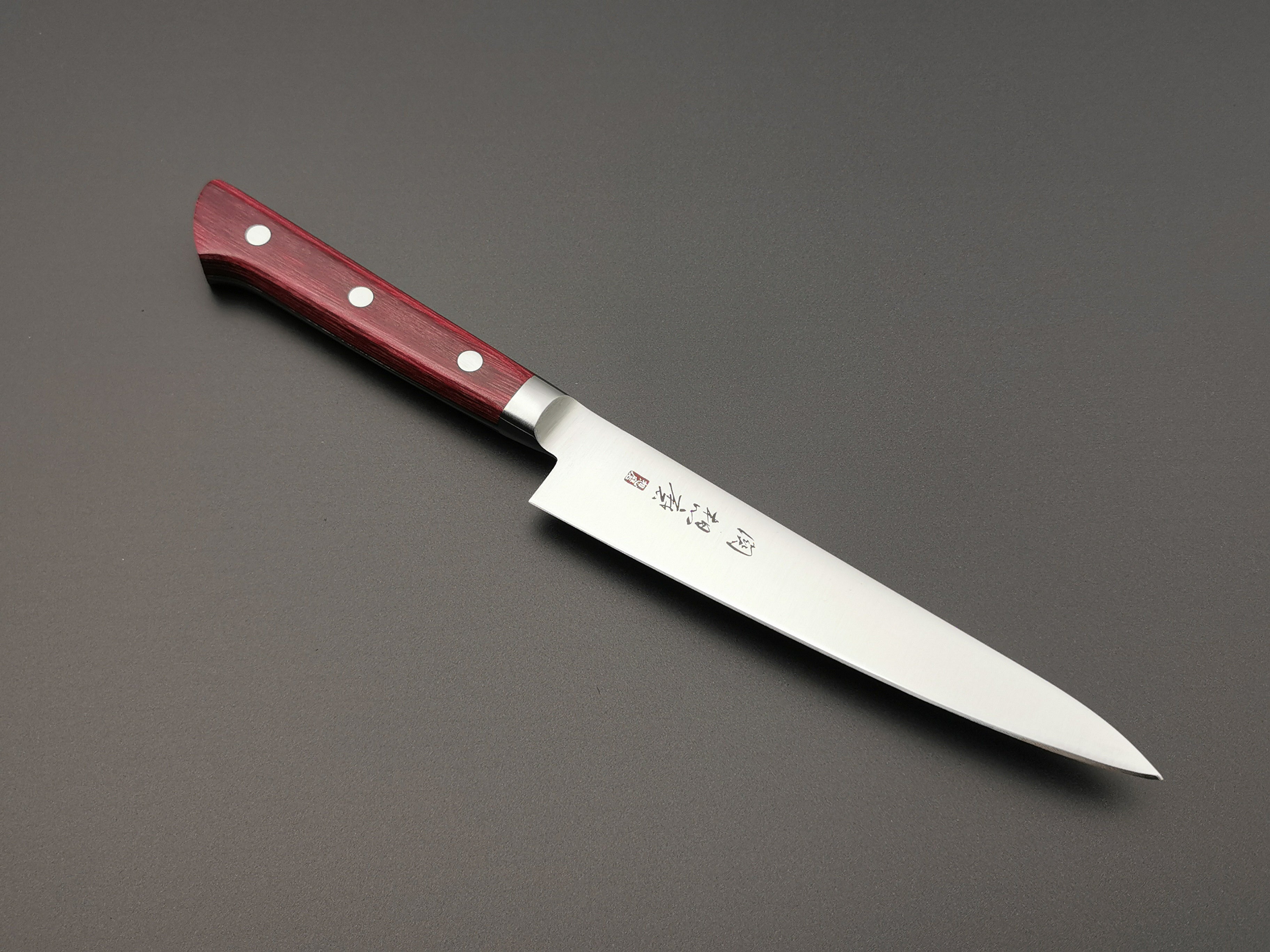
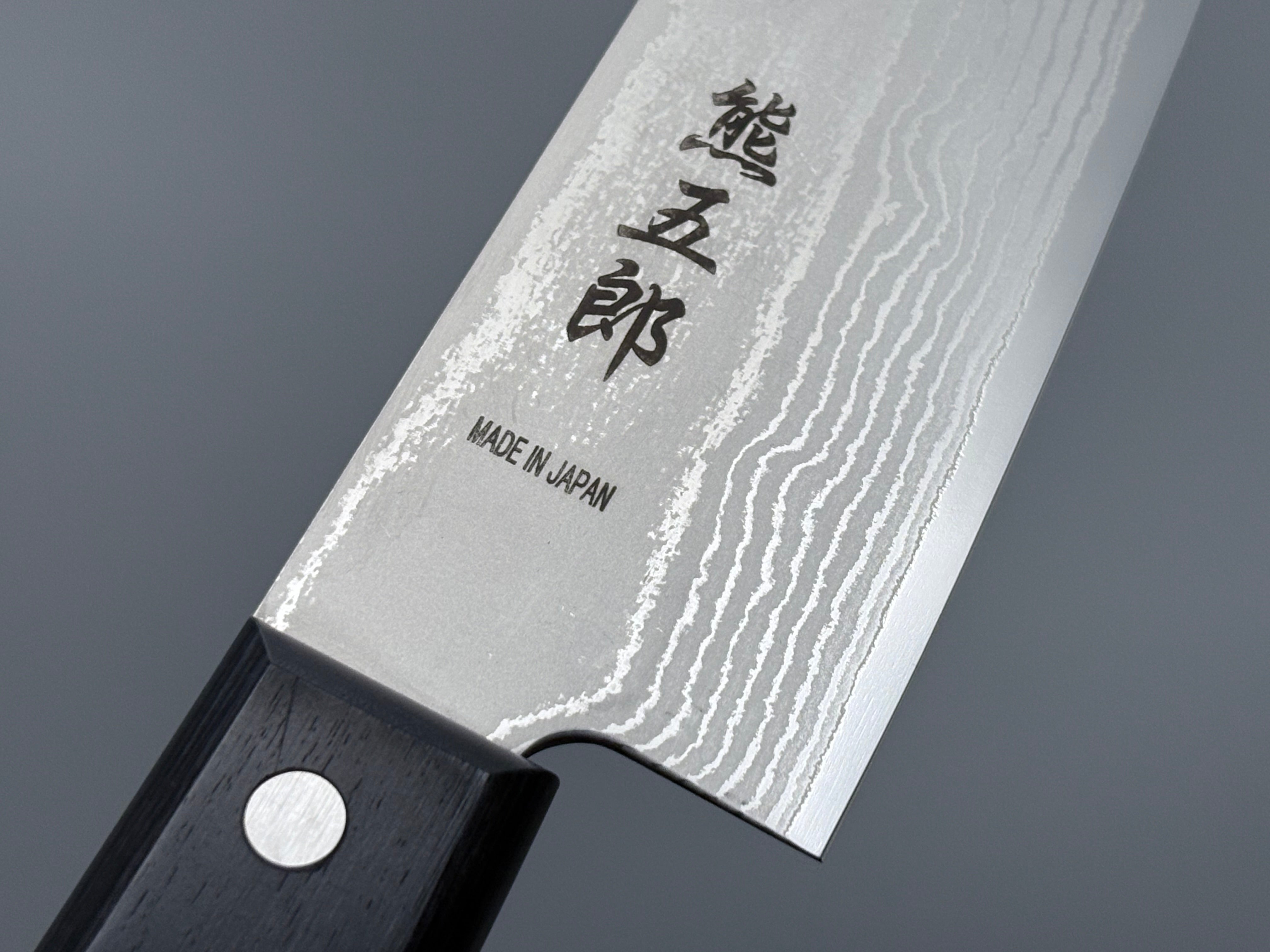
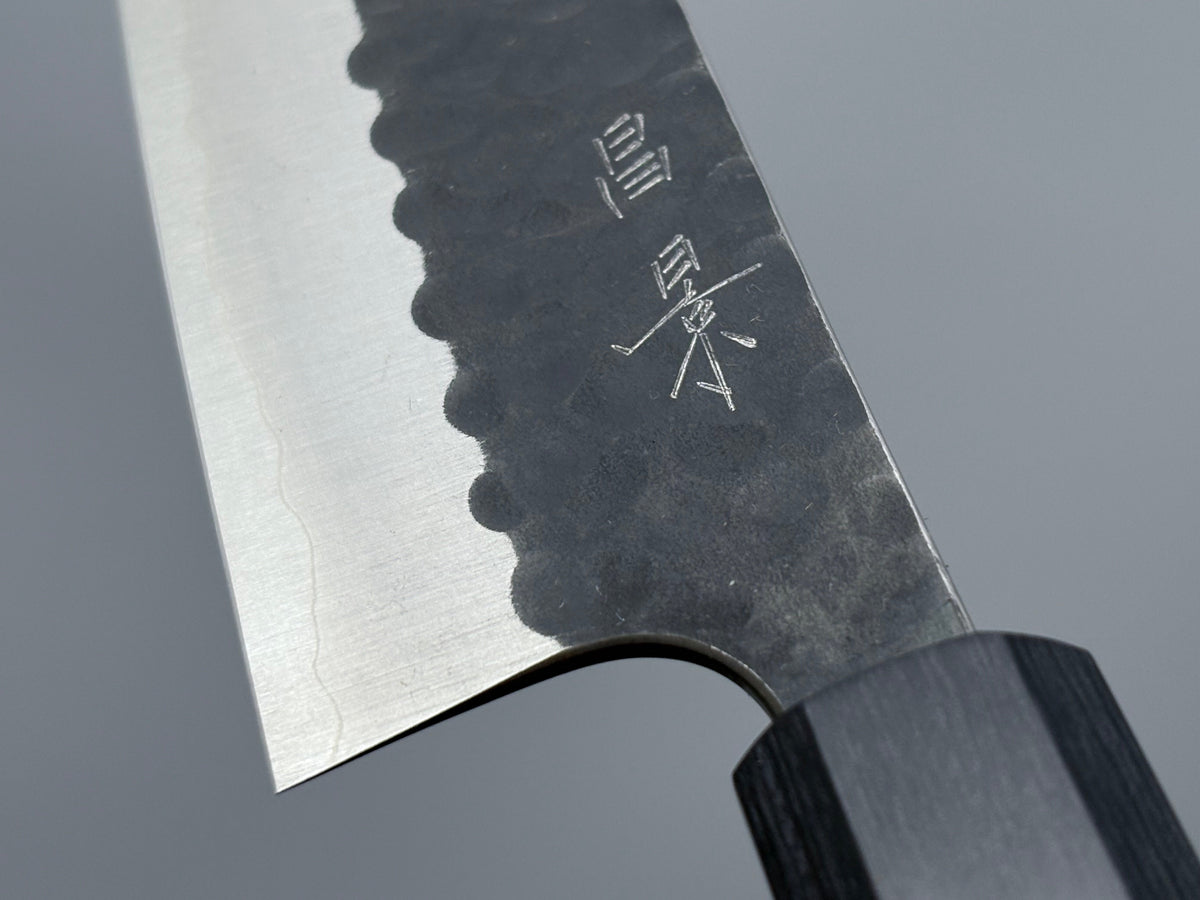
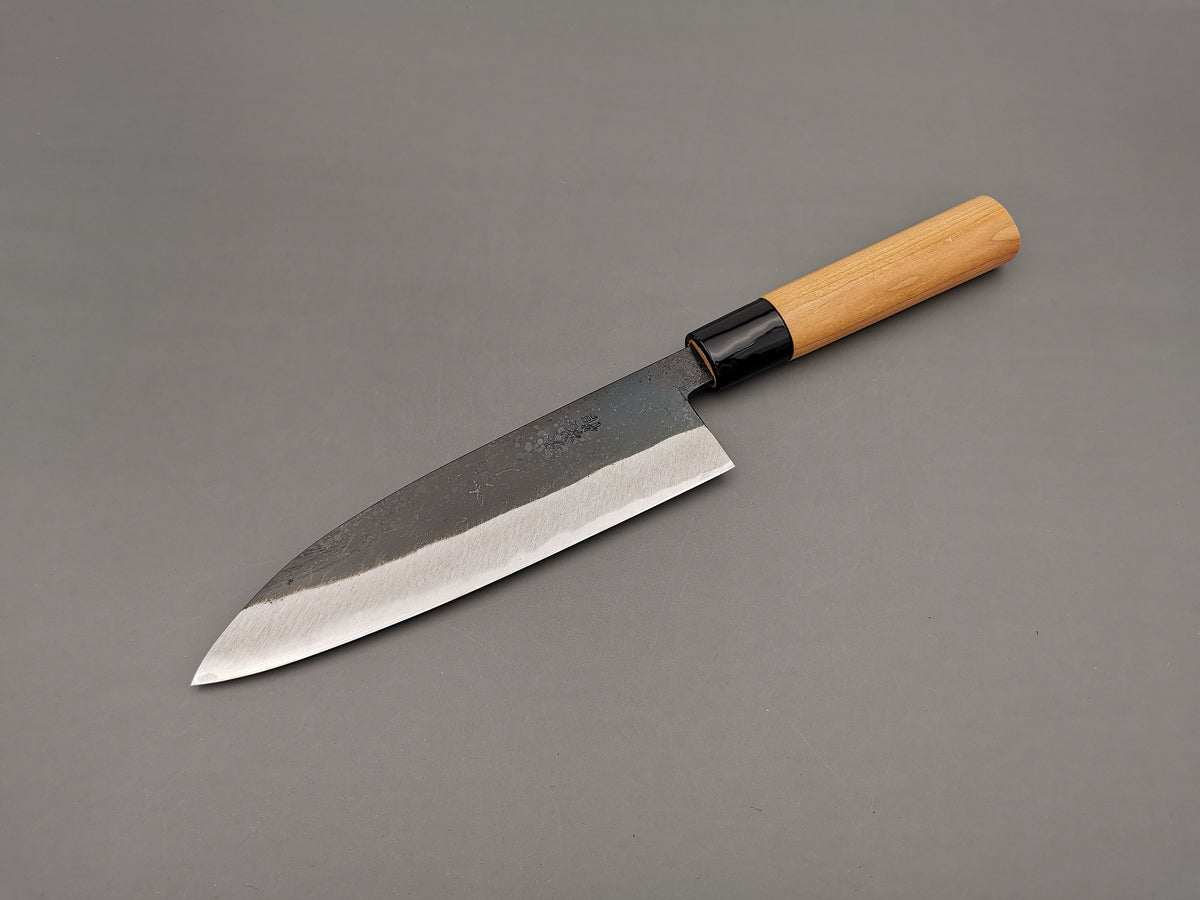
At Cutting Edge Knives, we stock handmade Japanese knives built from some of the finest stainless alloys available, including knives from one of Japan's largest knife makers Sakai Takayuki. Their VG10 blades are genuinely sharp and easy to live with.
What separates stainless alloys from each other
Stainless steel is not one thing. The term covers a broad family of alloys, and the differences matter. Carbon content, hardness, grain structure, and elements like vanadium or molybdenum all affect how a blade cuts, how long the edge lasts, and how easy it is to bring back on a stone. A few steels worth knowing:
- VG10, a high-carbon stainless alloy common in Japanese knife making. It holds a keen edge and polishes well. Our Japanese VG10 stainless steel chef knives show the variety available.
- Ginsan (Silver 3), often described as the closest stainless gets to carbon steel in feel and sharpness potential. Our Ginsan Silver 3 steel knives are popular with cooks who want sharpness without much fuss.
- SG2 and R2, powder metallurgy steels at the premium end. Harder, finer-grained, and able to hold an acute edge longer than most. See our Japanese knives made with R2 steel.
- AEB-L, a lean Swedish stainless alloy favoured by some of the most technically demanding bladesmiths. Our AEB-L knives have a particularly refined cutting feel.
Stainless versus semi-stainless
Some Japanese knives sit in the middle. Steels like GS+ and SLD have enough chromium for good corrosion resistance without being fully stainless. They sharpen more easily than harder powdered steels and are forgiving in daily use. The GS+ semi-stainless range is a good place to start if you want to explore that middle ground.
Choosing the right stainless knife for your kitchen
Blade shape and size matter as much as steel type. A gyuto between 210mm and 240mm handles most kitchen tasks. Shorter blades in the 135mm to 150mm range are better for detail work or smaller hands. Think about what you actually cook, how often you sharpen, and whether you want a knife that gets out of the way or one you enjoy looking at. Handle material, balance, and blade geometry all play a part, so it is worth reading product descriptions before you buy.
Our complete knife collection covers stainless steel options across every price point, from reliable everyday knives to handmade pieces built to last.