
What is a kiridashi?
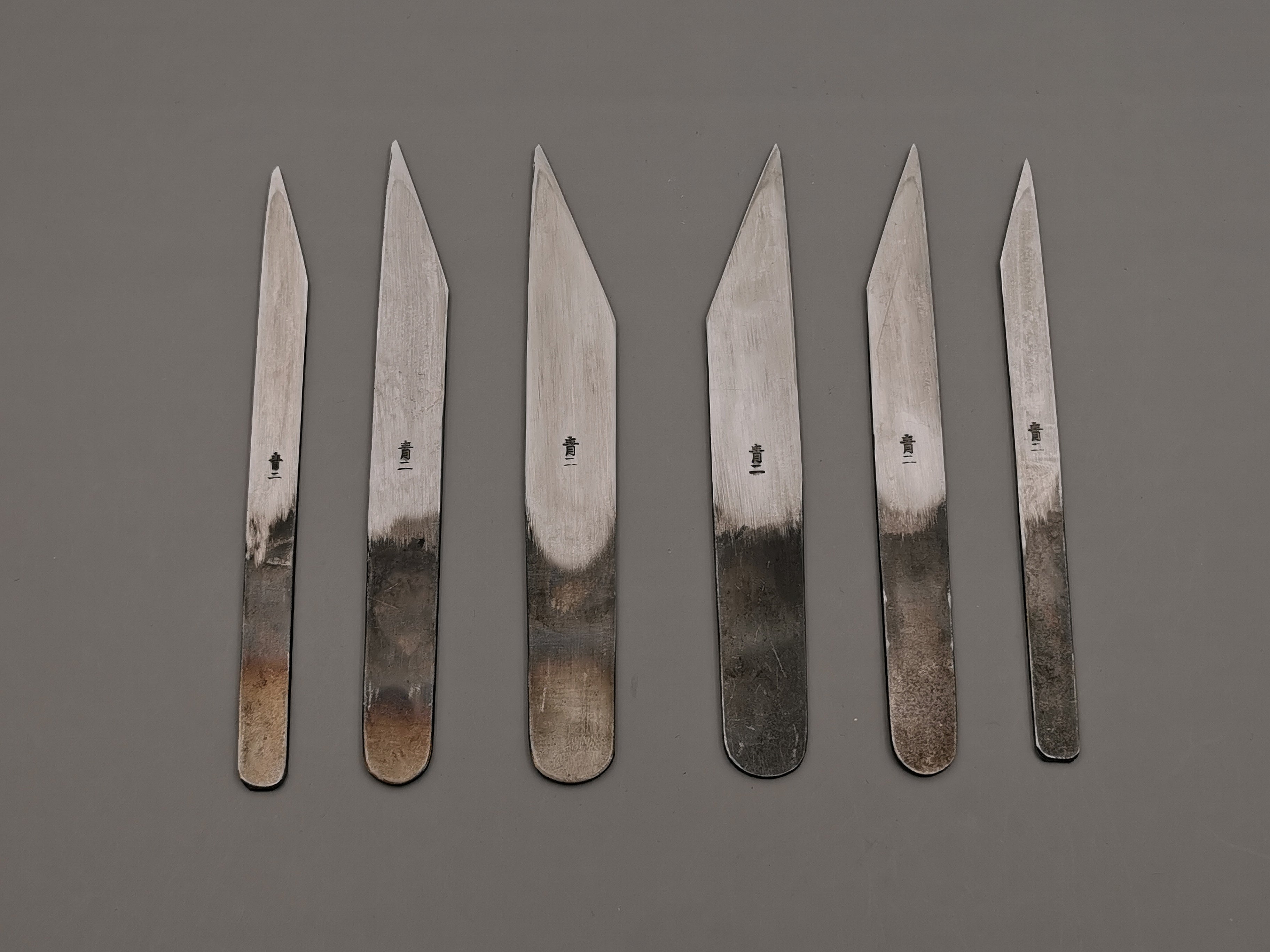
The kiridashi is one of Japan's oldest blade forms. The name translates roughly as "to cut and reveal," which gives a fair sense of its purpose. Woodworkers, craftspeople, and students have reached for this small single-bevel knife for centuries, not for kitchen work but for precise, controlled cutting.

The blade is flat on one side and angled on the other, producing a fine edge that scores, marks, and shapes material with real accuracy. That combination of simplicity and precision is why the design has stayed largely unchanged.
Kiridashi design and steel
Most kiridashi run well under 120mm in blade length, compact enough to carry and control easily in one hand. The spine is kept thick relative to the edge, giving the blade rigidity when working against wood, leather, or paper. Despite the modest size, the geometry demands quality steel and careful heat treatment. Many traditional examples use high-carbon steel for the edge, the same approach found across the wider world of Japanese craft and household bladed tools. The handle, where one exists at all, is often bare tang or simple wrapped cord. The focus is on the blade.
How the kiridashi differs from other small Japanese knives
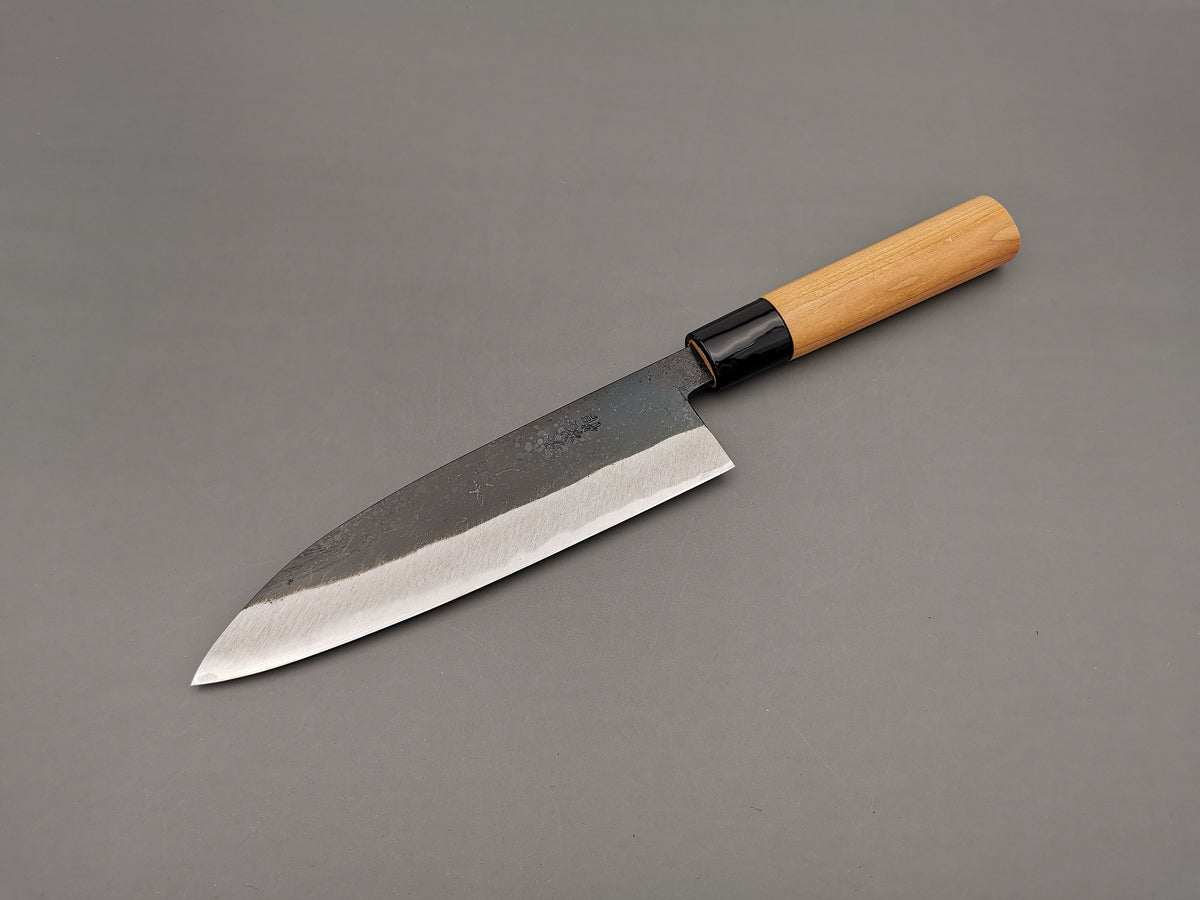
Collectors and craftspeople sometimes compare the kiridashi to other compact Japanese blade types. The craft knife category covers several related tools, though the kiridashi stands apart through its asymmetric single-bevel grind and its roots in traditional woodworking. It shares a family resemblance with ko-bunka knives and ko-santoku, but those are kitchen tools. The kiridashi is a workshop blade, and that distinction matters when you are choosing the right tool for a job.
Who uses a kiridashi today?
Outside Japan, the kiridashi has found a following among woodworkers, leather crafters, bookbinders, and anyone who values a small, precise cutting tool. The single-bevel geometry is particularly good at following a scribed line or paring thin material cleanly. Many people also appreciate the look: a kiridashi tends to be quiet and unadorned, which reflects the functional honesty that runs through Japanese tool design.
- Woodworking and joinery marking
- Leather paring and craft cutting
- Bookbinding and paper work
- General studio and bench use
Sharpening a kiridashi rewards some understanding of single-bevel technique. Polishing the flat side on a whetstone and working carefully on the angled face will restore a fine edge reliably. Our best-selling accessories include sharpening tools suited to this kind of work.
Explore Japanese knives and tools at Cutting Edge Knives
Whether you are drawn to traditional craft blades or want to explore handmade Japanese knives more broadly, browse our full collection of Japanese knives and accessories to find the right tool for your needs.