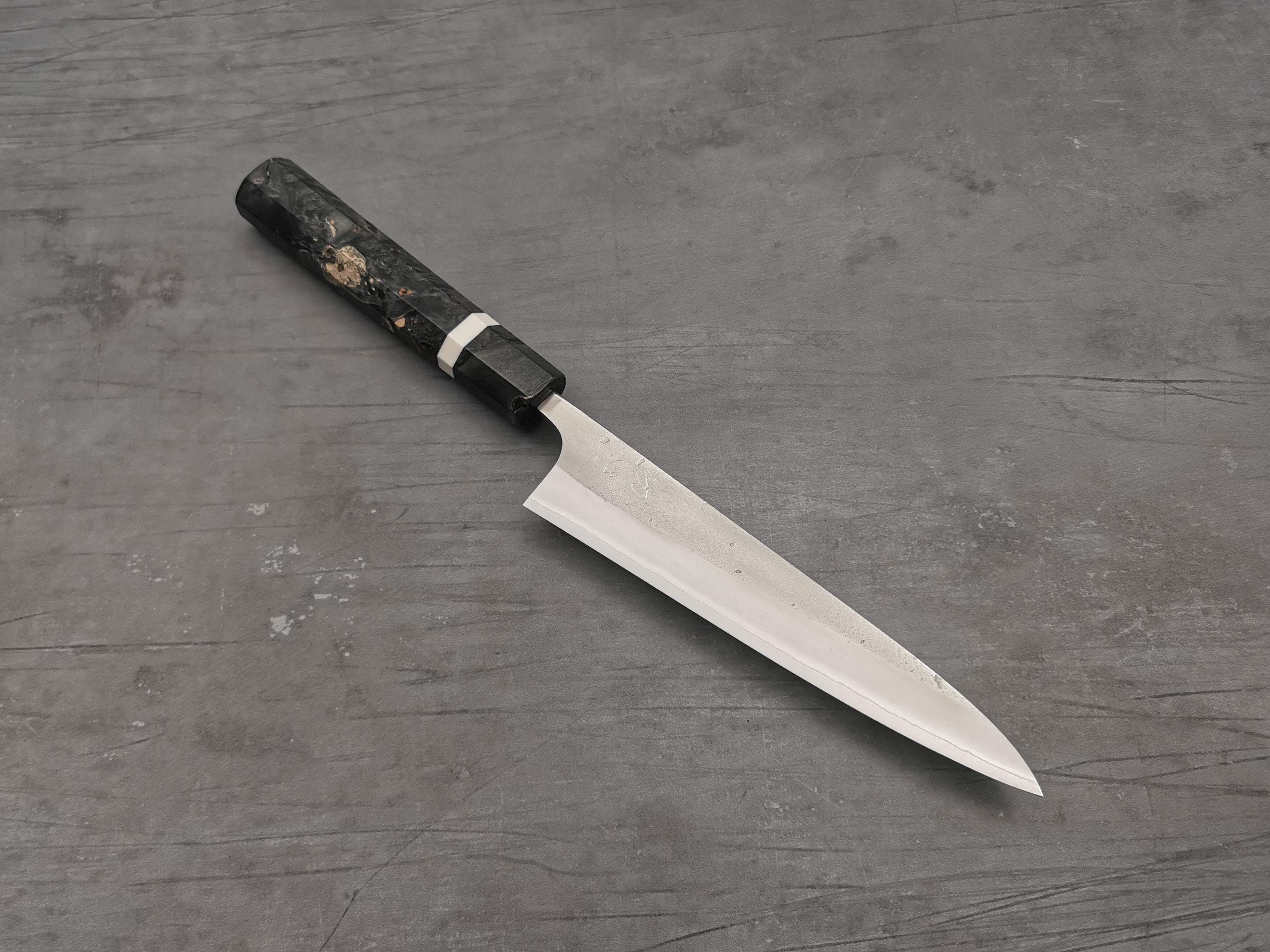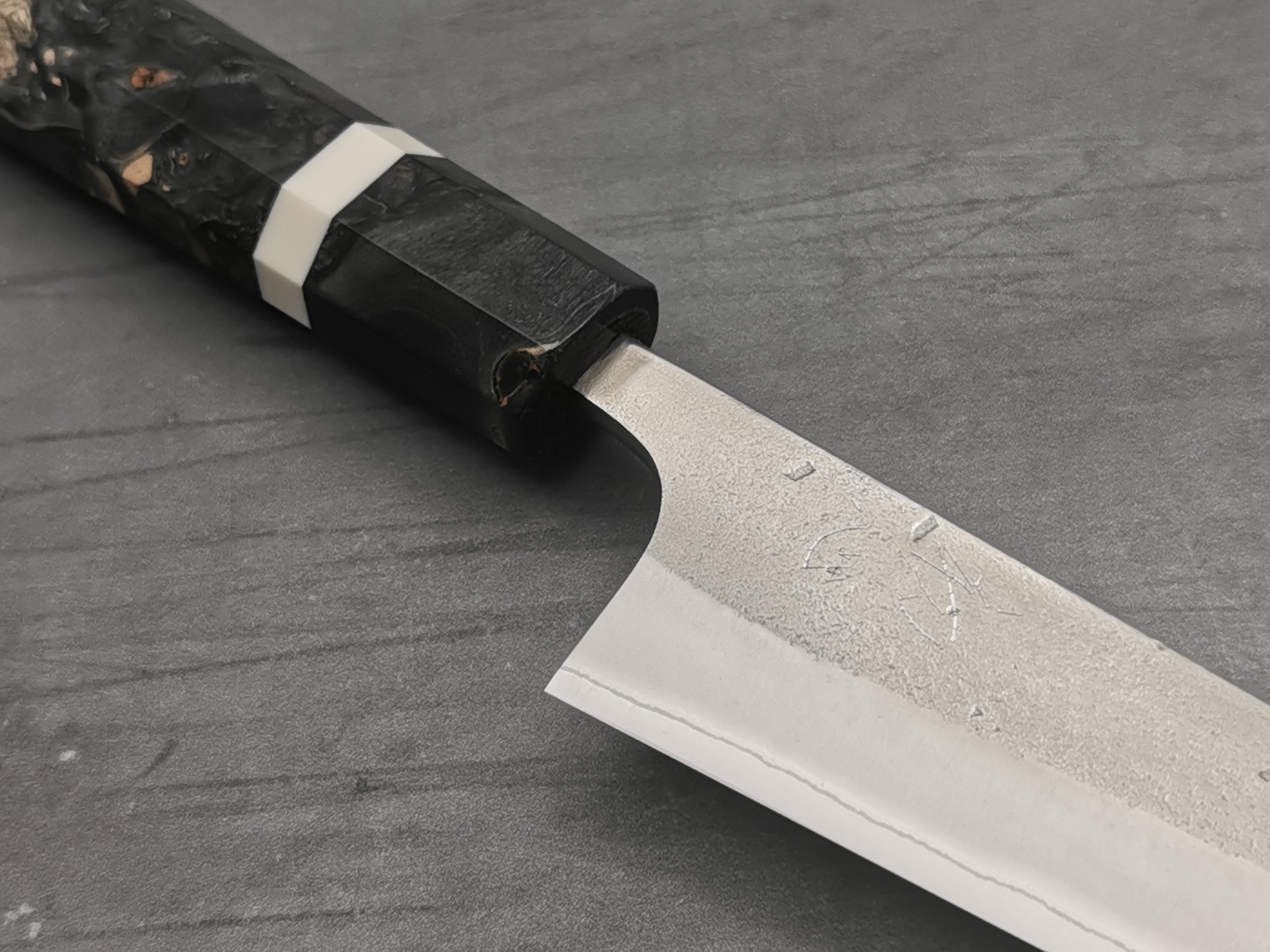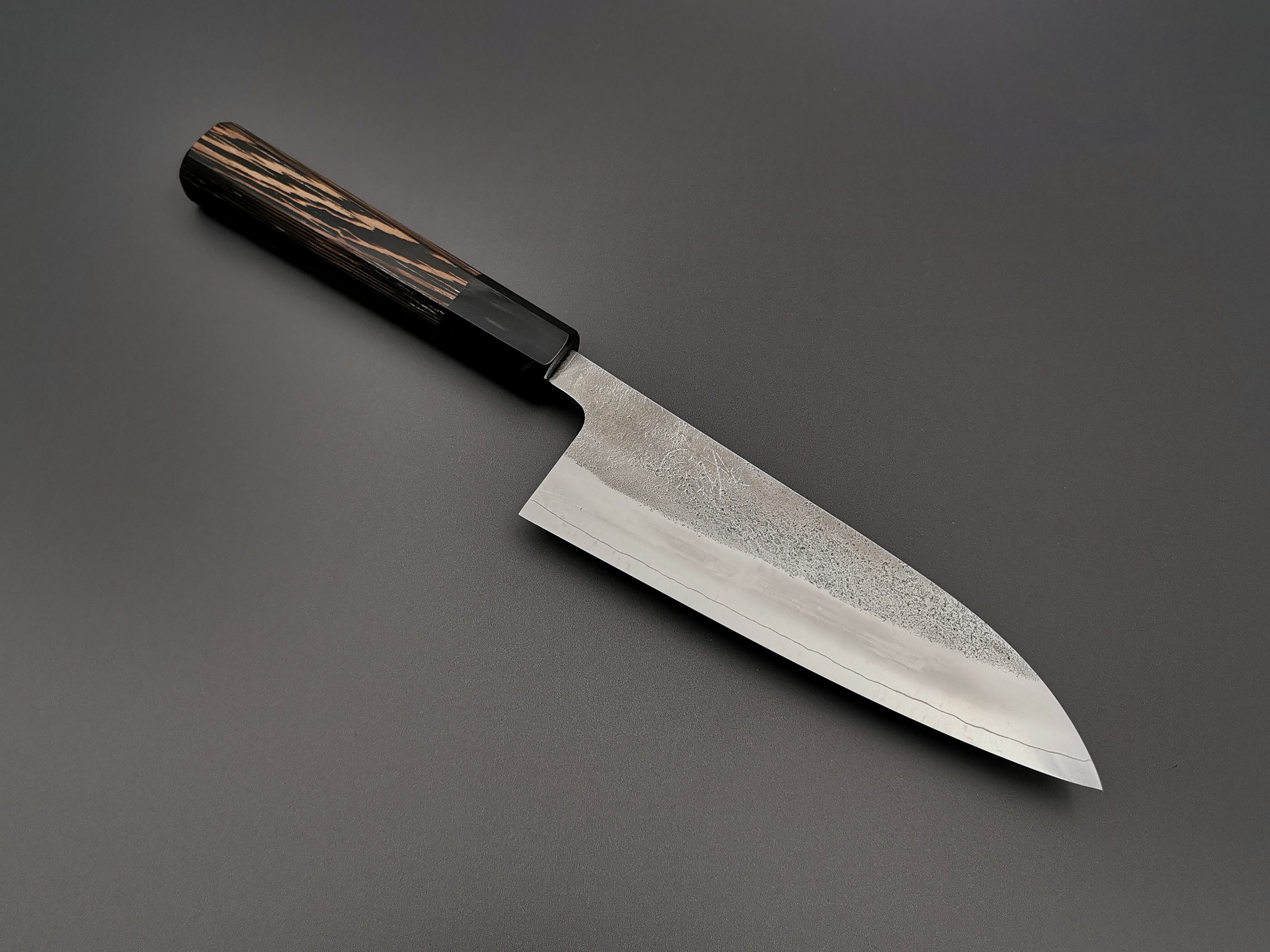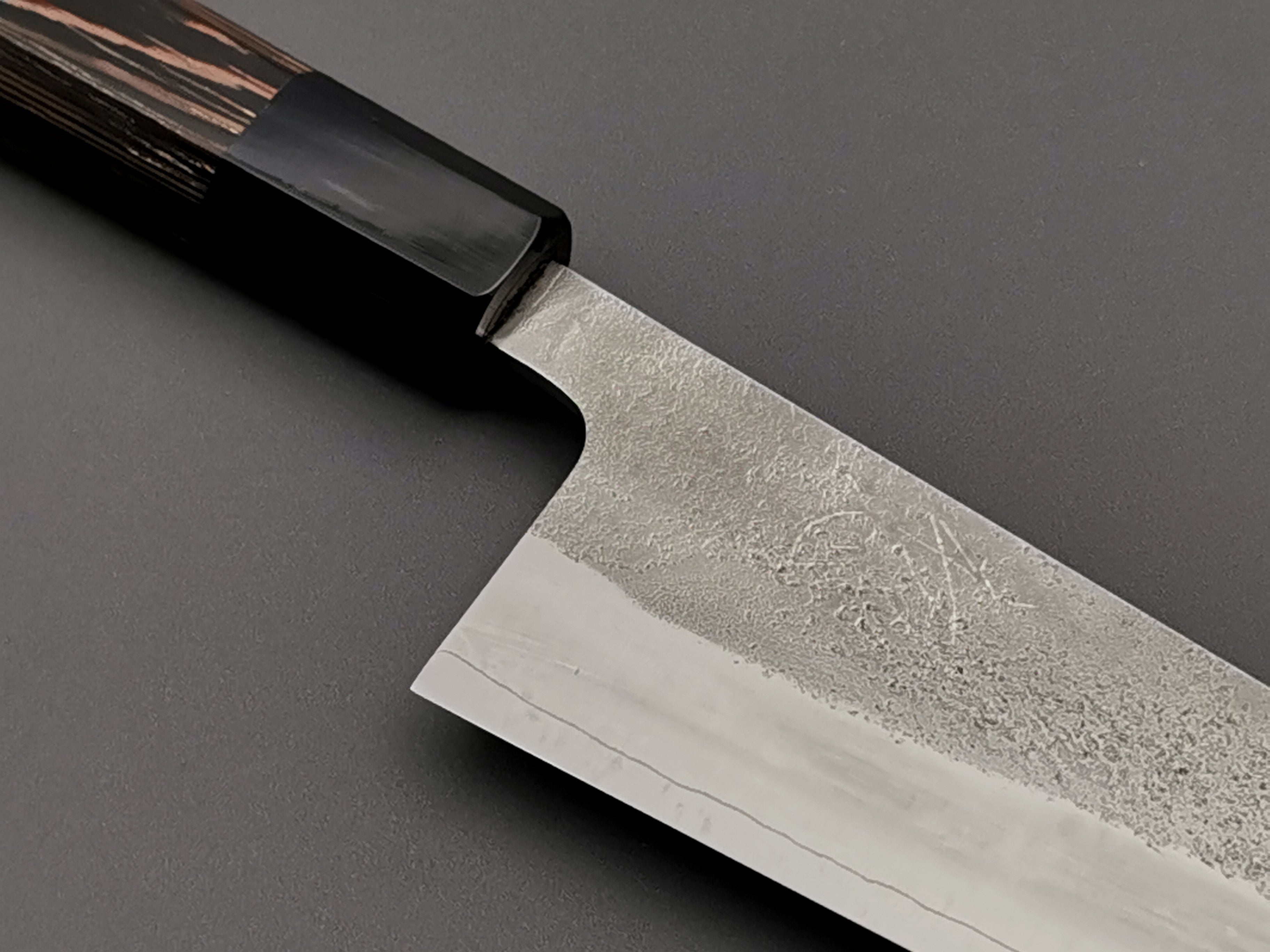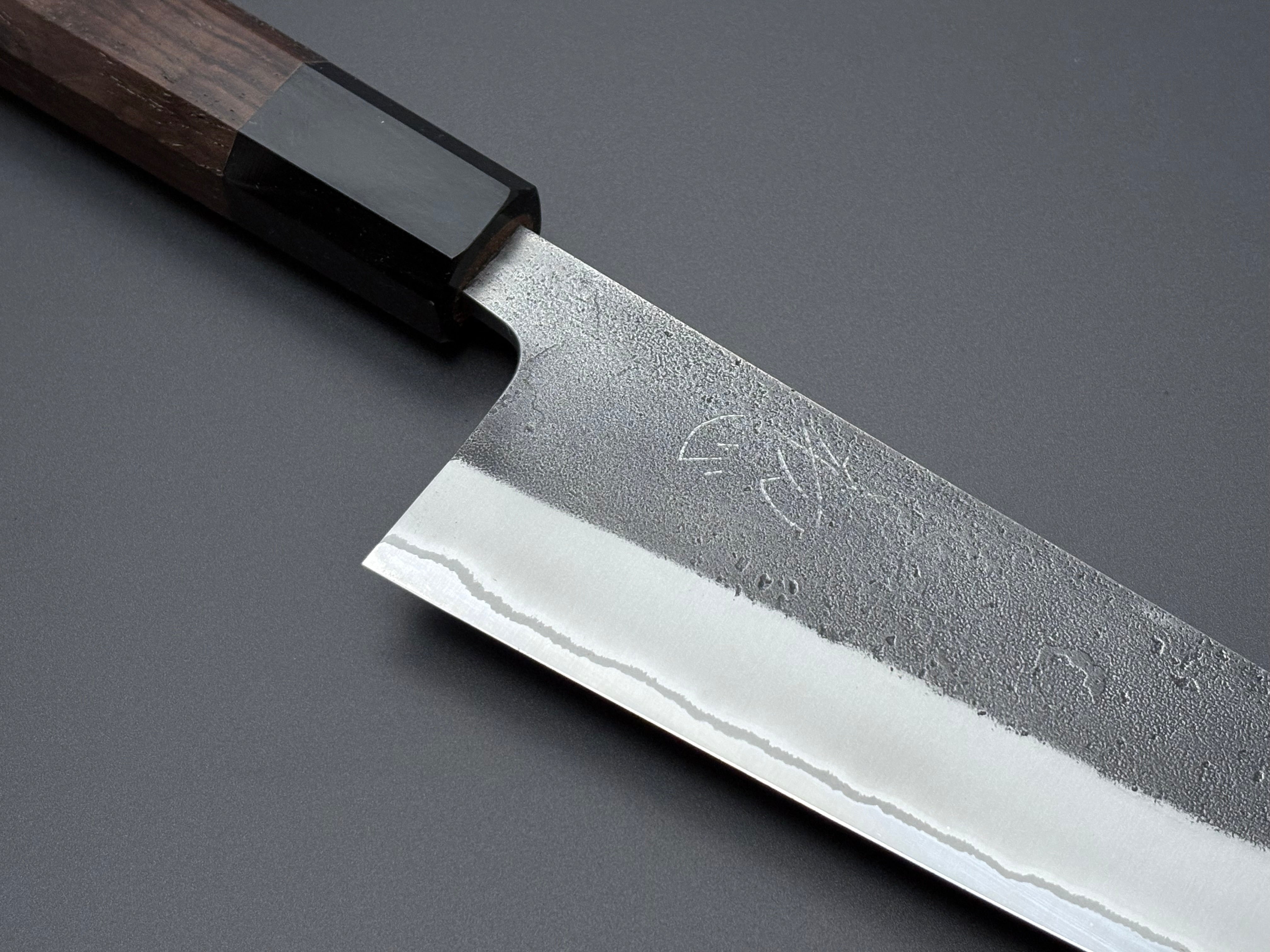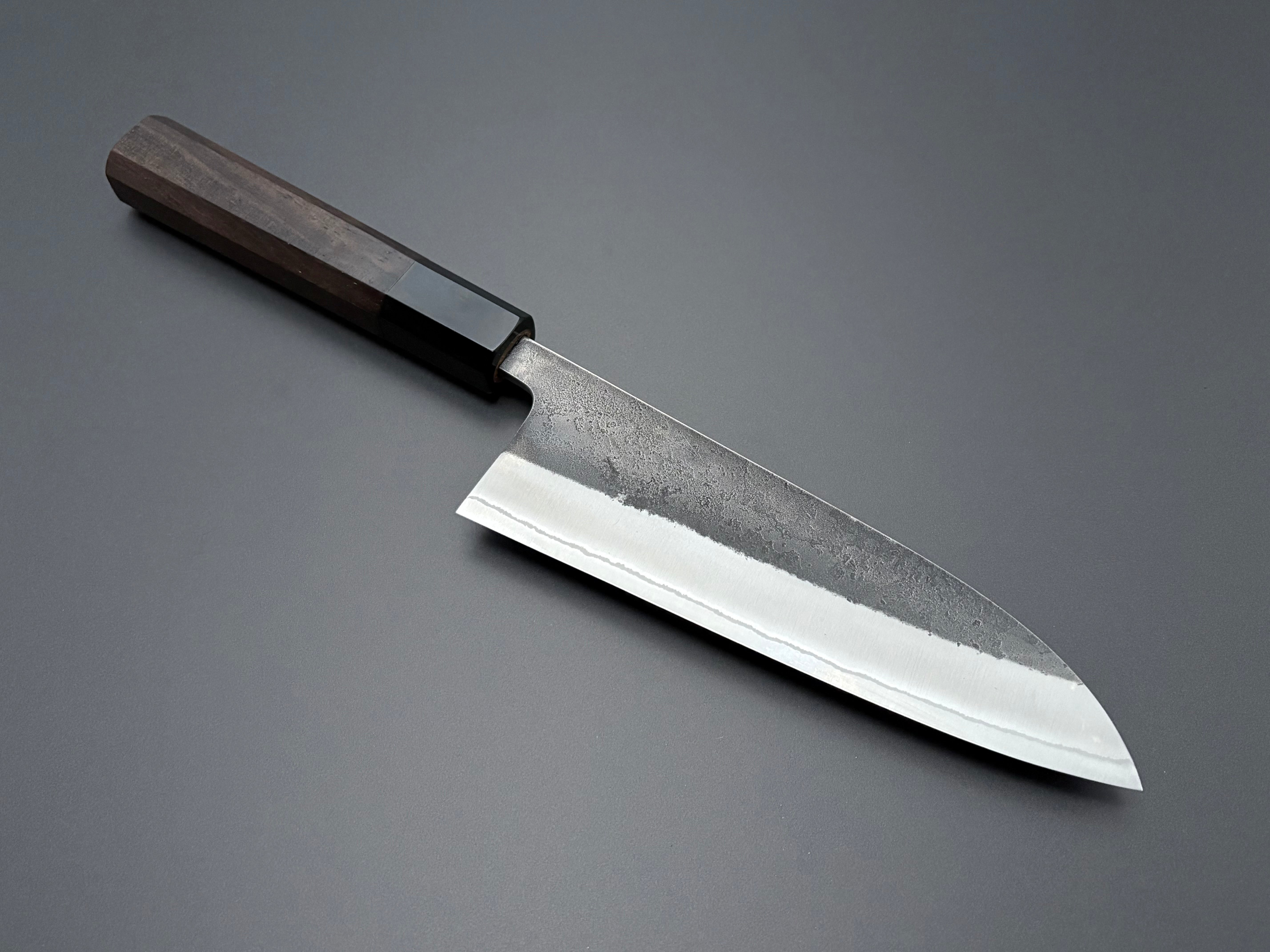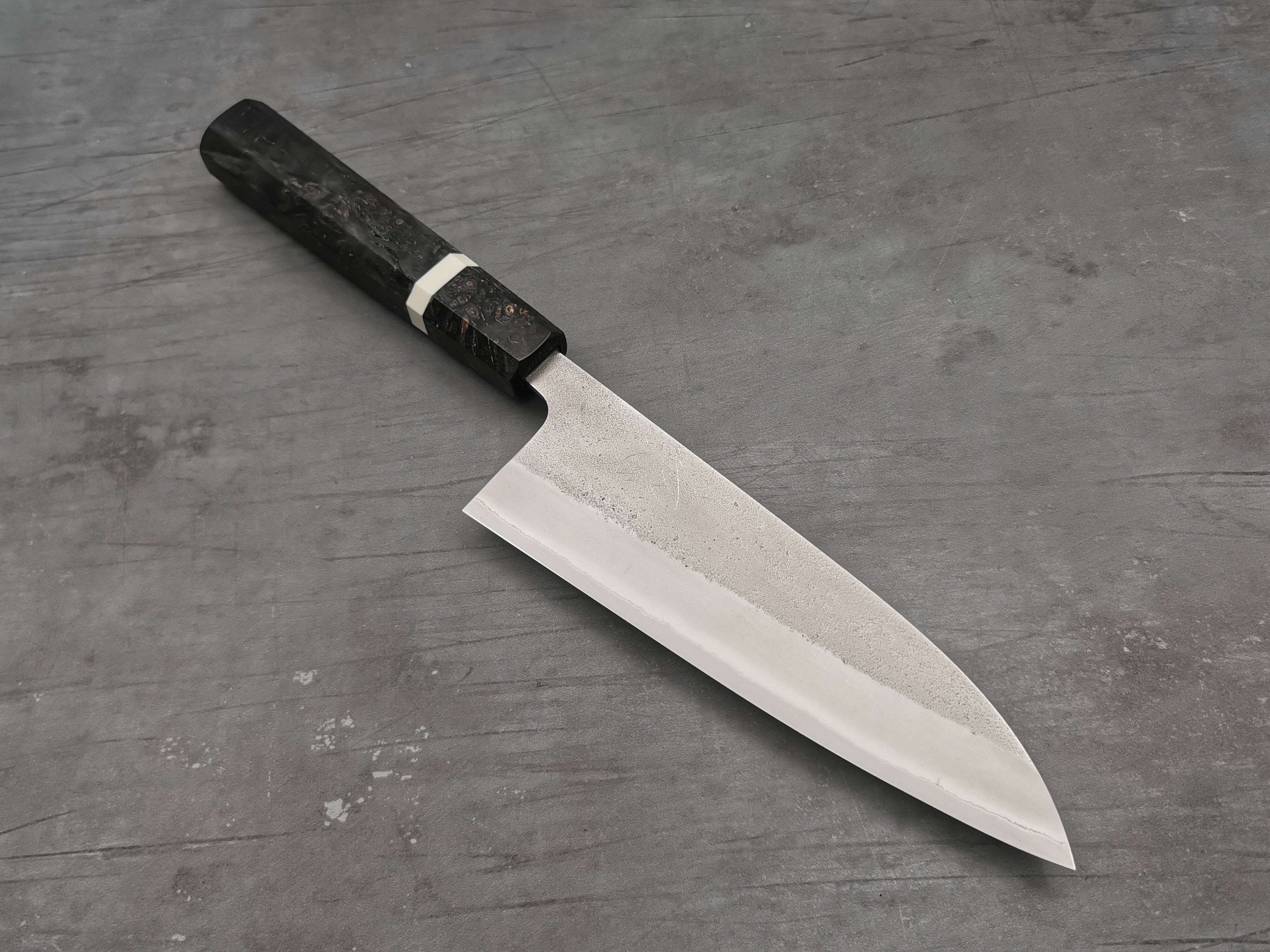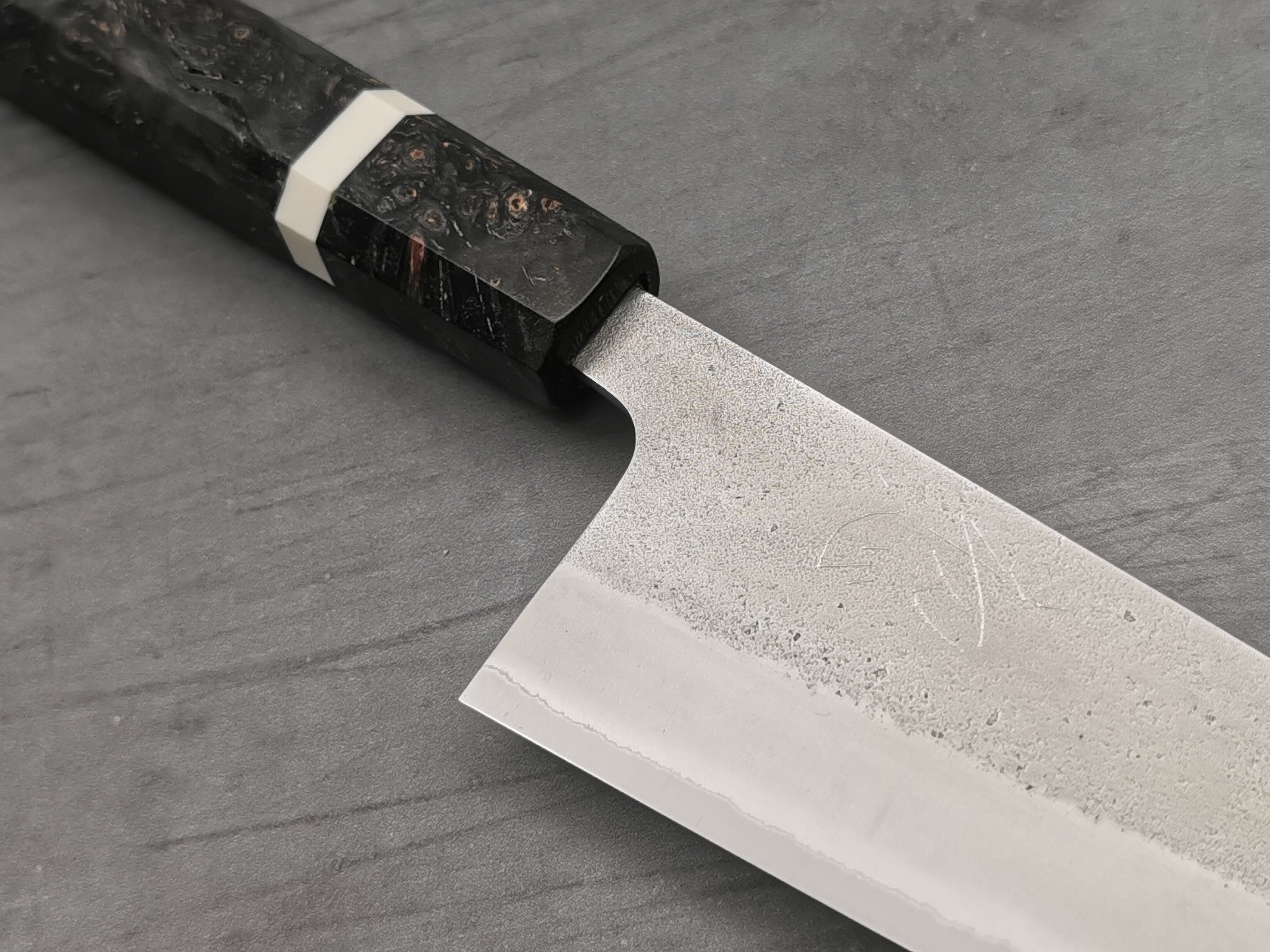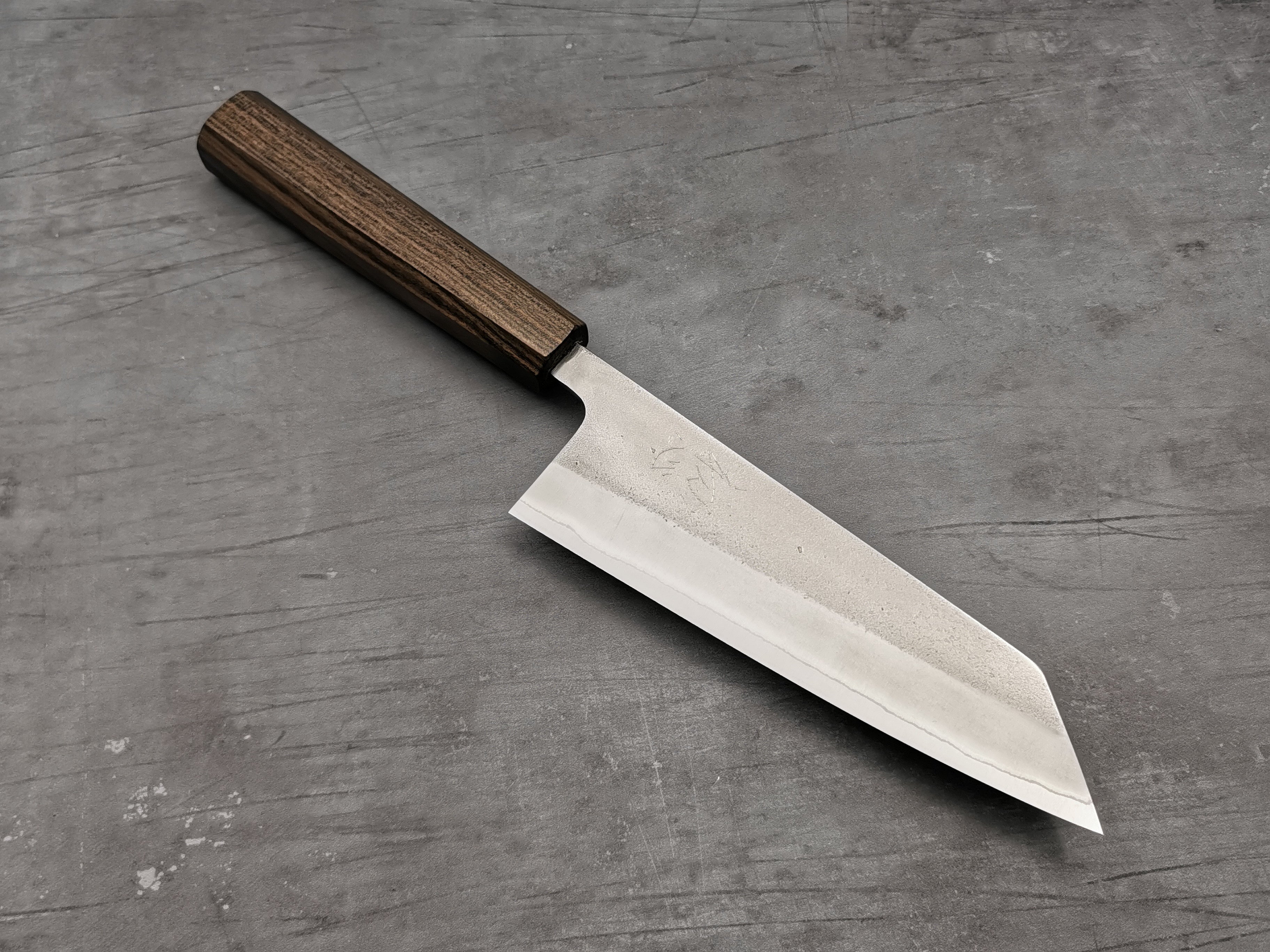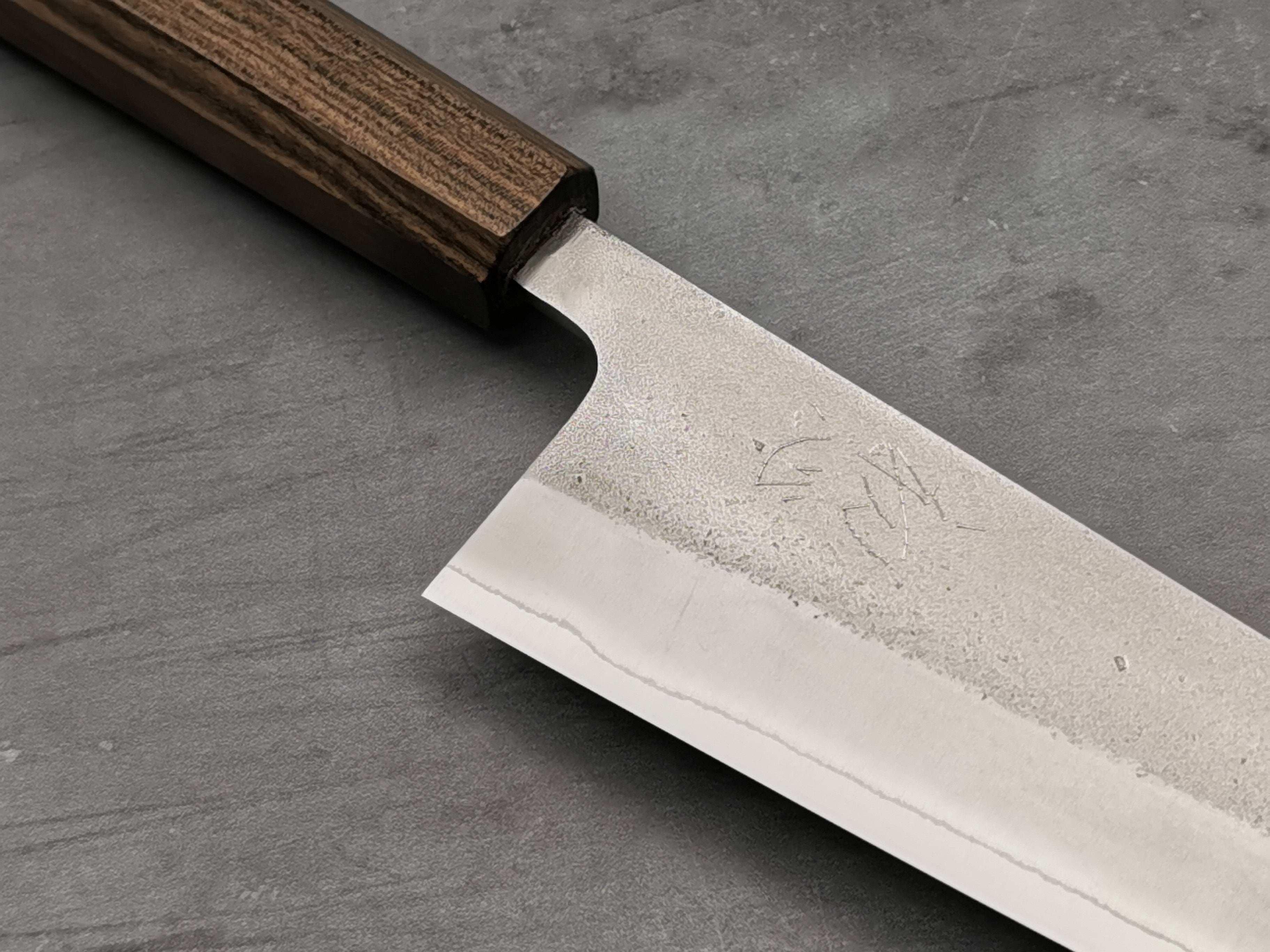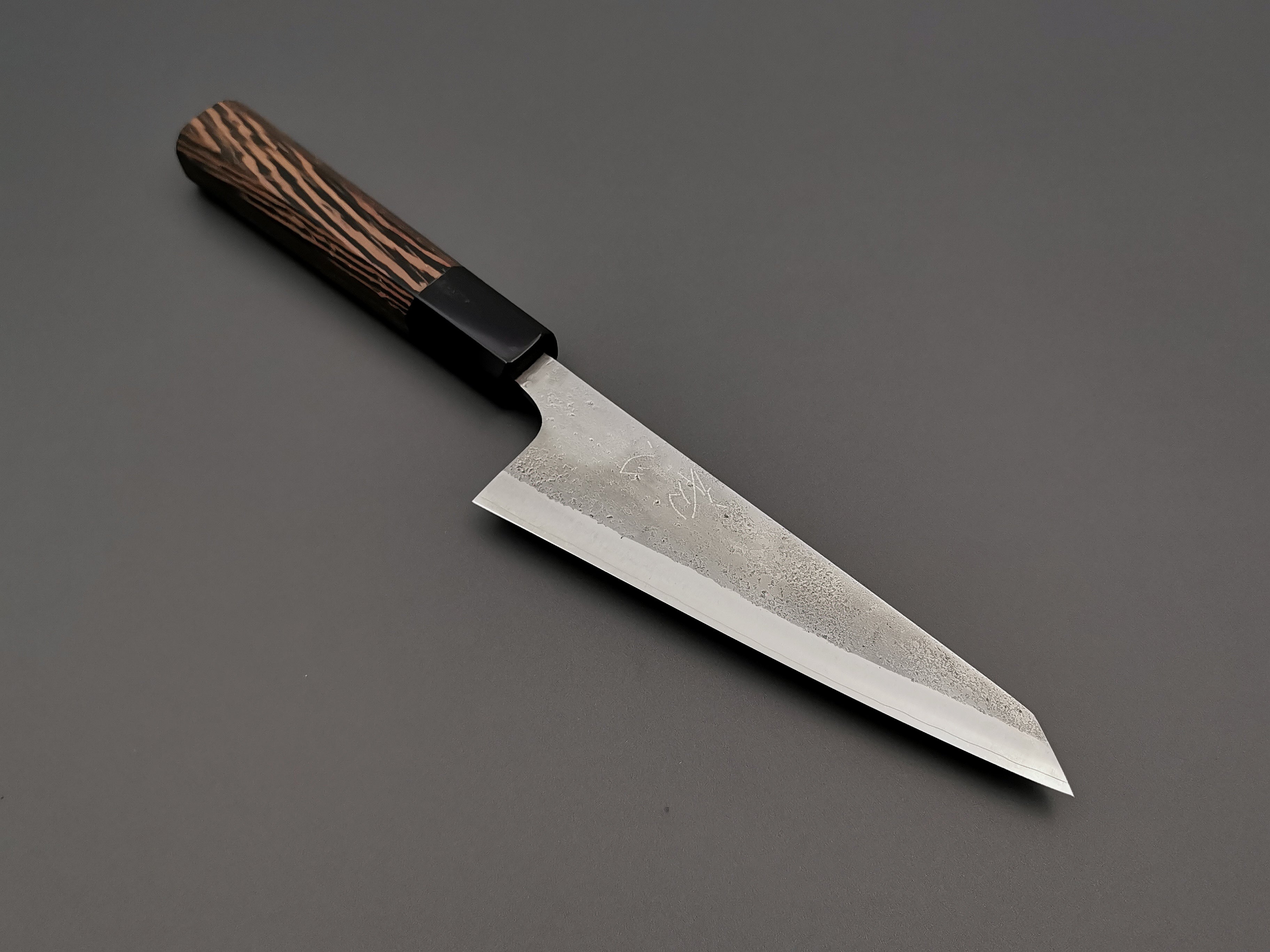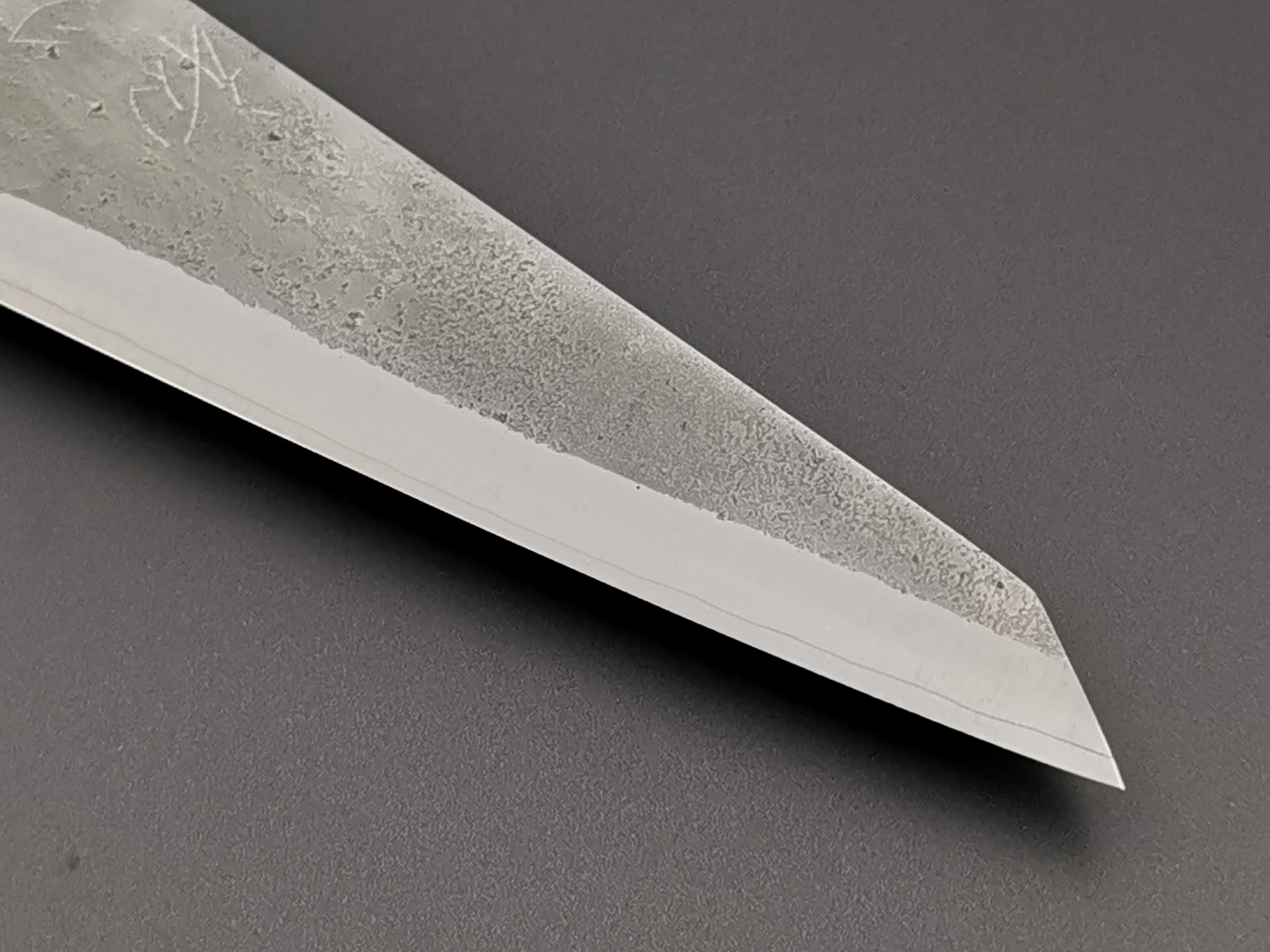

The reputation behind Yoshikane Hamono knives
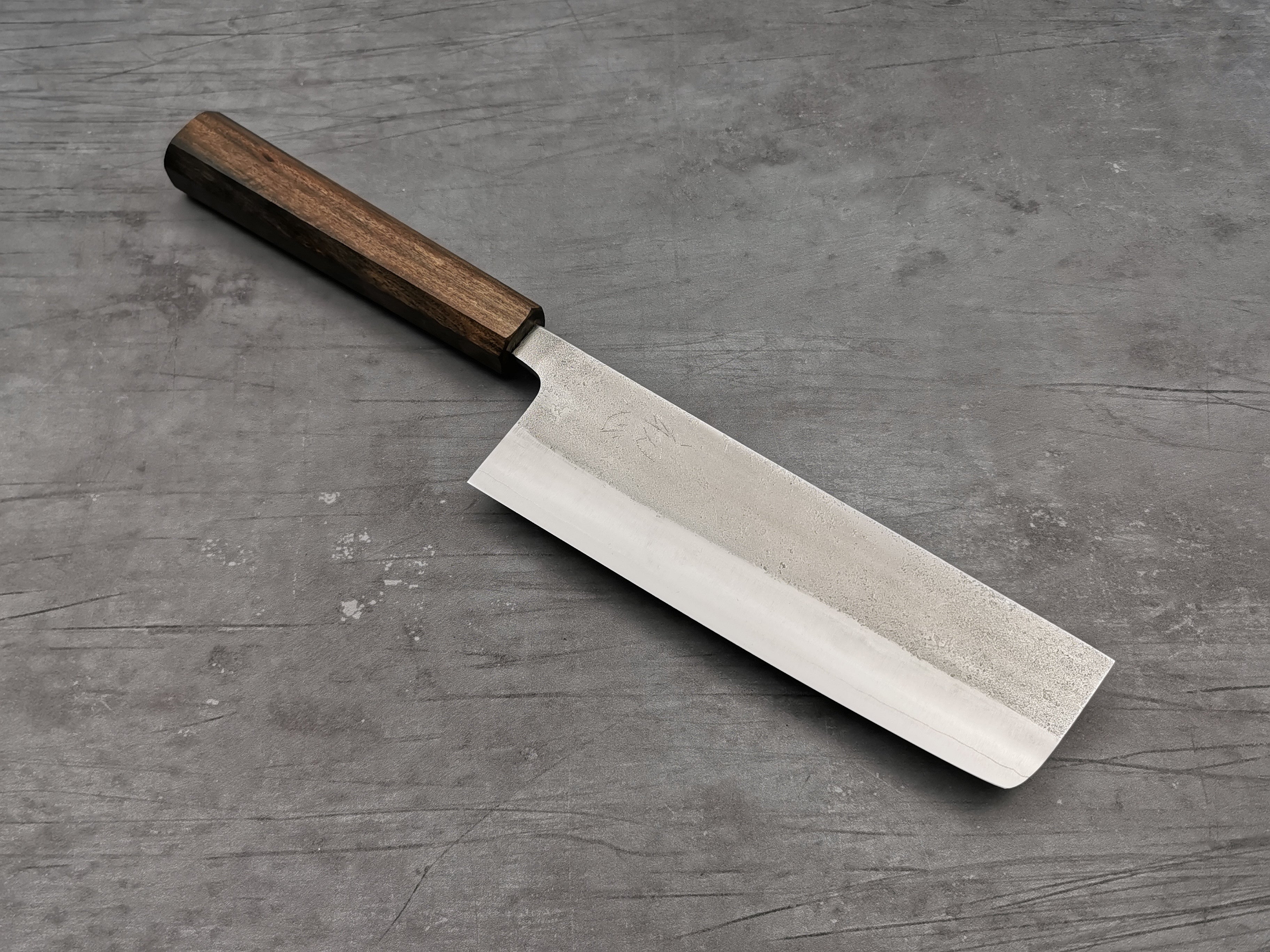
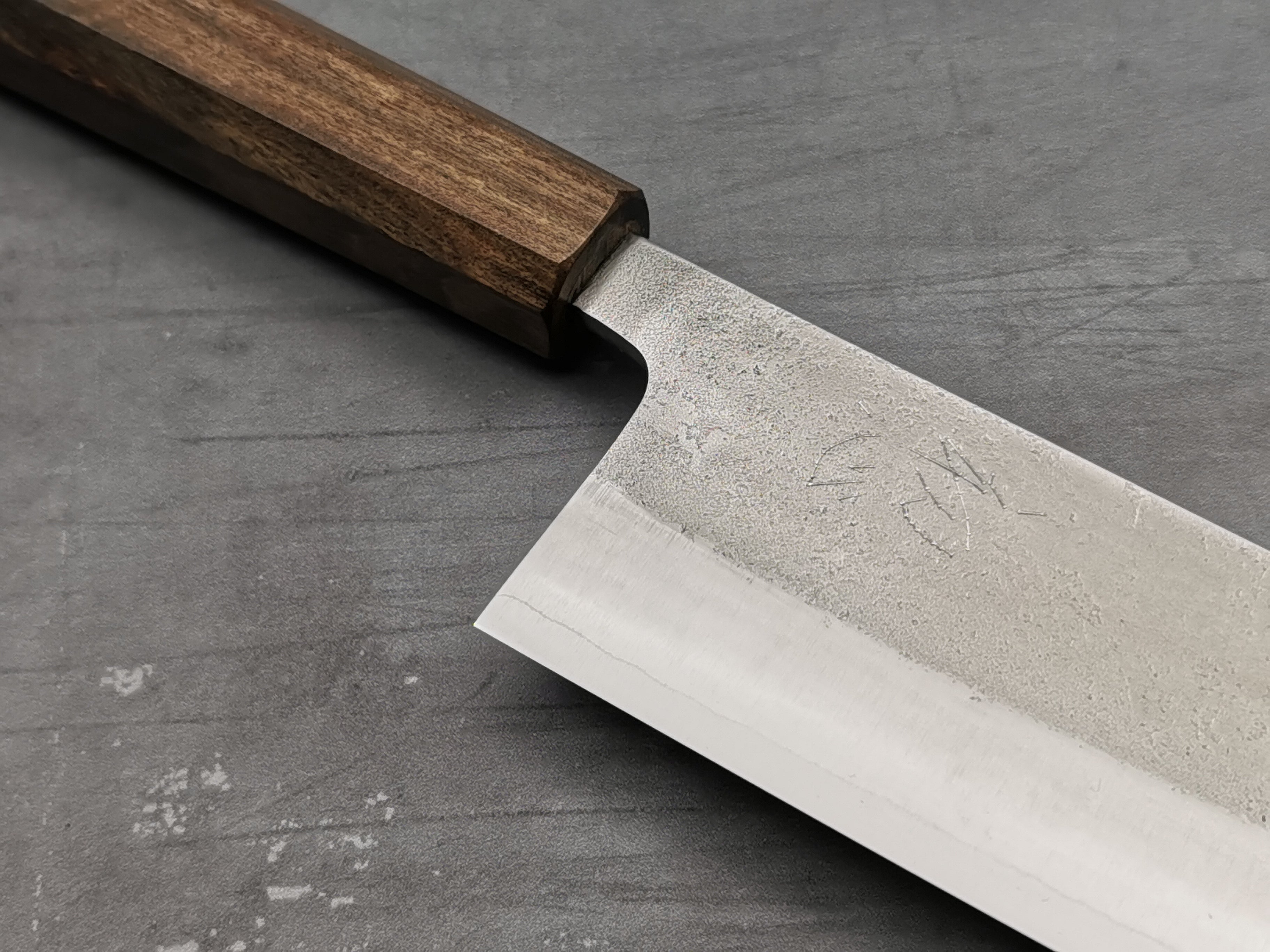
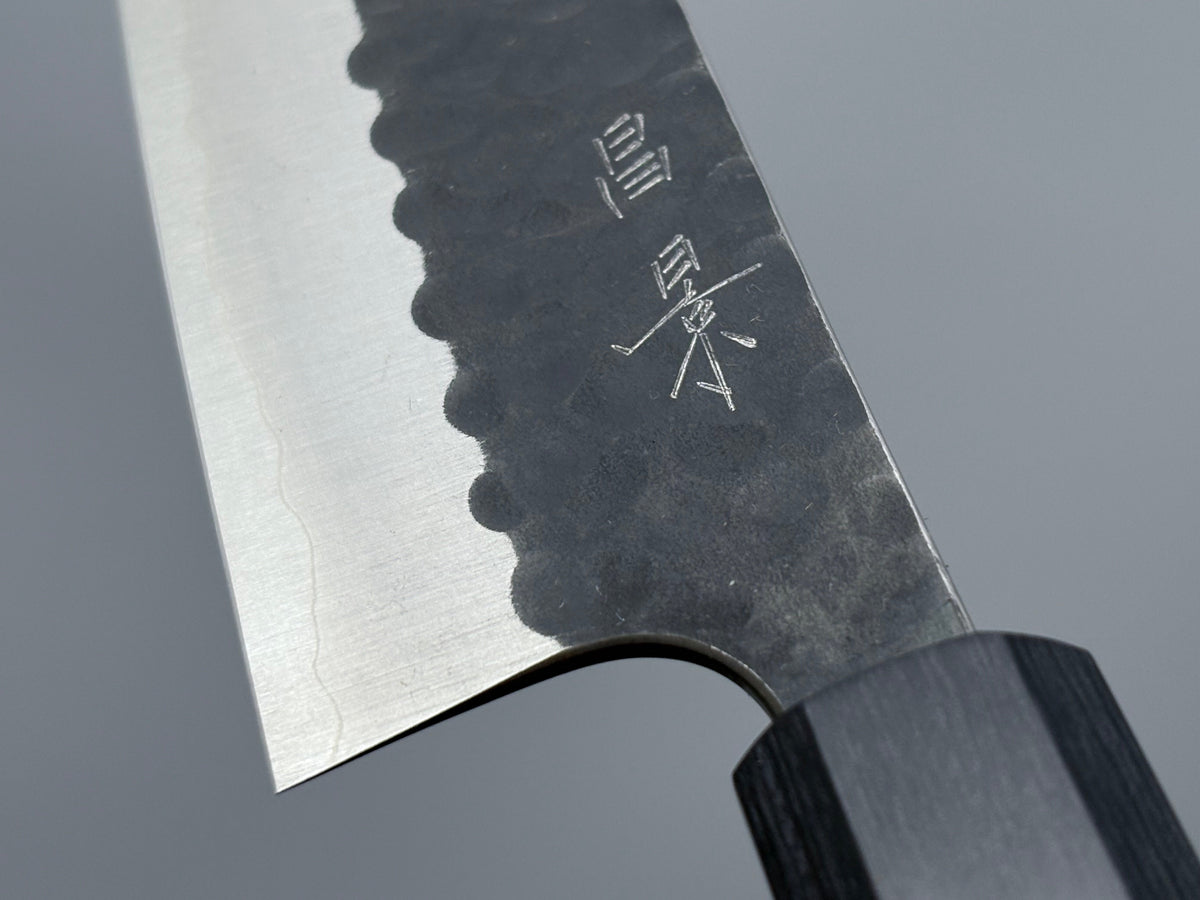
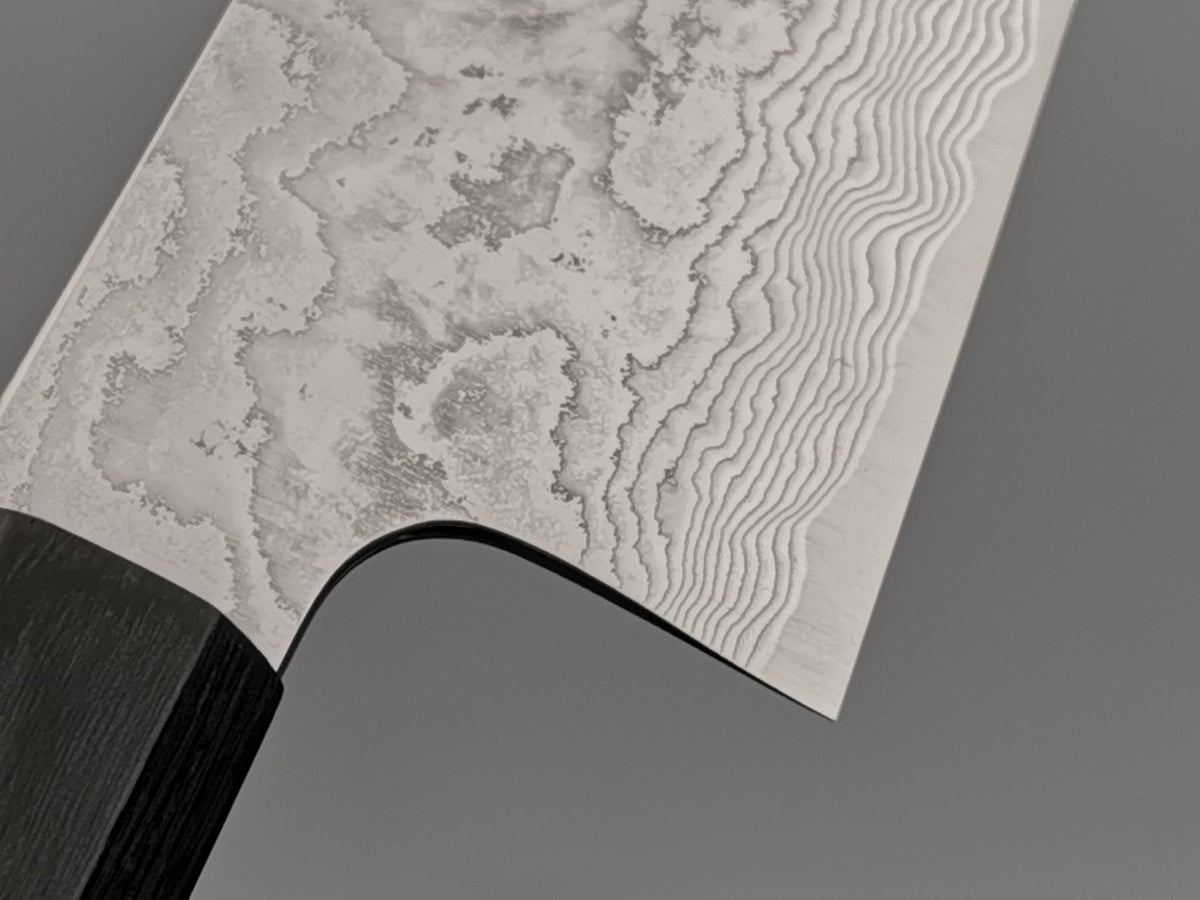
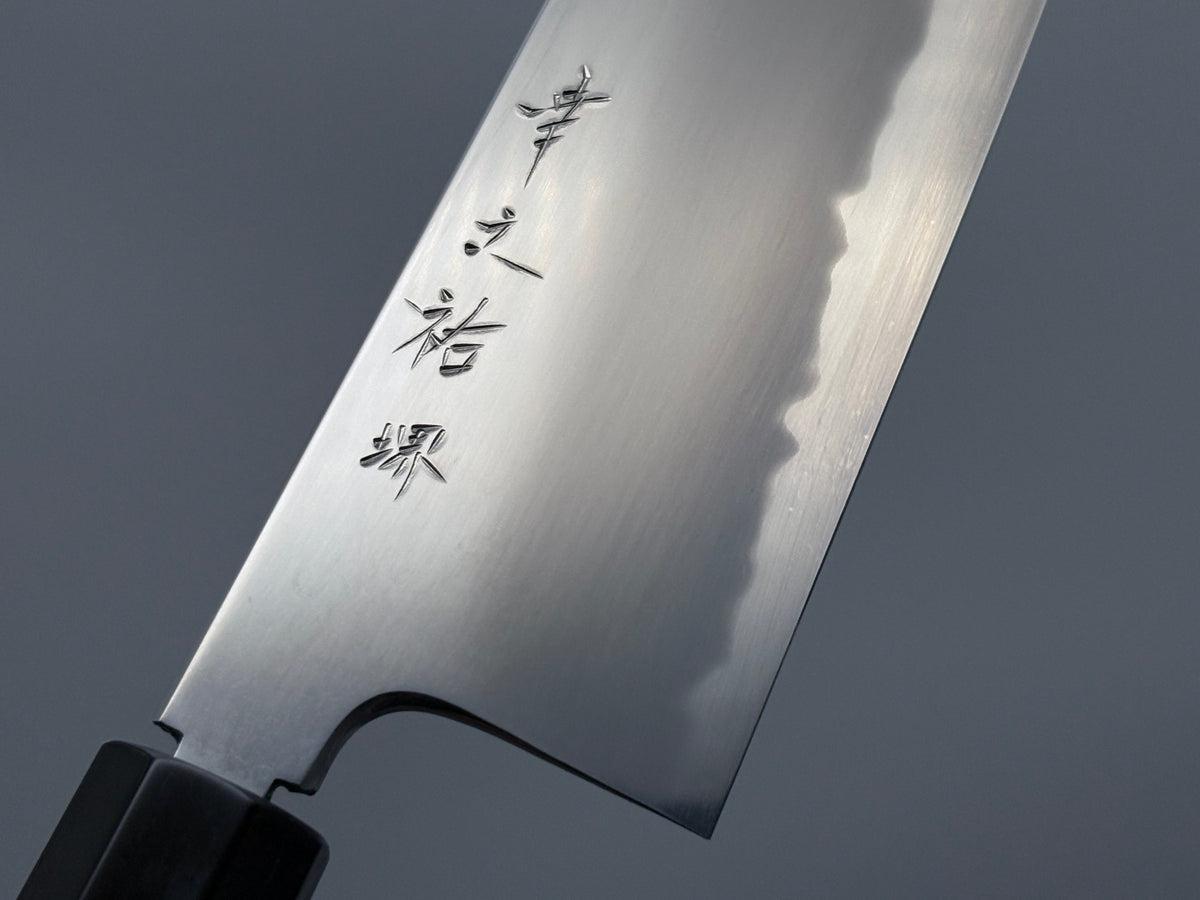
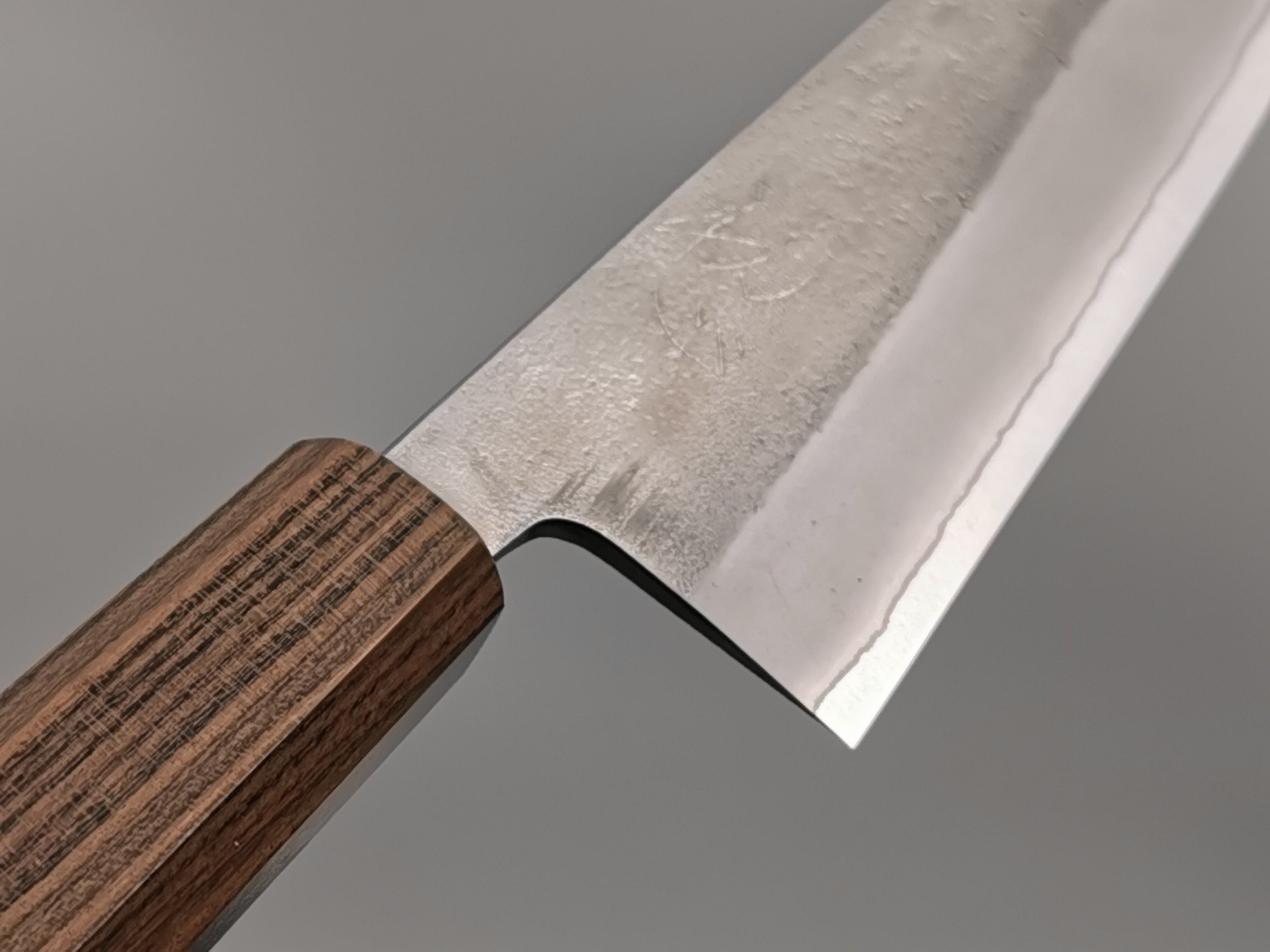
Yoshikane Hamono has built a genuine following among serious home cooks and professional chefs. The knives are made in Sanjo, Niigata Prefecture, a city with deep roots in Japanese blade-making, and they're known for refined geometry, consistent heat treatment, and edge retention that rewards careful use and proper maintenance. If you've been researching handmade Japanese knives and keep seeing the Yoshikane name, the enthusiasm is well-founded.

At Cutting Edge Knives, we stock a carefully chosen range of handmade Japanese knives from respected workshops across Japan. Our current Yoshikane stock varies, but our wider collection includes makers working to a comparable standard, such as Anryu Knives, forged in Echizen by fifth-generation craftsman Takumi Ikeda using traditional methods and steels including Blue #2 and VG10.
Steel choices and what they mean in use
Much of the attention around Yoshikane comes down to their use of SKD steel, a semi-stainless tool steel that's harder than most stainless options but less demanding than white or blue paper steels. You get good edge retention without worrying about patina or rust prevention. For cooks who want performance without that kind of upkeep, it's a practical choice that works across a wide range of kitchens and experience levels.
If you prefer reactive carbon steel with high edge potential, our Aogami Blue #2 knives collection covers that well. Our Ginsan Silver 3 steel knives offer a stainless-adjacent option with sharp edges and minimal maintenance.
Knife shapes commonly associated with Yoshikane
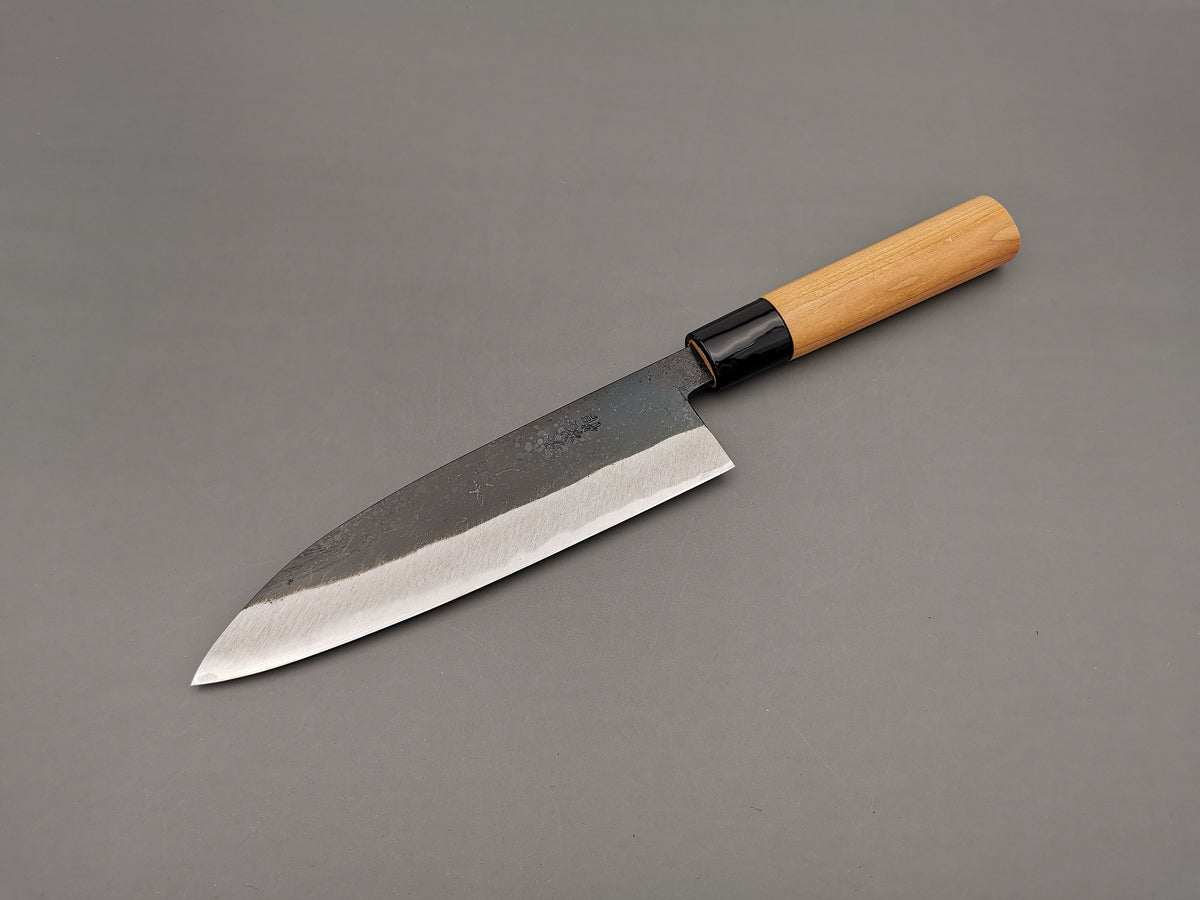
Yoshikane produces several popular profiles, with the gyuto and santoku among the most sought after. Their gyutos are praised for a relatively flat profile through the heel that transitions to a gentle curve at the tip, which works for both push-cutting and rocking. The finish tends to be clean rather than decorative, which reflects a workshop that prioritises function.
- Gyuto knives in the 210 to 240mm range suit most everyday tasks
- Santoku shapes work well for both vegetable and protein work
- Nakiri profiles are well suited to precise vegetable preparation
Our gyuto knives collection and Japanese vegetable knives range cover these profiles across multiple makers and steel types.
Find your next handmade Japanese knife
Whether you came here specifically for Yoshikane or are still working out what you want, our full Japanese knives and accessories collection is the best place to see what we currently have in stock, with options across budgets, steel types, and blade shapes.