
Who are Nigara Hamono?
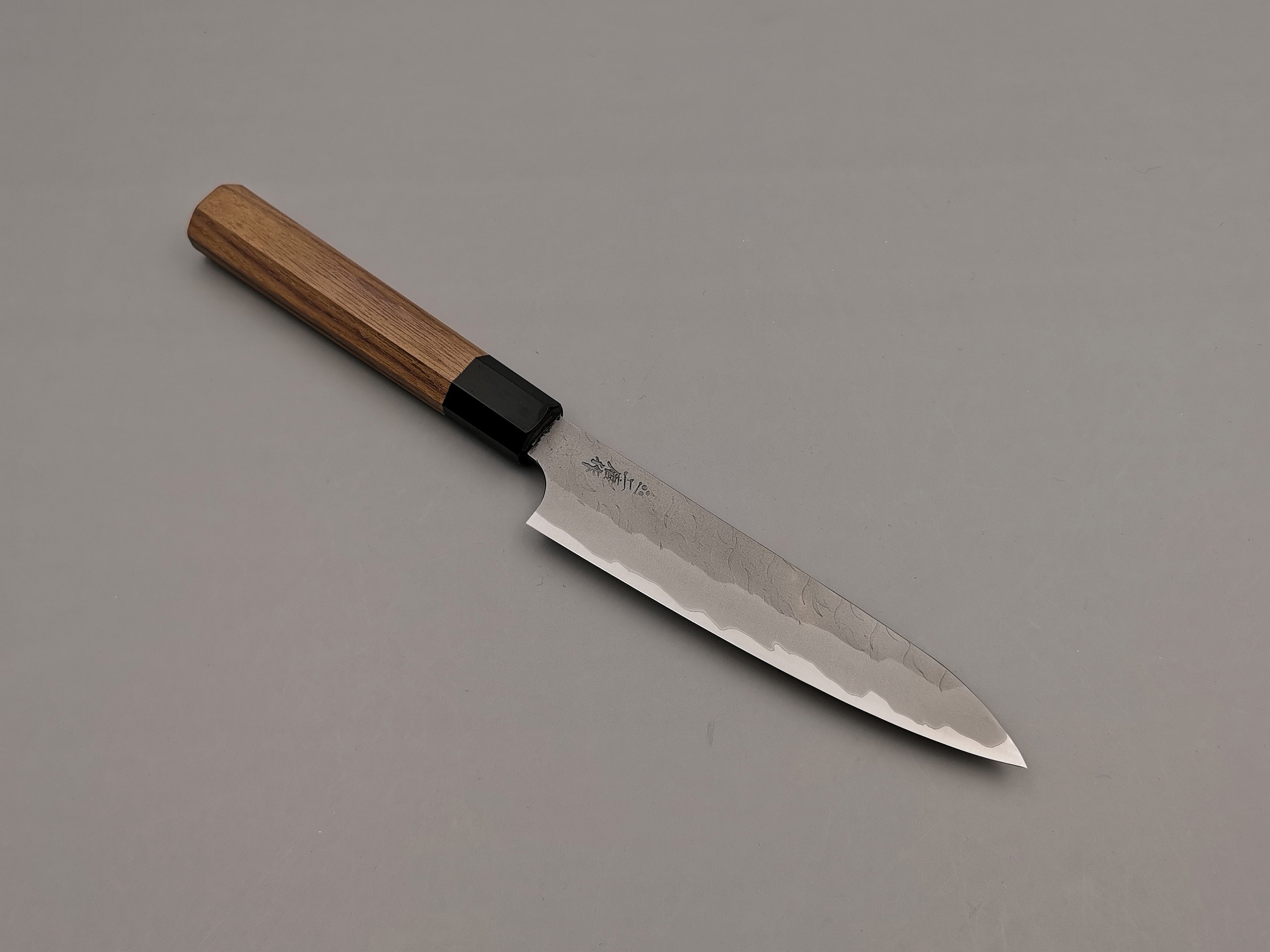
Nigara Hamono has been making blades in Hirosaki City, Aomori Prefecture, for over 350 years. The forge started in the early Edo period, when the family was appointed as swordsmiths to the Tsugaru clan. Eight generations later, the same family is still at it. You can browse their full range at Nigara Hamono knives at Cutting Edge Knives, where we stock a carefully chosen selection of their work.

The workshop today is led by Go Yoshizawa and a small team of skilled artisans. The approach has not changed much: careful work, good materials, and finishing that reflects genuine pride in what leaves the shop. What makes Nigara worth paying attention to is the combination of that deep history with a genuine openness to modern metallurgy and design. They have never chased volume. Pick up one of their knives and that is obvious within about ten seconds.
What makes Nigara Hamono knives special?
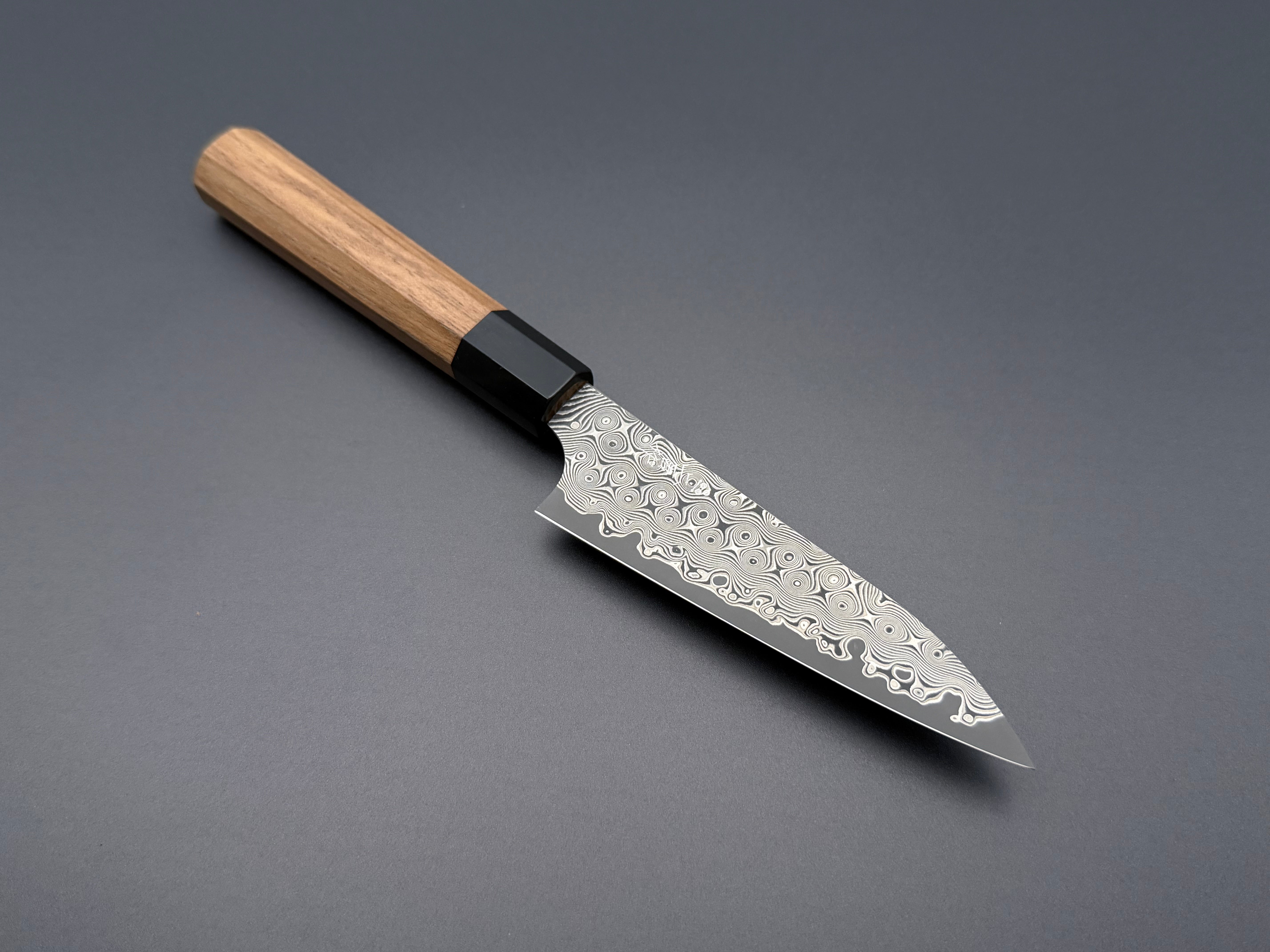
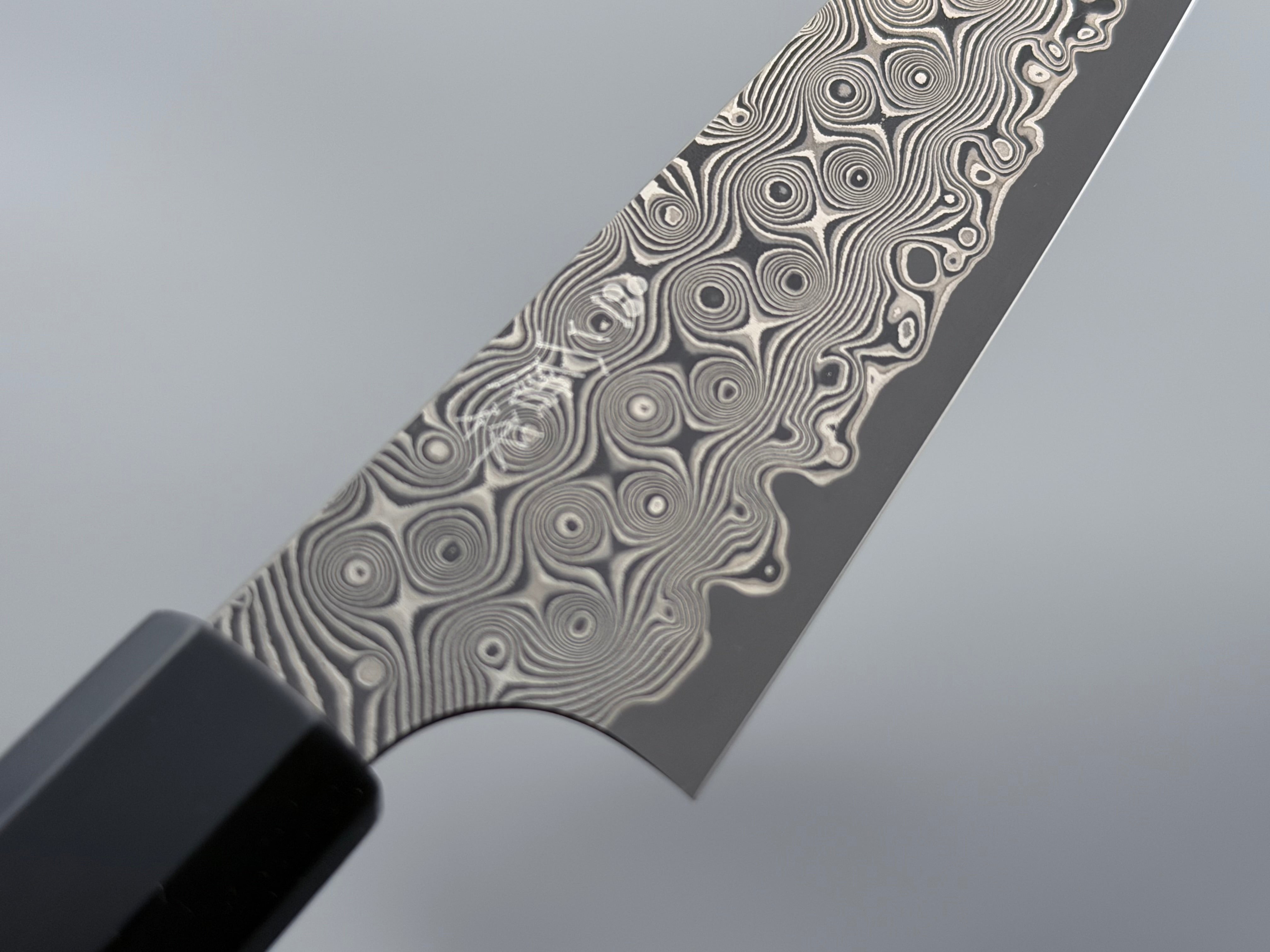
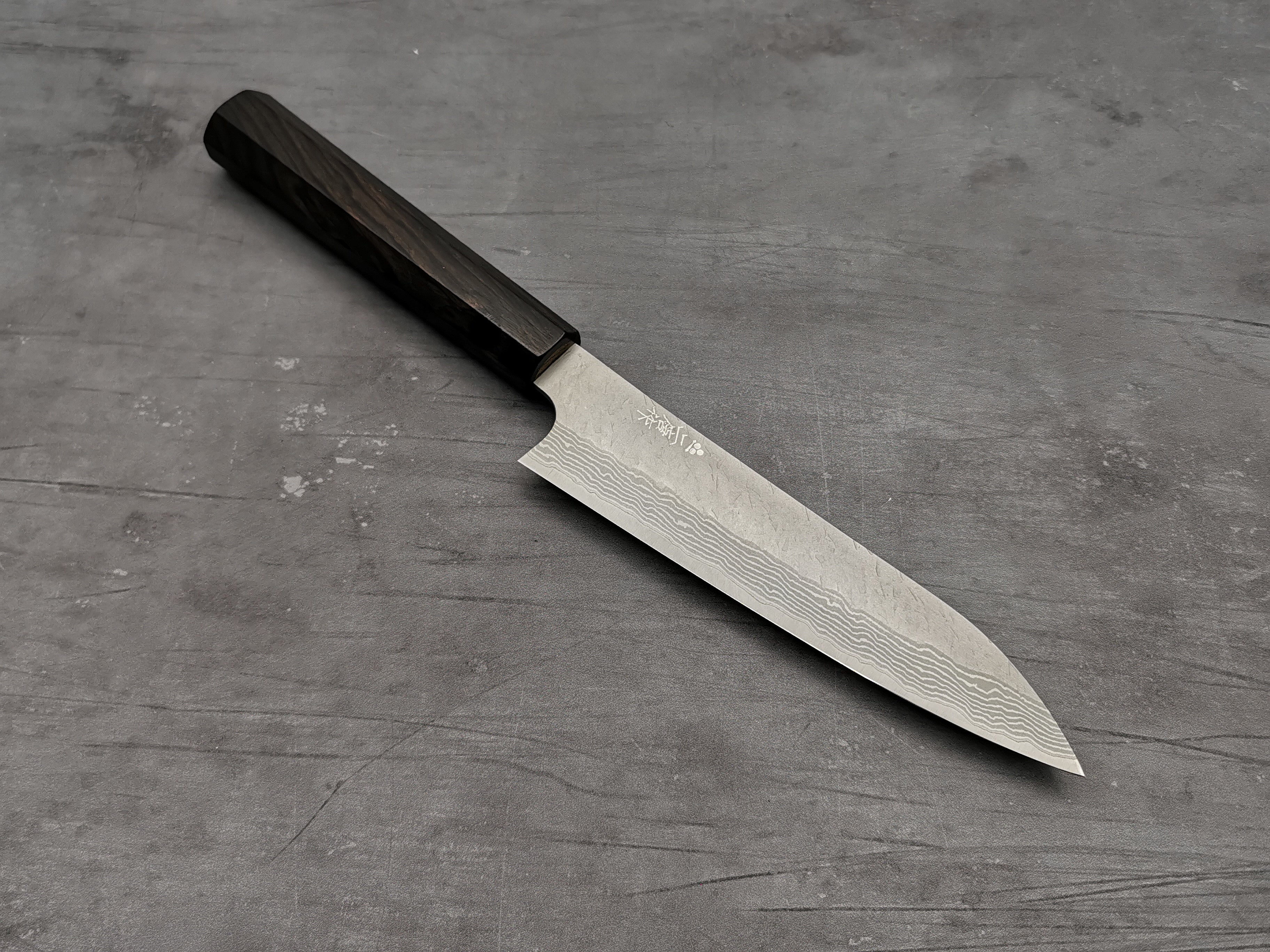
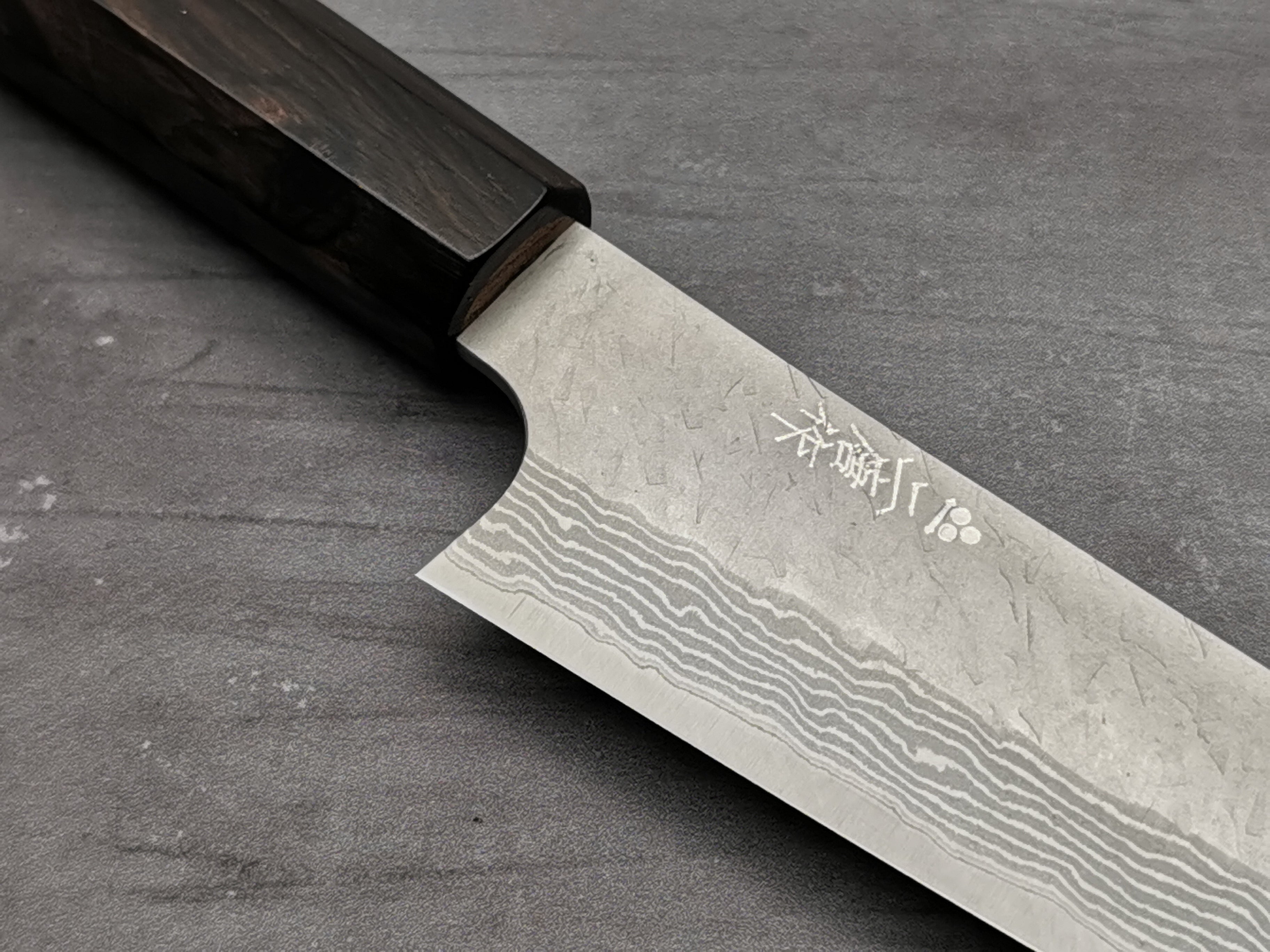
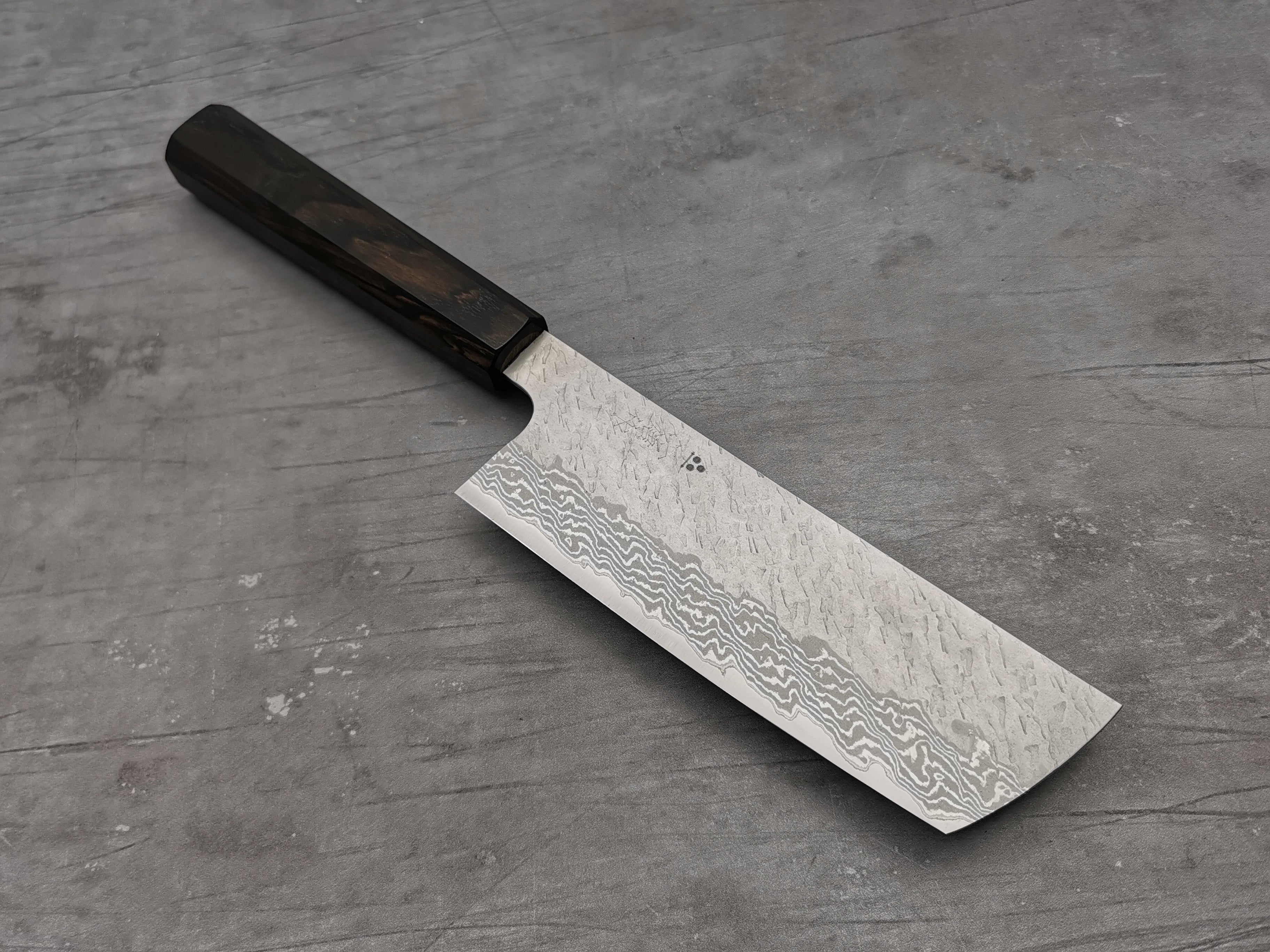
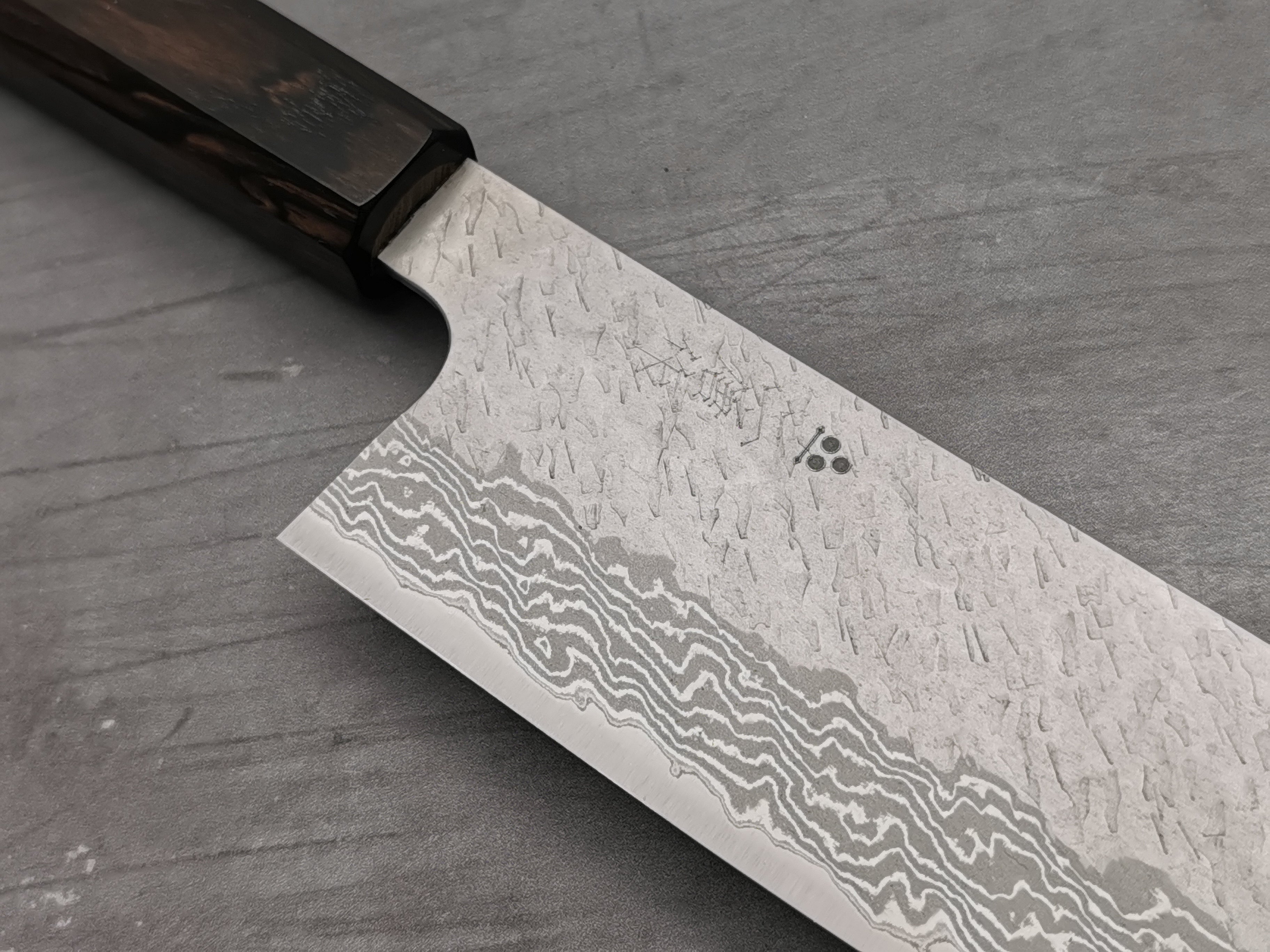
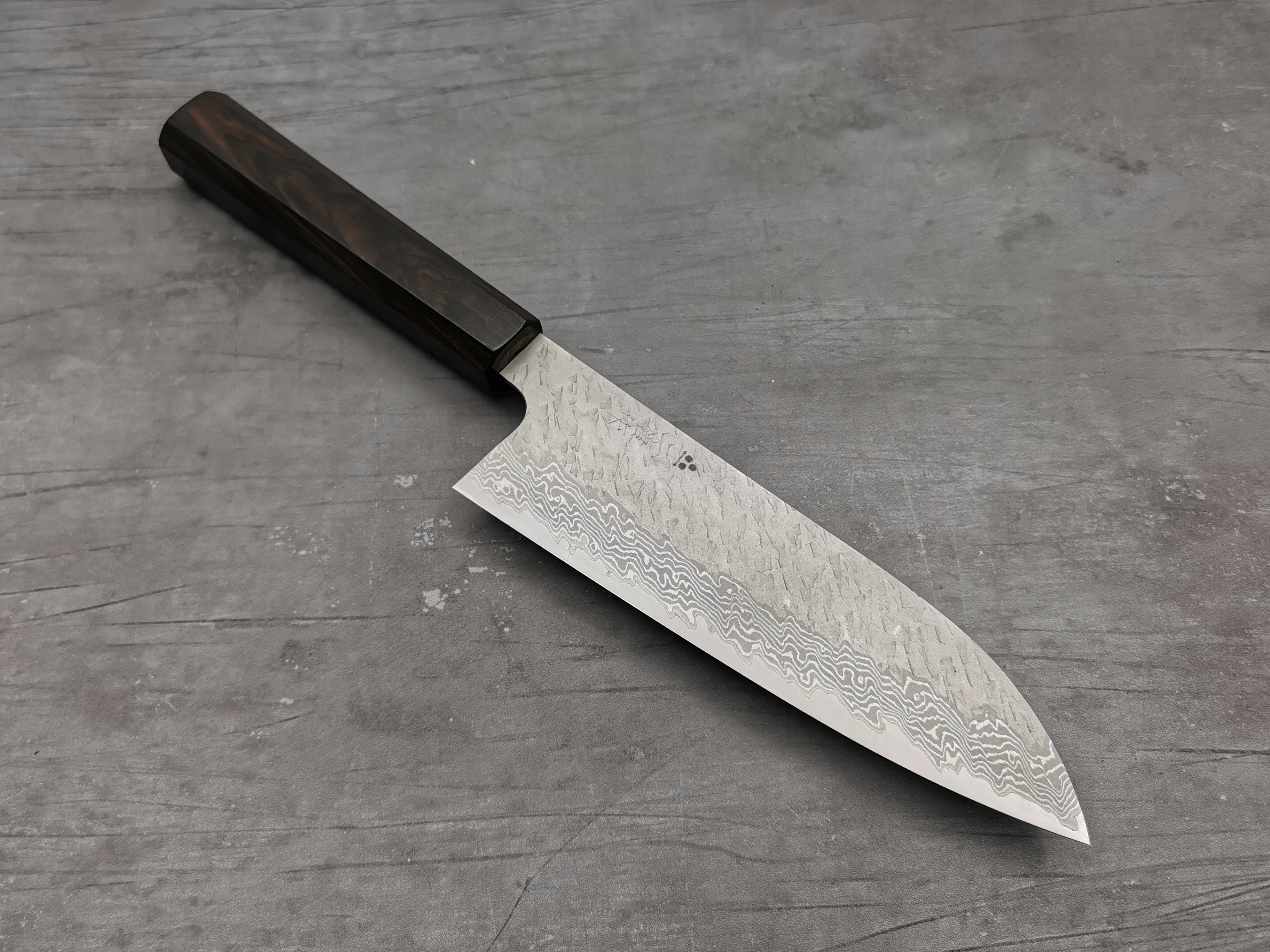
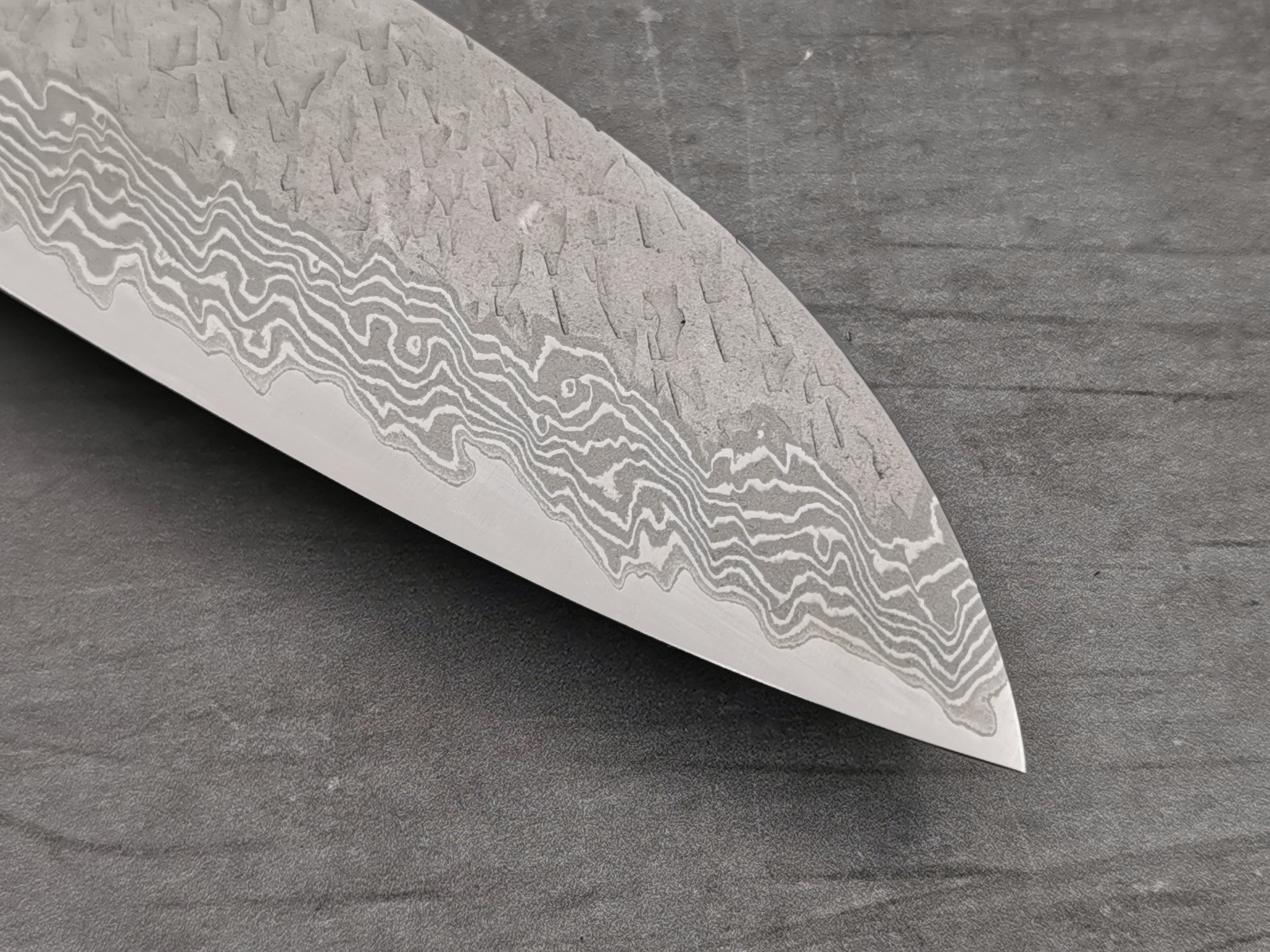
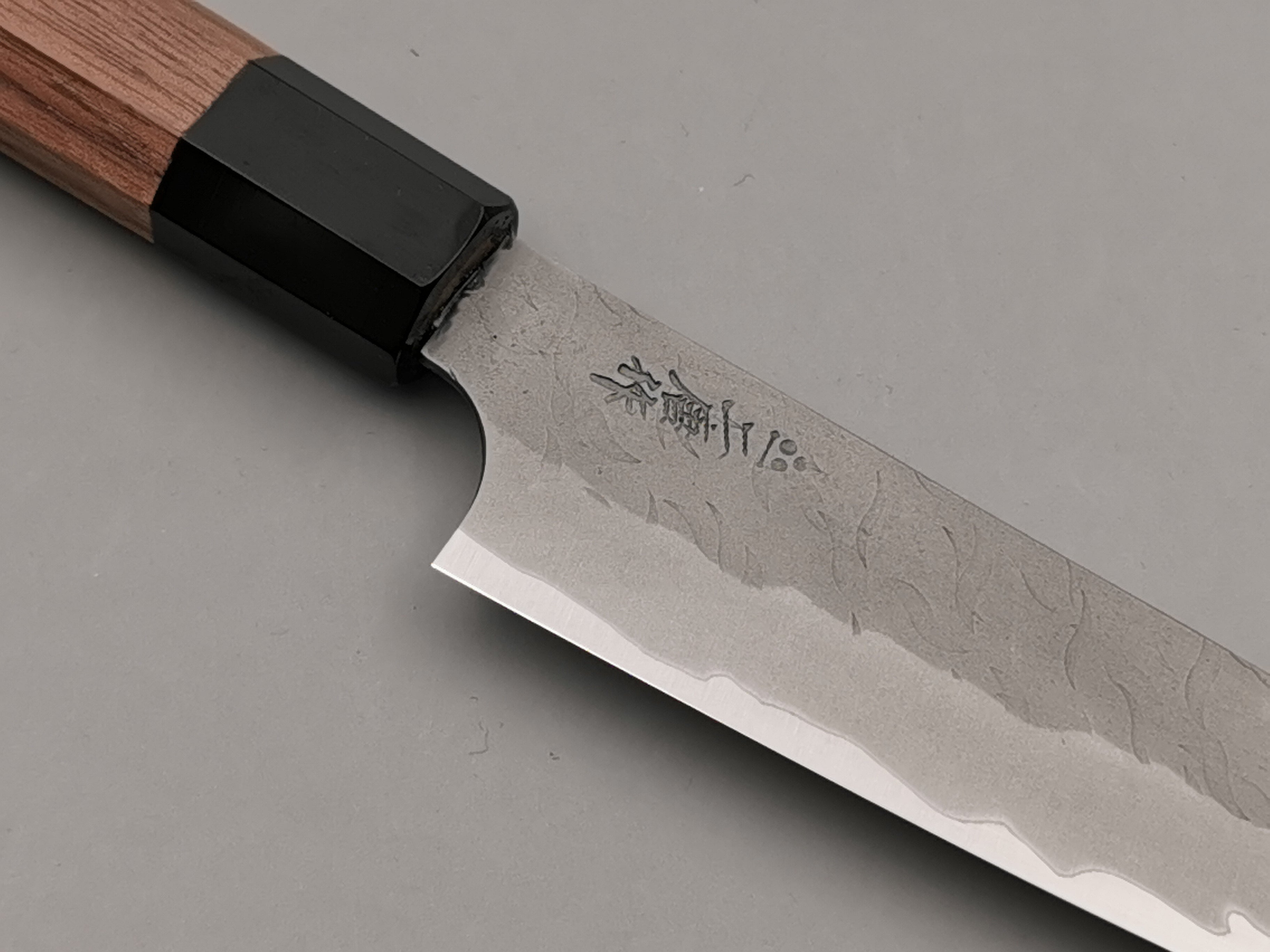
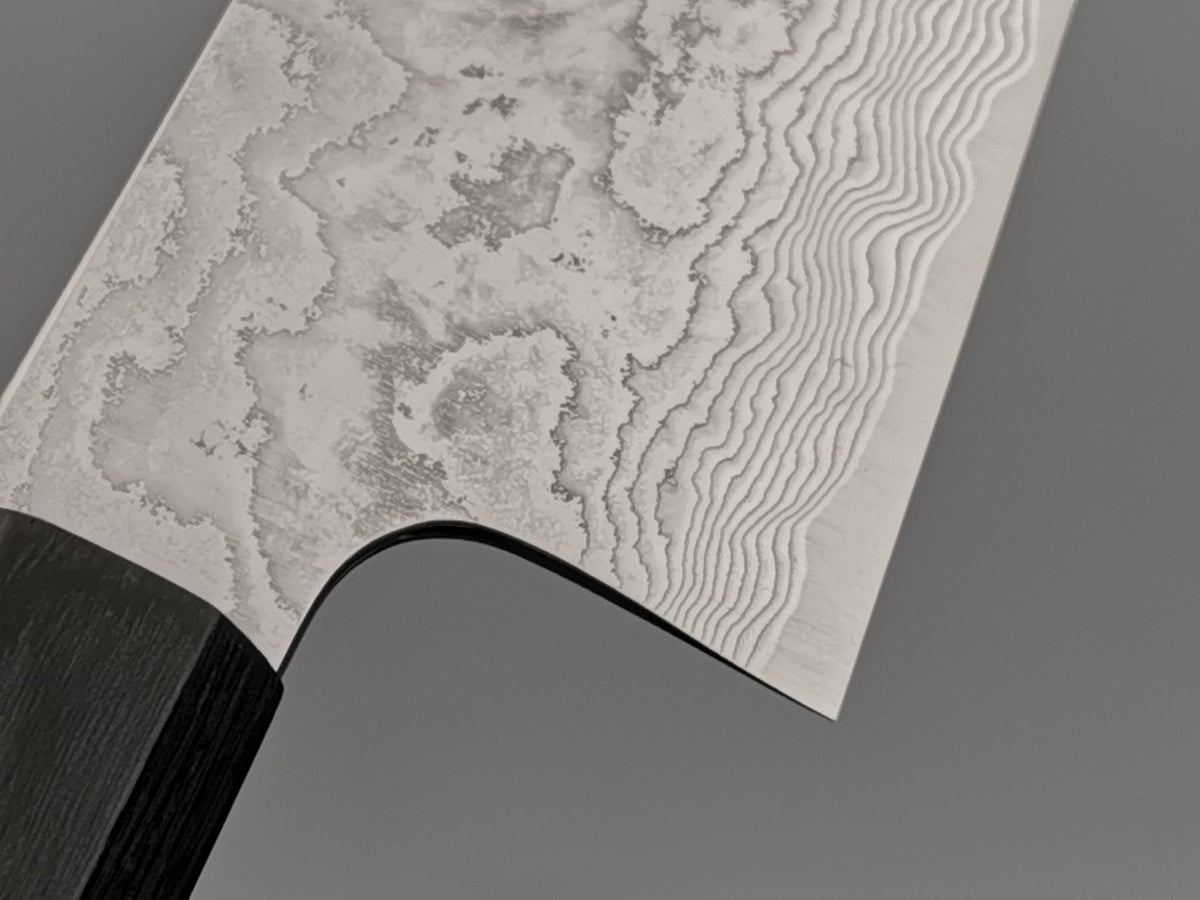
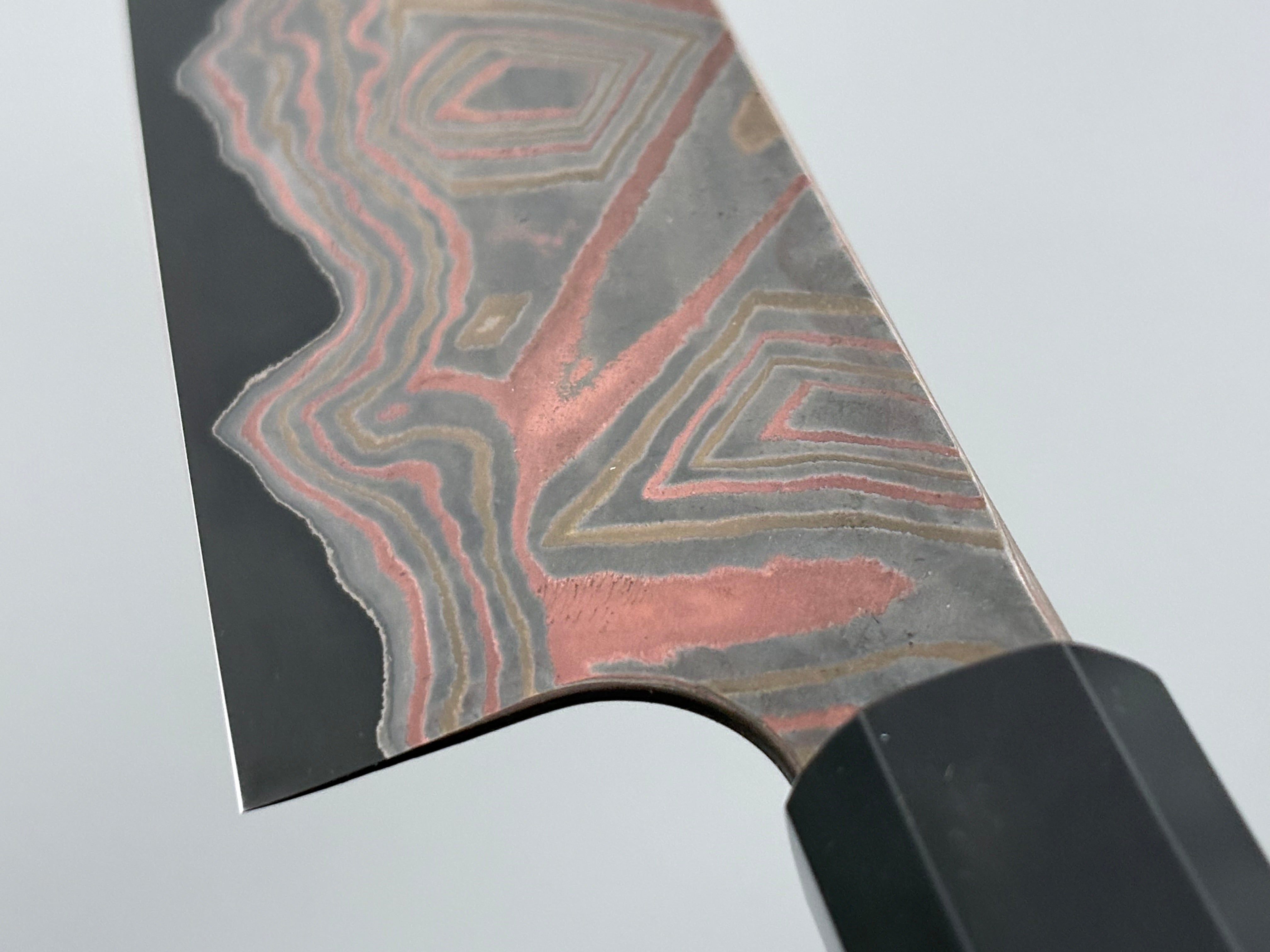
The forge is probably best known for its damascus patterns, which are genuinely striking. These are not just decorative. The layering process used to produce damascus steel affects how the blade performs, and Nigara's heat treatment is considered among the most careful in the industry. Core steels include VG10, SG2, and Aogami Super Blue, all of which hold a fine edge under real kitchen use.
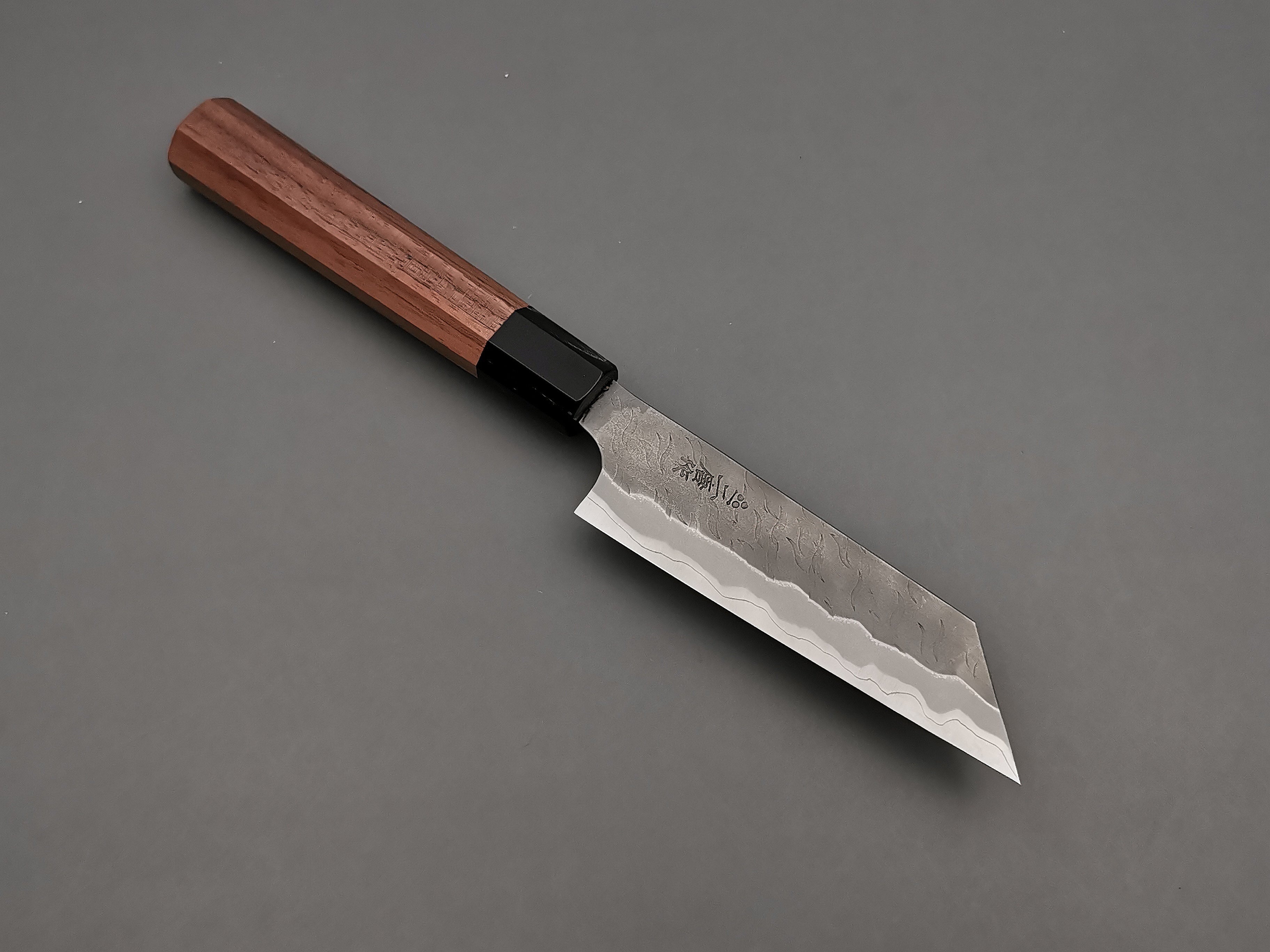
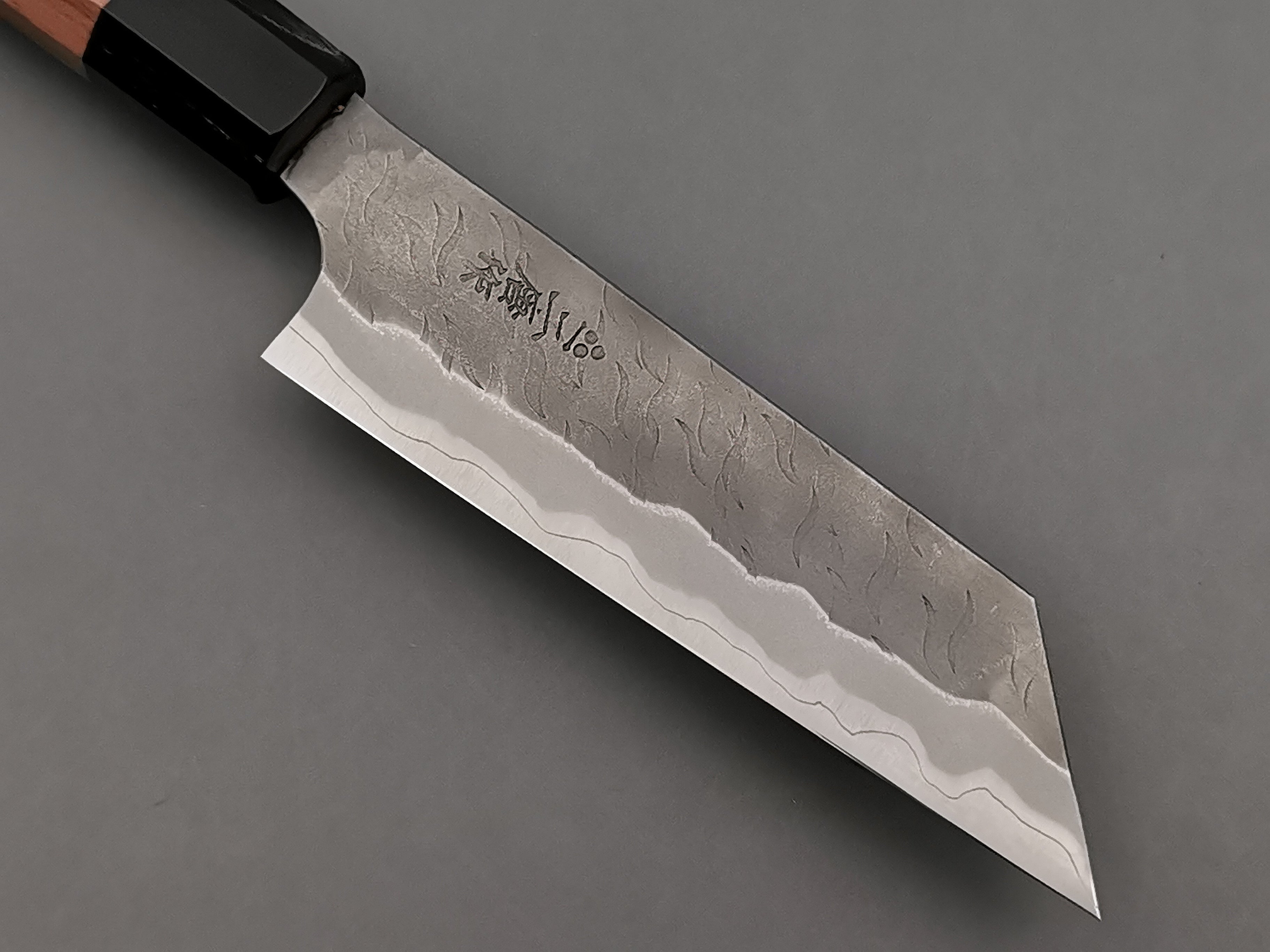
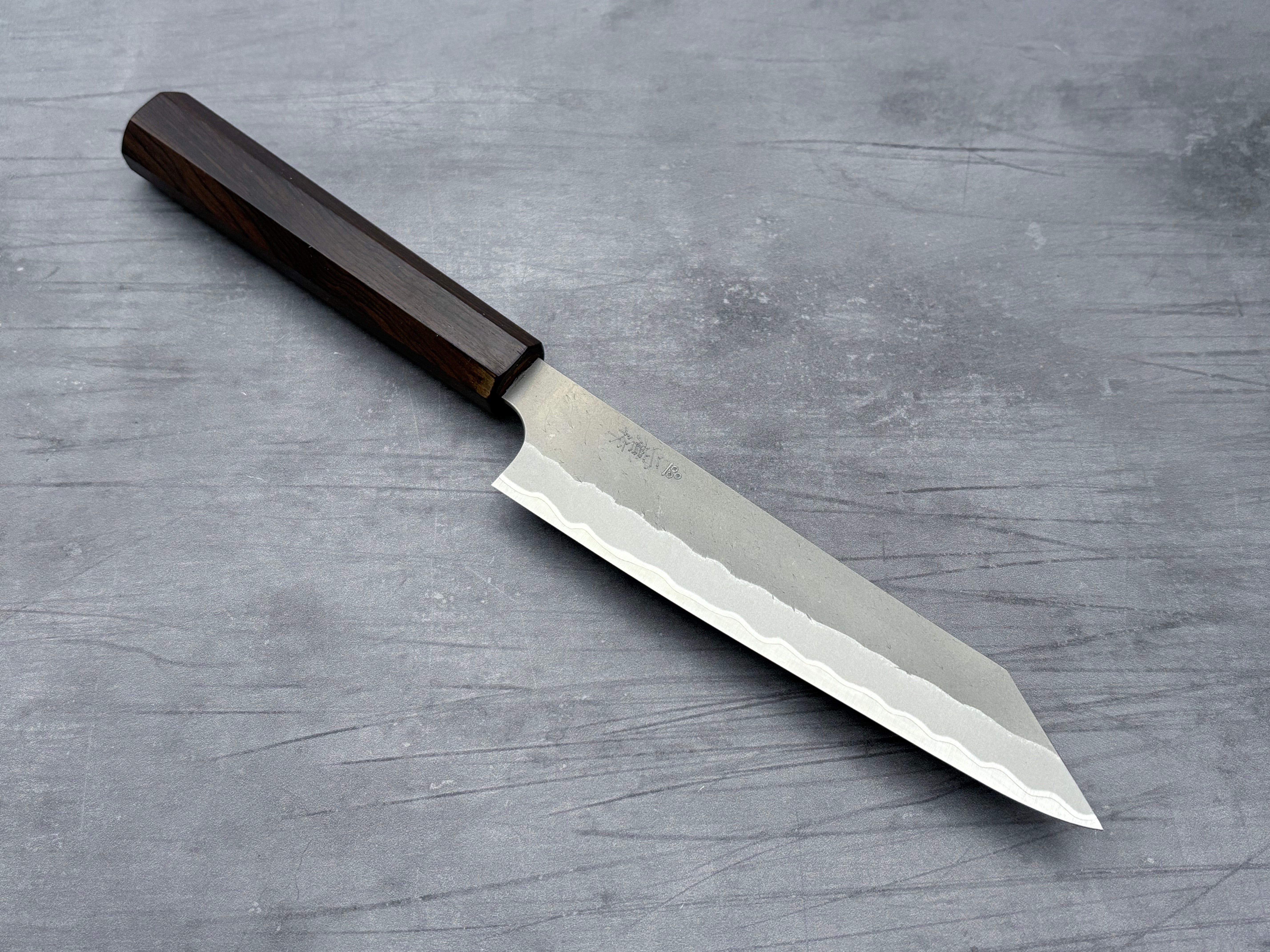
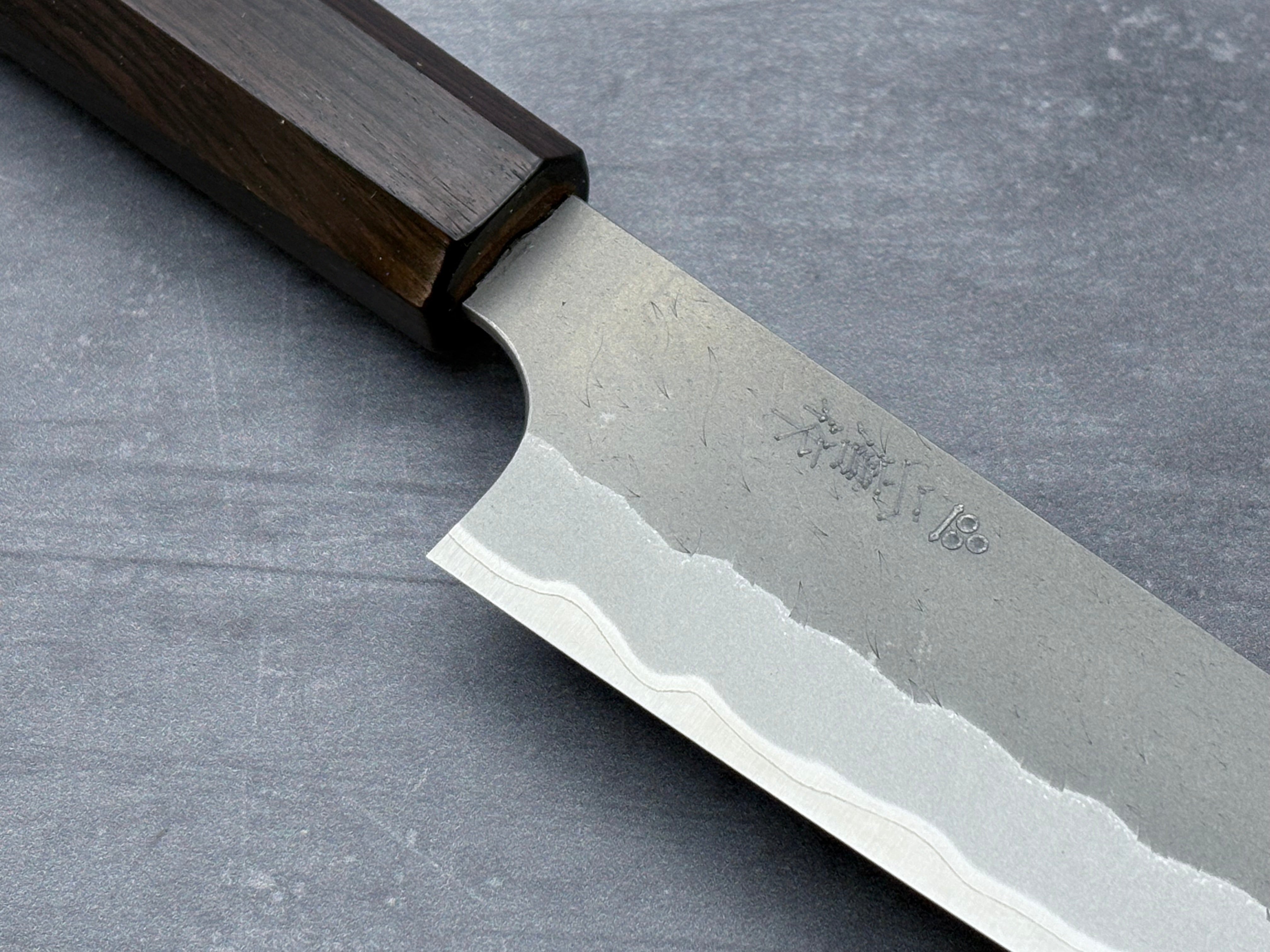
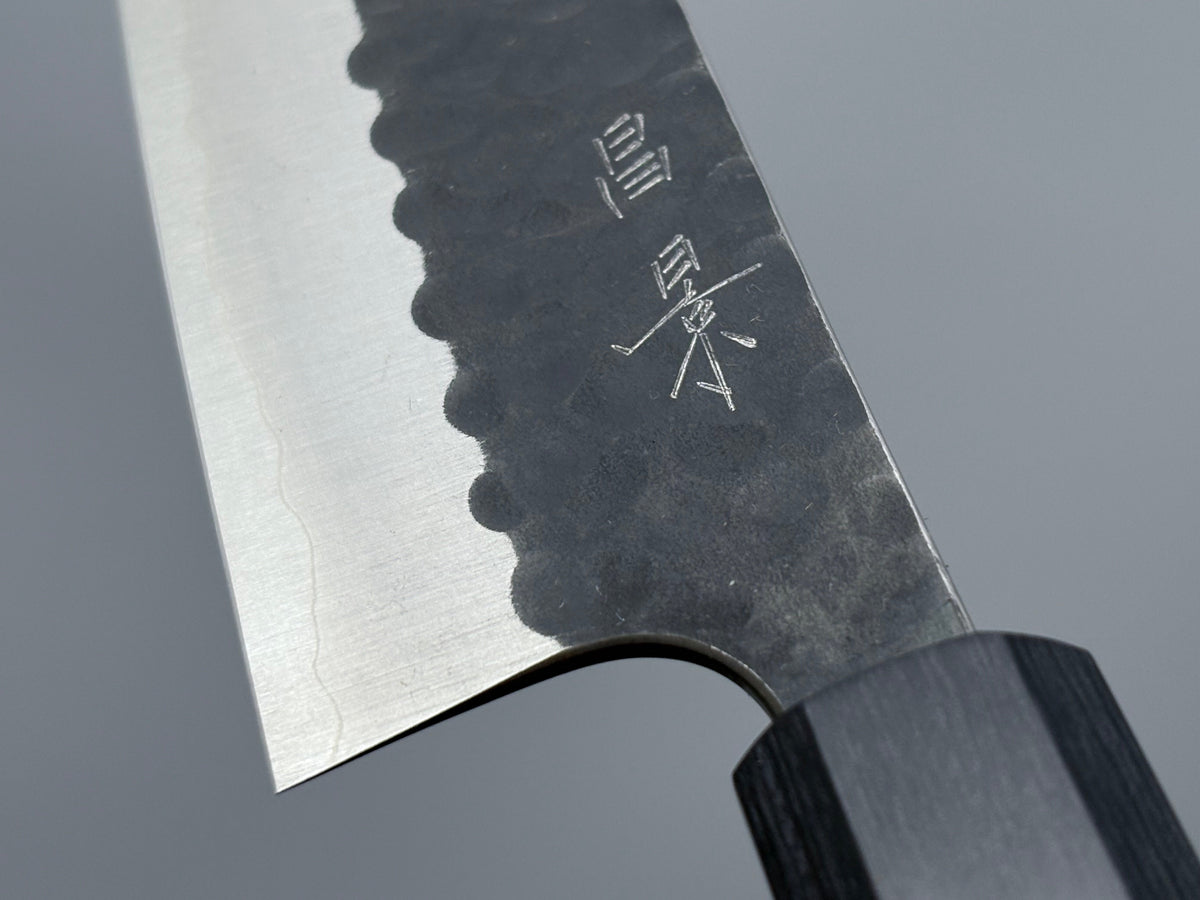
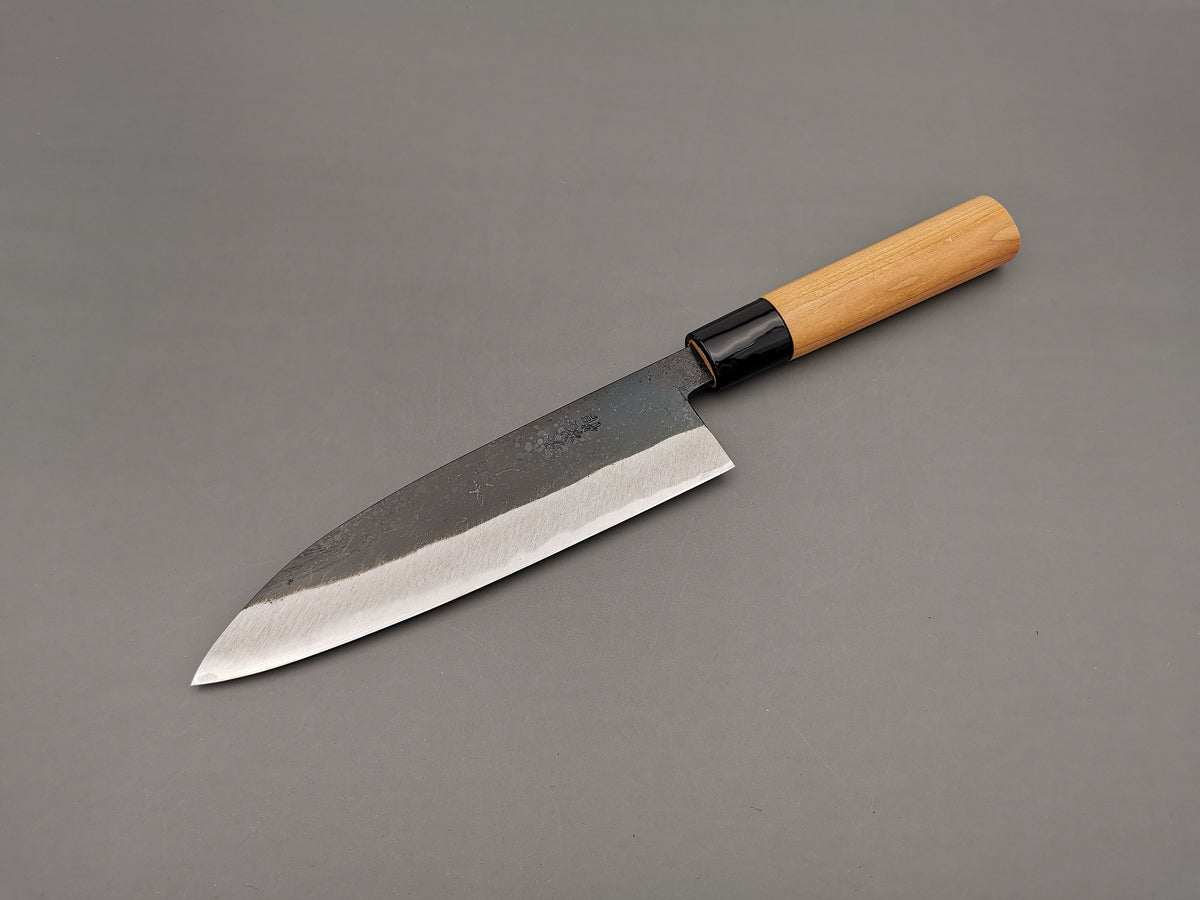
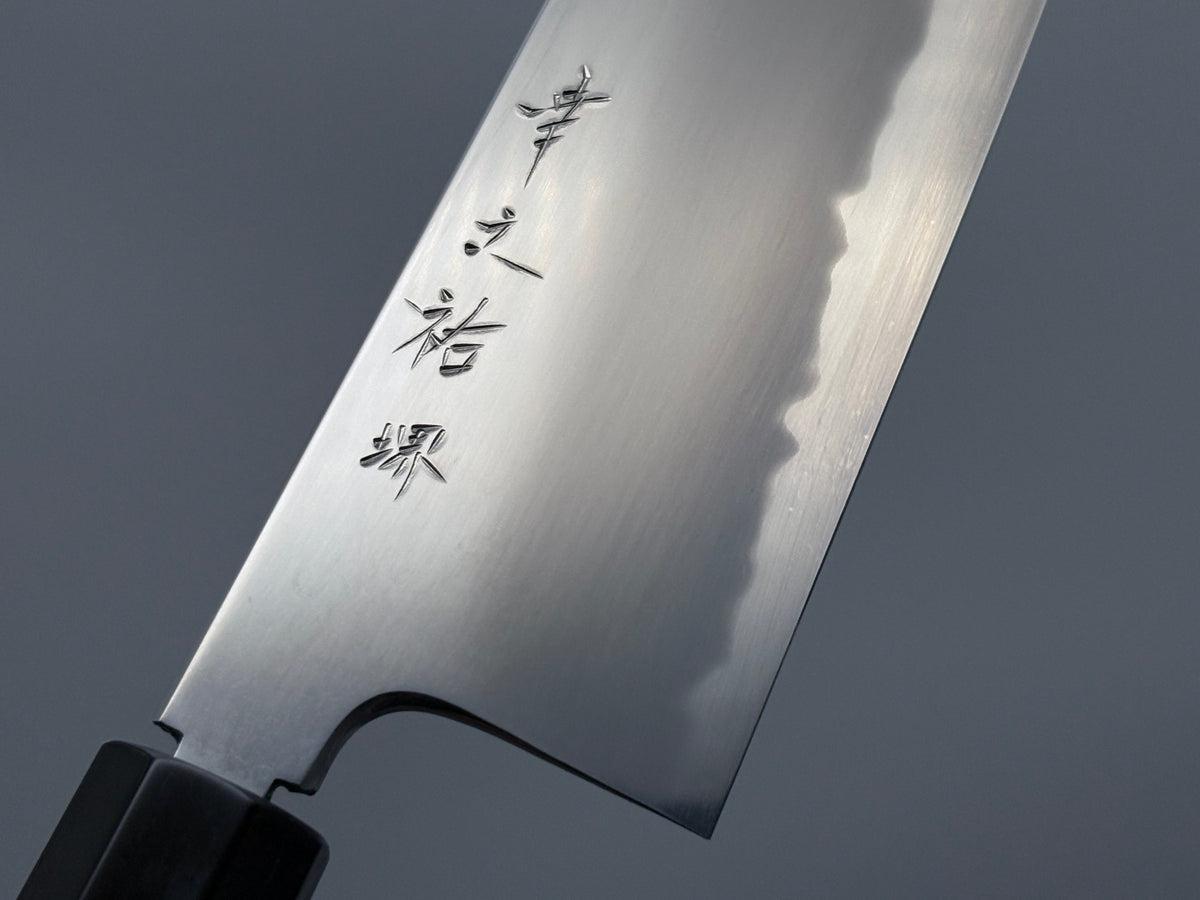
Every knife is finished by hand. Whether you are looking at a gyuto for general work or a nakiri for vegetables, the quality is consistent across the range. The handles, usually made from carefully selected Japanese woods, suit the blades both in use and in appearance. If you are exploring Japanese gyuto knives or considering a dedicated Japanese vegetable knife, Nigara Hamono has strong options in both.
Nigara Hamono steel choices
Understanding the steels on offer helps you pick the right knife for how you actually cook:
- VG10 is a stainless steel with good corrosion resistance and a reliable edge. It suits anyone who wants strong performance without much maintenance.
- SG2 (R2) is a powder metallurgy steel with excellent edge retention and a fine grain structure. It is a good choice if you want to push performance further without going fully reactive.
- Aogami Super Blue is a high-carbon steel that can reach extreme sharpness. It needs more attention to prevent rust, but if you sharpen regularly, the cutting feel is hard to match.
The choice between these steels mostly comes down to how much time you want to spend on upkeep and how much cutting performance you are after. SG2 sits in the middle. Aogami Super Blue is for people who sharpen often and want the best possible edge. If you are interested in the properties of Aogami Super Blue steel knives, or you want to see what Japanese damascus chef knives actually look and feel like, Nigara Hamono is a good place to start.
Shop Nigara Hamono at Cutting Edge Knives
We have stocked Nigara Hamono since we began sourcing directly from Japanese makers, and the quality has been consistent throughout. Whether you are buying your first high-end Japanese knife or adding to a collection, browse the Nigara Hamono collection to find the right blade for your kitchen.