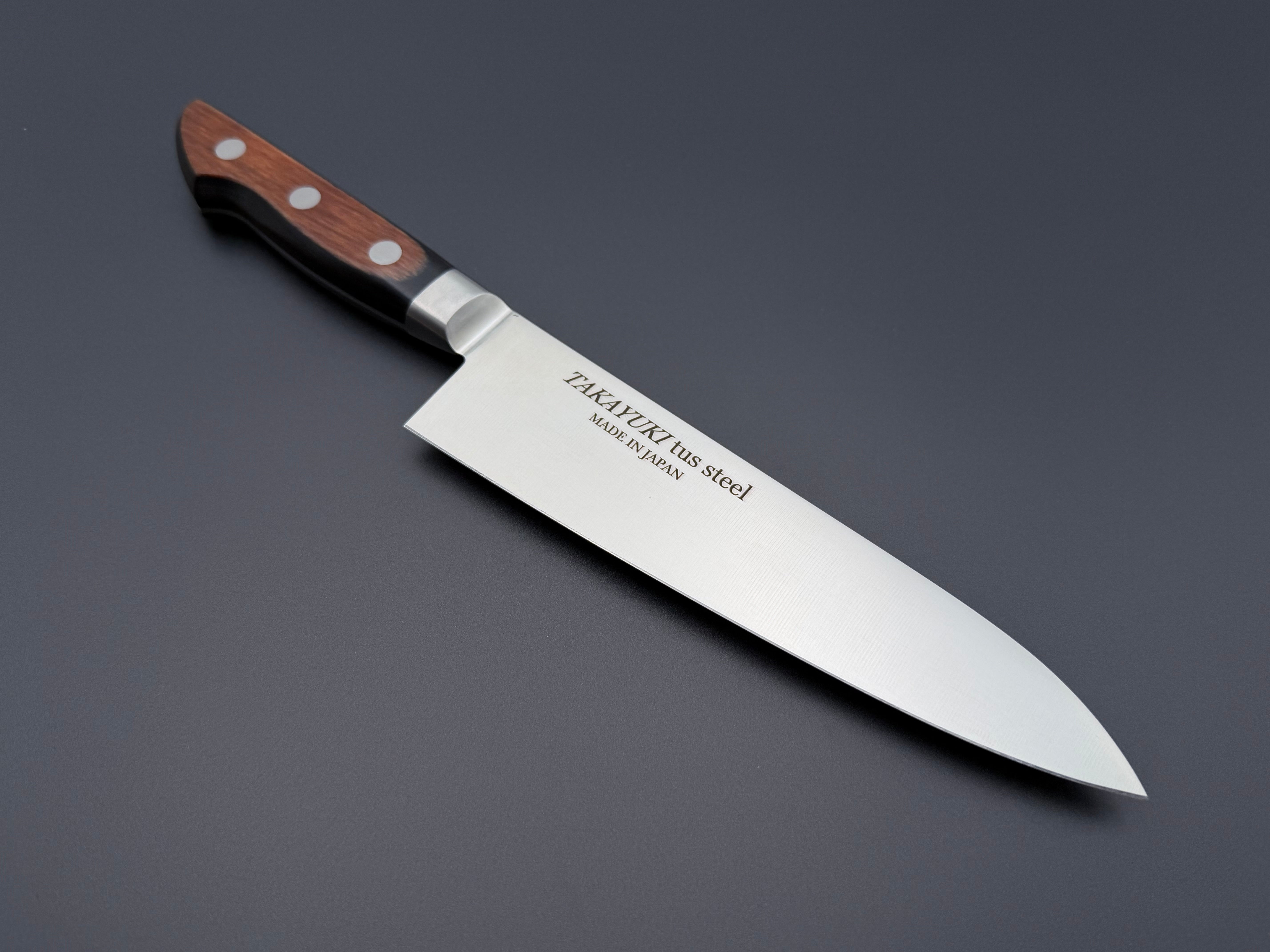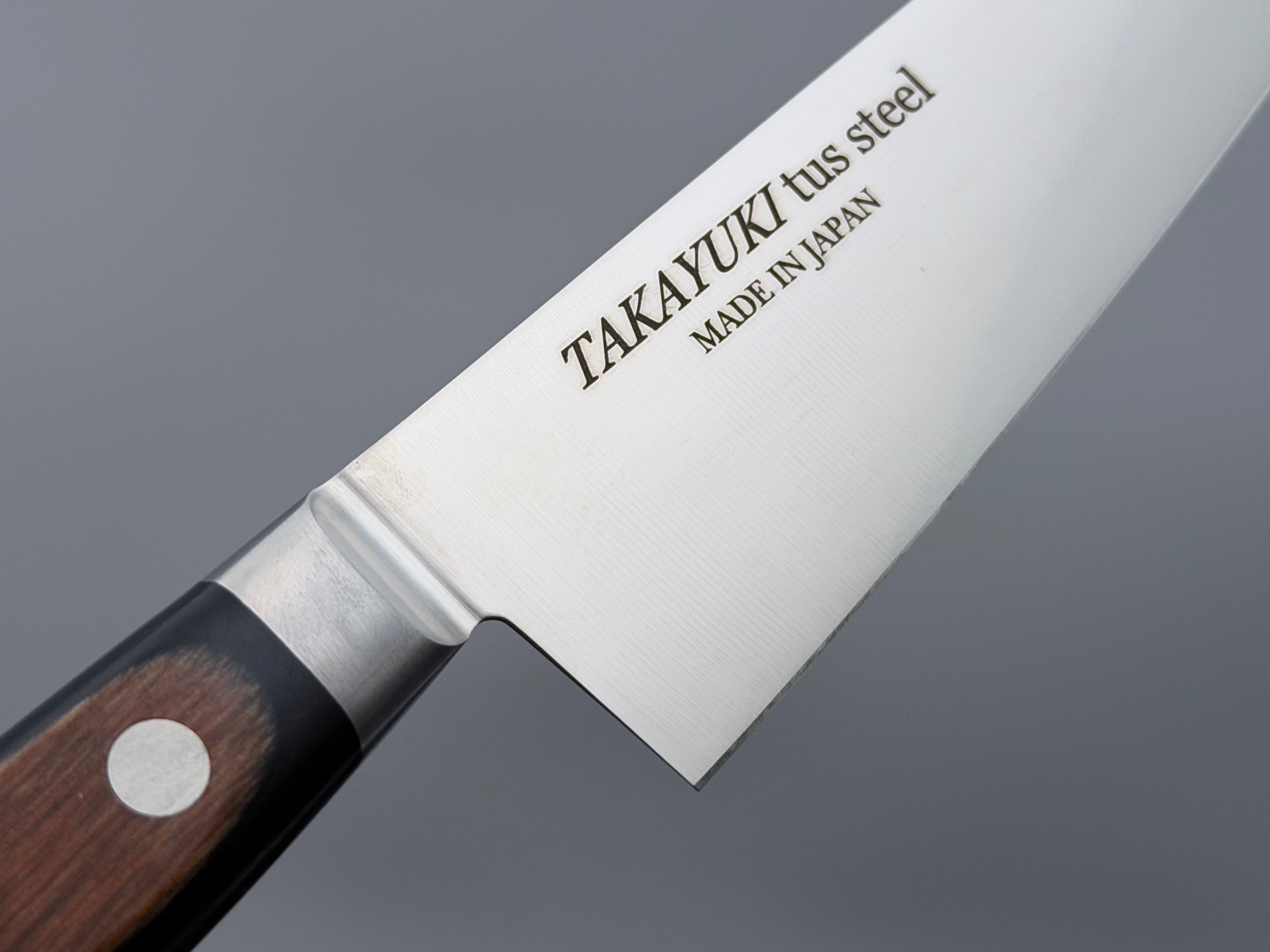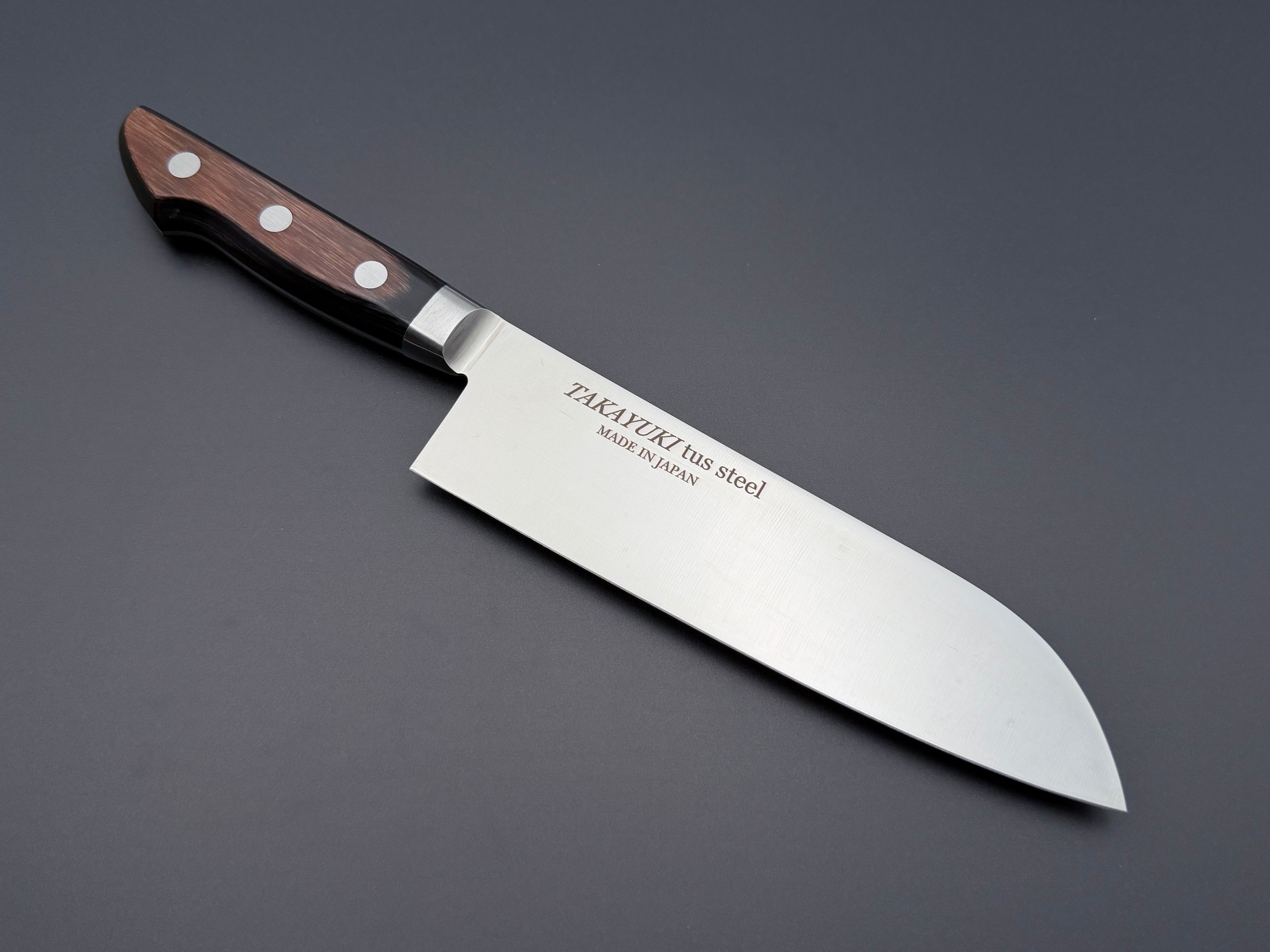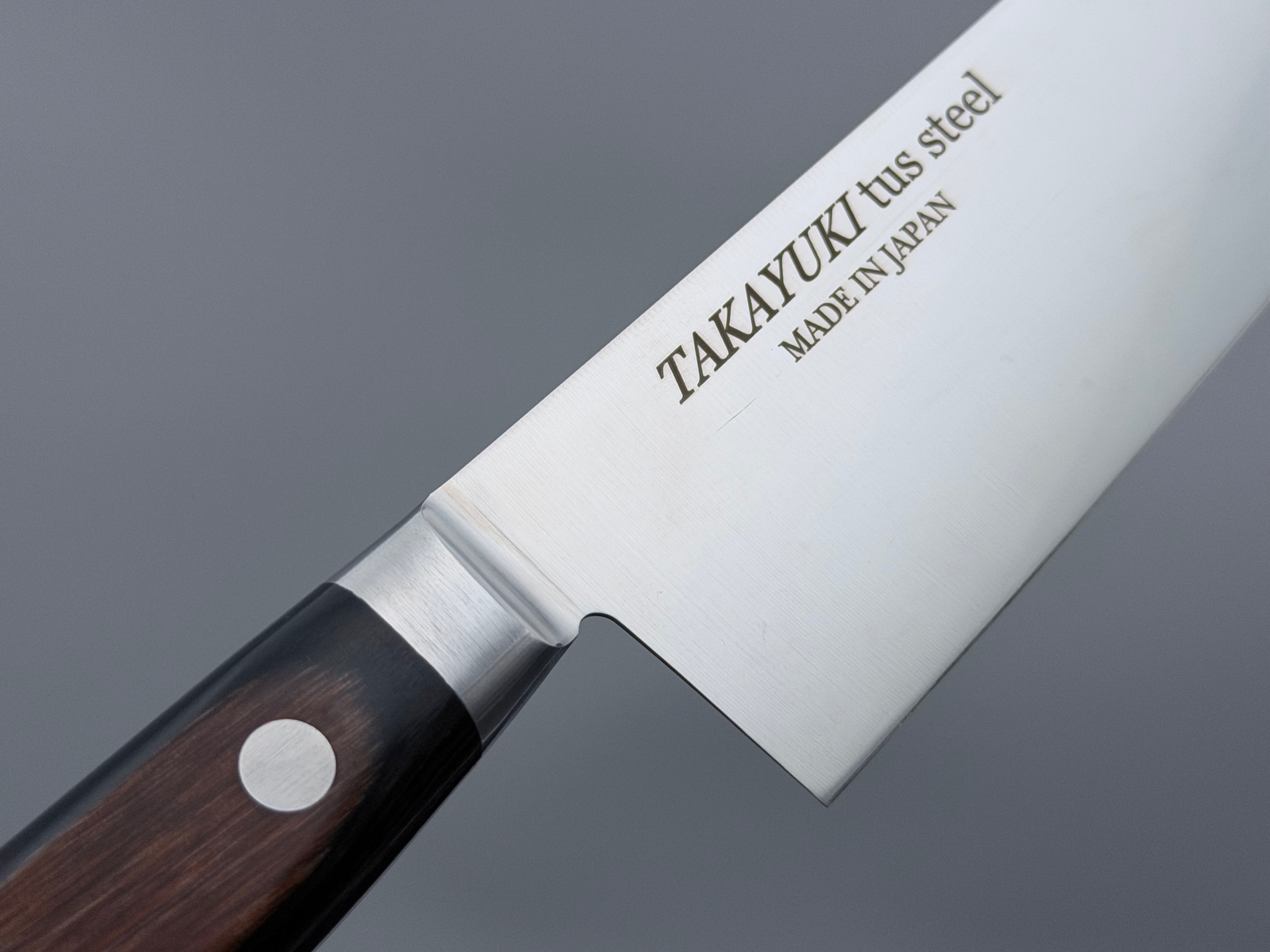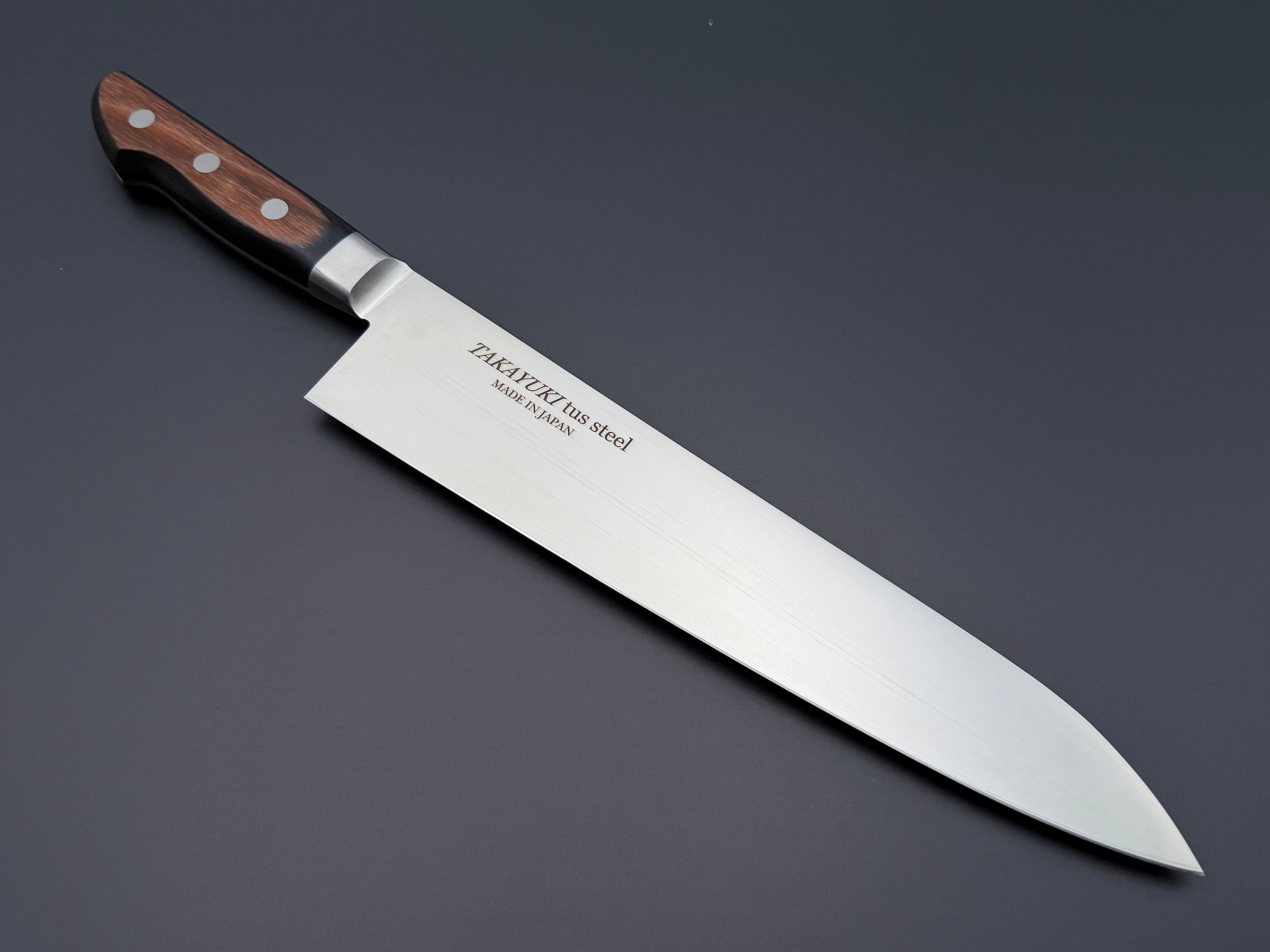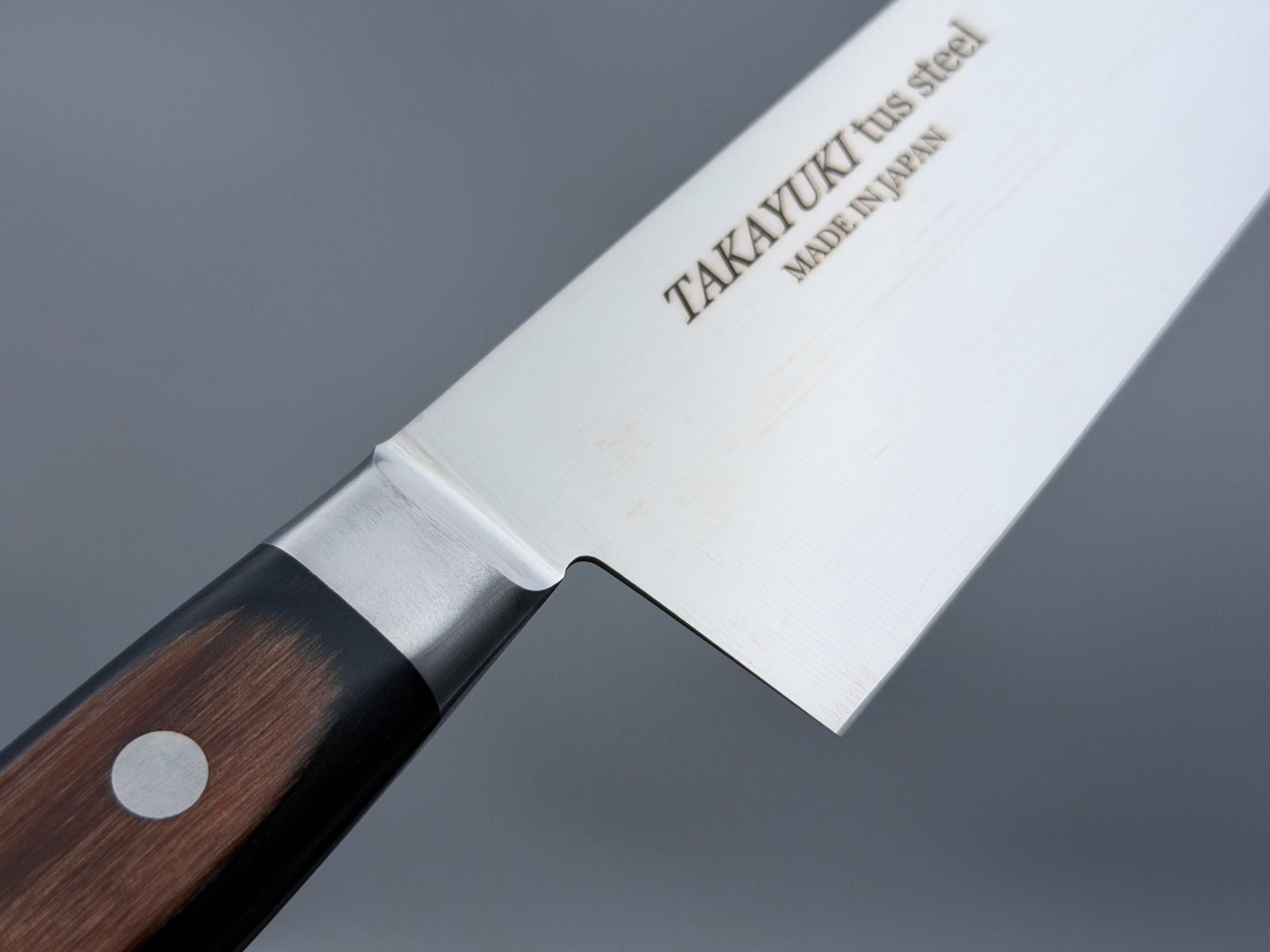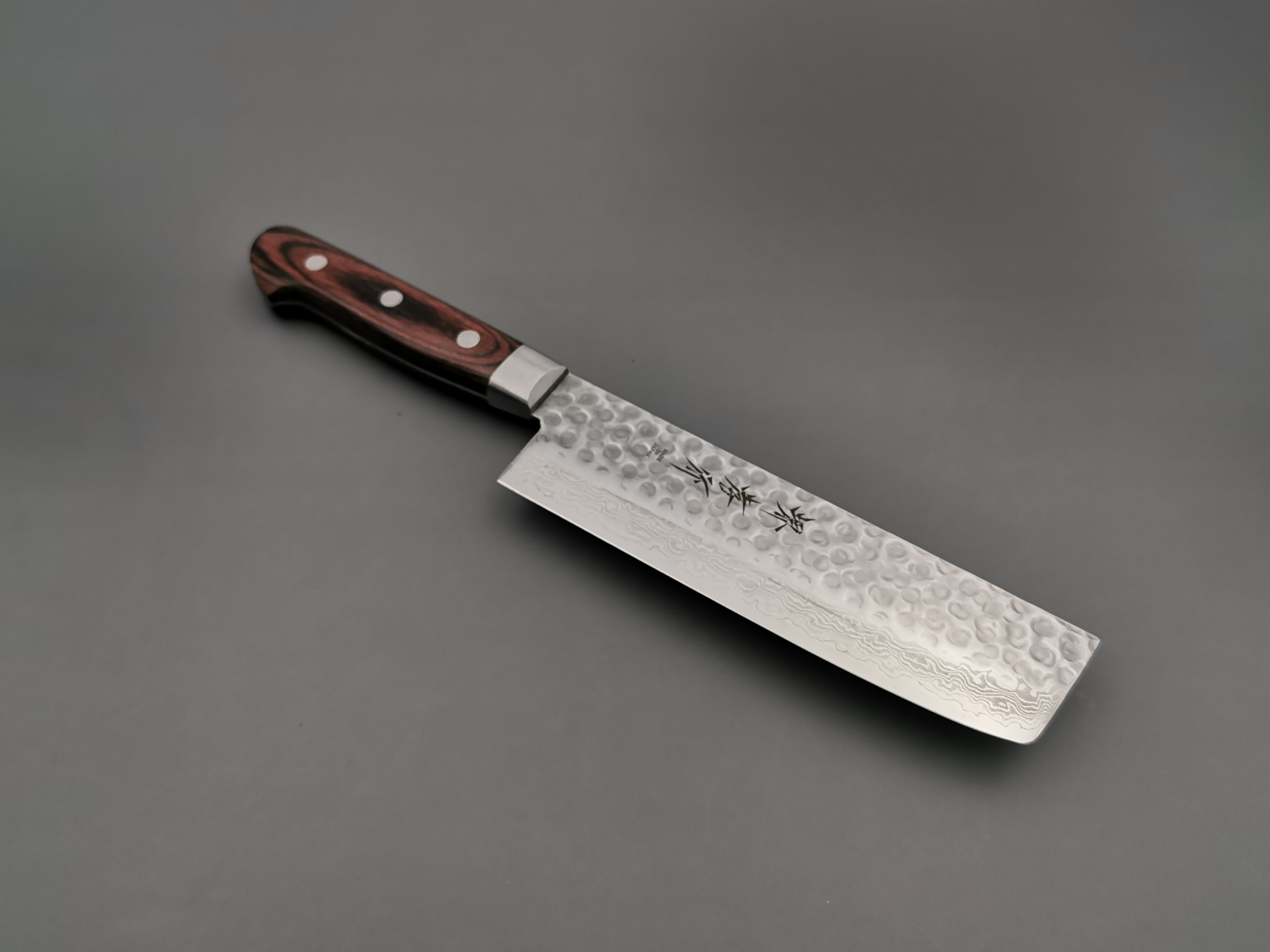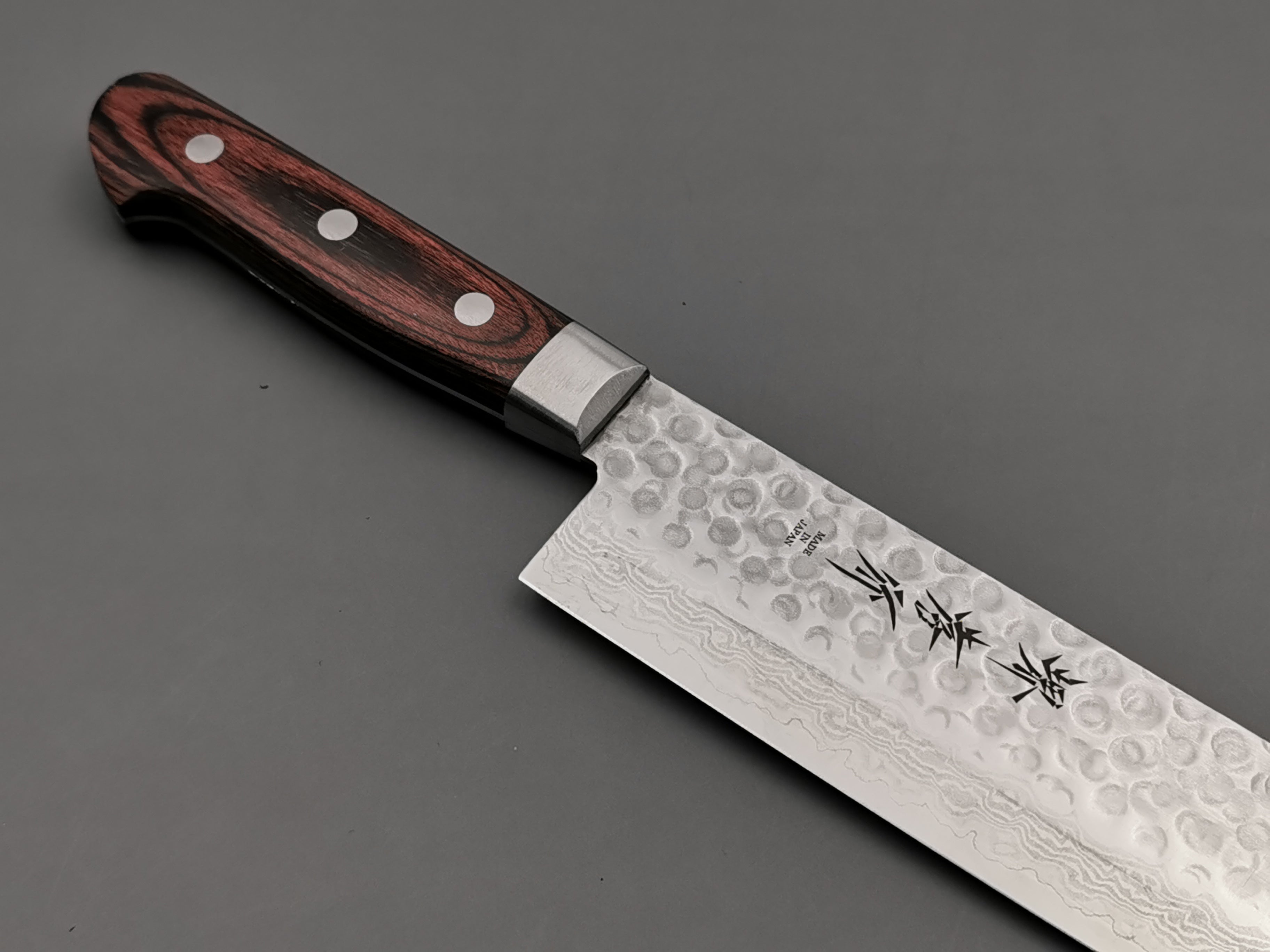

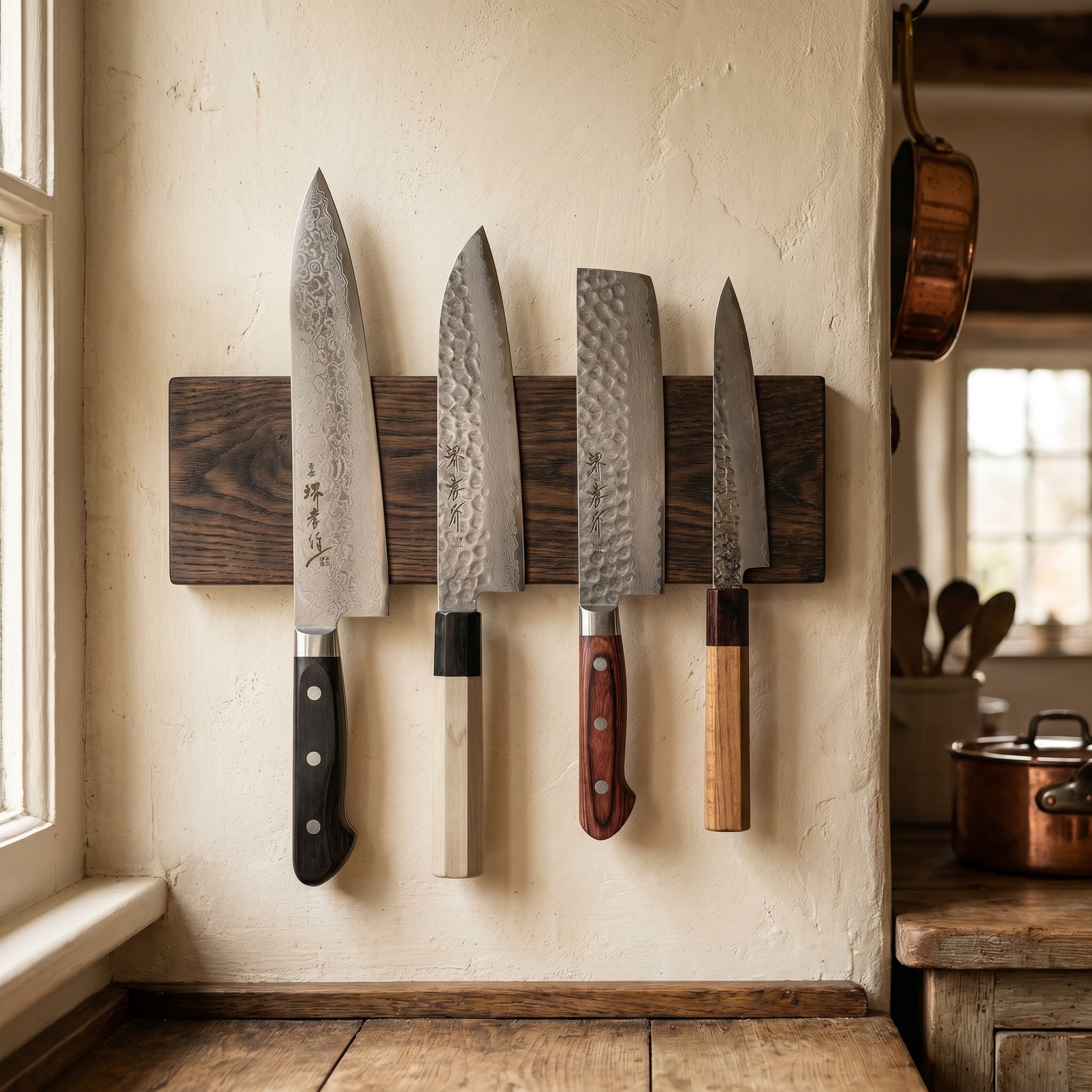
Who are Sakai Takayuki?
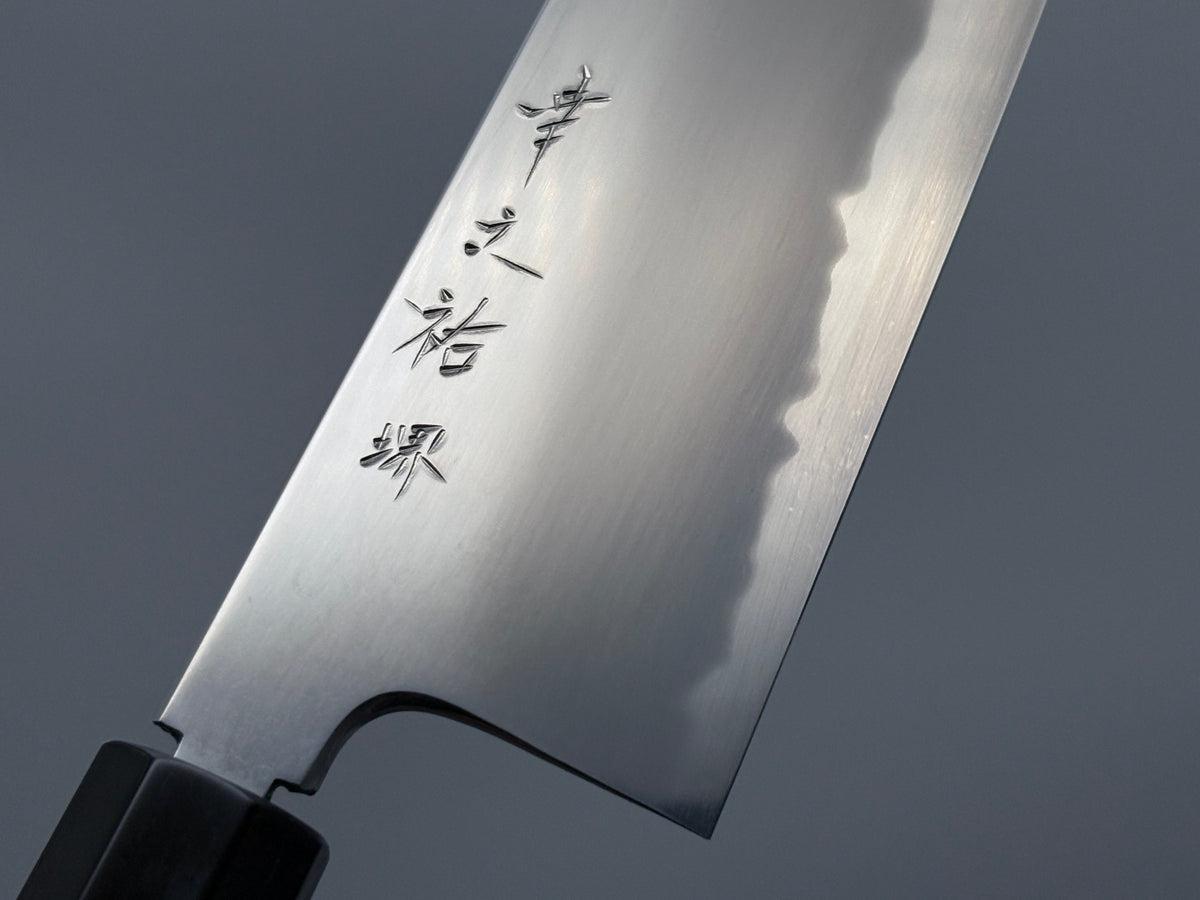
Sakai Takayuki are among Japan's most respected knife makers, with a history stretching back more than 600 years to the city of Sakai in Osaka Prefecture. The region built its reputation on samurai sword production and precision tobacco-cutting tools during the Edo period, and that metallurgical knowledge was later applied to kitchen knives as Japan modernised. Today, Sakai Takayuki operates under the Aoki Hamono Seisakusho name and draws on the skills of dozens of specialist blacksmiths and sharpeners, each focused on particular techniques passed down through generations.

The division of labour in Sakai is worth understanding: blade forging, sharpening, and handle fitting are typically handled by different craftspeople, each spending years refining their specific role. You can browse the full Sakai Takayuki collection at Cutting Edge Knives to see the breadth of what this maker produces.
What makes Sakai Takayuki knives stand out?
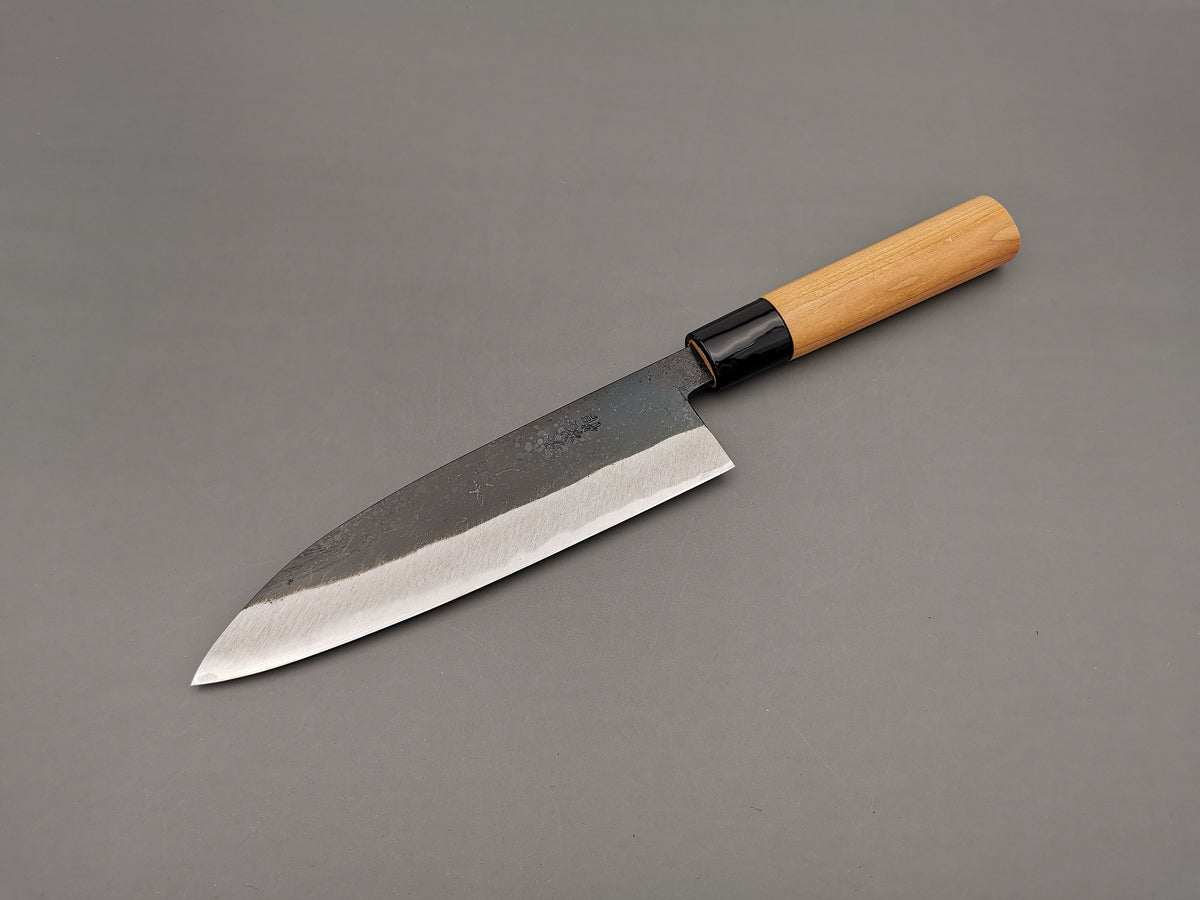
The range is broad, covering traditional handcrafted carbon-steel blades forged with older methods through to high-performance stainless and Damascus series suited to professional kitchens. If you want a reactive carbon blade that takes a very fine edge, it's here. If you want a low-maintenance stainless option that handles daily kitchen service without much fuss, that's here too.
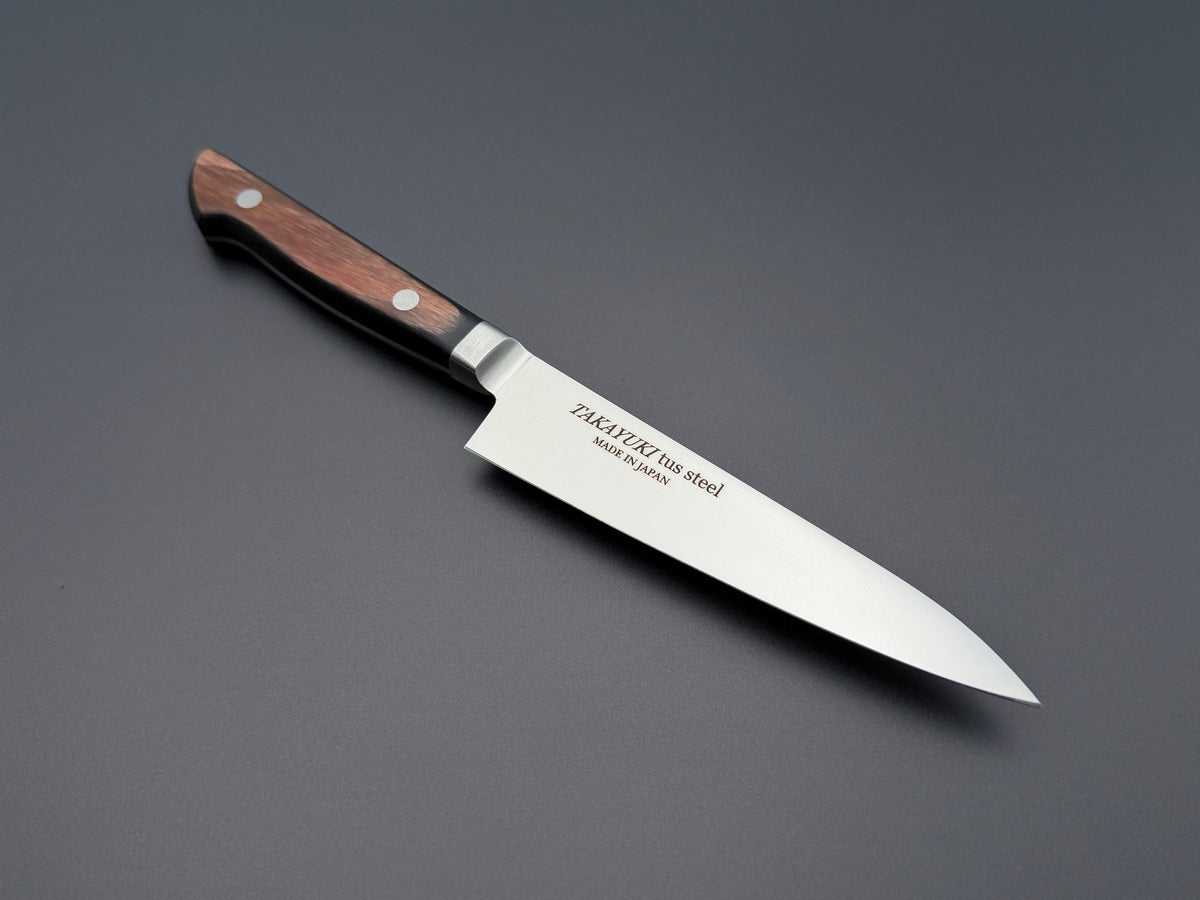
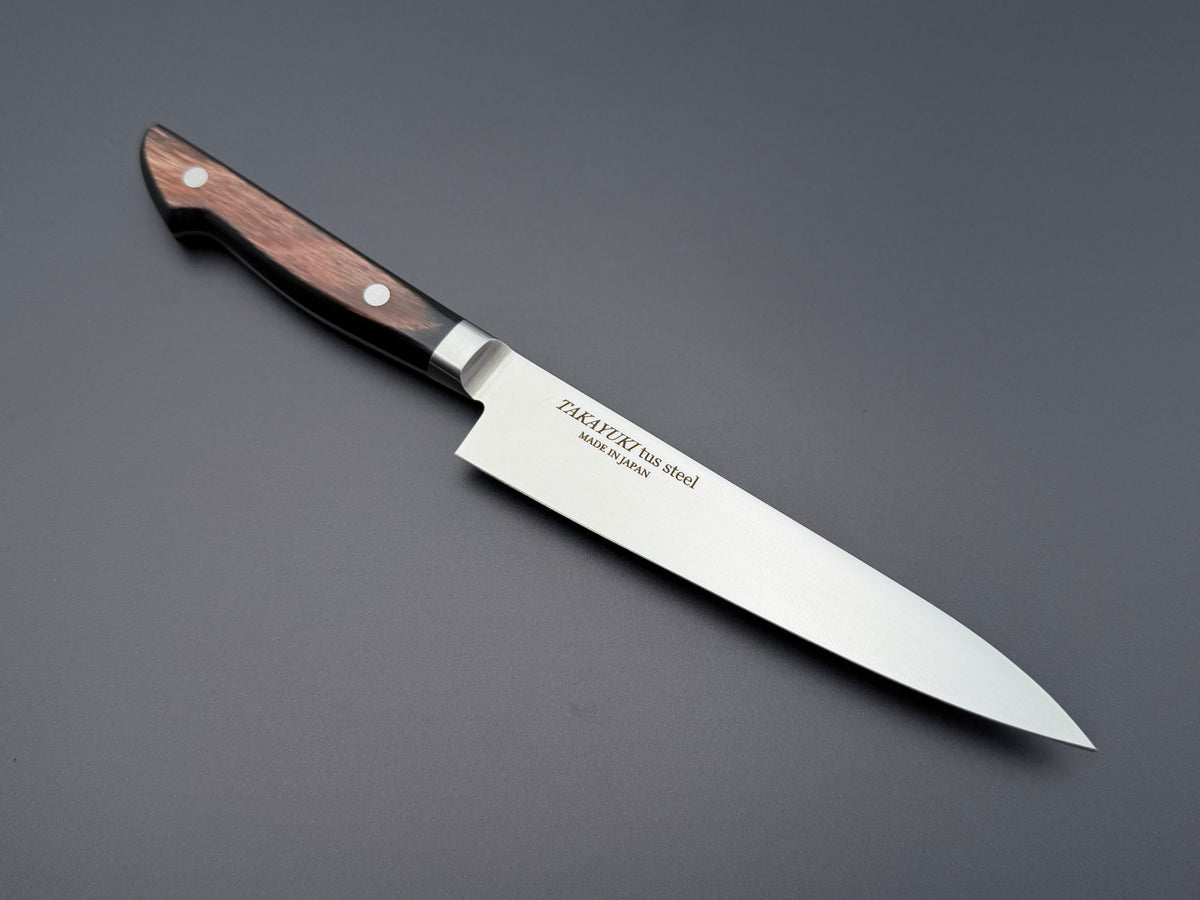
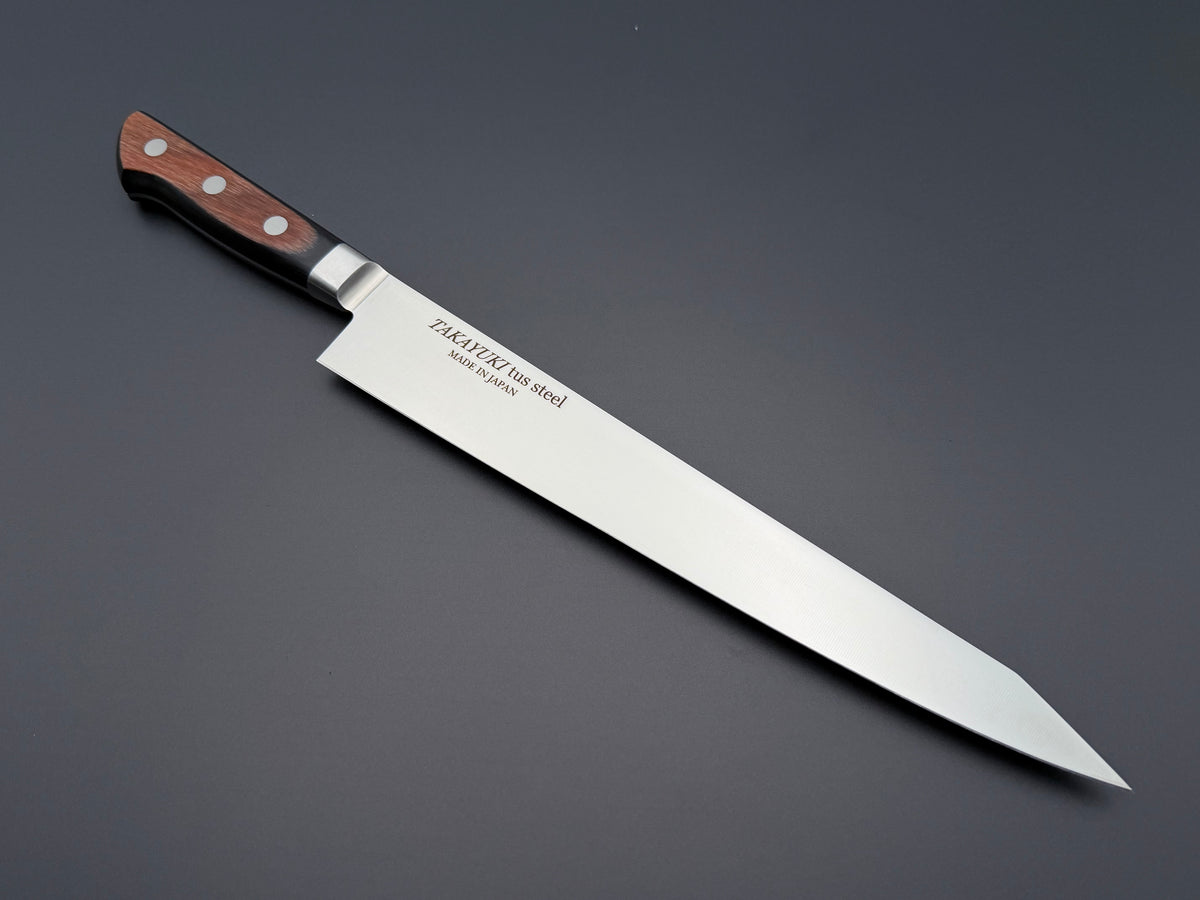
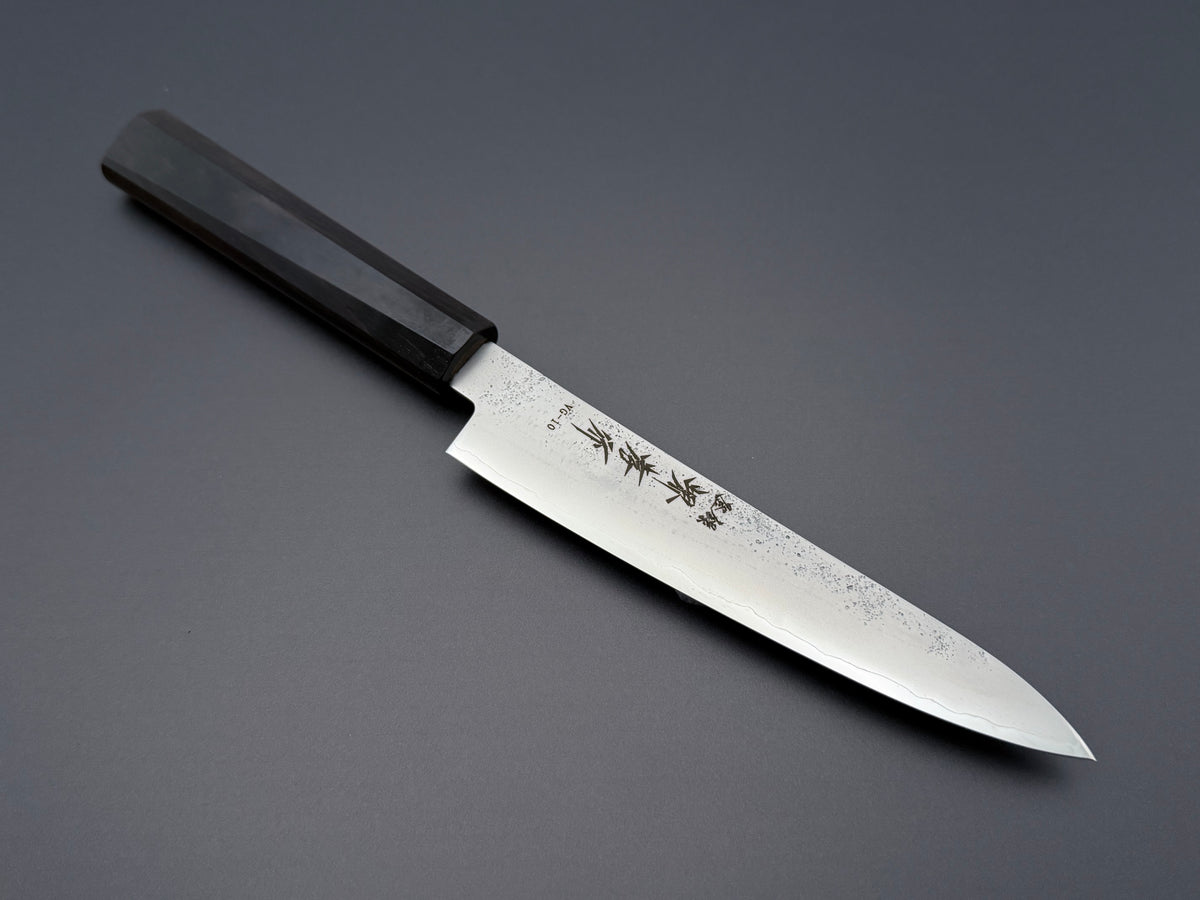
Sakai Takayuki make several distinct knife profiles: gyuto, santoku, nakiri, petty, honesuki, bunka, and sujihiki. That variety means home cooks and professional chefs can find a shape that fits how they actually work. If you're new to Japanese knives, the gyuto and santoku options are a solid starting point. The all-round Japanese chef knife collection is a good place to compare them.
Steel types and finishes across the range
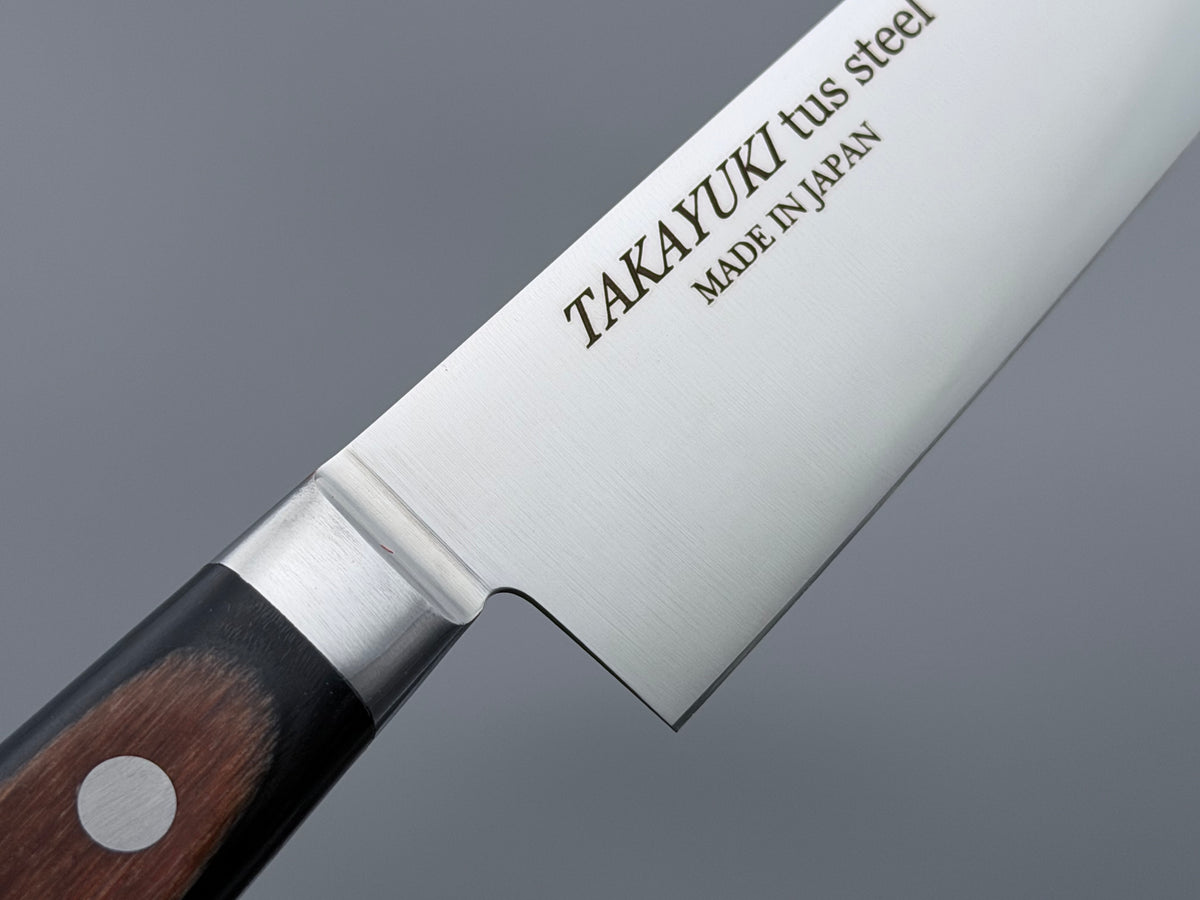
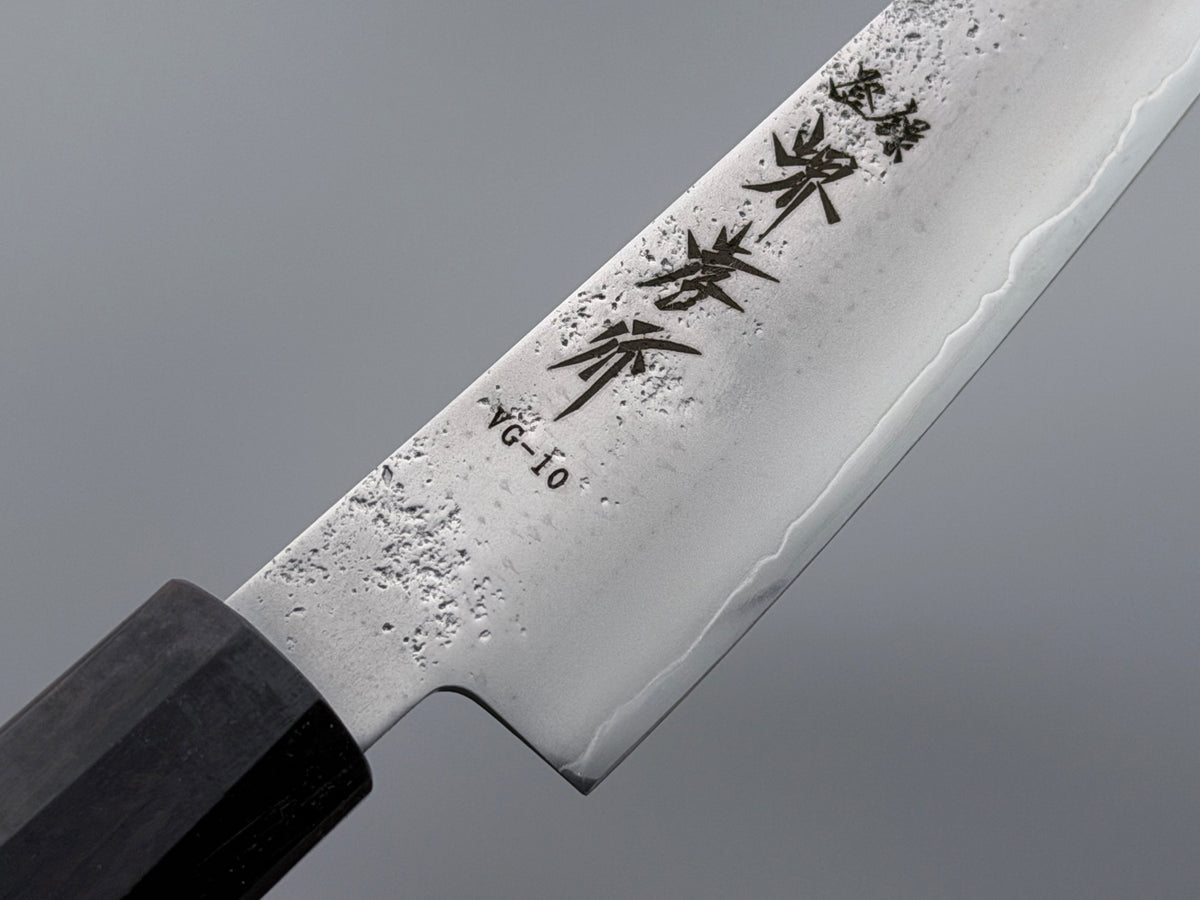
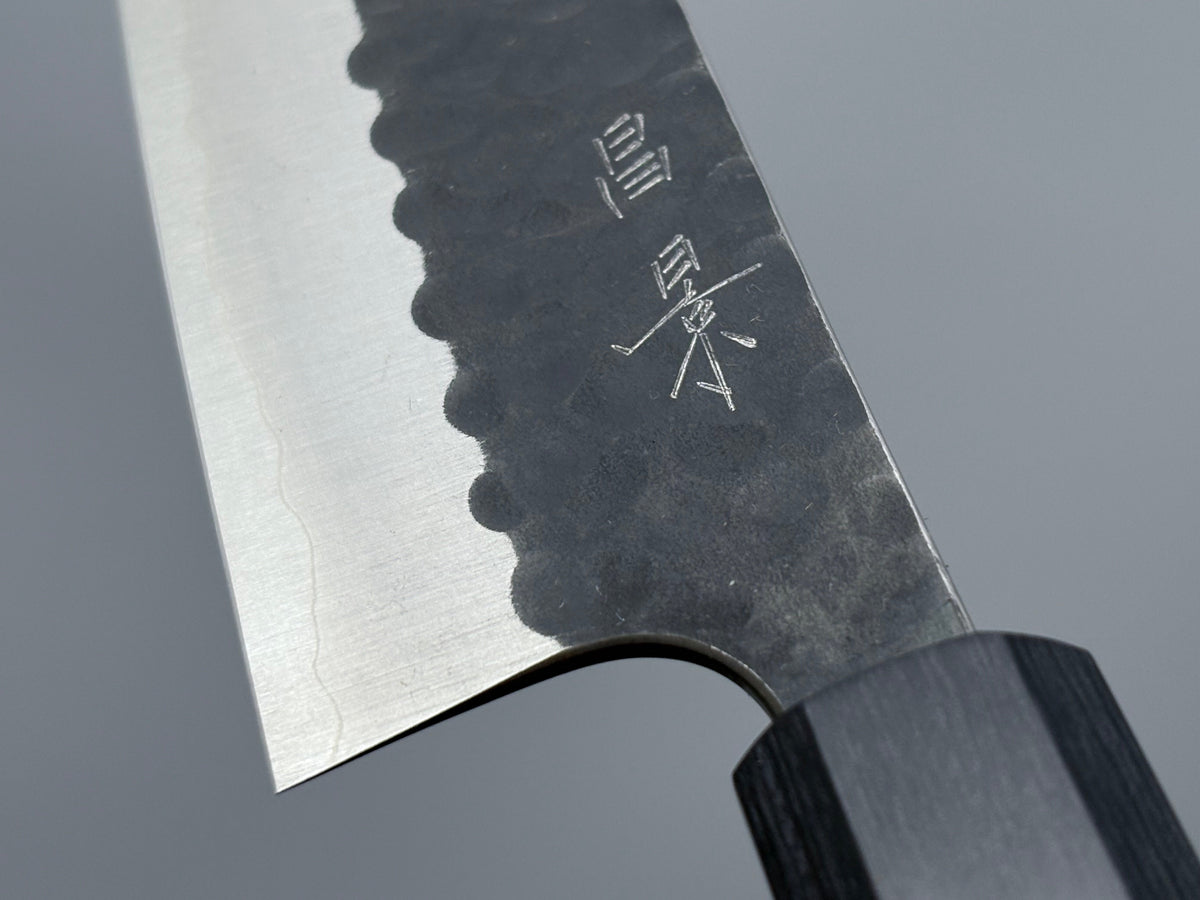
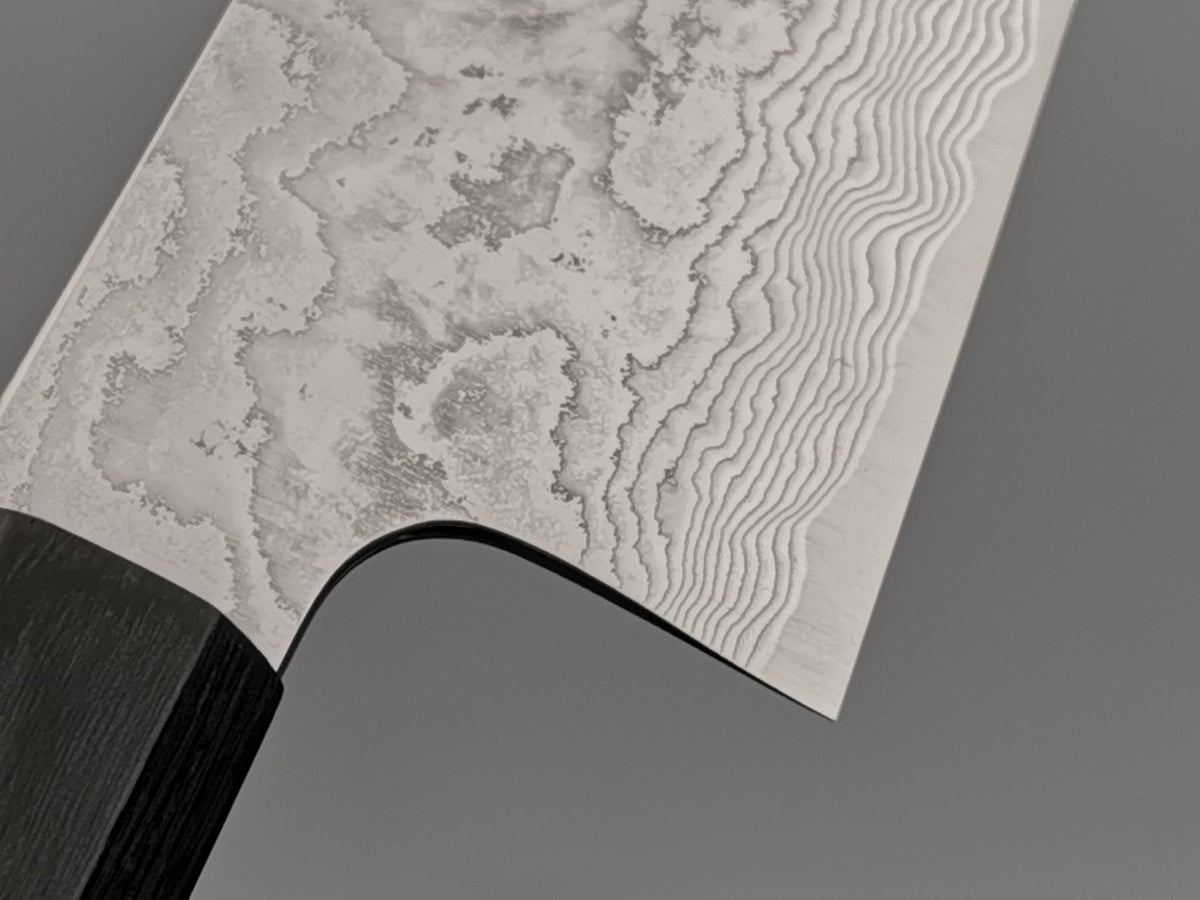
Sakai Takayuki use stainless, semi-stainless, and carbon steel across different series, with finishes including polished, hammered tsuchime, and layered Damascus. For cooks drawn to the look and cutting performance of Japanese Damascus chef knives, several series are worth a look. For those who prefer working with aogami blue steel, there are carbon options in the range that sharpen to an exceptional edge.
Choosing the right size
Sakai Takayuki knives come in a wide range of blade lengths. The right length depends on the prep work you do most and how comfortable you feel with the knife in hand. A few reference points:
- Petty knives in the 120 to 134mm range are well suited to detail work and peeling.
- Santoku and bunka knives typically fall in the 151 to 179mm range, which covers most everyday prep.
- Gyuto and sujihiki blades often sit in the 210 to 240mm range, giving enough length for slicing larger proteins and vegetables in a single draw cut.
Shop Sakai Takayuki at Cutting Edge Knives
Cutting Edge Knives has stocked handmade Japanese knives since 2011 and carries a carefully chosen selection of Sakai Takayuki knives for UK customers. Browse the complete Sakai Takayuki range and filter by knife type, size, and availability to find what you need.