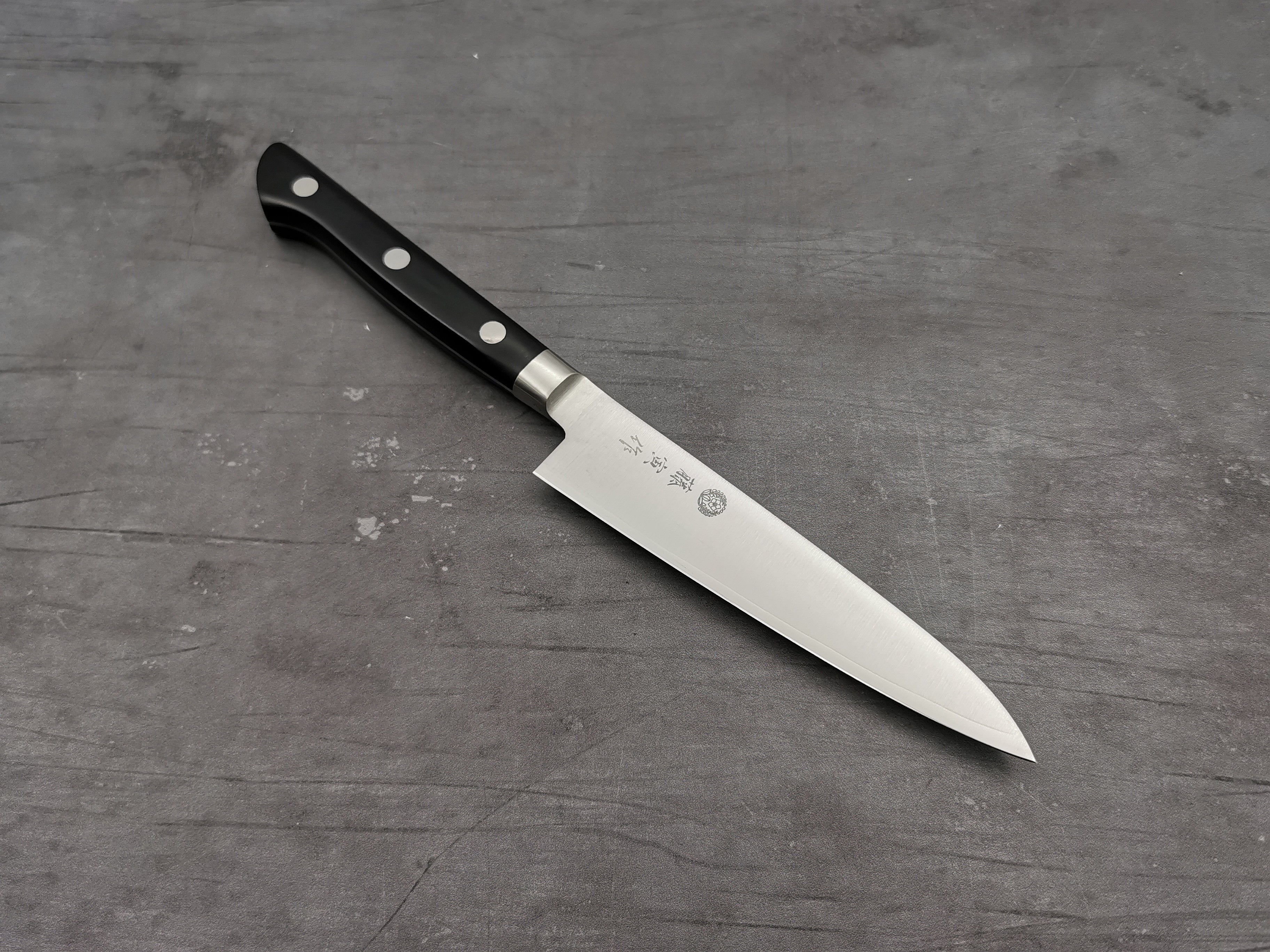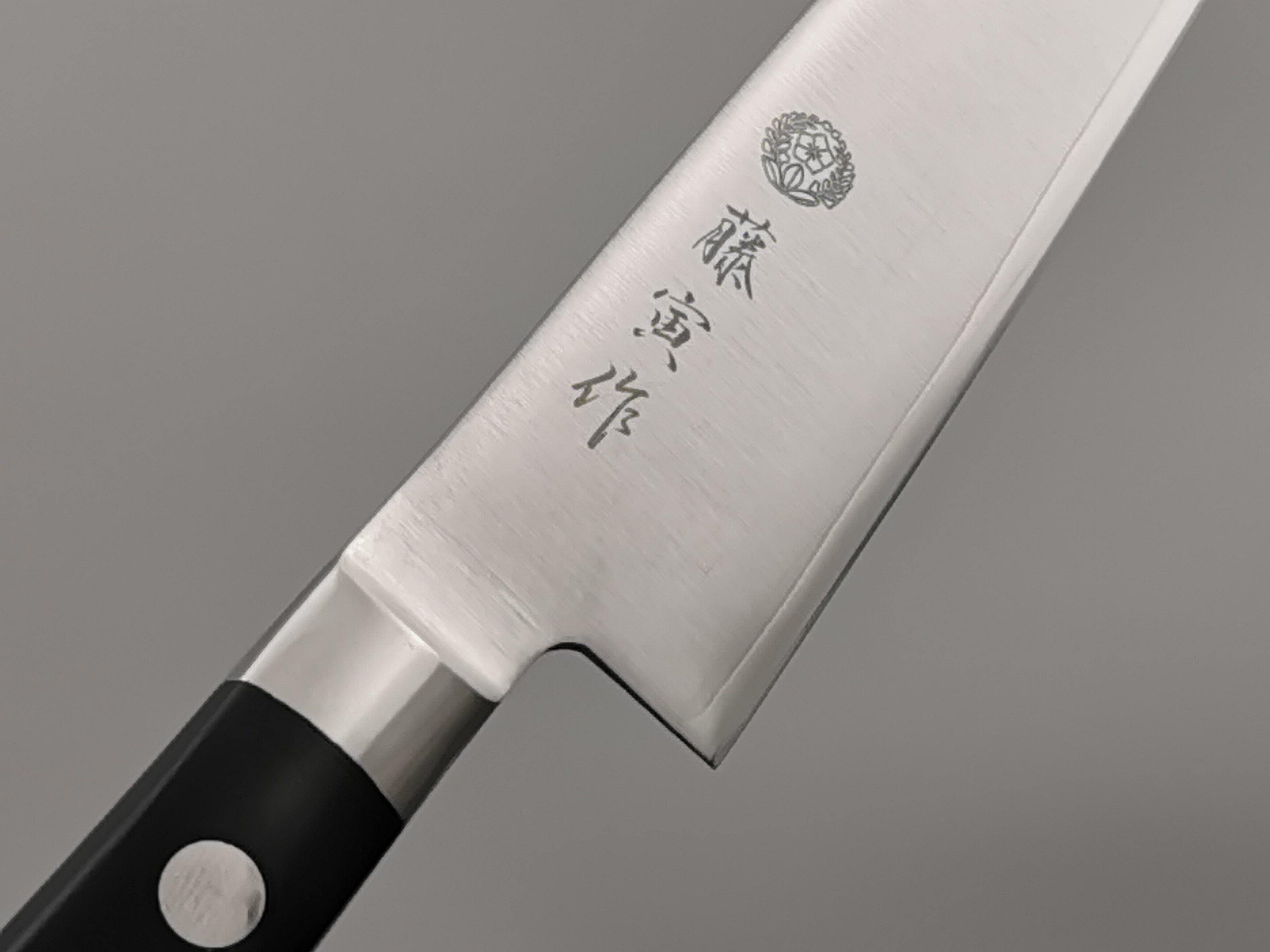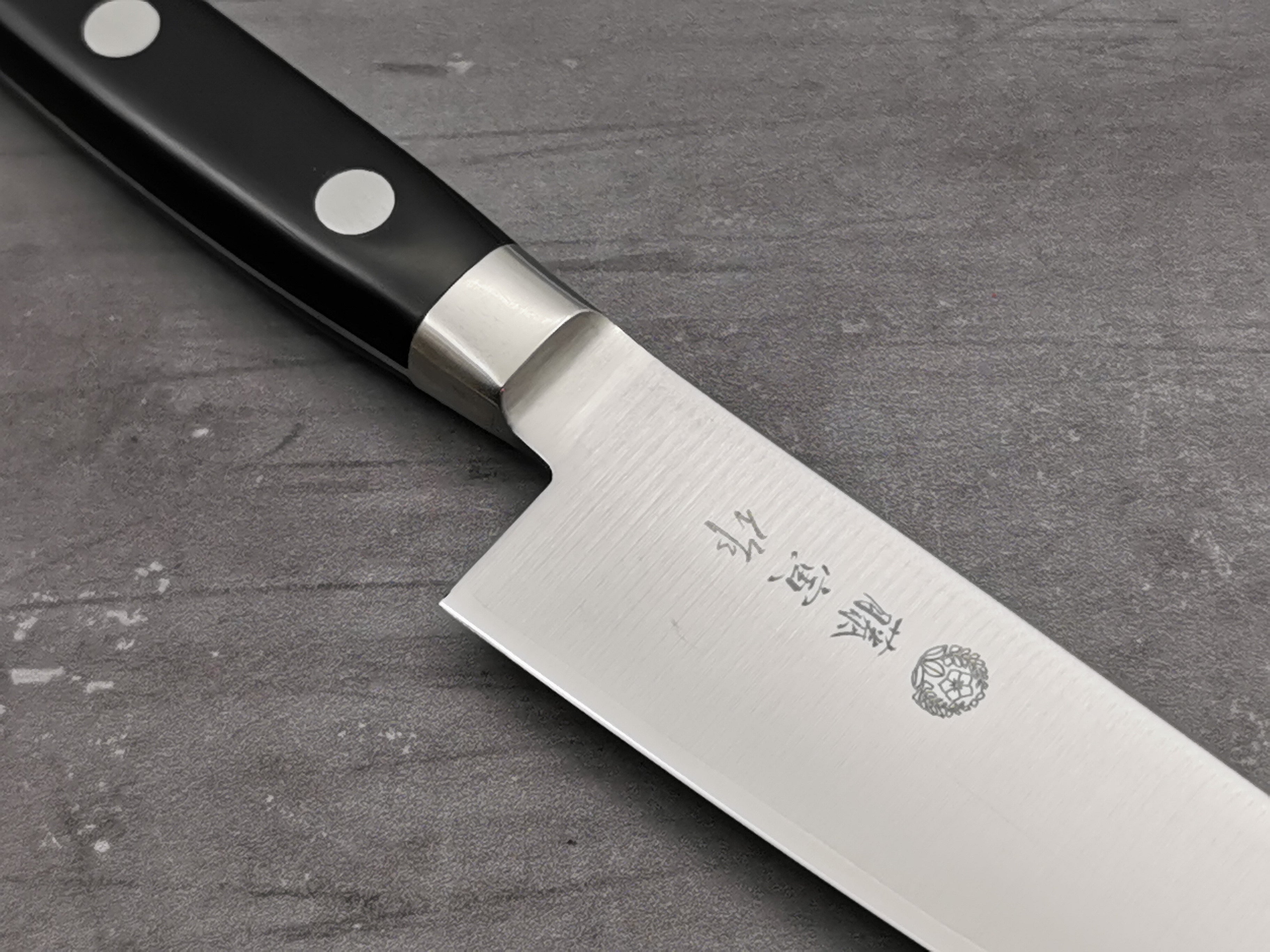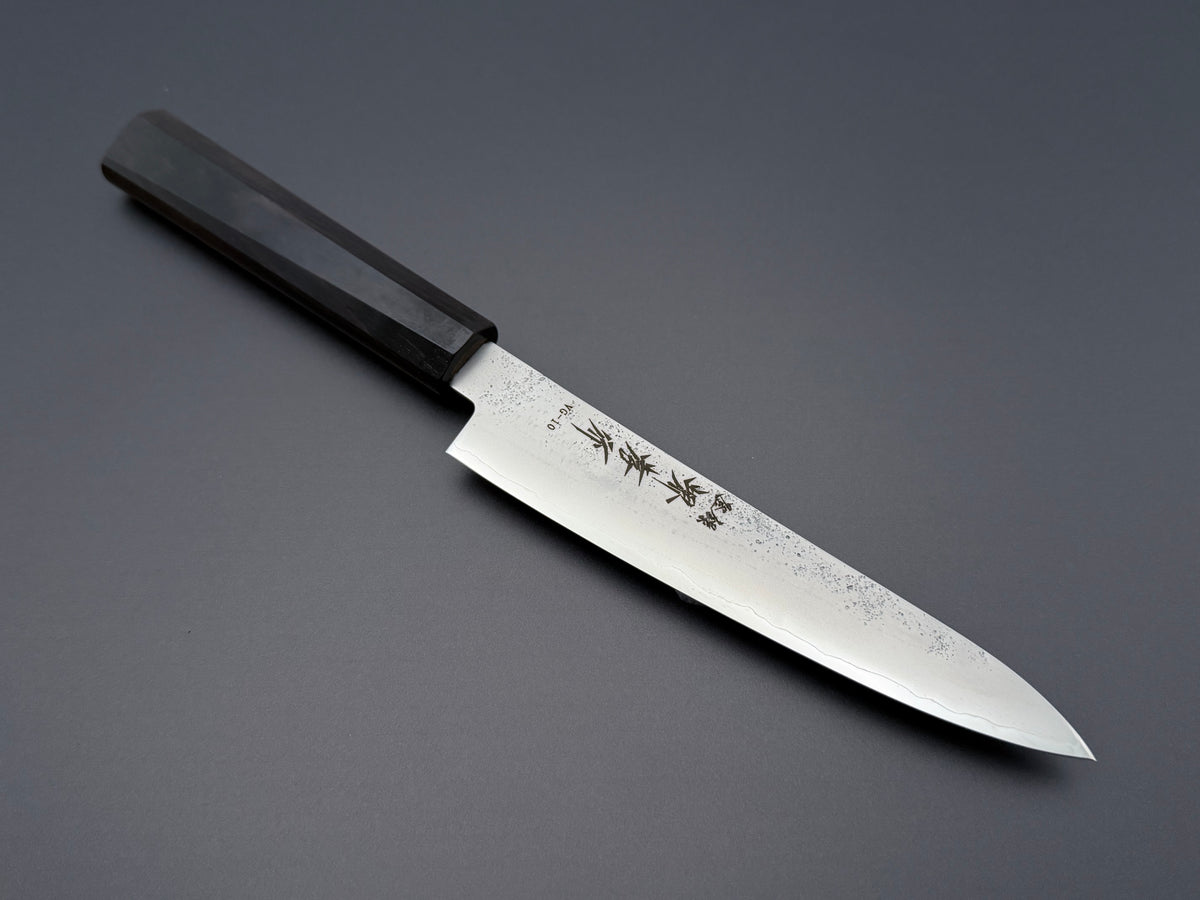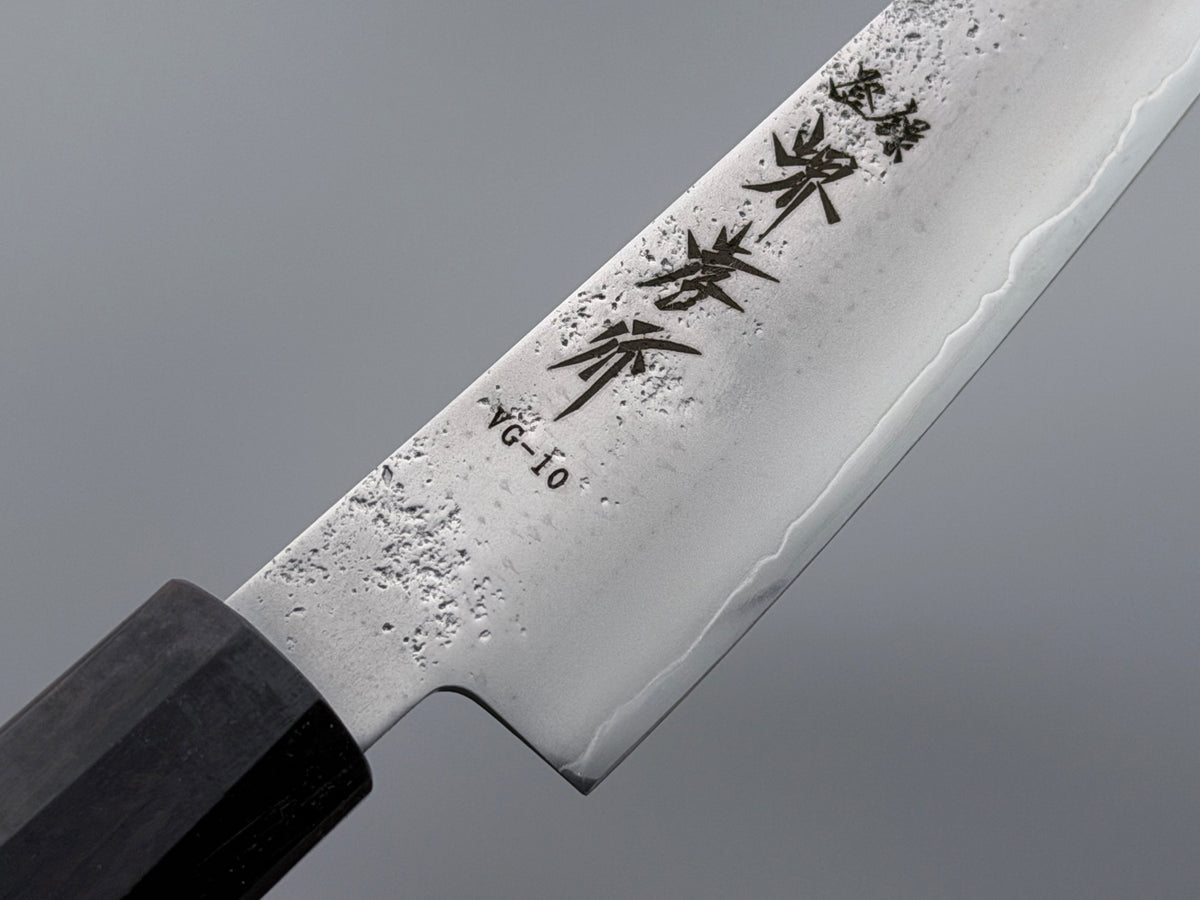

What is VG10 steel?
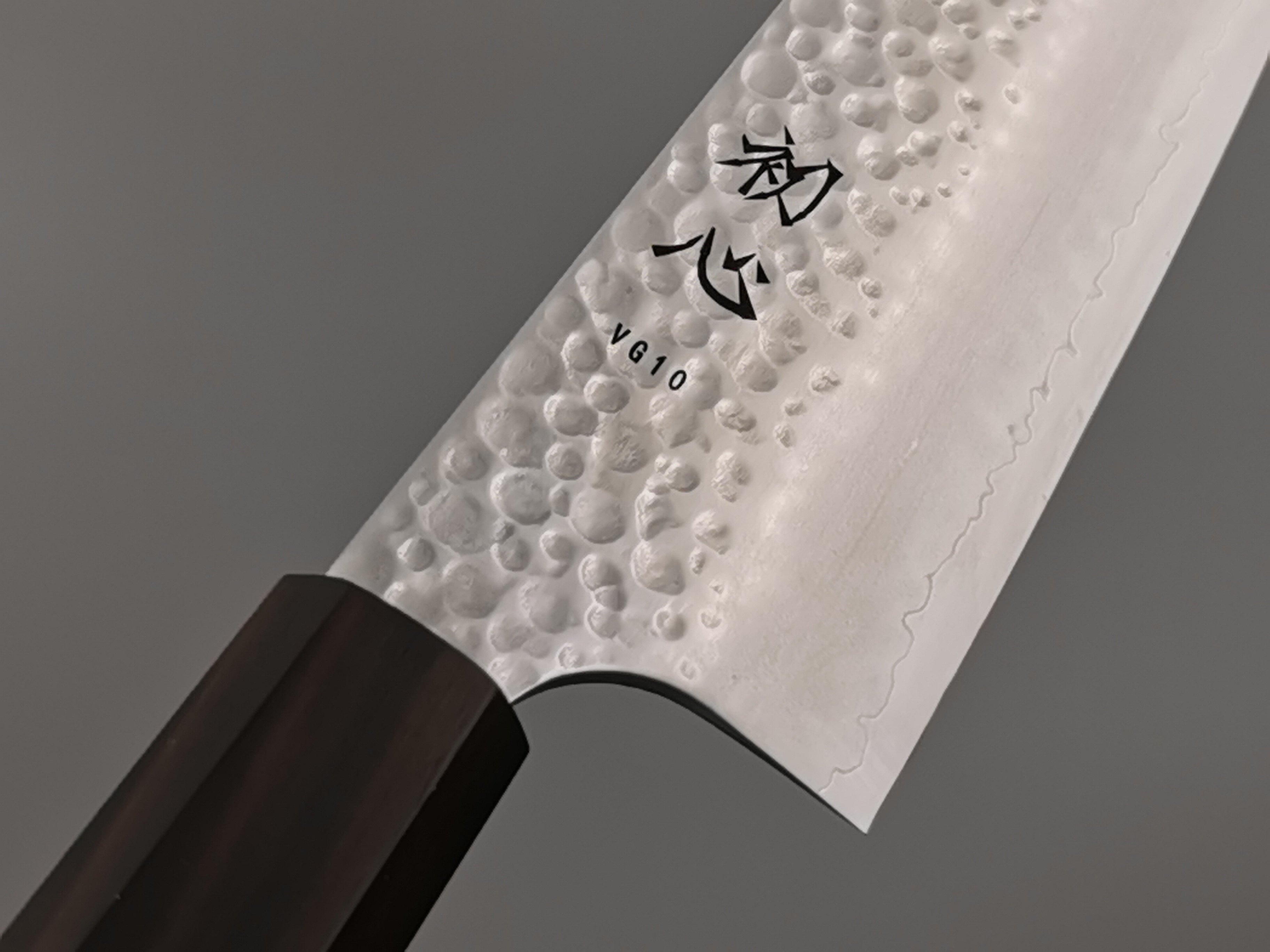
VG10 steel is a Japanese stainless steel made by Takefu Special Steel Co. The name stands for V Gold 10. The alloy contains around 1% carbon, 15% chromium, 1% molybdenum, 0.2% vanadium, and 1.5% cobalt. That cobalt addition is what separates it from most comparable steels: it improves hardenability and lets the steel take and hold a fine edge even when hardened to 60, 62 HRC.

Why VG10 steel is so widely used in Japanese knives
VG10 works well for kitchen knives because it balances a few things home cooks actually care about. It is stainless, so it resists rust without the drying and oiling routine that carbon steel demands. Despite that, it sharpens to a genuinely keen edge and holds it for a decent stretch before you need to go back to the whetstone.
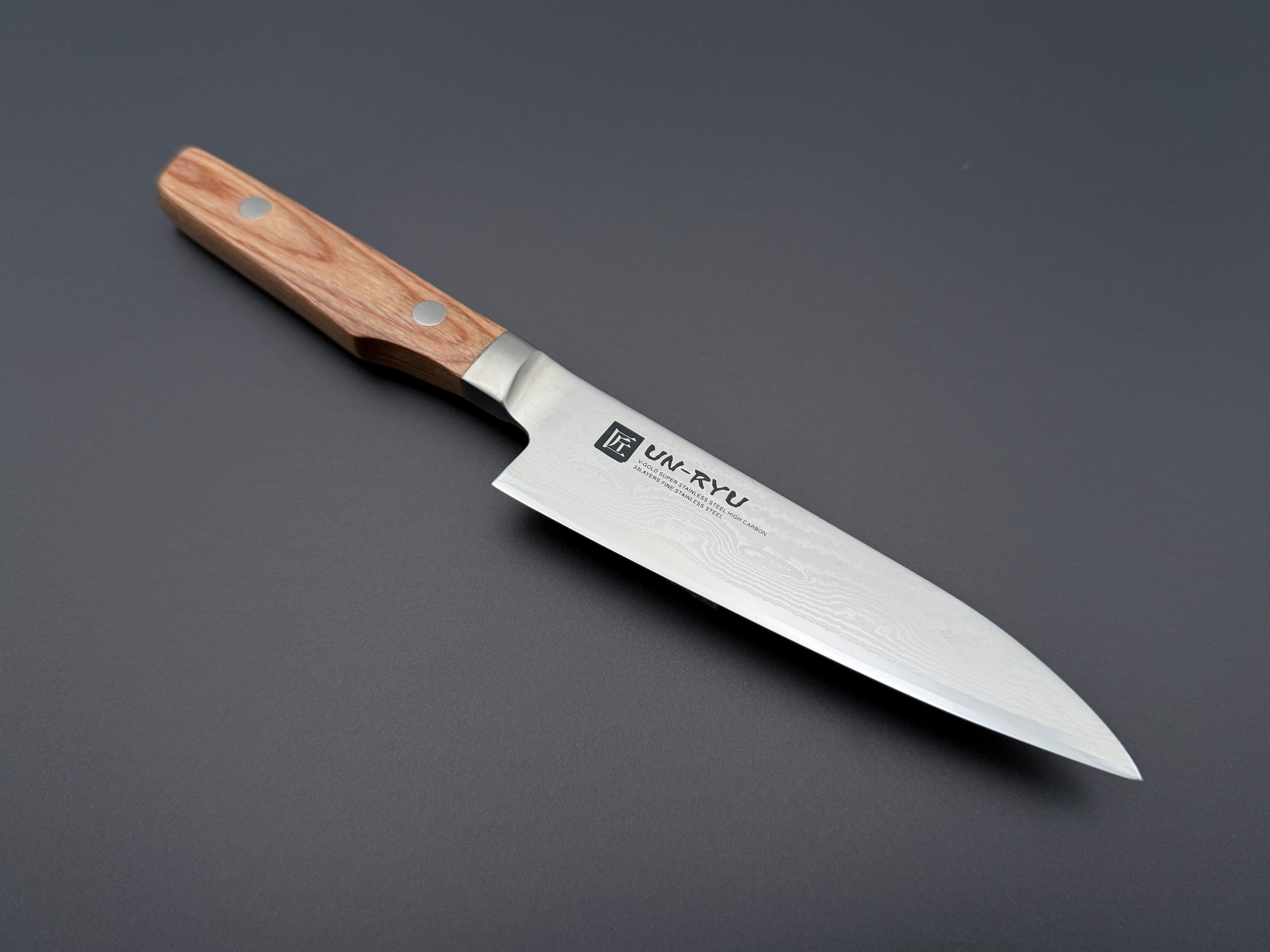
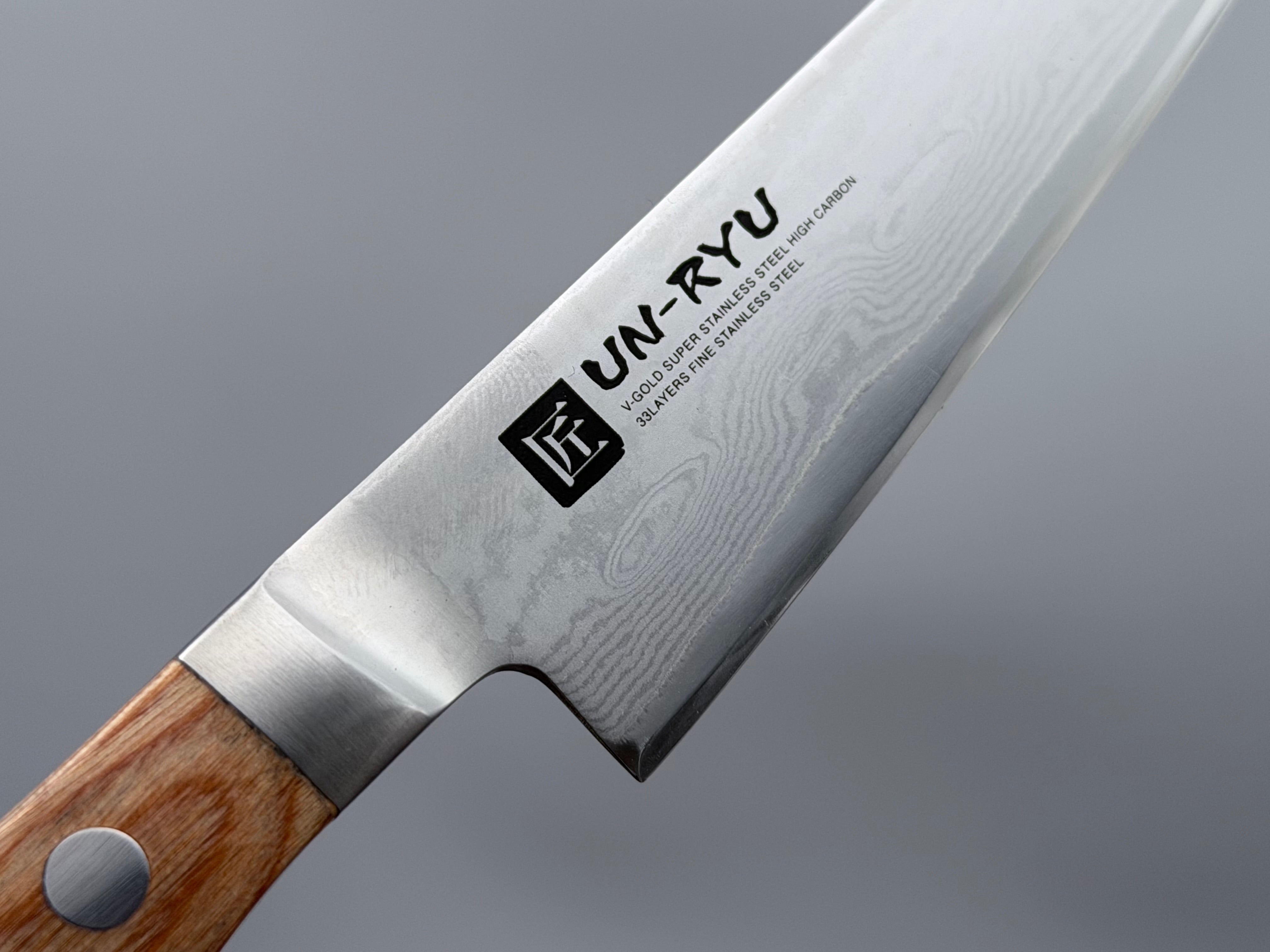
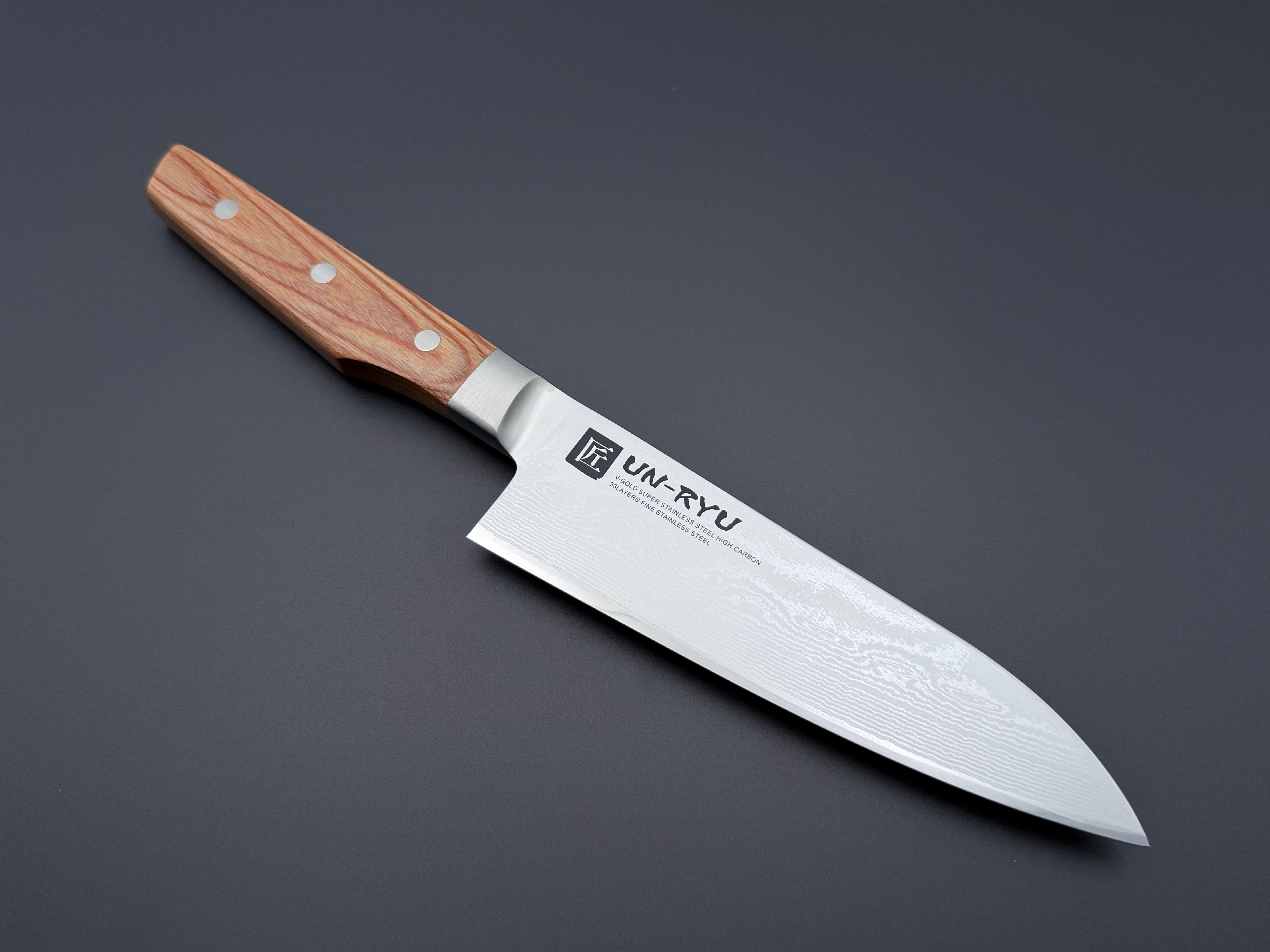
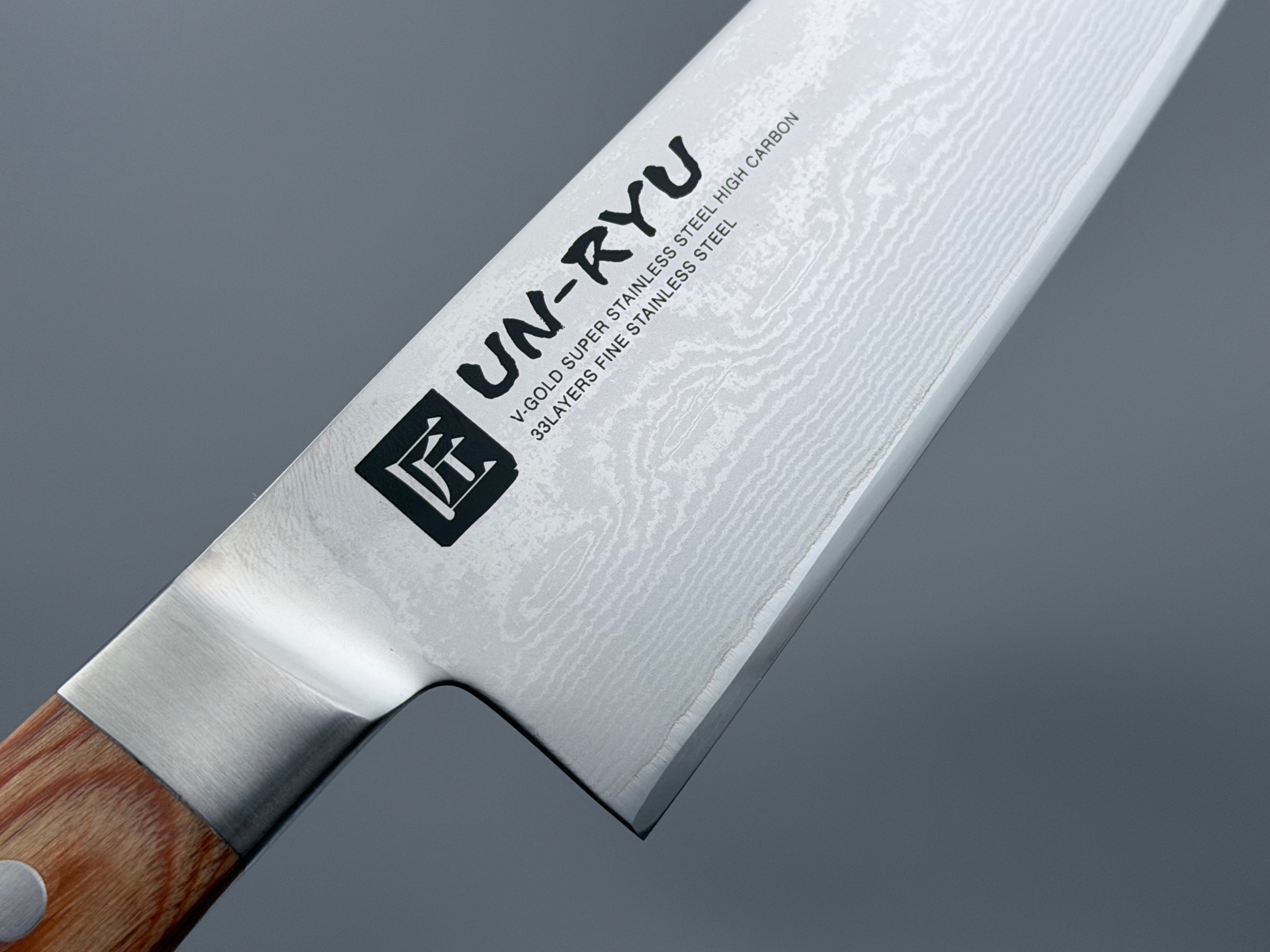
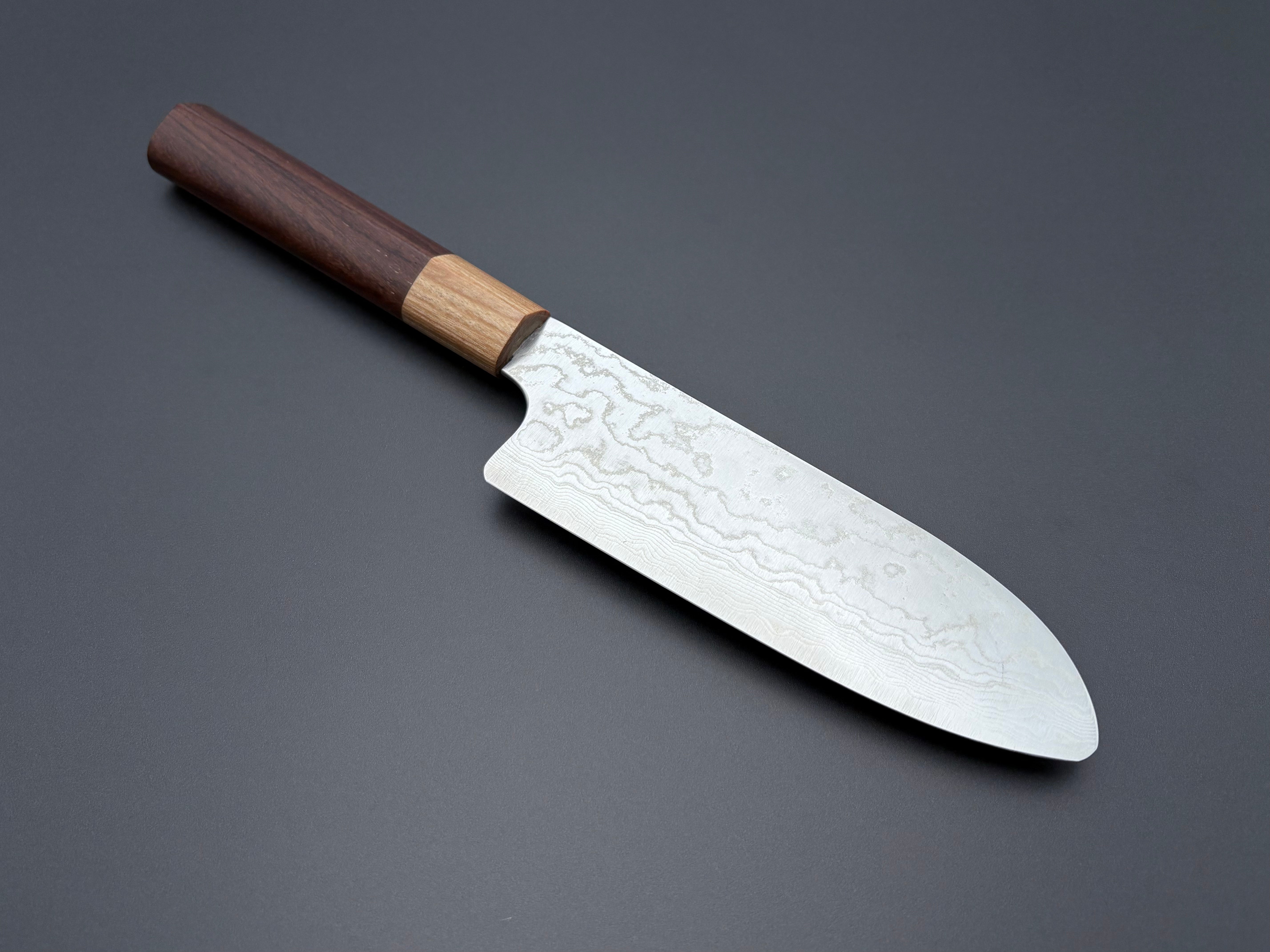
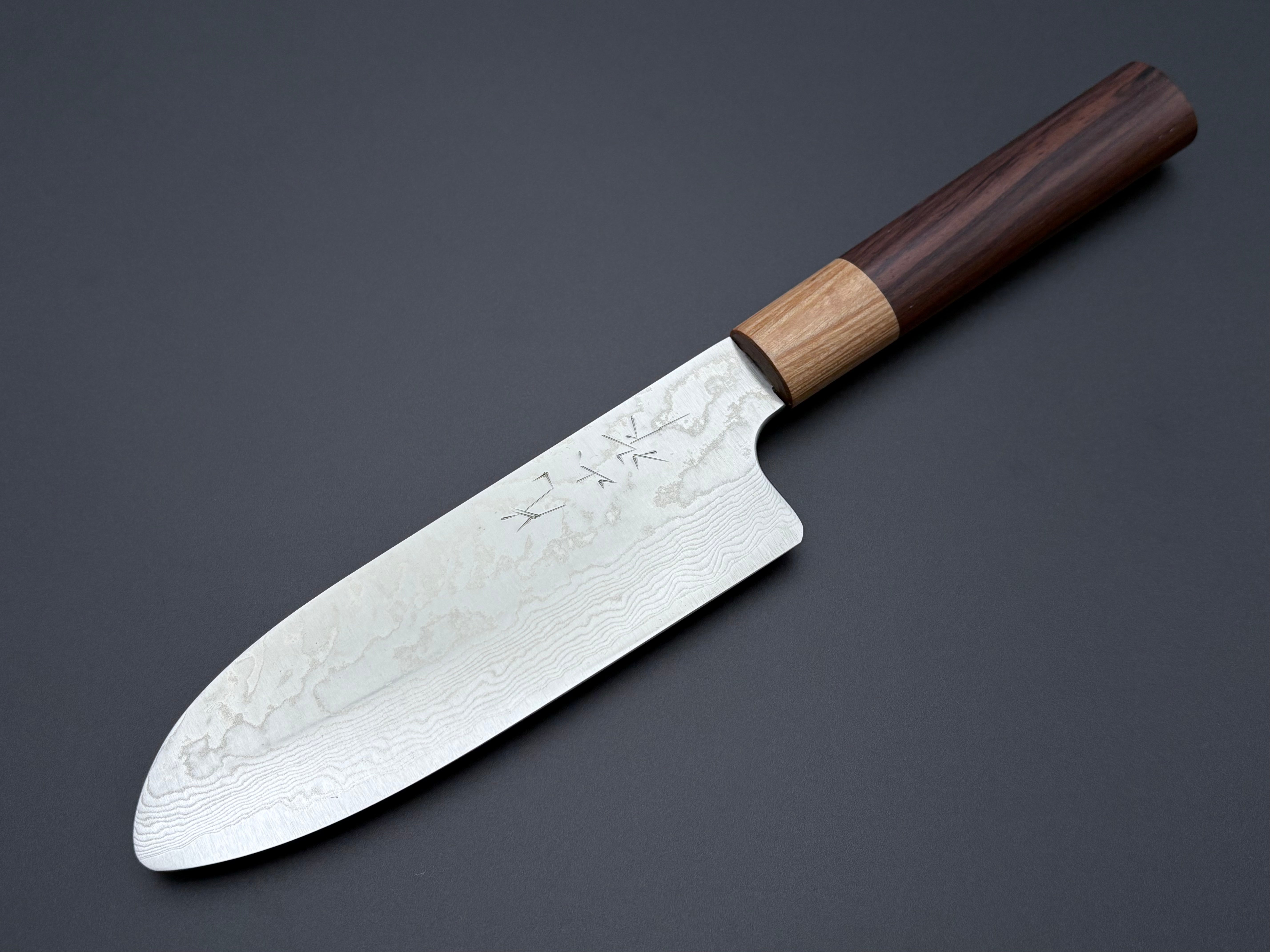
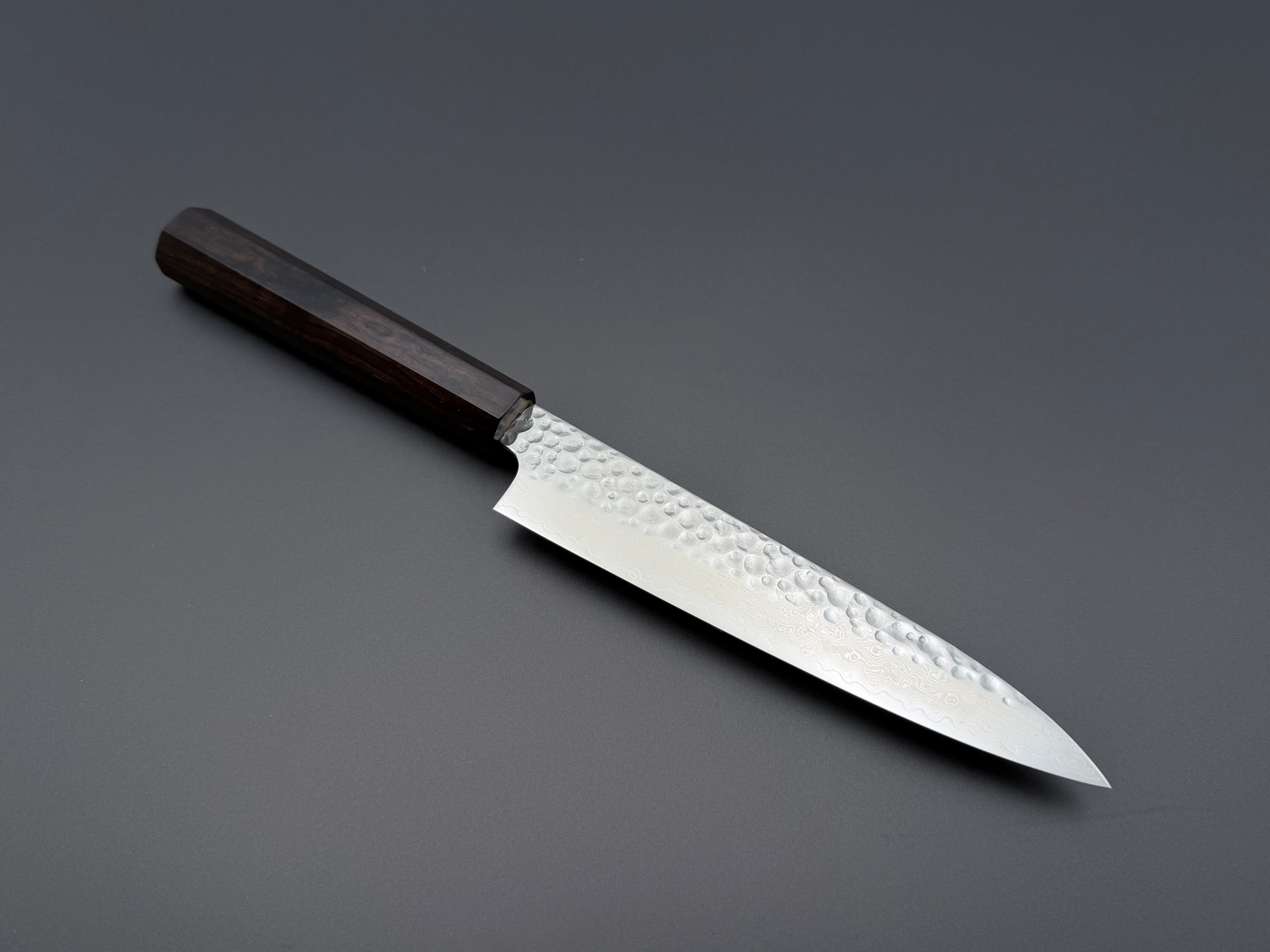
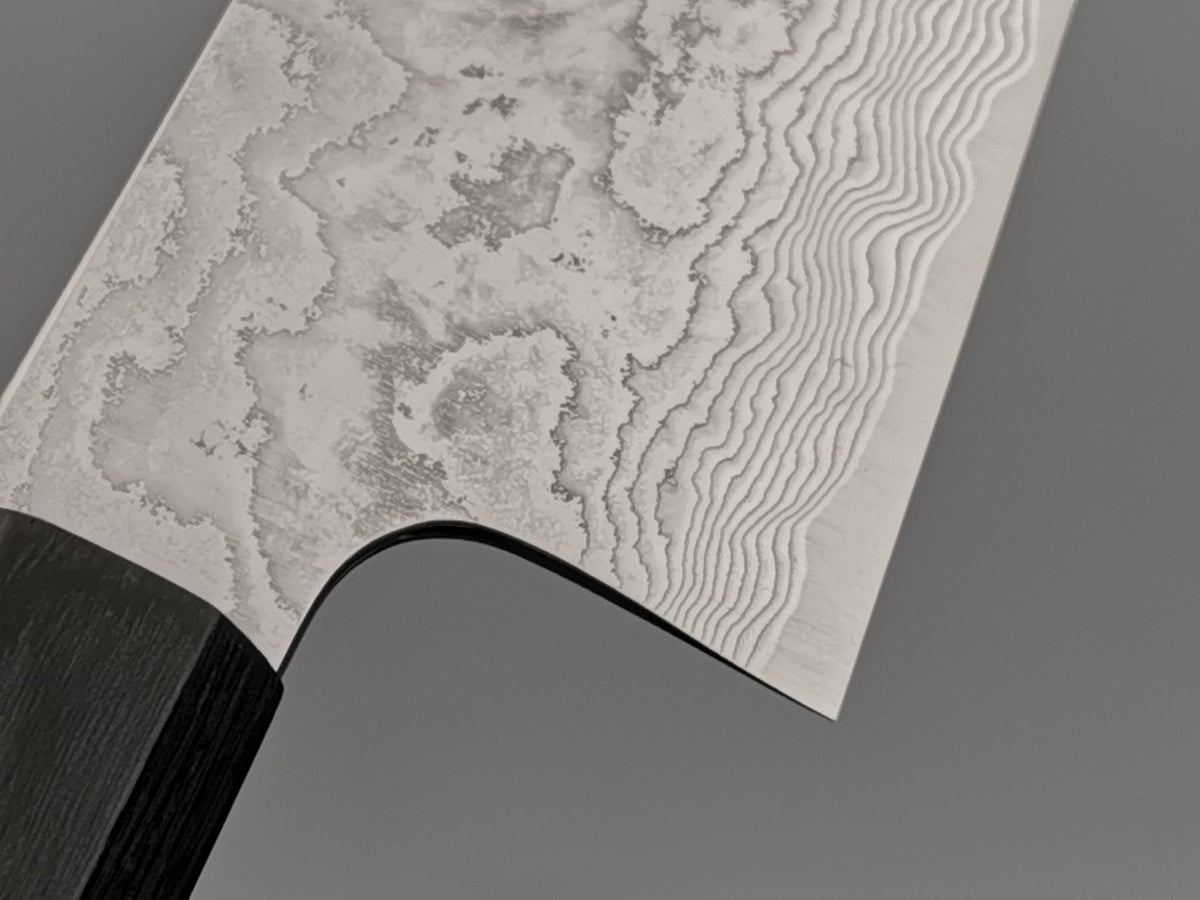
It also takes well to Damascus cladding, which is why it shows up so often as the core steel in layered Japanese knives. The hard core does the cutting while softer outer layers protect it and give the blade its look. You can see this in the Knot Handcrafted VG10 Damascus knives and the Hatsukokoro VG10 Damascus range, both of which pair the steel with attractive layered finishes.
How VG10 compares to other Japanese knife steels
Against reactive carbon steels like Aogami or Shirogami, VG10 is more forgiving. You do not need to think about rust or patina after every use. Against lower-grade stainless options, it offers better edge retention and a finer edge. It sits in a useful middle ground: easier to maintain than high-carbon steels, sharper and harder than basic stainless.
If you want to go further, Ginsan Silver 3 has a similar stainless character with slightly different edge qualities, and Aogami Super Blue reaches higher sharpness but needs more careful maintenance. VG10 is the one to reach for if you want a high-performing knife without committing to that extra upkeep.
Caring for a VG10 knife
Stainless does not mean indestructible. Hand wash and dry after use, and store the knife on a magnetic rack or in a roll rather than loose in a drawer. Skip the dishwasher: the heat, detergent, and knocking around with other utensils will damage both the edge and the handle over time. When the edge starts to drag, sharpen it on a whetstone. Between sessions, a honing rod keeps the edge aligned.
- Hand wash and dry after every use
- Avoid hard cutting surfaces like glass or ceramic
- Sharpen on a medium to fine whetstone
- Store safely to protect the edge
Browse VG10 steel knives at Cutting Edge Knives
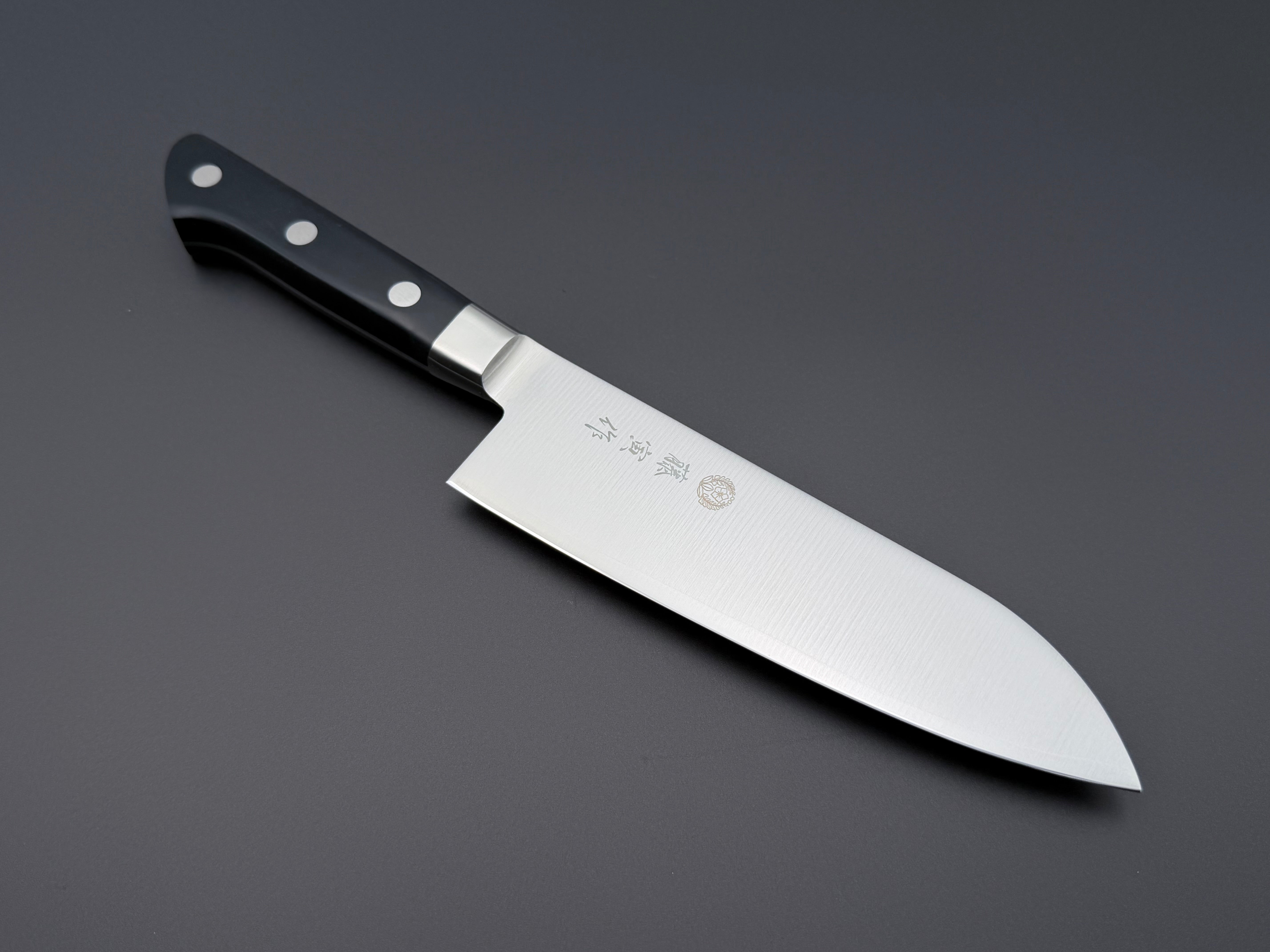
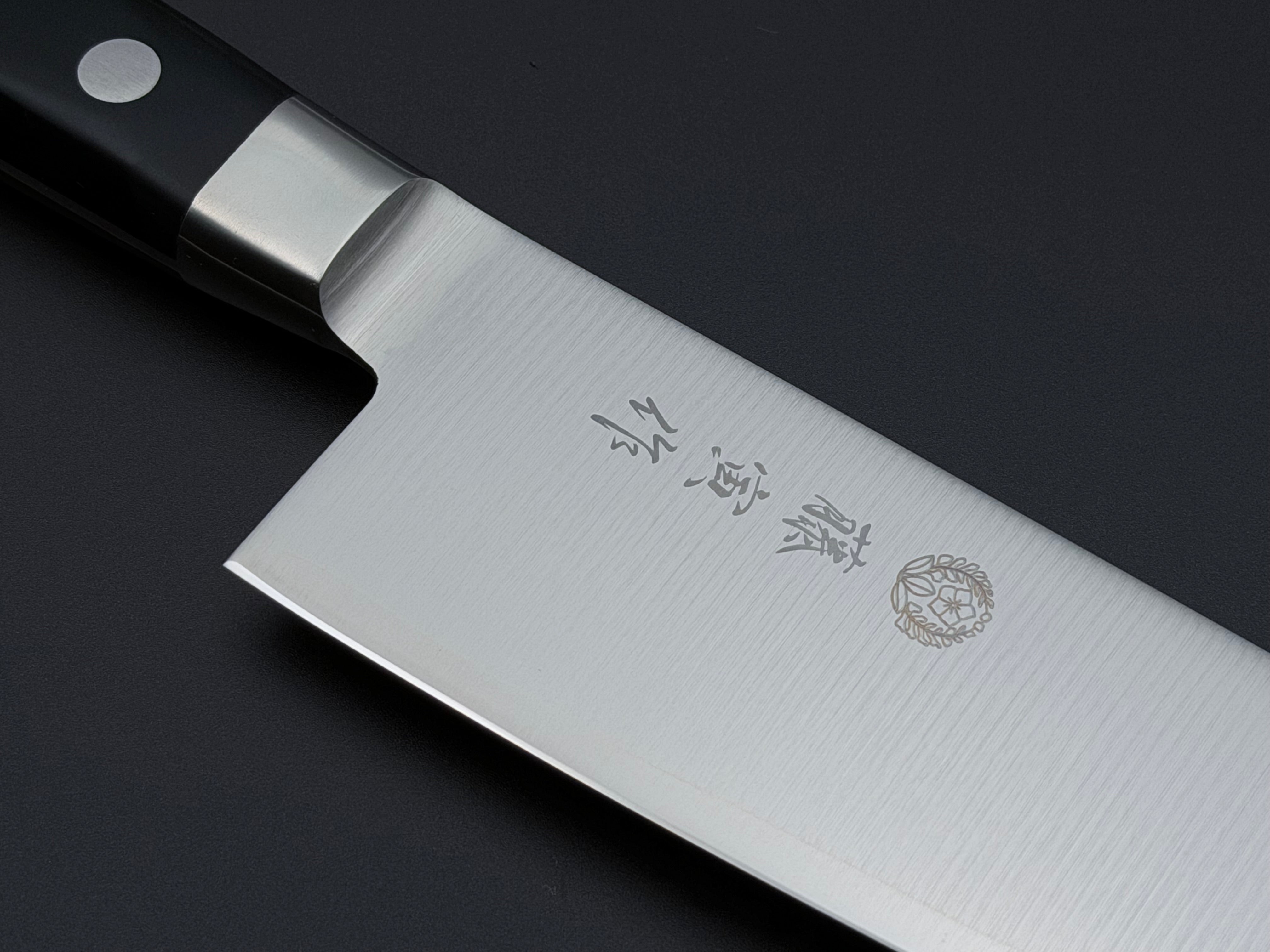
Our dedicated collection of Japanese VG10 stainless steel chef knives brings together a range of makers, blade profiles, and price points in one place, so it is a good starting point if you are looking for a knife that suits how you cook.