
More Than Just a Knife: What Does "Hocho" Actually Mean?
If you’ve started exploring the world of Japanese cutlery, you’ve likely encountered the word Hocho. While it’s commonly translated simply as "kitchen knife," the word carries a weight of history and legend that most Western culinary terms lack.
If you’re looking to sharpen your kitchen vocabulary, here is the breakdown of what Hocho really means.
The Literal Translation
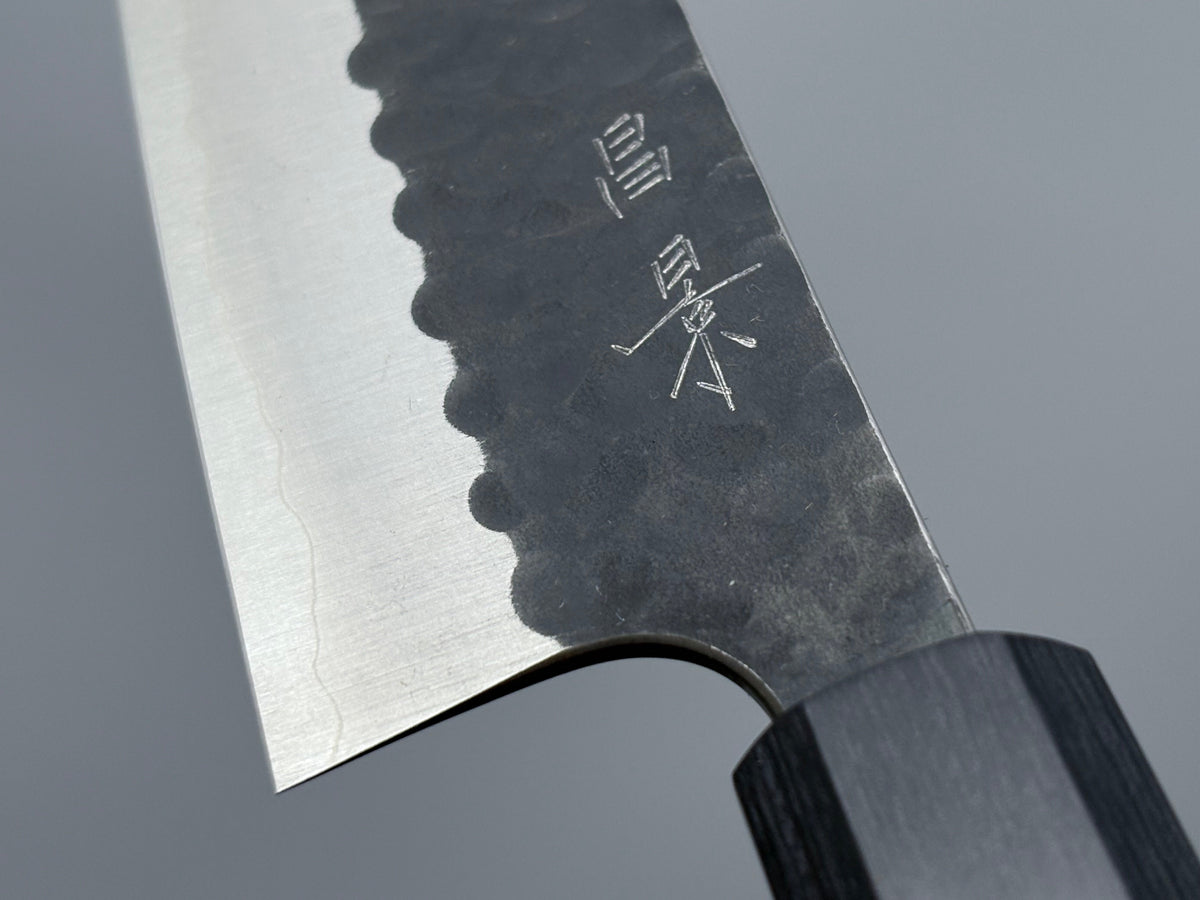
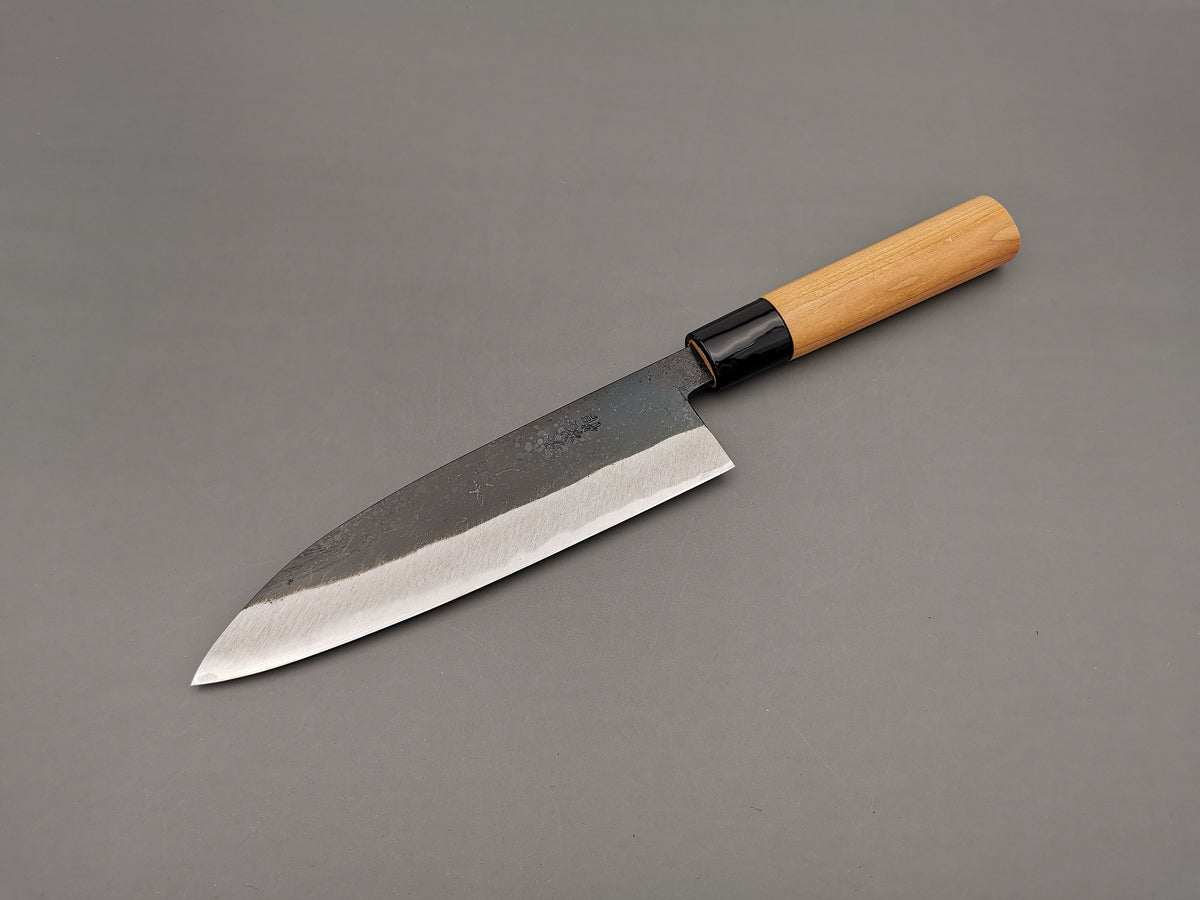
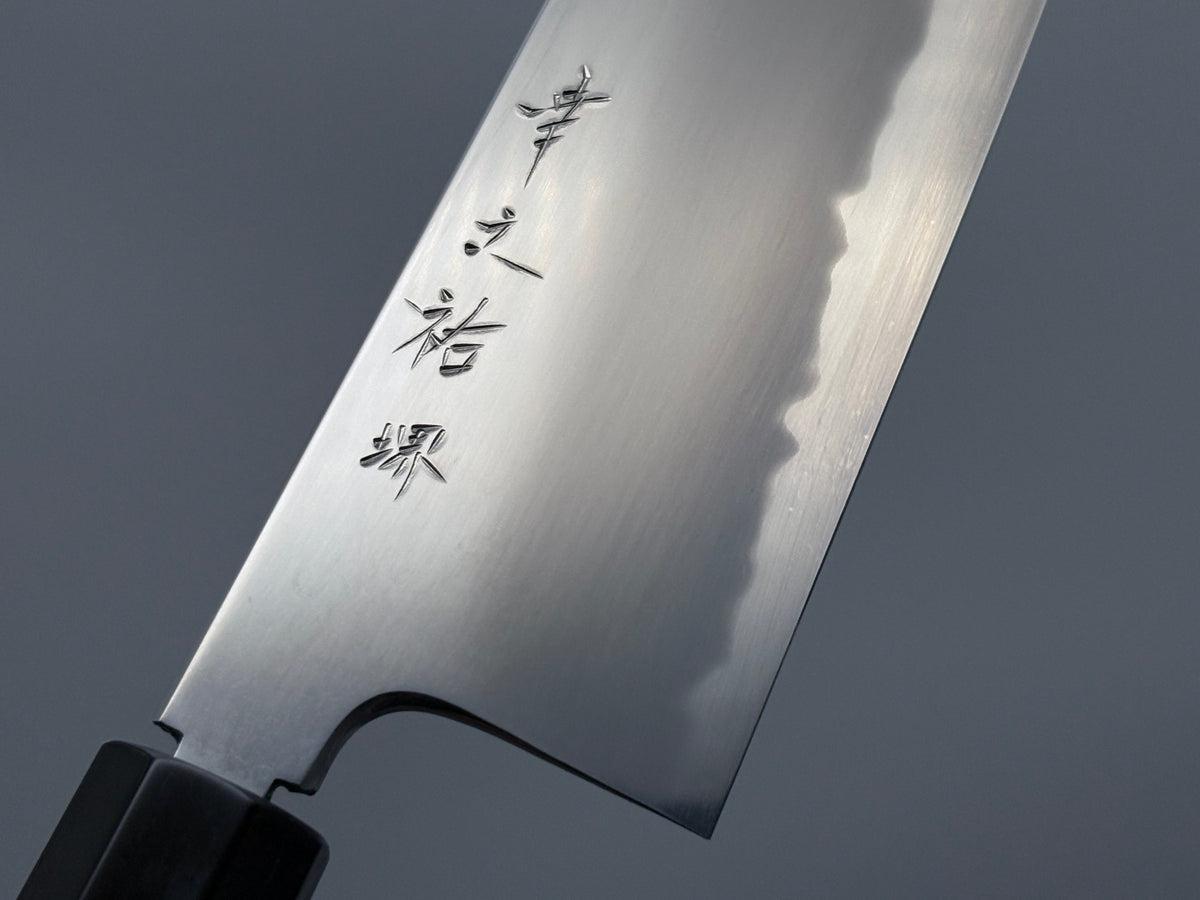
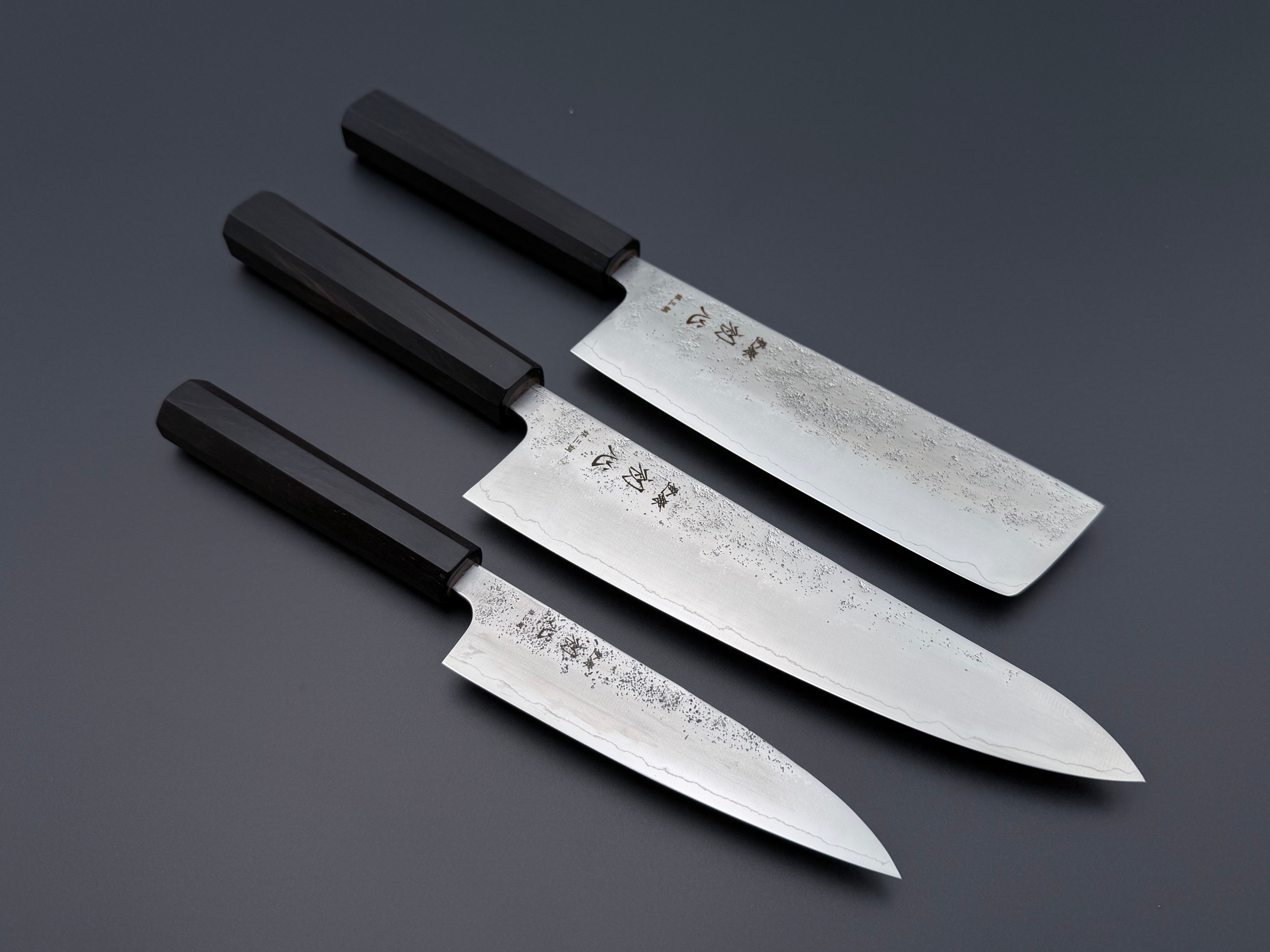
At its most basic level, Hocho (包丁) is the general Japanese term for any kitchen knife. It is the broad category that encompasses specific styles like the Santoku or the Gyuto.
In Japanese linguistics, you’ll notice the spelling often shifts to "Bocho" when it follows another word (a phonetic change called rendaku). For example:
- Sashimi-bocho: A knife specifically for slicing raw fish.
- Wa-bocho: A traditional Japanese-style knife with a wooden handle.
- Yo-bocho: A Western-style Japanese knife with a riveted handle.
The Legend of the Master Chef
The most fascinating part of the word Hocho is that it didn't start as a word for a tool—it was originally the name of a person.
The term originates from an ancient Taoist text featuring a legendary figure named Prince Ding (known as Pao Ding in Chinese, or Hocho in Japanese). Pao Ding was a cook so skilled at butchering meat that he claimed he never had to sharpen his blade in nineteen years.
"I follow the natural grain... moving the blade through the great hollows, guided by the natural line, and so I never touch a ligament or tendon, far less a bone."
He explained that he didn't just "cut" meat; he understood the "rhythm of nature" and could find the microscopic spaces between the joints. His skill was so legendary that his name eventually became synonymous with the tool itself. When you hold a Hocho, you are technically holding a "Cook Ding."
Hocho vs. Knives: The Cultural Difference
In Western culture, a knife is often viewed as a utility tool—a piece of hardware. In Japan, the Hocho is viewed as an extension of the chef’s soul.
- The Single Bevel: Many traditional Hocho are sharpened on only one side. This requires more skill to use but allows for the surgical precision Pao Ding was famous for.
- The Material: High-quality Hocho are often made of high-carbon steel, designed to be reactive and change color (patina) over time as they "age" with the cook.
Summary
When you ask "What does Hocho mean?", the answer is twofold:
- Technically: It is the linguistic category for all Japanese kitchen knives.
- Spiritually: It is a tribute to a legendary master who moved through the world with such precision that his blade never grew dull.
Whether you are a professional chef or a home cook, understanding the history of your Hocho is the first step toward mastering the art of the Japanese kitchen.