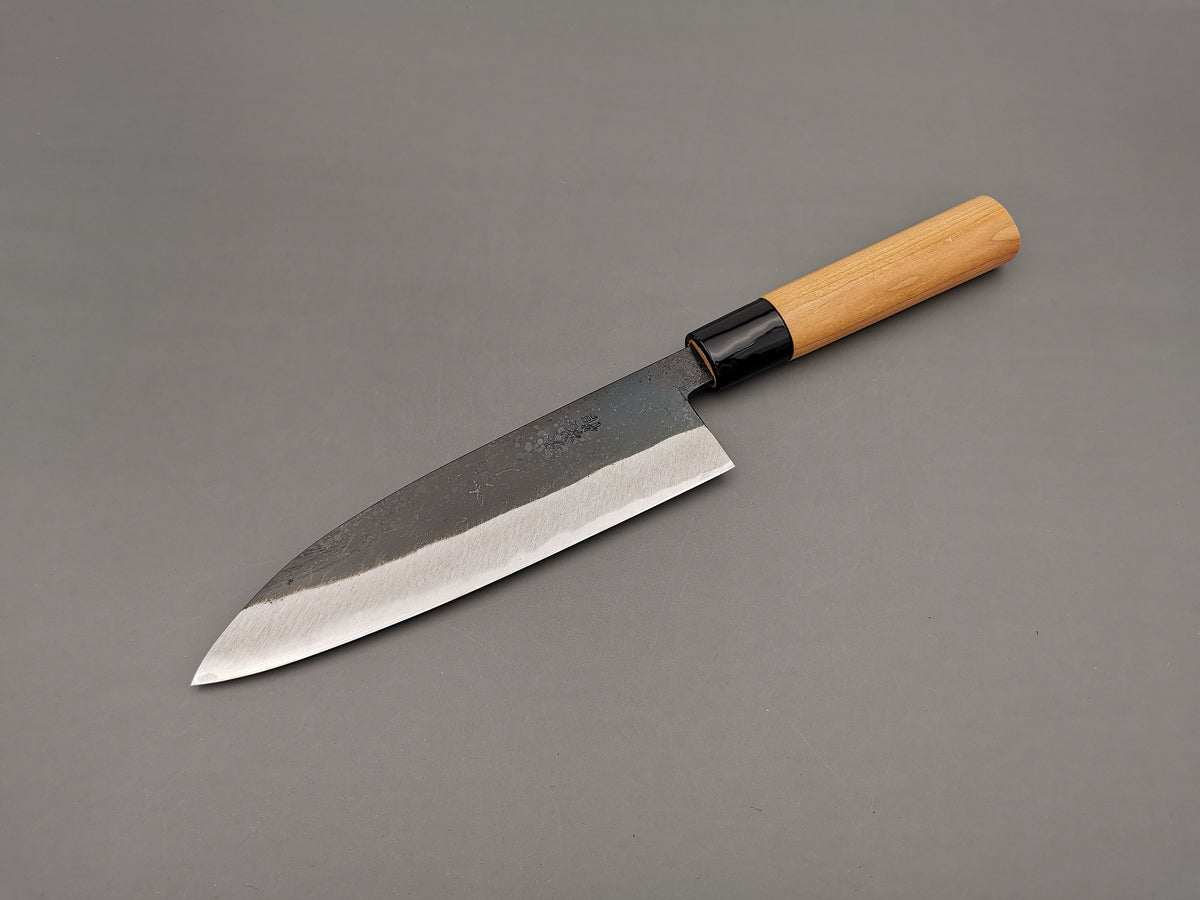

What is a Japanese carving knife?
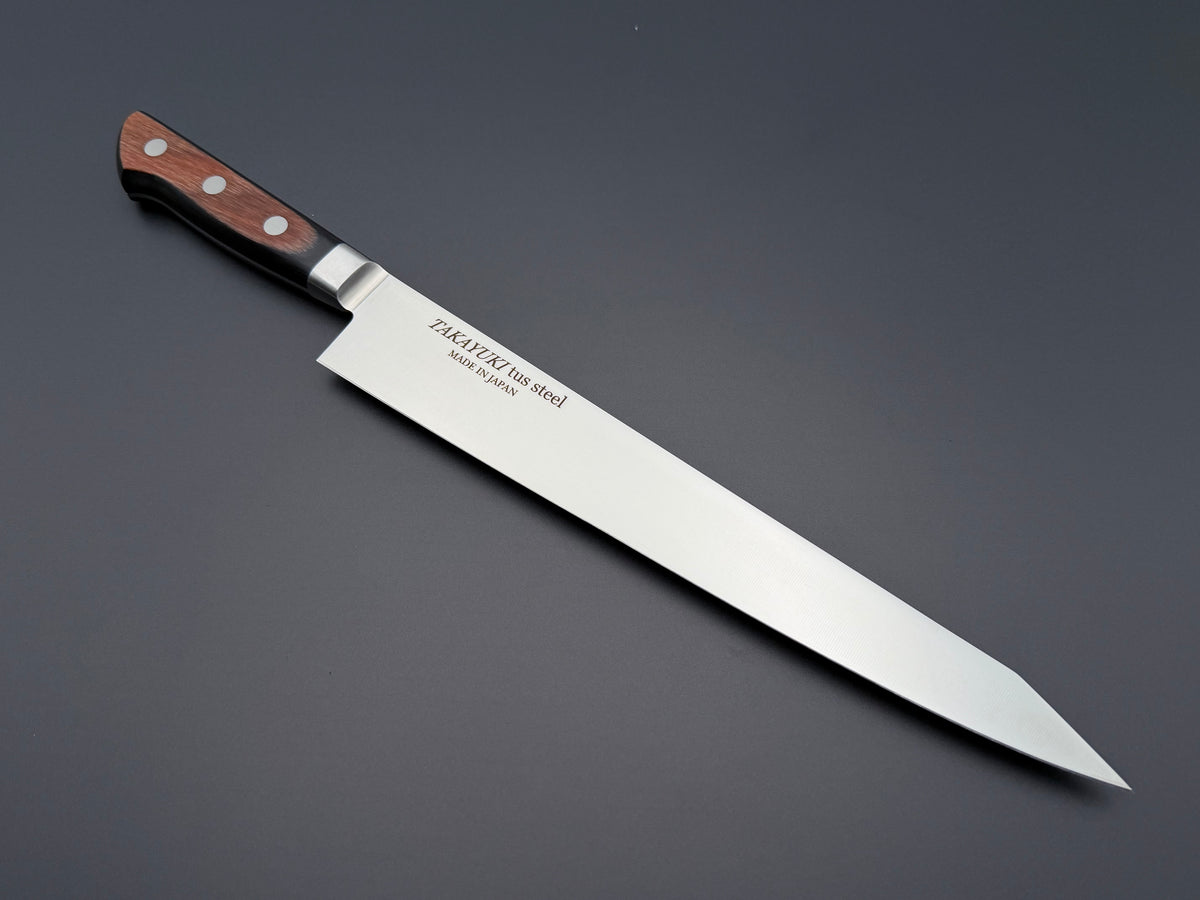
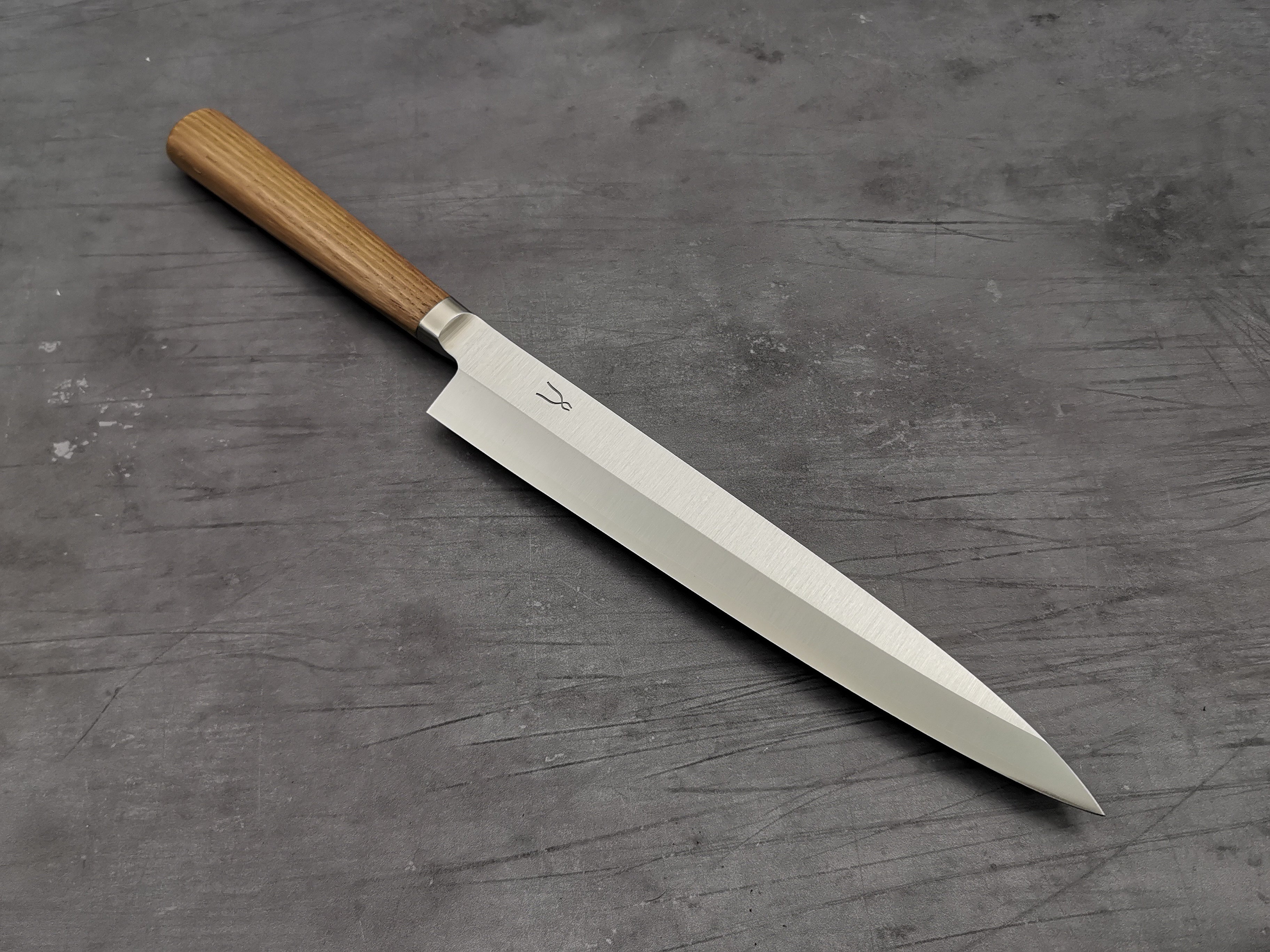
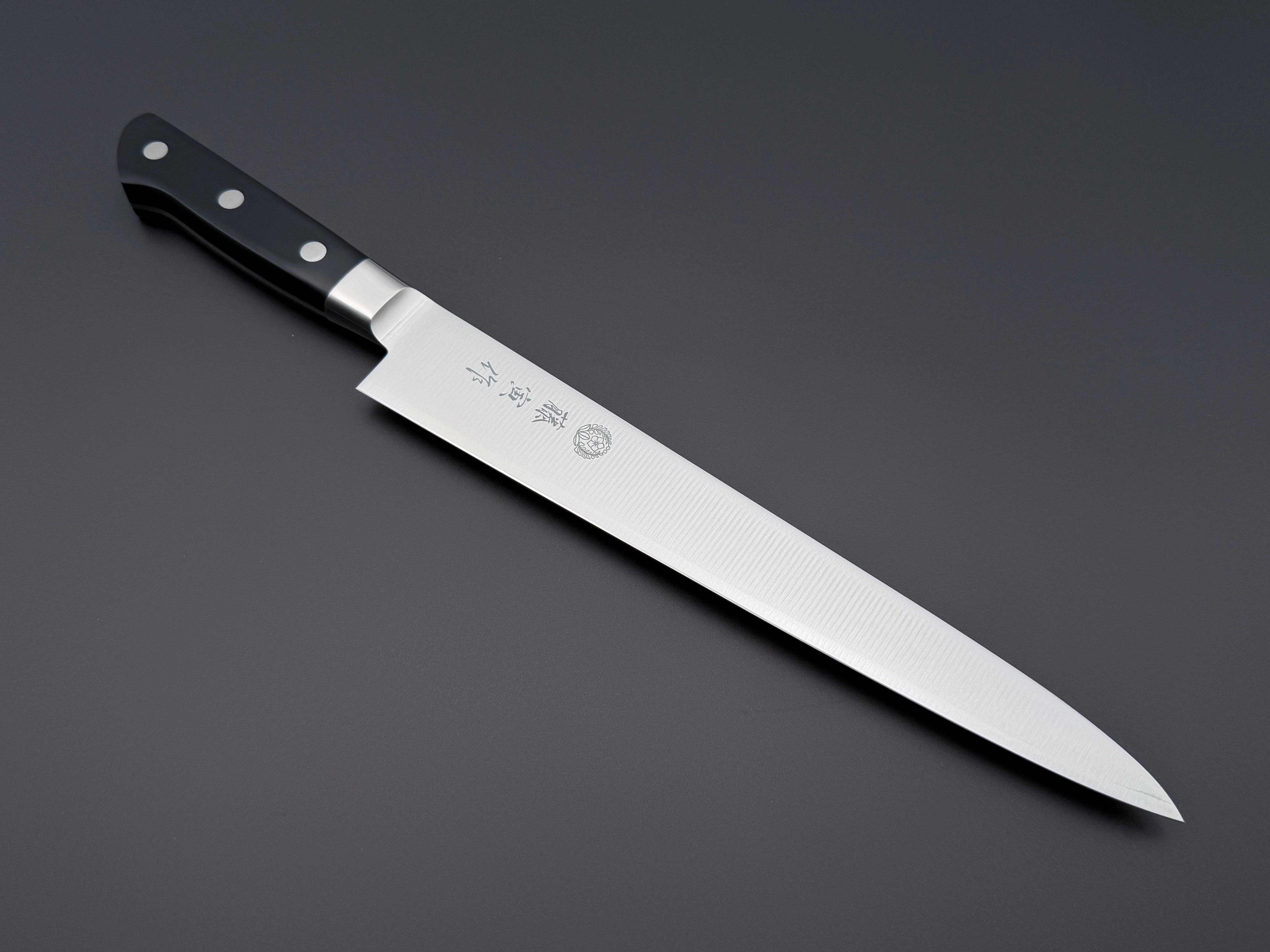
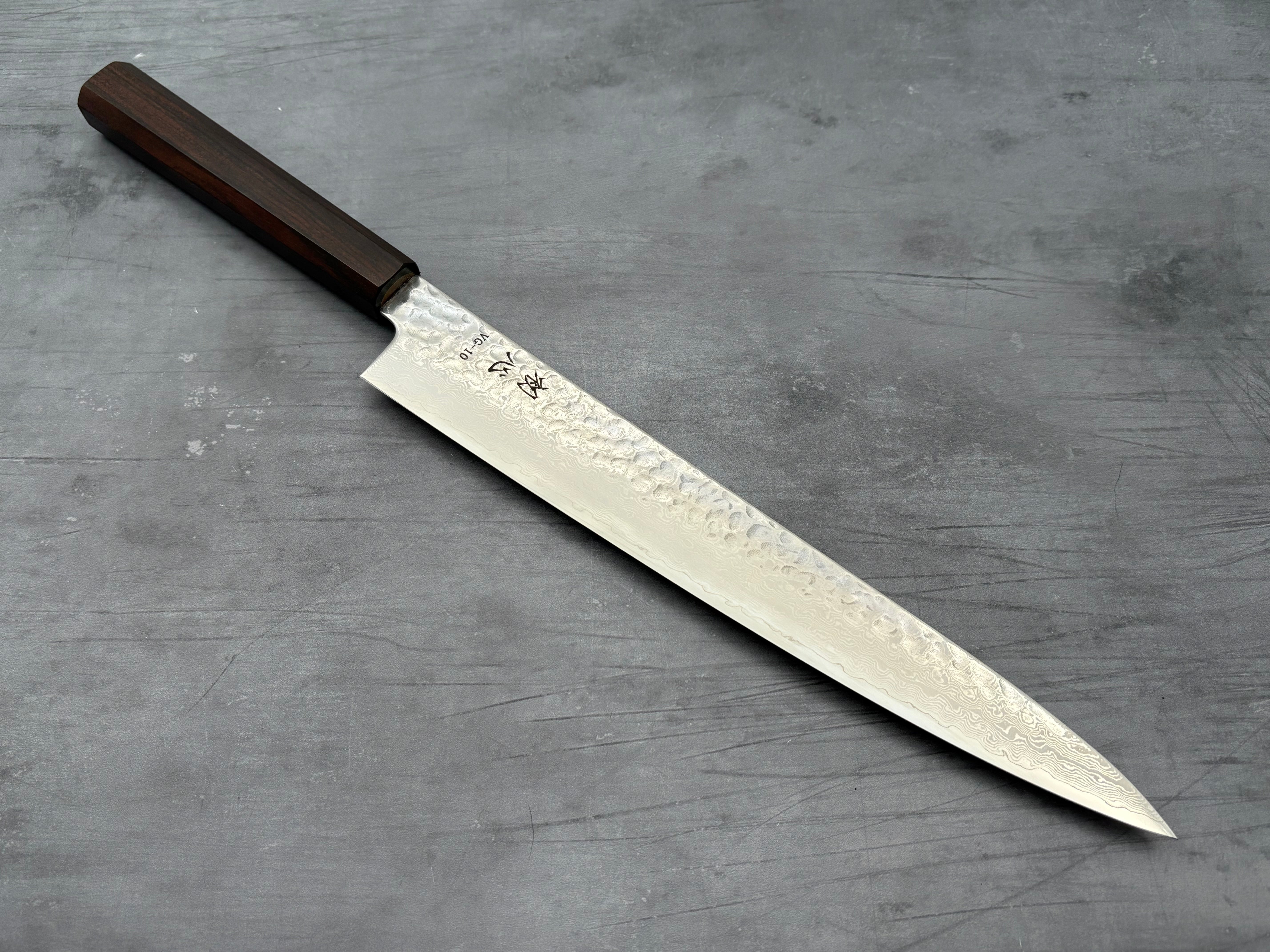
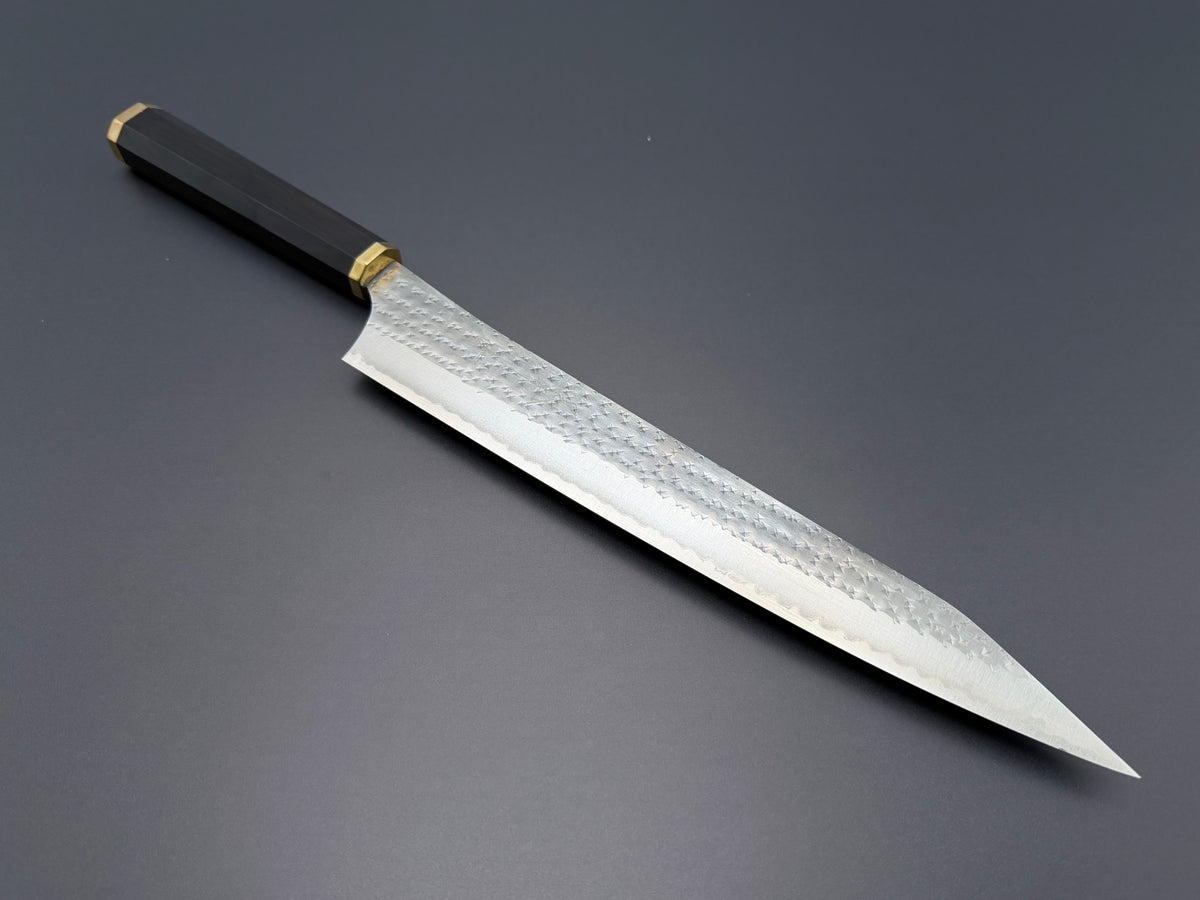
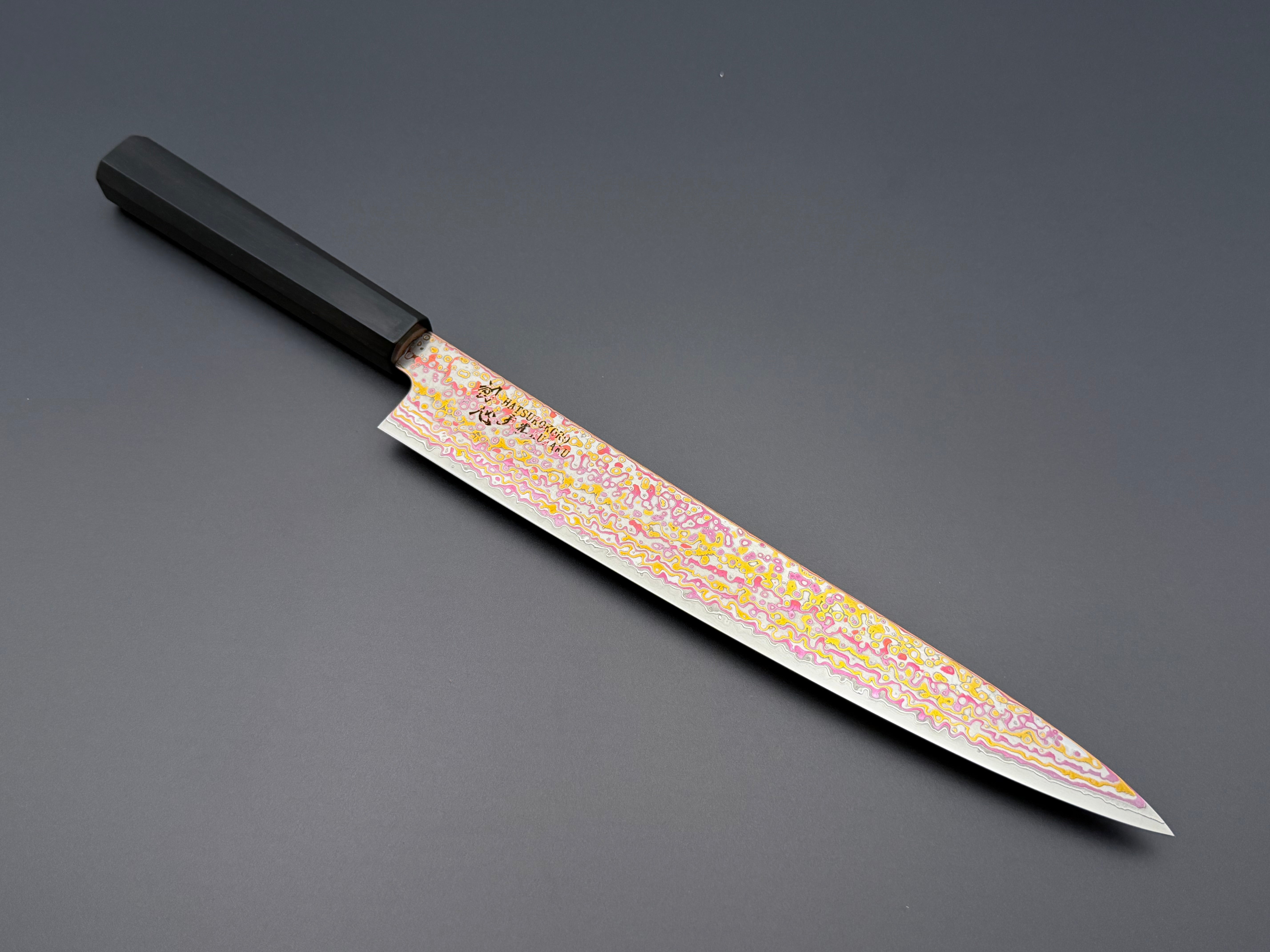
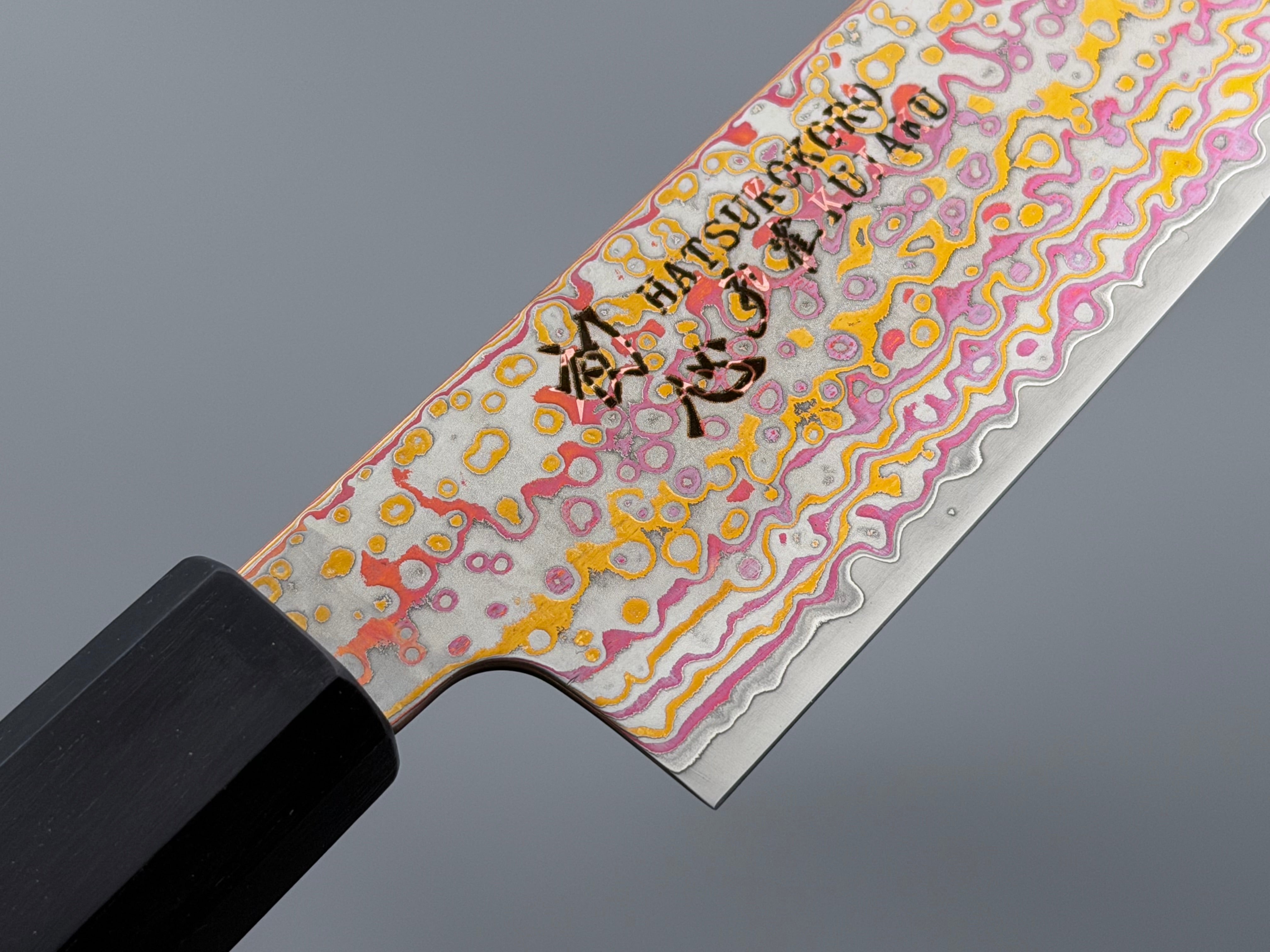
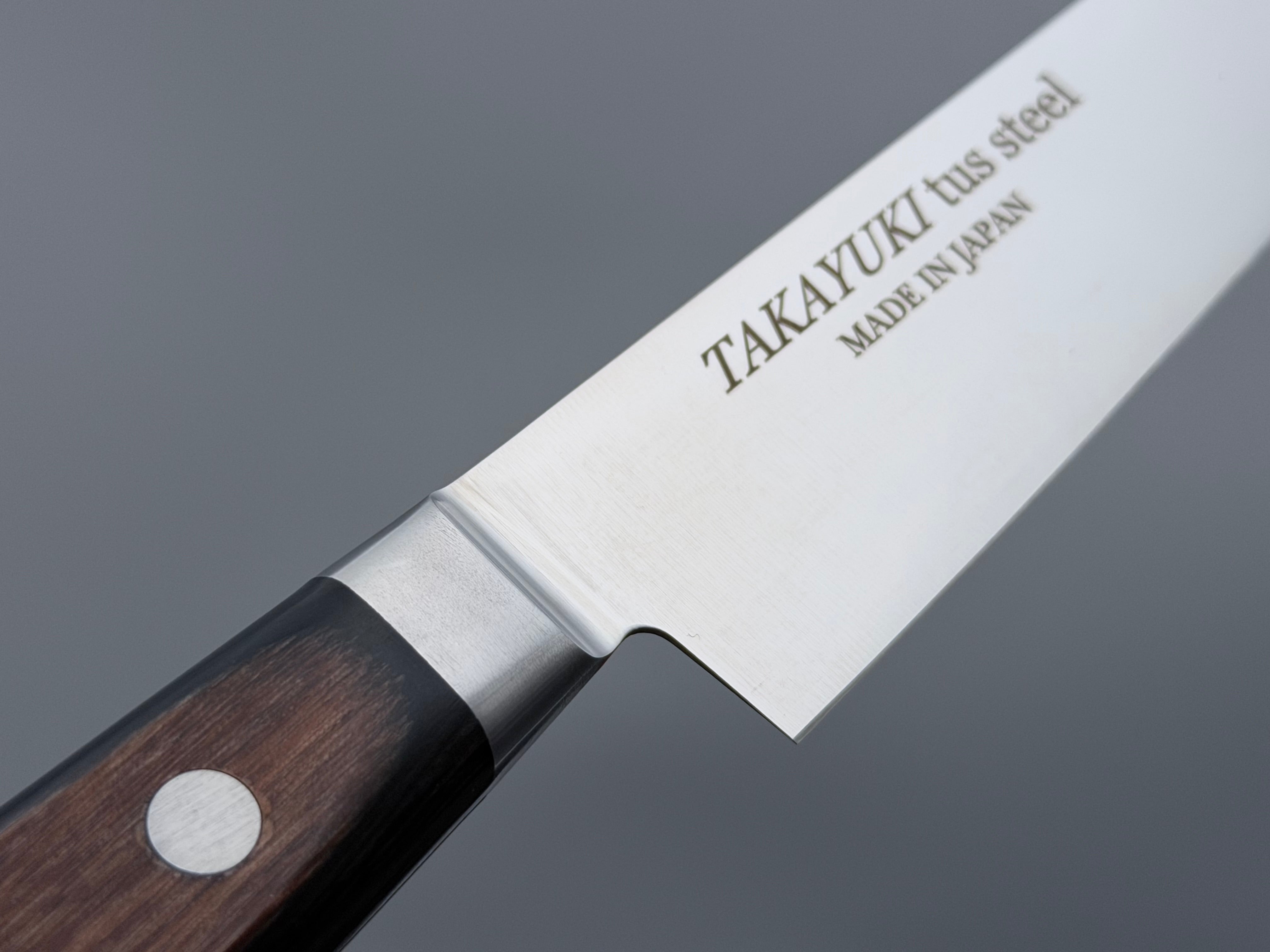
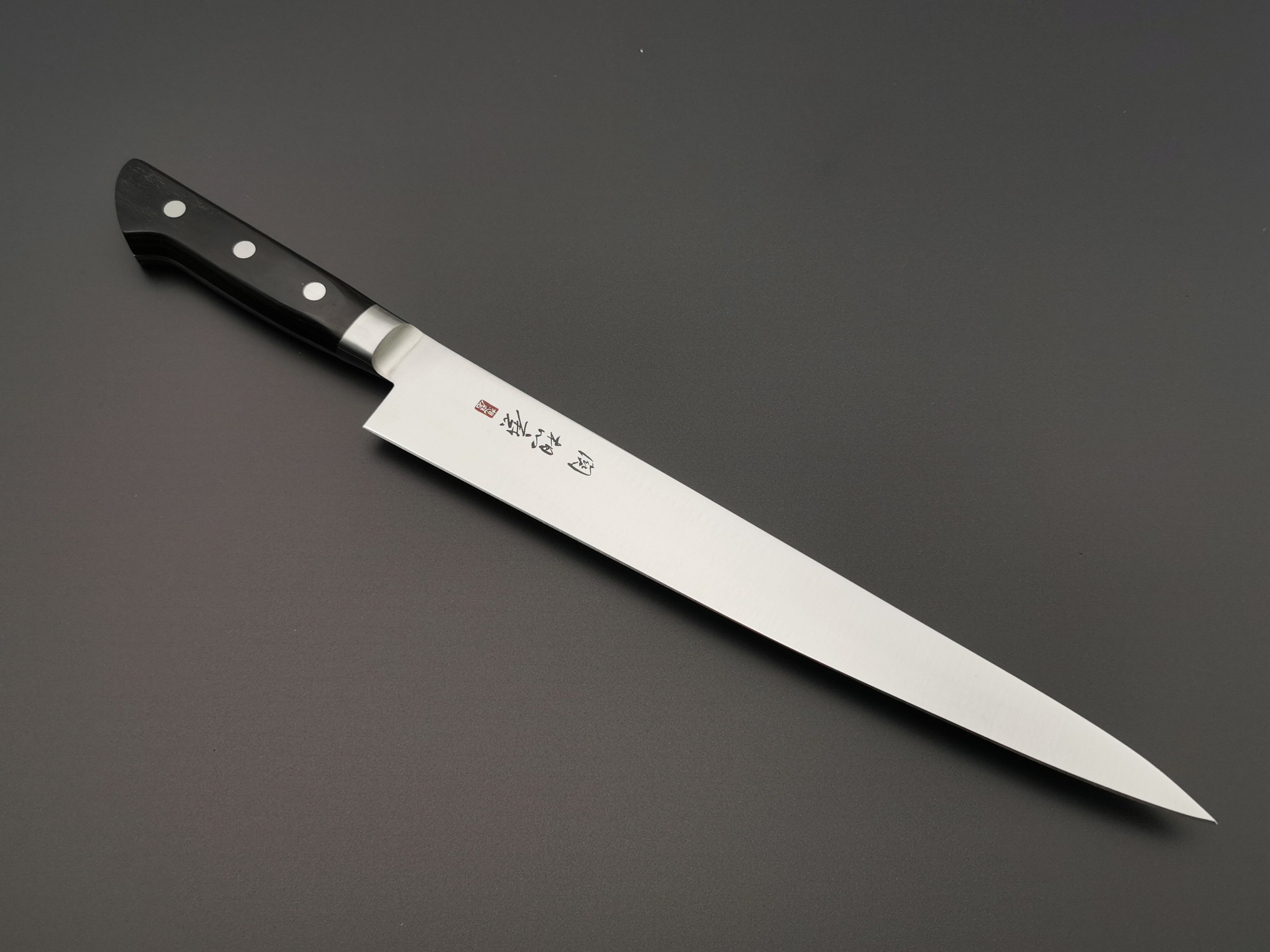
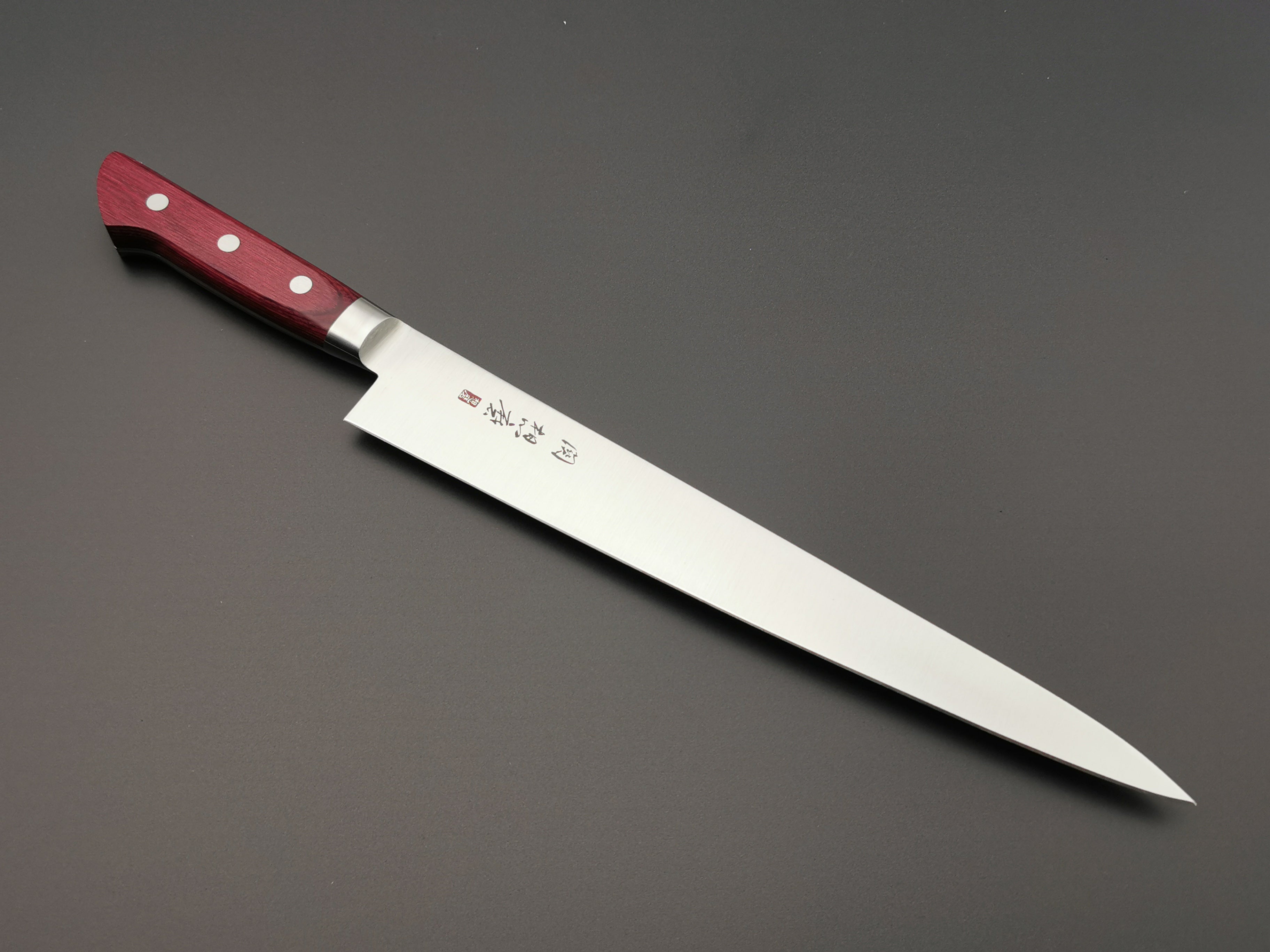
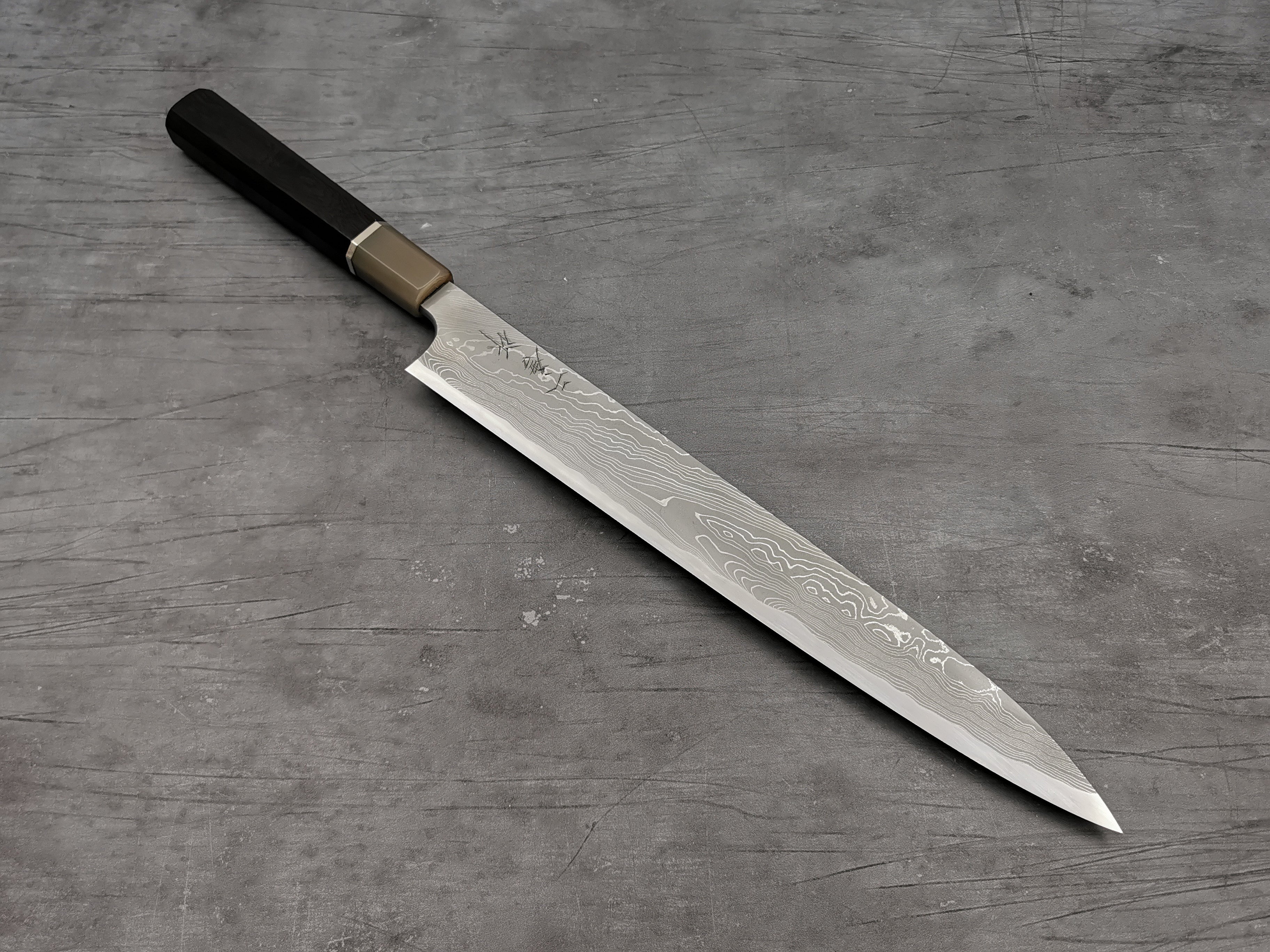
A Japanese carving knife is a long, slender blade built for one job: slicing through food in smooth, controlled strokes with minimal drag. Unlike a general-purpose chef's knife, these blades are made for precision, whether that means portioning a roasted joint at the Sunday table or cutting clean slices of raw fish for sashimi. Two styles dominate this category, the sujihiki and the yanagiba, and understanding the difference between them will help you choose the right one.

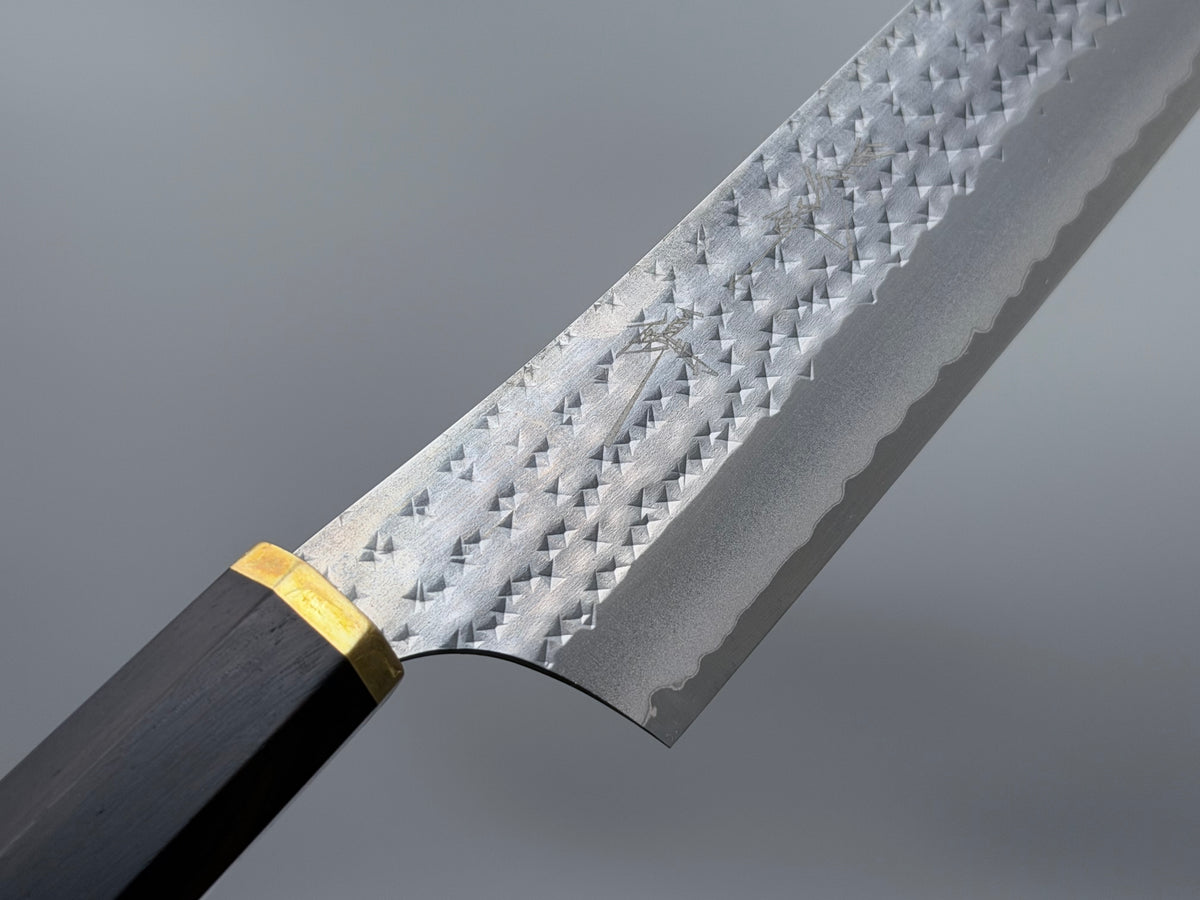
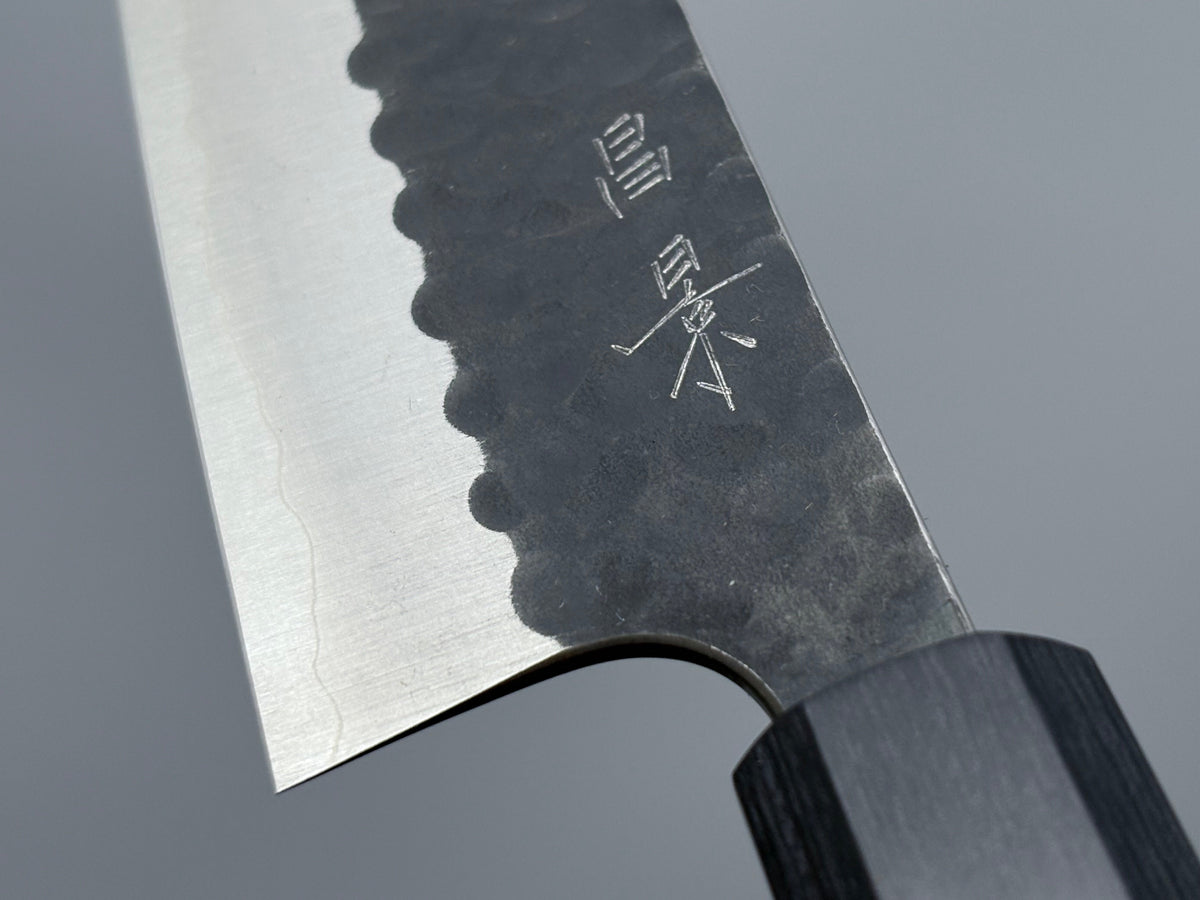
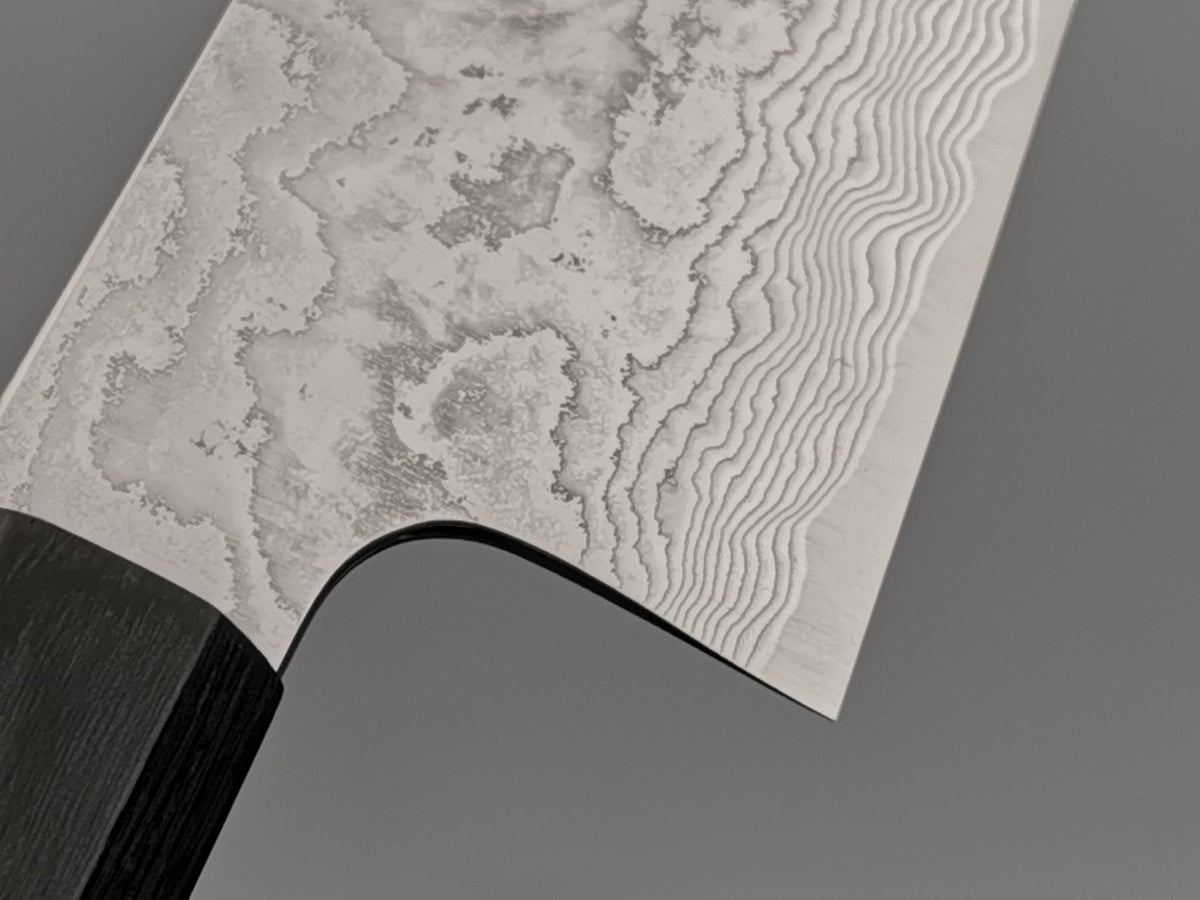
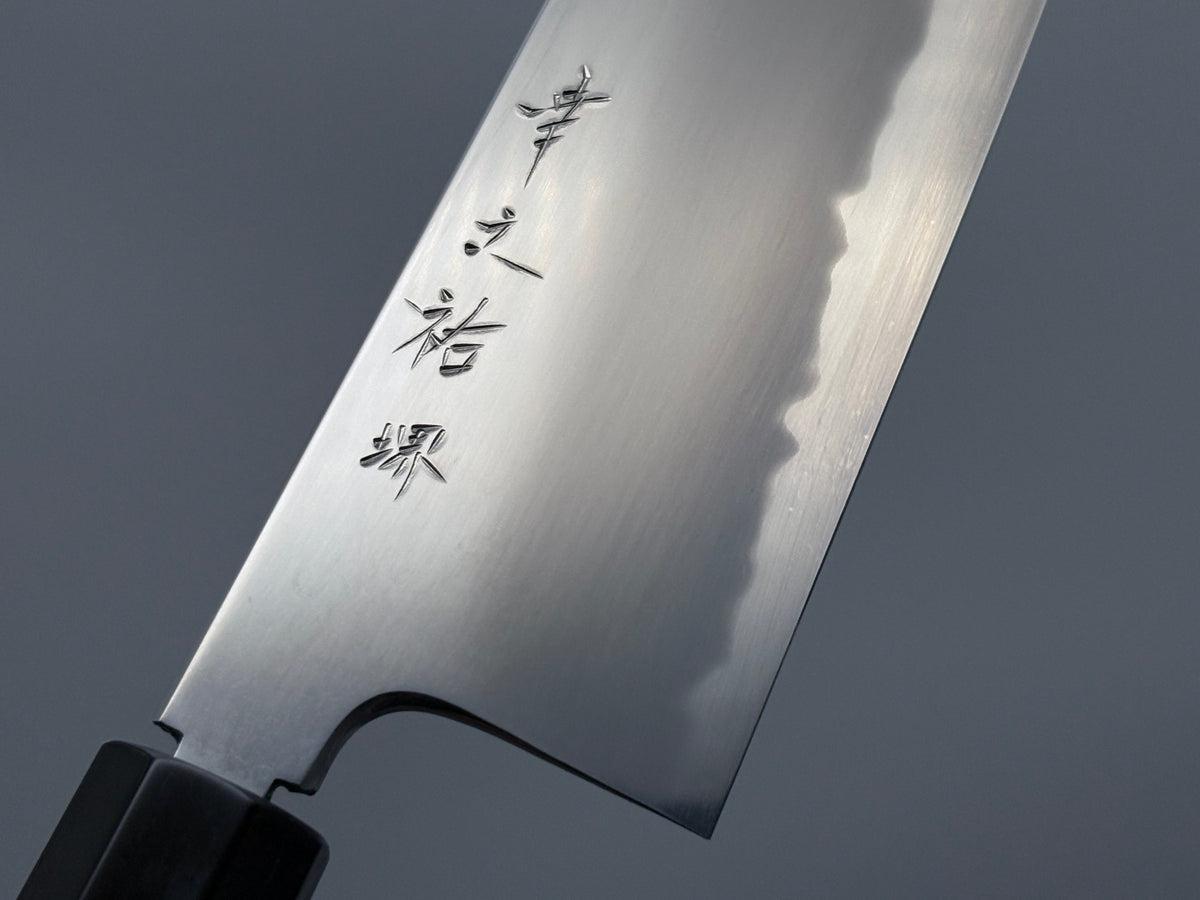
Among the makers producing strong examples of both is Hado Knife, based in Sakai City, Osaka Prefecture. Sakai has been making professional-grade blades for centuries. Hado works within that tradition through careful hand-finishing, precise edge geometry, and premium steels including SG2 and Ginsan. It is a useful reference point when exploring what a well-made Japanese carving knife can do.
Sujihiki: the double-bevel slicer
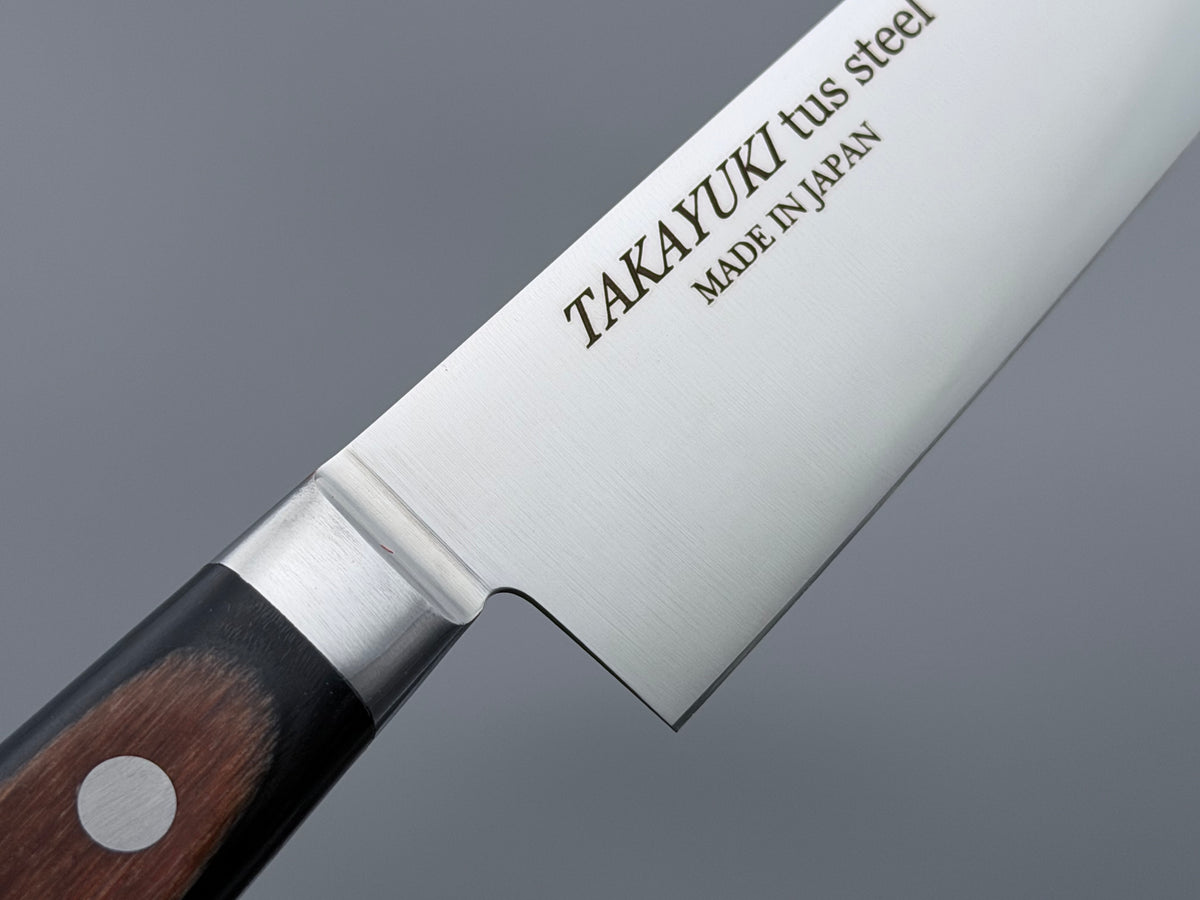
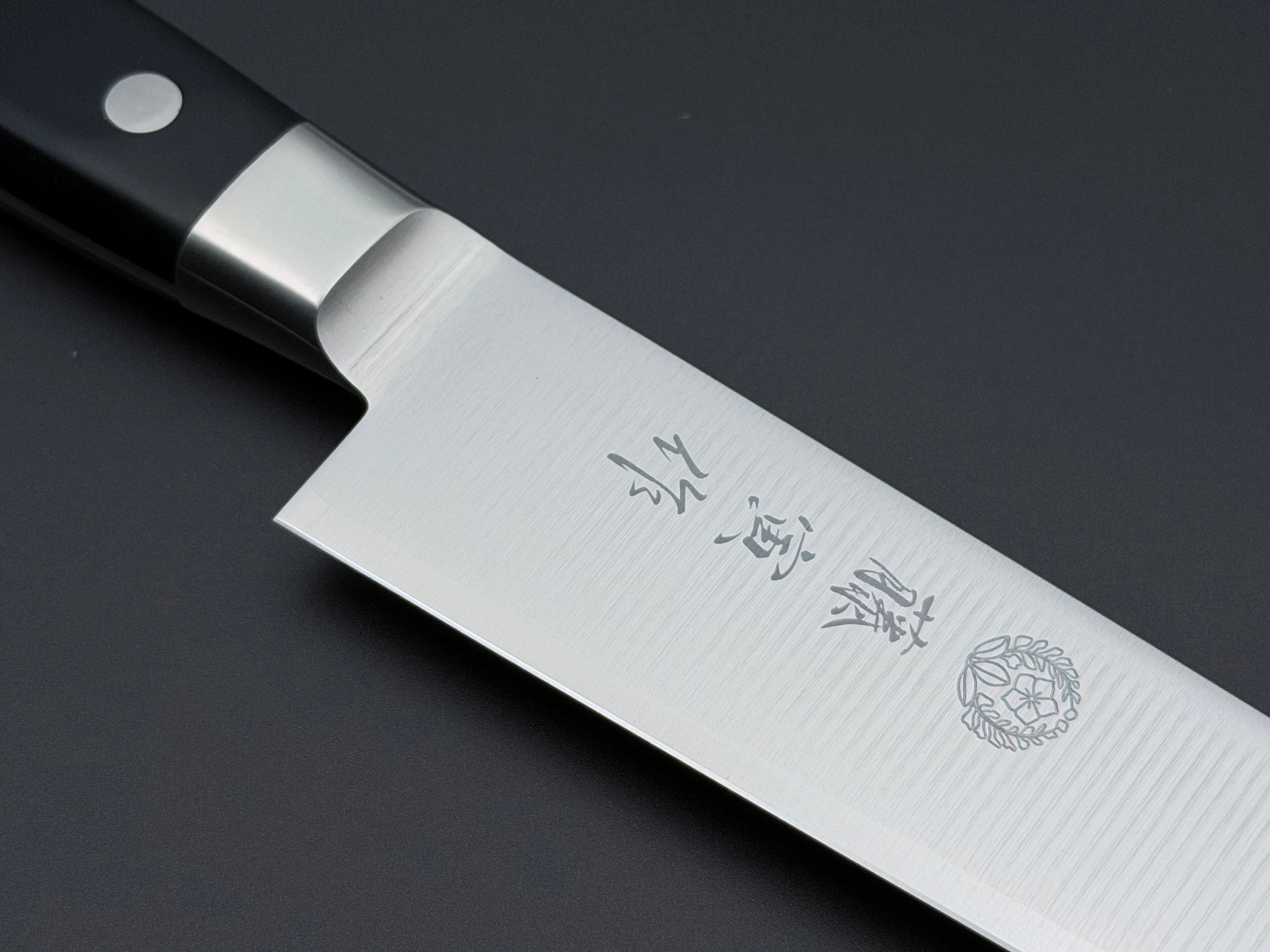
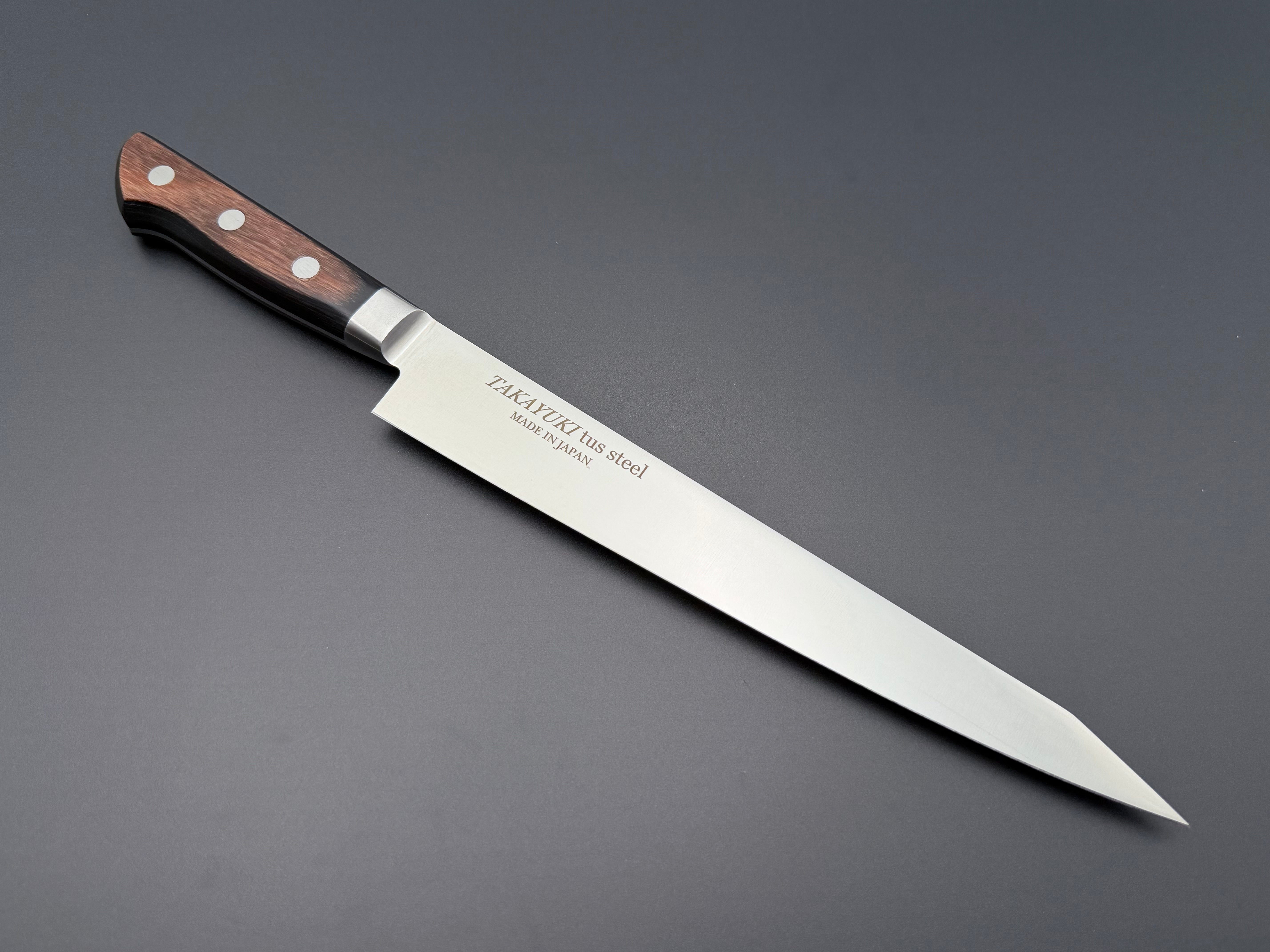
The sujihiki is the more accessible of the two. Its double-bevel edge will feel familiar to anyone used to Western-style knives, while the long, narrow blade, typically between 240mm and 300mm, gives it the reach needed to carve a roast chicken, brisket, or salmon fillet in one smooth pull. The symmetrical grind also makes sharpening more manageable for home cooks, since standard whetstones work on both sides equally.
This is the Japanese carving knife most people should start with. It handles cooked meats, fish, and dense vegetables with equal confidence, and fits naturally into a kitchen that already uses Japanese knives for everyday prep. The reduced blade width compared to a chef's knife limits drag, so each slice comes away cleaner with less effort behind it.
Yanagiba: the single-bevel sashimi knife
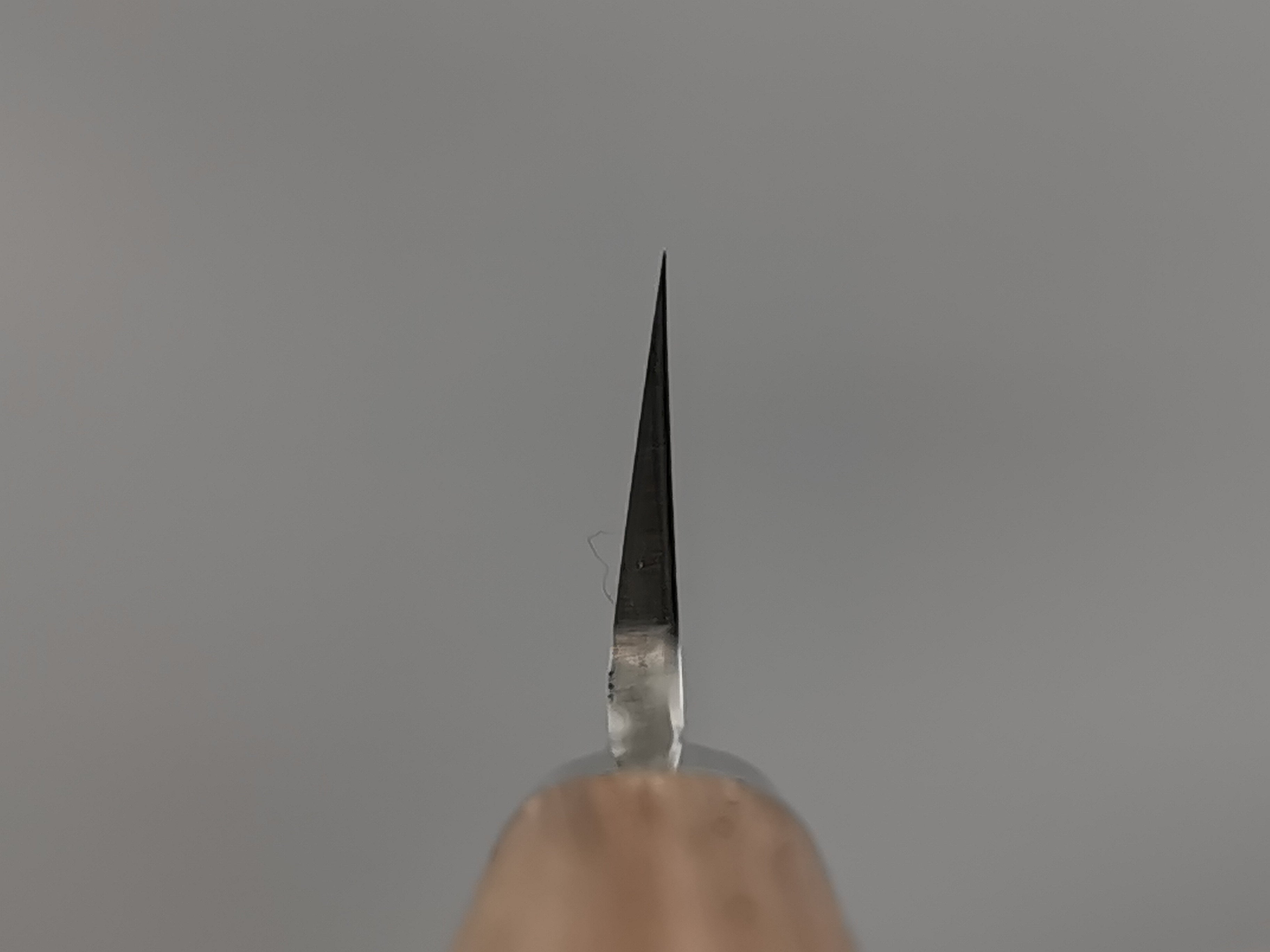
The yanagiba is a traditional single-bevel knife built specifically for raw fish. Its asymmetrical kataba grind concentrates the cutting edge on one side, reducing the surface area in contact with food and allowing the knife to pass through delicate fish flesh without tearing or compressing it. Professional sushi chefs use it because it preserves the texture and appearance of each slice in a way a double-bevel blade cannot.
The learning curve is steeper, as sharpening a single-bevel knife requires some technique. But if raw fish preparation is a regular part of your cooking, a yanagiba earns its place quickly.
Choosing the right blade length
Blade length matters more with carving knives than almost any other style. A shorter blade requires more strokes to complete a cut, which increases the chance of uneven slices. For most home cooks, something in the 210mm to 240mm range offers a good balance of control and reach. Those preparing larger cuts or working in a professional setting may prefer a blade from the 241mm to 299mm range for a longer, more efficient stroke. As a general rule, the longer the pull, the less disturbance to the surface of whatever you are cutting.
Steel choices for carving knives
The steel a knife is made from affects how sharp it gets, how long it holds that edge, and how much care it needs. Among the popular options across our range:
- Aogami (Blue) steel, a reactive carbon steel that takes an exceptionally keen edge and suits experienced sharpeners
- Ginsan Silver 3 steel, a semi-stainless option that offers near-carbon sharpness with easier maintenance
- R2/SG2 steel, a high-performance powder steel with excellent edge retention and good corrosion resistance
Find your Japanese carving knife
Whether you are drawn to the versatility of the sujihiki or the precision of the yanagiba, the right Japanese carving knife will change how you approach slicing. Both styles reward a little patience in learning how to use and maintain them, and both are available here, sourced directly from skilled makers across Japan. Browse the full selection in our Japanese carving and slicing knives collection.