
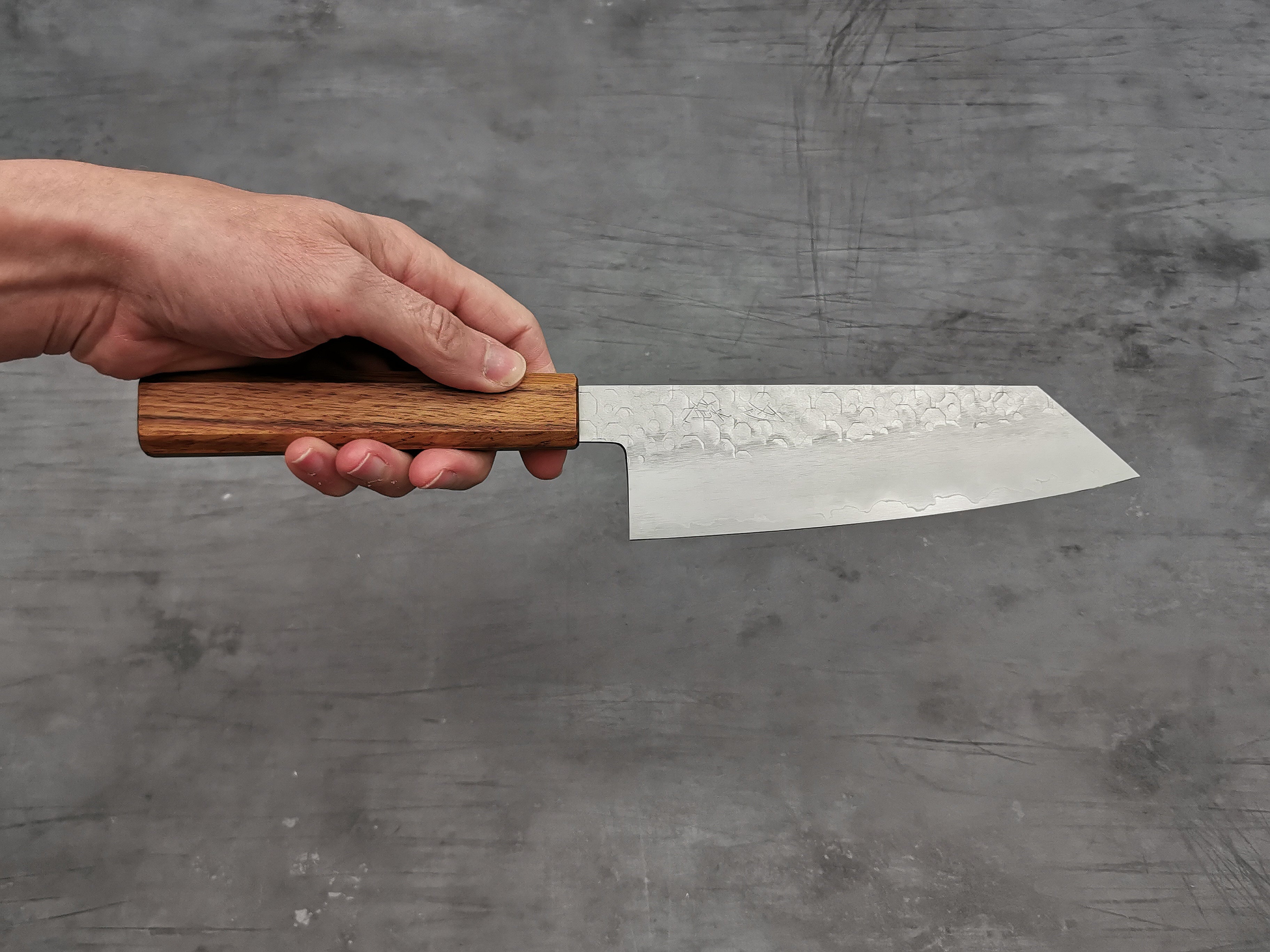
Why the handle matters more than you think
When people buy a new kitchen knife, the blade gets all the attention. Steel type, hardness, edge geometry, these are the things enthusiasts argue about. But the handle plays an equally important role in how a knife actually feels and performs. Get it wrong and even a superb blade becomes awkward to use. Get it right and the whole experience is different.
At Cutting Edge Knives we stock a wide range of handmade Japanese knives, including those from Hado Knife, a Sakai-based maker whose attention to balance and detail extends all the way to how each knife sits in the hand. Handle design is never an afterthought there, and it shows.
Wa handles: the traditional Japanese style
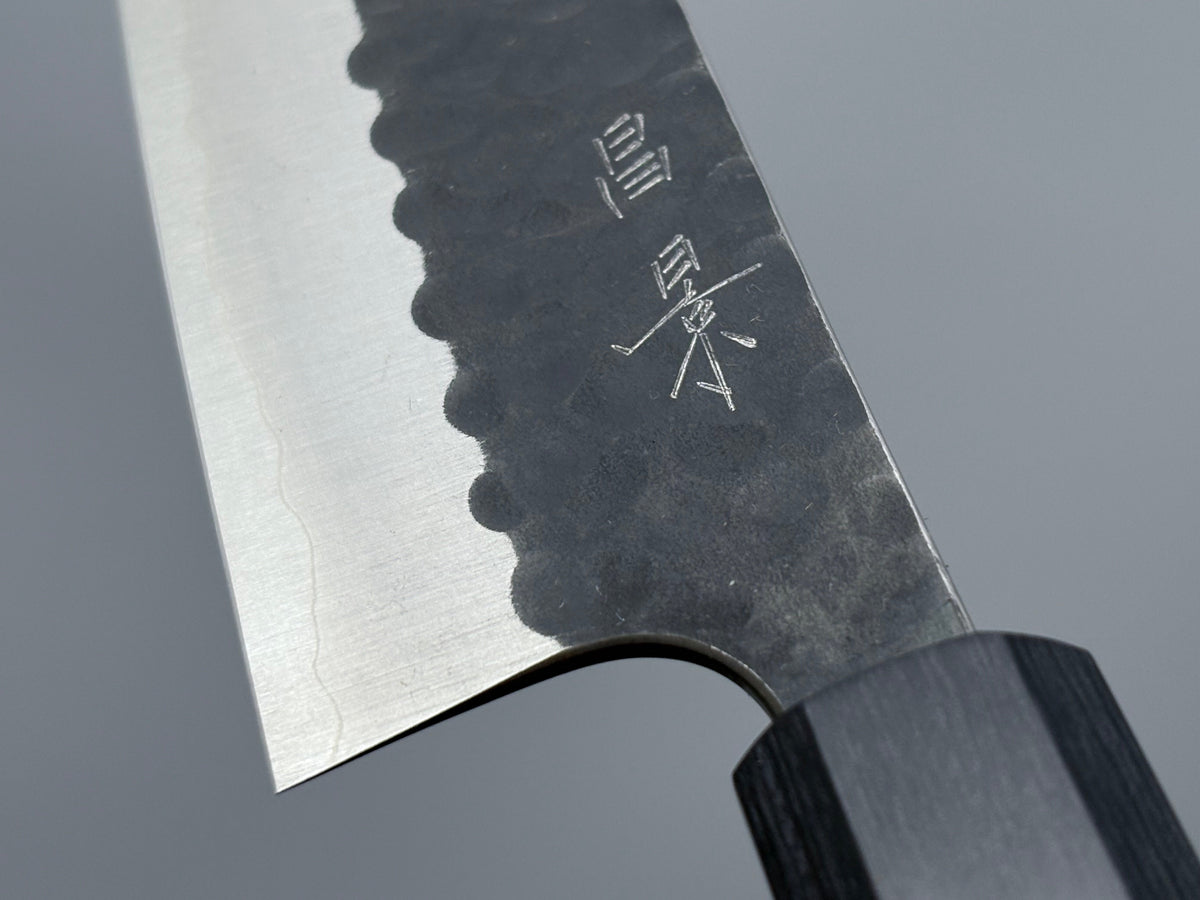
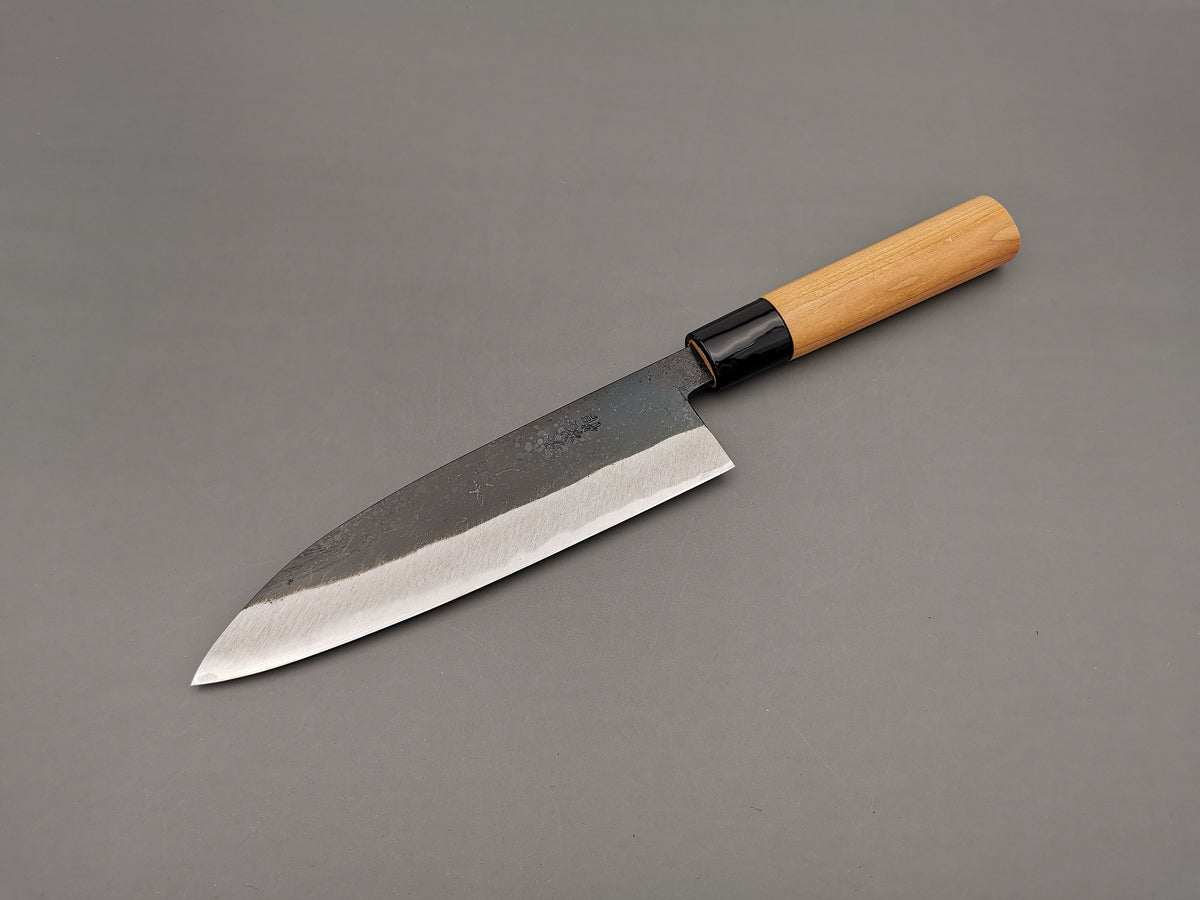
The wa handle is the one most associated with Japanese kitchen knives. It is typically octagonal, oval or D-shaped in cross section, and noticeably lighter than a Western handle. That shifts the balance point forward toward the blade, which many cooks prefer for precise, tip-led cutting work.
Most wa handles are made from ho wood (Japanese magnolia), which is lightweight, fine-grained and slow to absorb moisture. You will also find them in chestnut, cherry, ebony and various stabilised or exotic hardwoods. The ferrule, the collar sitting between wood and blade, is usually buffalo horn or synthetic resin. The construction is nearly always a hidden tang, meaning the blade steel extends only partway into the handle, which keeps the weight low and the feel clean in the hand.
If you browse our Japanese knife handles collection, you will see how much variety there is, and that it is perfectly possible to replace or upgrade the handle on a knife you already own.
Yo handles: Western-style handles on Japanese knives
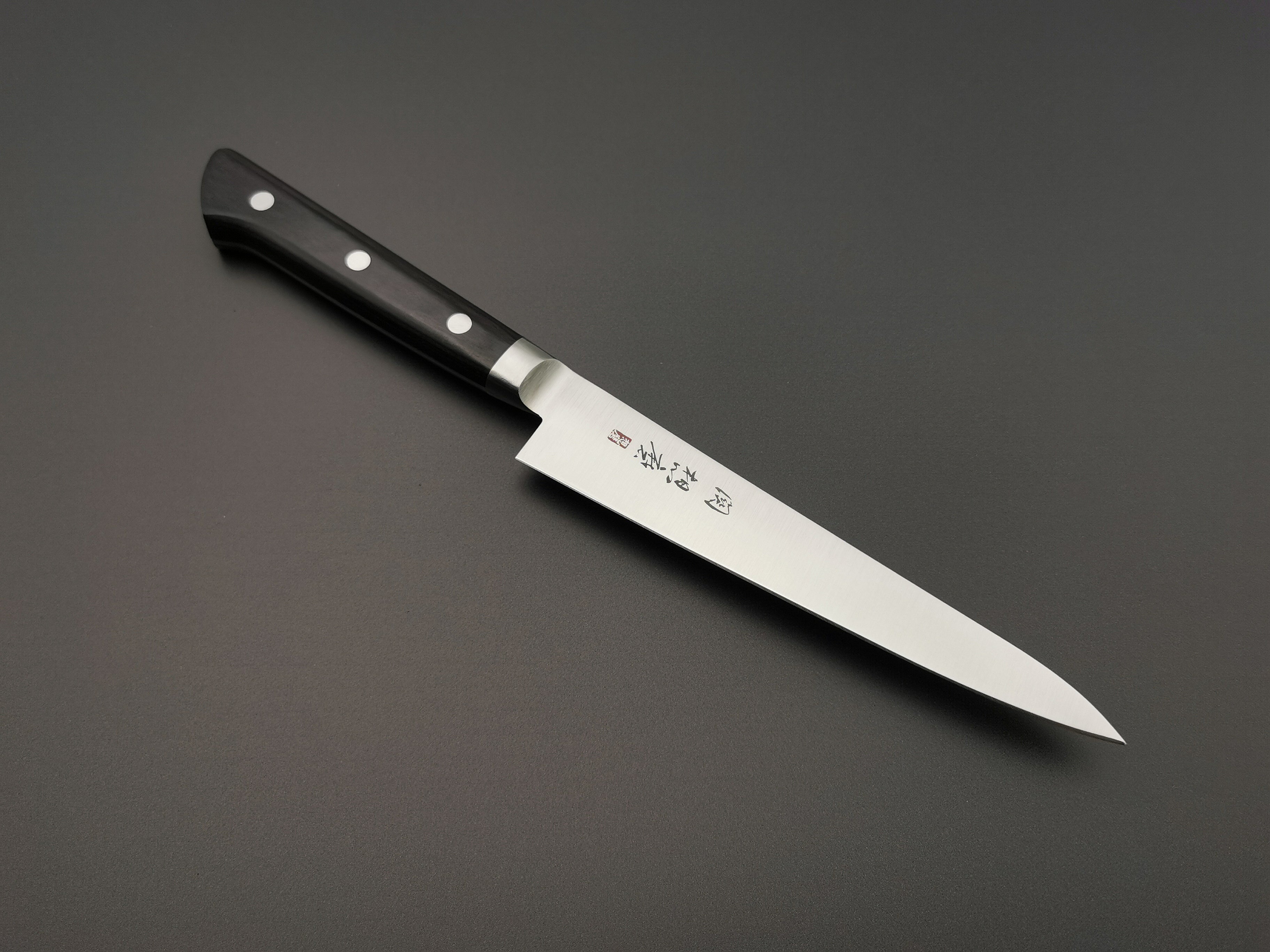
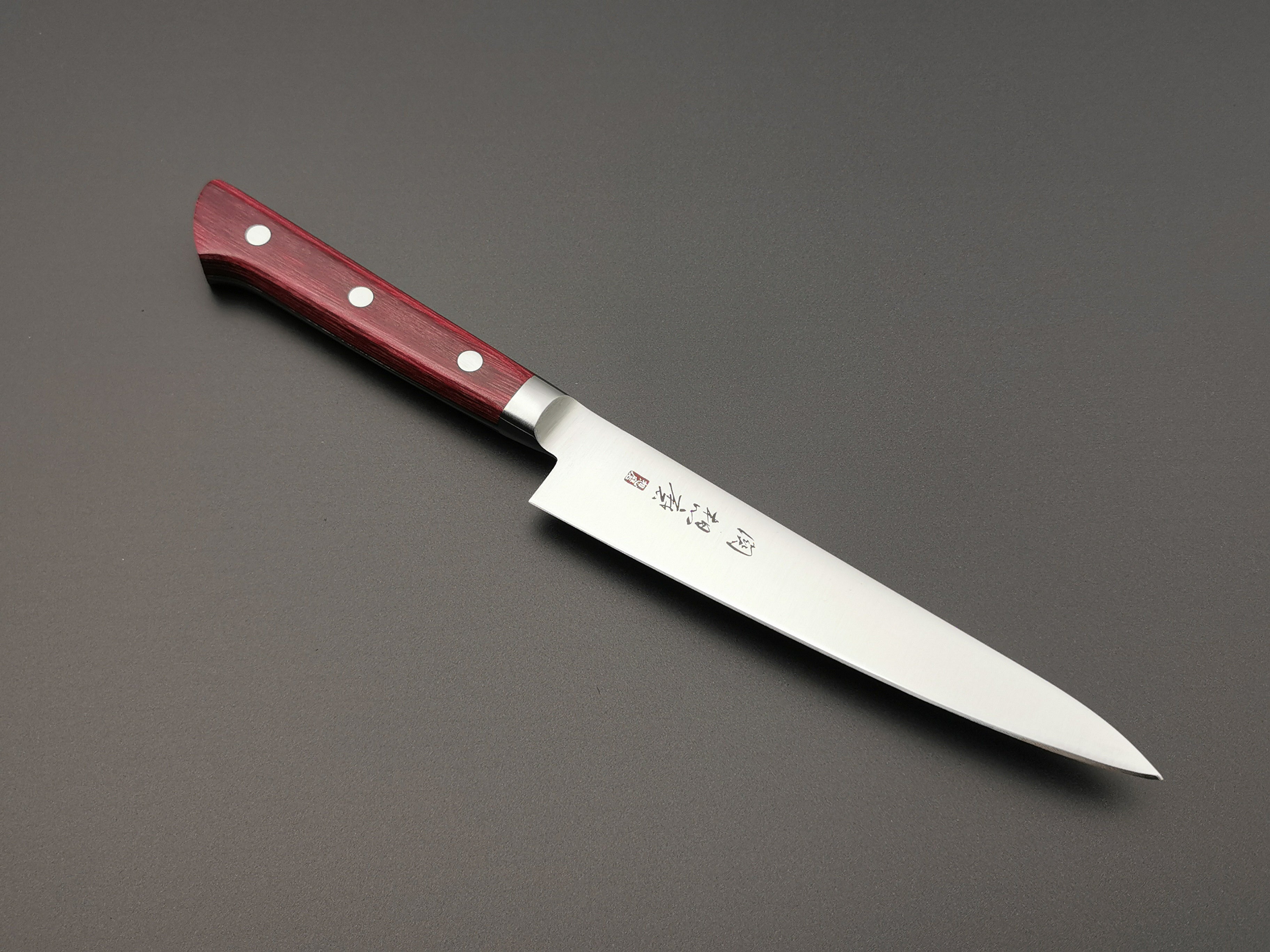
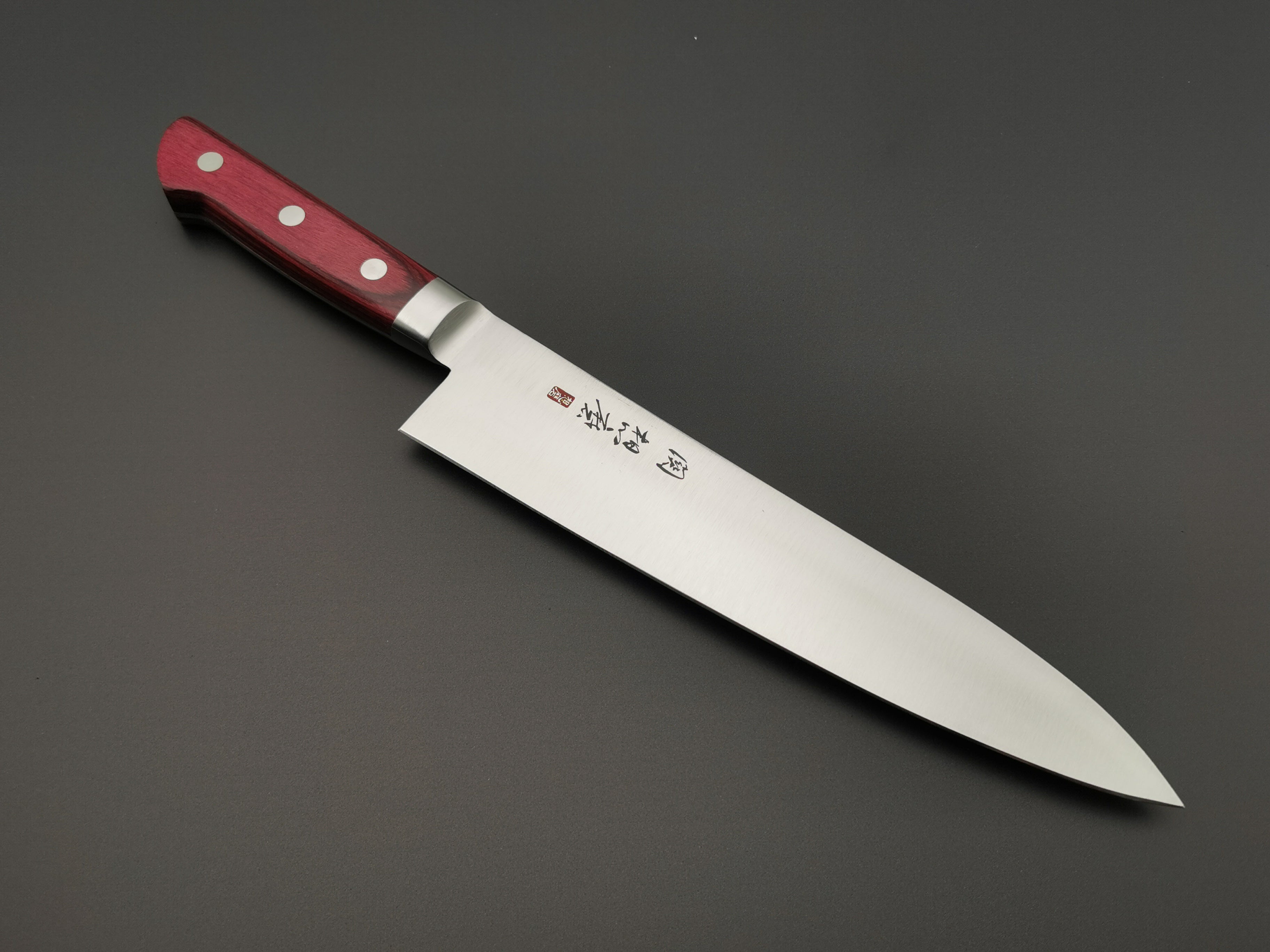
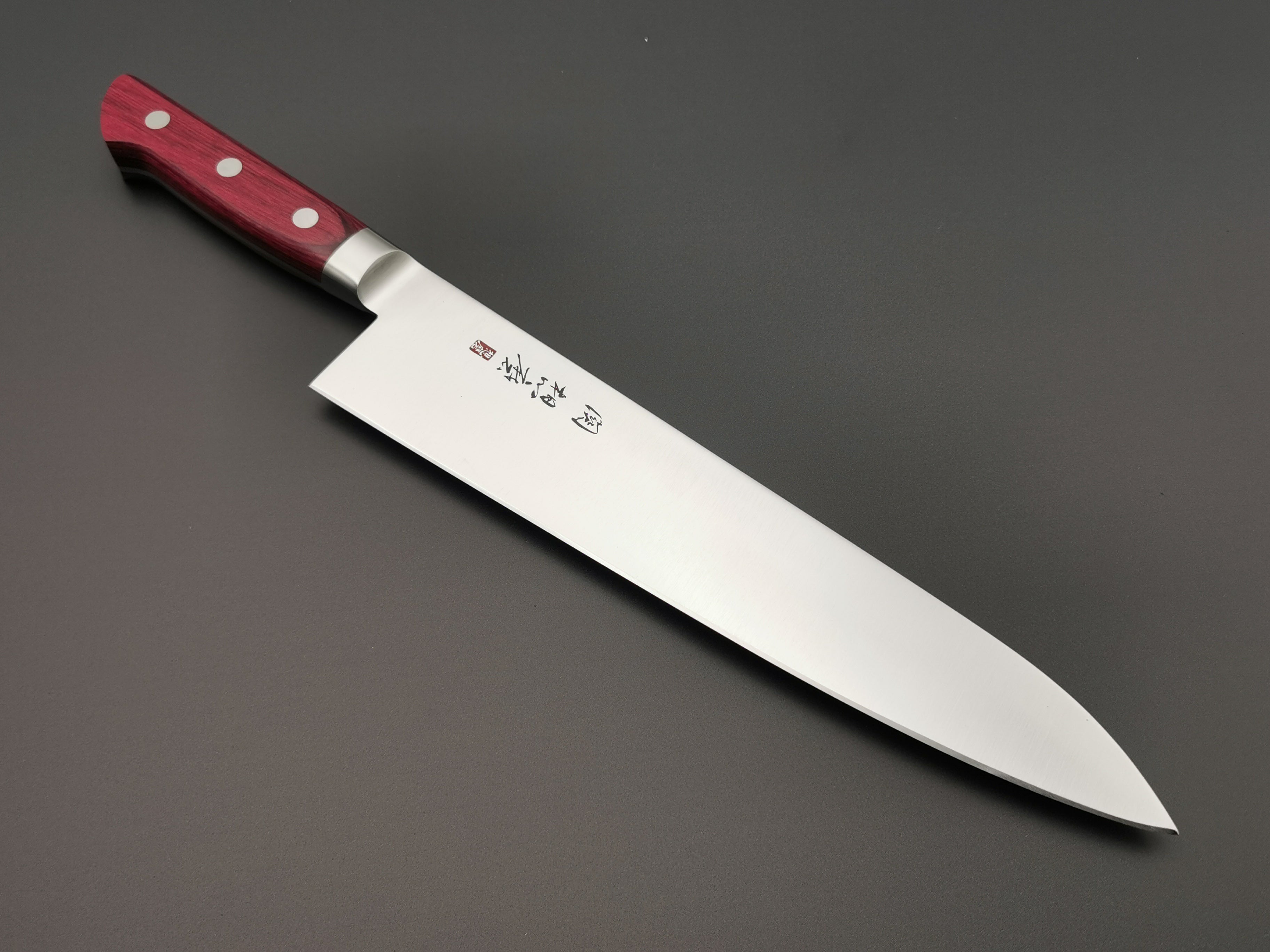
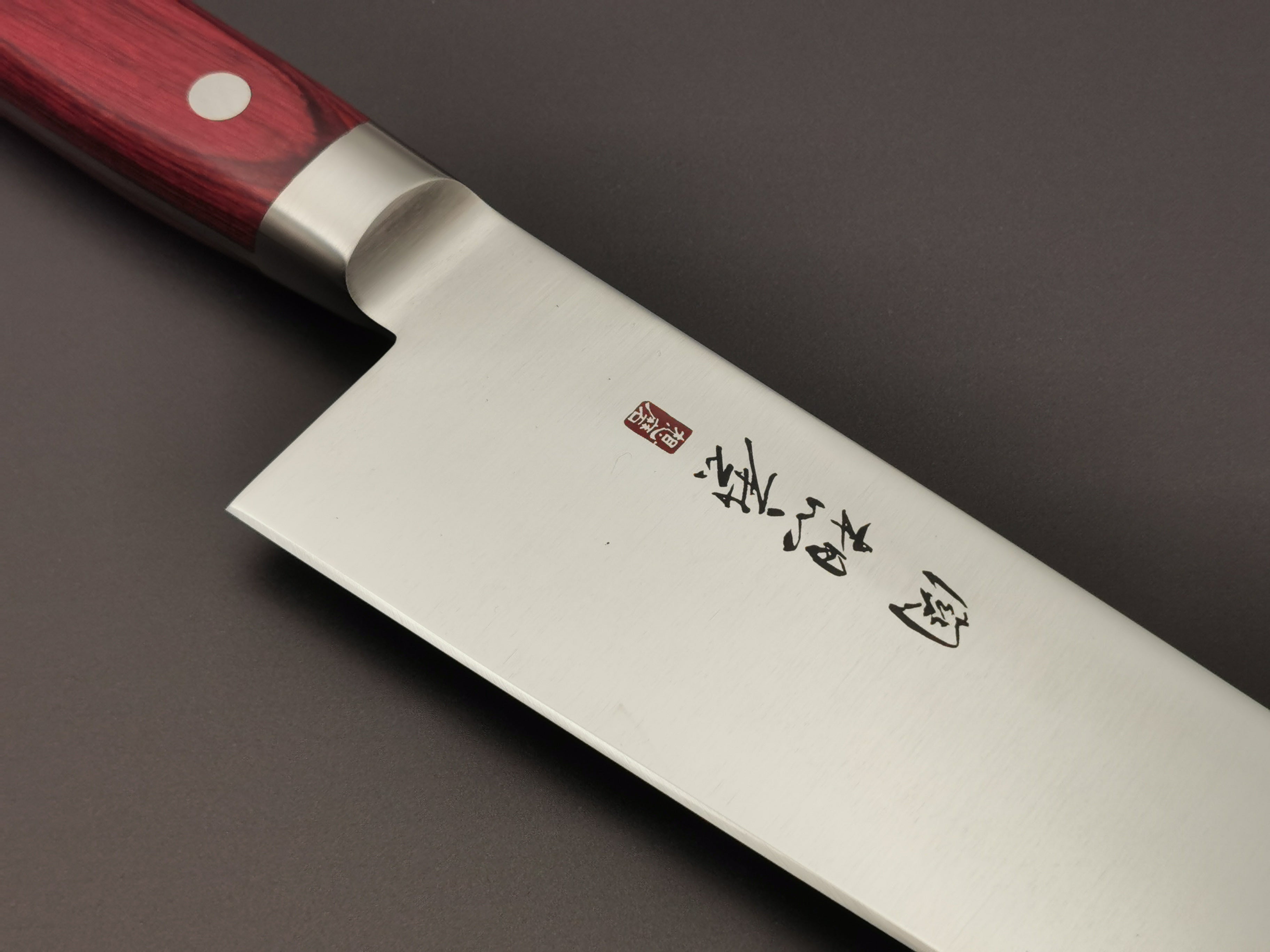
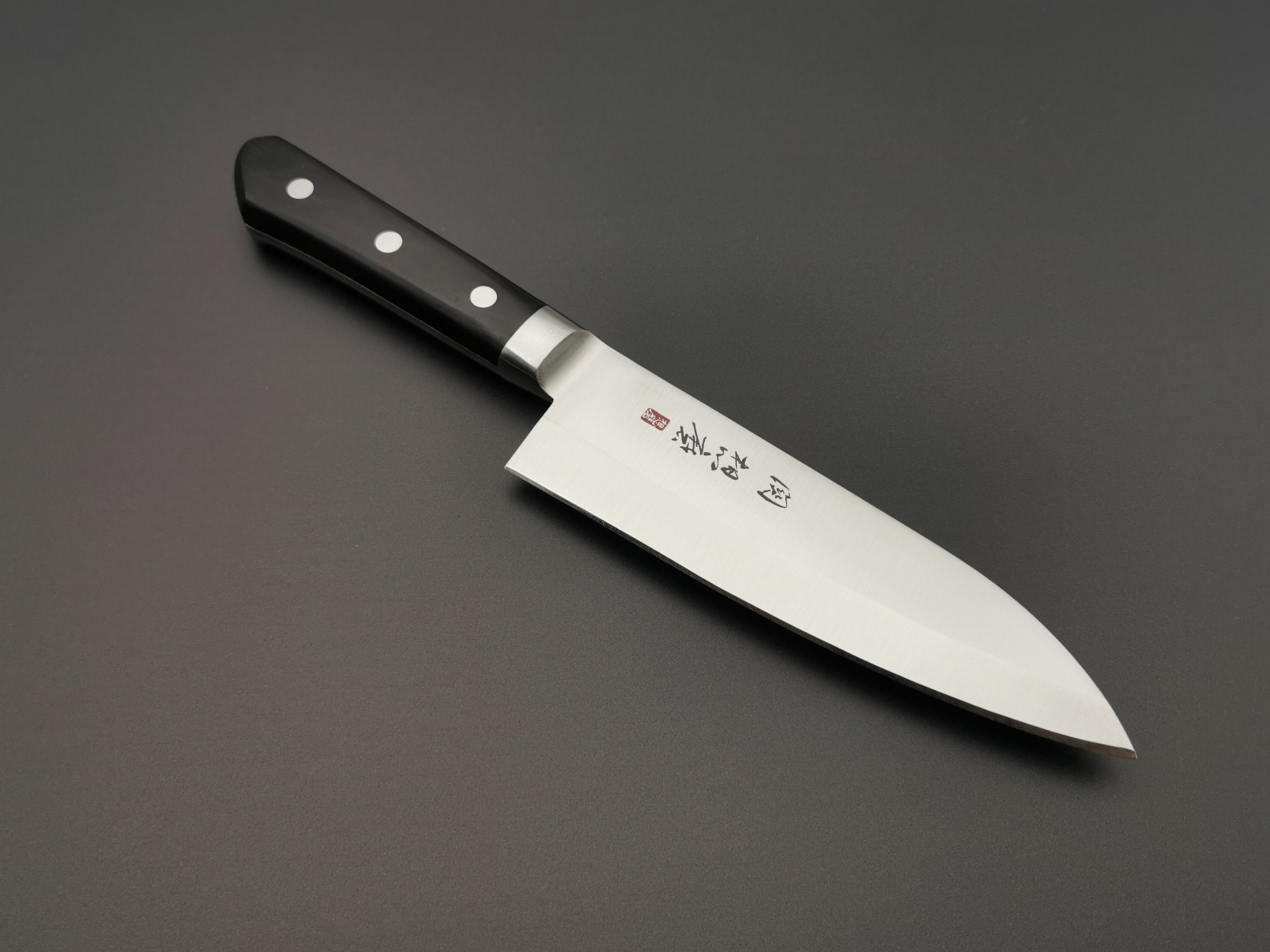
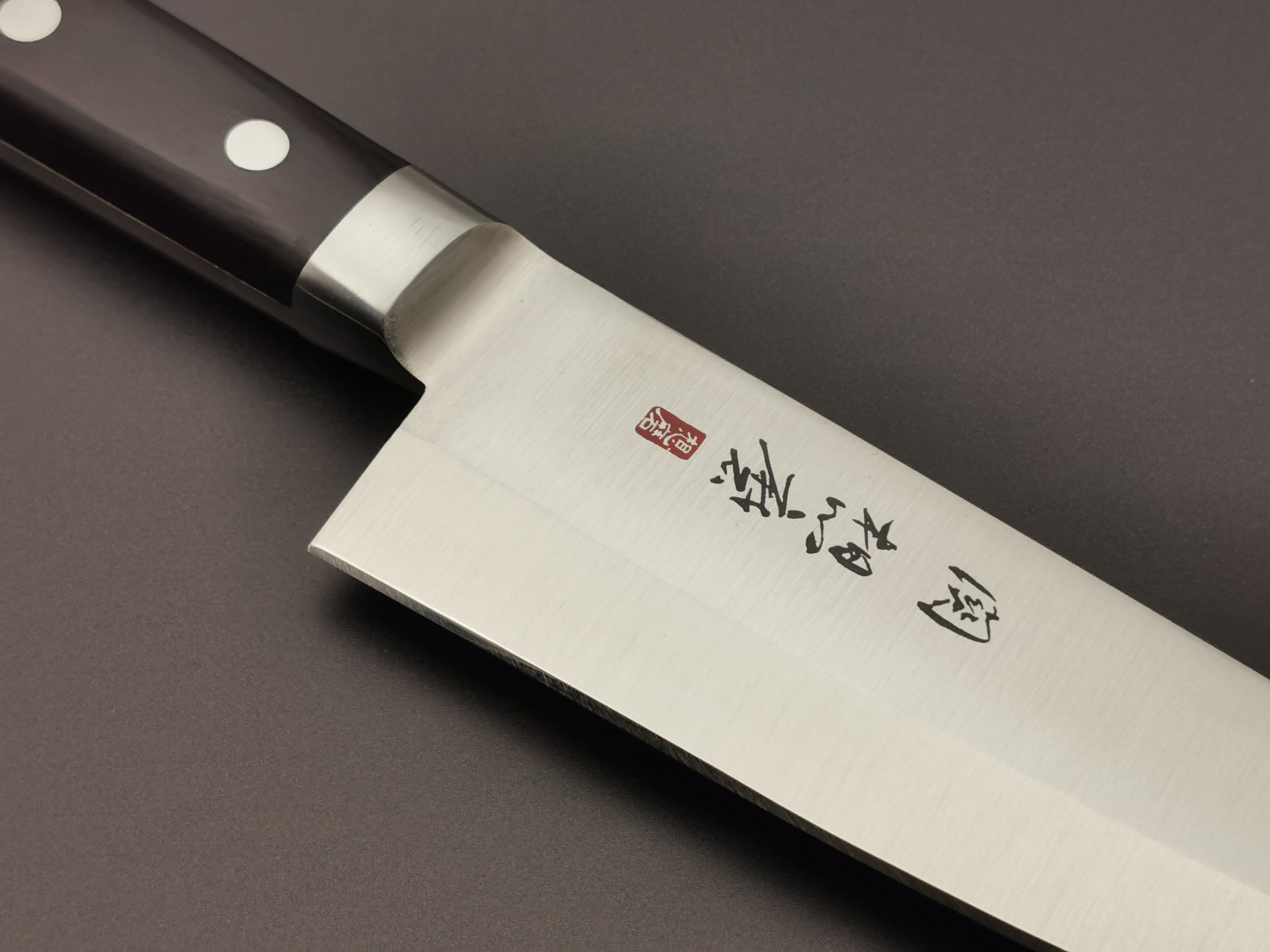
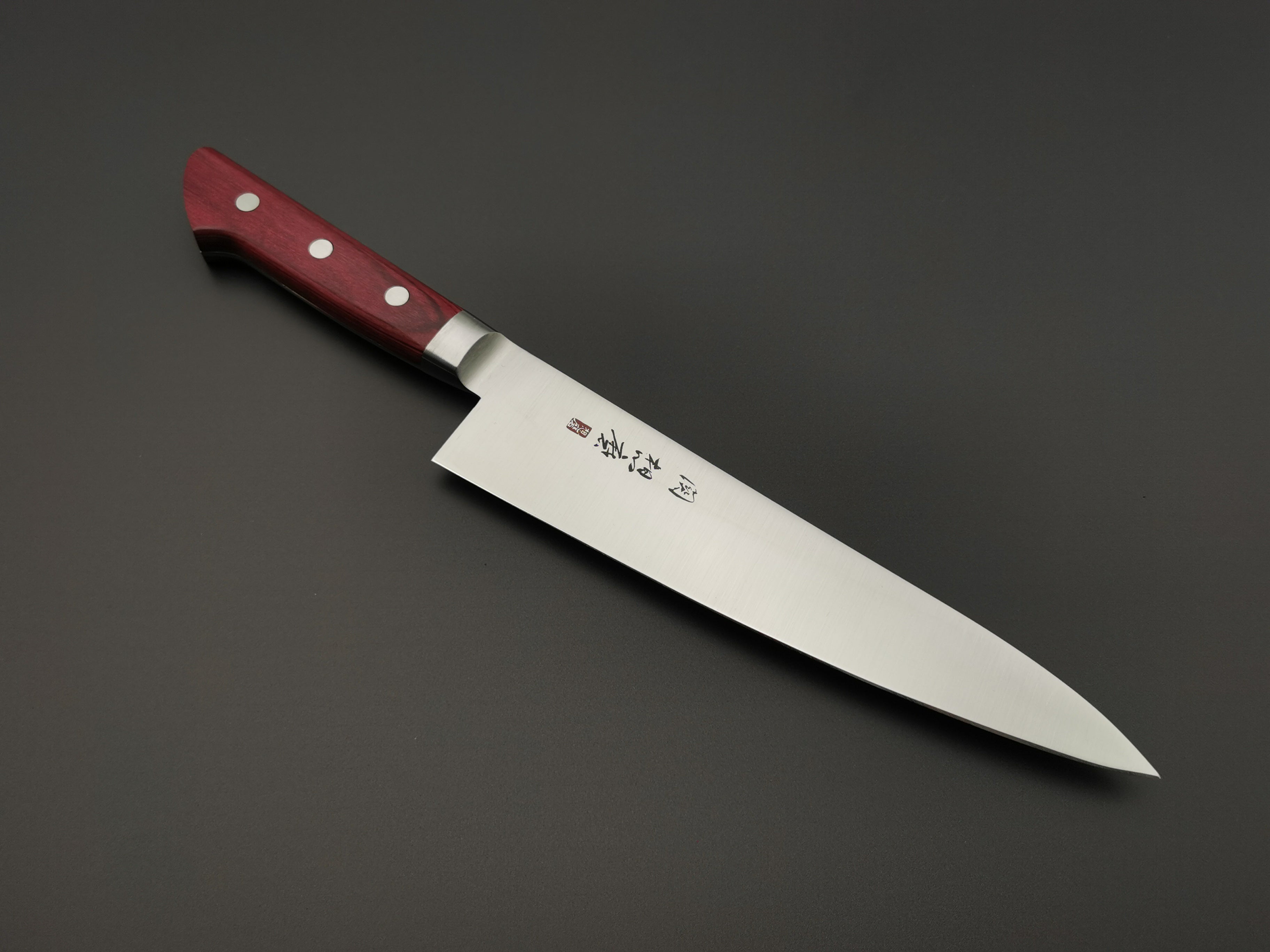
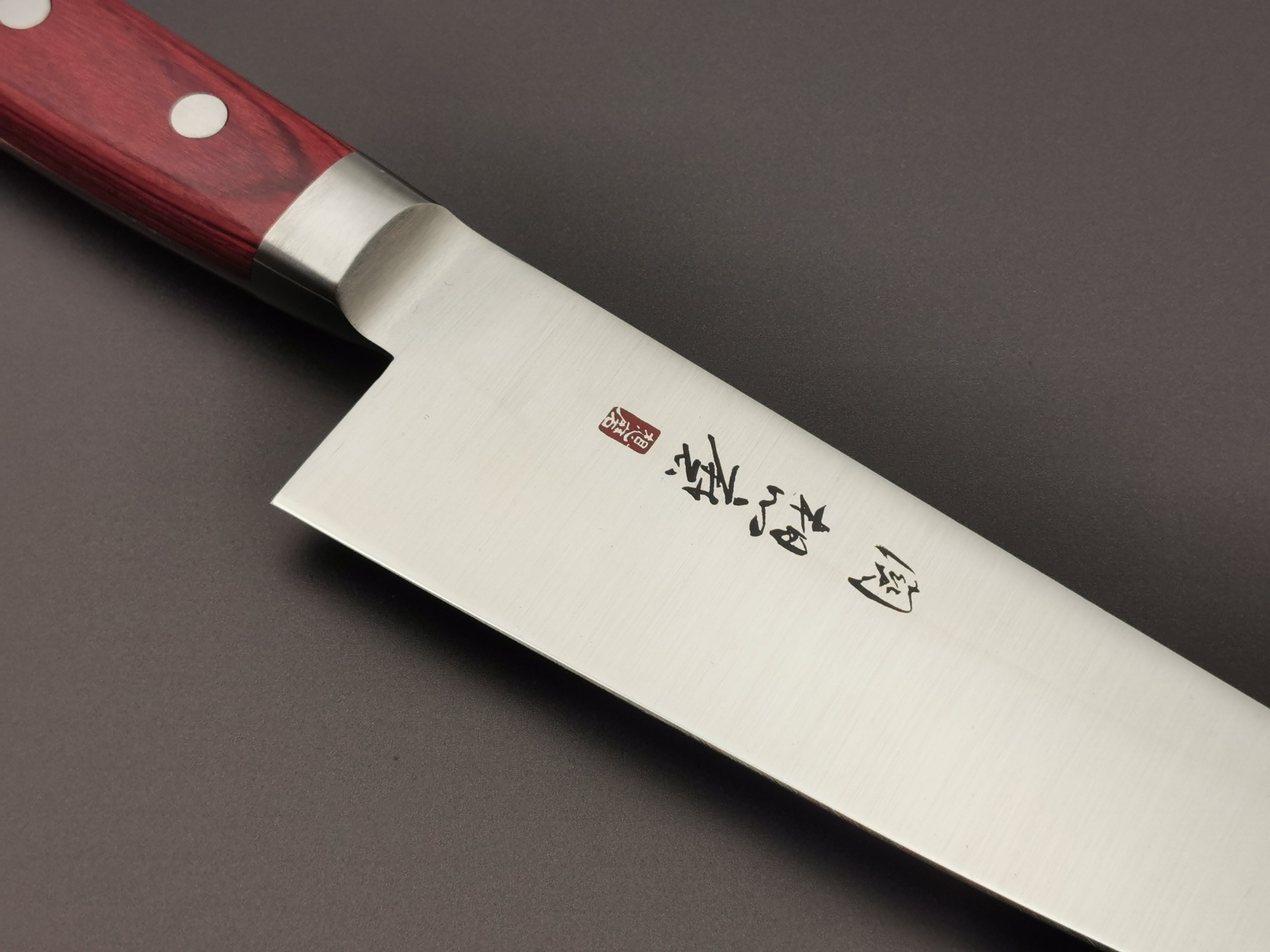
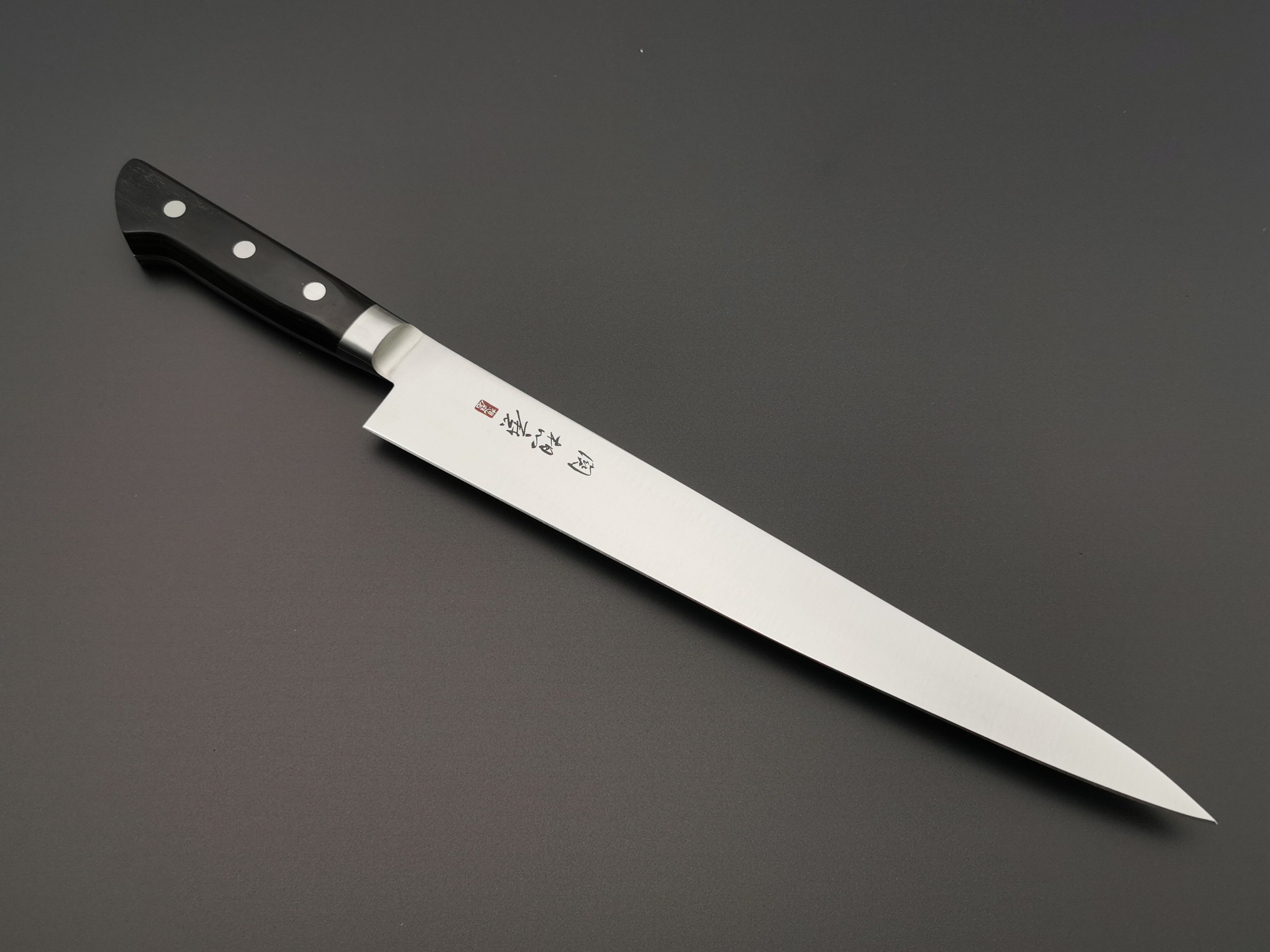
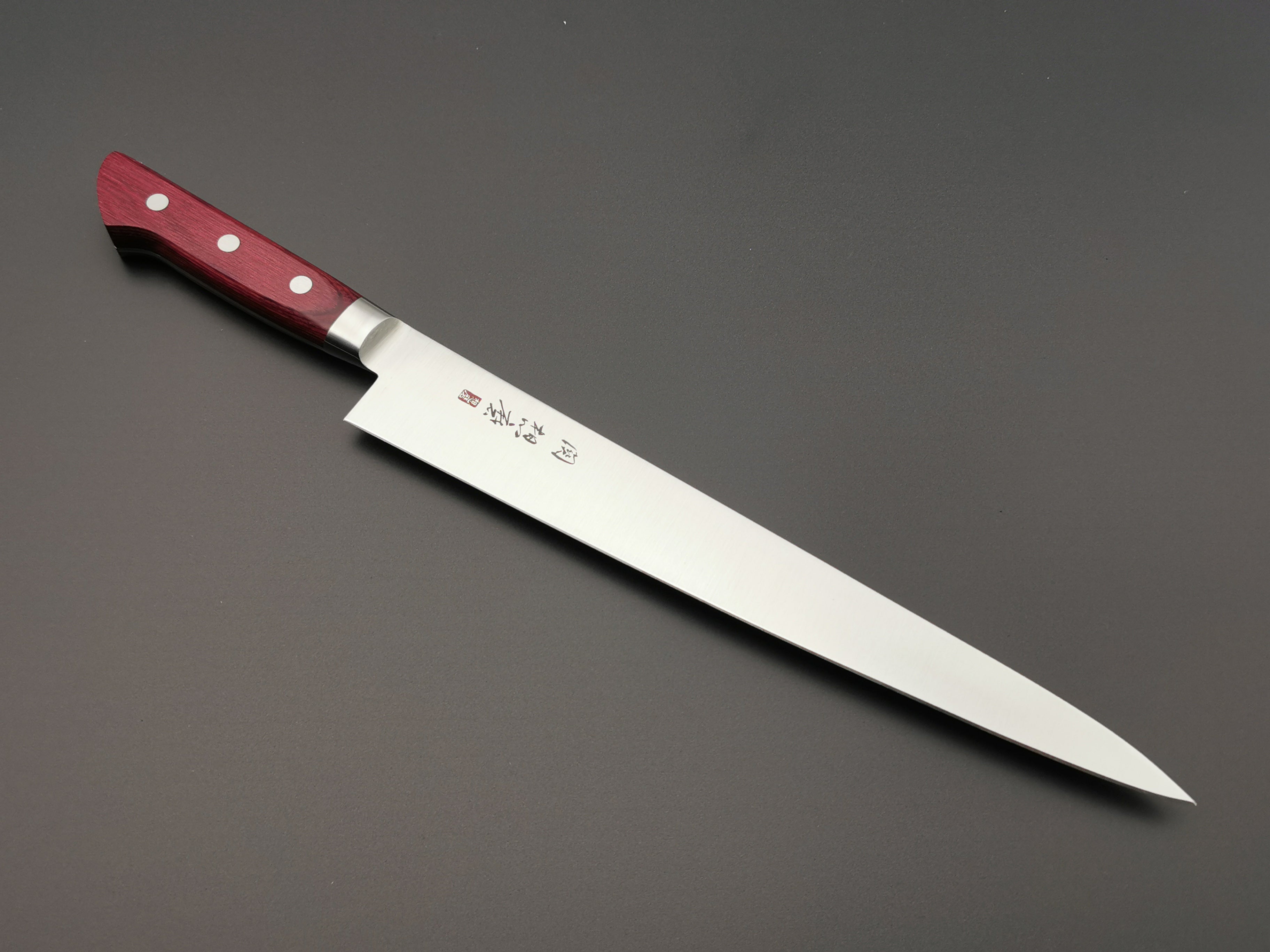
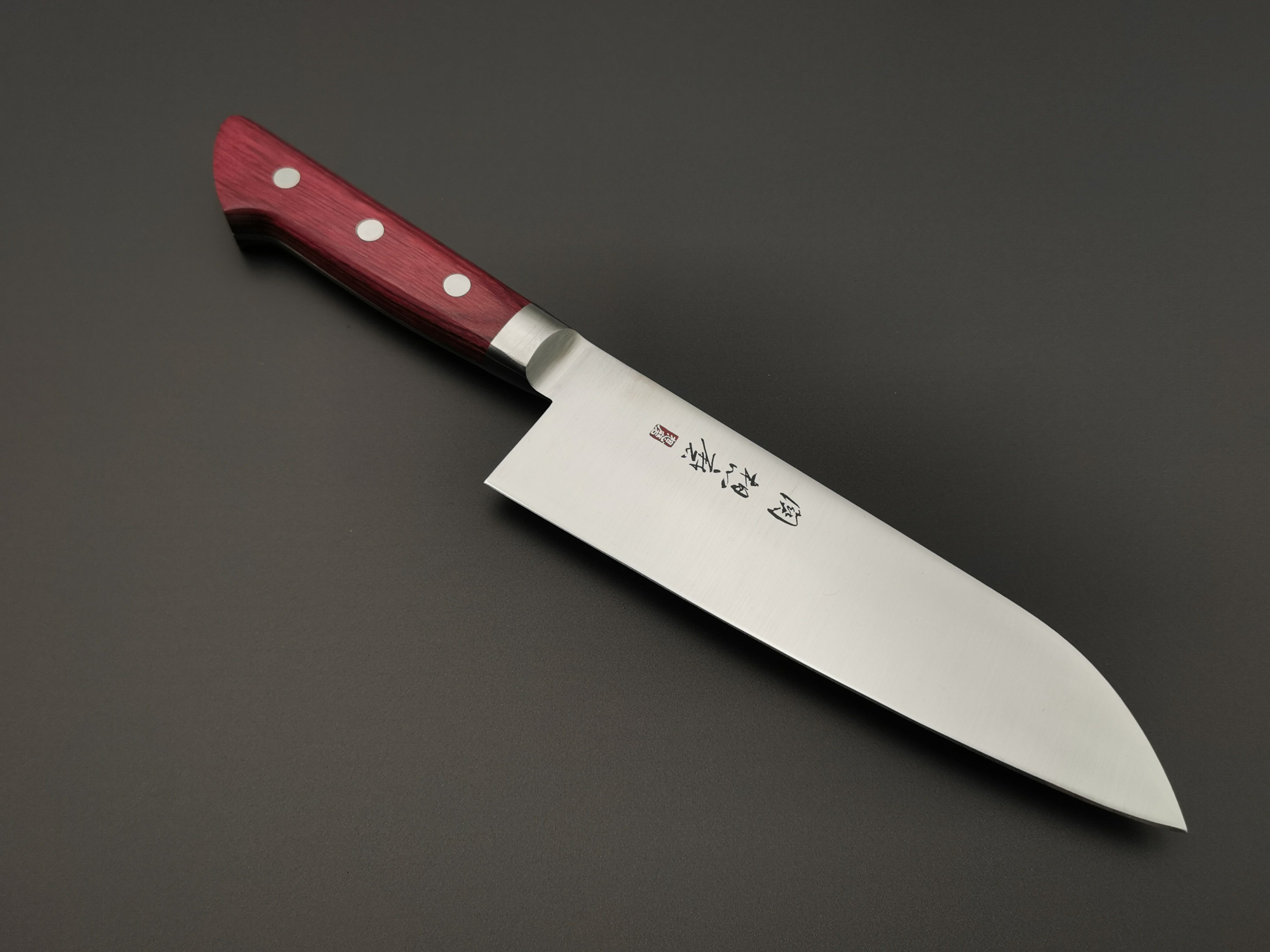
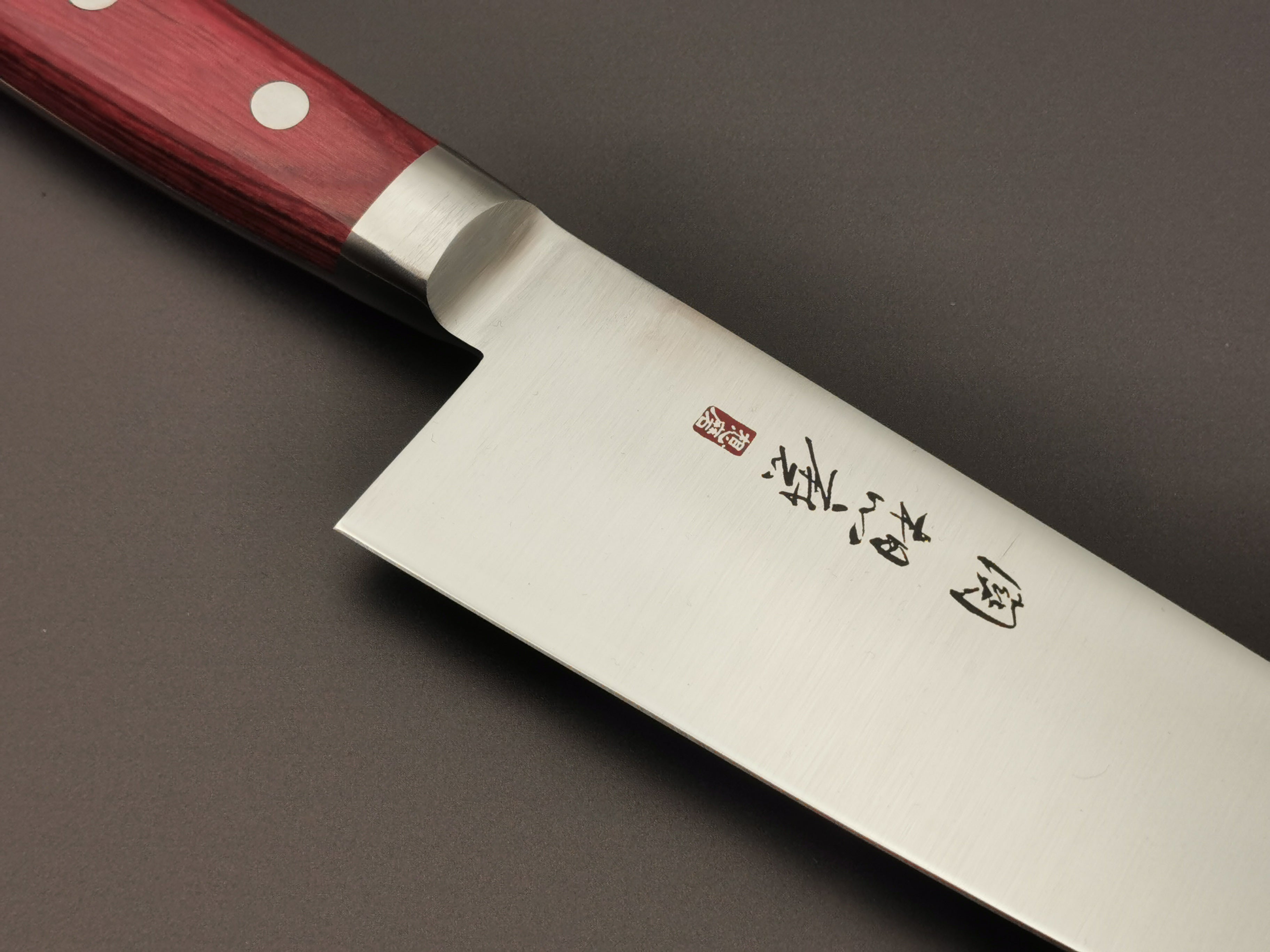
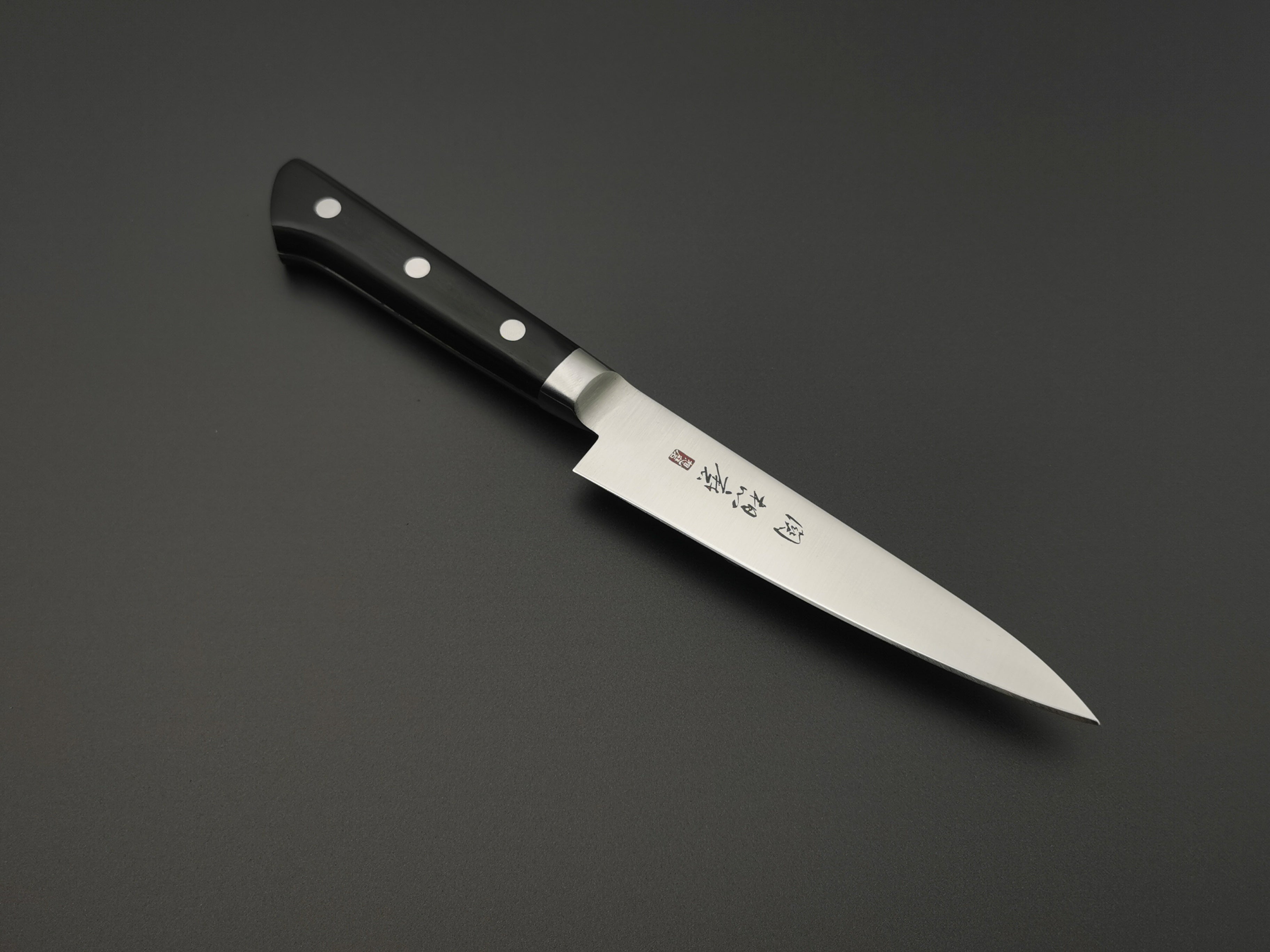
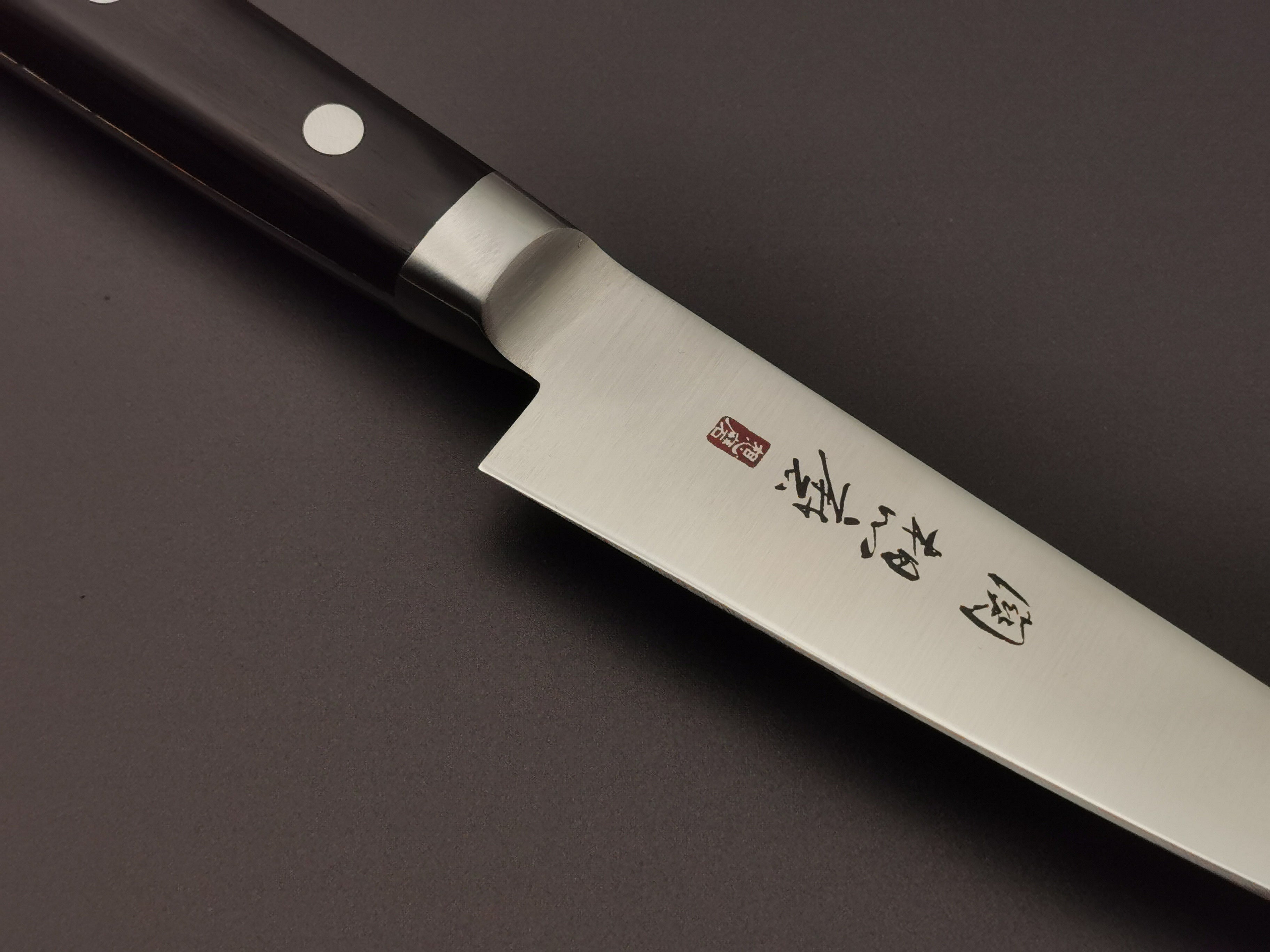
Yo handles follow the fuller, more familiar shape of a European chef's knife. They are riveted through a full tang and tend to be heavier, which brings the balance point closer to the middle. Cooks coming from a Western background often find this shape more comfortable straight away, particularly before they have developed a pinch grip habit.

Premium yo handles are usually made from pakkawood, G10, stabilised burl or resin composites: durable, moisture-resistant and visually striking. Several of the all-rounder Japanese chef knives we stock use yo handles to good effect, especially on gyuto styles where a longer blade benefits from a more substantial handle to anchor the grip.
How handle shape affects your grip and technique
The choice between wa and yo is partly personal and partly practical. Wa handles suit a pinch grip, where the thumb and forefinger hold the blade itself just above the handle. This gives excellent control and is standard technique in Japanese professional kitchens.

Yo handles work well with both a pinch grip and a full handle grip, which some home cooks find easier to sustain over a long session at the board.
- Wa handles: lighter, blade-forward balance, best suited to a pinch grip
- Yo handles: heavier, more central balance, comfortable with multiple grip styles
- Material matters: softer woods feel warmer in the hand, composites hold up better over time
Find the right knife for your kitchen
If you want to explore knives where handle design, blade steel and craftsmanship all come together, our best-selling Japanese knives are a good place to start. For replacement or upgrade options, take a look at our full Japanese knife handles collection and find something that suits the way you cook.