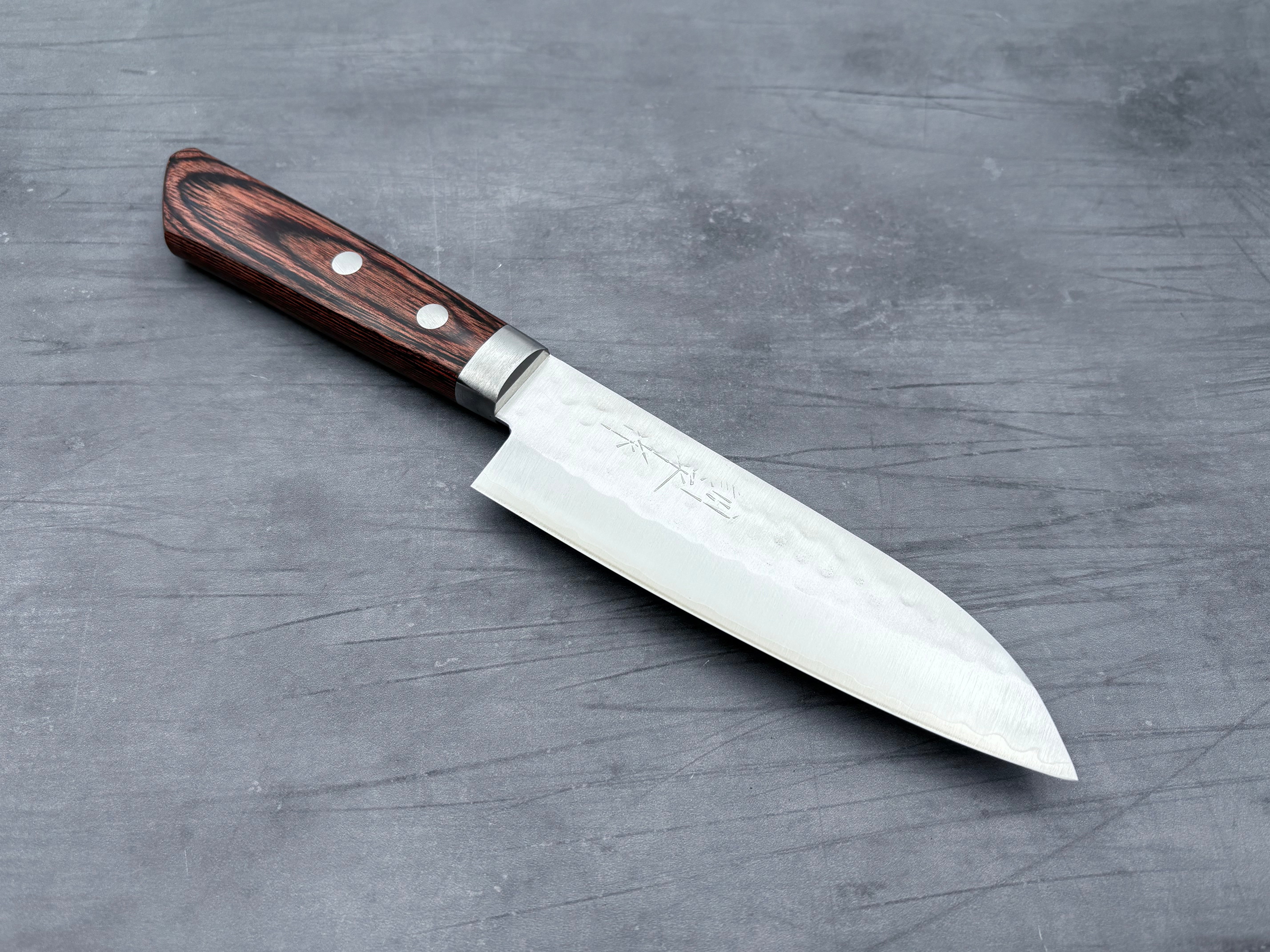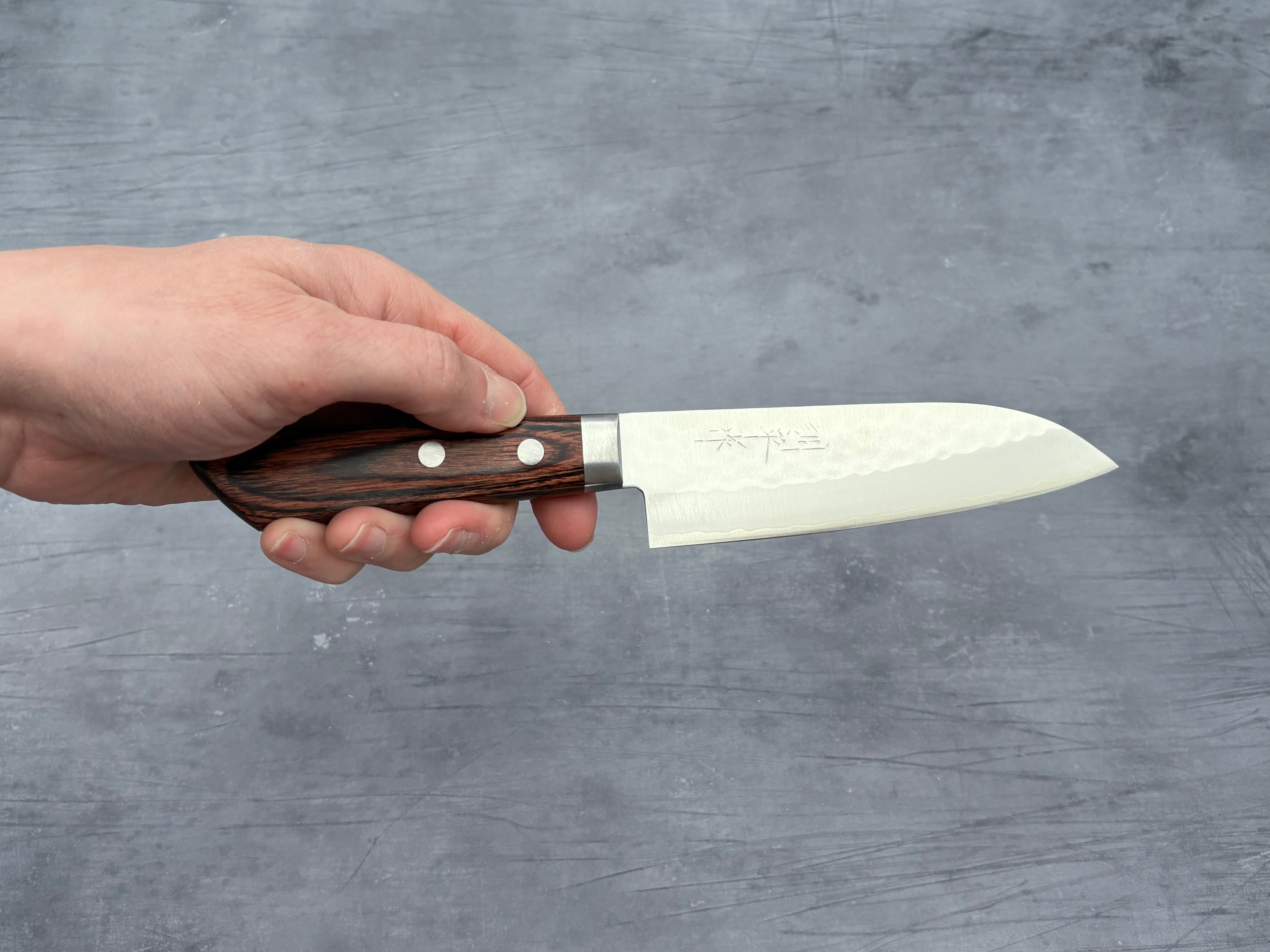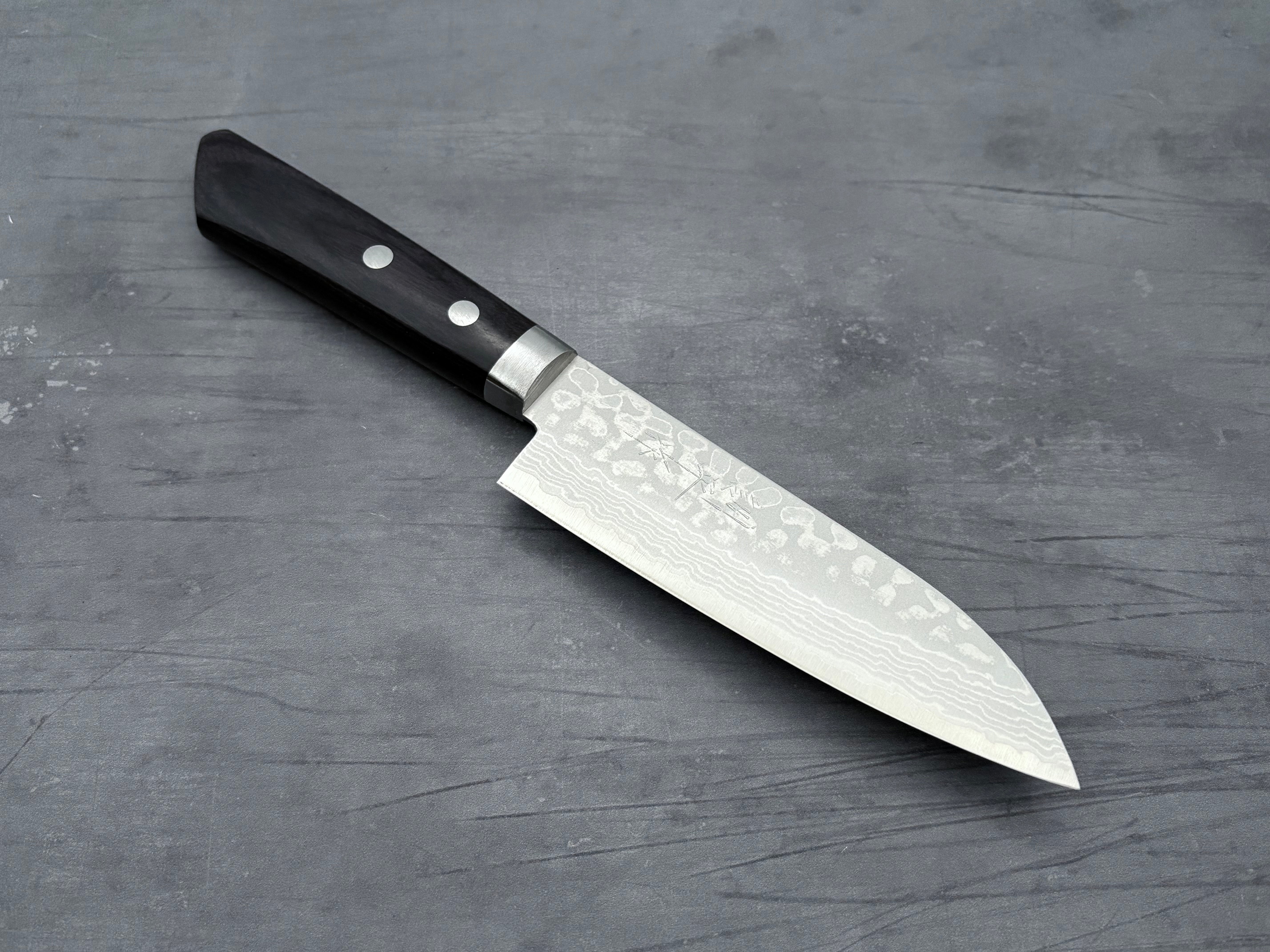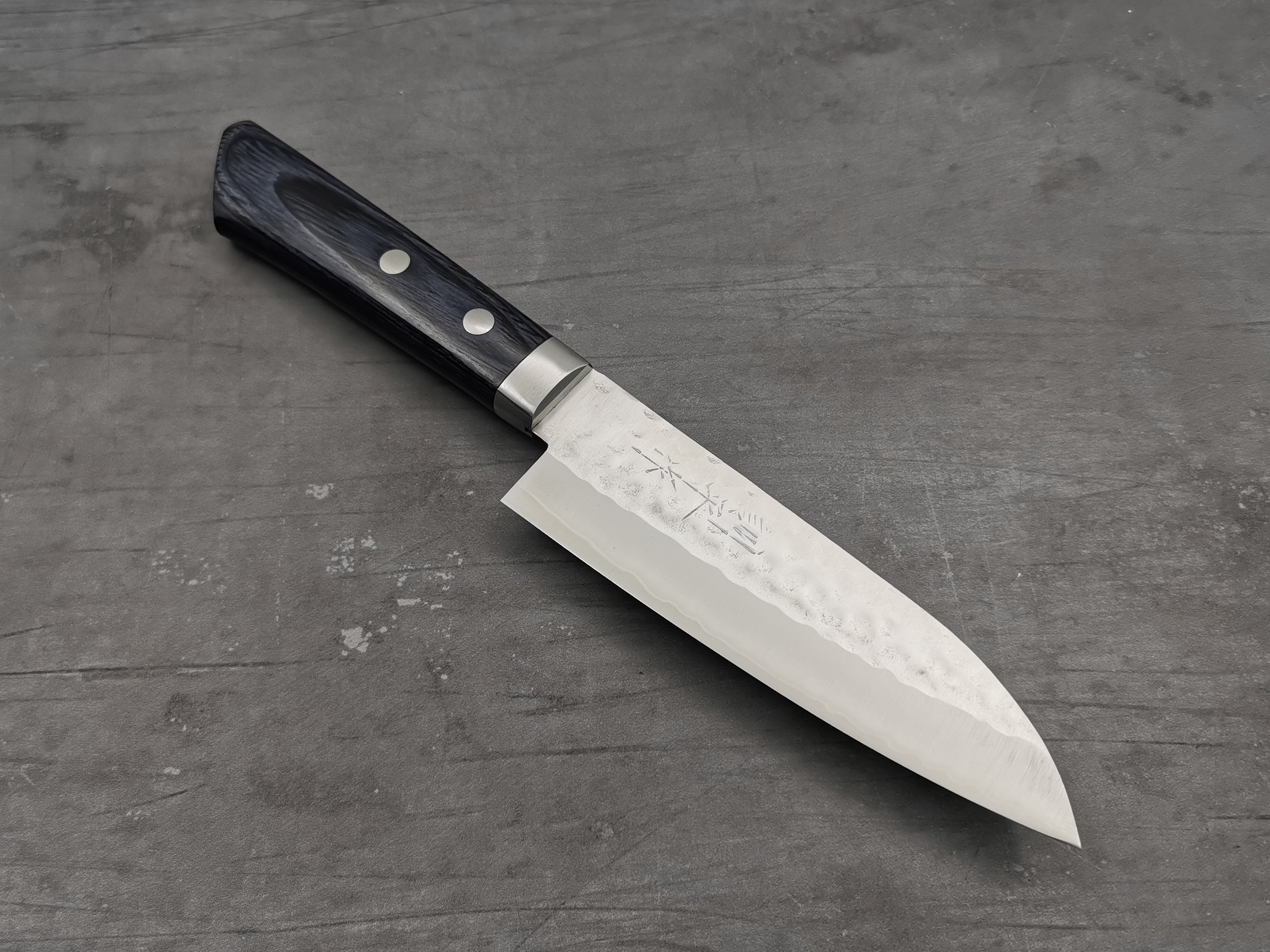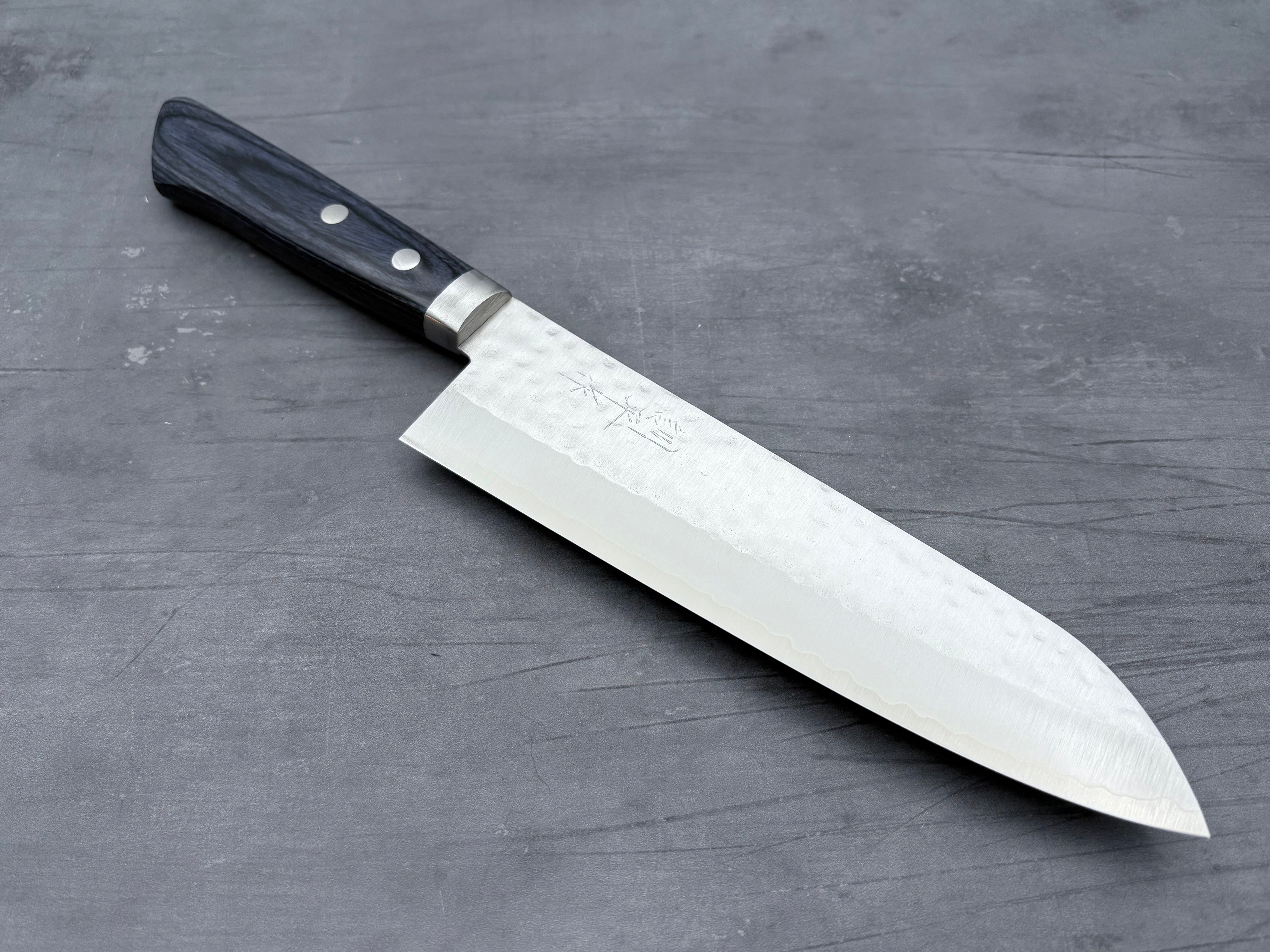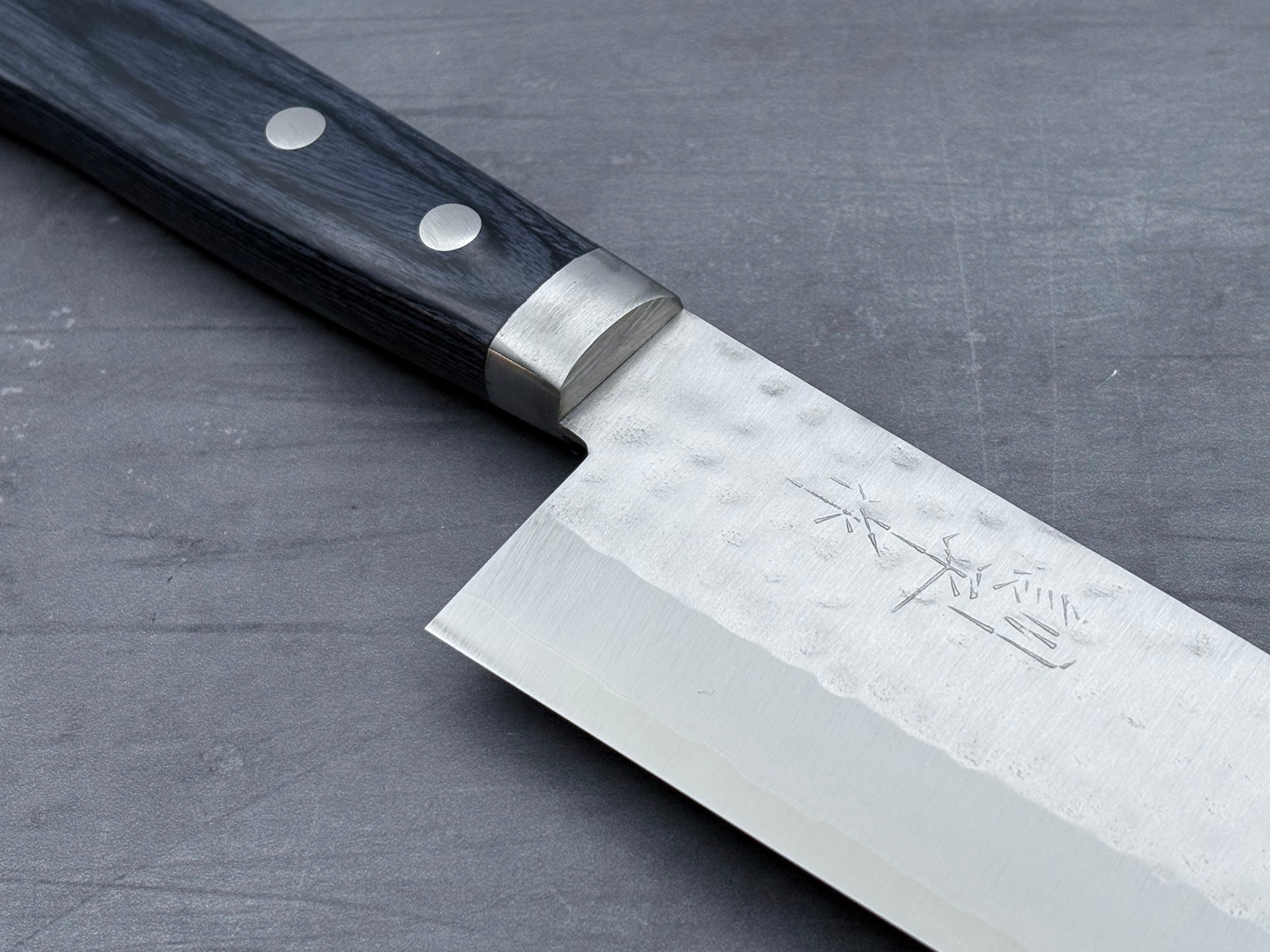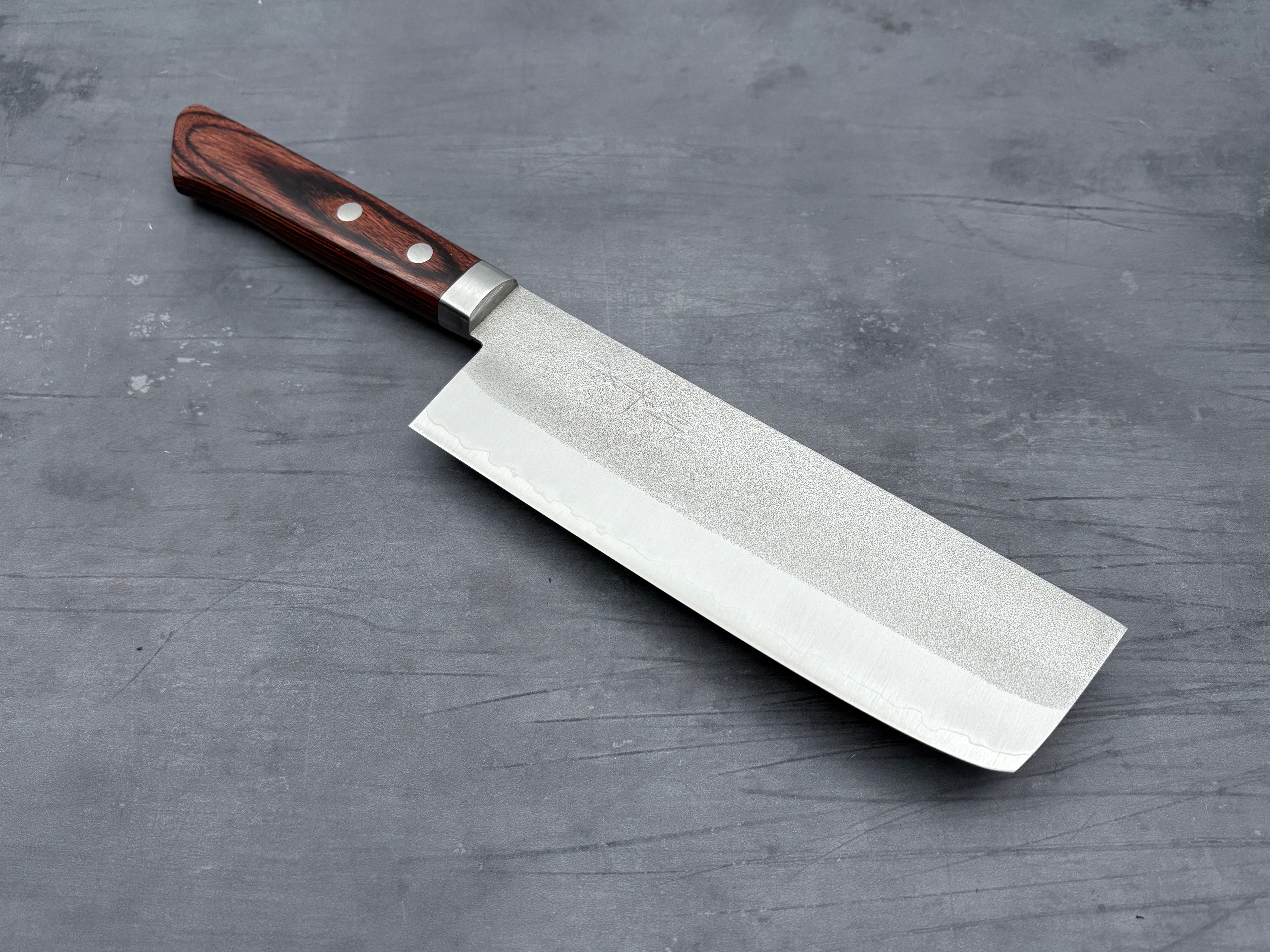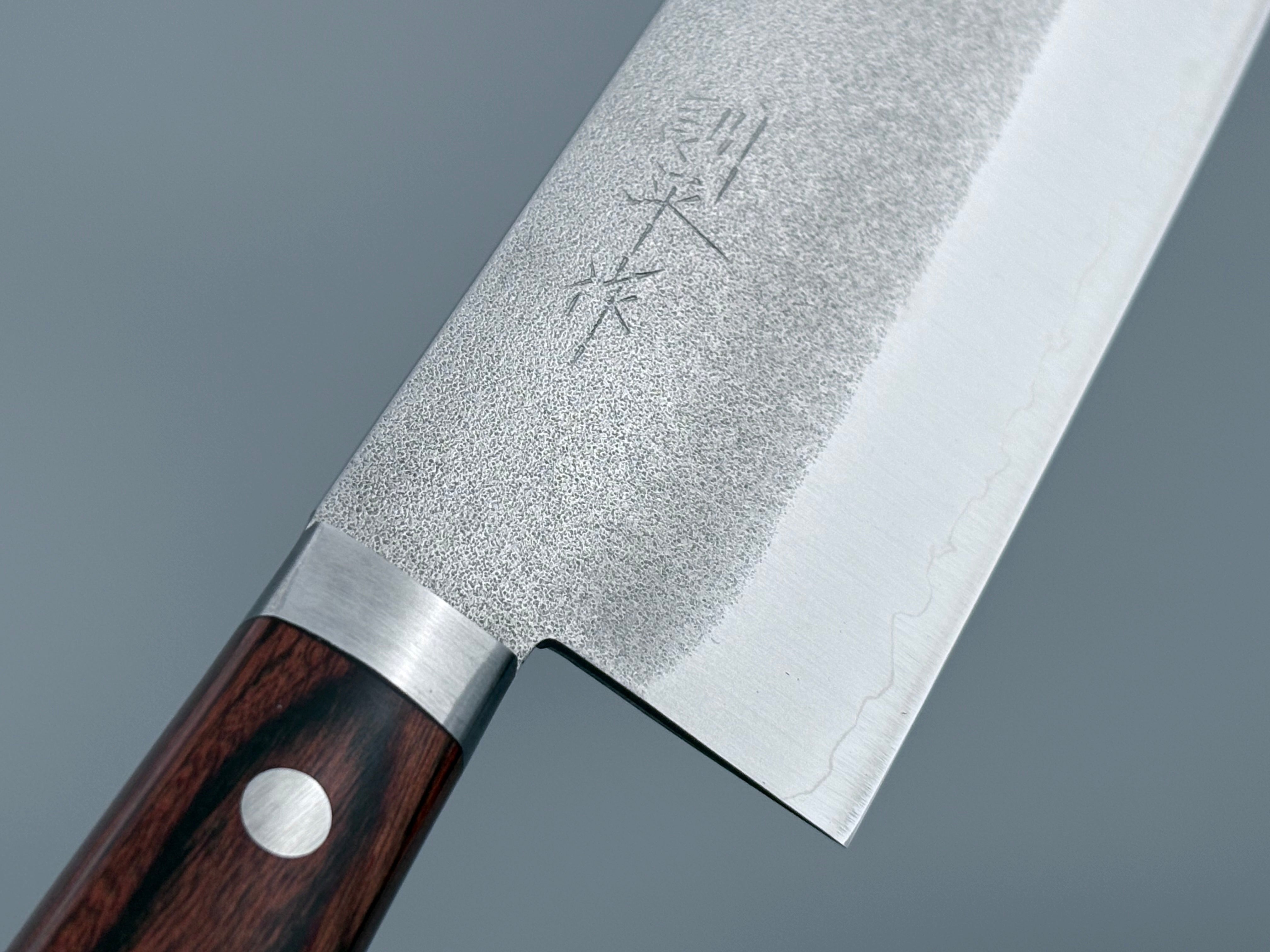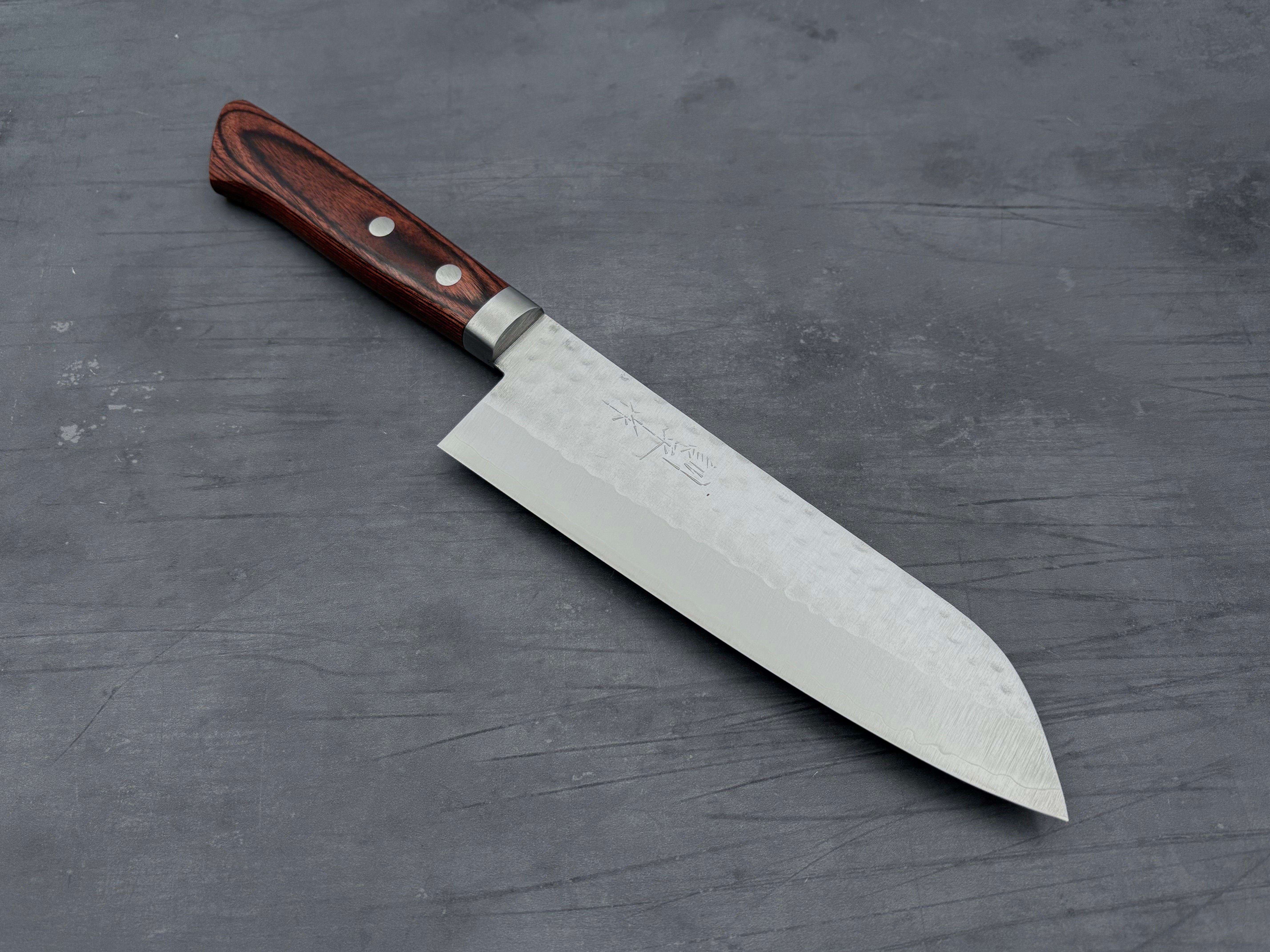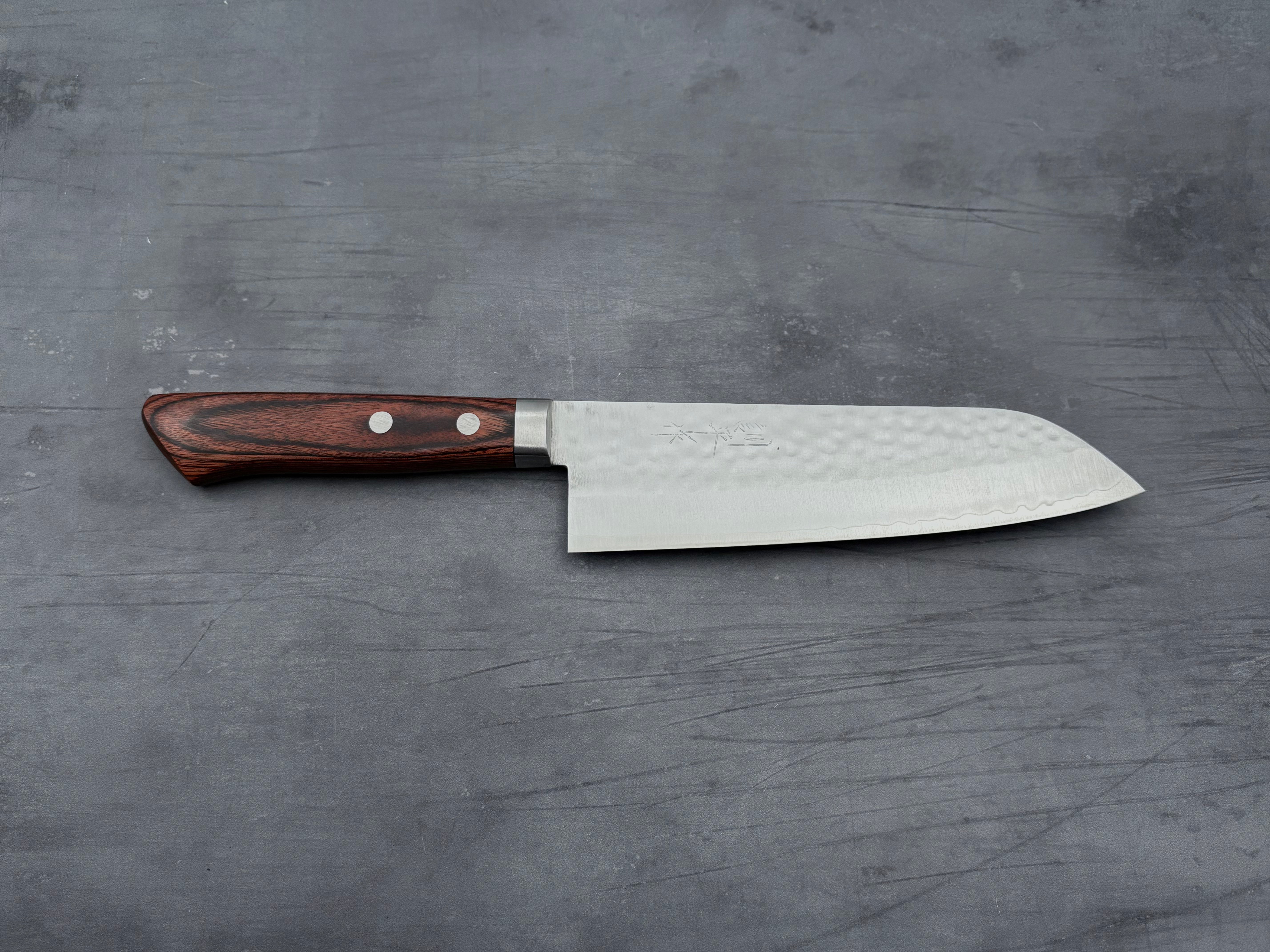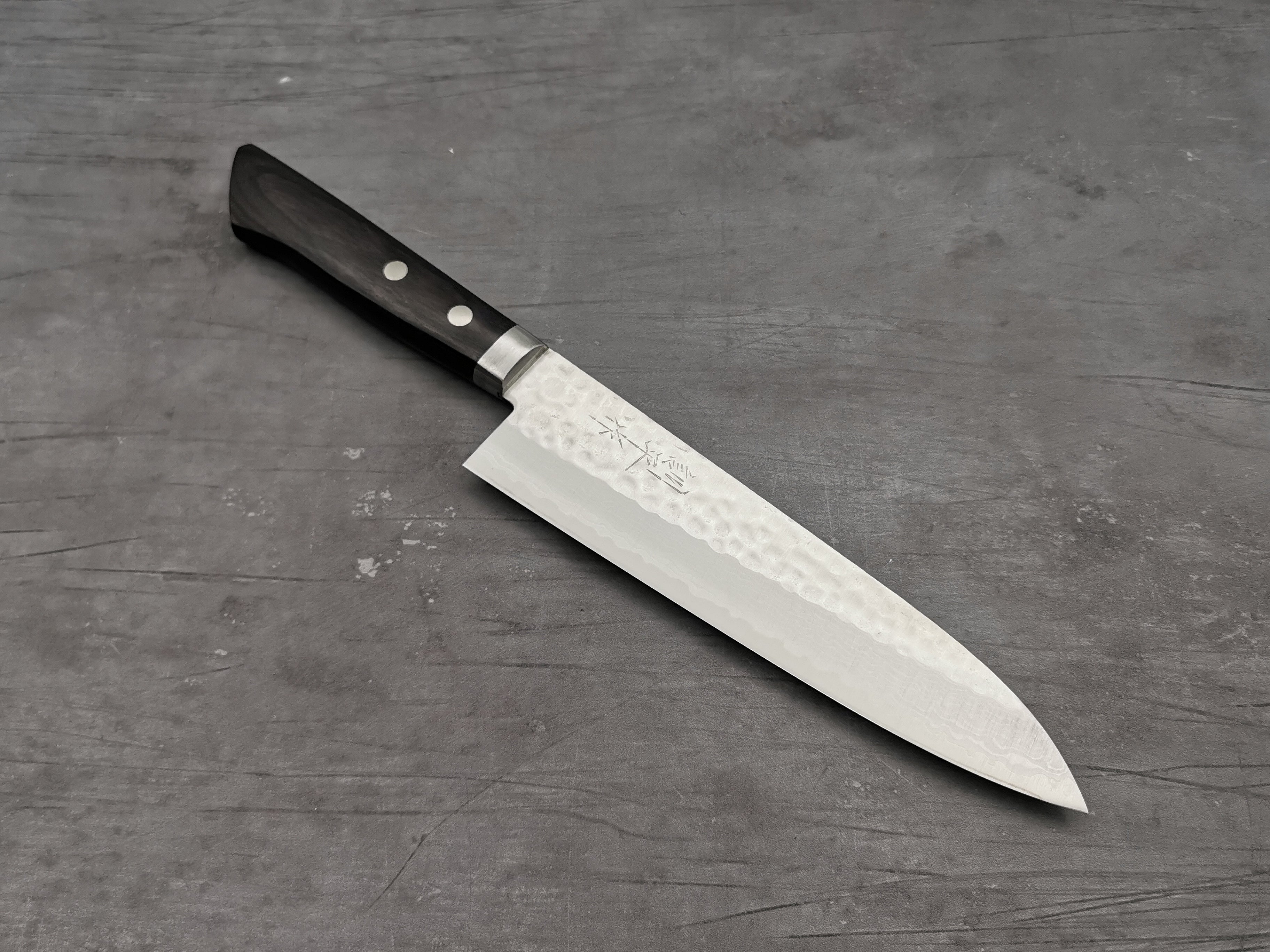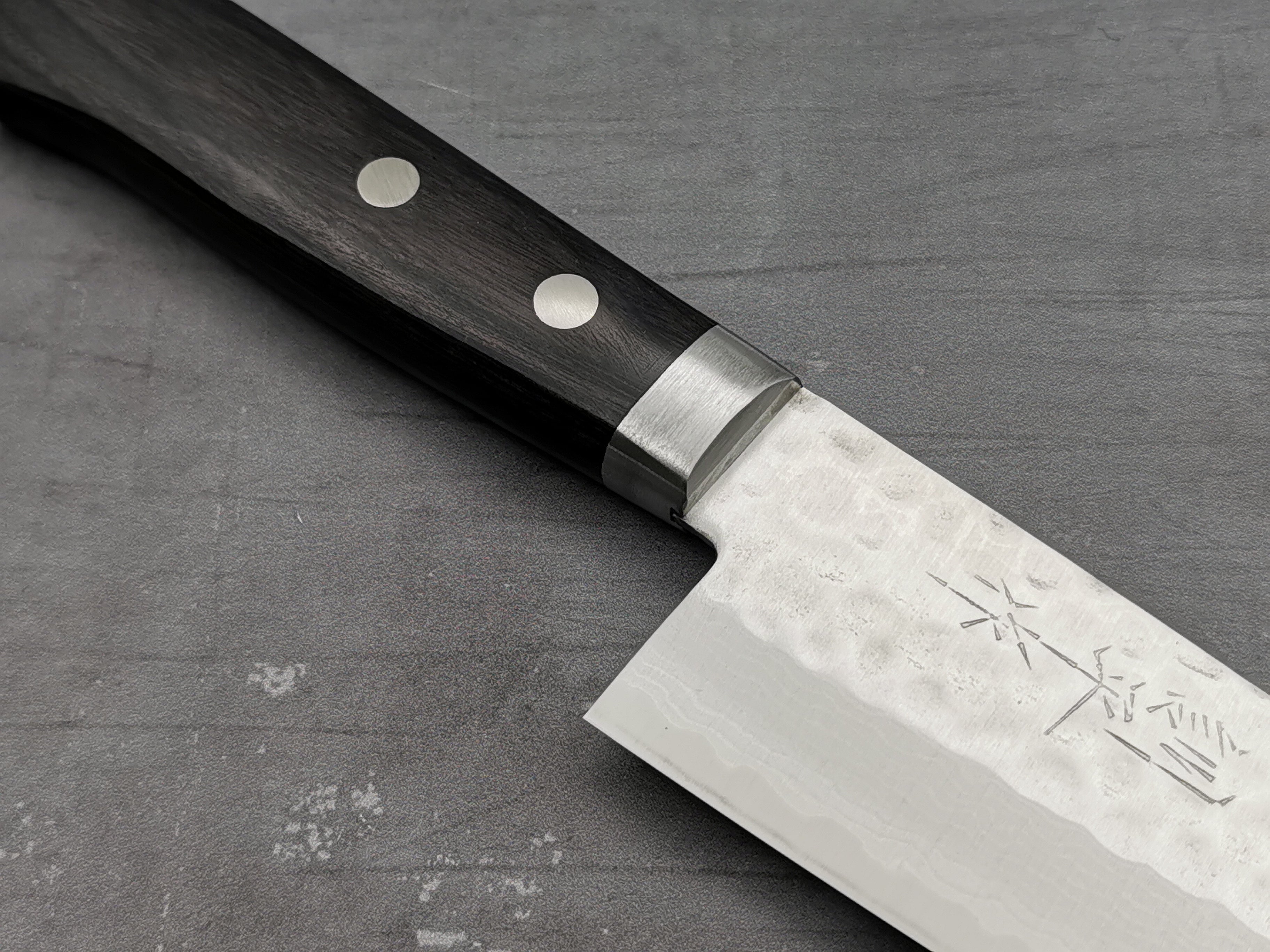

Who makes Masutani knives?
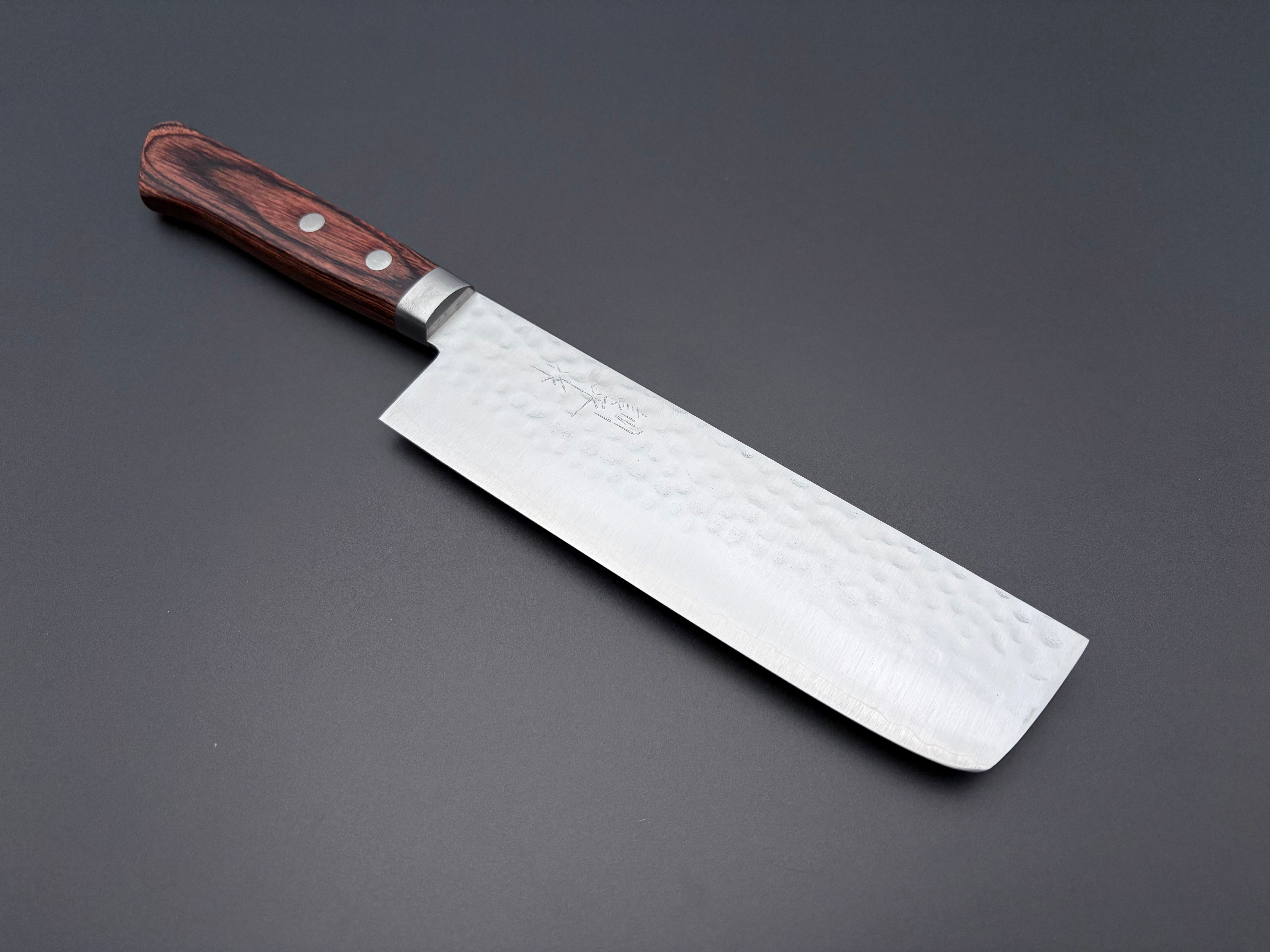
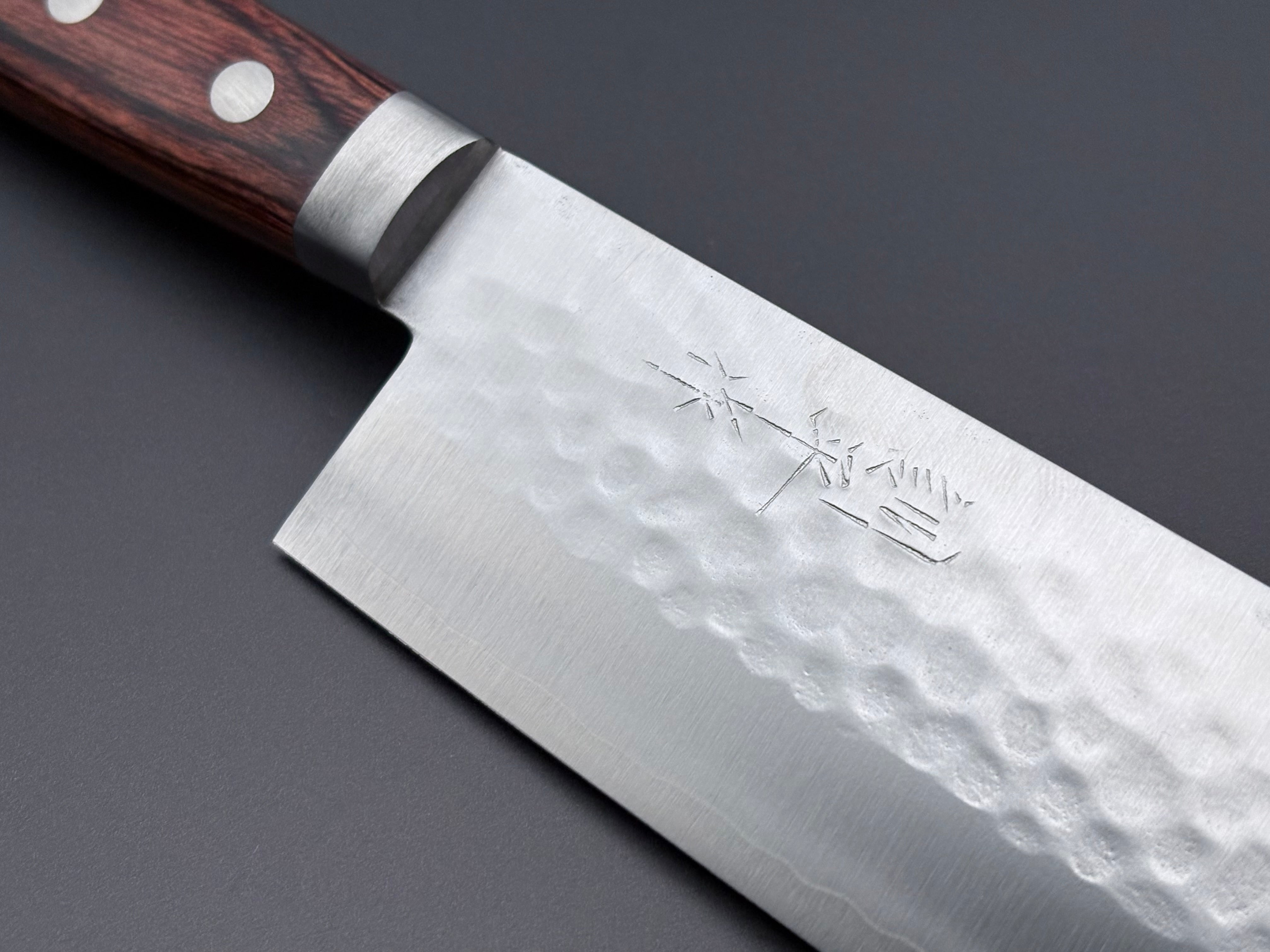
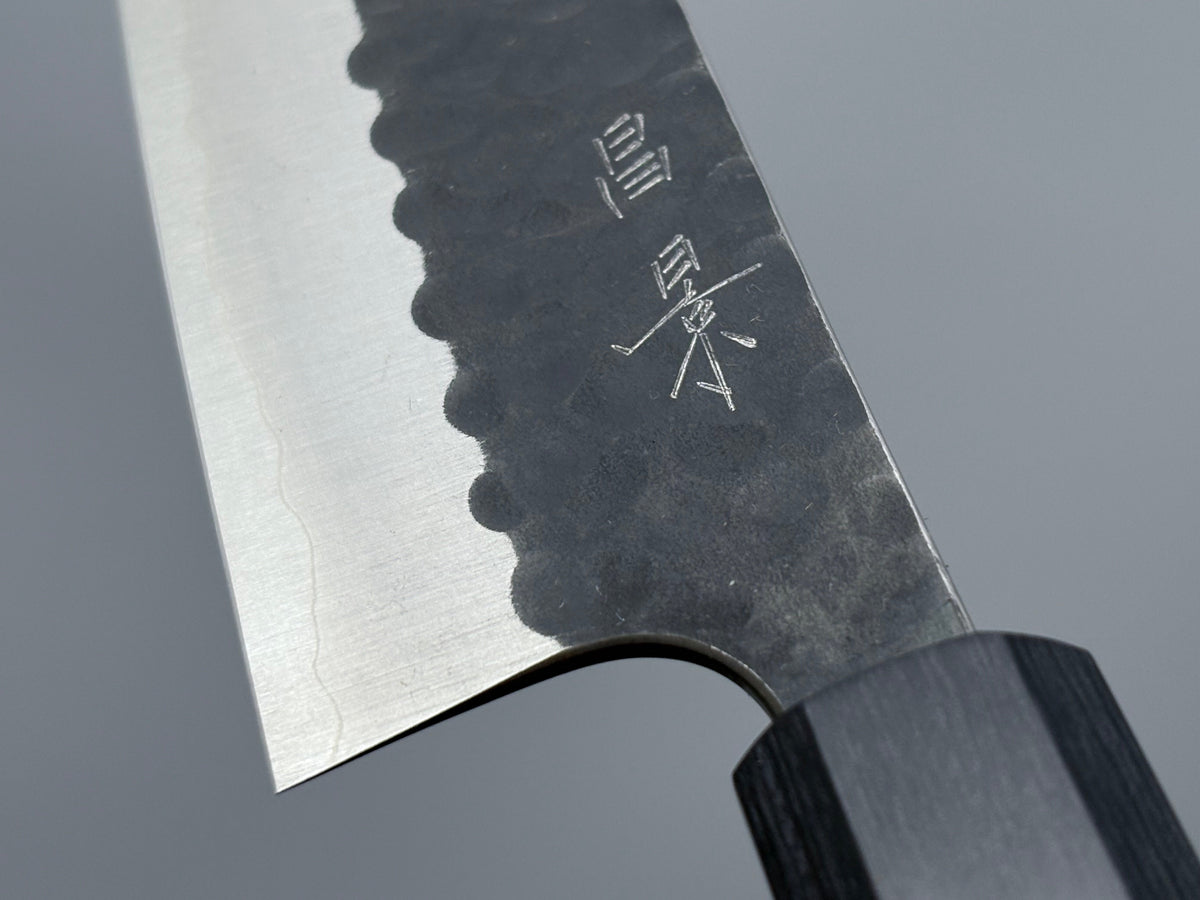
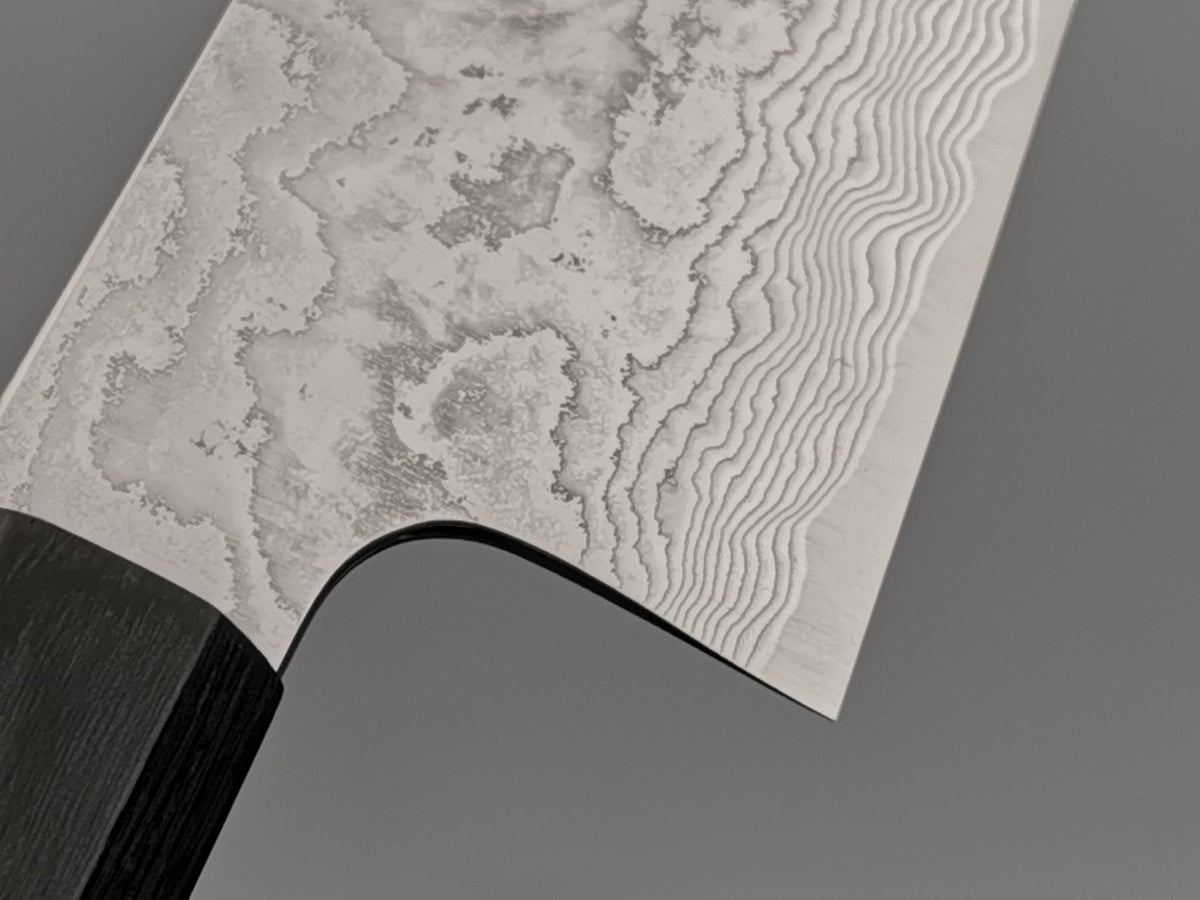
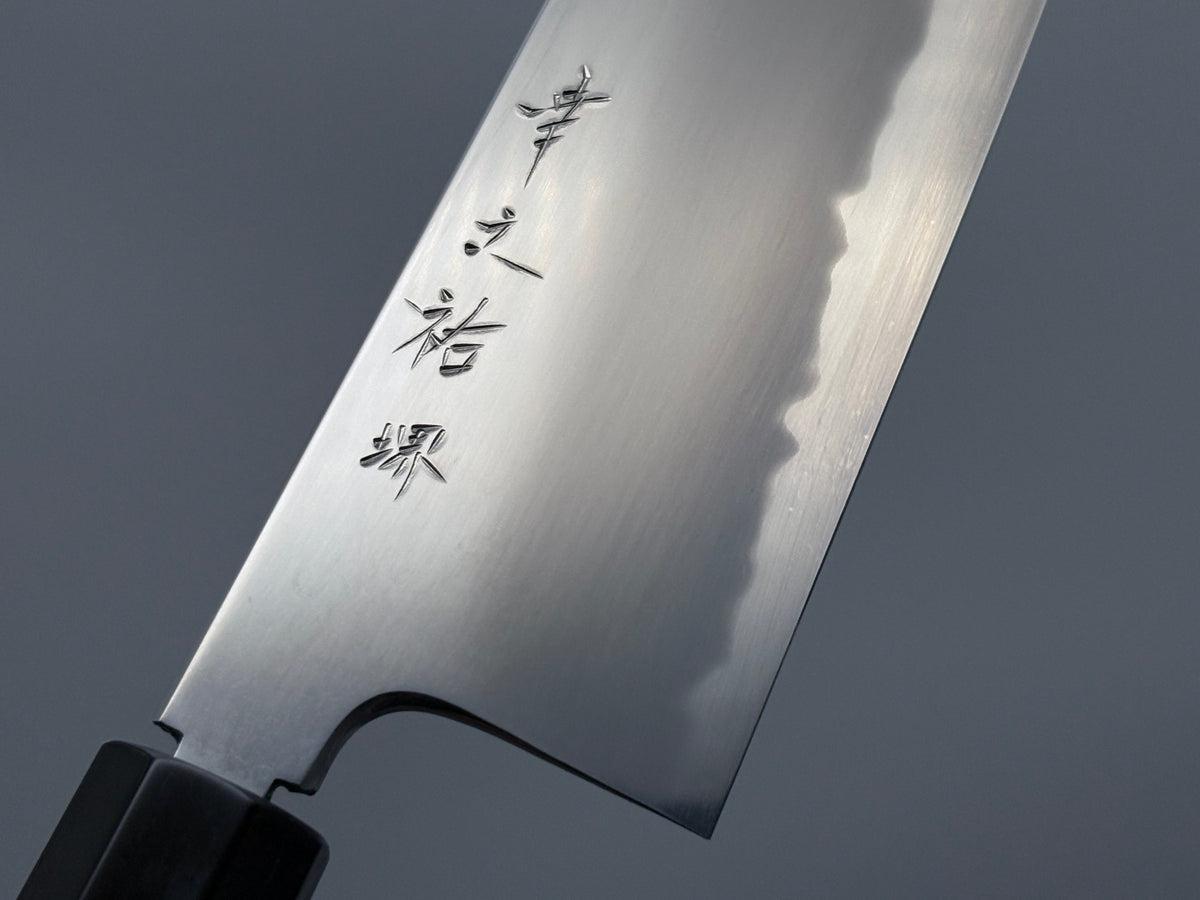
Masutani Hamono is a small, family-run forge in Takefu, Fukui Prefecture, one of Japan's most respected blade-making regions. They forge knives by hand, with careful heat treatment and close attention to geometry. Nothing here is mass-produced. Each blade carries the marks of a maker who takes time over their work, and that shows in how the knives feel and perform.

Steel choices: VG1 and VG10
Masutani knives come in two main steels, both well suited to home cooks and professionals who want a reliable, low-maintenance blade. The Masutani Hamono VG1 range is a clean stainless option that sharpens easily, holds a good edge, and resists corrosion without demanding constant attention. VG1 gets overlooked in favour of flashier steels, but it performs consistently and suits anyone who wants a workhorse knife that will hold up over years of regular use.
The Masutani Hamono VG10 range steps things up. VG10 is one of the most widely used premium stainless steels in Japanese knife-making, with a harder edge, better retention, and a refined sharpening response. It is the steel behind many well-regarded Japanese VG10 stainless steel chef knives, and Masutani's version is characteristically clean and precise. The added vanadium contributes to wear resistance without making the blade brittle or difficult to maintain at home.
What styles are available?
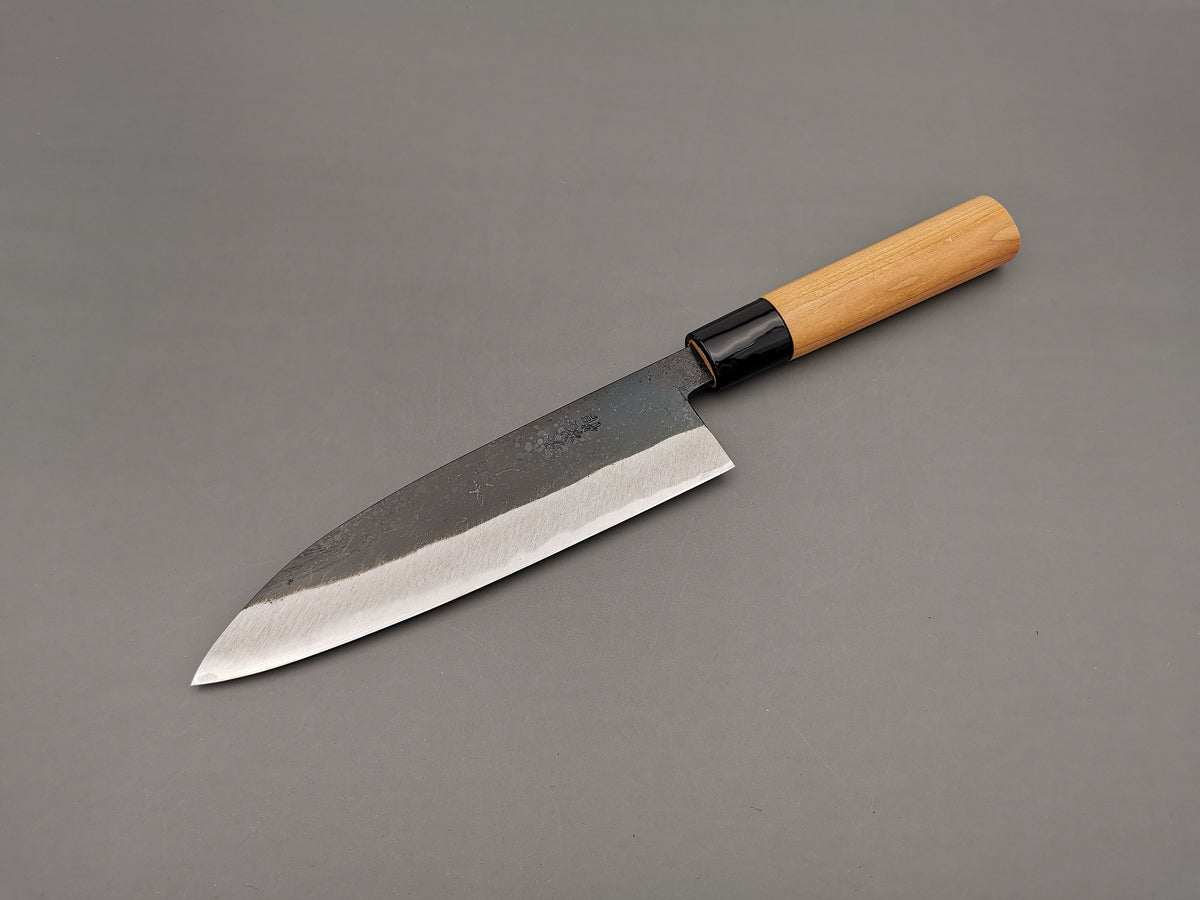
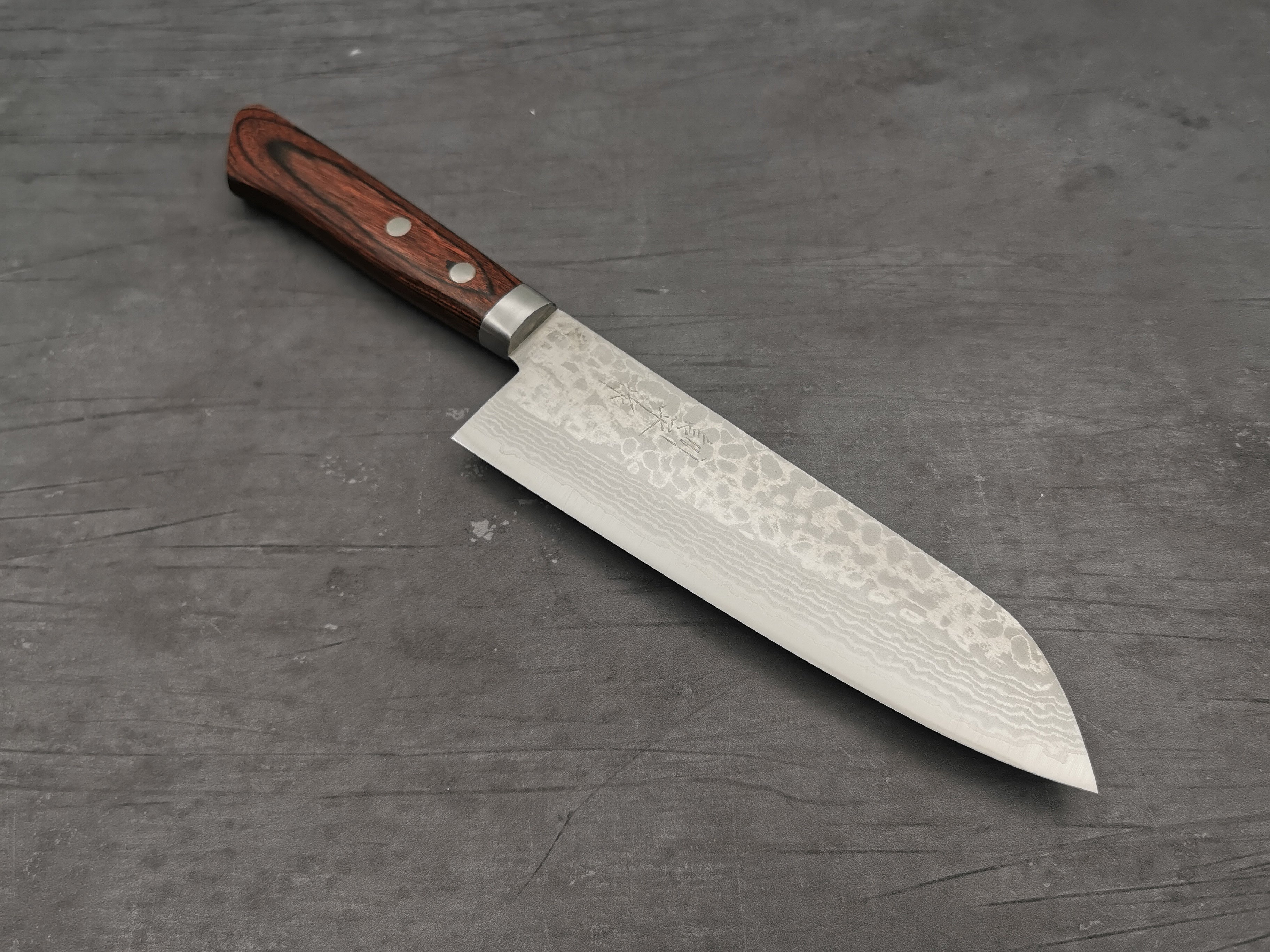
The Masutani Hamono range covers the profiles most cooks reach for daily. Gyuto and santoku shapes feature prominently, making these a natural fit for anyone after an all-round Japanese chef knife. The blades are well-proportioned, handling push-cutting and rocking equally well. Handles are typically wa-style octagonal designs in natural wood, which keep the weight low and the balance forward, exactly where it needs to be for longer prep sessions.
How do Masutani knives compare to other makers?
Masutani knives sit comfortably in the very affordable price bracket just around the £100 mark without feeling like there's any compromise, in pure value terms, they're some of the you can buy. Compared to something like Anryu Knives, forged nearby in Echizen by fifth-generation craftsman Takumi Ikeda in Blue #2 and VG10, Masutani takes a more restrained aesthetic approach: less rustic, equally considered. Both represent genuine craft from the same part of Fukui Prefecture, and choosing between them usually comes down to personal preference for finish and feel rather than any real difference in quality.
Browse Masutani knives at Cutting Edge Knives
If you want a well-made Japanese knife that balances performance, durability, and honest craftsmanship, explore the full Masutani Hamono collection at Cutting Edge Knives and find the right blade for your kitchen.