
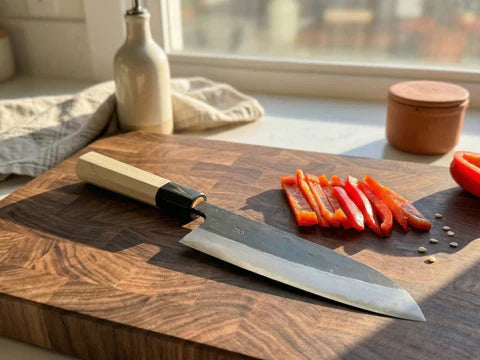
What is a santoku knife?
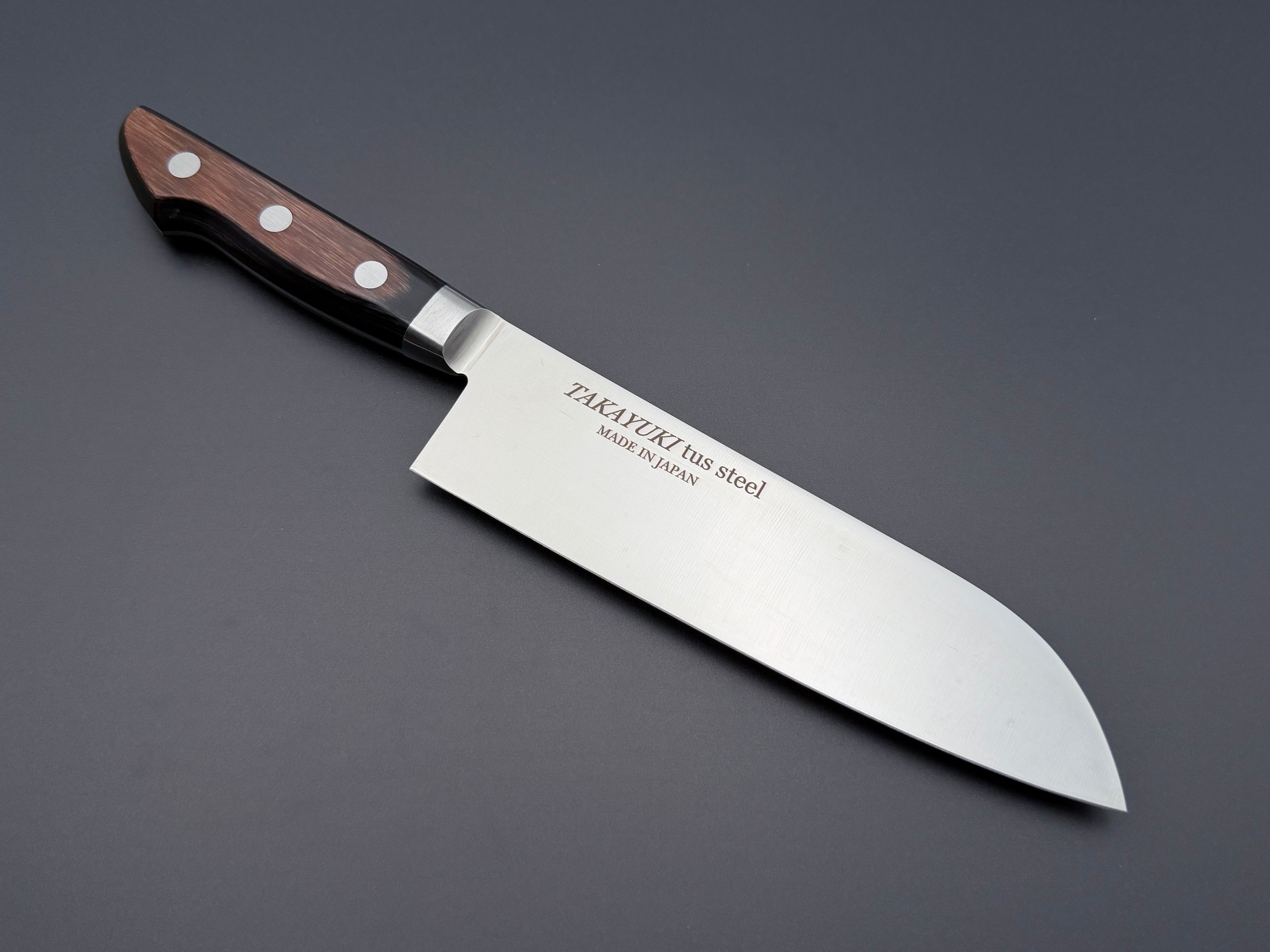
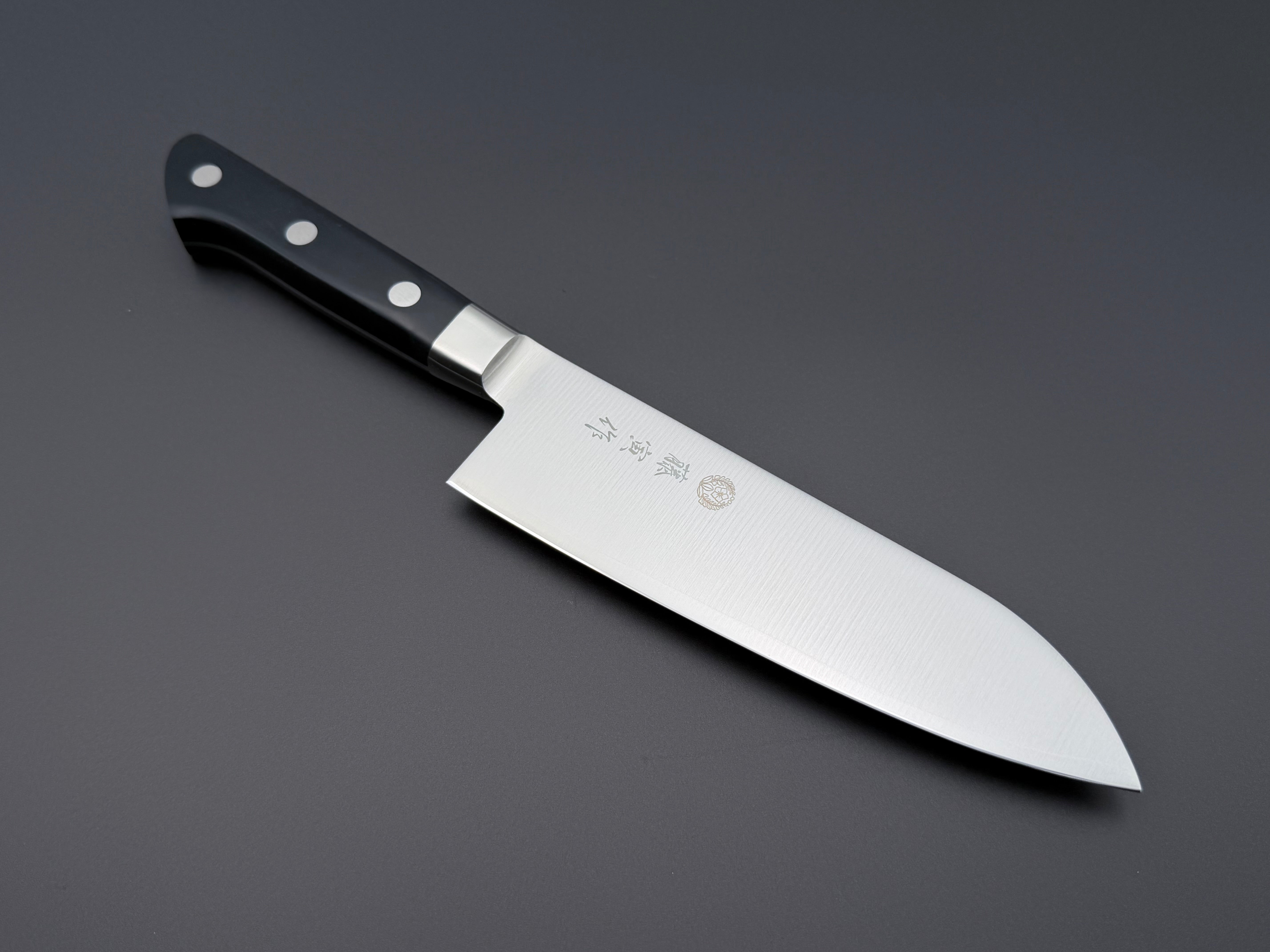
The santoku is a Japanese kitchen knife built for three tasks: slicing, dicing, and mincing. The name says as much, with "san" meaning three and "toku" meaning virtues. It developed in Japan as a home cook's answer to both the traditional nakiri and the Western chef's knife, and it has since become one of the most common knife styles in kitchens worldwide.

How the santoku differs from other Japanese knives
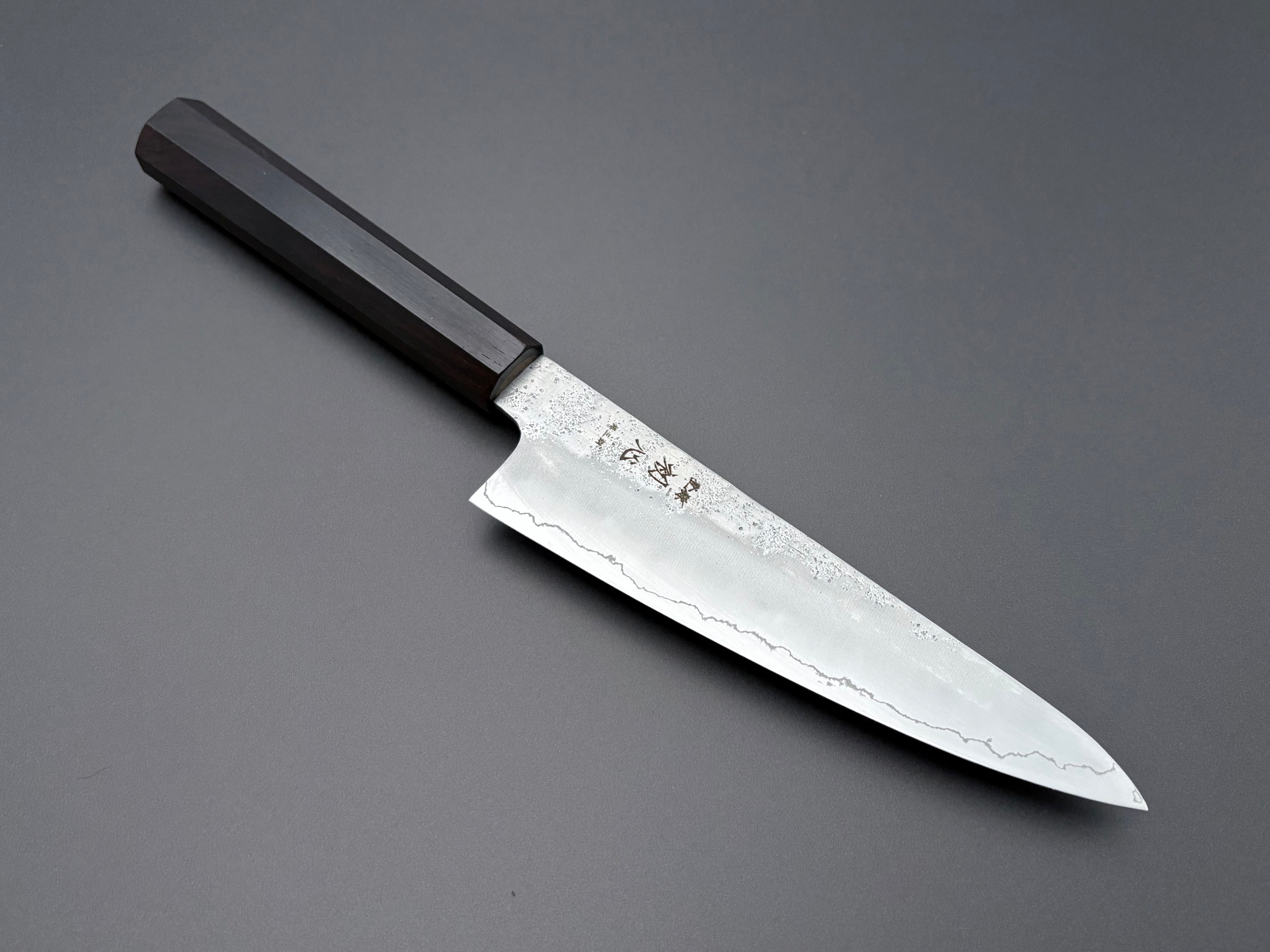
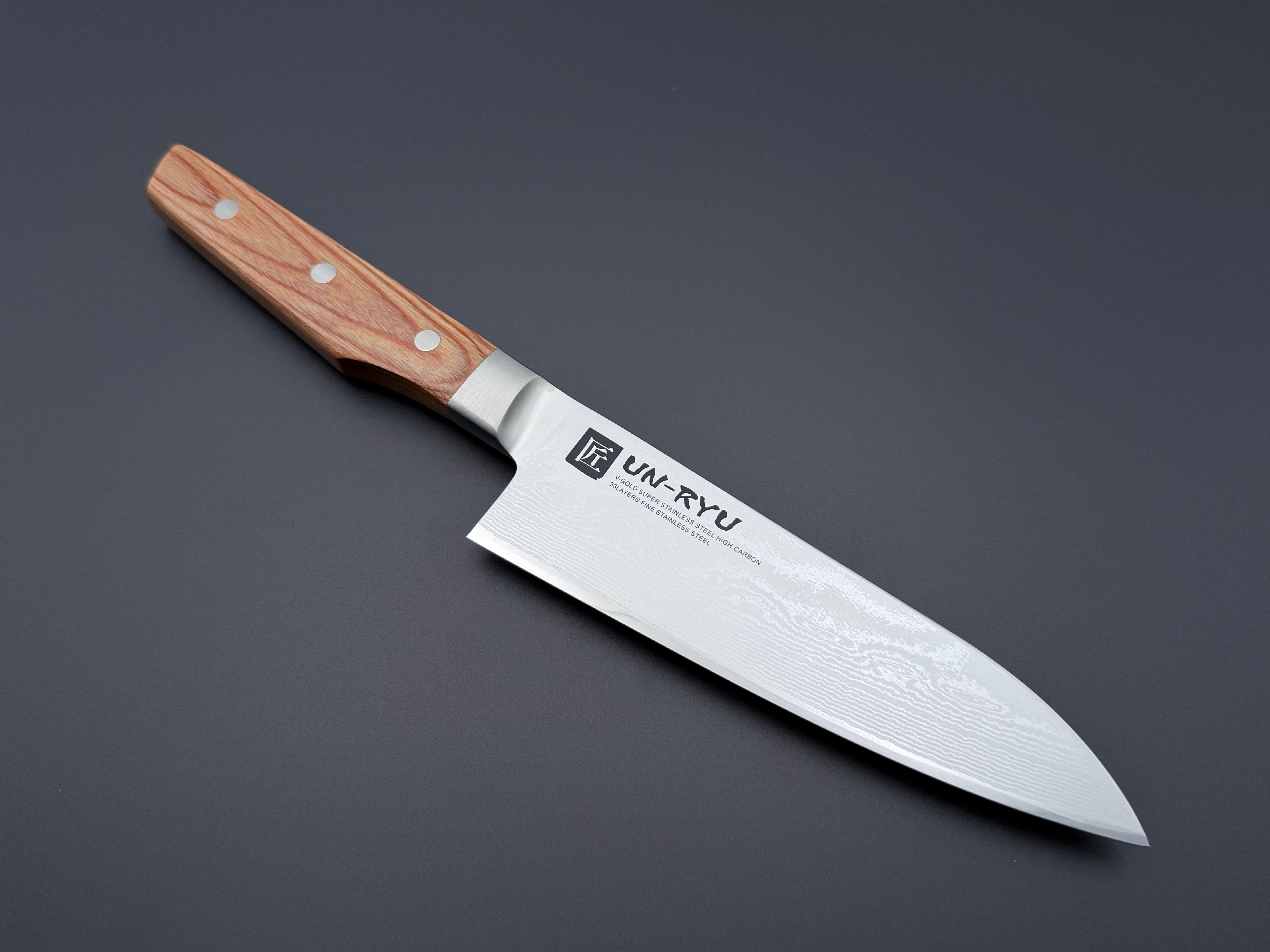
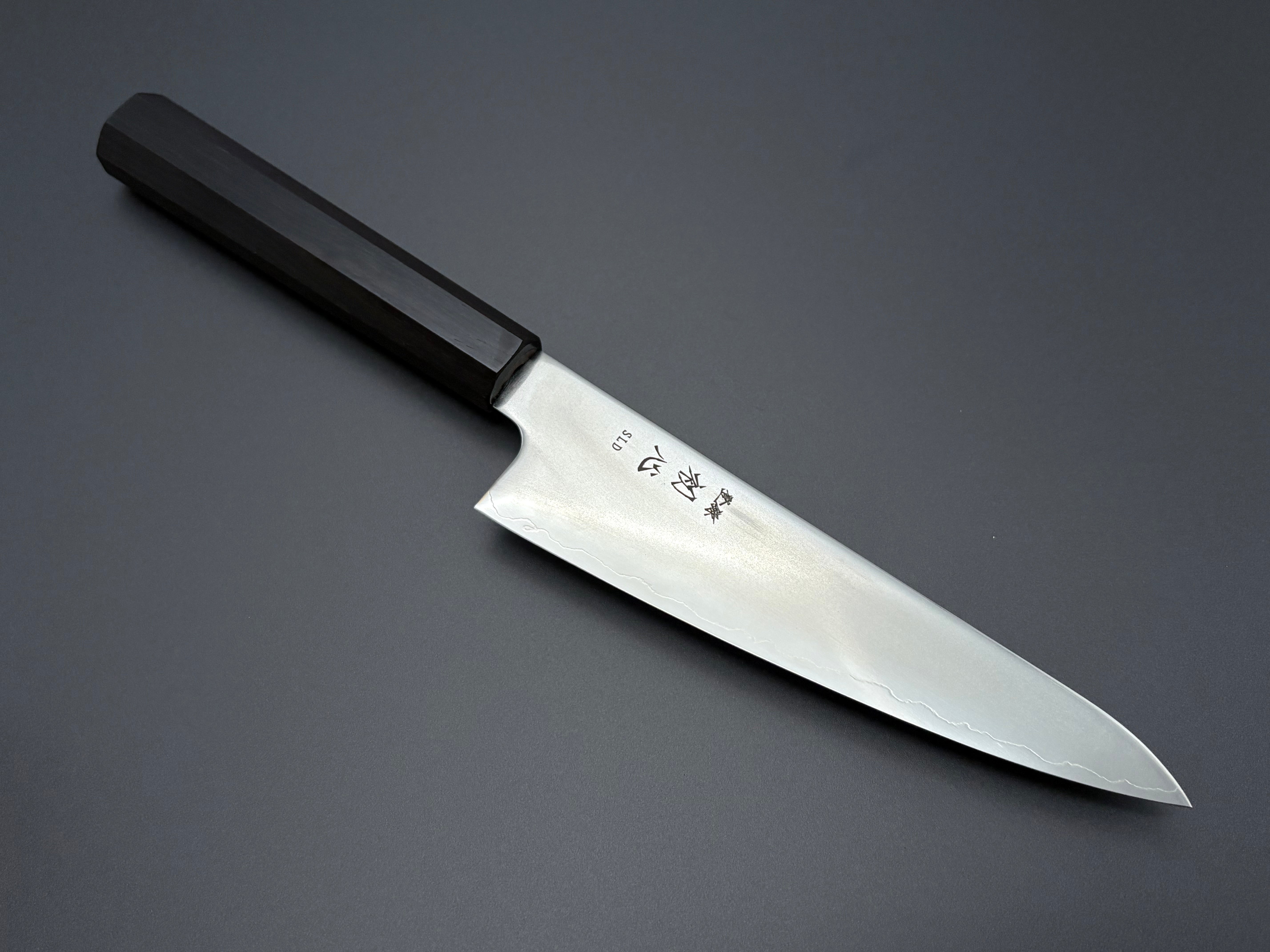
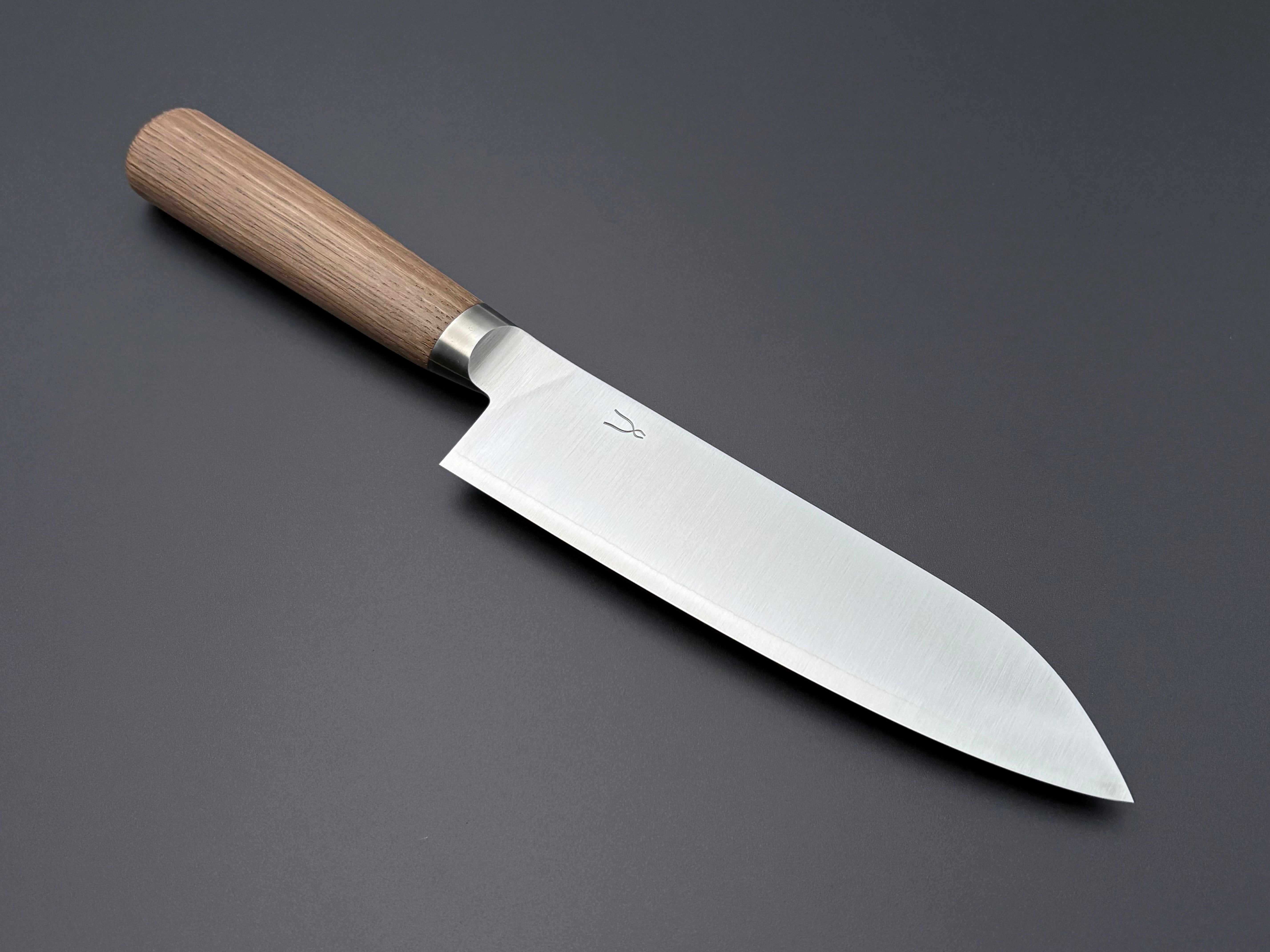
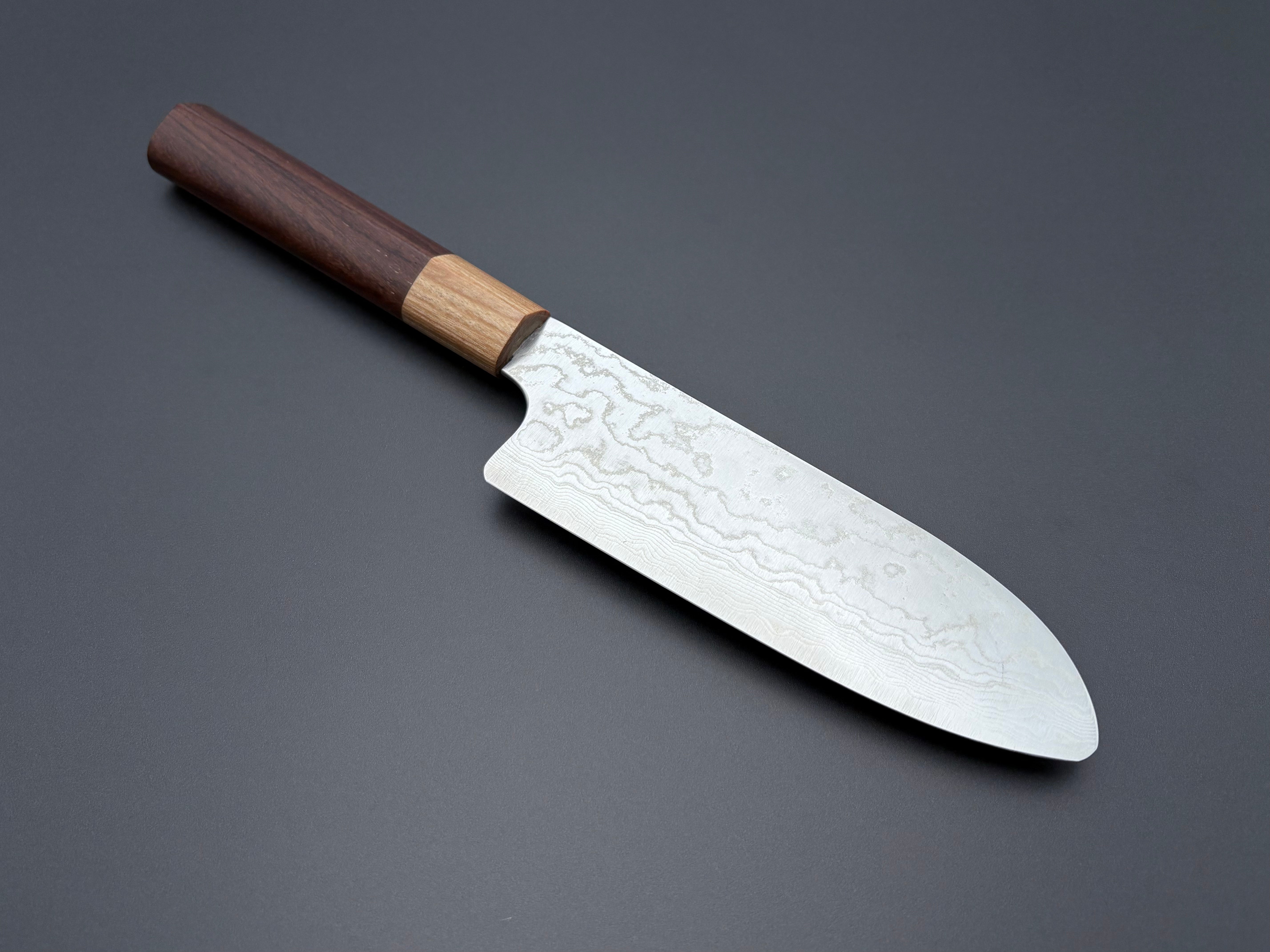
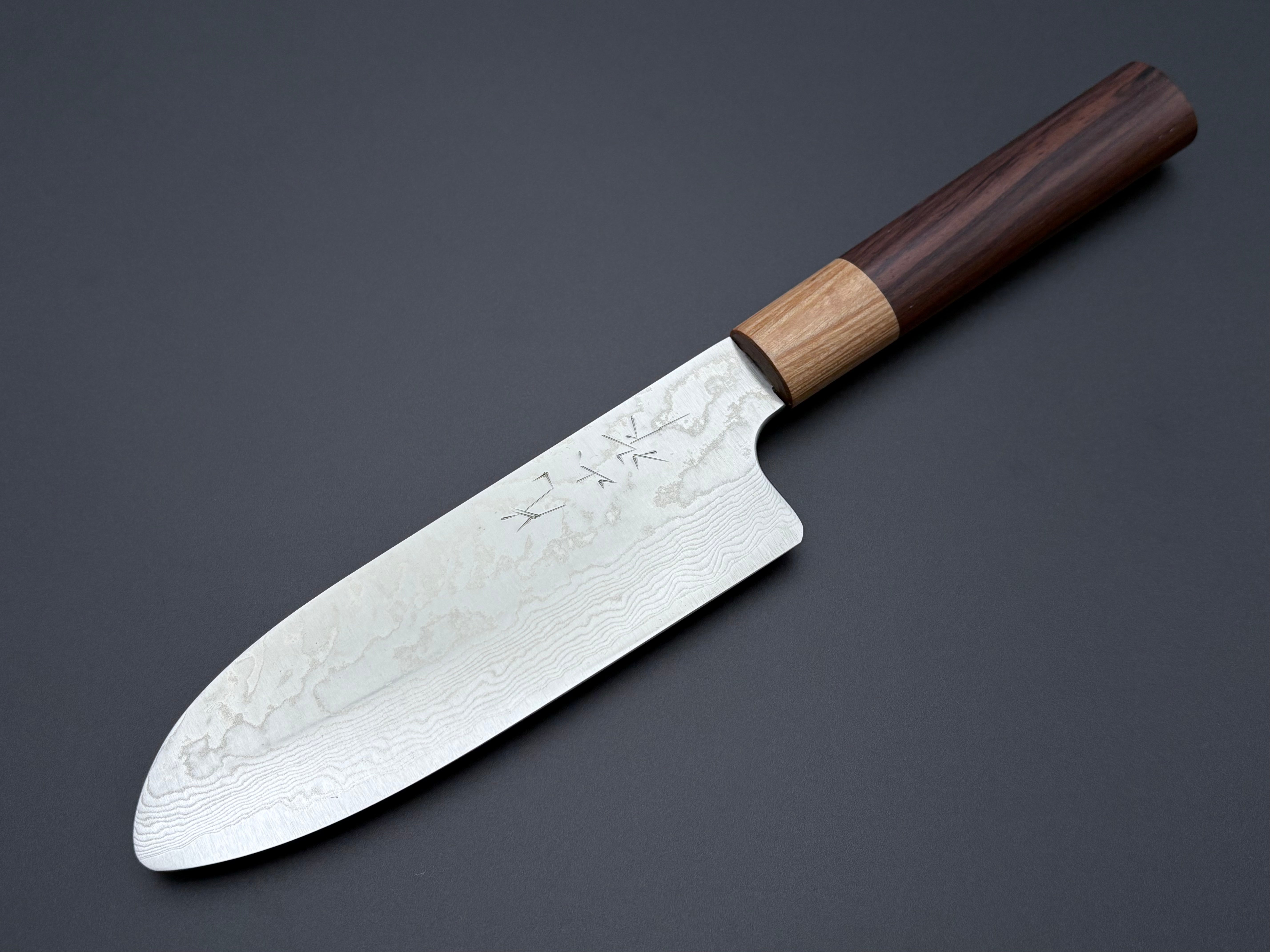
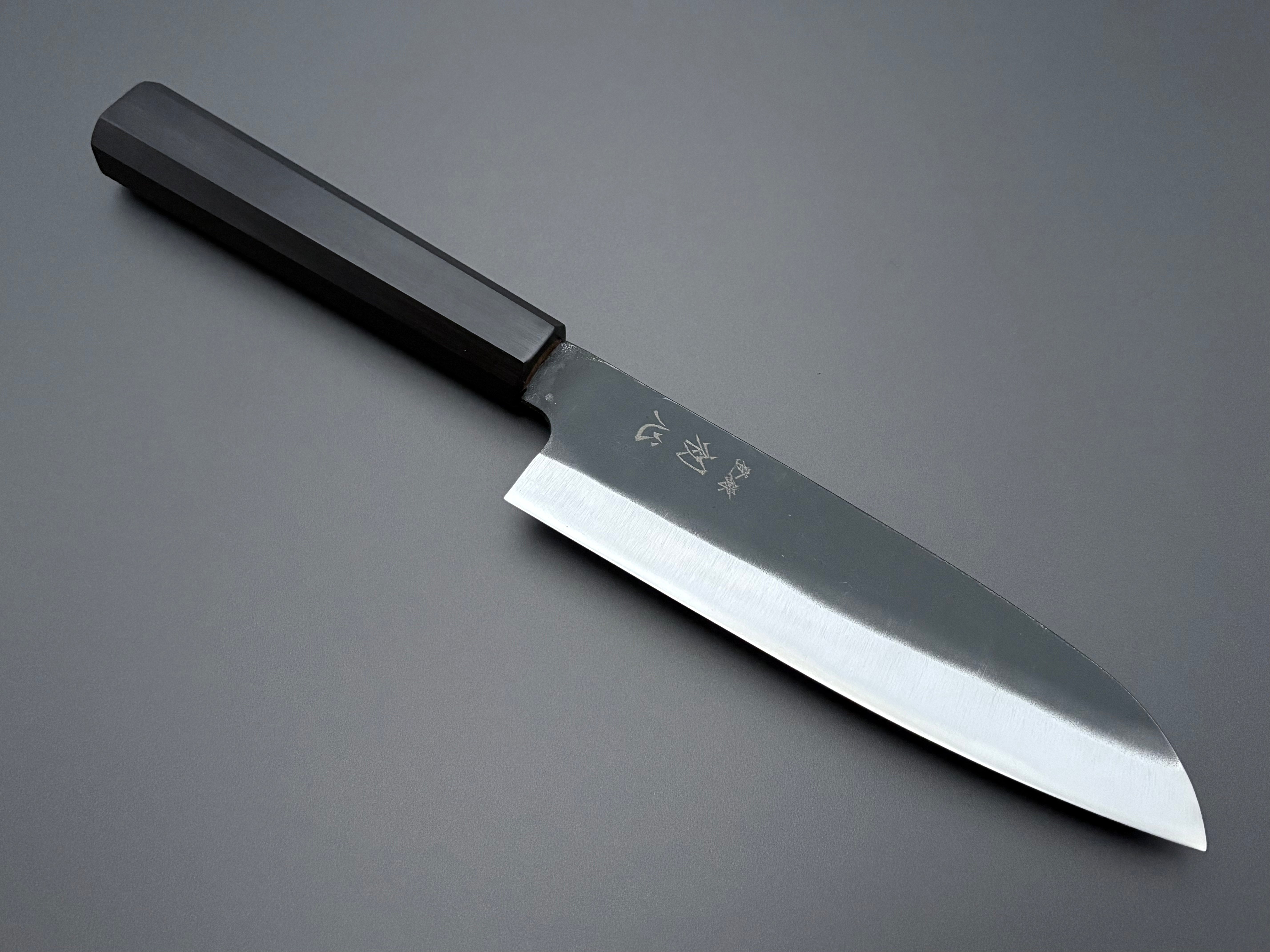
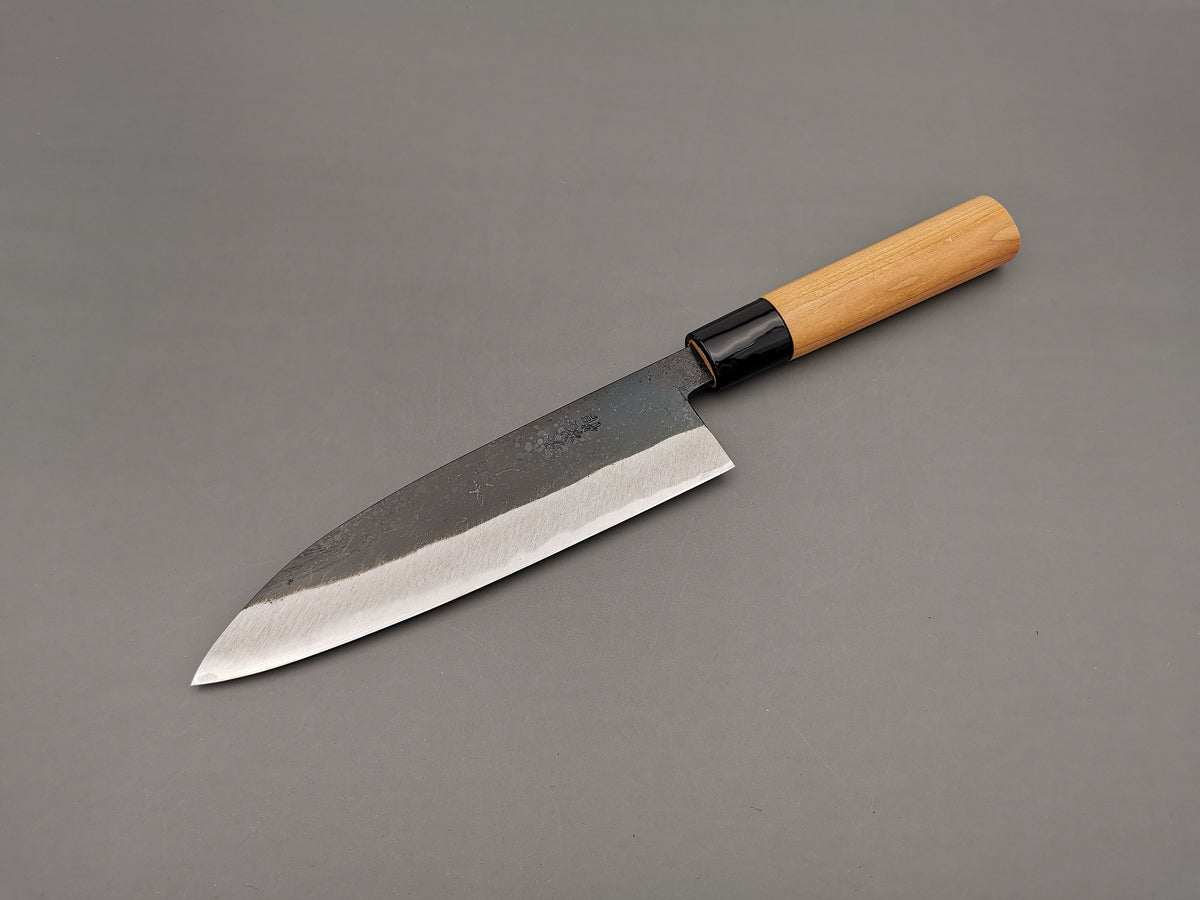
Compared to a gyuto, the santoku has a shorter, wider blade with a flatter cutting edge and a sheepsfoot tip. That profile suits an up-and-down chopping motion better than a rocking one, and the reduced tip curve gives more control when working through vegetables, boneless fish, and meat. Blade lengths usually fall between 160mm and 180mm, which keeps it compact and easy to manoeuvre. If you want something smaller for precise work, a ko-santoku has the same profile in a more compact format.
Steel choices for santoku knives
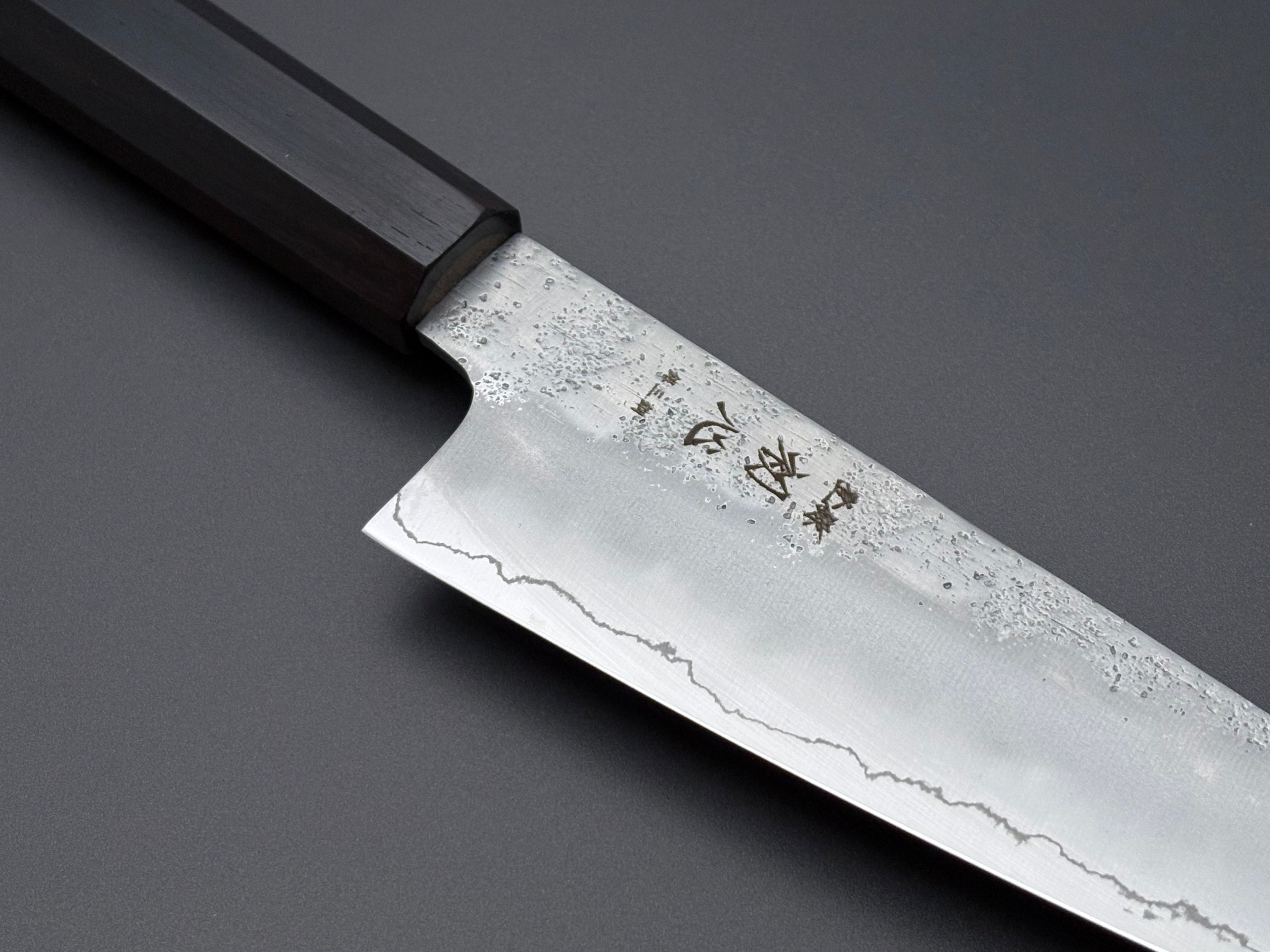
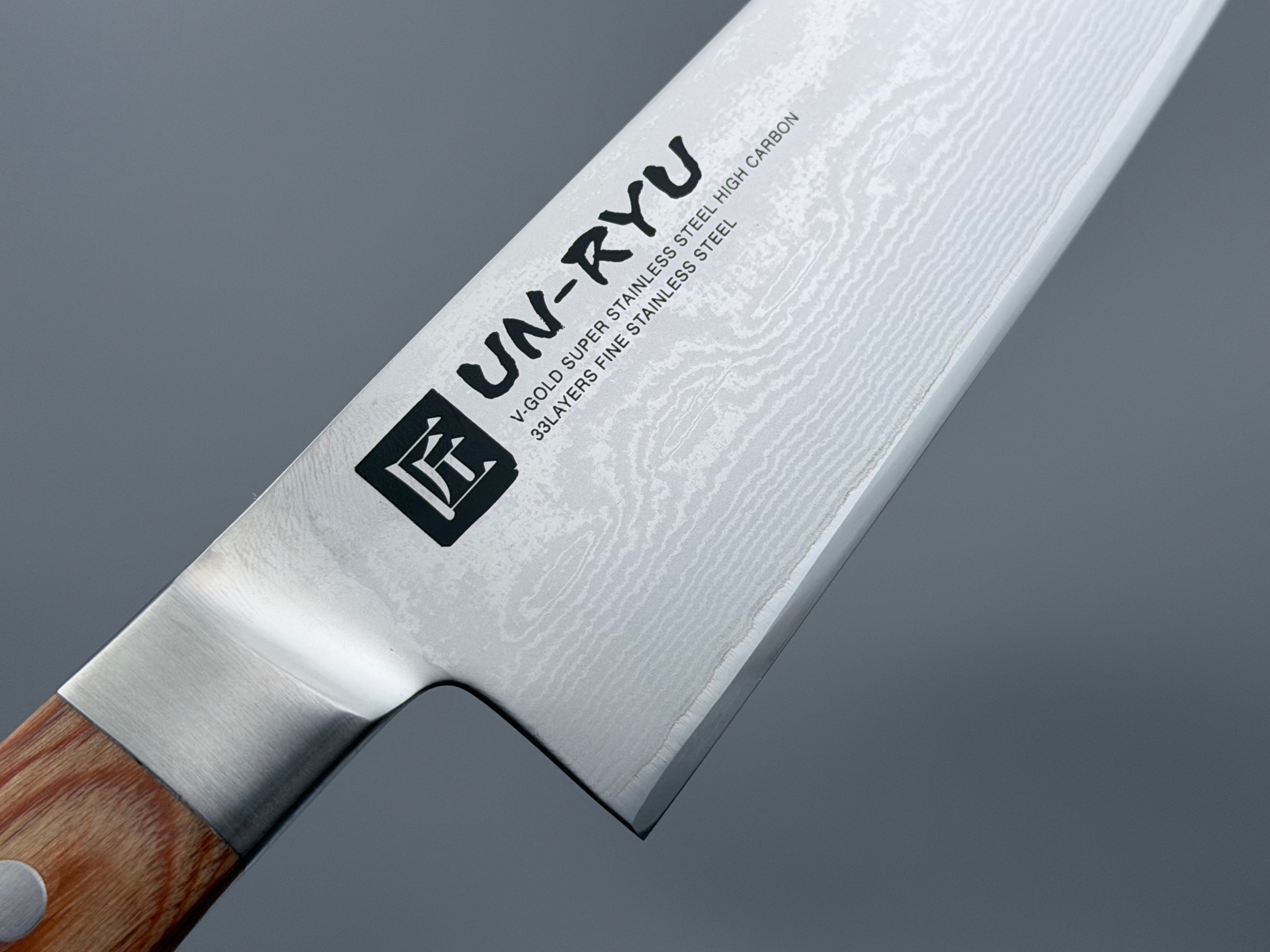
The steel determines how the knife performs and how much attention it needs. Stainless options such as Japanese VG10 are low maintenance and hold a good edge, which makes them practical for everyday use. If you want exceptional sharpness and do not mind some extra upkeep, carbon steels such as Aogami blue steel or Ginsan Silver 3 take a finer edge and hold it longer than most stainless steels can. Many cooks find that the routine of caring for a carbon steel knife becomes part of the appeal rather than a chore.
Blade finish and handle style
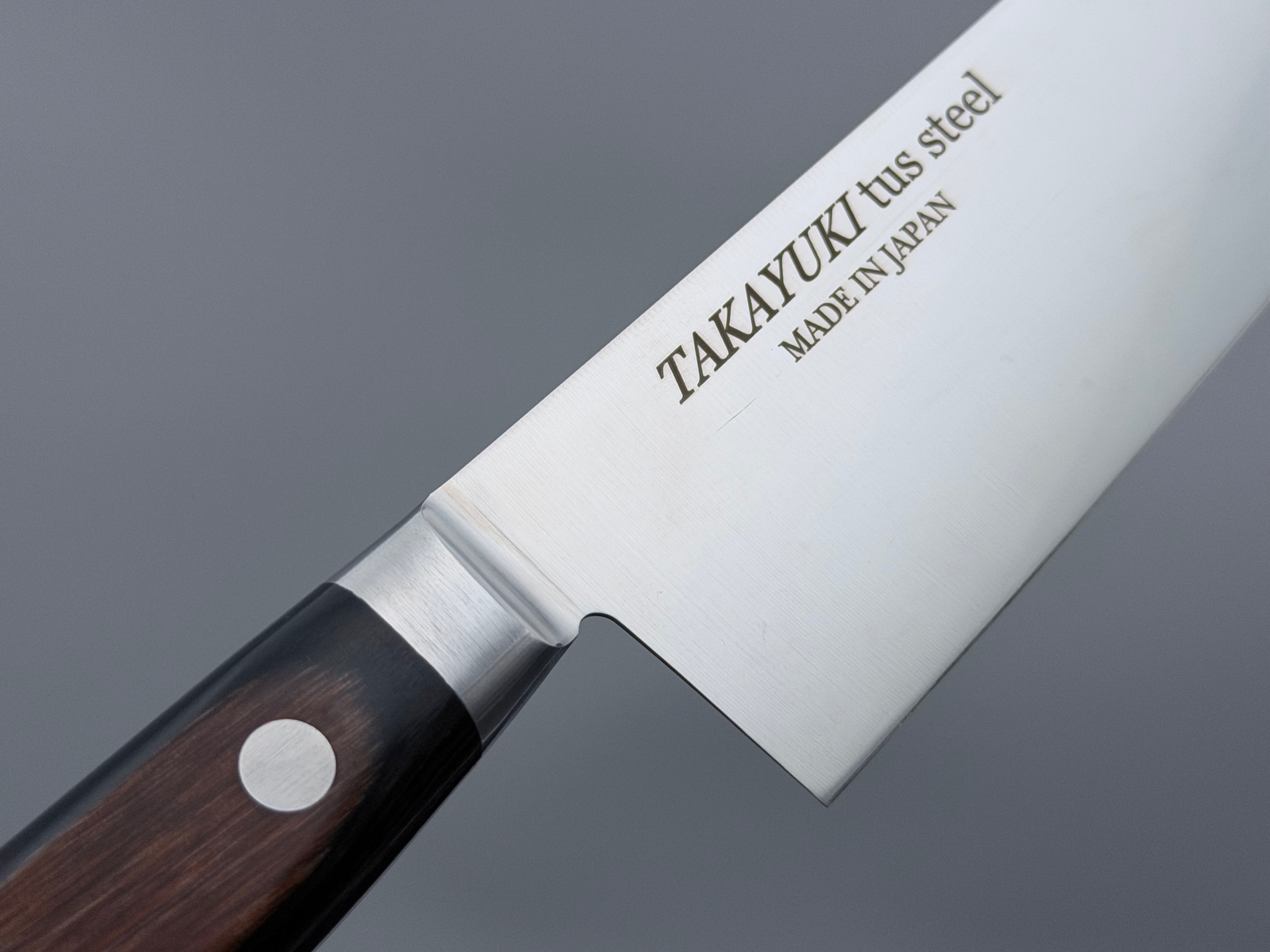
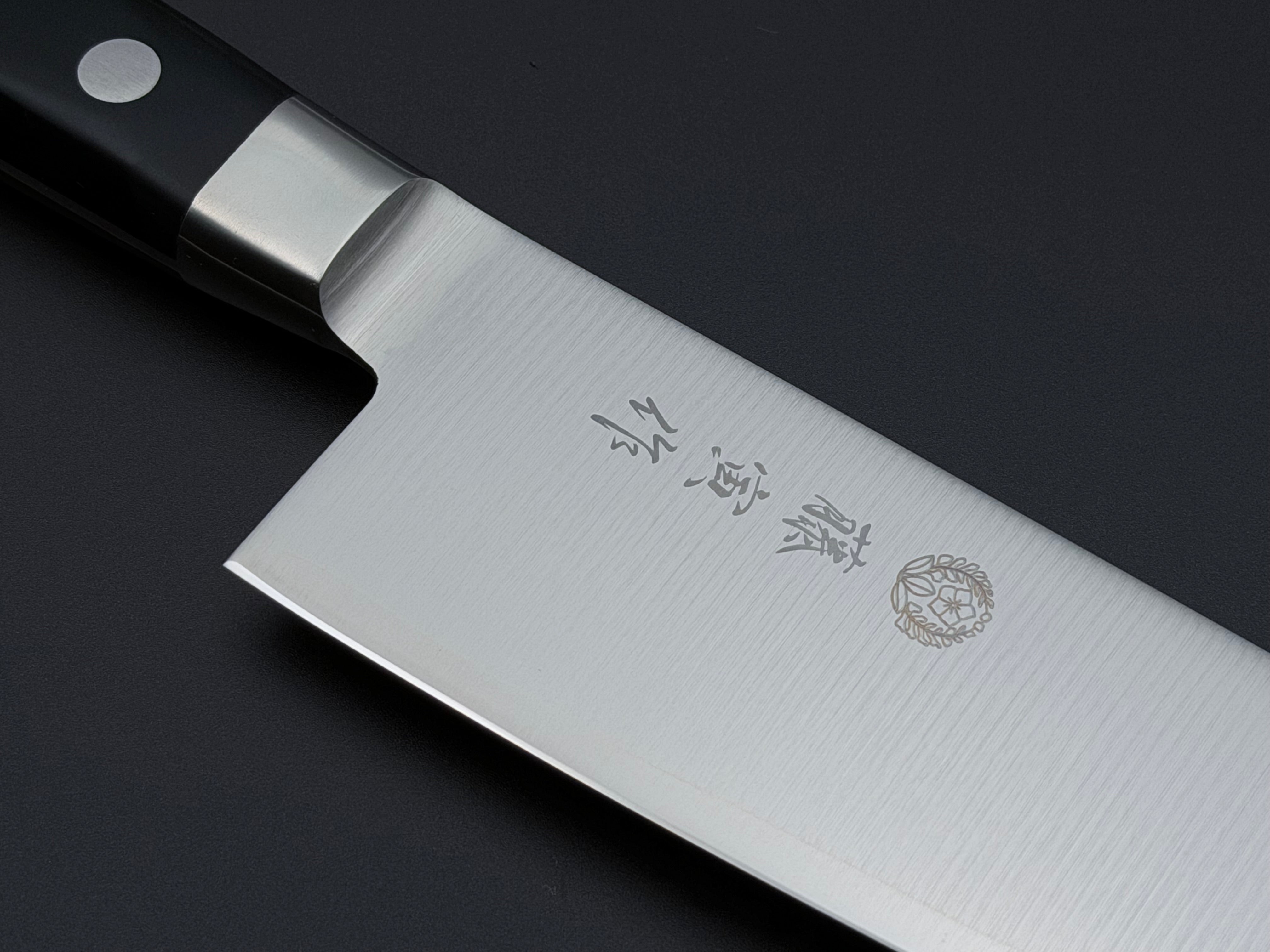
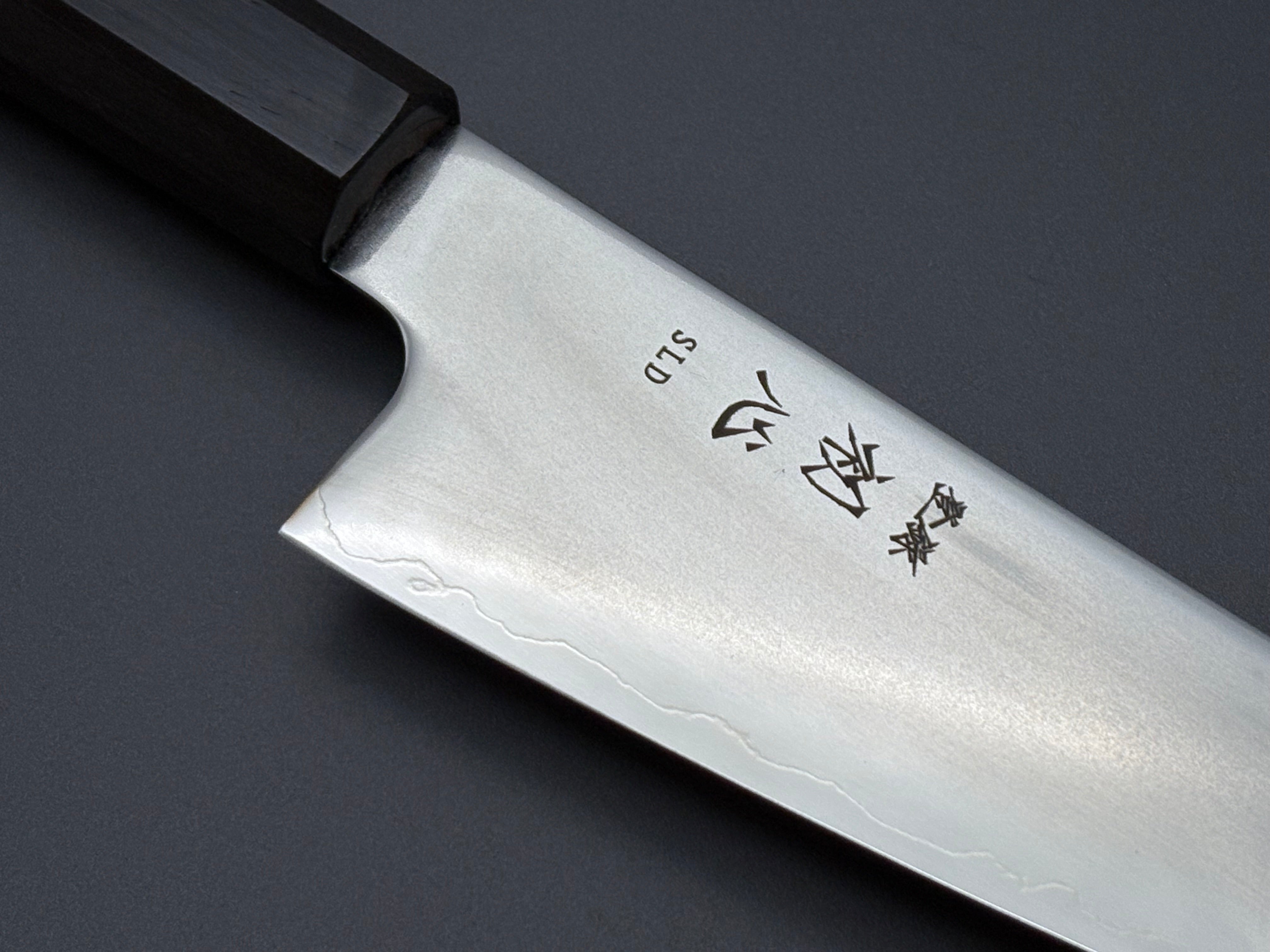
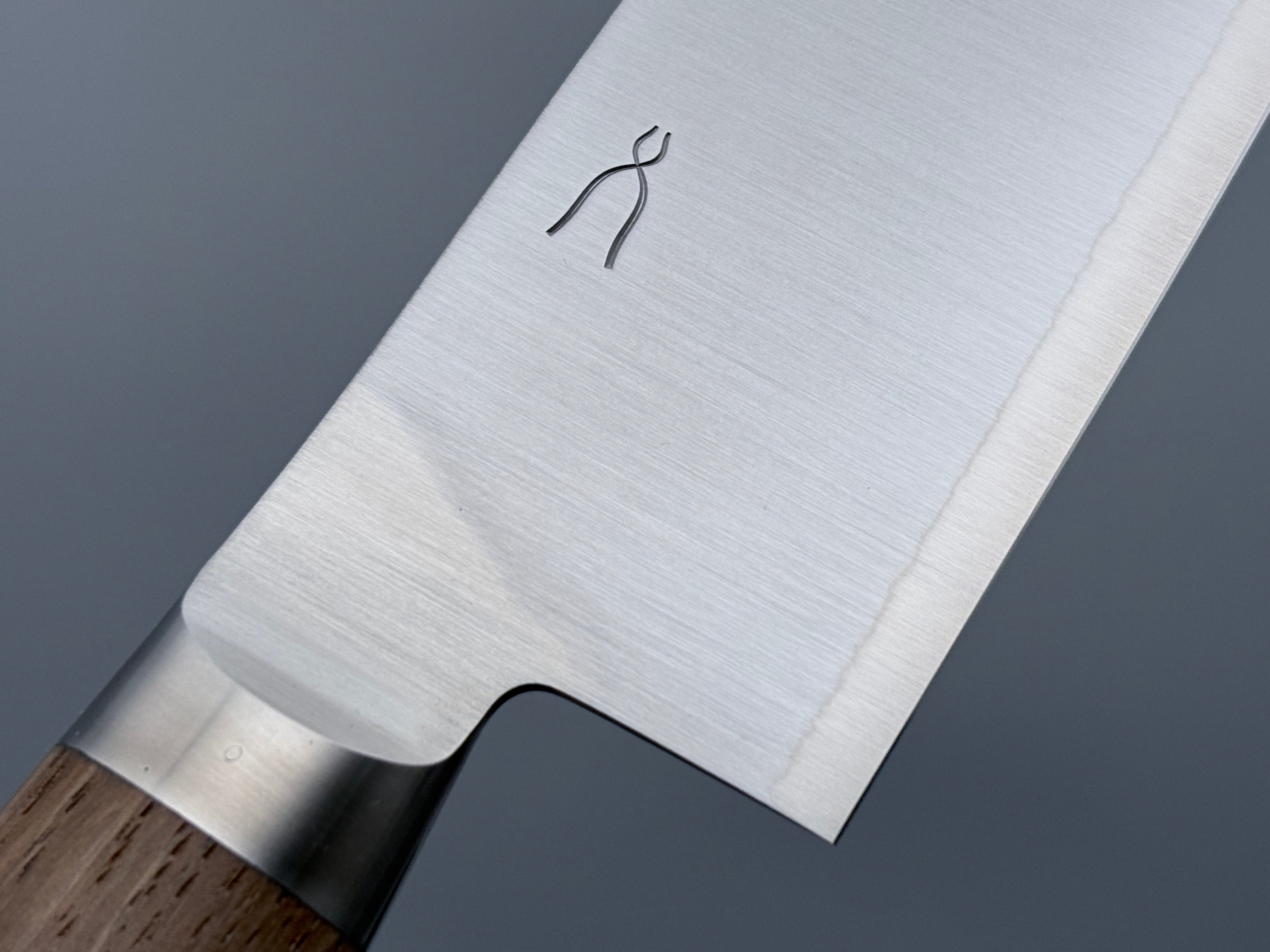
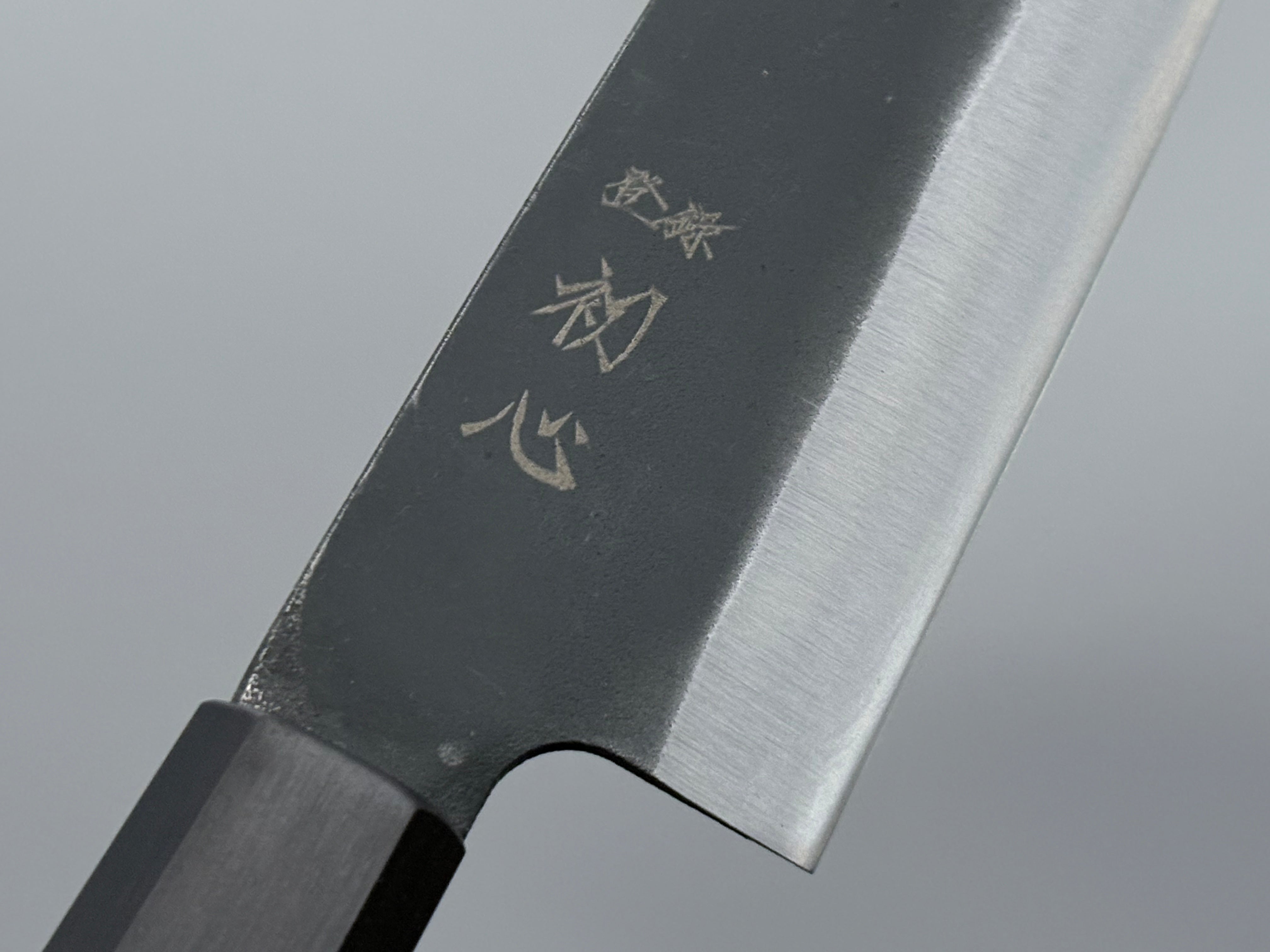
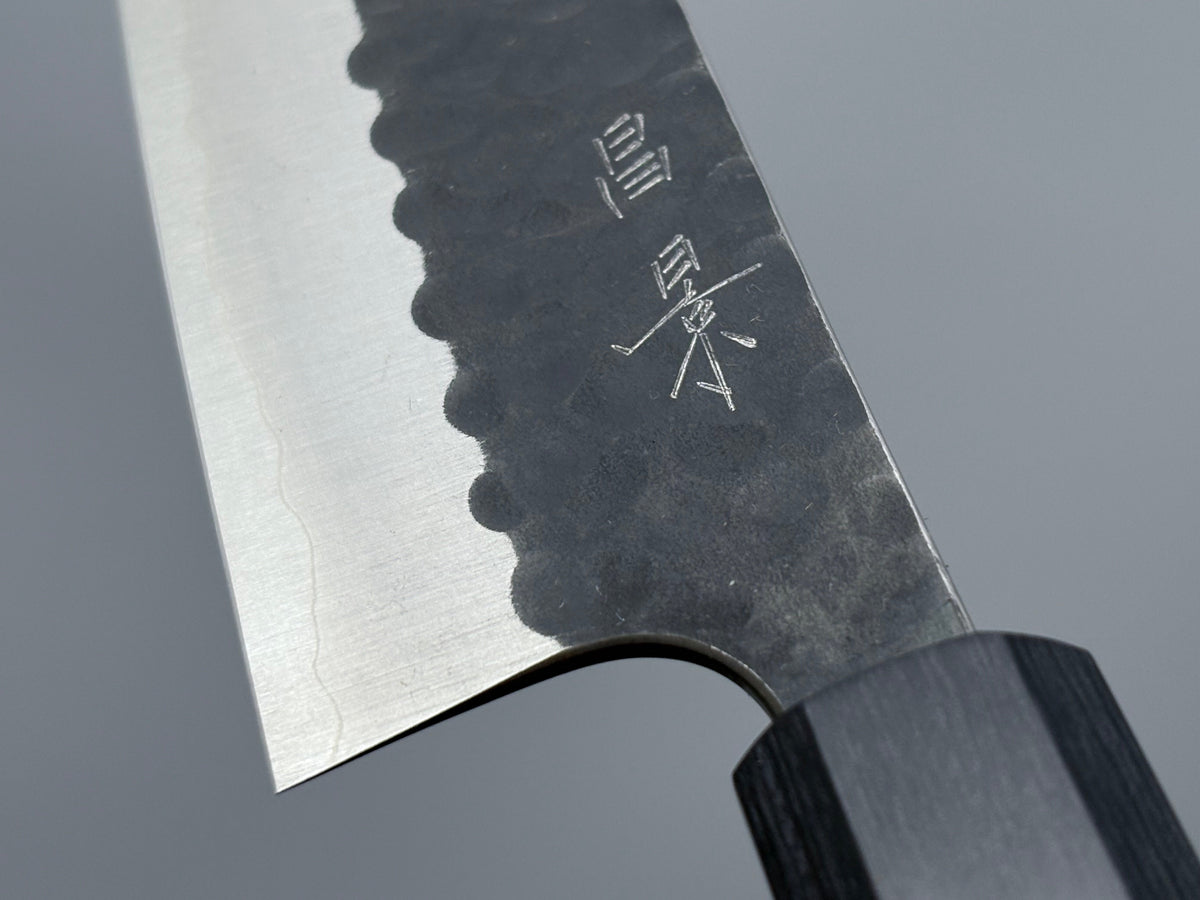
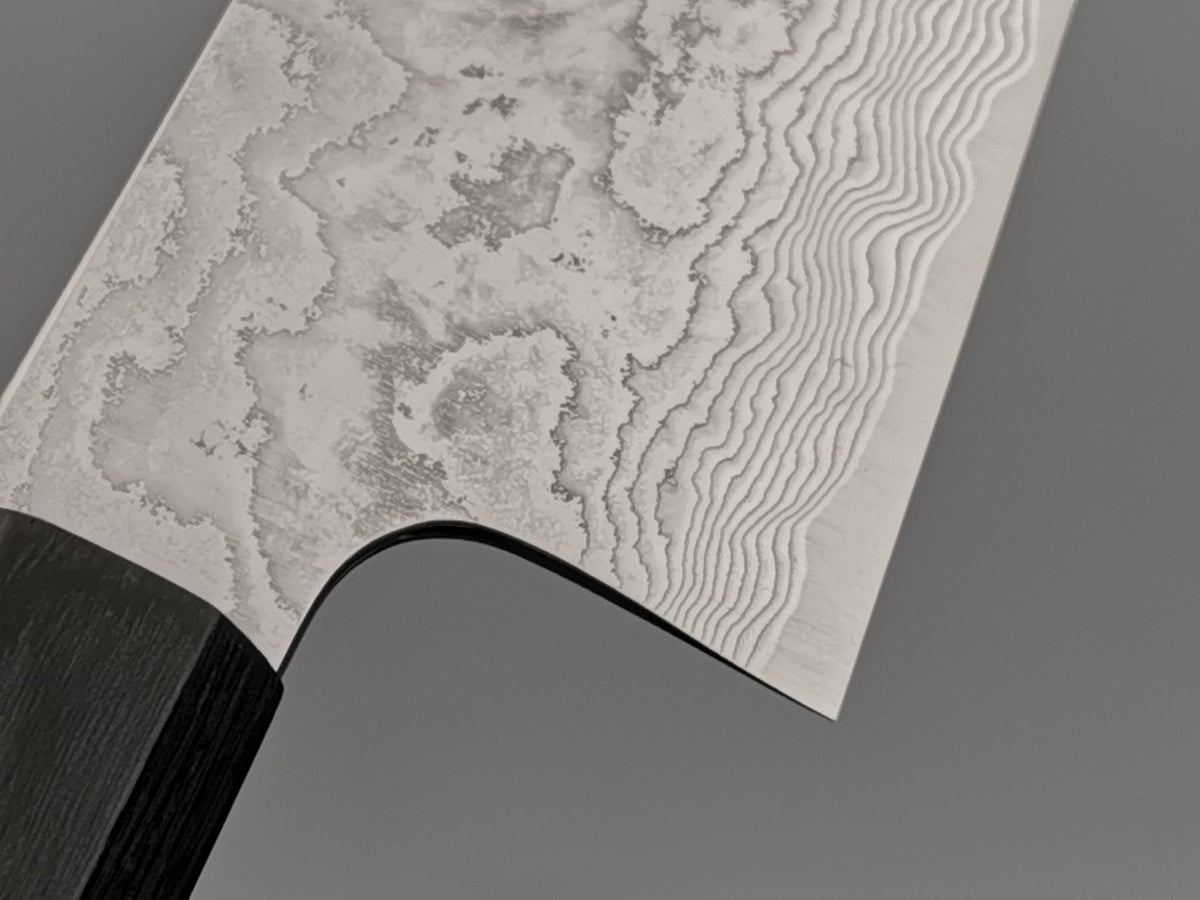
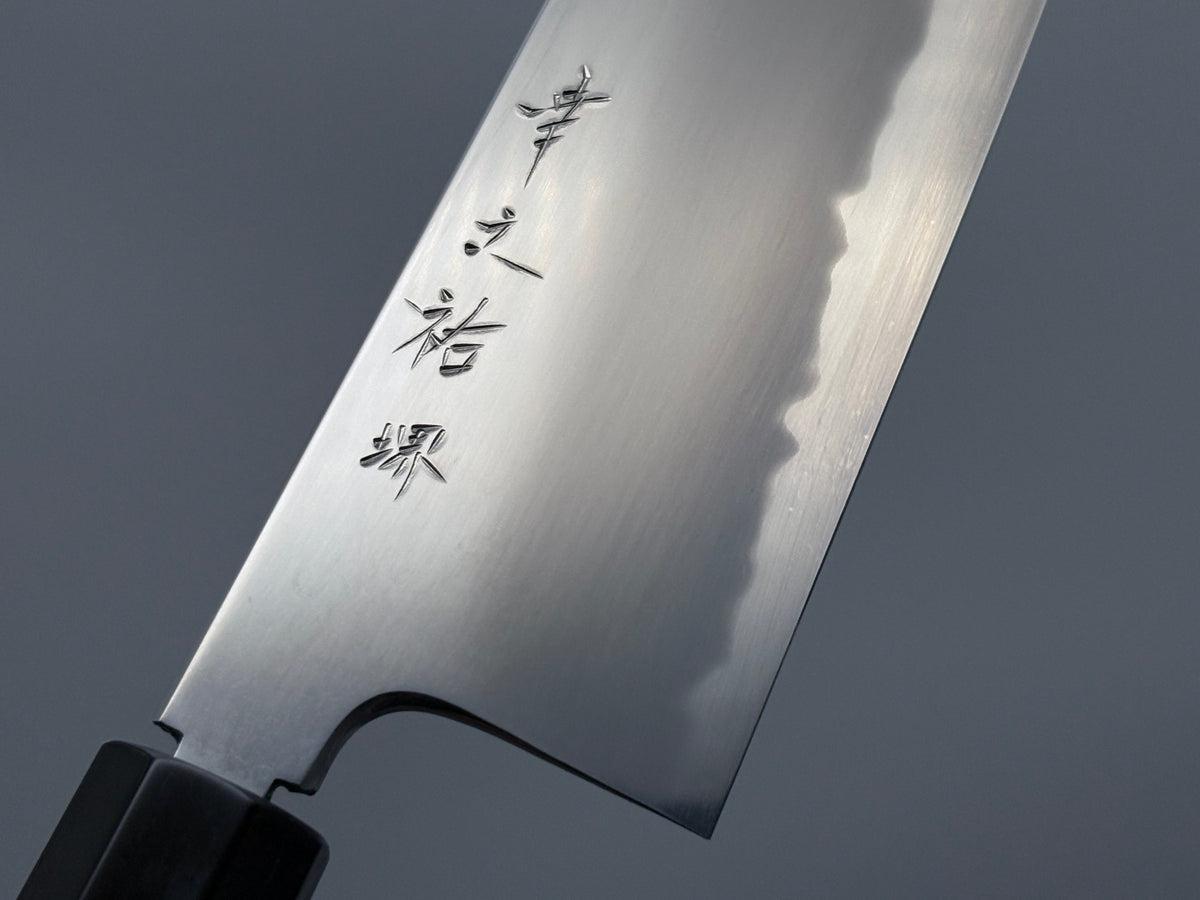
Santoku knives come in several finishes. A kurouchi finish leaves the forge scale intact, giving a rustic look and reducing drag through food. A polished migaki finish has a cleaner, more uniform appearance. Handles are usually octagonal or oval wa-style, though some makers offer western-style alternatives. The handle affects balance and how the knife sits in your hand, so it is worth thinking about your grip and the weight you prefer before you buy.
Find your santoku at Cutting Edge Knives
Whether this is your first quality Japanese knife or you are adding to a collection, the santoku is a reliable all-round choice. Browse our full range of all-rounder chef knives to find the right one for your kitchen.