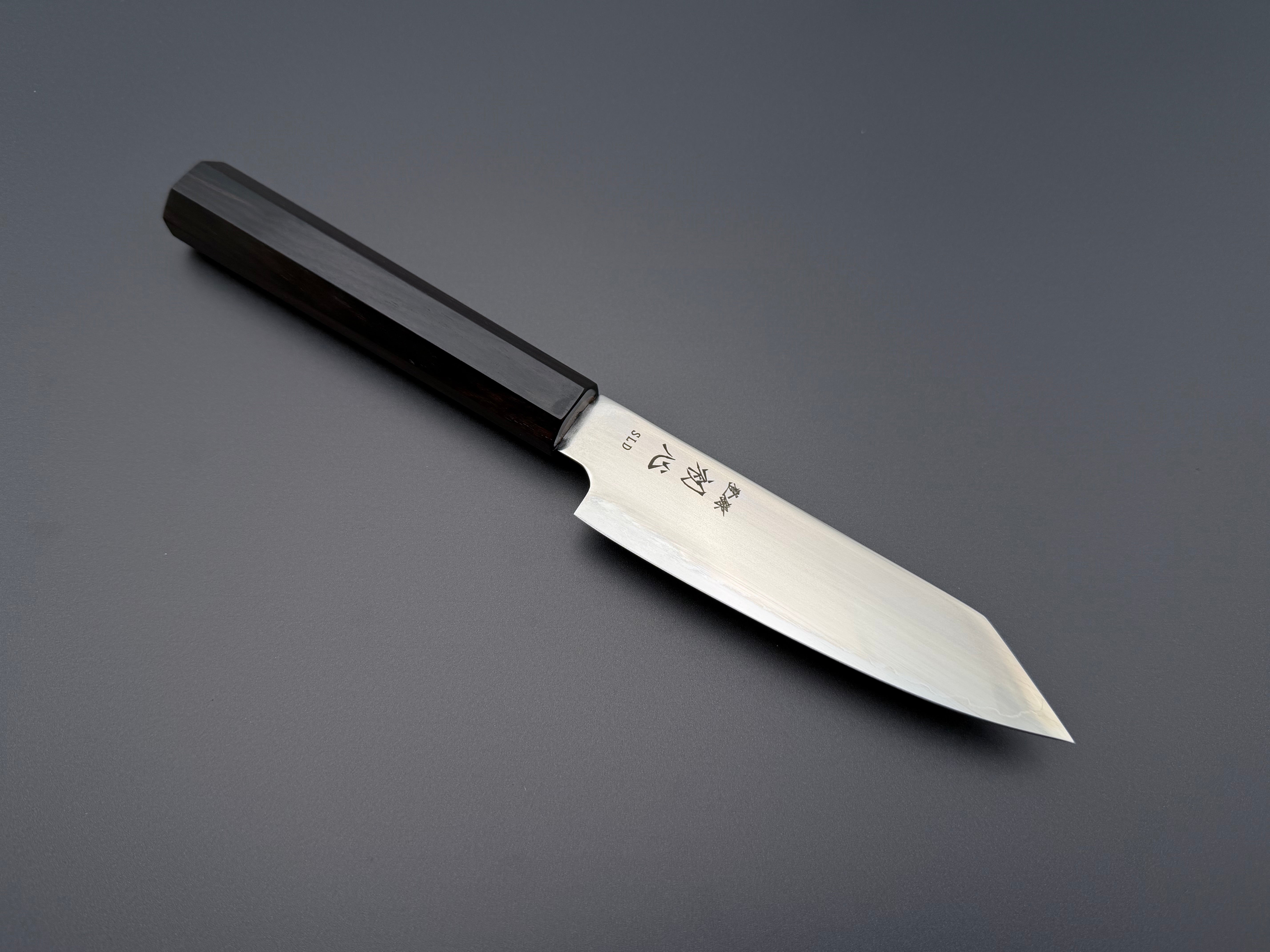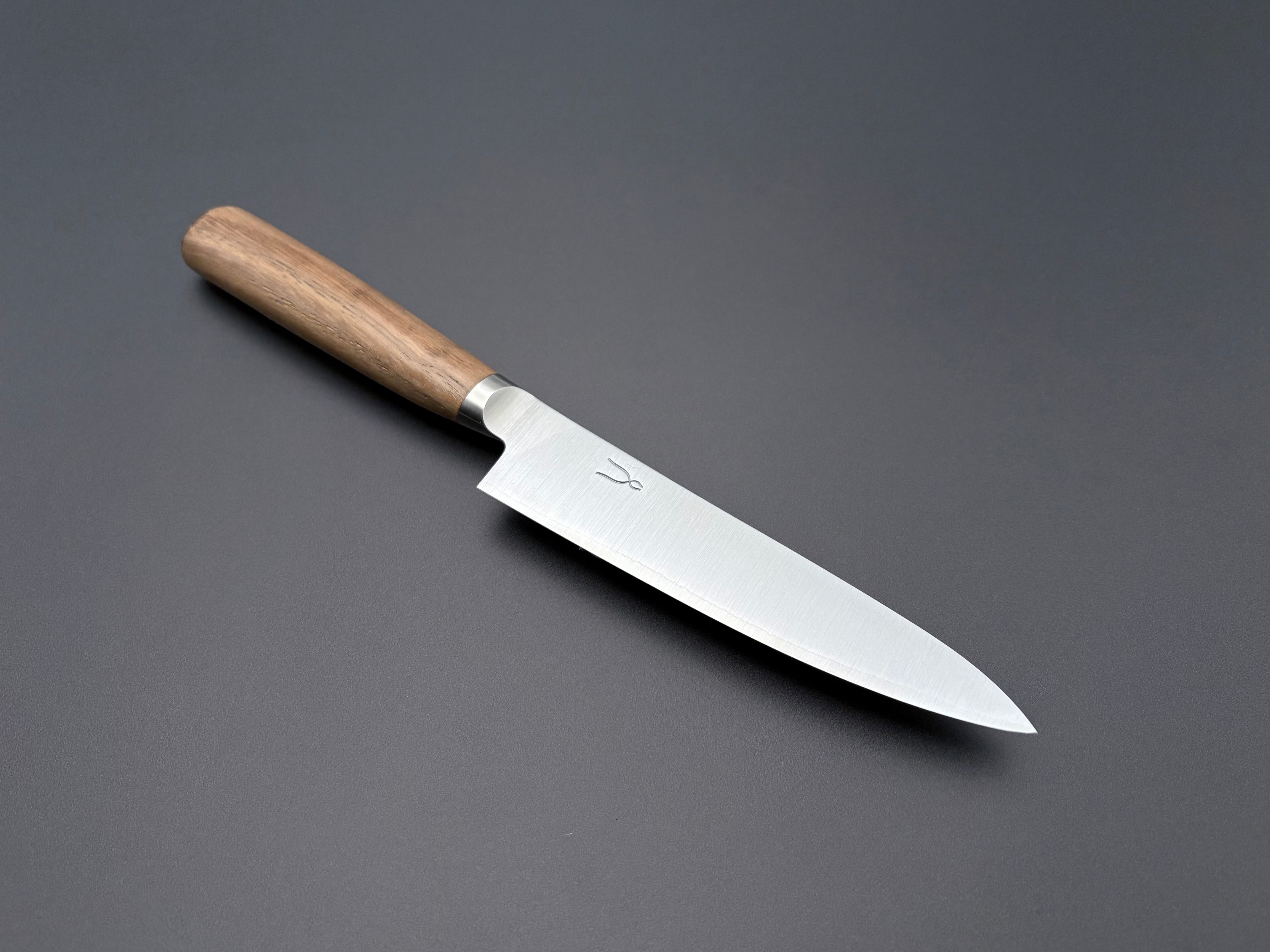

What a Japanese petty knife is and why it matters
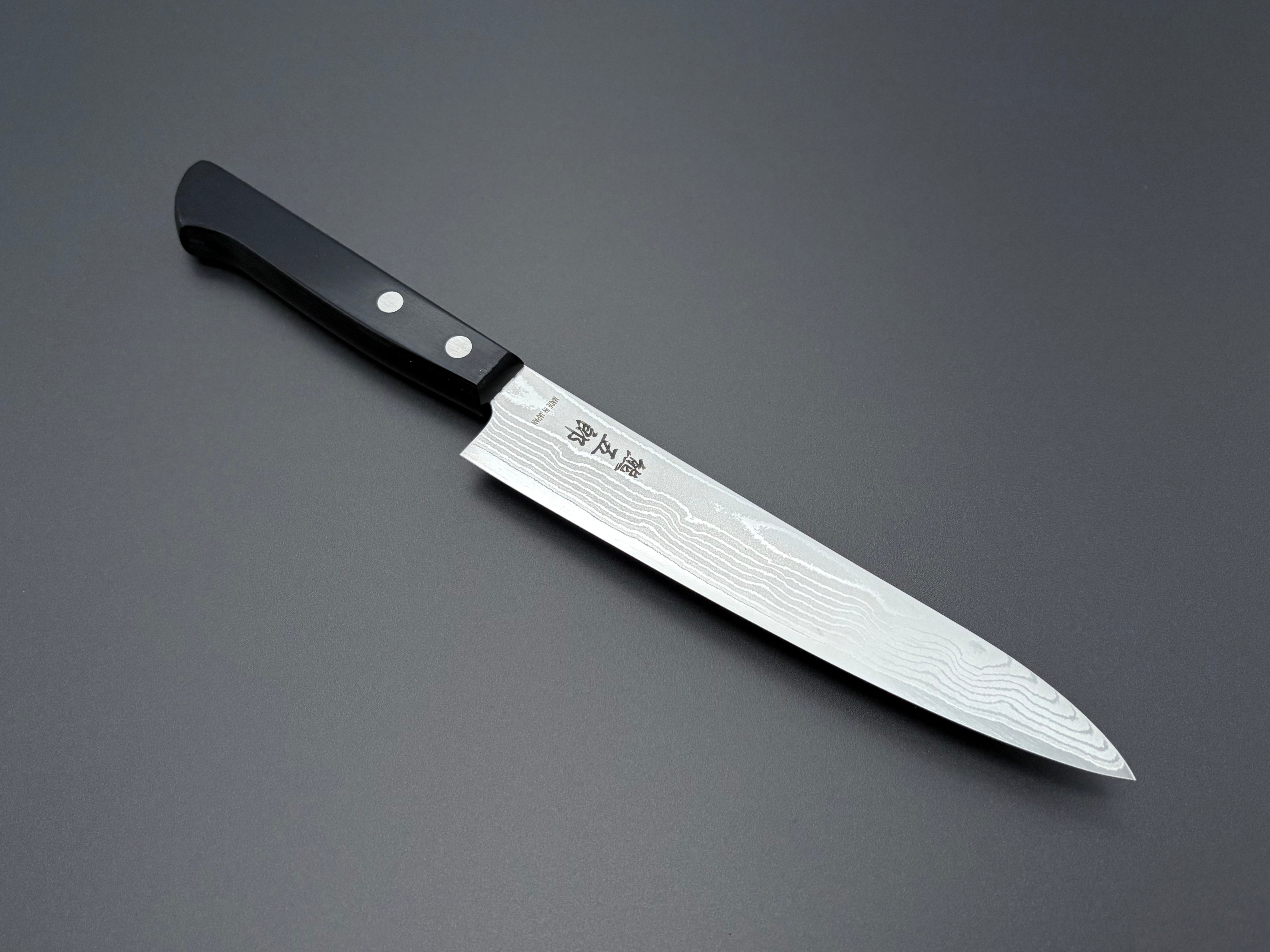
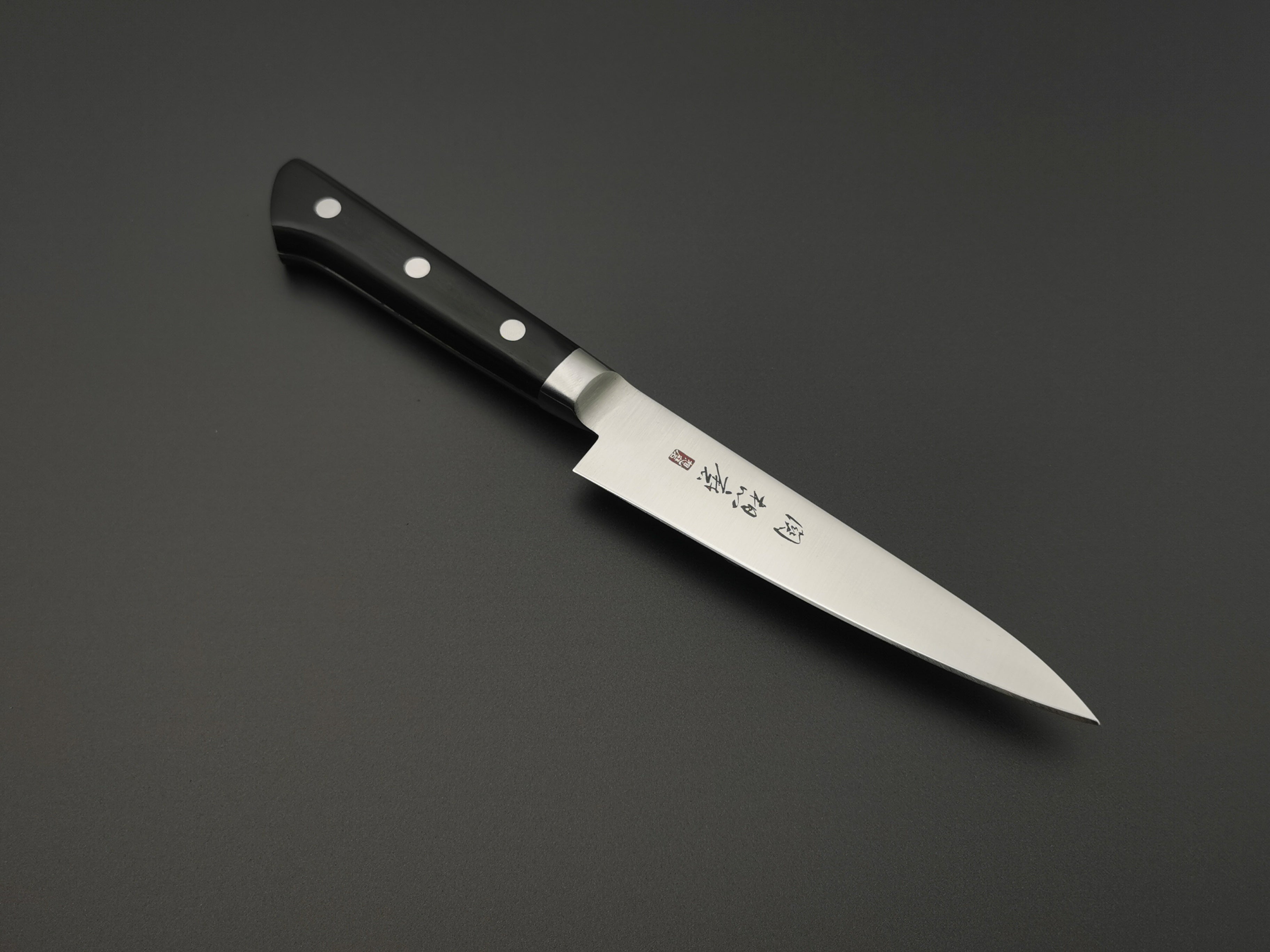
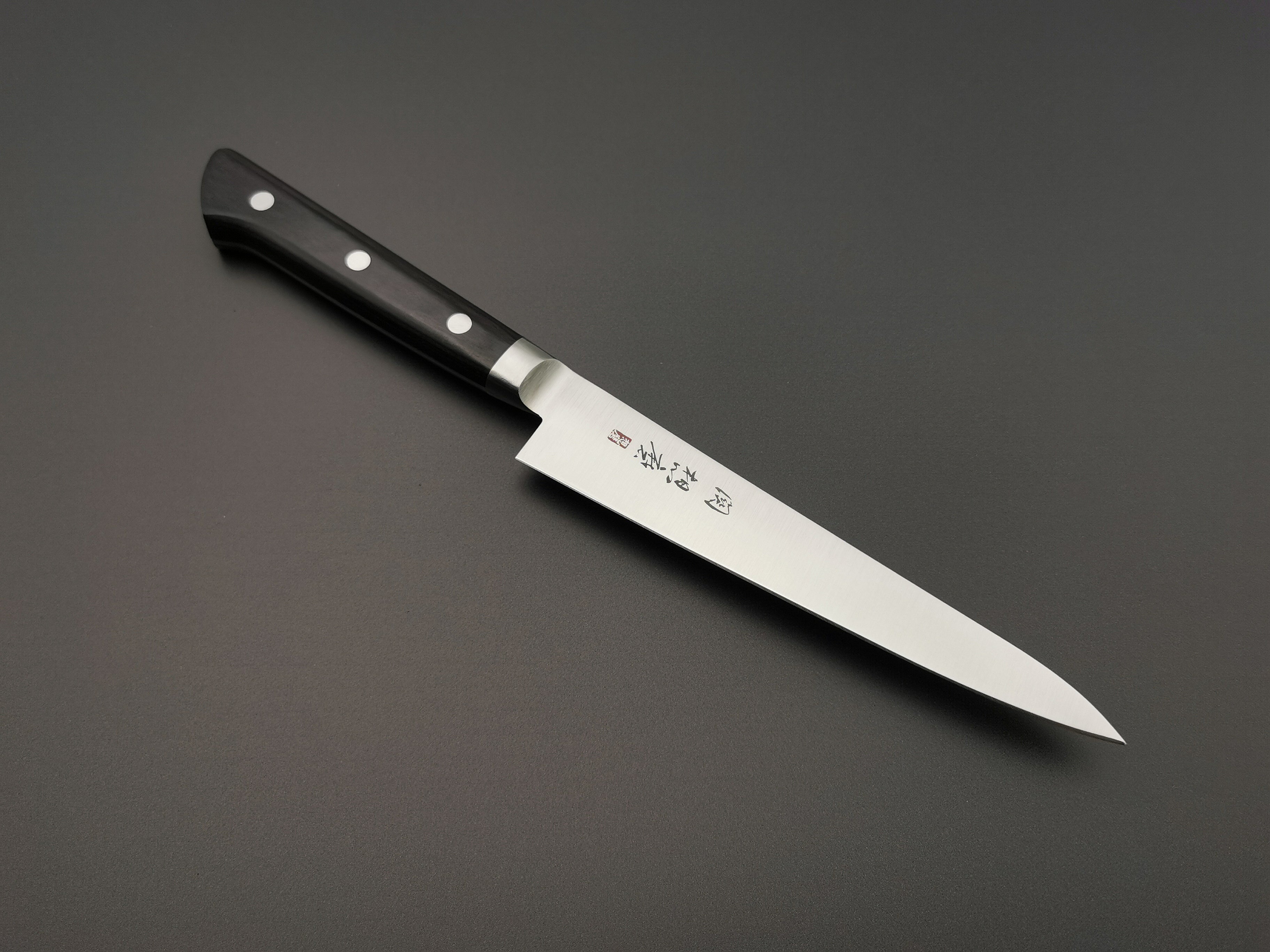
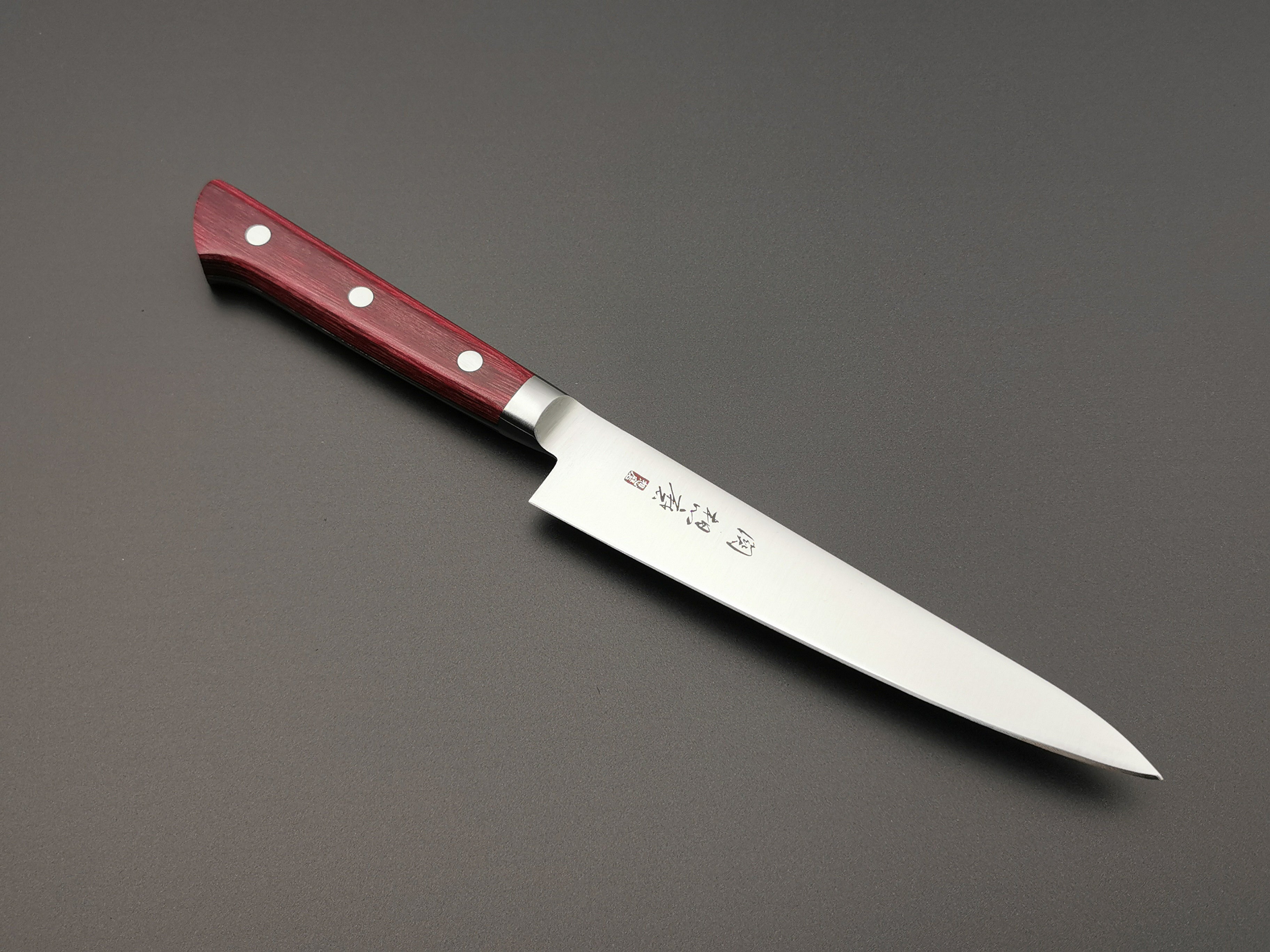
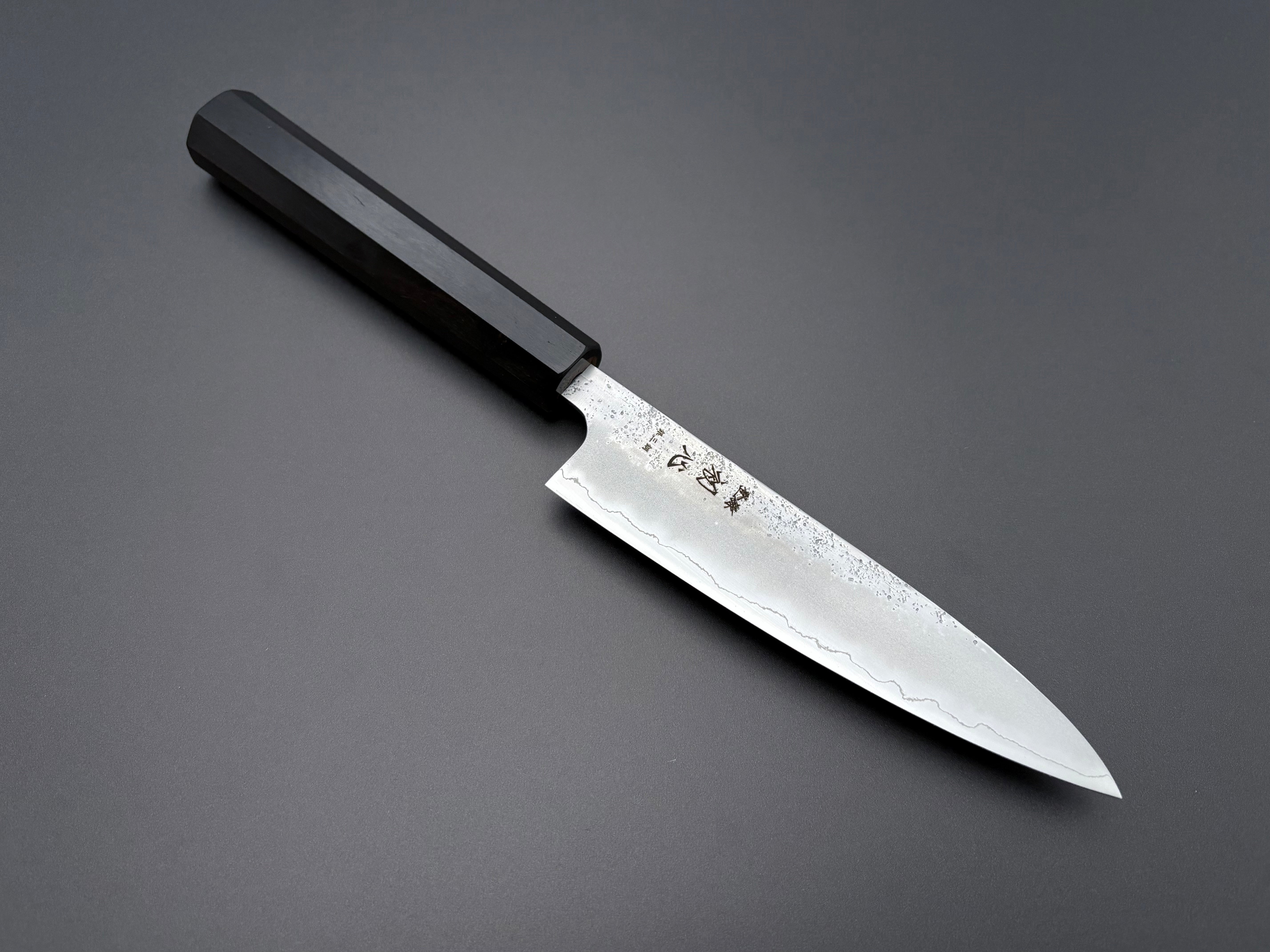
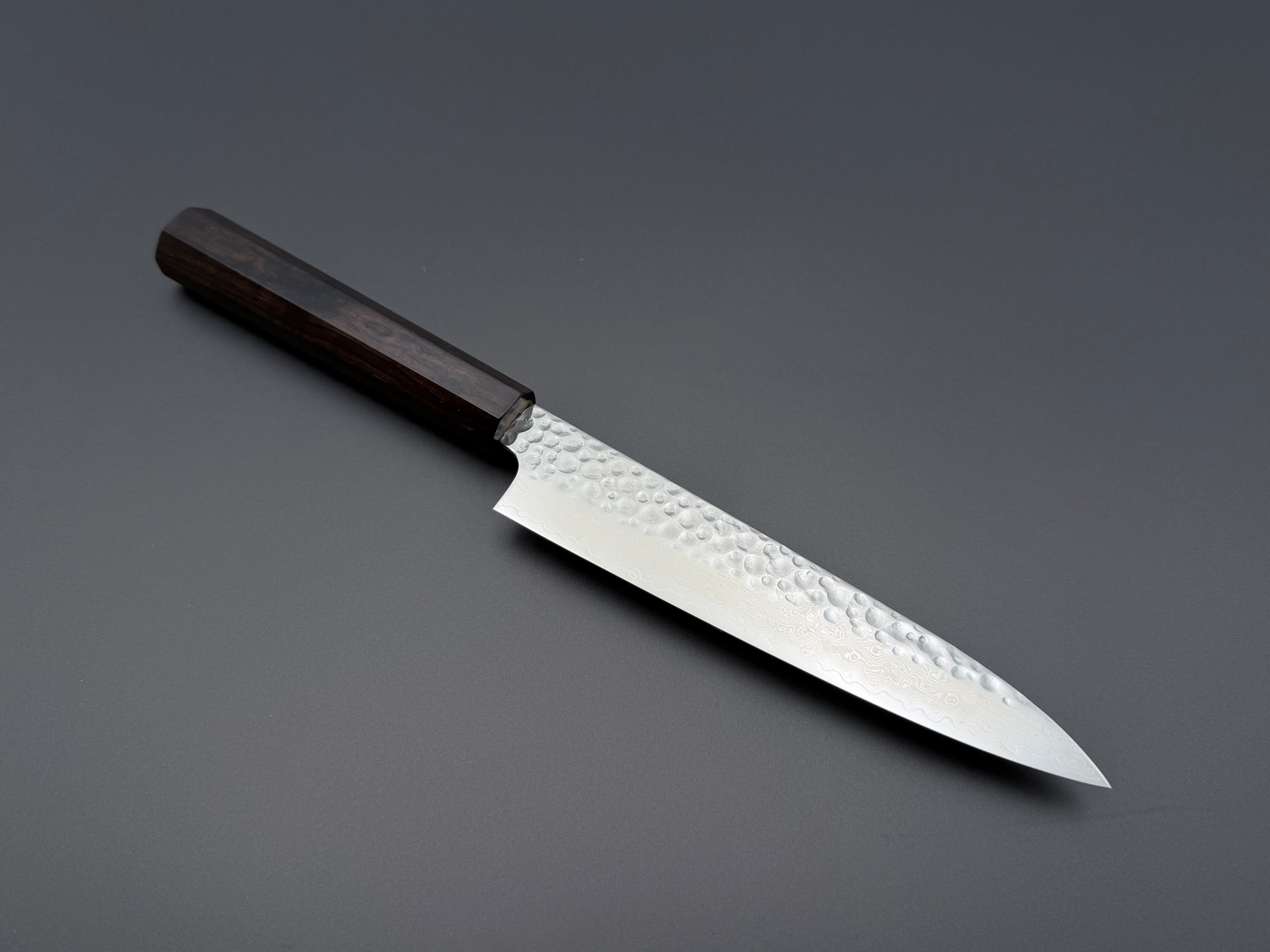
A Japanese petty knife is a small, agile blade built for the precise work a larger gyuto or santoku handles badly. Peeling, trimming, segmenting citrus, cleaning shallots, slicing garlic, these are the jobs where a petty earns its keep. The name comes from the French petit, meaning small, which fits it well. Compact, light, and sharp, it is the knife you reach for when control matters more than reach. If you have ever tried to peel a shallot with an 8-inch chef's knife, you already understand the problem it solves.

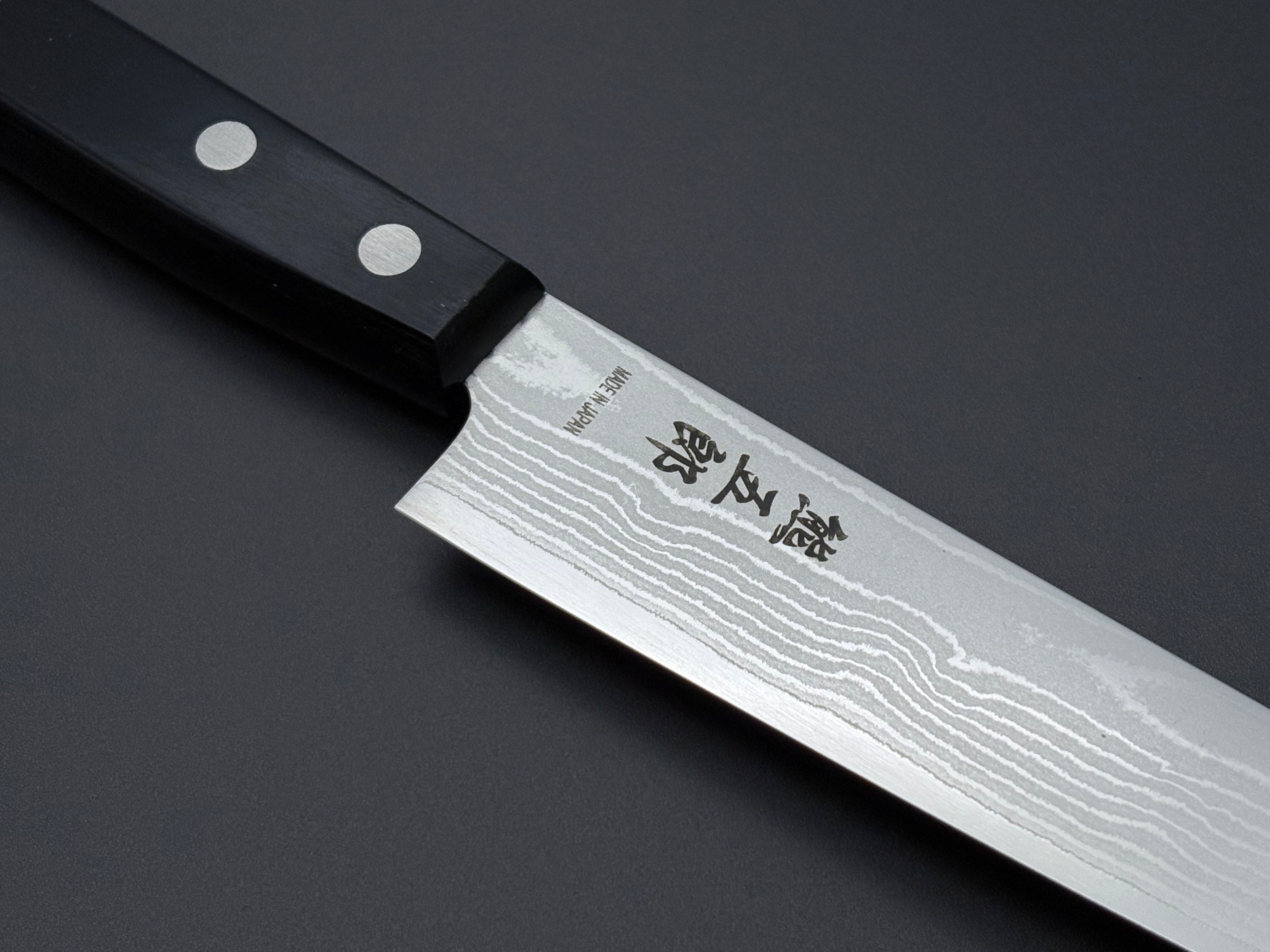
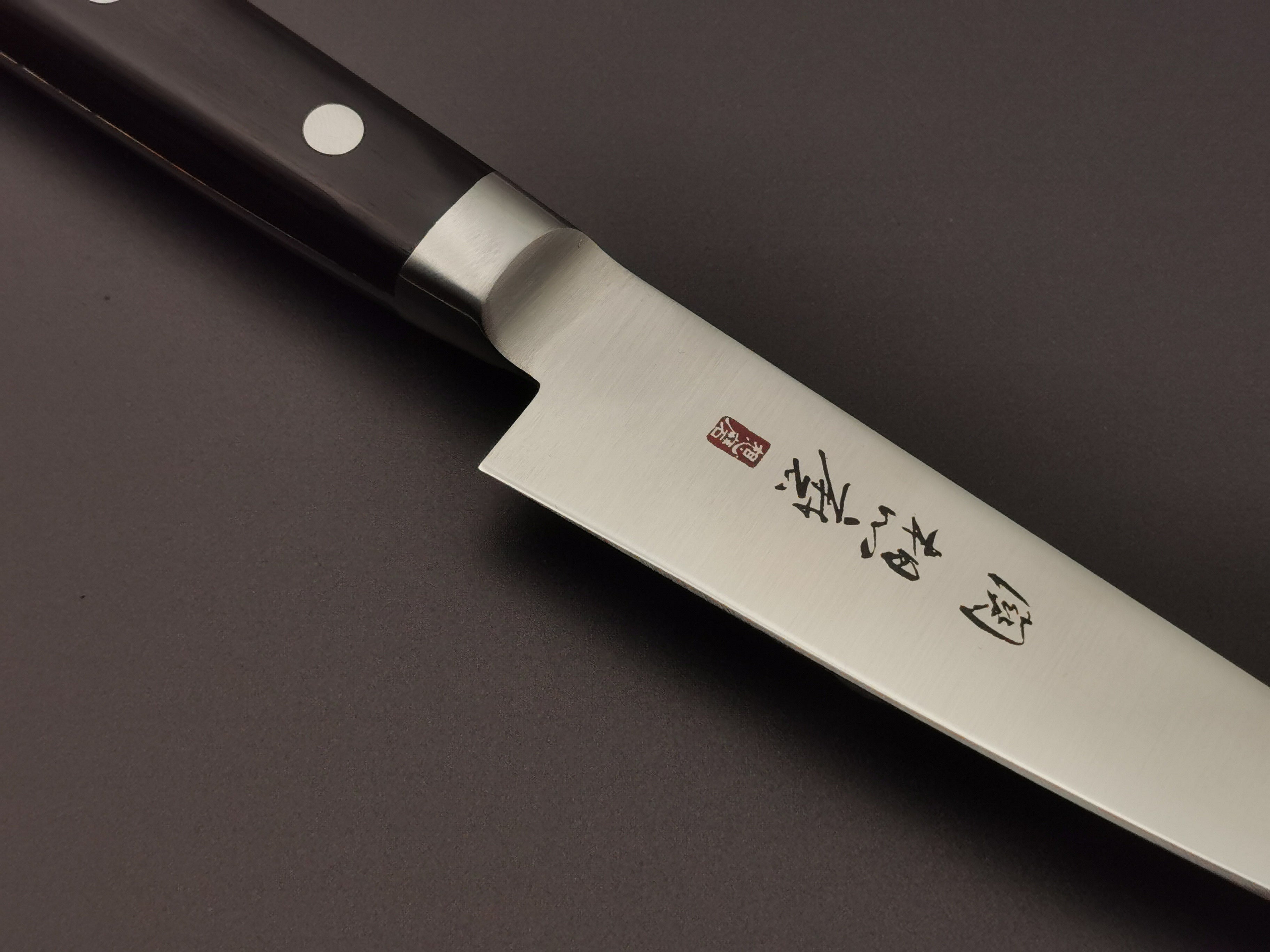
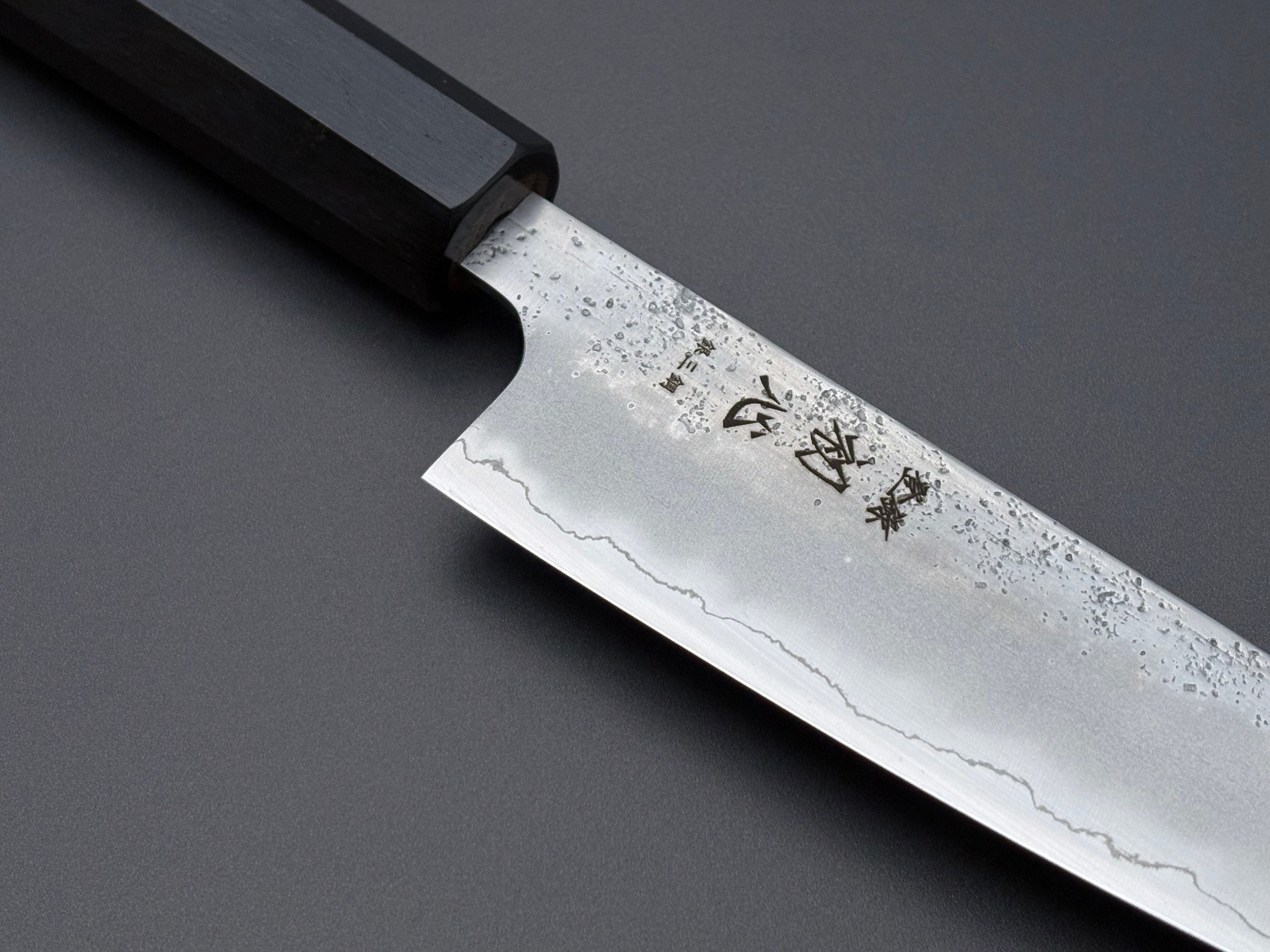
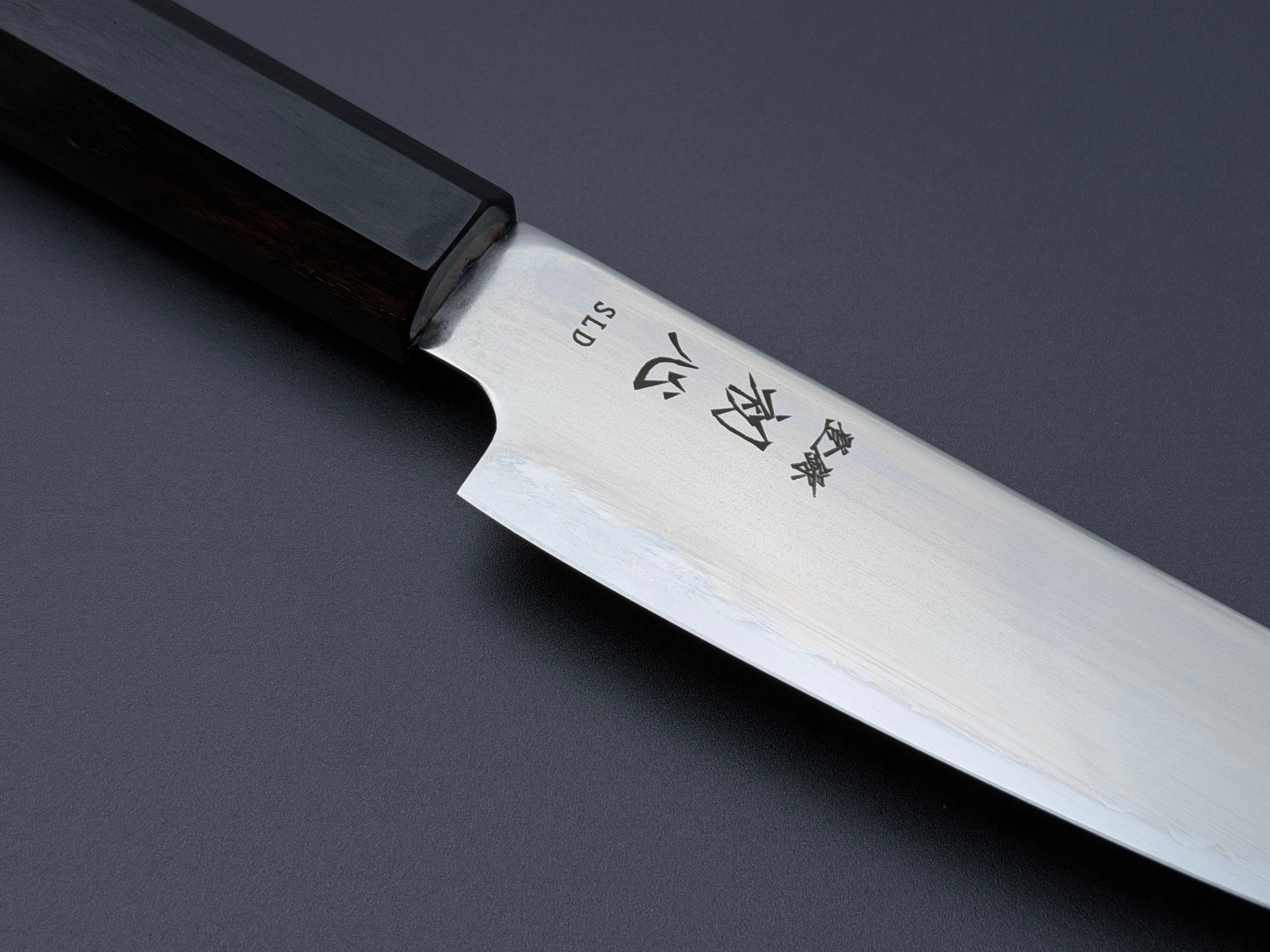
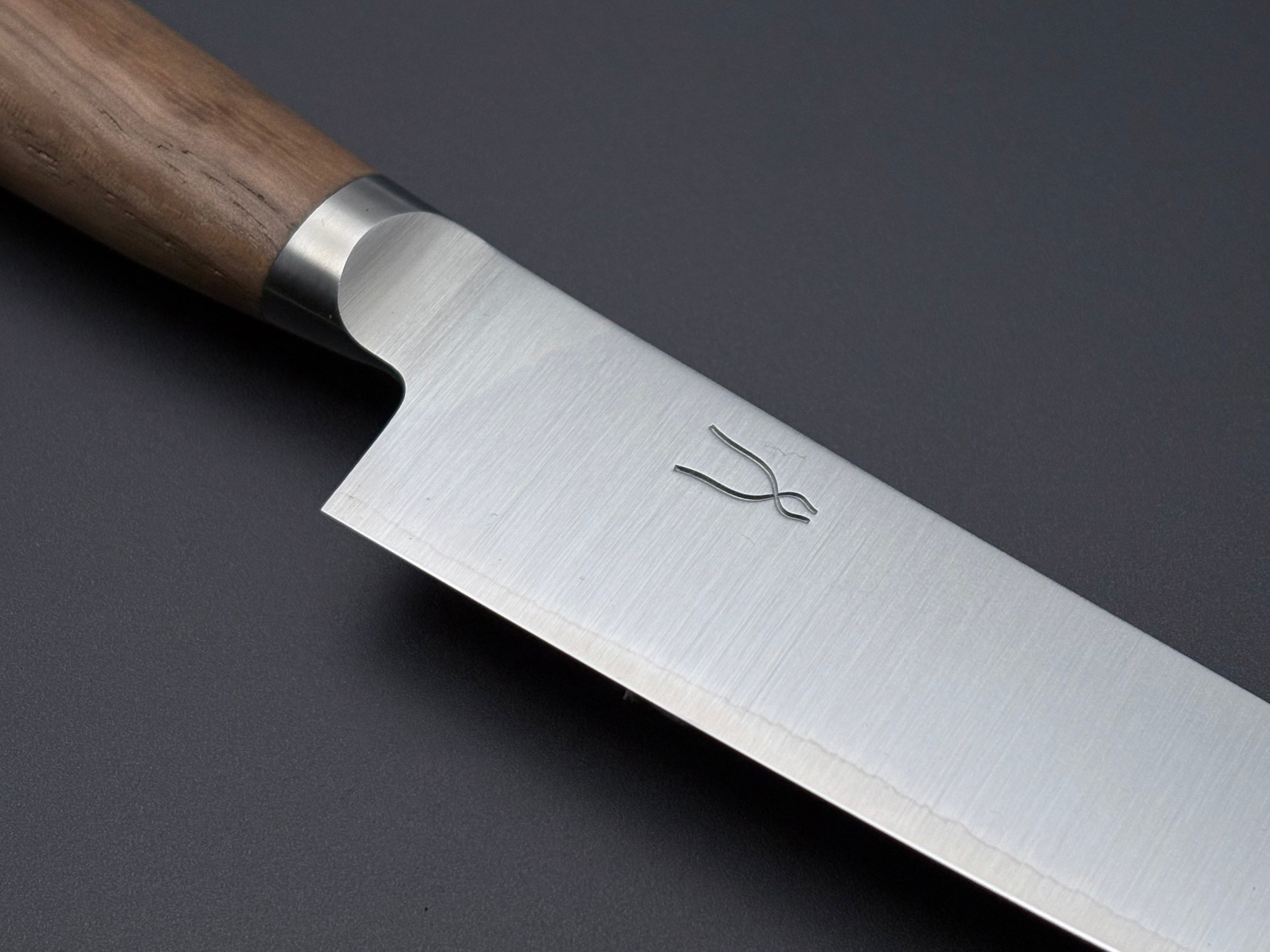
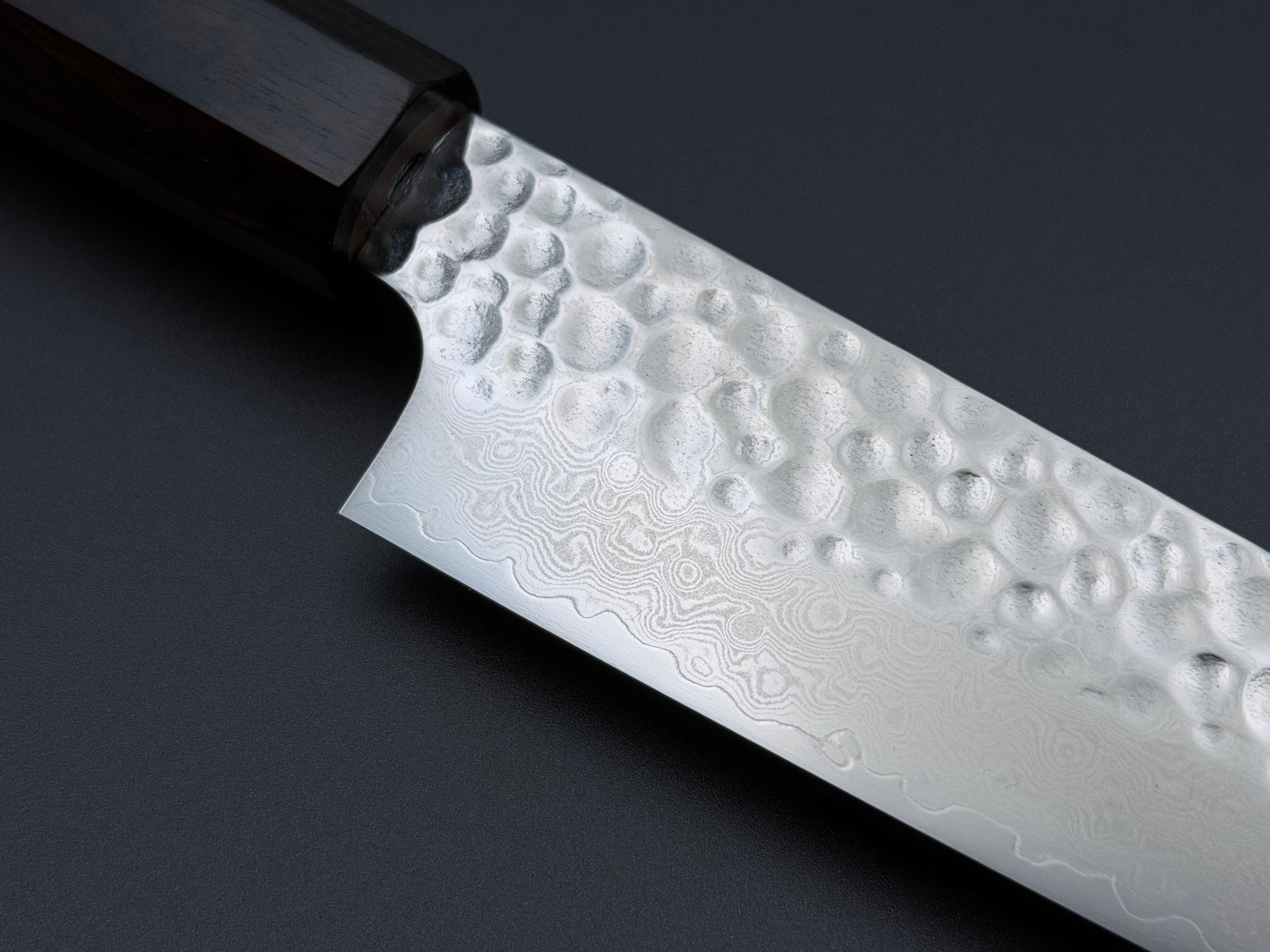
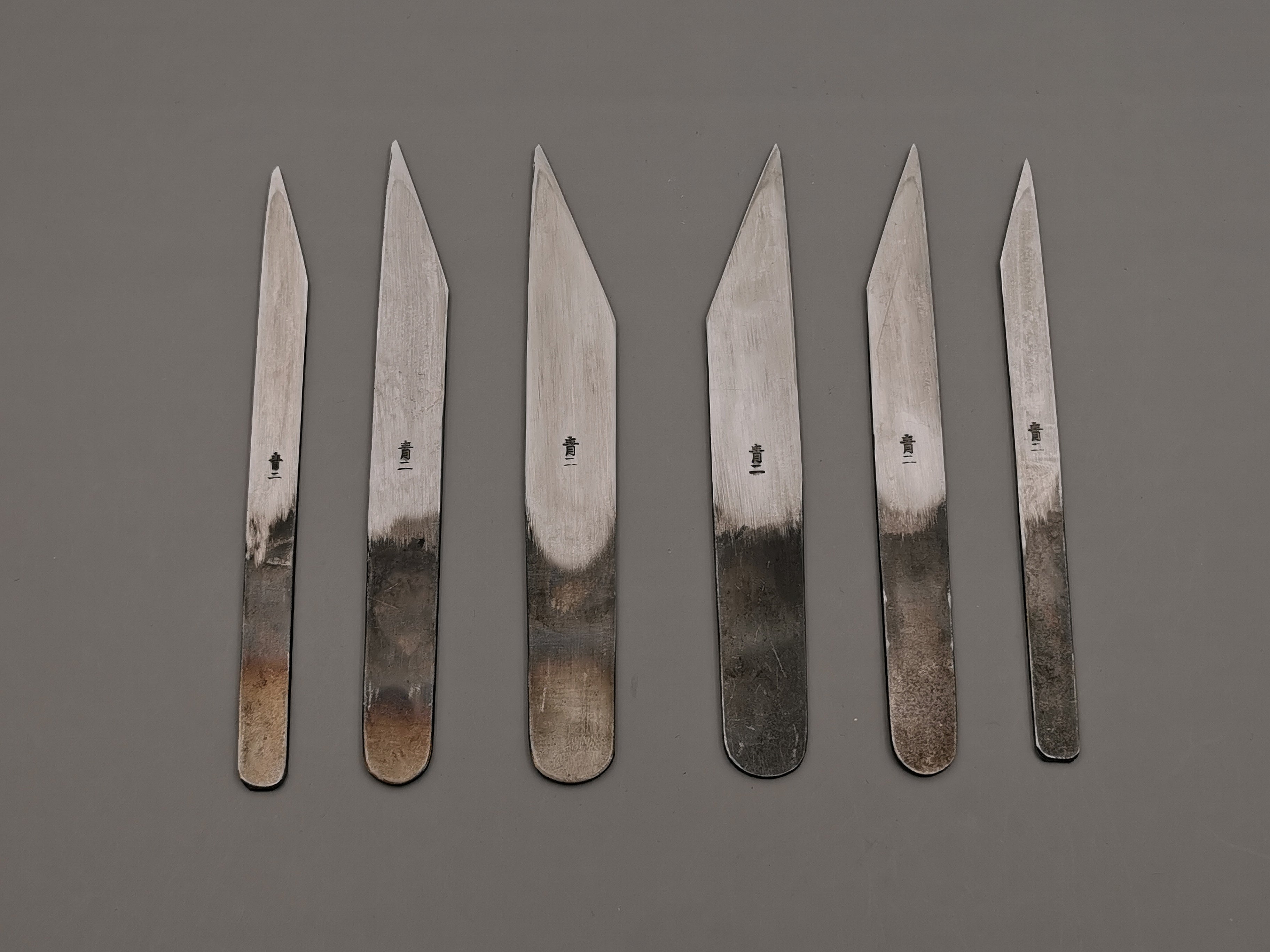
Among the makers producing good examples, Hado Knife is worth knowing. Based in Sakai City, Osaka Prefecture, one of Japan's oldest knife-making centres, Hado works with master blacksmiths using premium steels including SG2, Ginsan, and Shirogami. Every blade is hand-sharpened, and the quality shows in how they feel and perform out of the box.
Choosing the right size
Petty knives typically run between 120mm and 180mm, and the right length depends on how you actually use one. Around 120mm suits in-hand work, peeling, intricate trimming, anything where the blade needs to follow a curve rather than travel across a board. The 135 to 150mm range is a reasonable middle ground: capable on the board but still light enough for detailed work. Blades in the 151 to 179mm range can handle slicing and work almost as a compact chef's knife for cooks who prefer a shorter blade day to day. If you are unsure, think about how much of your prep happens in-hand versus on the board and let that guide you.
Steel choices and what they mean in practice
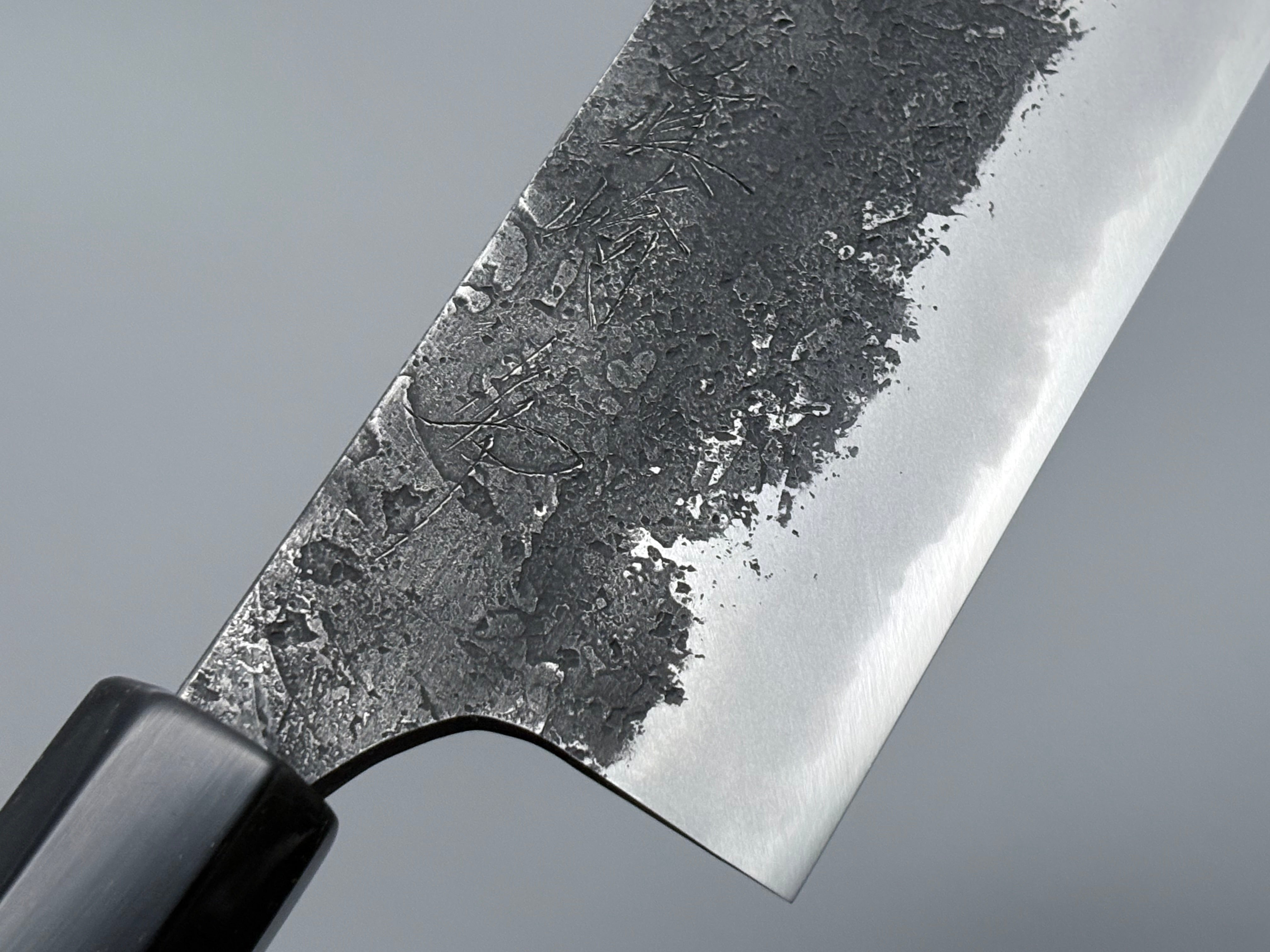
One benefit of buying from a specialist maker like Hado is access to steels that mass-market brands do not bother with. The Hado Shiosai SG2 and Hado Ginsan lines hold an edge well and resist corrosion, which matters if you are not the type to dry and oil a blade after every use. For those who prefer carbon steel, the Shirogami #2 options develop a patina over time and reward careful upkeep with a keenness that stainless rarely matches. Neither is objectively better. It comes down to how much maintenance you are willing to do.
Is a petty knife worth it?
Most cooks treat a petty as optional until they use a good one. Then it becomes hard to do without. It handles work that feels awkward with a larger blade, and its lighter weight reduces fatigue during repetitive prep. Paired with a gyuto for general use, it makes for a two-knife setup that covers almost everything a home or professional cook needs.
Browse the full range of Japanese knives and accessories at Cutting Edge Knives to find the petty knife that suits your cooking and your budget.