
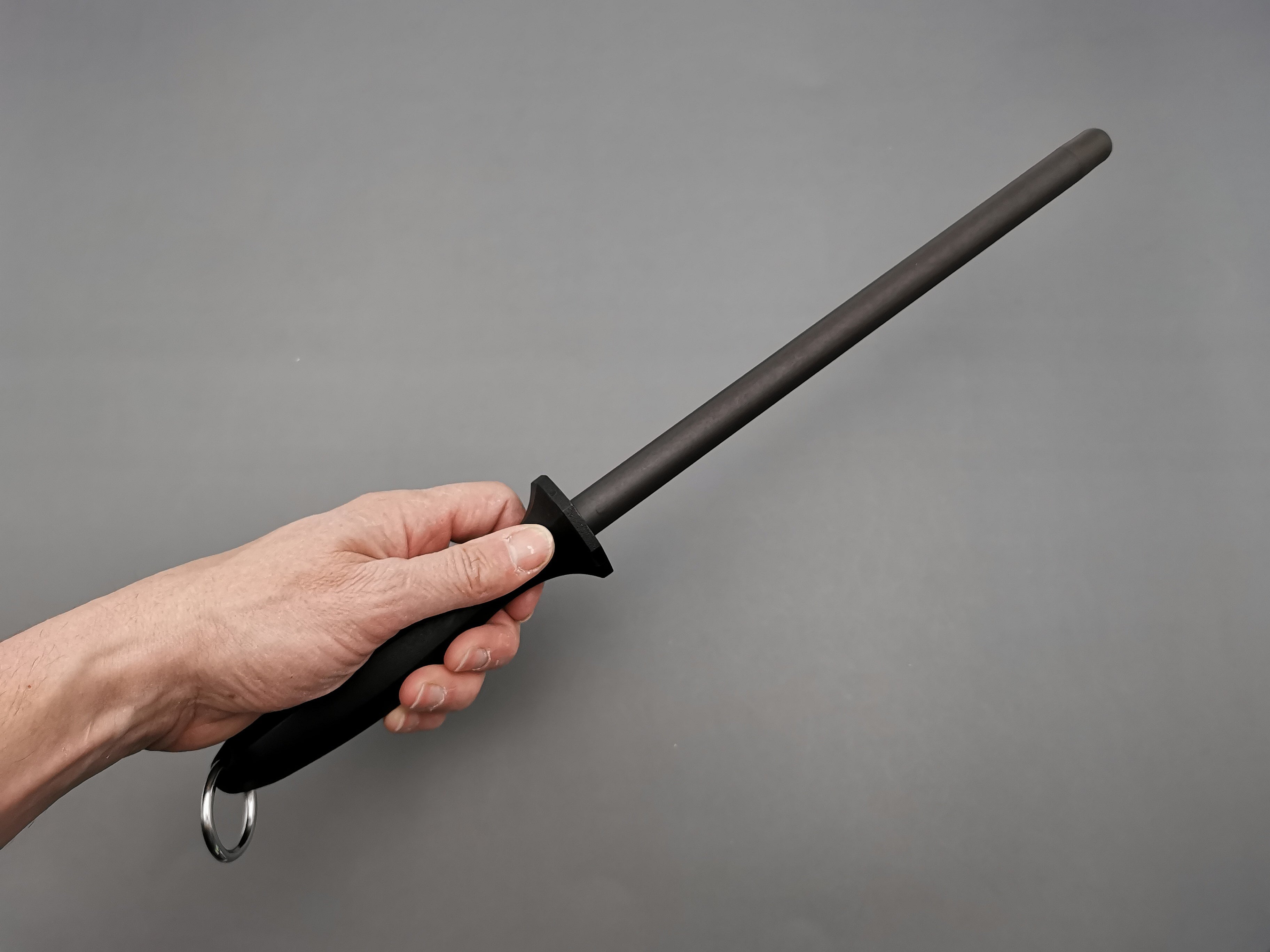
What is a ceramic honing rod?
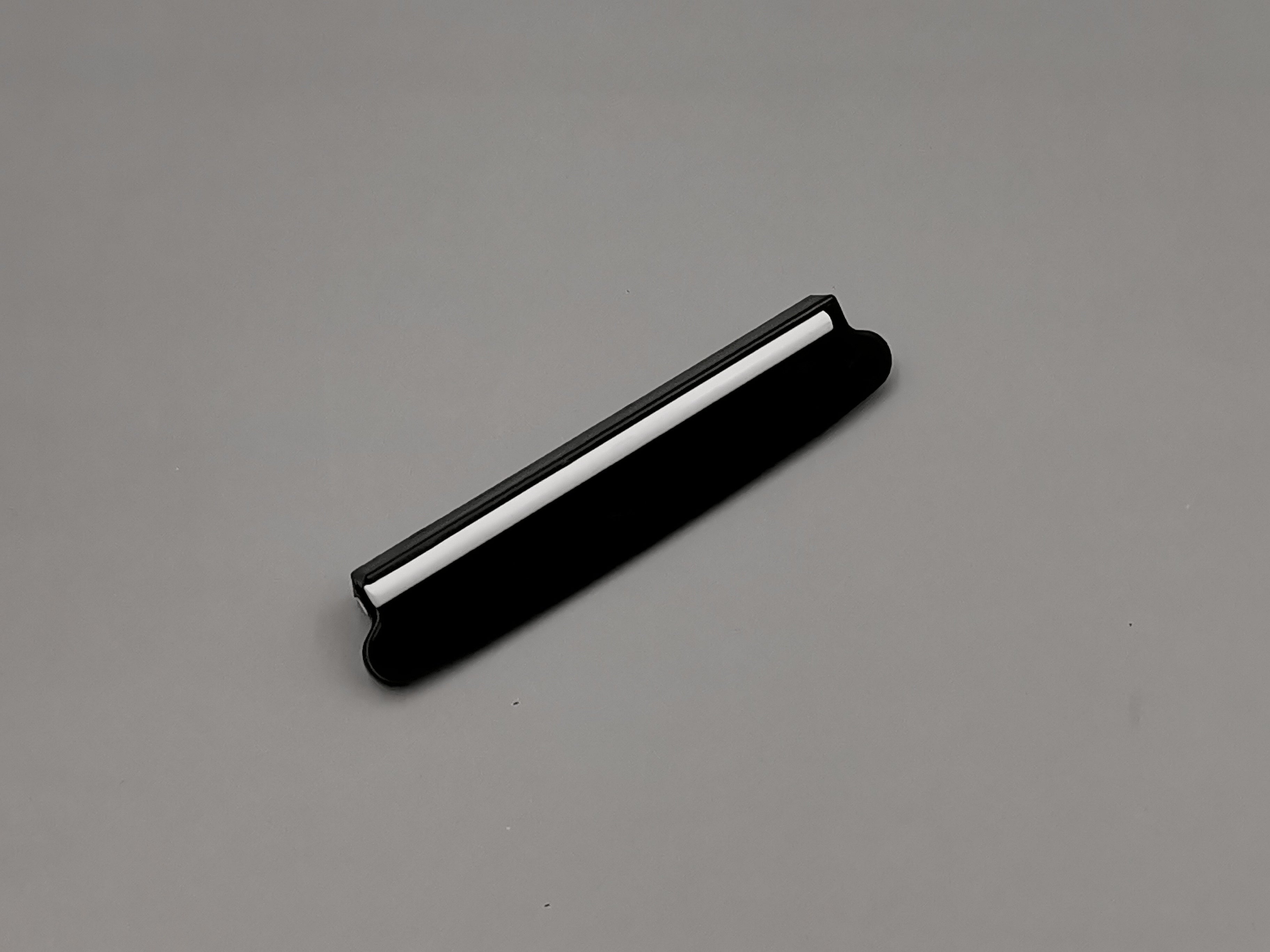
A ceramic honing rod is made from aluminium oxide or a similar ceramic compound, shaped into a rod and used to realign and lightly refine a knife edge between full sharpening sessions. Unlike a steel honing rod, which primarily straightens a rolled edge, a ceramic rod removes a small amount of metal as well, making it a mild abrasive tool. That combination of realignment and light abrasion makes it well suited to harder steels, including the high-carbon and stainless alloys common in Japanese knives.

Ceramic vs steel honing rods
Traditional honing steels, ribbed or smooth, work well on softer European knives that roll easily. Japanese knives tend to be harder and more brittle, so a smooth ceramic rod is generally the safer choice. The ceramic surface is fine enough to avoid micro-chipping the edge while still keeping the bevel aligned and clean. Many cooks use one after every few uses to maintain cutting performance without reaching for a whetstone each time. A steel rod on a hard Japanese blade risks small fractures along the edge, which shortens the knife's life considerably.
Which knives work well with a ceramic honing rod
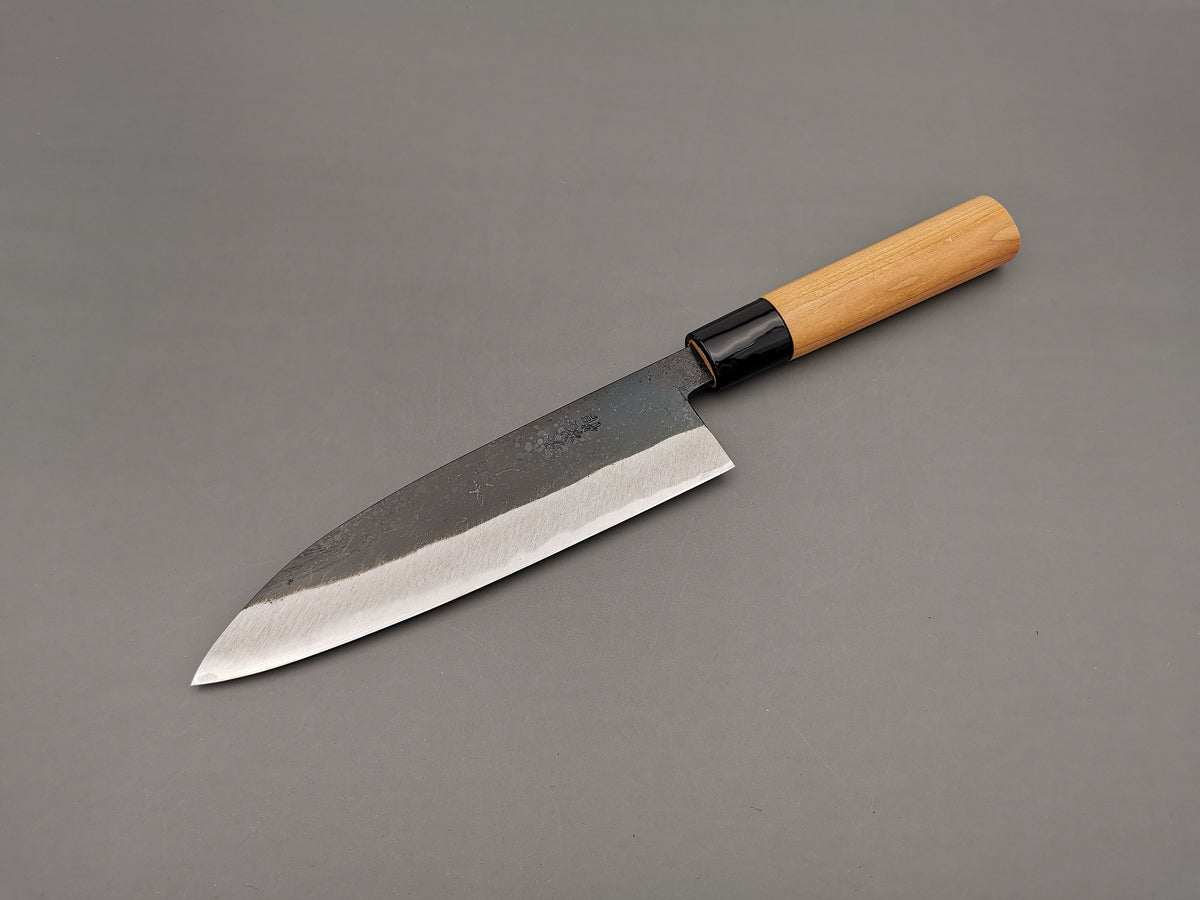
The rod suits a wide range of Japanese kitchen knives, from everyday gyutos to more specialised shapes. Knives in harder steels such as VG10, ginsan, or aogami benefit most, as their edges hold well but can develop minor deformation with regular use. If you are browsing our all-rounder Japanese chef knives or looking at gyuto knives, pairing your purchase with a ceramic rod is worth considering. Single bevel knives are a different matter and are better maintained on whetstones alone.
How to use a ceramic honing rod
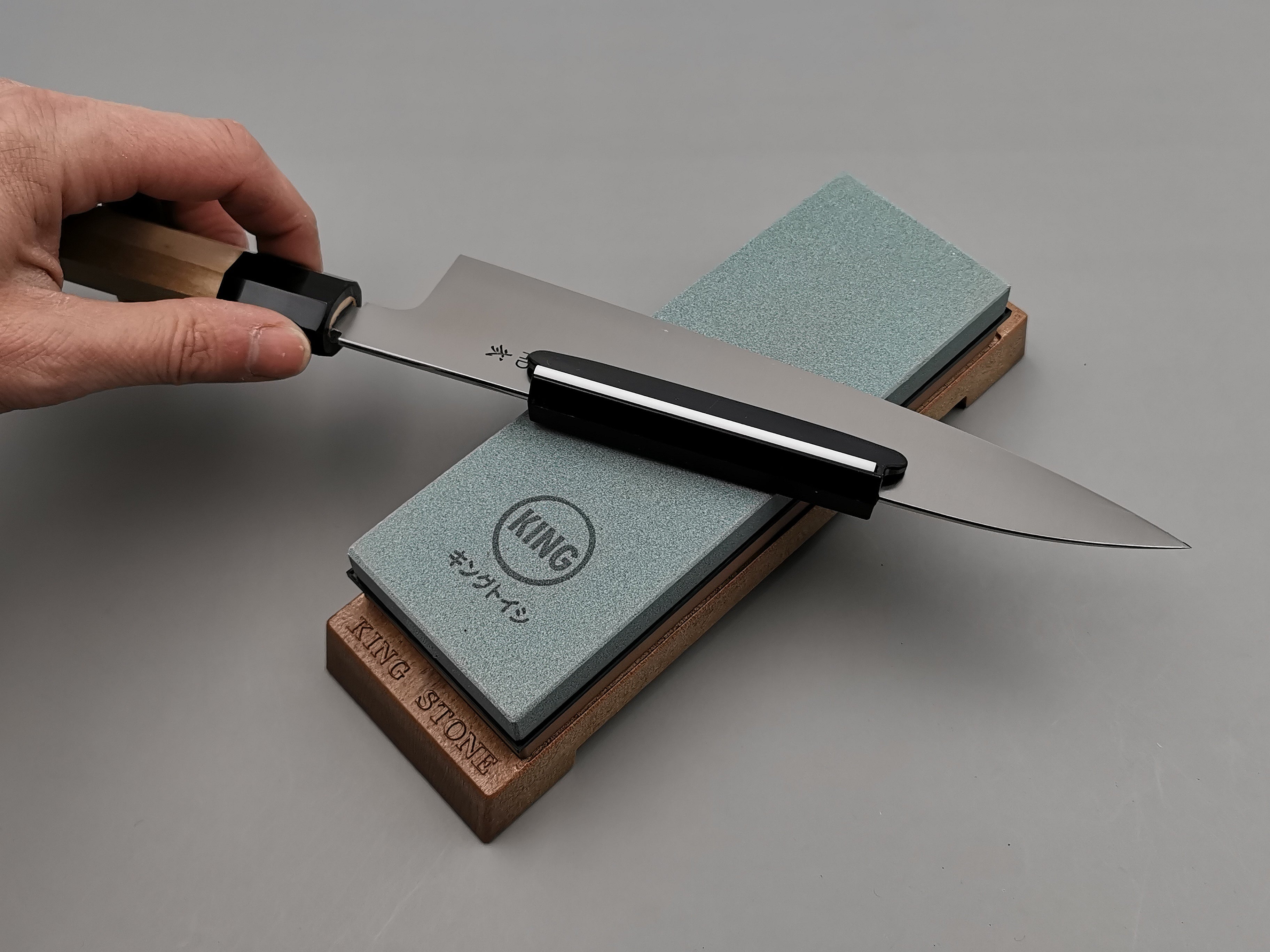
Hold the rod vertically with the tip resting on a folded cloth on a chopping board. Draw the knife down the rod at roughly 10 to 15 degrees, following the existing bevel angle. Work each side evenly with light strokes, around four to six passes per side. The goal is maintenance, not material removal, so keep the pressure minimal. Do this regularly and your whetstone sessions become less frequent. Consistency matters more than speed, so take your time until the motion feels natural.
Caring for the rod
Ceramic rods collect a grey residue of metal filings over time. A damp cloth or mild abrasive pad clears the surface and keeps the rod working properly.
If you are putting together a complete kitchen kit, browse our knife accessories and best-selling accessories to find honing rods, cutting boards, and storage solutions that complement any Japanese knife. You can also explore our full Japanese knives and accessories collection to find the right combination for your kitchen.