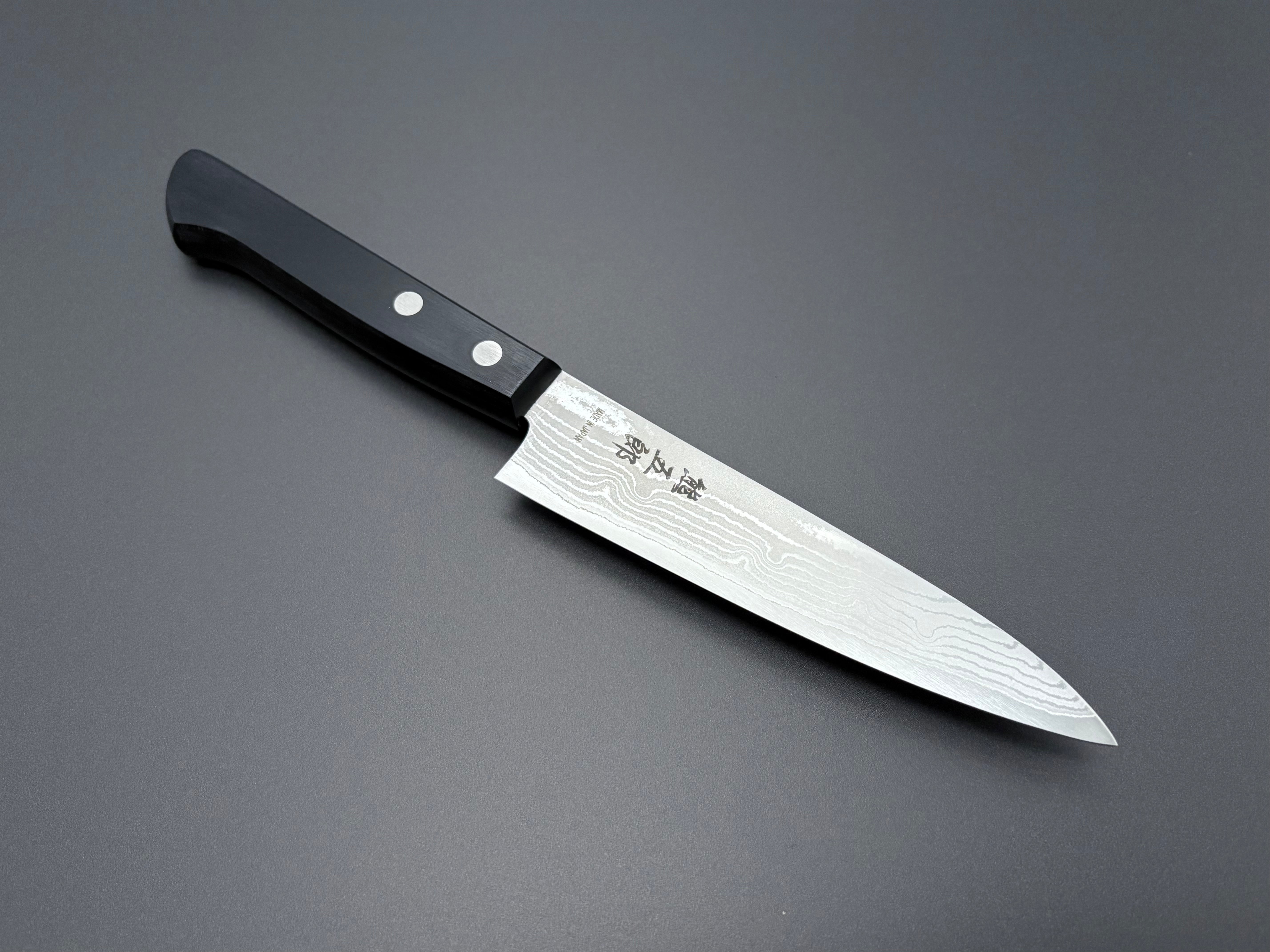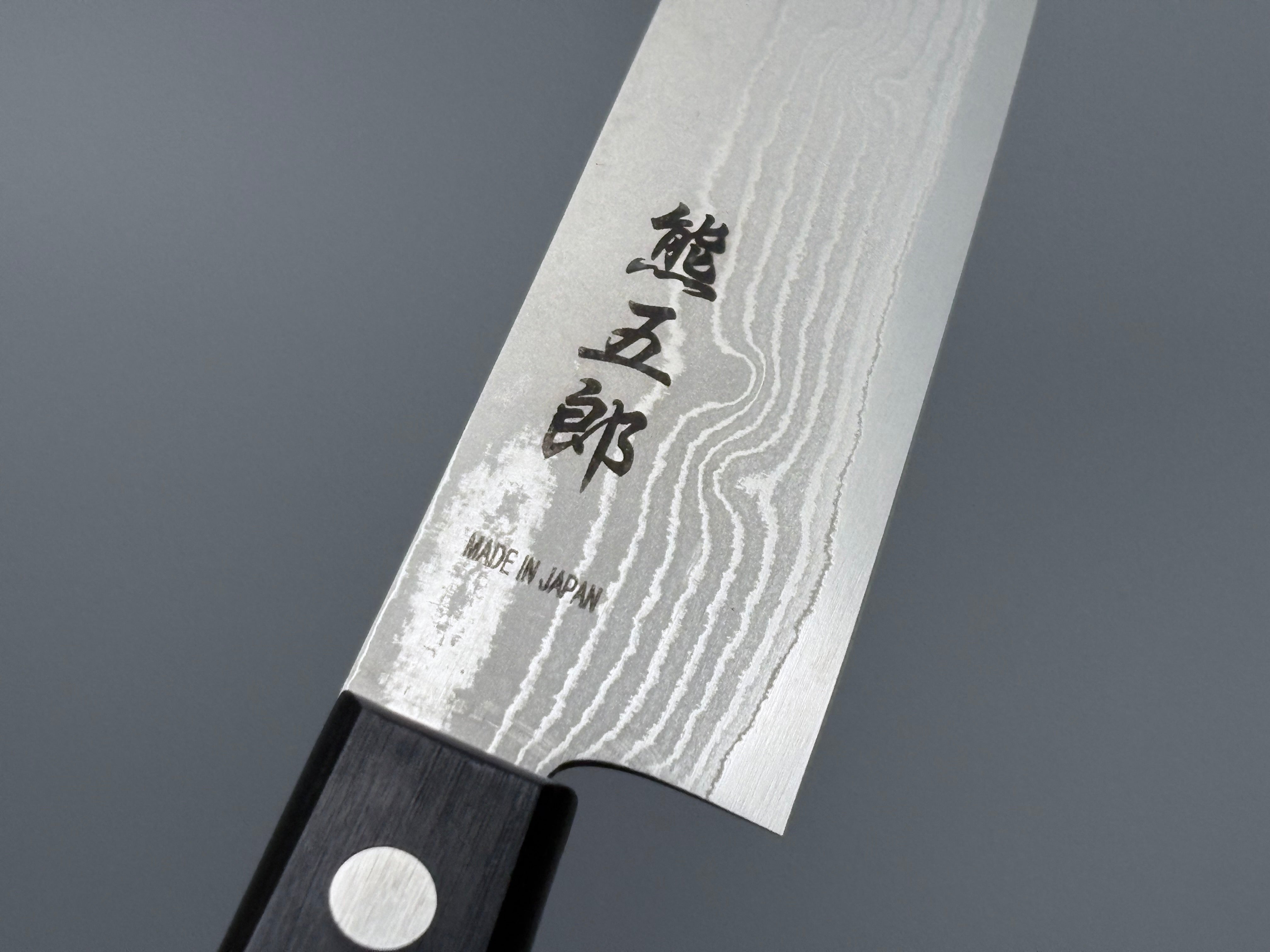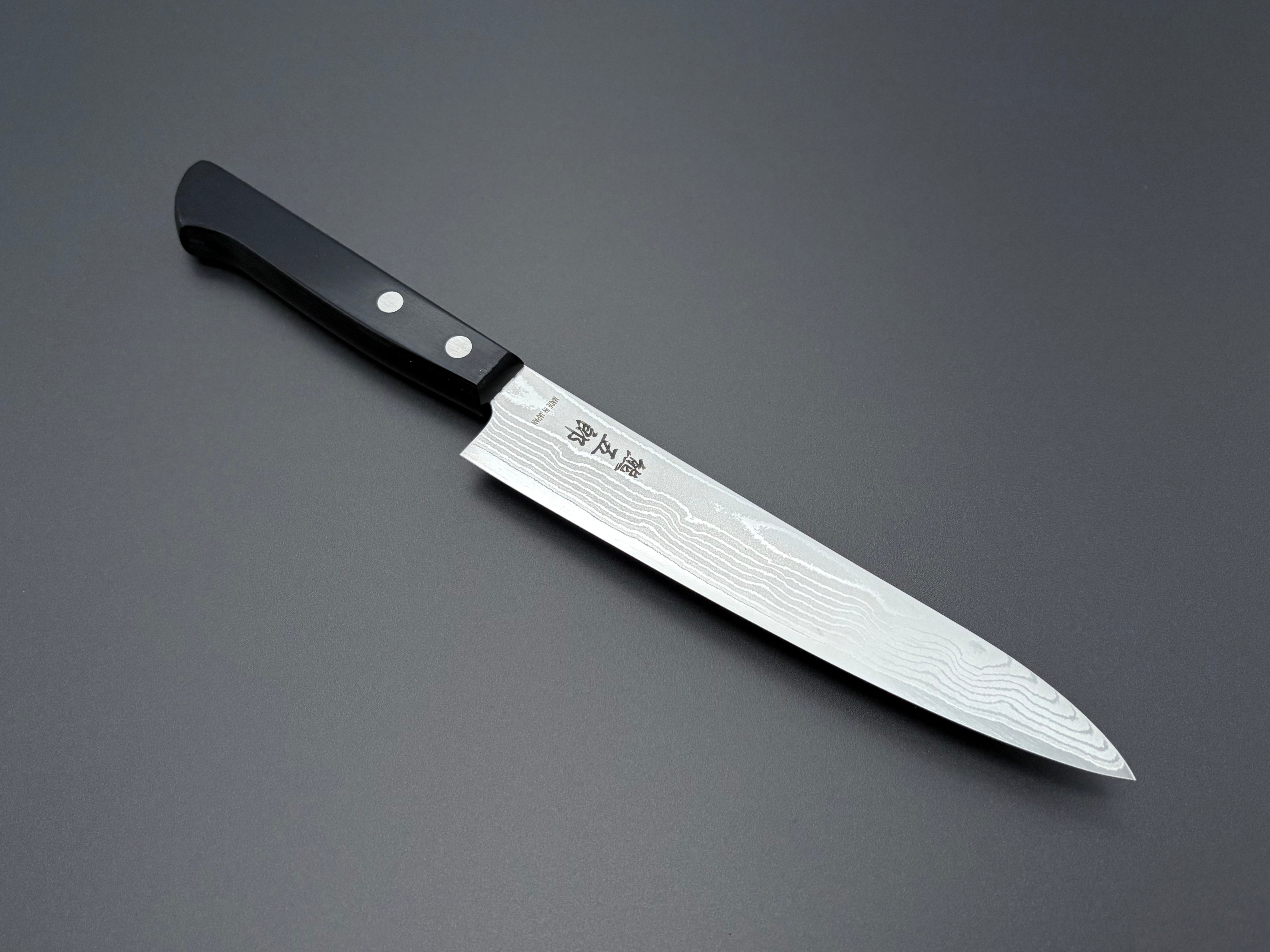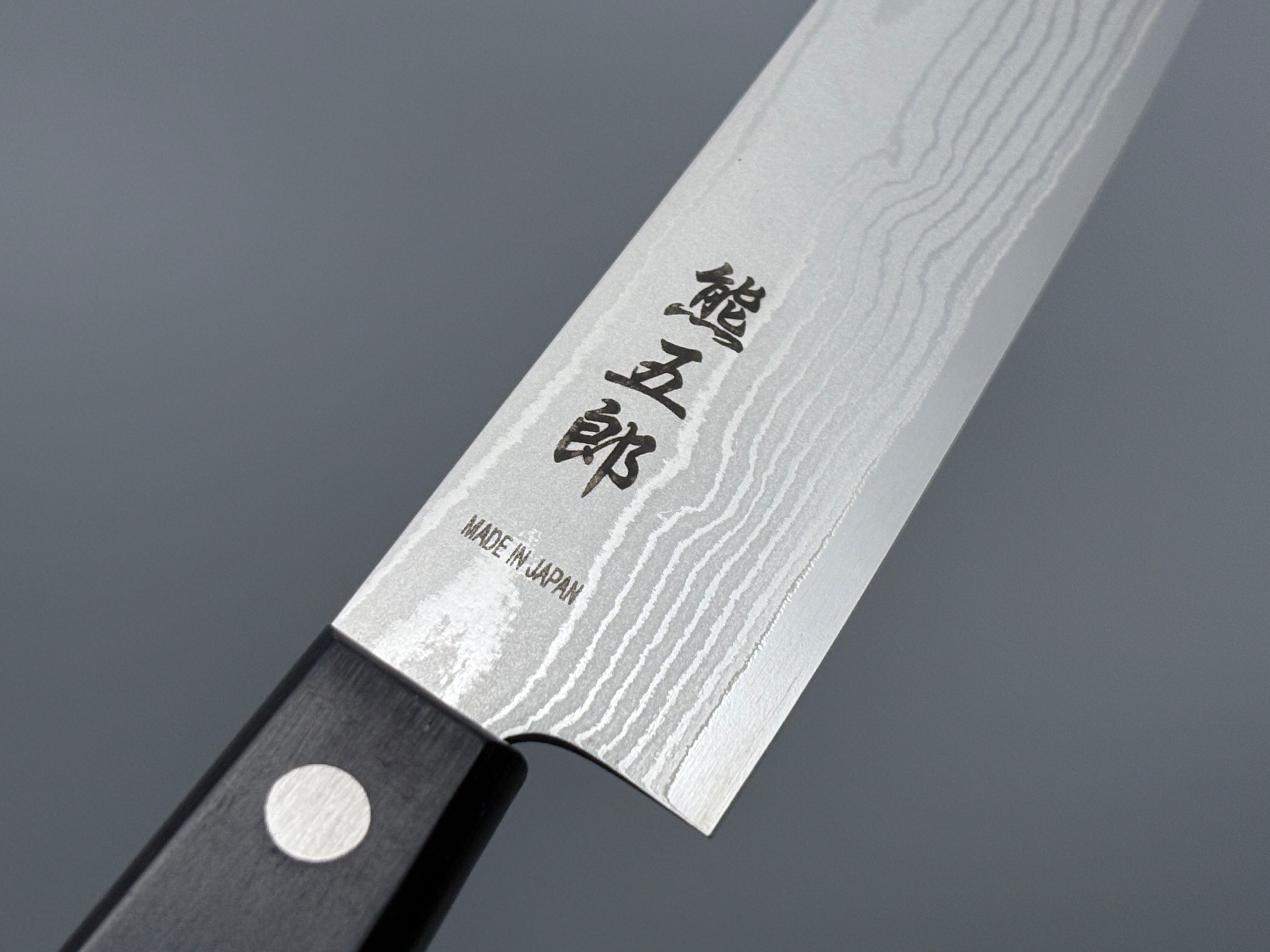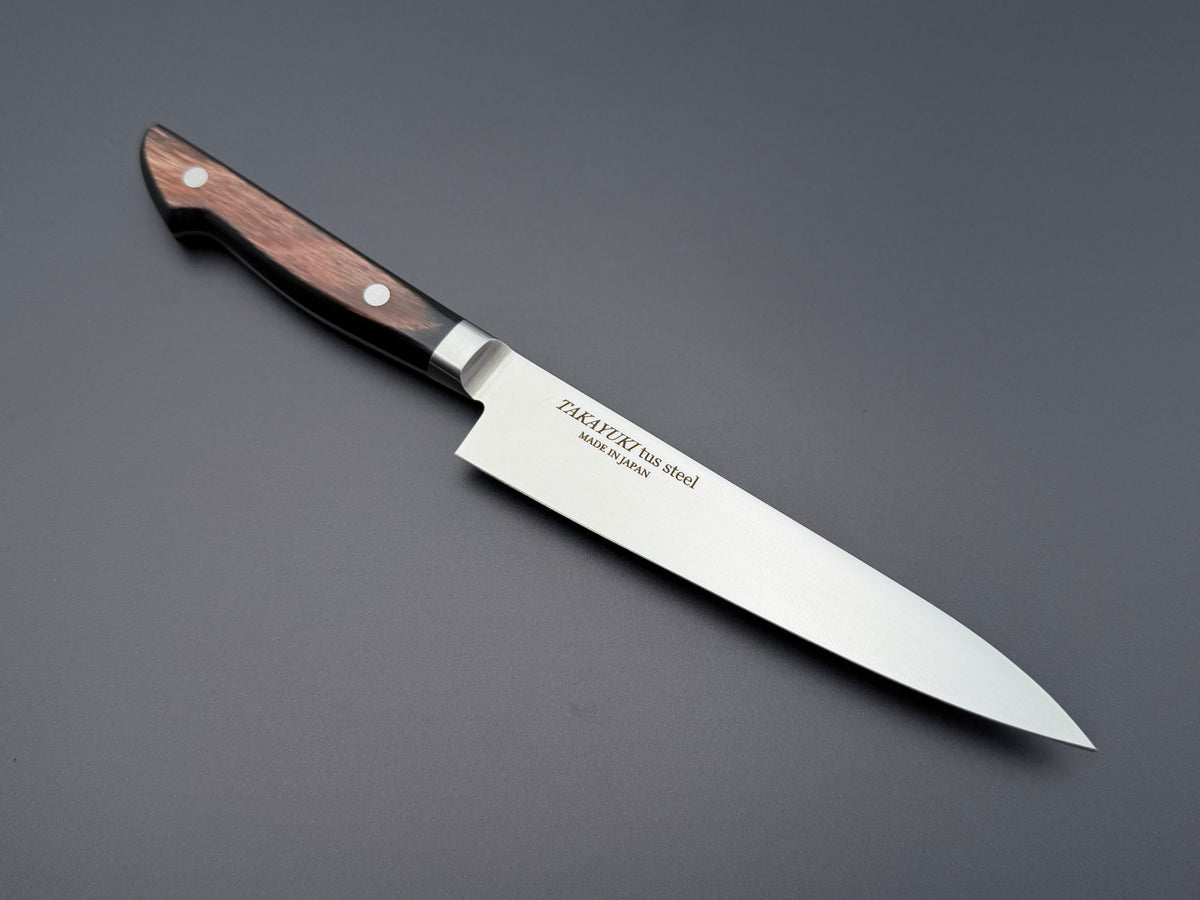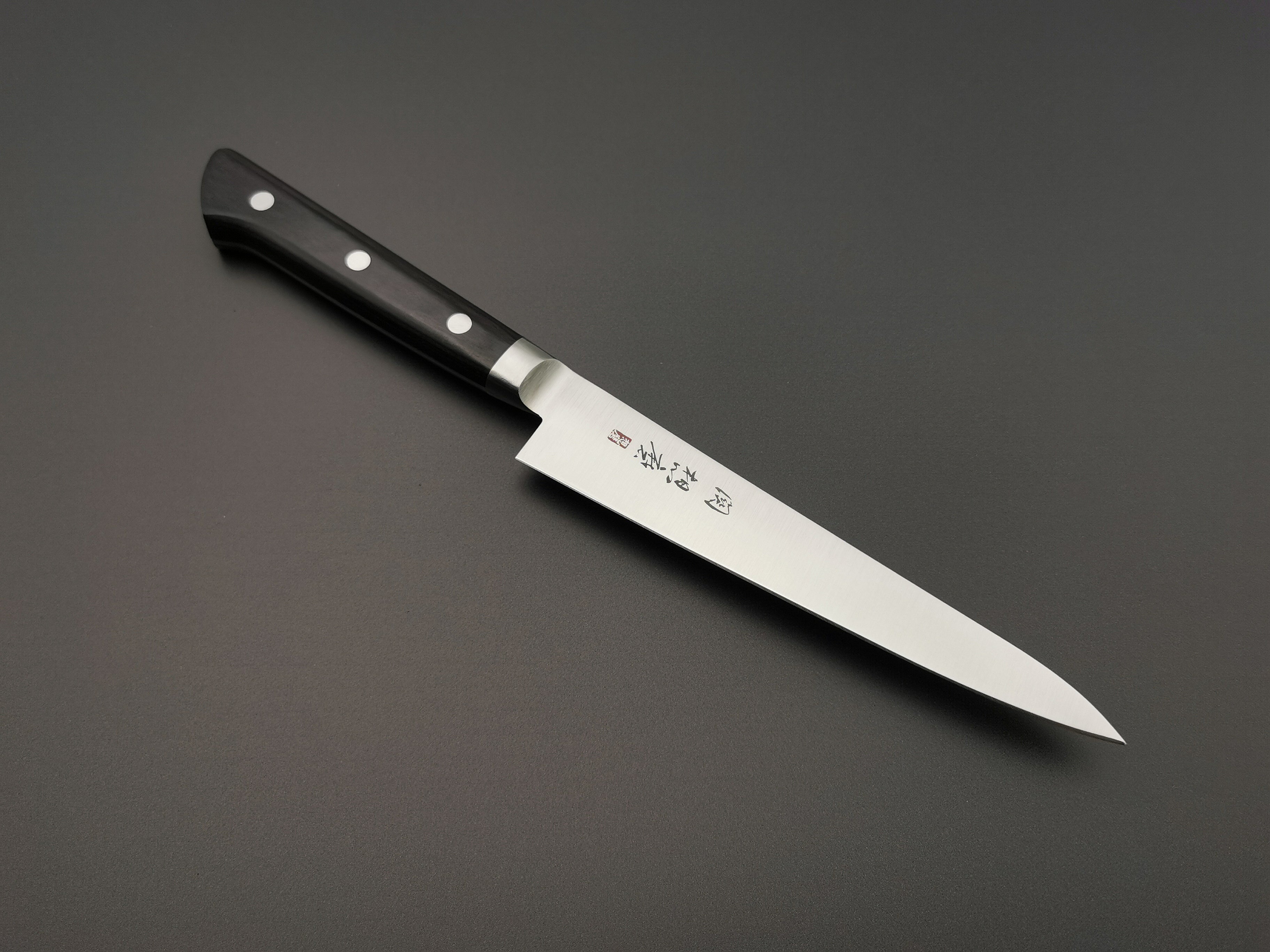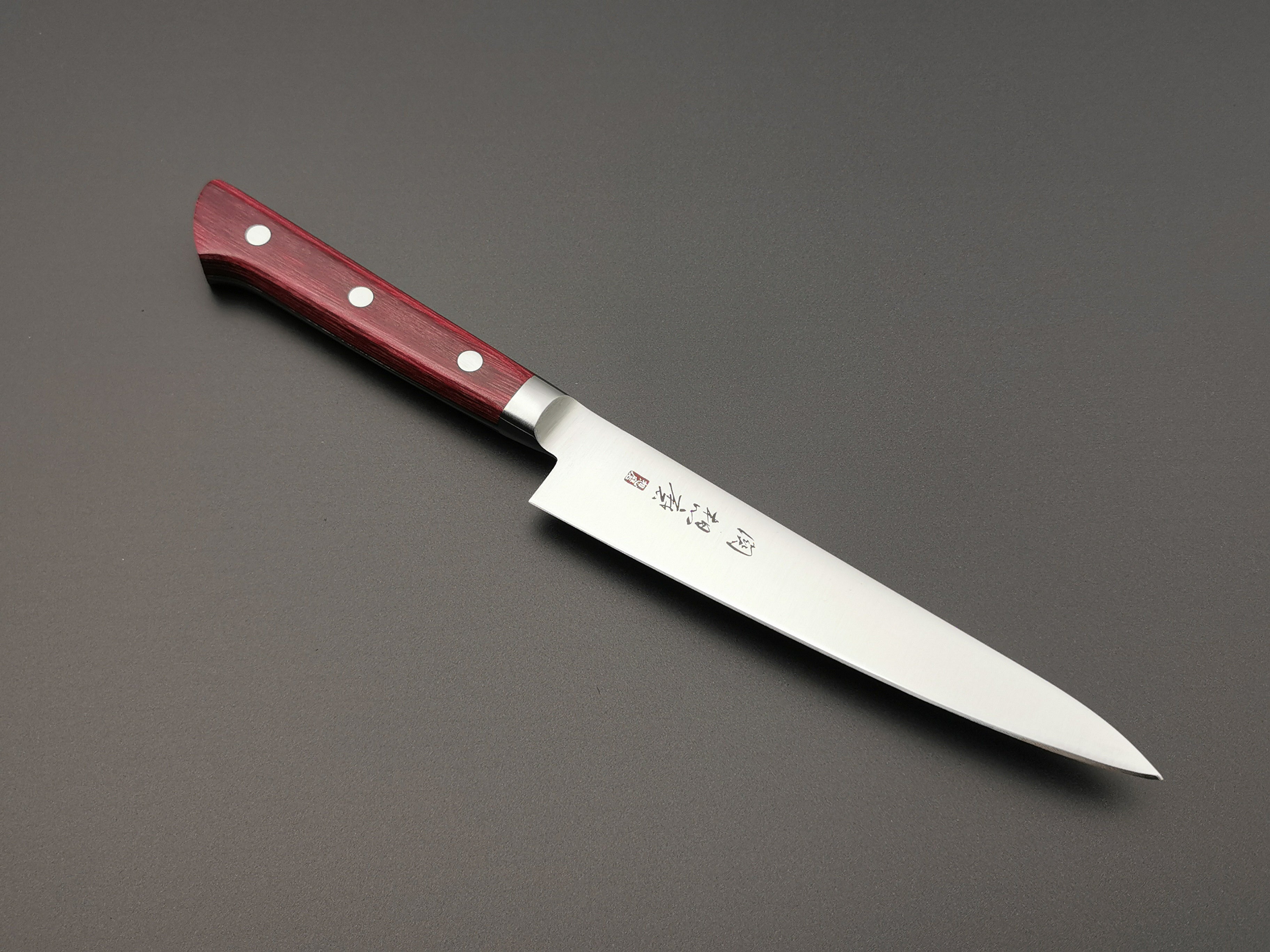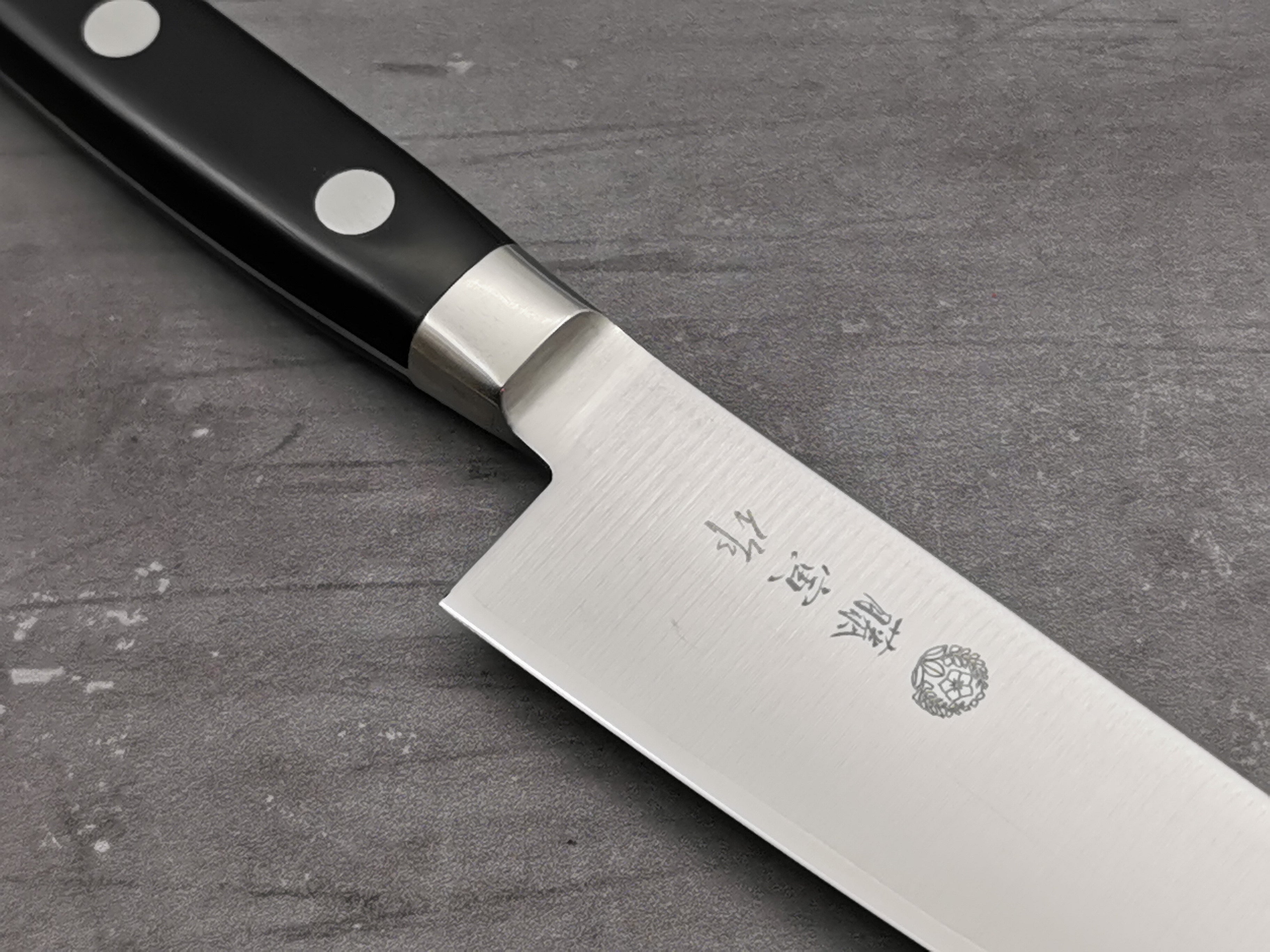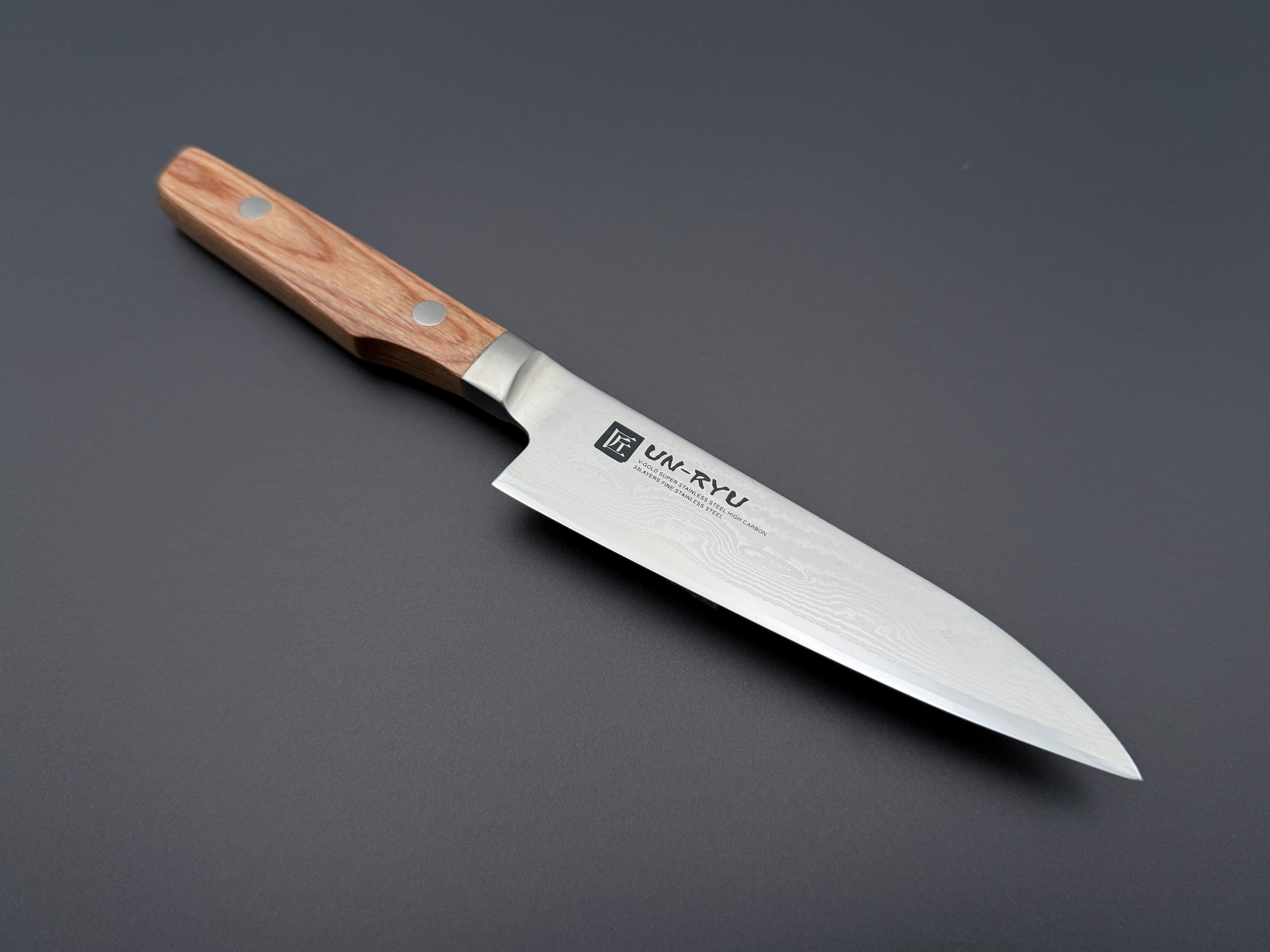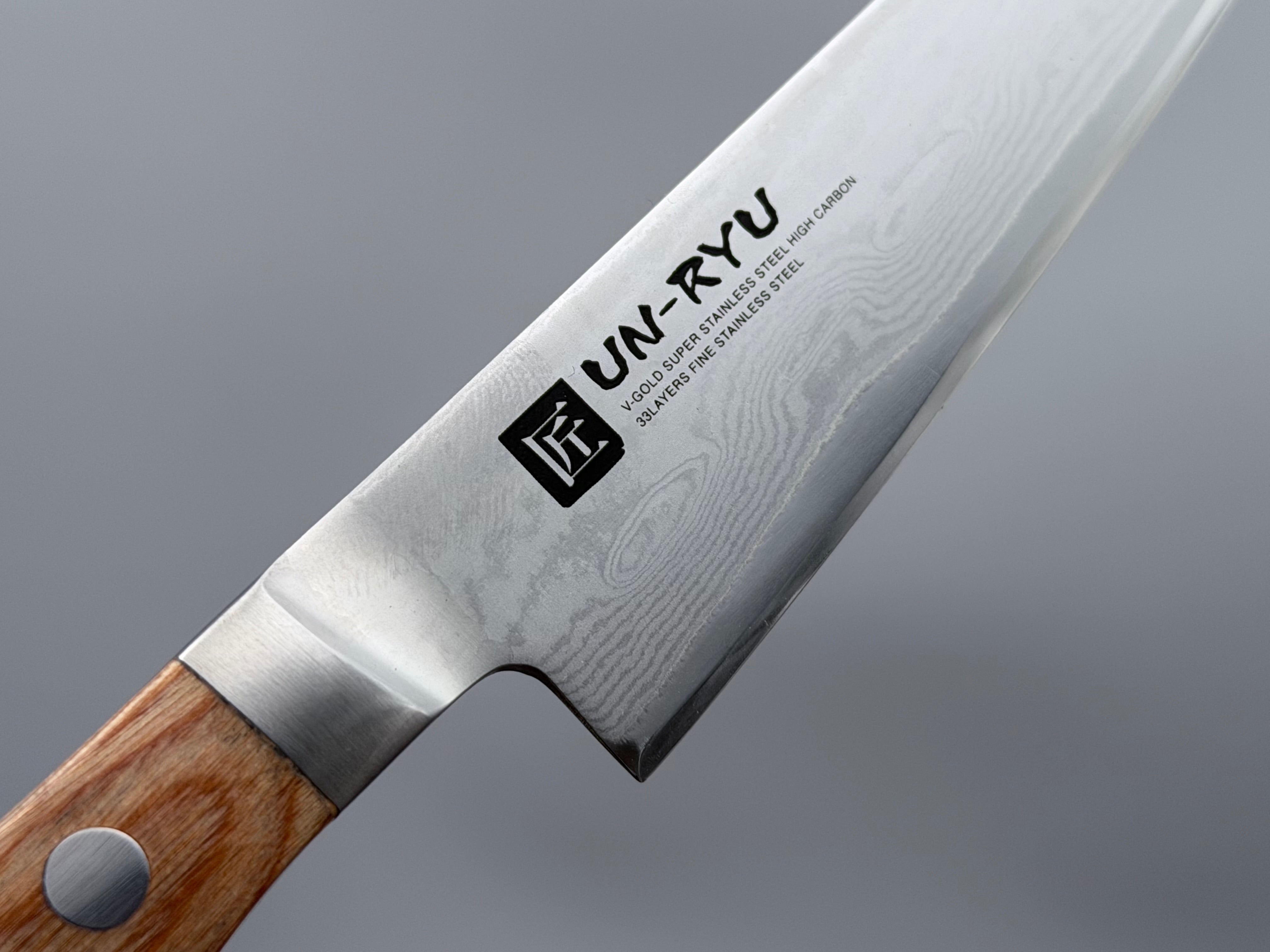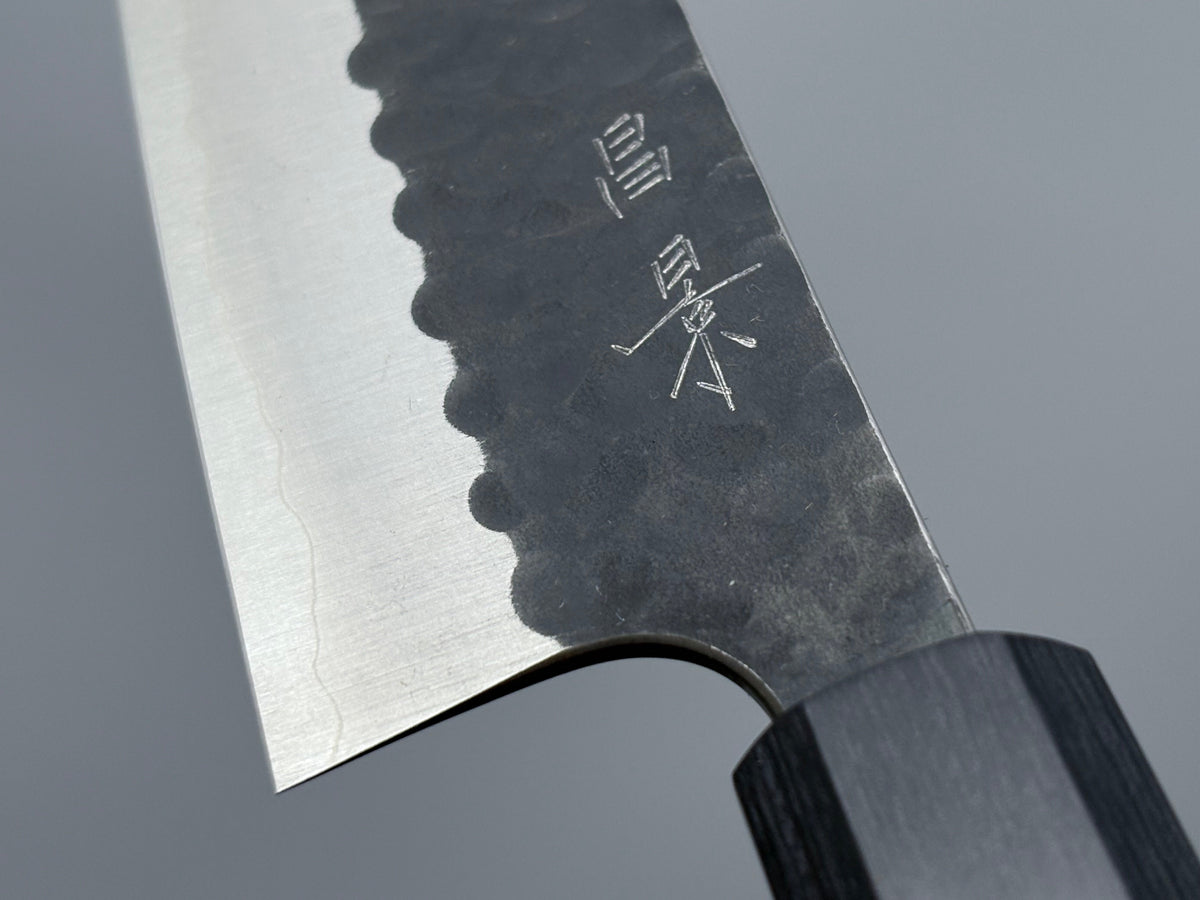

The petty knife: a small blade with serious ability
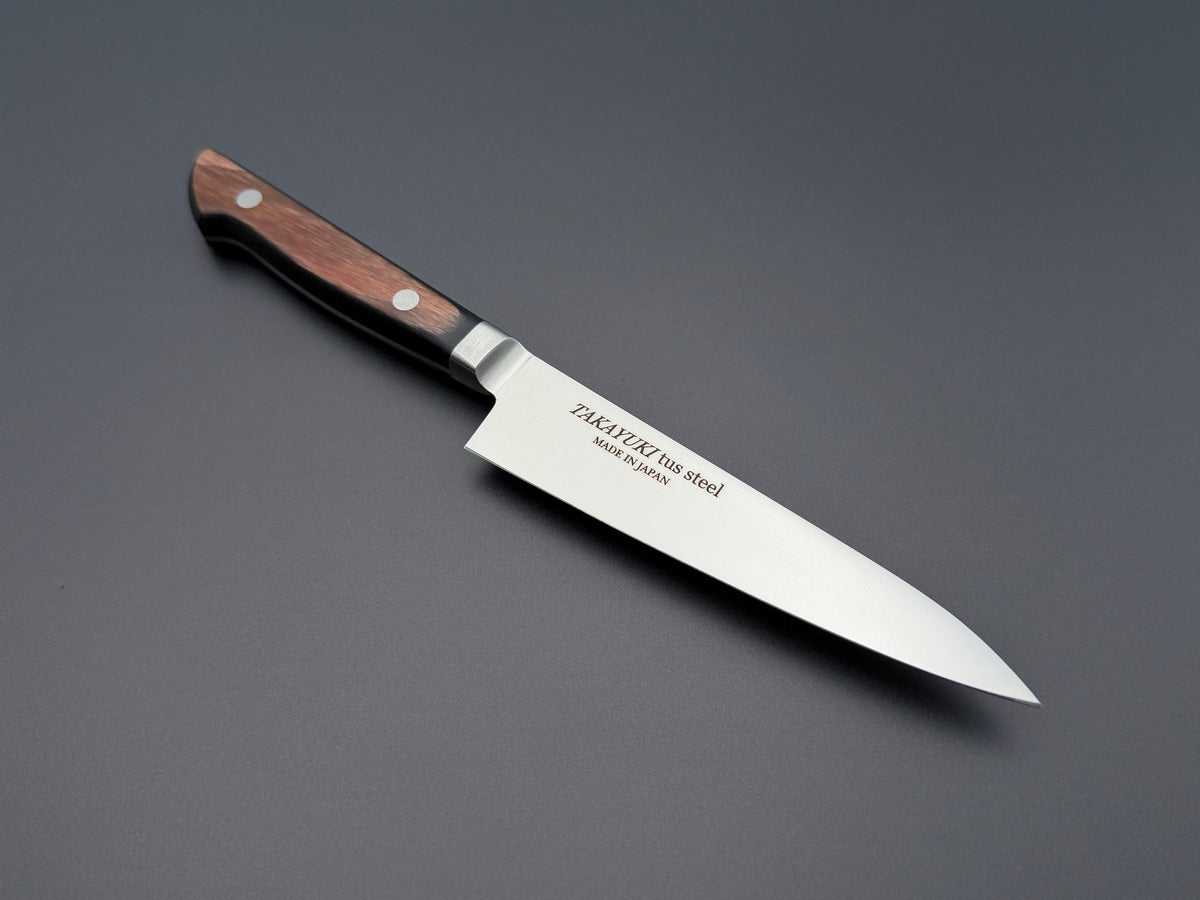
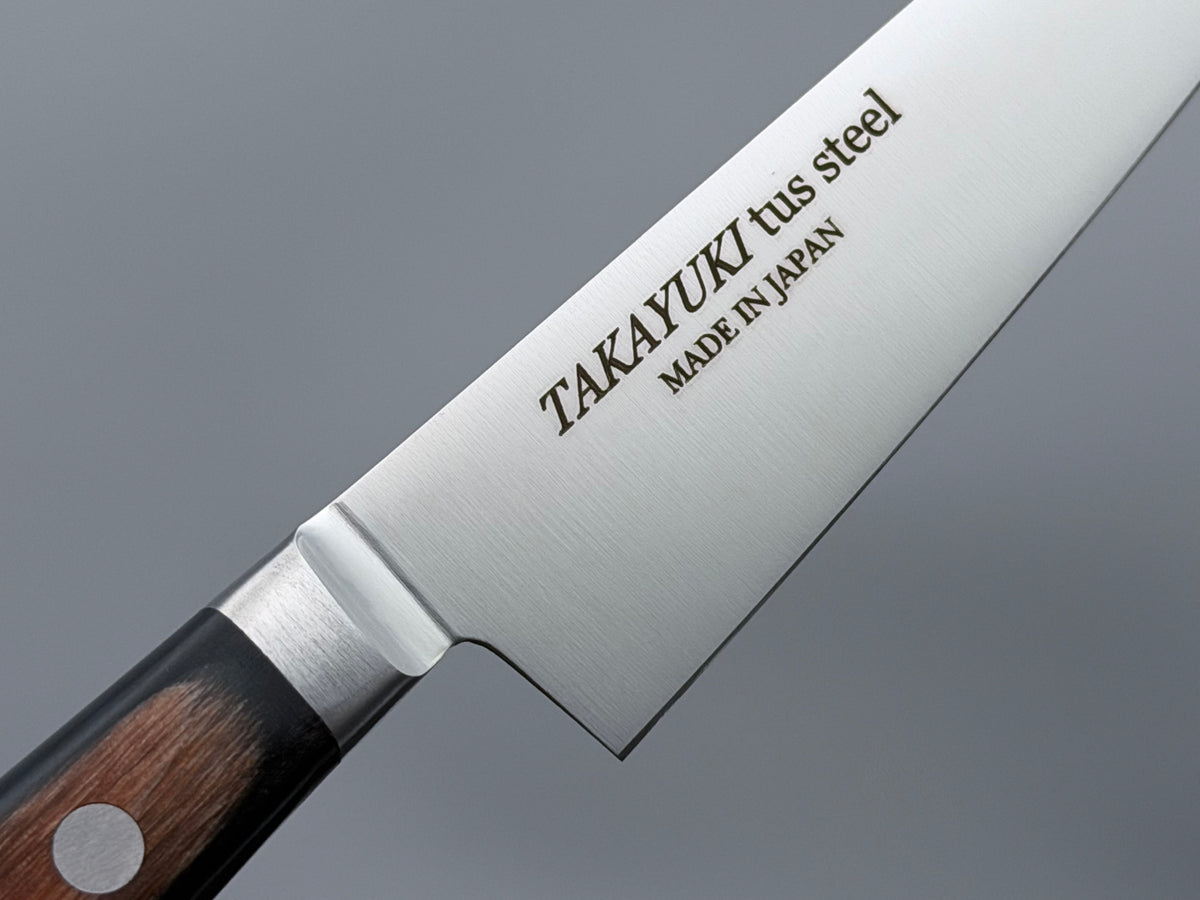
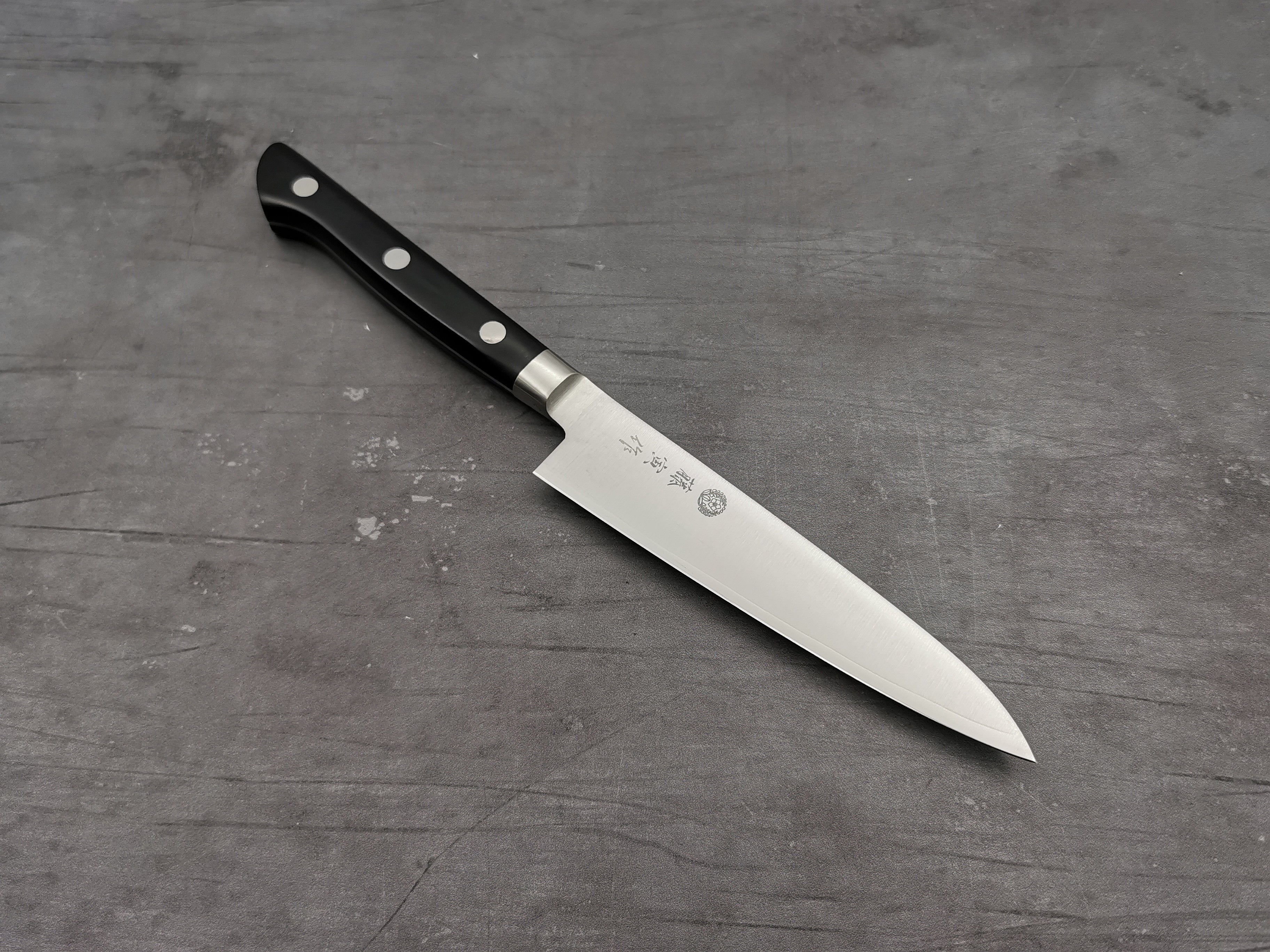
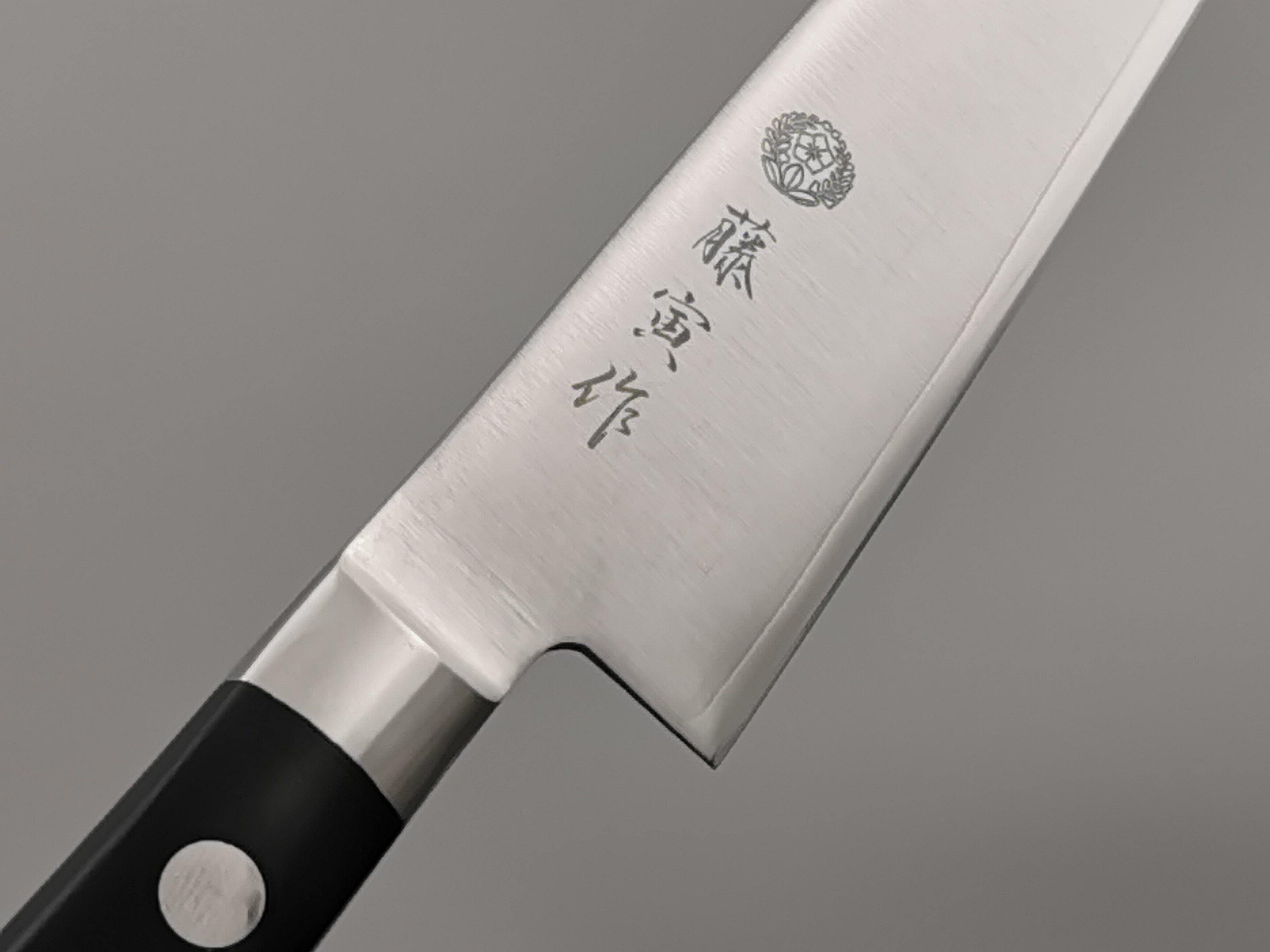
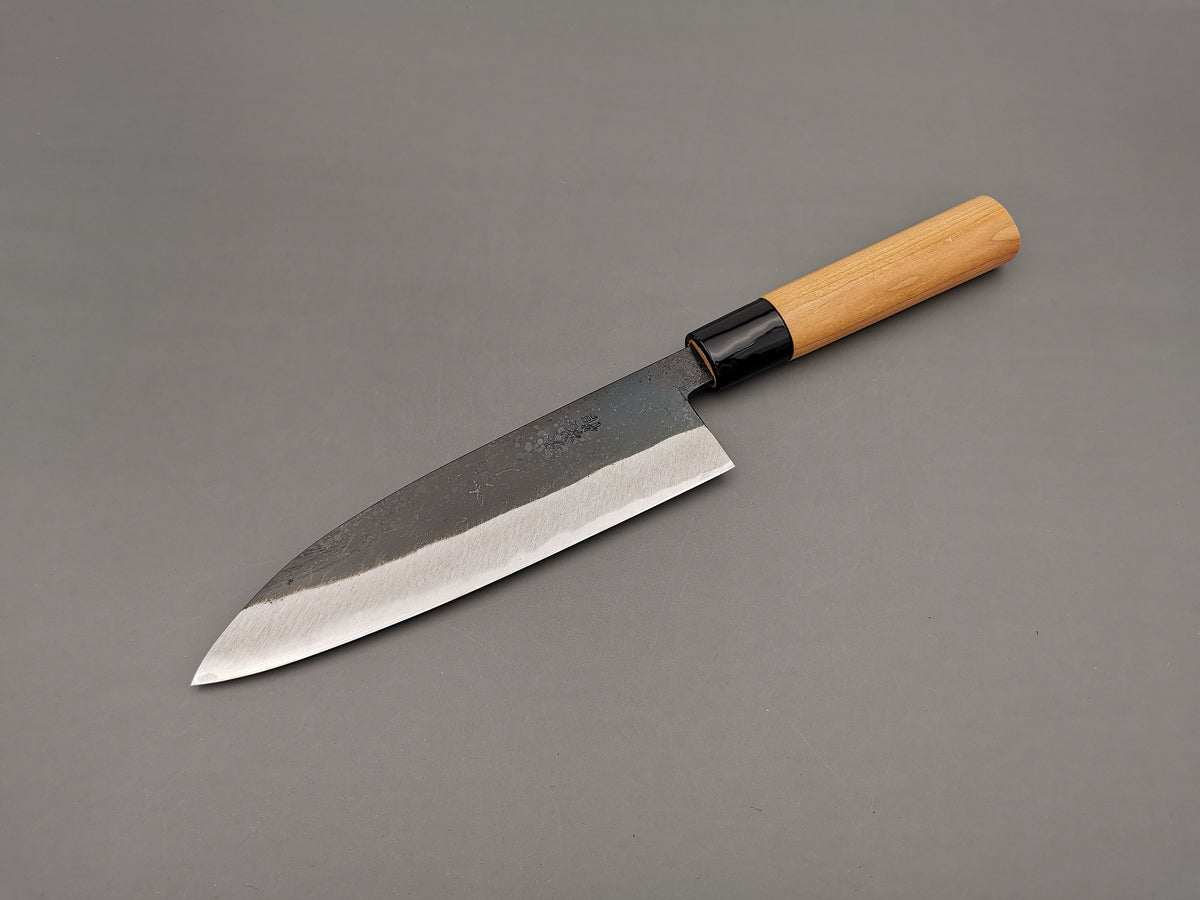
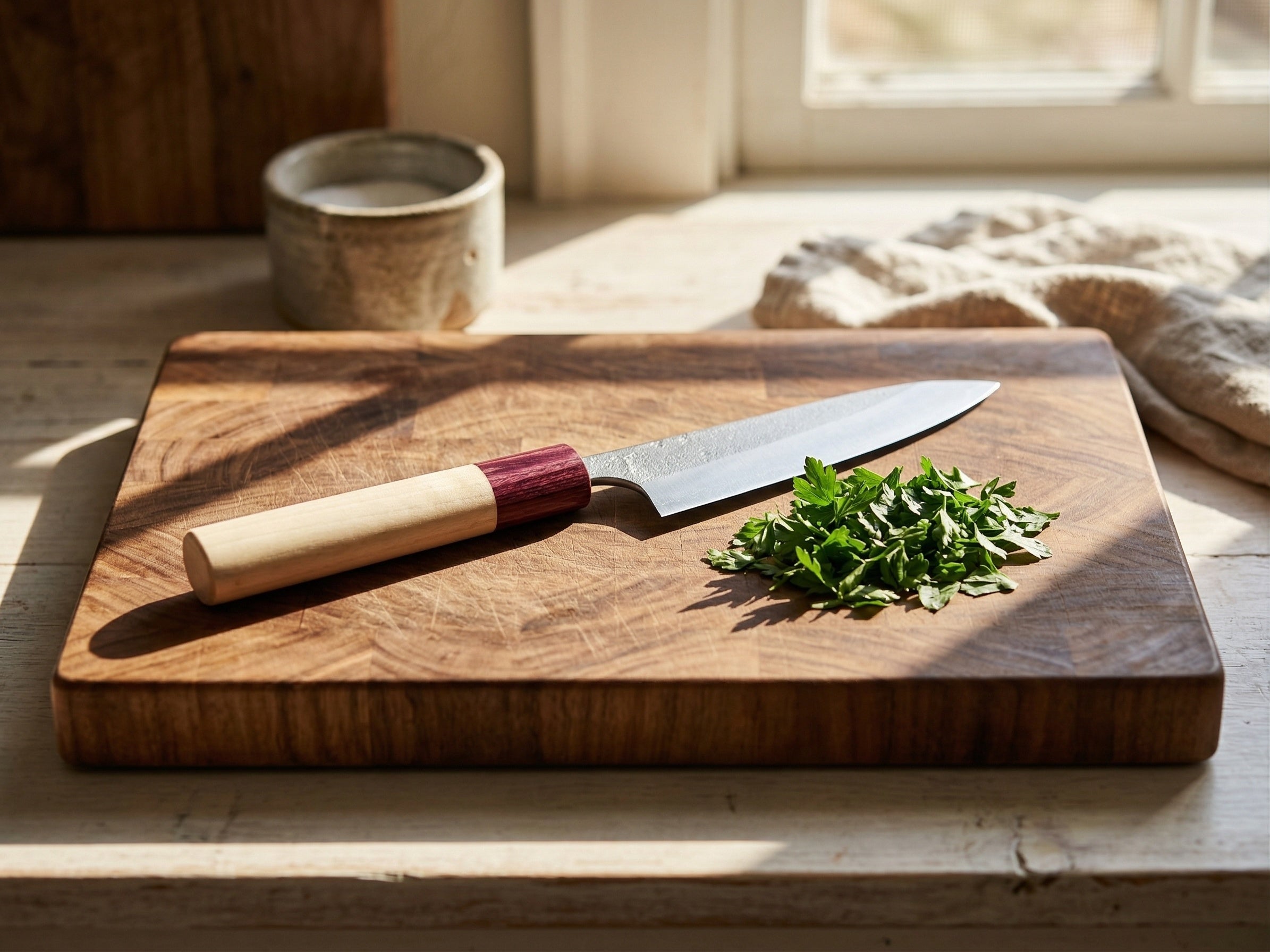
If you spend any time in the kitchen, a petty knife will quickly become the one you reach for most. It sits between a paring knife and a full-size chef's knife in length, and it handles the detailed prep work that larger blades can't manage with the same control. Trimming herbs, slicing shallots, breaking down small vegetables, peeling fruit, this is where the petty earns its keep.

Brands like Hado, whose Sakai-made knives are built around precise edge geometry and careful hand-finishing, make petty knives that feel refined and purposeful. That attention to fit and finish is obvious the moment you pick one up, and it makes even routine prep feel a little more satisfying.
Typical sizes and what they suit
Petty knives generally run from around 120mm up to 165mm. Shorter versions, found in our 120 to 134mm size range, suit intricate work and feel nimble for detail tasks like trimming green beans or segmenting small citrus fruits. The longer options, covered by our 135 to 150mm collection, give you a little more reach without losing precision. Both sit comfortably alongside a larger gyuto or santoku, and choosing between the two sizes usually comes down to personal preference rather than any strict rule.
Steel choices for a petty knife
The steel shapes how the knife feels, how it performs, and how much upkeep it needs. Options worth considering include:
- Ginsan silver 3 steel, stainless, easy to maintain, takes a very fine edge
- Aogami blue steel, reactive carbon steel with outstanding sharpness and edge retention
- VG10 stainless, a popular all-rounder that balances sharpness with low-maintenance care
How the petty knife fits into a Japanese knife collection
Unlike a paring knife, the petty is long enough to use on a board, which makes it far more practical day to day. Many cooks who own a single large chef's knife find the petty covers smaller tasks without needing a separate setup. If you prefer minimal clutter, one gyuto and one petty will handle the vast majority of kitchen prep. The lightweight profile and pointed tip are useful for scoring, segmenting citrus, and anything that calls for accuracy over power. It earns its place quickly.
Browse our full range of Japanese knives to find the petty knife that fits how you cook.