

Who are Baba Hamono?
Founded in Sakai City in 1916 by Kuniharu Baba, Baba Hamono are one of the oldest knife companies in Japan still operating under the same name. They don't run a single forge.

Instead, they work with a network of Sakai-based craftsmen and workshops, drawing on some of the region's best blacksmiths to produce knives that reflect what Sakai knife making actually looks like at its best. That collaborative structure is what separates them from many other producers working out of the same city.
A philosophy built on craft and continuity
What makes Baba Hamono worth paying attention to isn't just the knives. In 2017, more than a hundred years into their existence, they opened a training workshop where younger craftspeople learn directly from experienced masters. It's a straightforward acknowledgment that the future of Sakai knife making depends on passing knowledge on, not just hoarding it. A single Sakai knife passes through several pairs of hands before it's finished, with forging, grinding, handle fitting and lacquering handled by separate specialists. Keeping that division of expertise working requires real, ongoing effort.
The Kagekiyo range: White steel and urushi lacquer
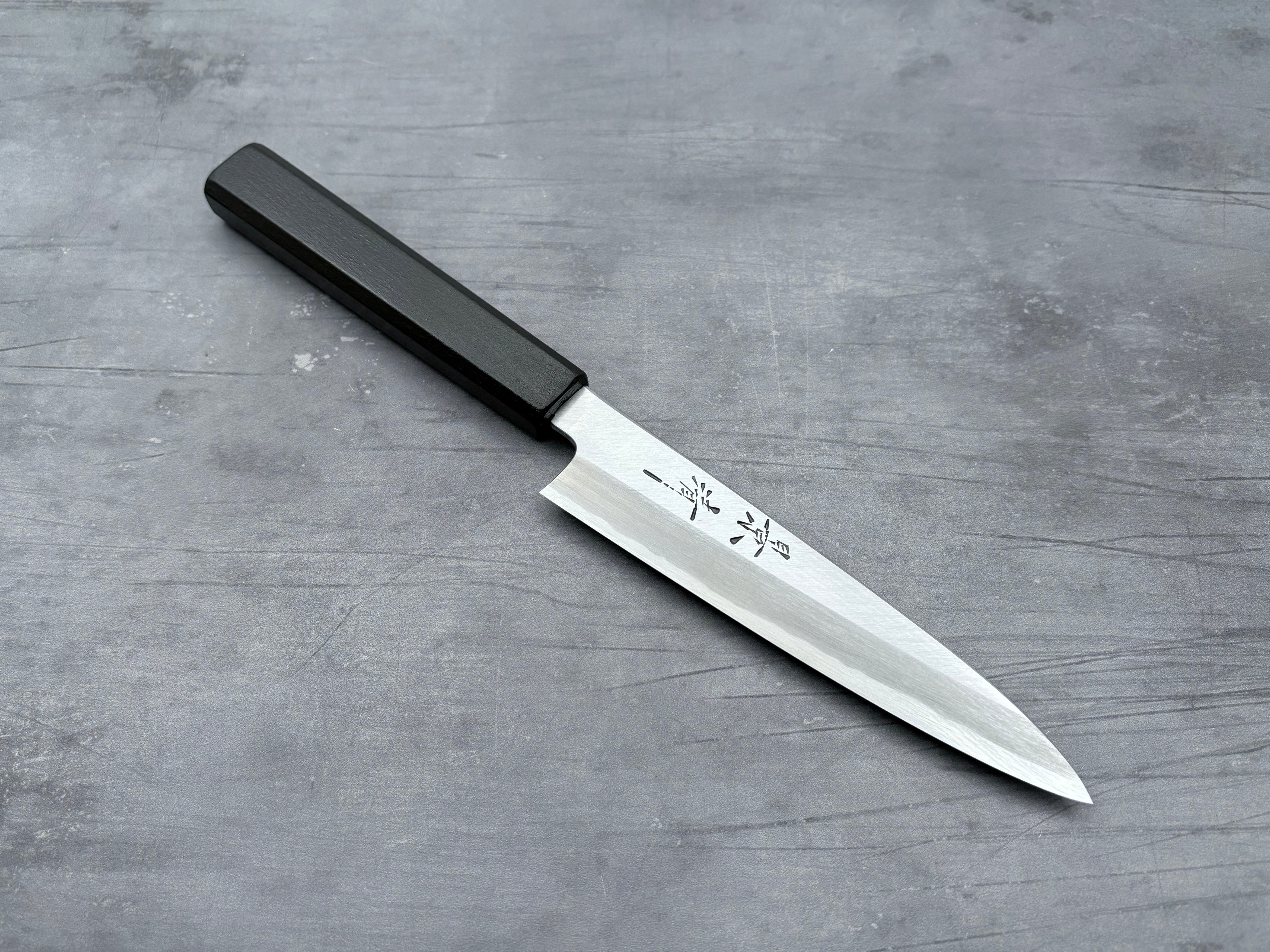
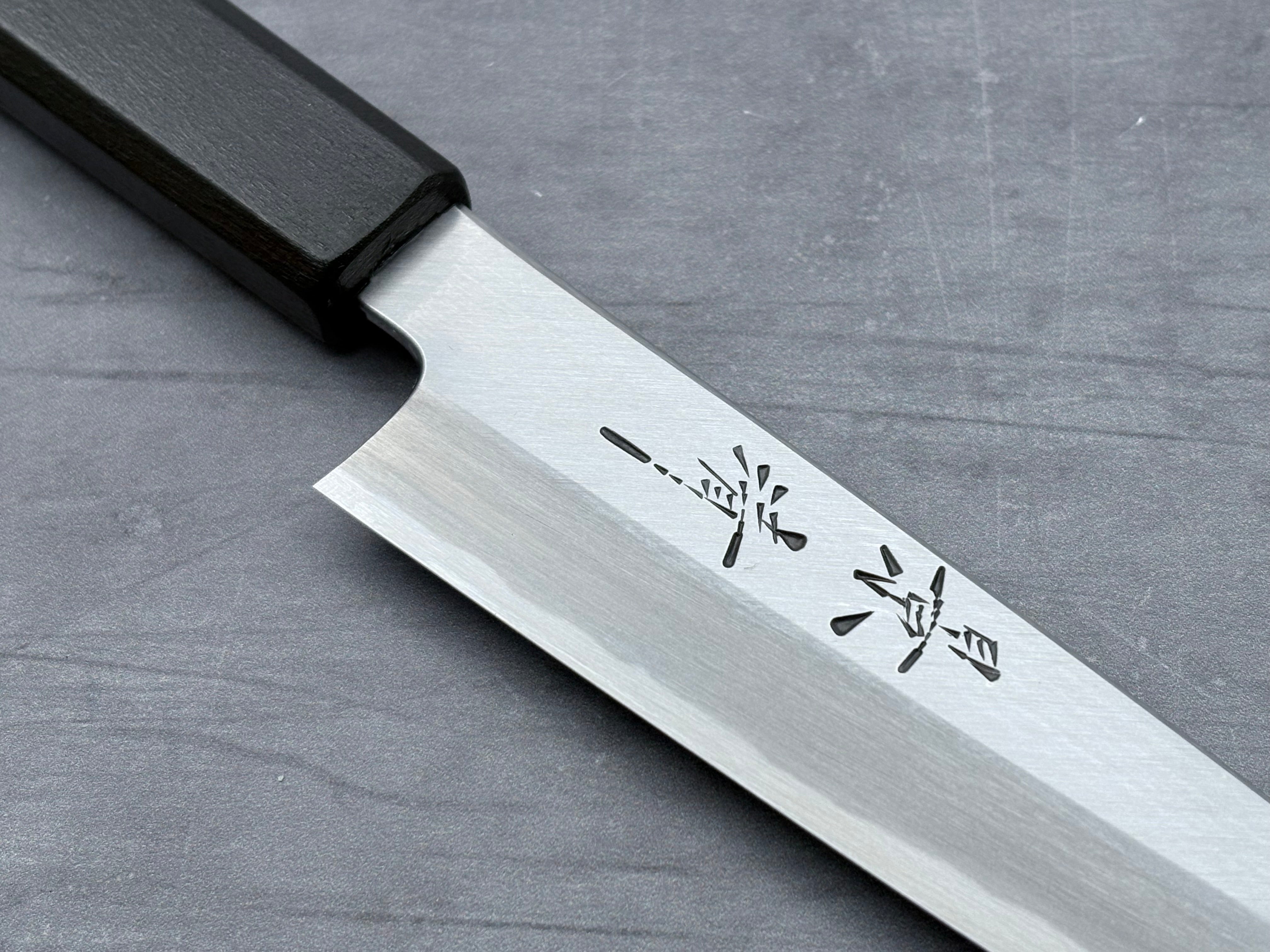
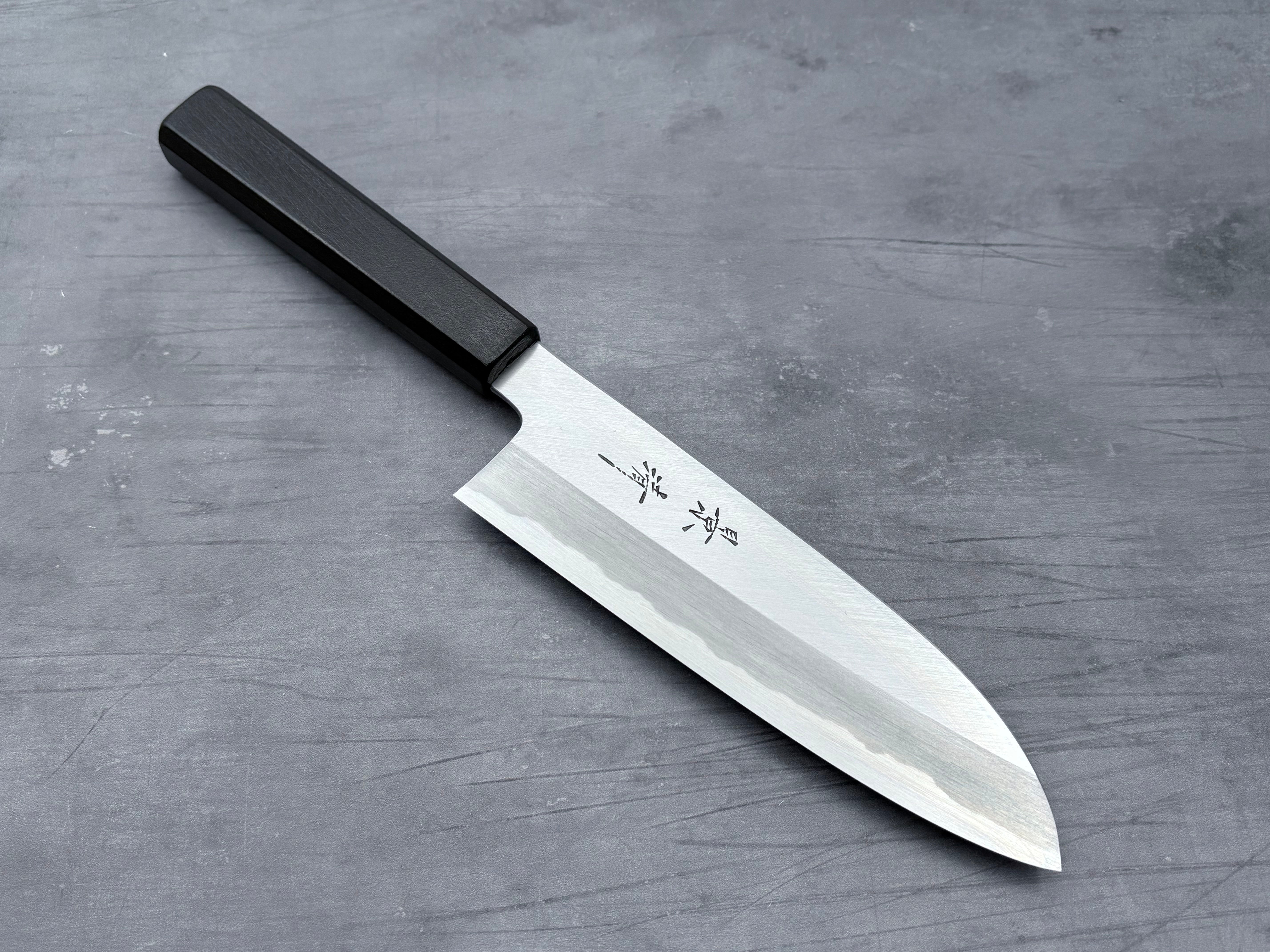
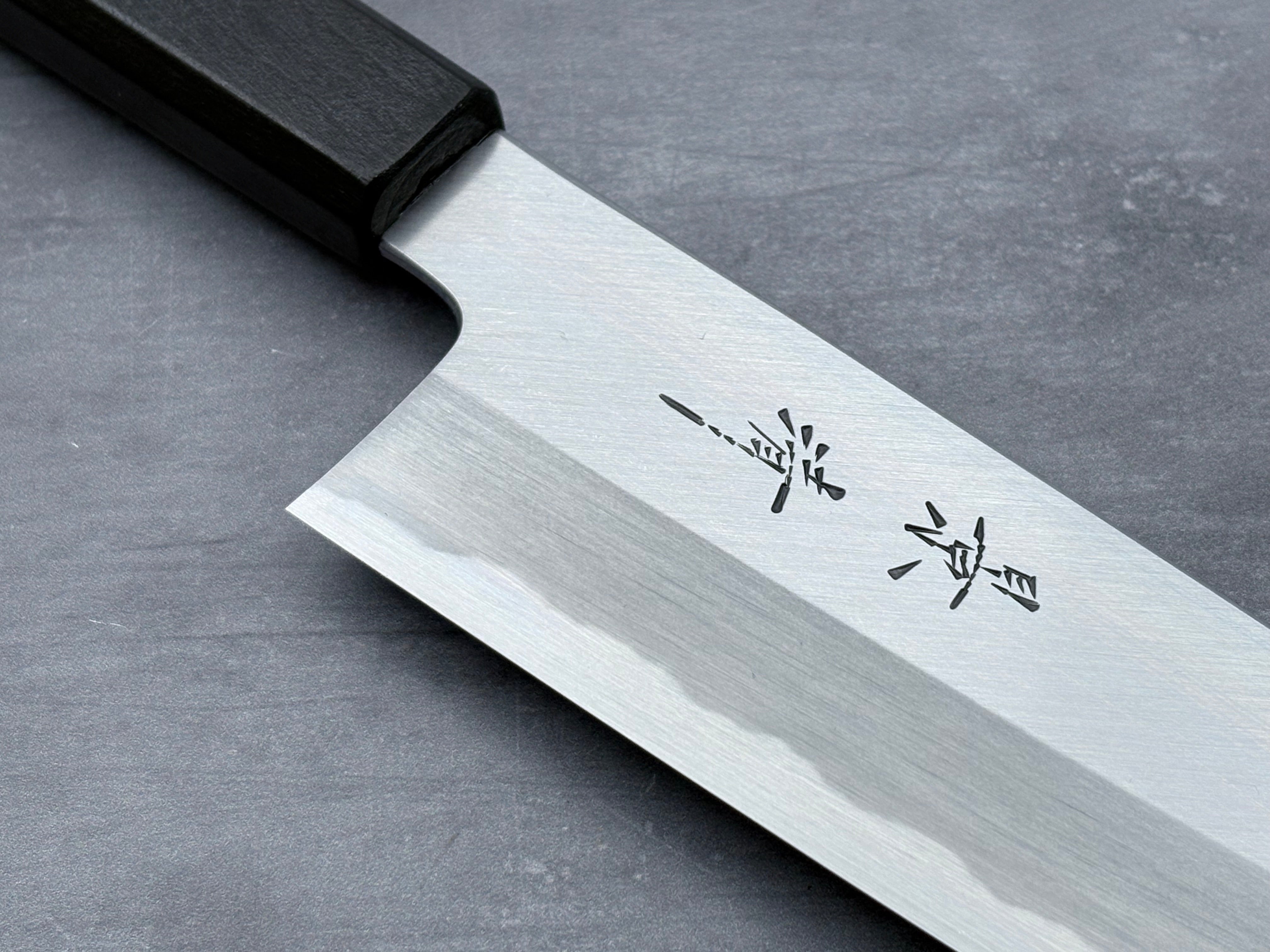
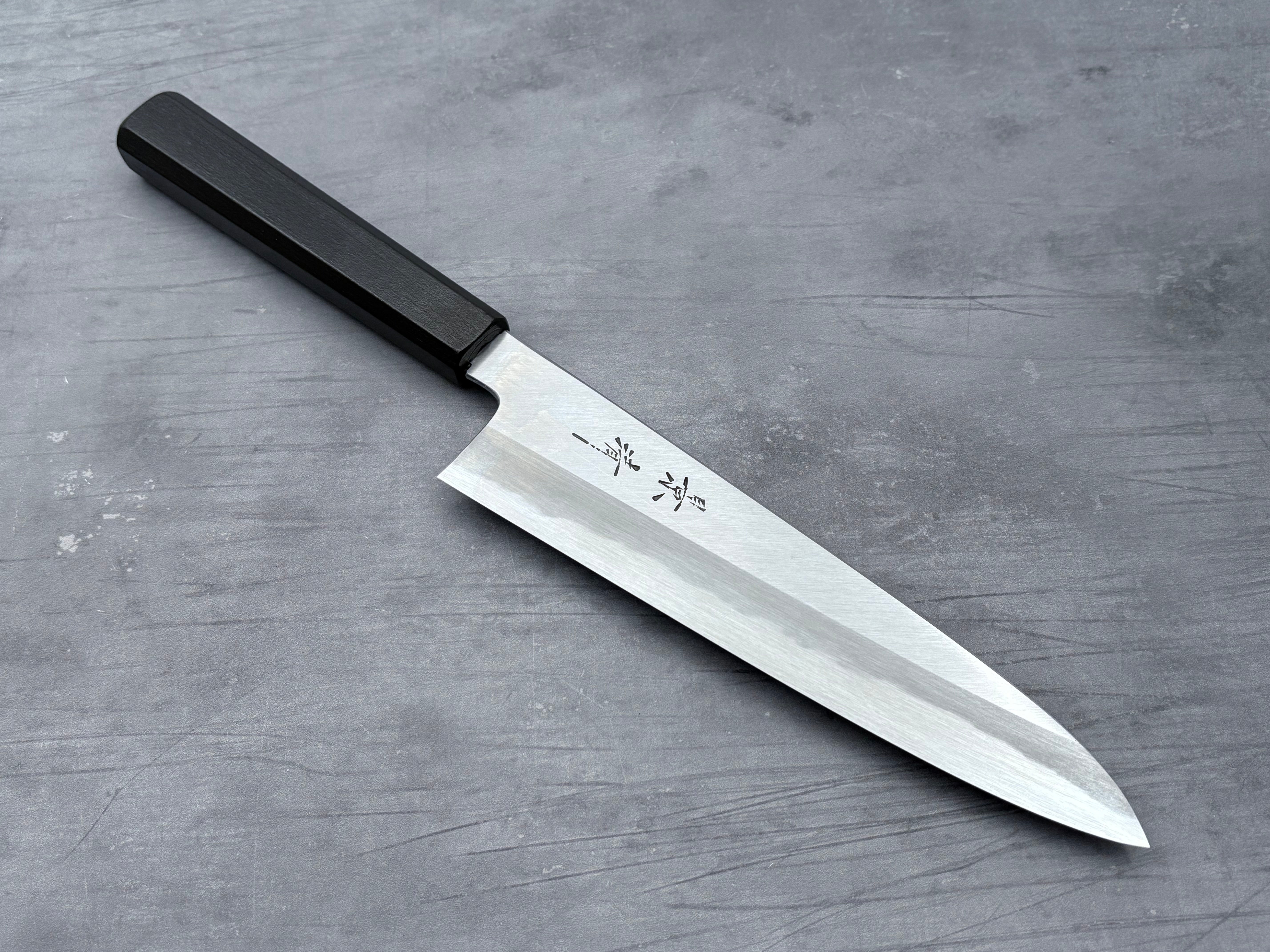
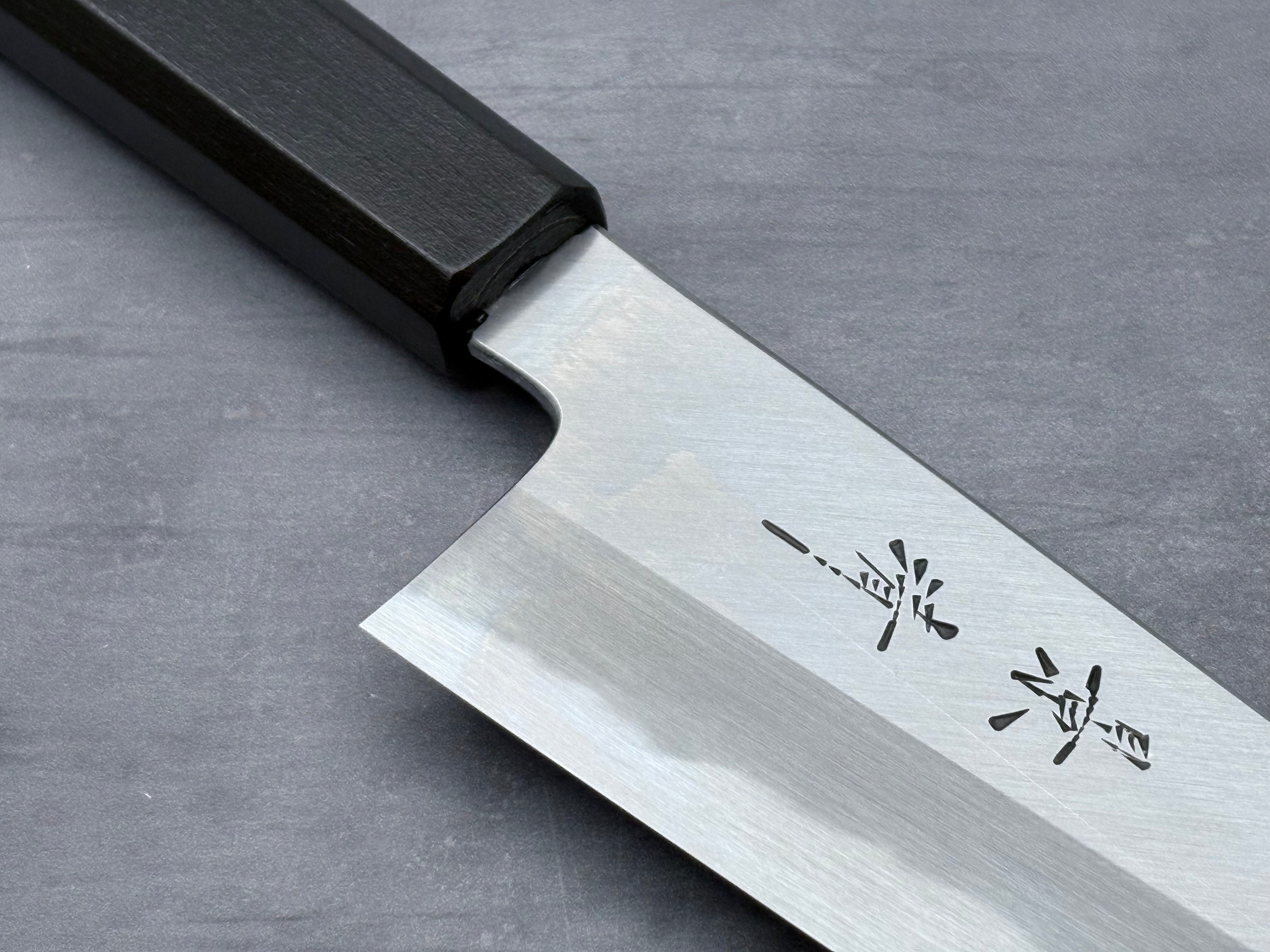
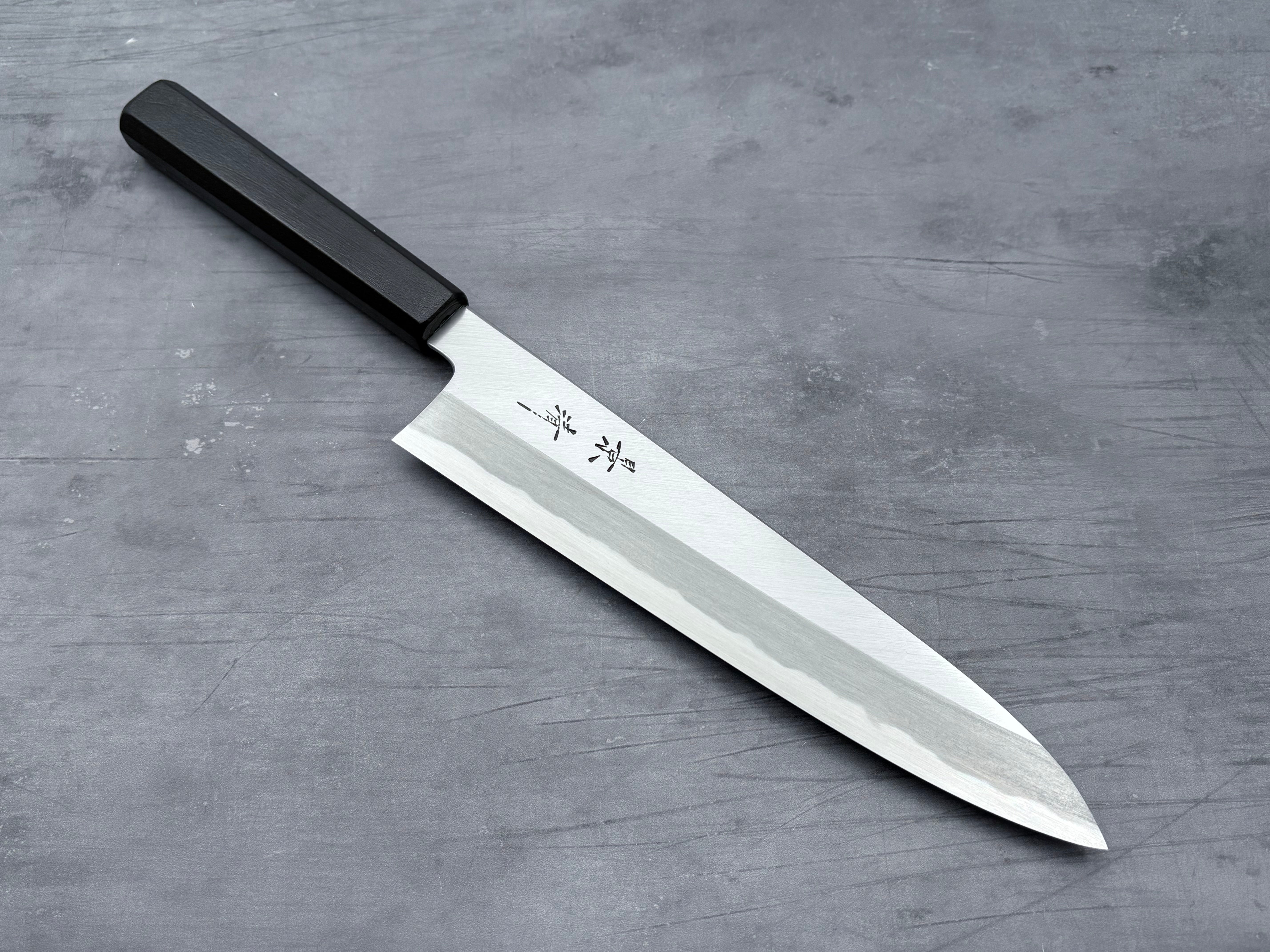
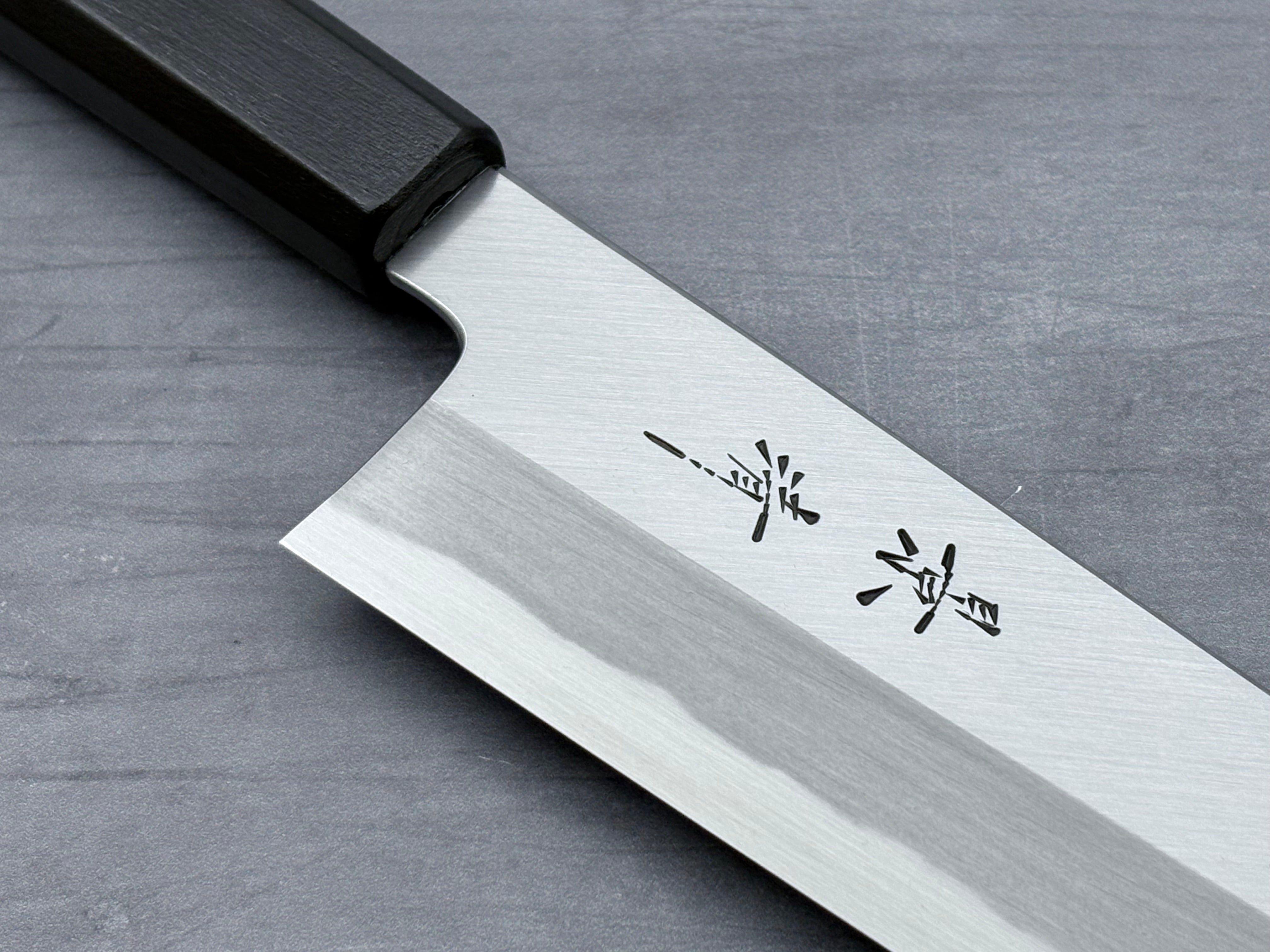
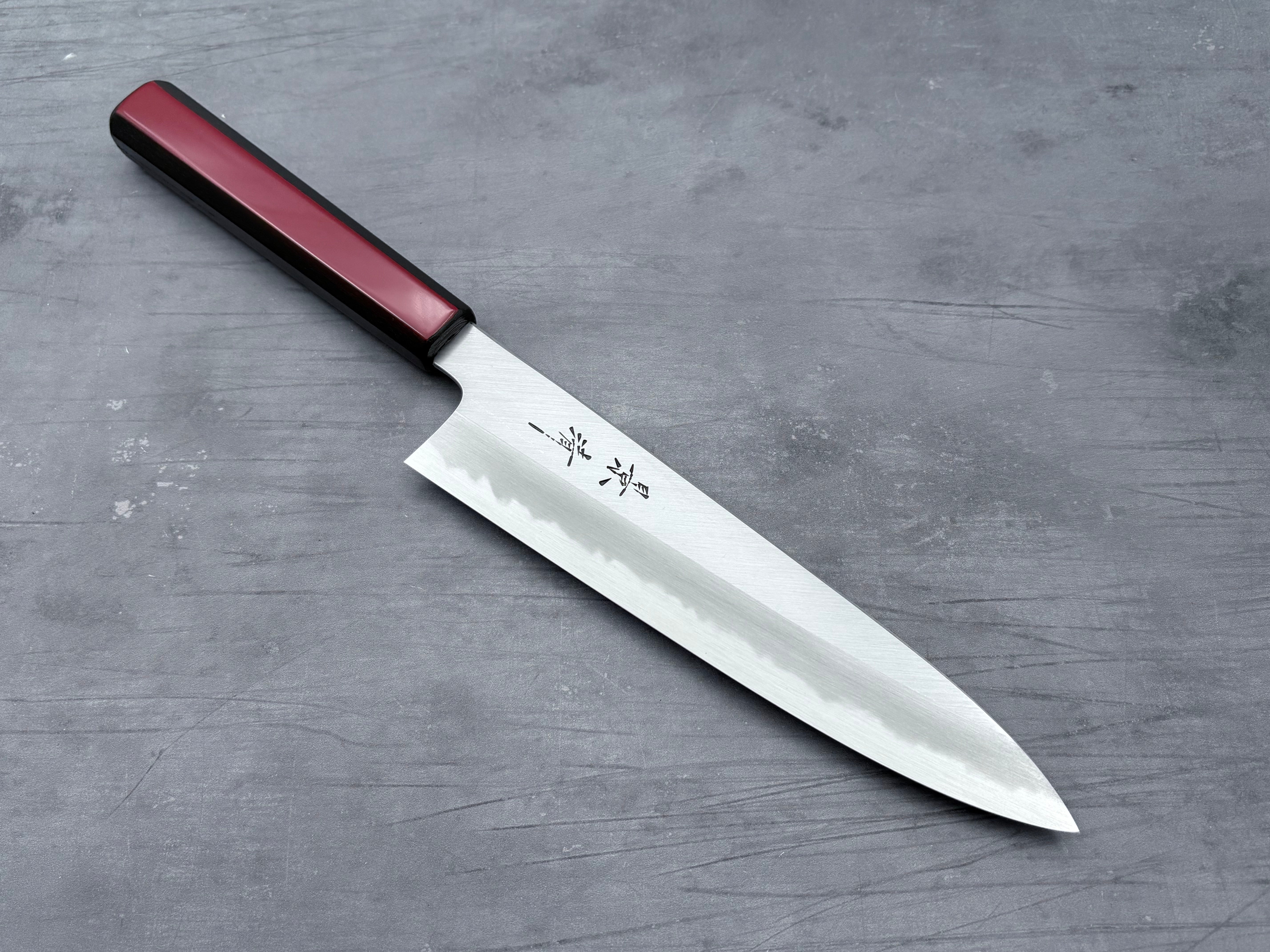
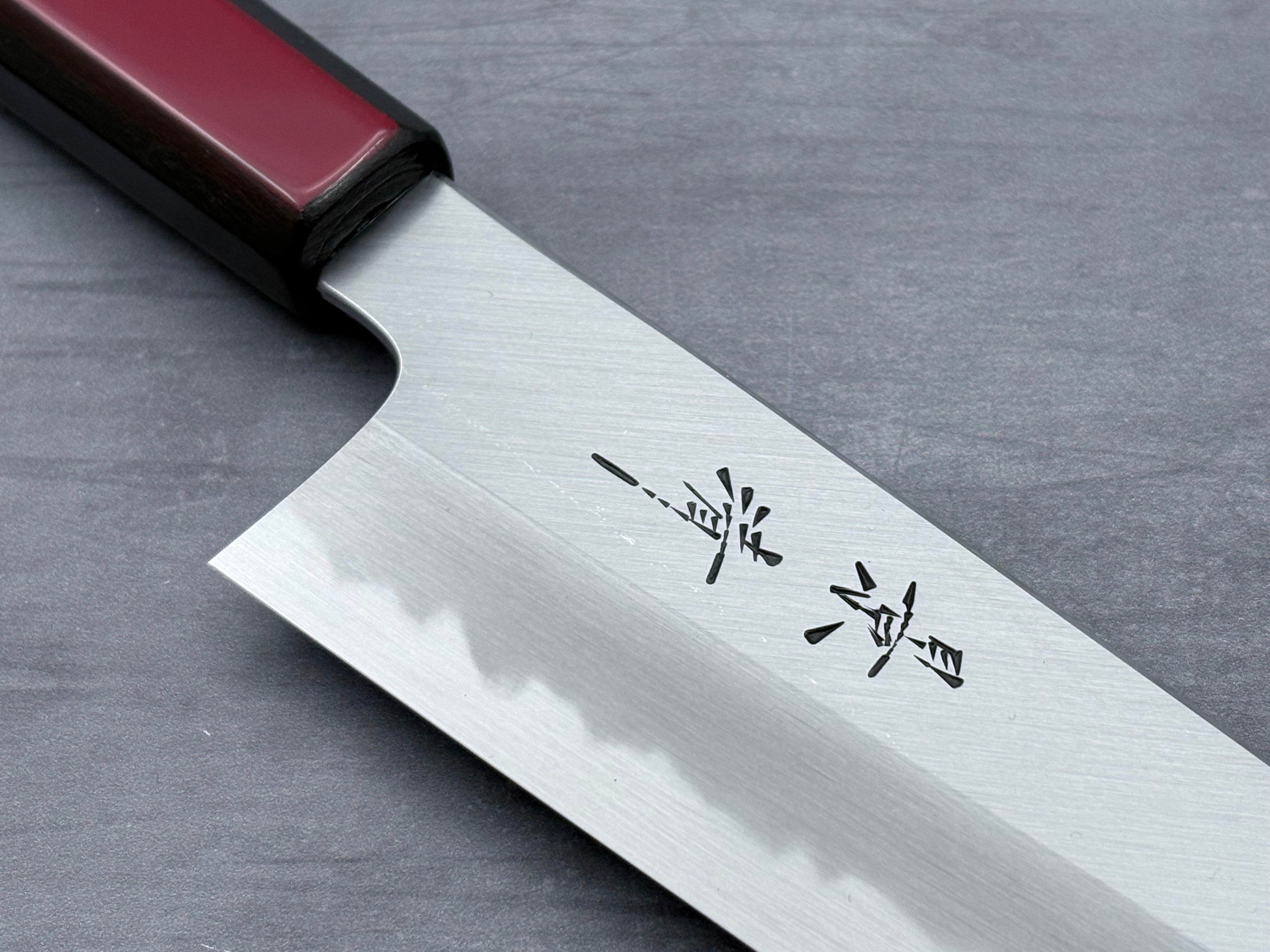
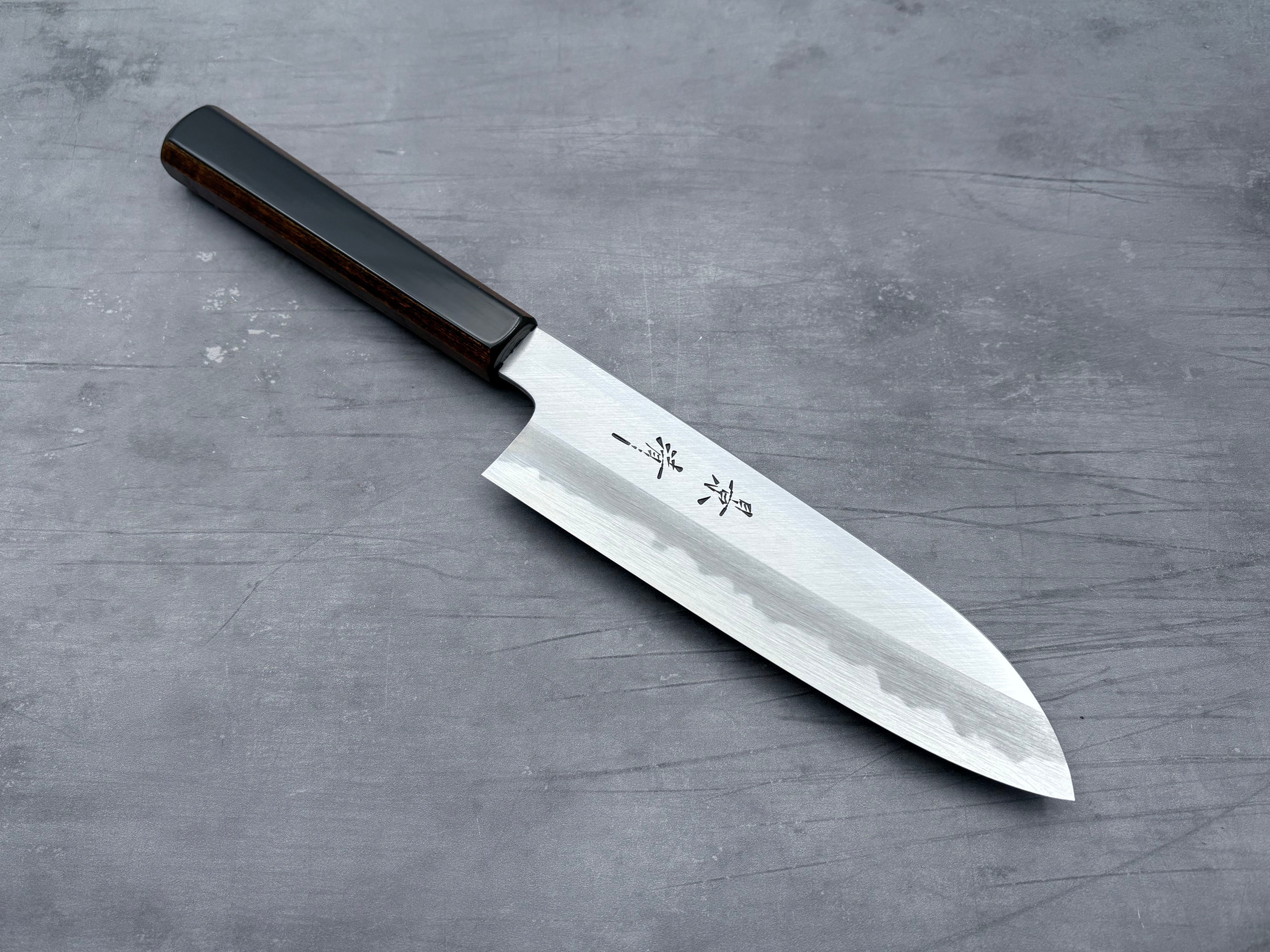
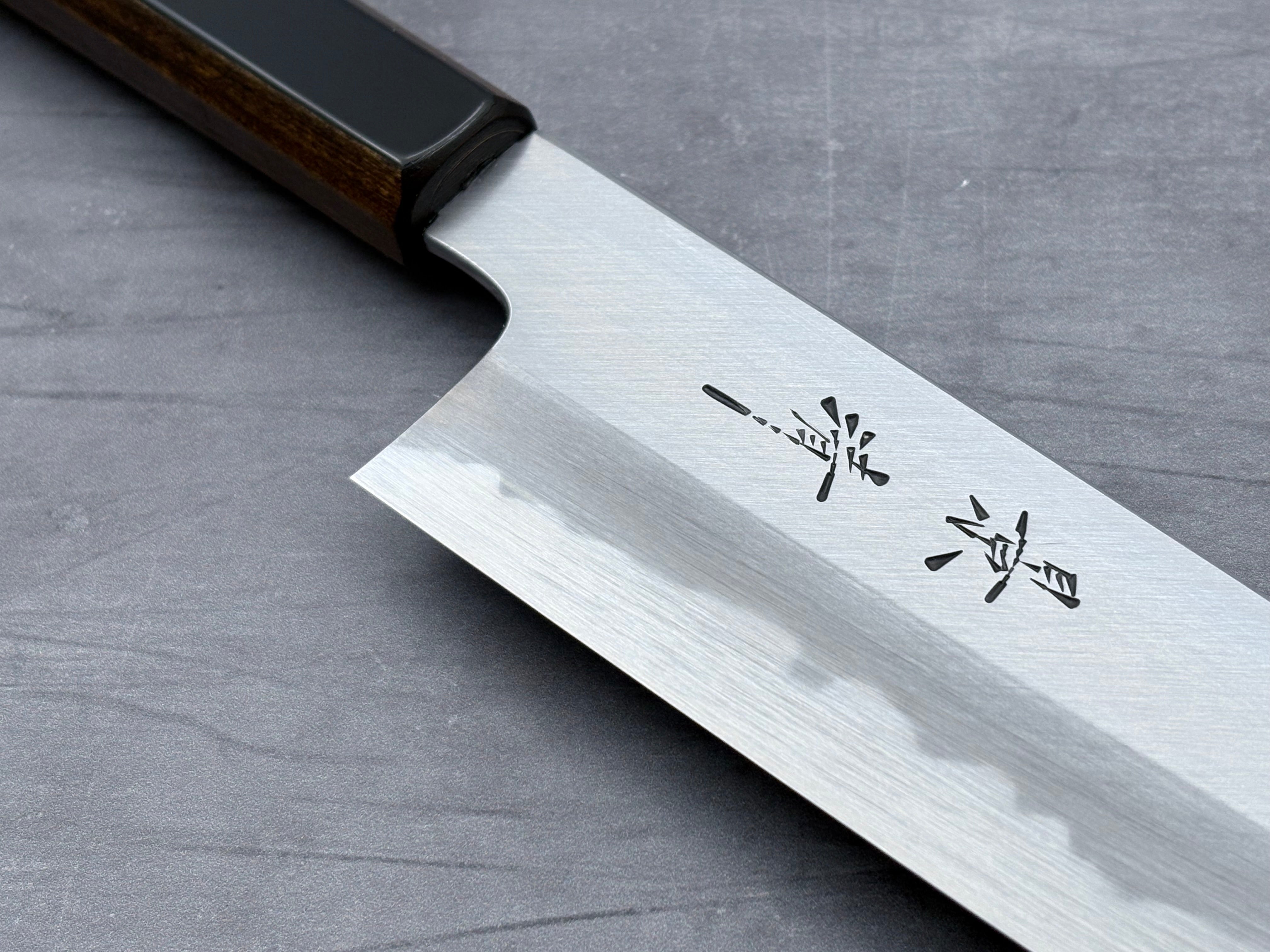
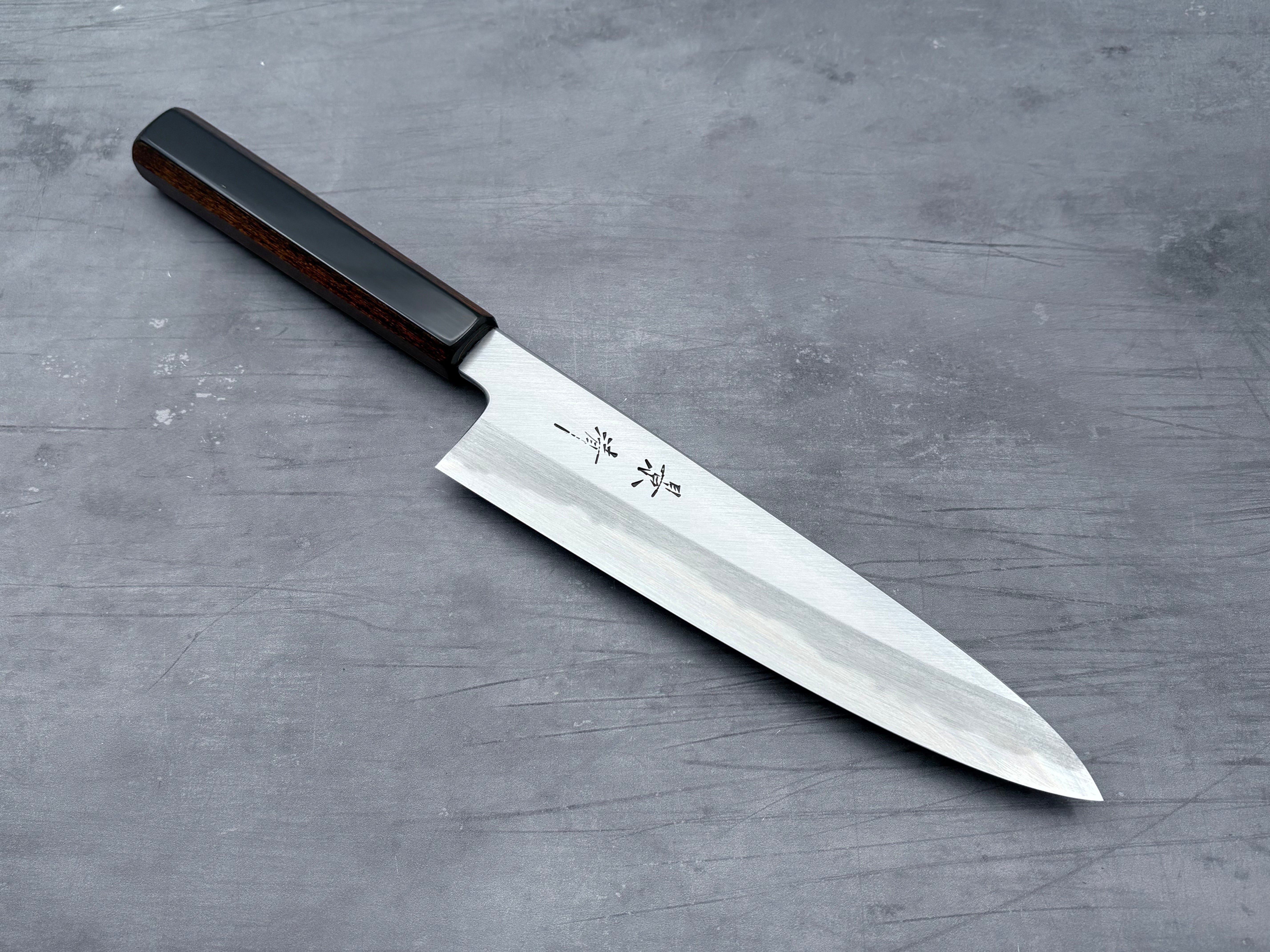
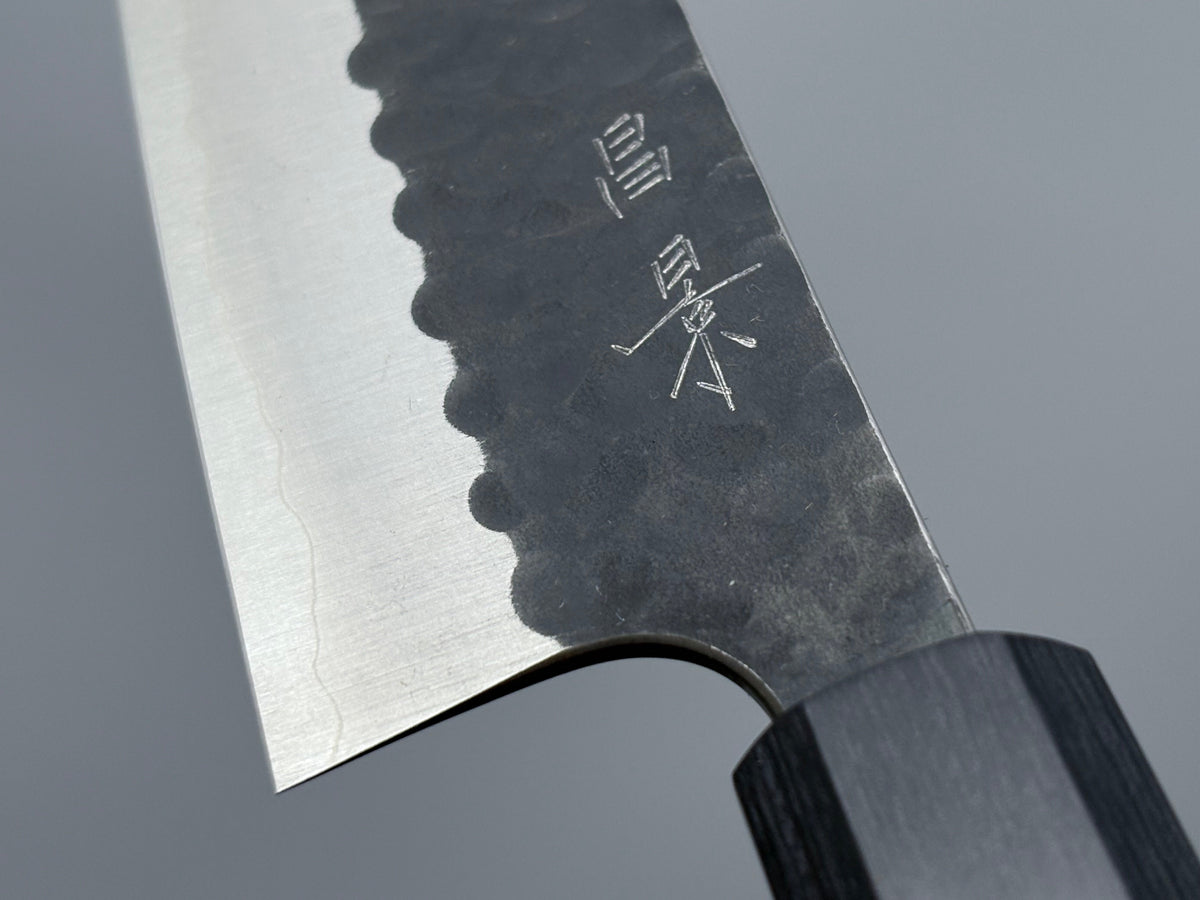
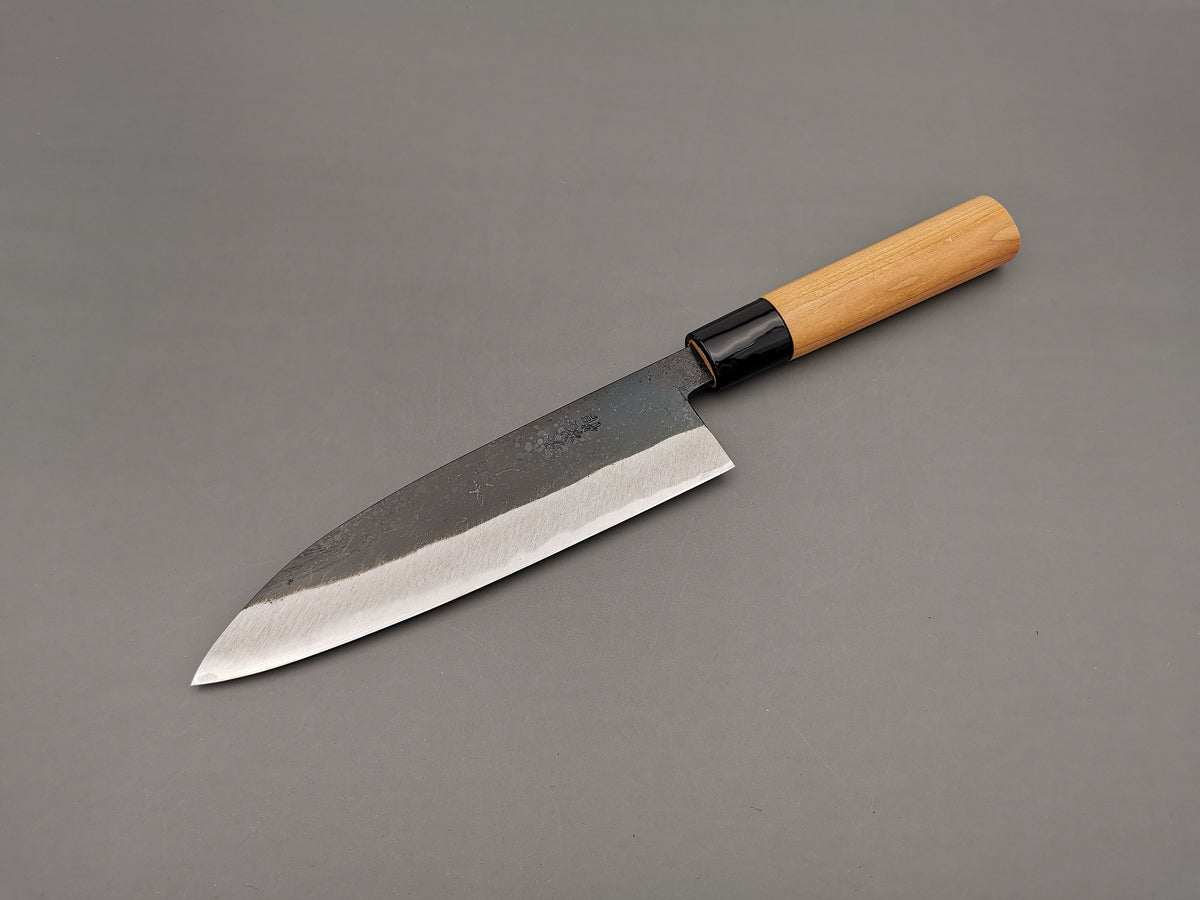
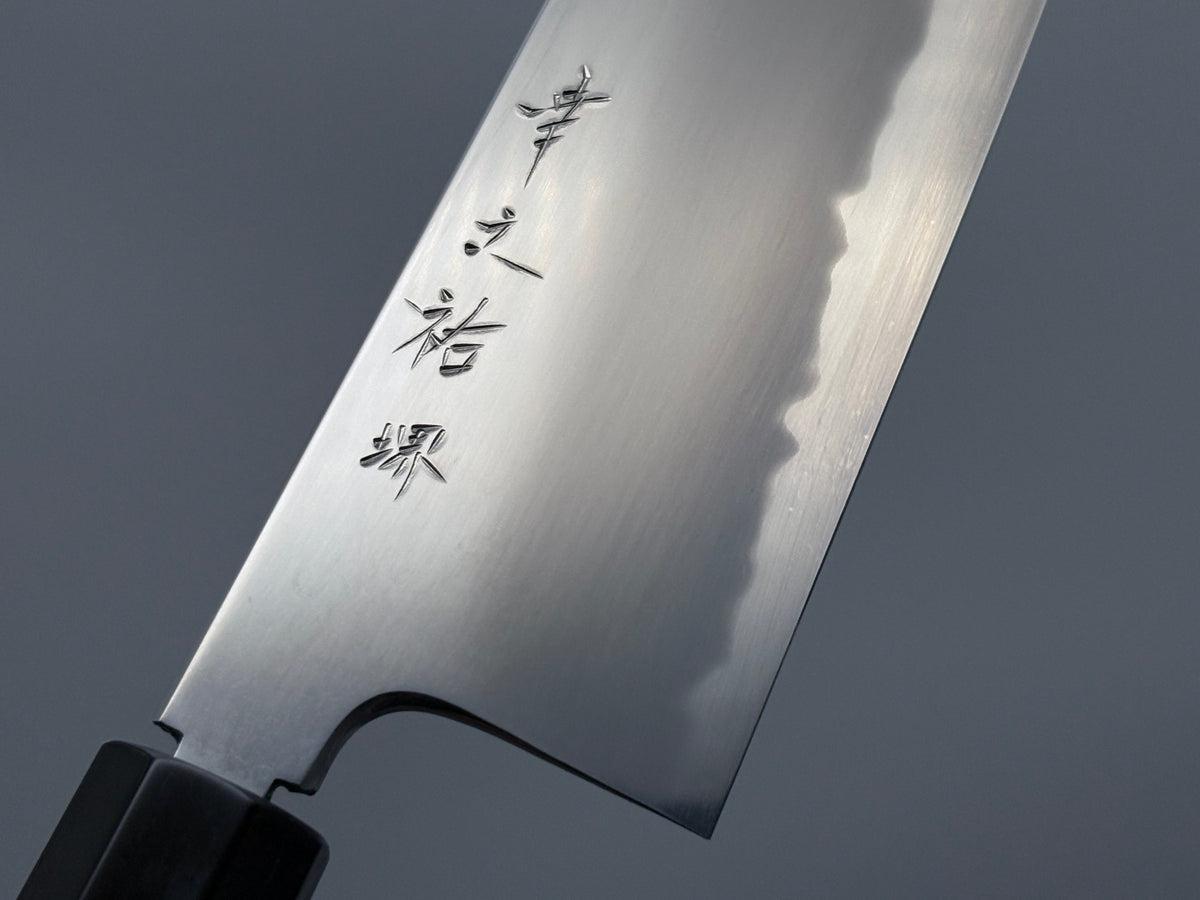
The knives we stock from Baba Hamono are sold under the Kagekiyo name and made from White steel, a high-carbon reactive steel that takes an exceptionally fine edge. It's less forgiving than stainless or powder steels if you're not on top of maintenance, but if you sharpen regularly and look after it, the cutting performance is hard to match. The handles are finished with urushi lacquer, a traditional Japanese technique that gives each knife a quietly refined look. Profiles available include petty, santoku, gyuto and sujihiki, which covers most of what a serious home cook or working chef actually needs.
- Kagekiyo White #2 Petty 150mm Urushi
- Kagekiyo White #2 Santoku Urushi
- Kagekiyo White #2 Gyuto in 210mm, 240mm and 270mm
- Kagekiyo White #1 Gyuto 210mm Akaro
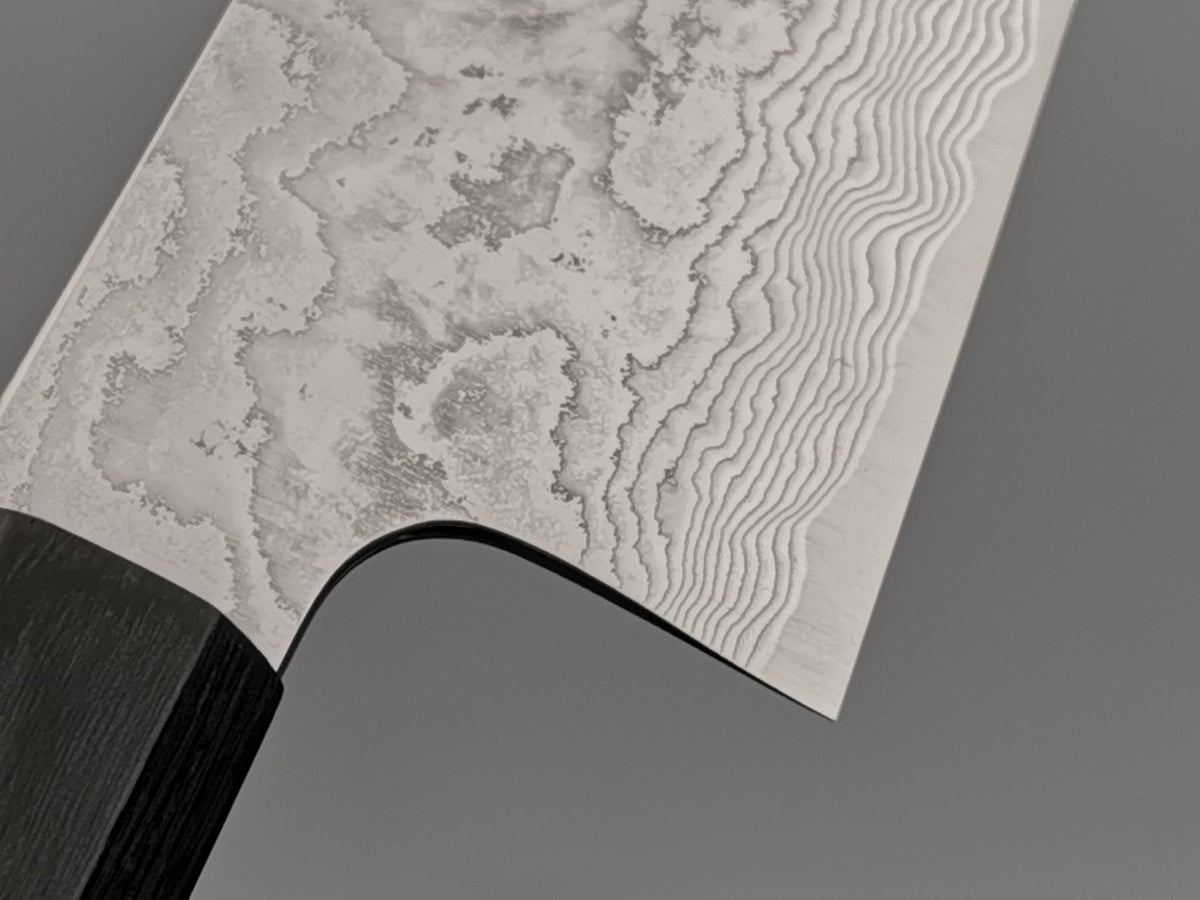
If you want to see how White steel sits alongside other carbon steels, our collections of Aogami blue steel Japanese knives and Aogami Super Blue steel knives are worth a look. Both hold an edge well but behave differently on a whetstone.
Sakai: a city defined by its blades
Sakai has been making knives for centuries, and companies like Baba Hamono are a large part of why its reputation has held. The concentration of specialist blacksmiths, sharpeners and handle makers working in close proximity produces a kind of craft culture that's genuinely difficult to replicate anywhere else. These are not mass-produced tools.
If you're after an all-round Japanese gyuto knife from a maker with real roots in Sakai tradition, or a petty for detailed prep work, browse the full Baba Hamono collection at Cutting Edge Knives to find the right knife for your kitchen.