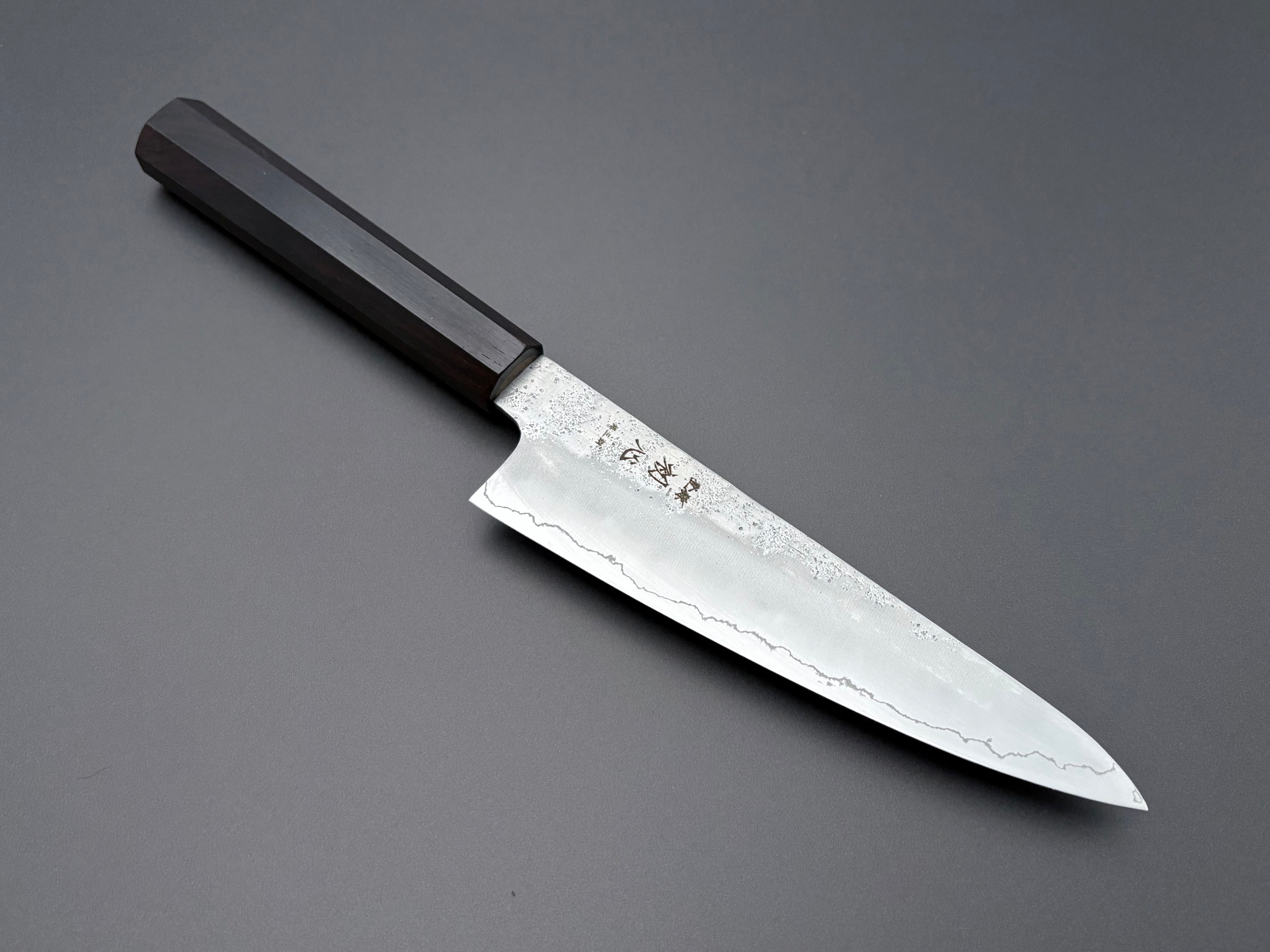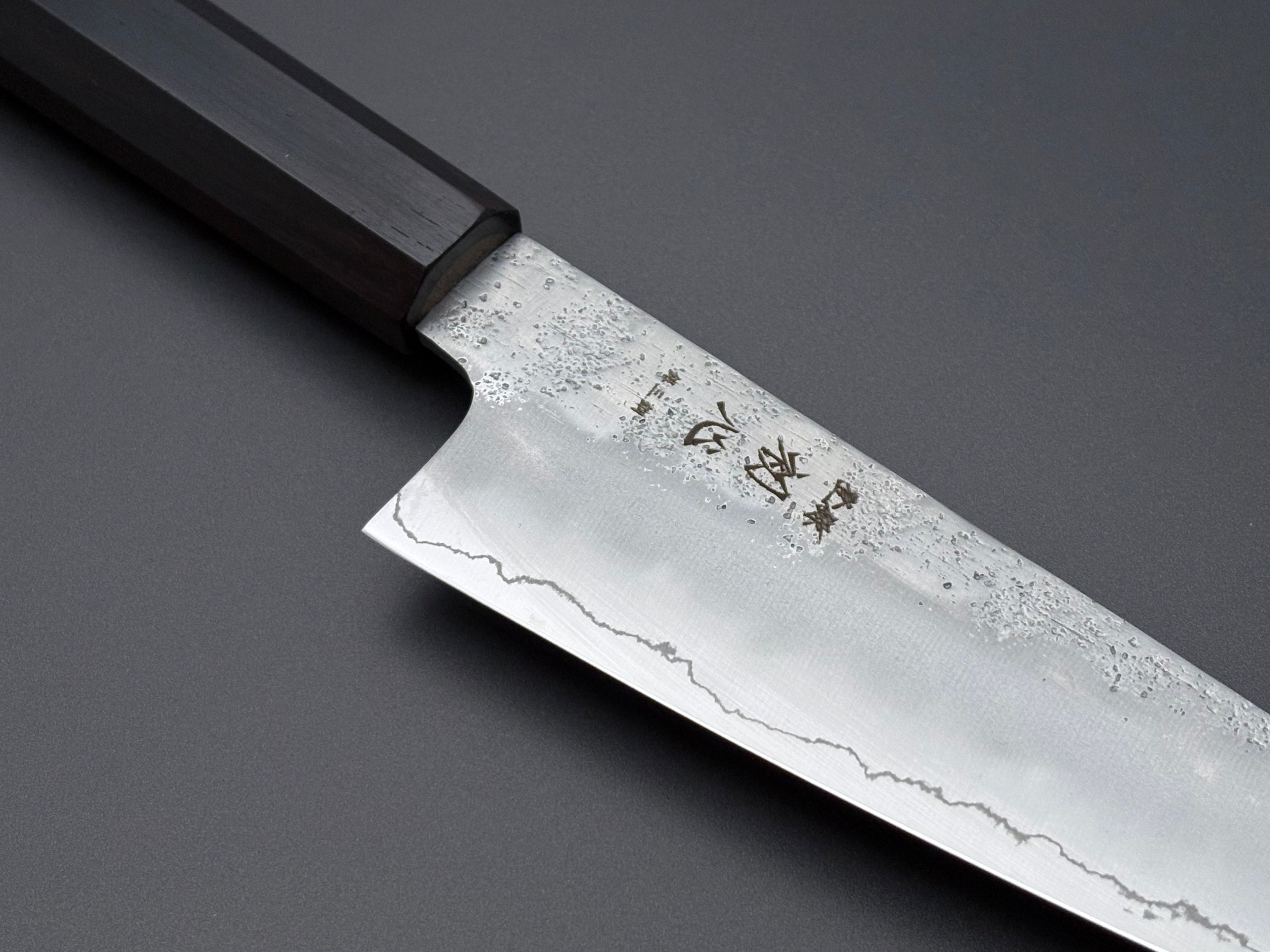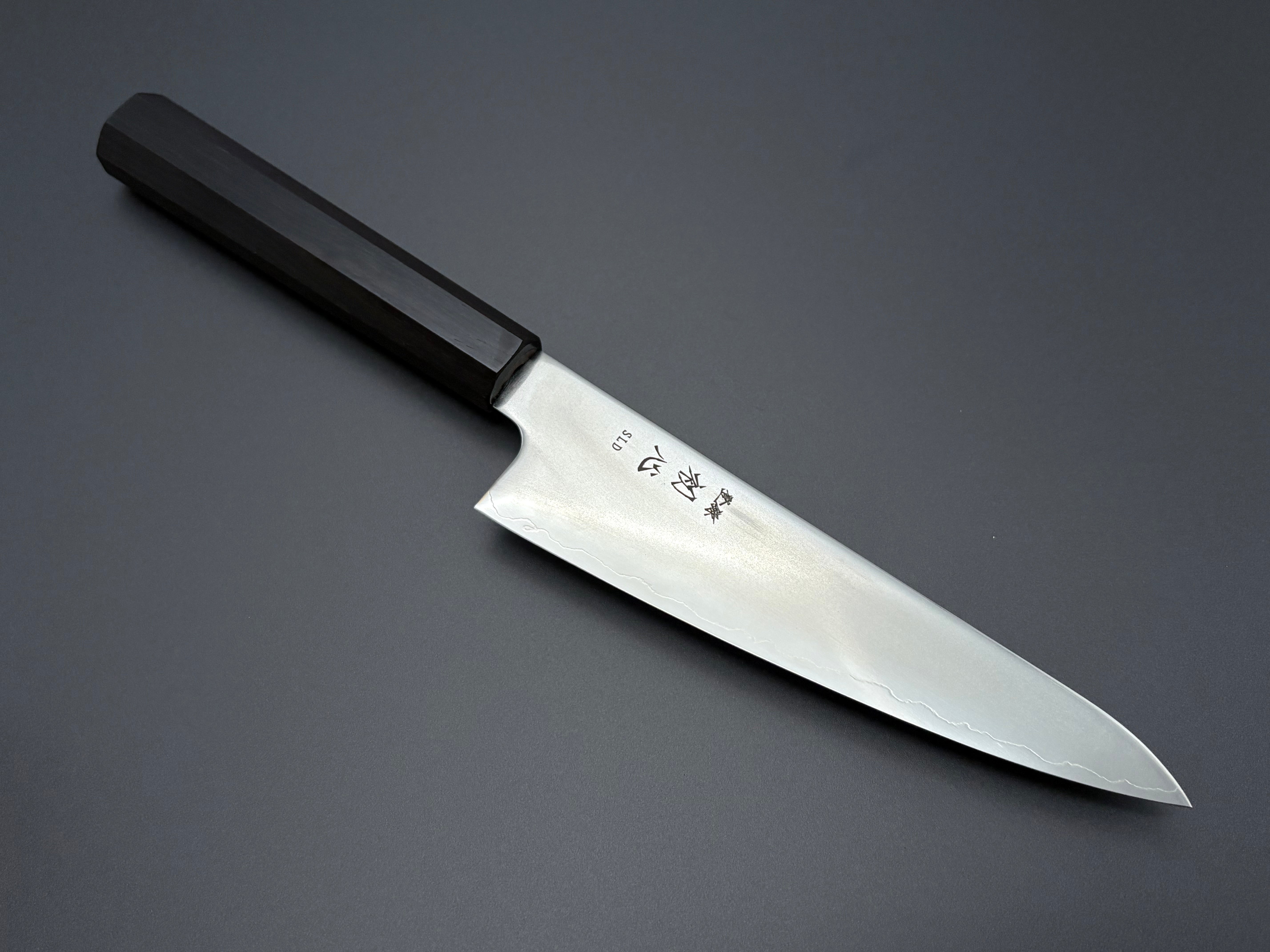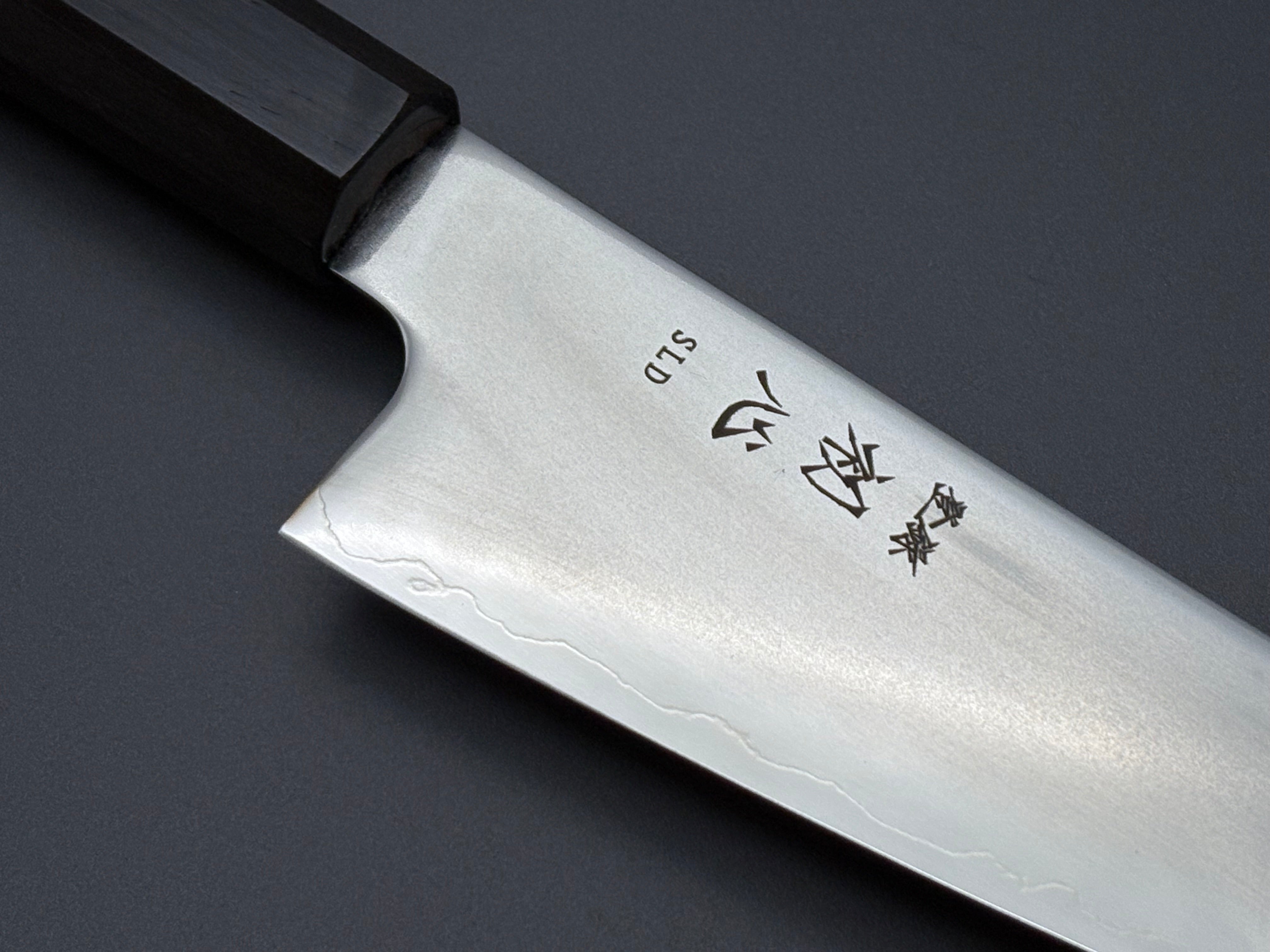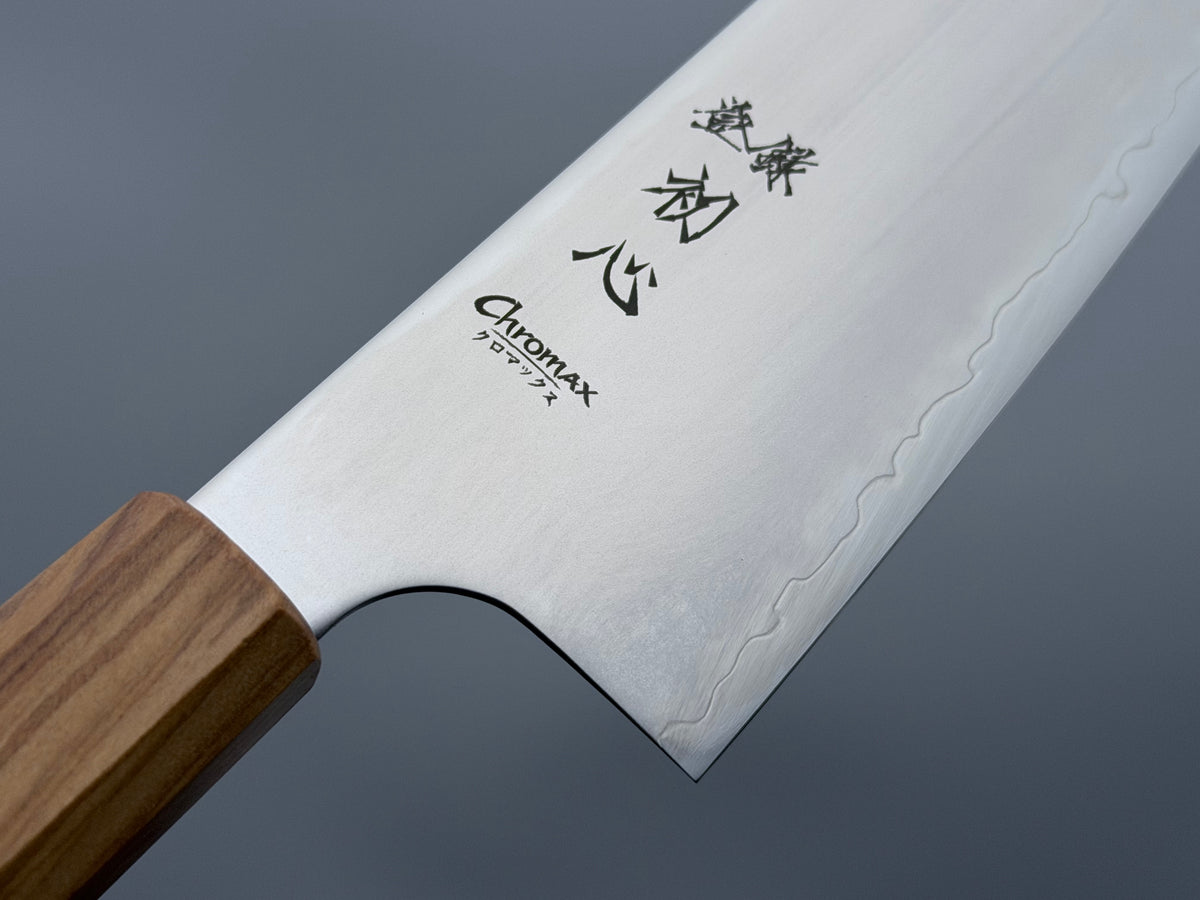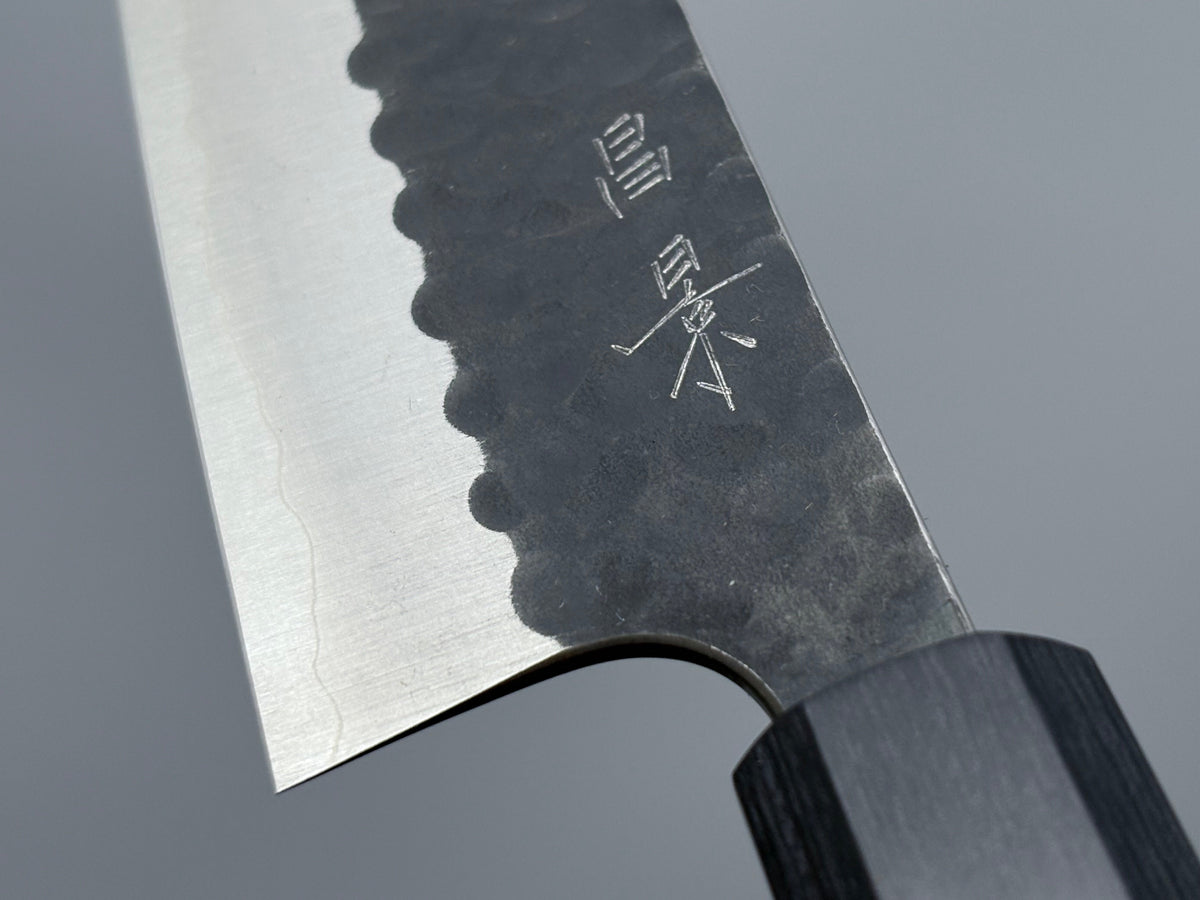

Who is Hatsukokoro?
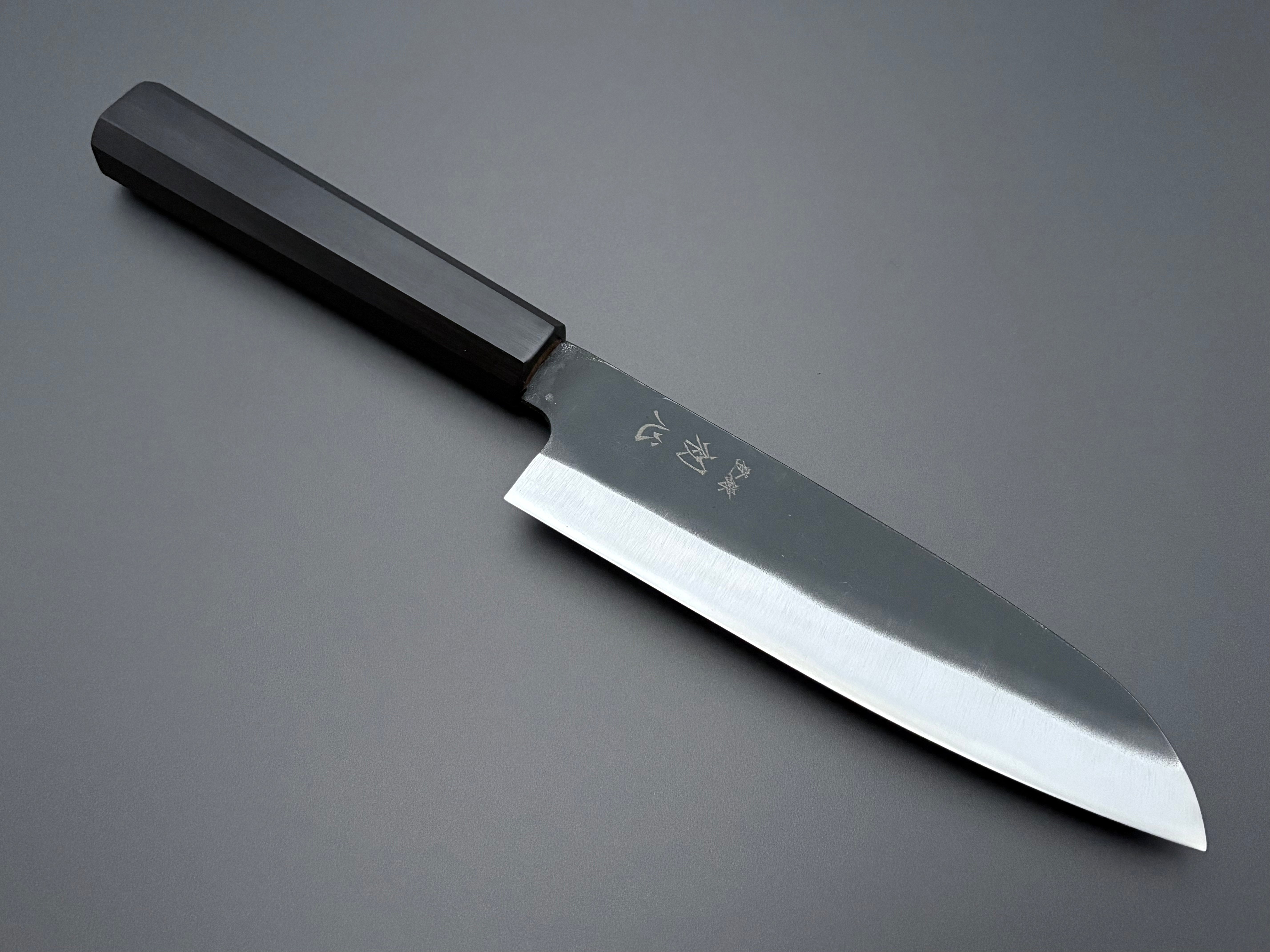
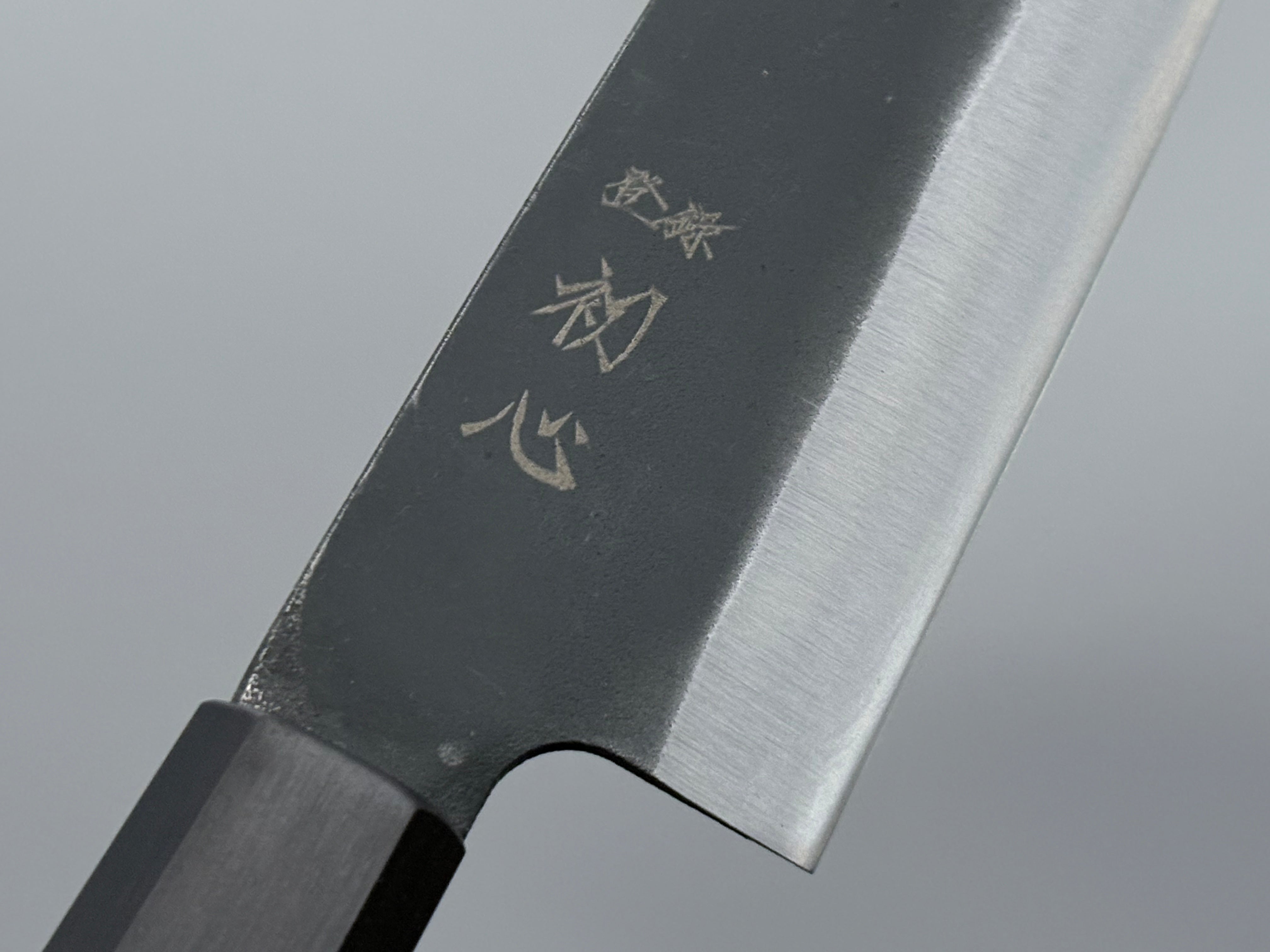
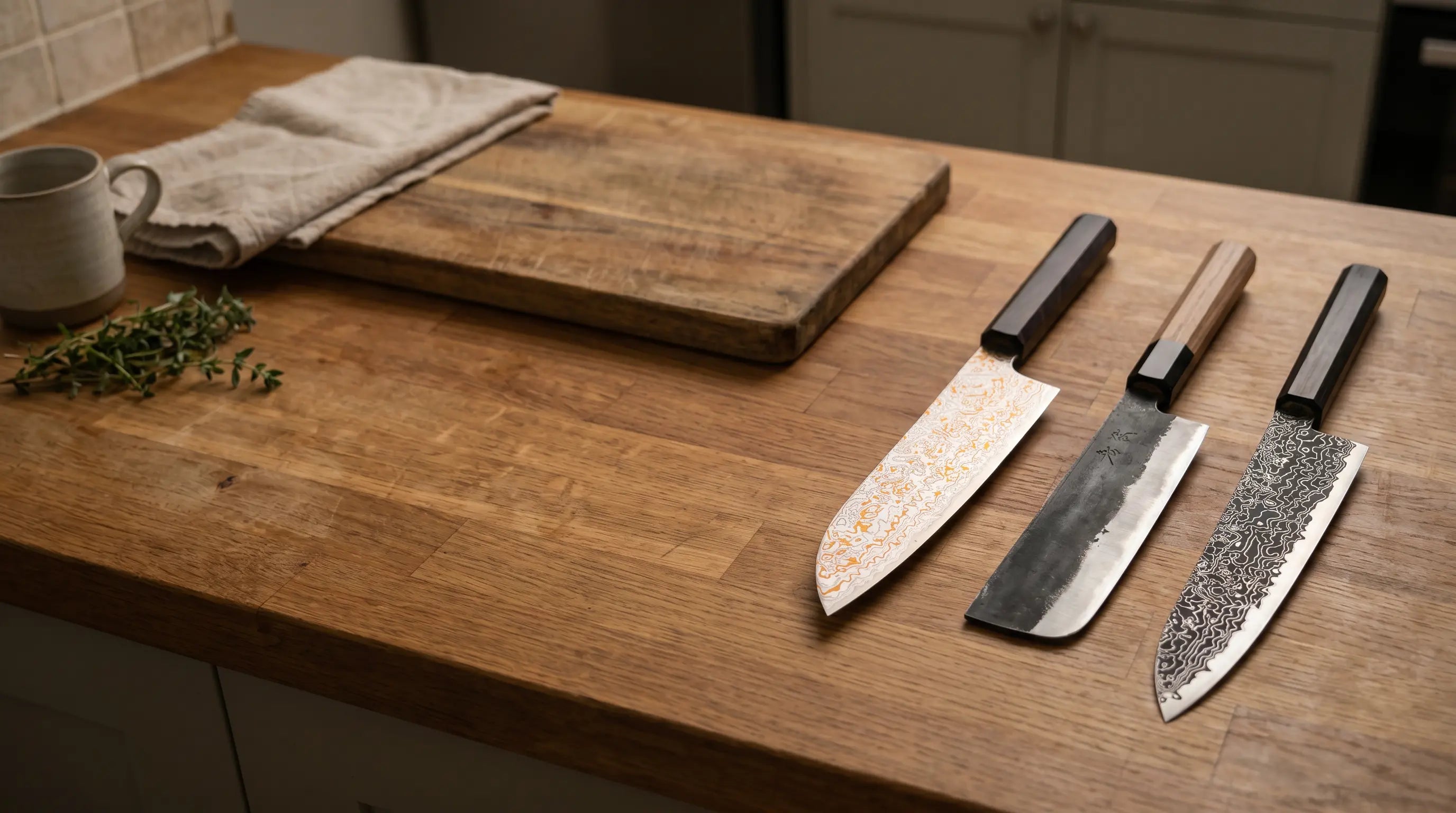
Hatsukokoro is based in Seki City, one of Japan's most respected knife-making regions, and works differently from most brands. Rather than running a single forge, they collaborate with a broad range of master blacksmiths, specialist workshops, and factories across Japan.
That setup gives them unusual range: some knives are hand-forged using traditional methods, others come from modern facilities with precise machine finishing. The result is a catalogue that covers a lot of ground, both in style and price.

At Cutting Edge Knives, Hatsukokoro has become one of our most popular brands, and the reasons are fairly straightforward. They keep developing new lines, trying different steels, and refining their finishes. For a relatively young brand working across so many different makers, the consistency is genuinely impressive.
A wide range of steels to suit different needs
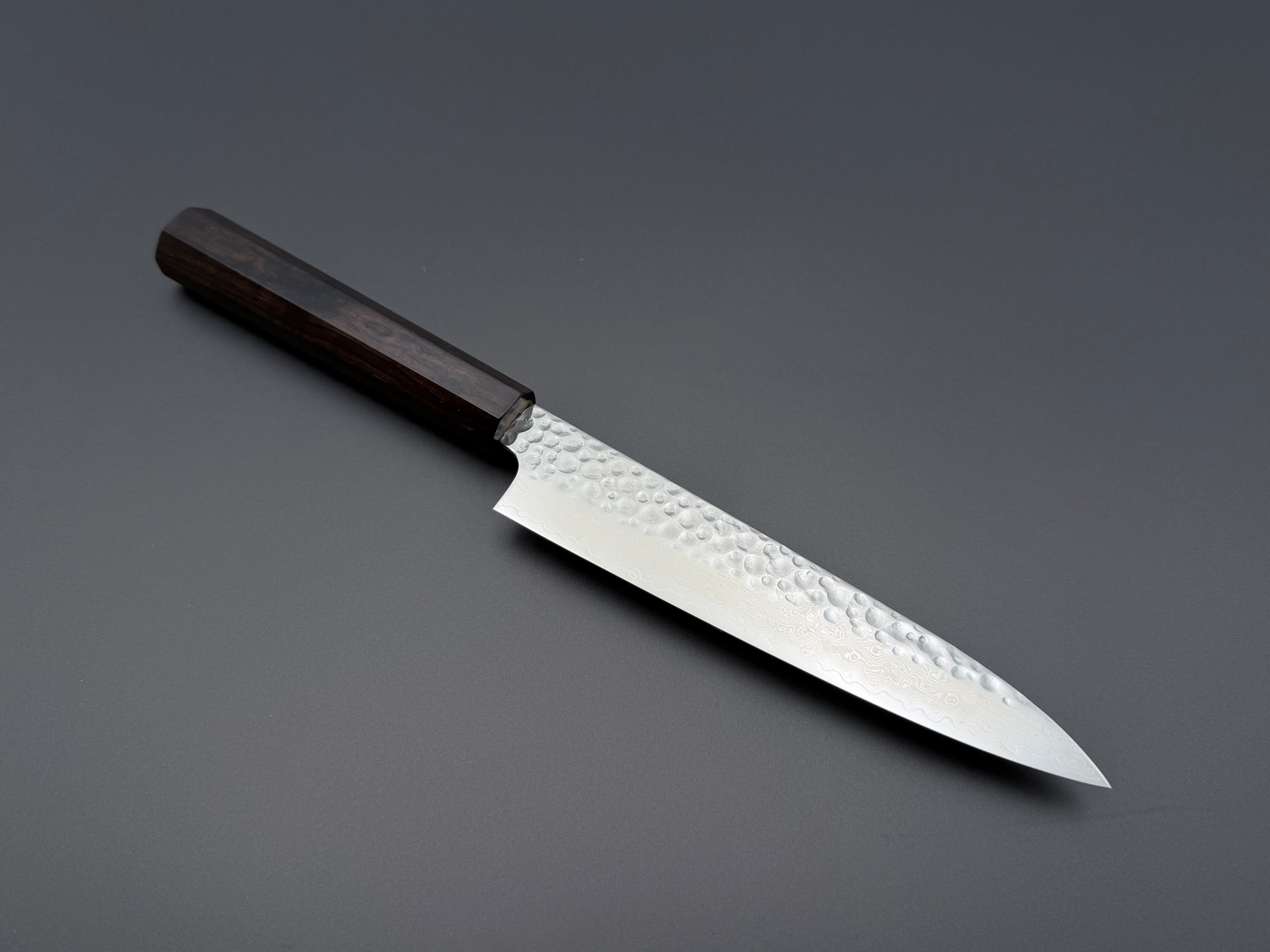
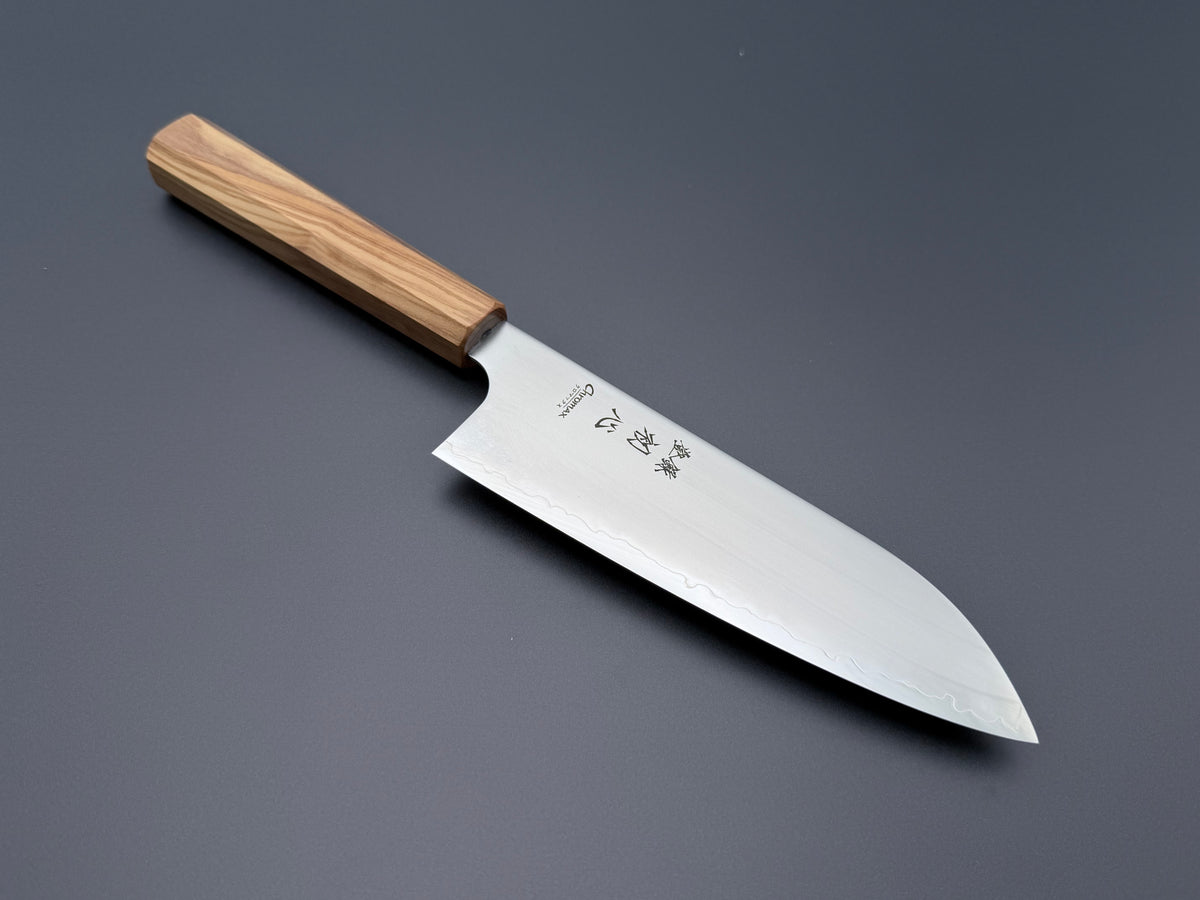
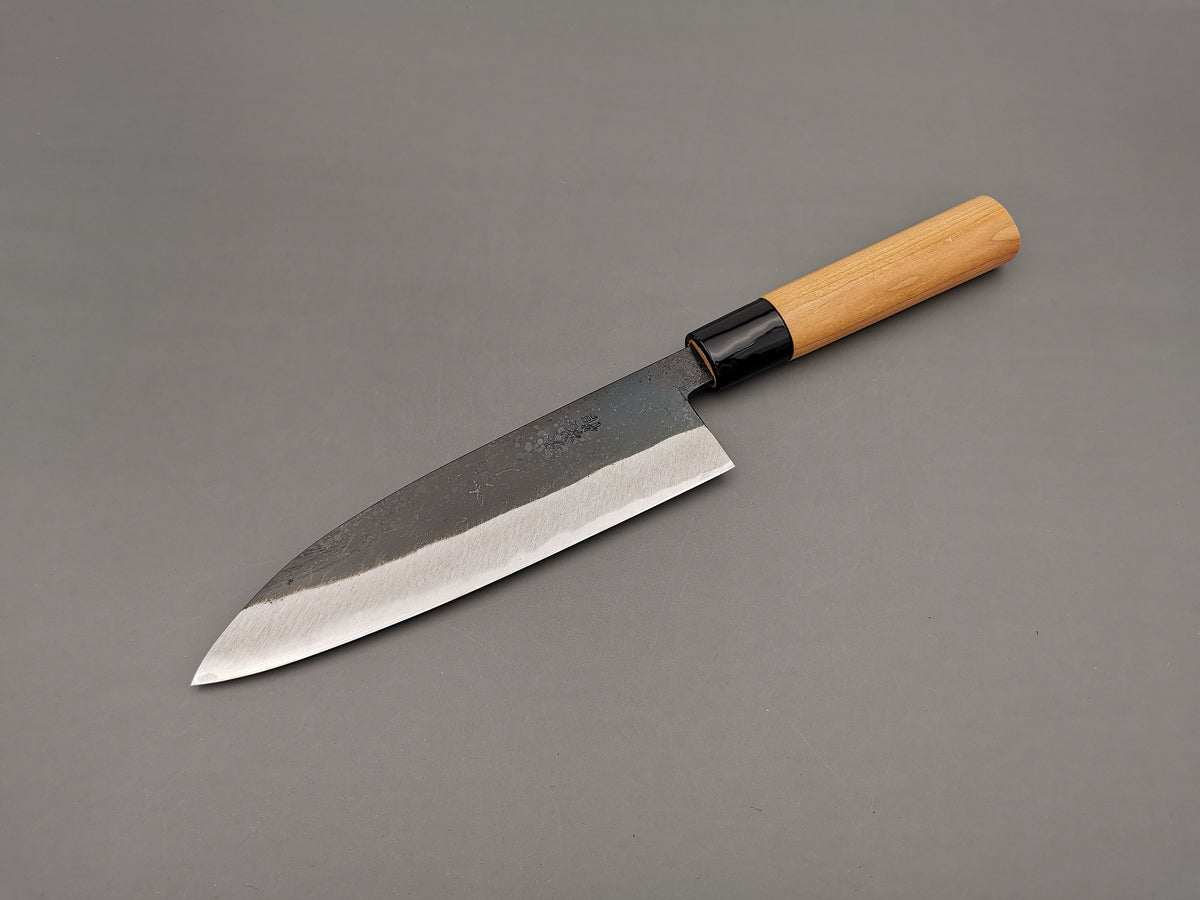
One of the things that makes Hatsukokoro worth paying attention to is the variety of steels across their lines. If you want something low-maintenance, ranges built around Ginsan Silver 3 offer solid corrosion resistance and a clean, polished edge. If you prefer the performance of a reactive carbon steel and do not mind the upkeep, Aogami Blue 2 and Aogami Super Blue both take a sharp, long-lasting edge. There are also powder steel options like SG2 for anyone who wants high hardness without too much extra maintenance.
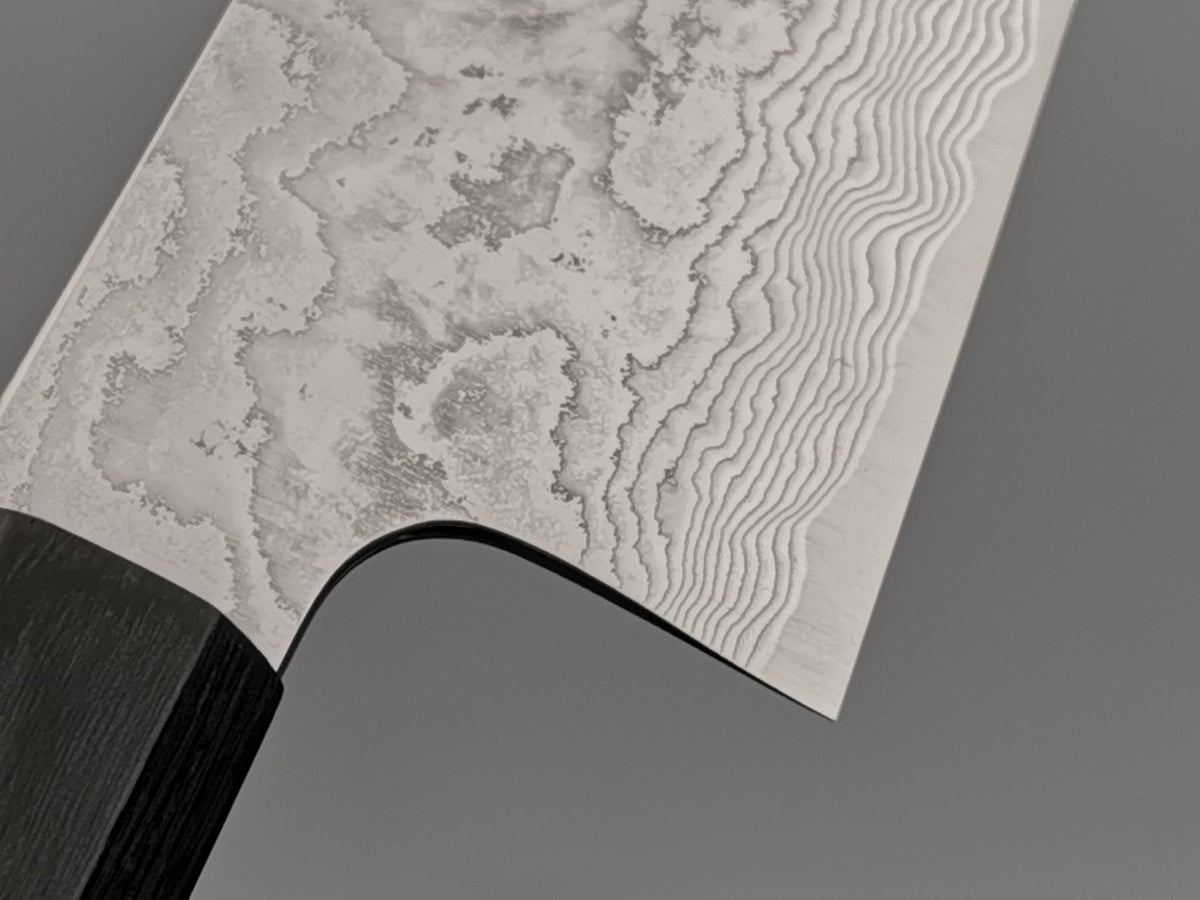
Finishes vary just as much. Depending on the line, you will find kurouchi, nashiji, Damascus, tsuchime, and migaki options, so you can choose based on how the knife performs and how it looks on the board.
Knife types and blade styles
The range covers most of what you would want. There are solid options in gyuto for everyday use, petty knives for detail work, and nakiri for vegetable prep. They also make bunka, santoku, honesuki, sujihiki, and single-bevel styles for anyone who wants to go further into traditional Japanese shapes.
Sizes are practical too. Many of their petty and ko-santoku knives fall into the 120 to 134mm bracket, while gyuto and sujihiki options typically sit in the 210 to 240mm range, giving you enough choice to match the knife to how you actually cook.
Browse the full Hatsukokoro collection
We carry a wide selection at Cutting Edge Knives, from entry-level options through to more premium lines. Stock changes regularly as new ranges come in, so if something is out of stock, it is worth checking back. Browse the full Hatsukokoro collection to find something that fits your cooking style, steel preference, and budget. If you want help narrowing it down, our team is happy to point you in the right direction.