
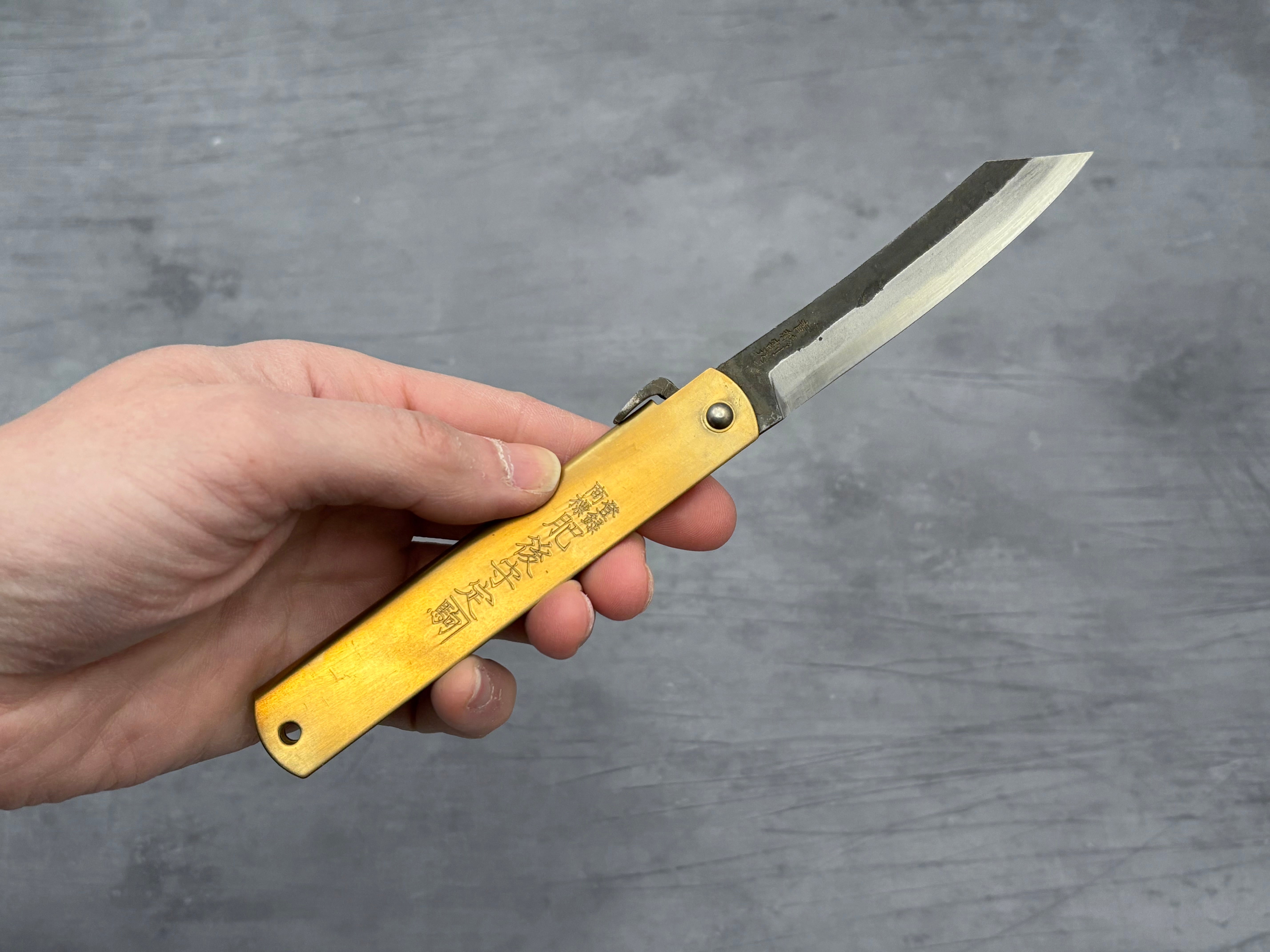
What is a higonokami knife?
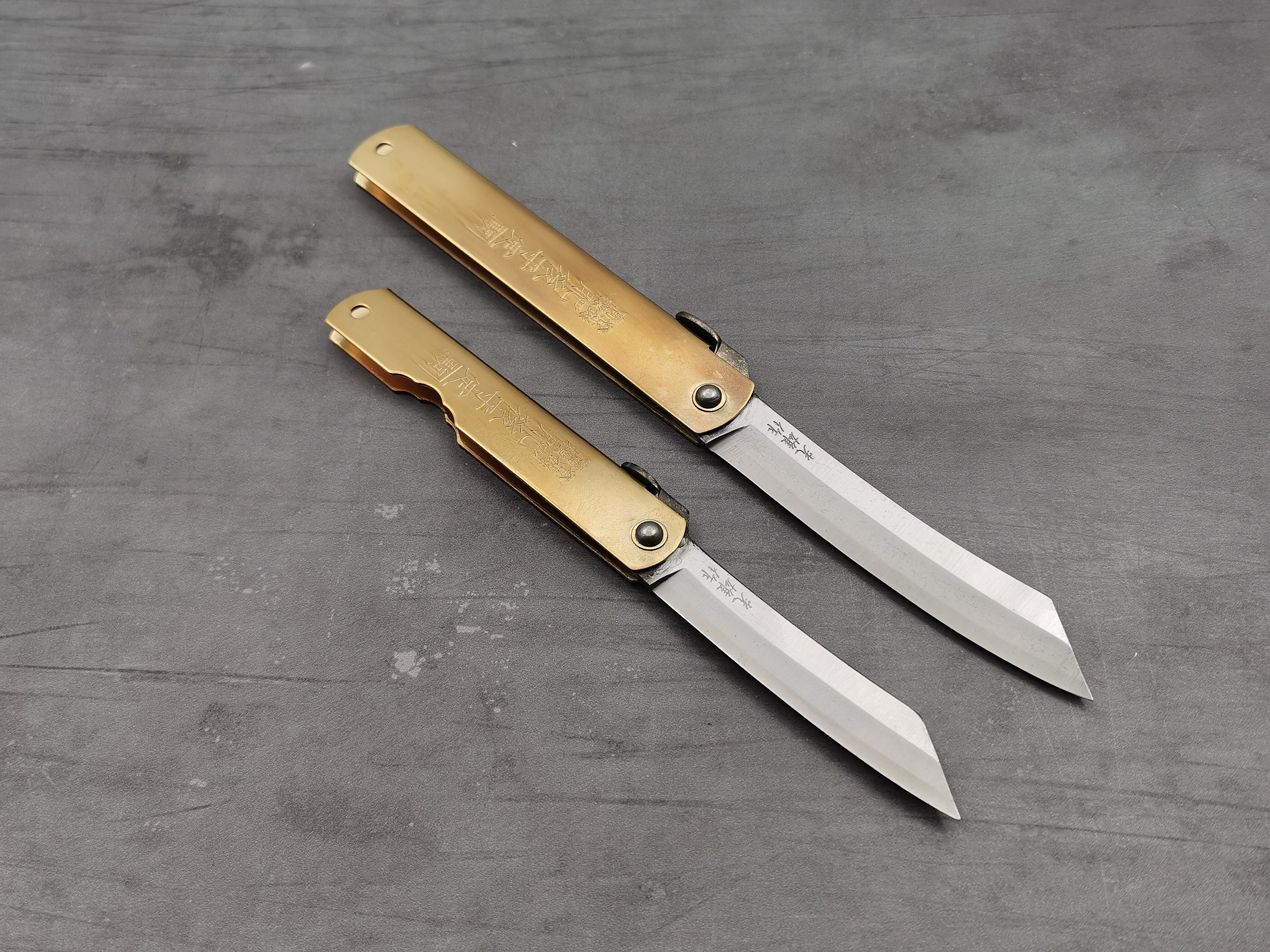
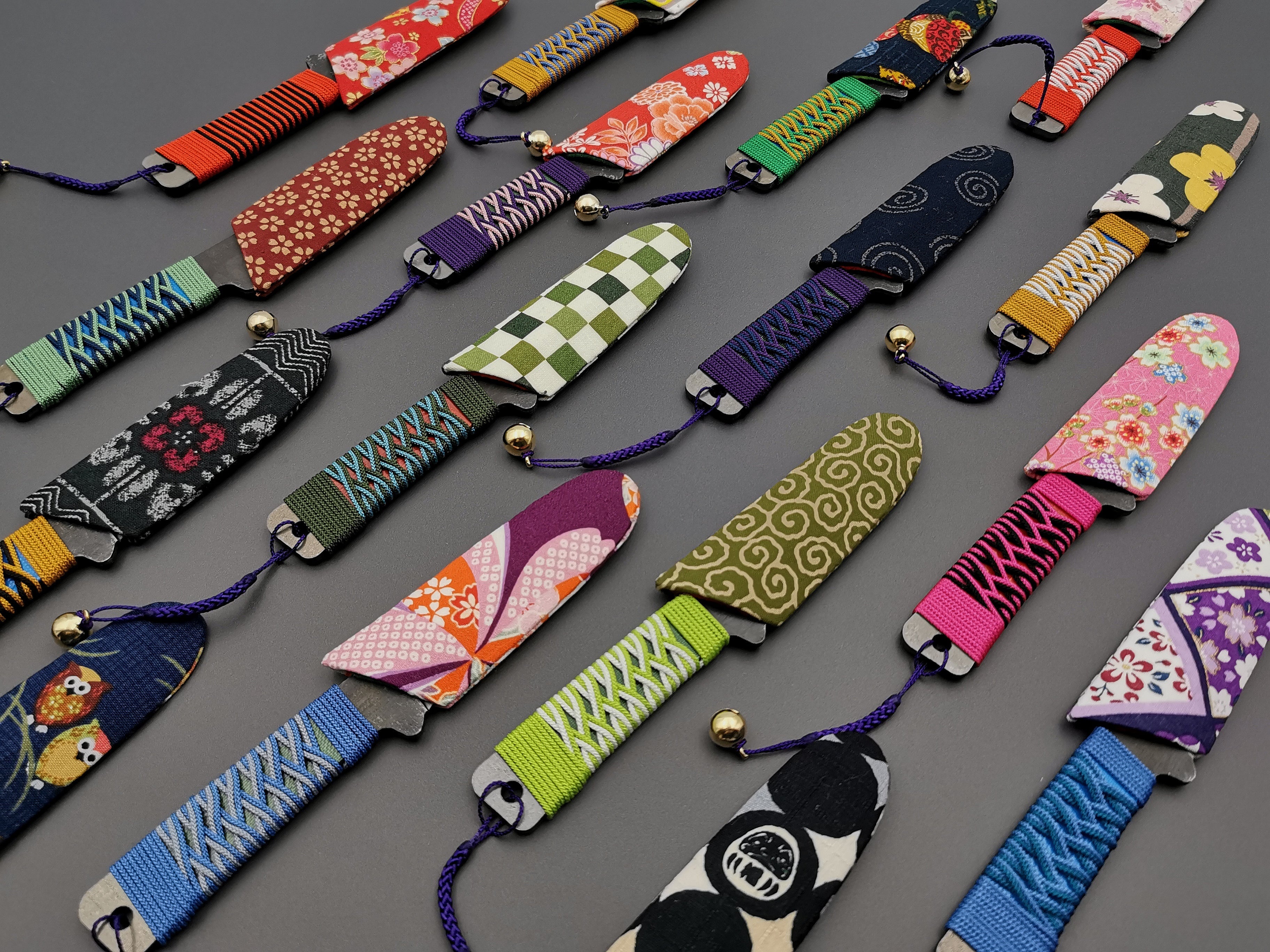
The higonokami is one of Japan's most recognisable folding knives. It comes from Miki City in Hyogo Prefecture, dates to the Meiji era, and takes its name from the Higo region of Kumamoto.

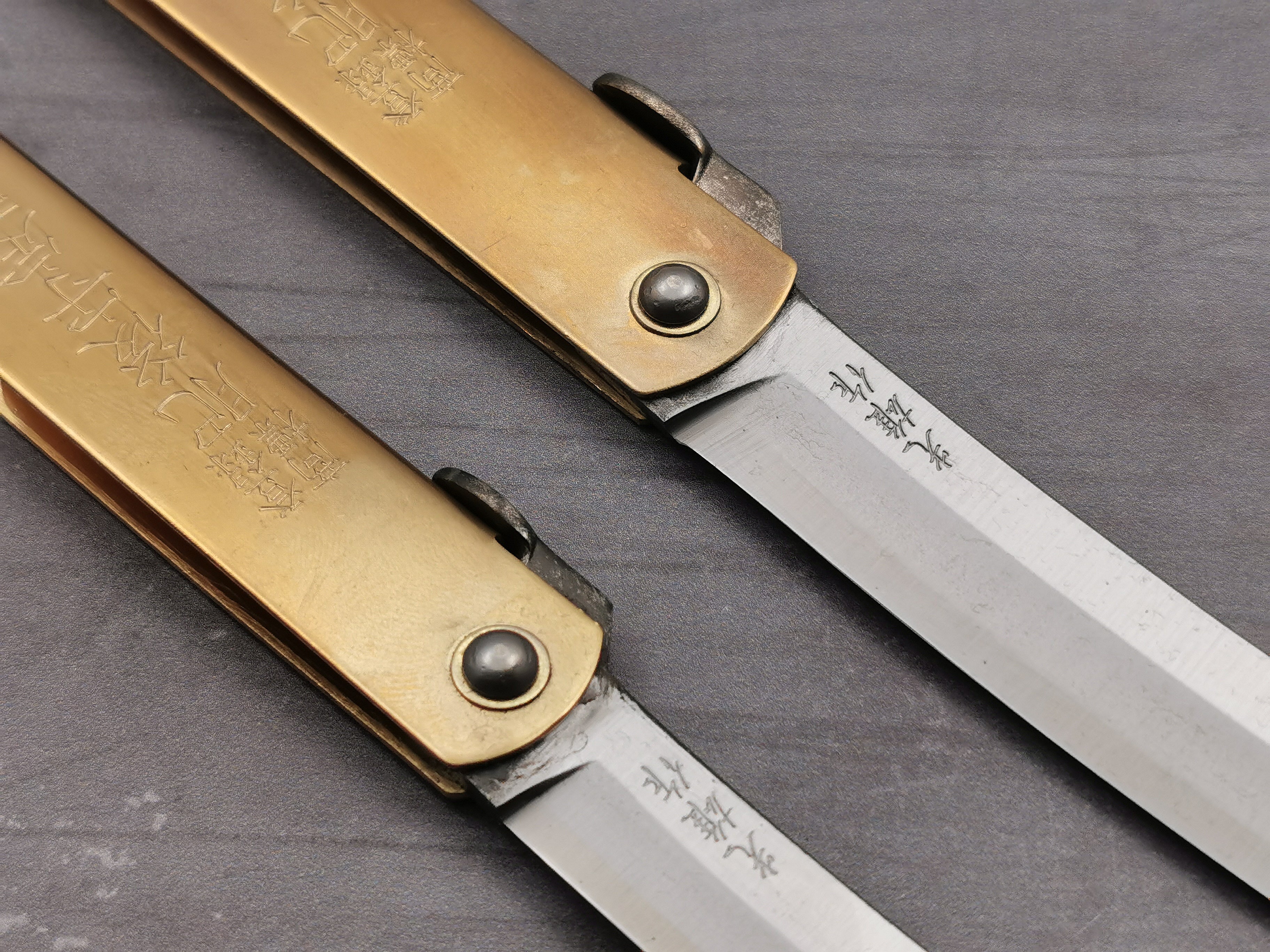
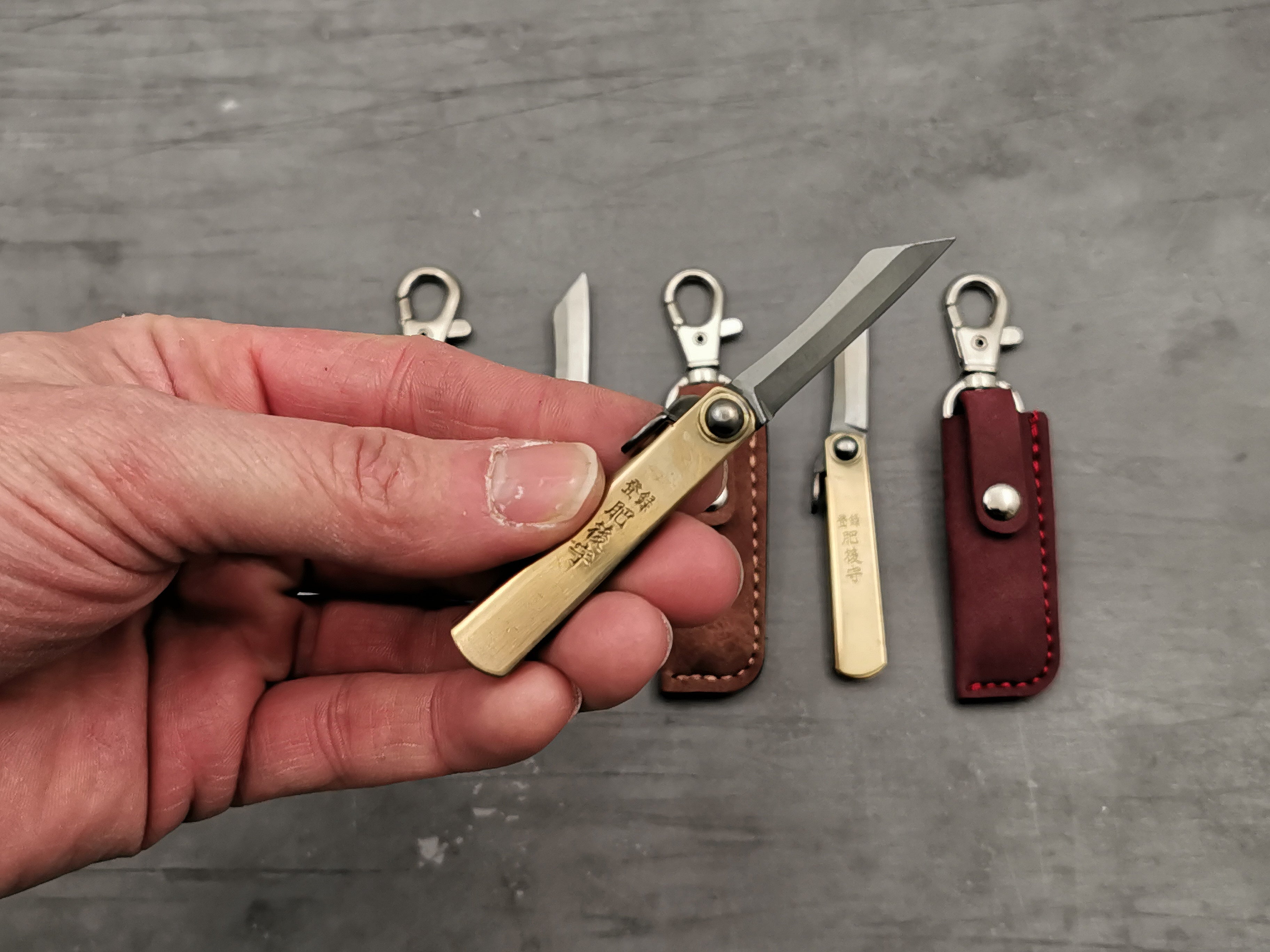
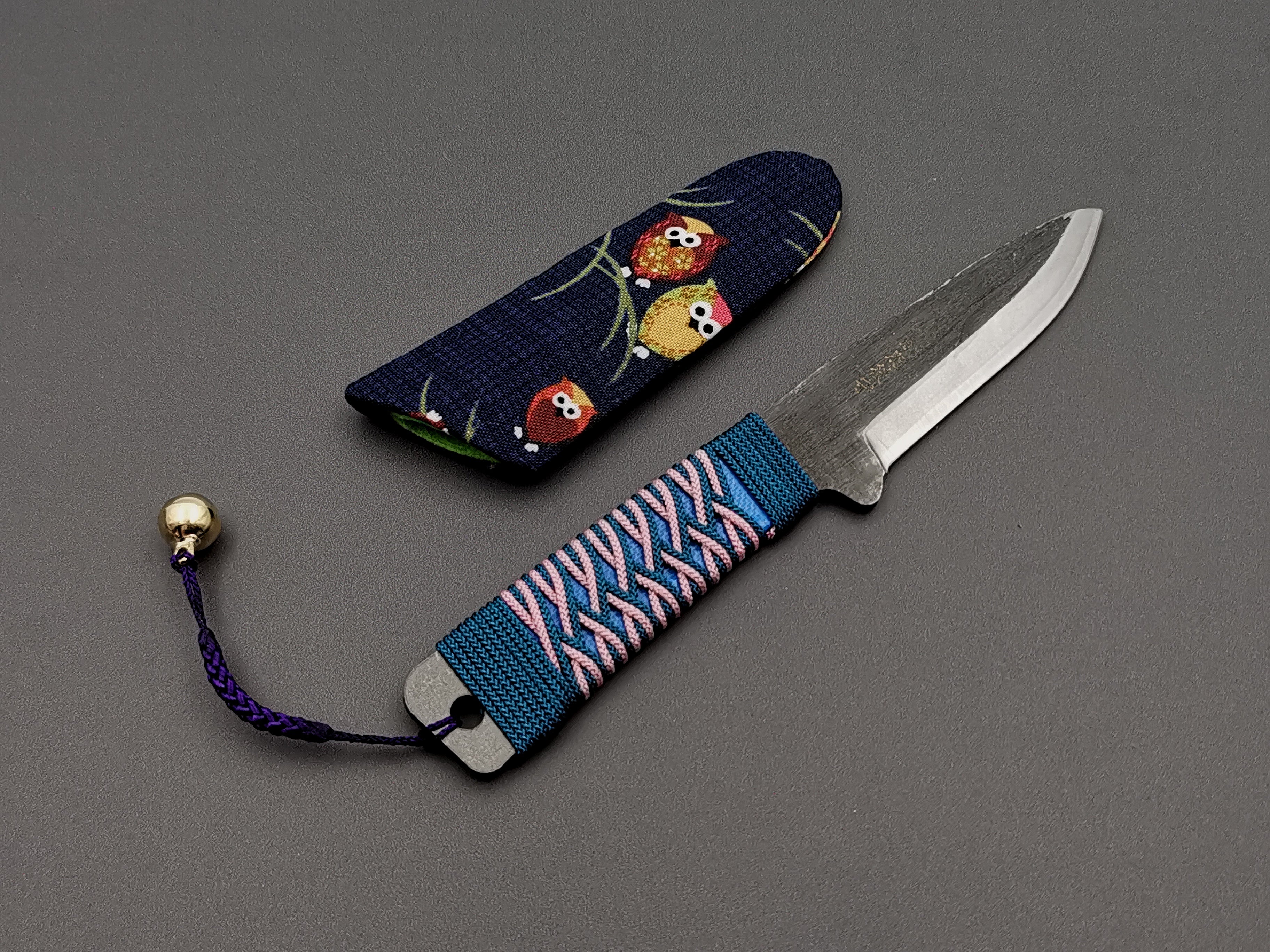
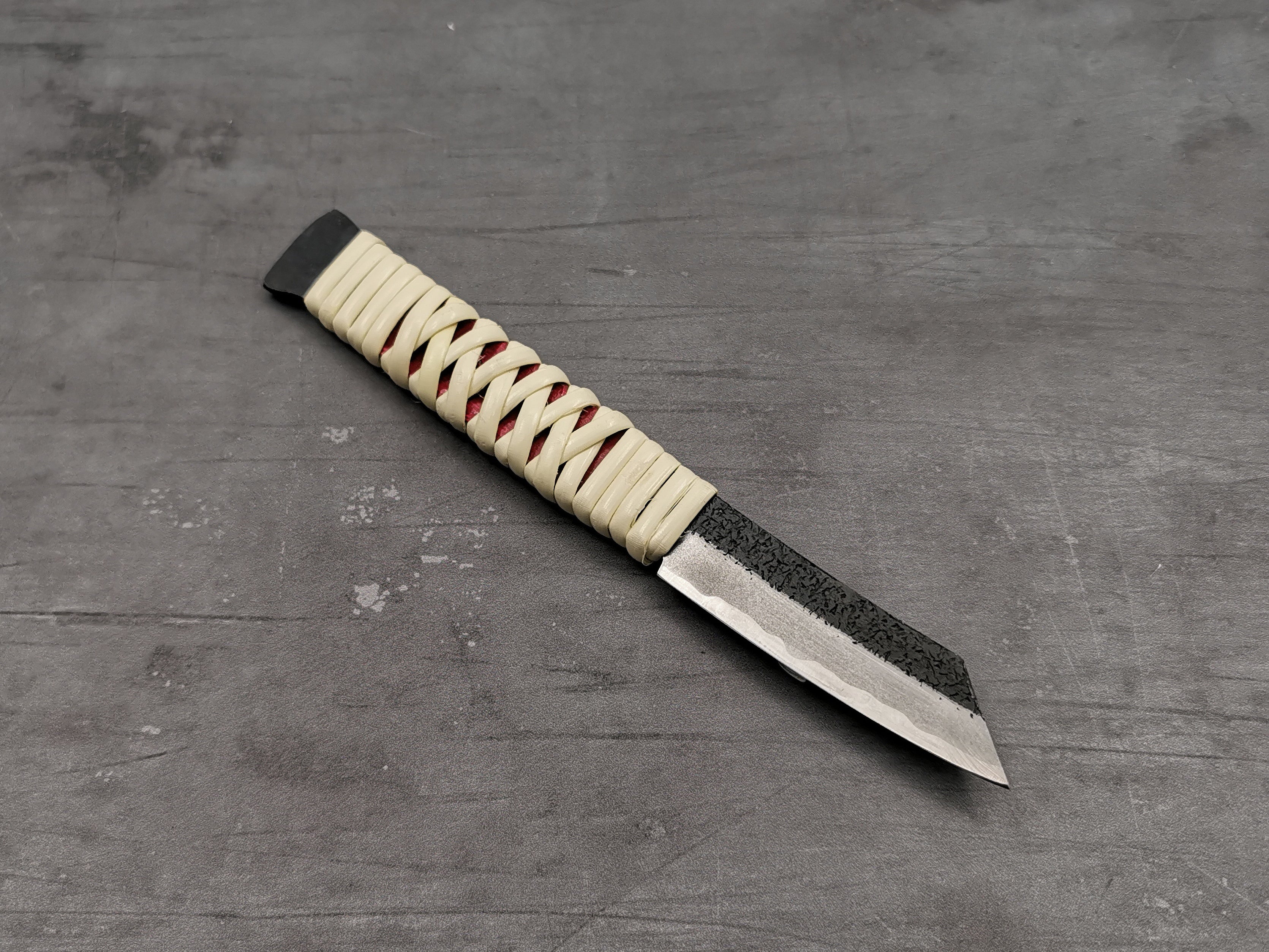
It was designed as a cheap, practical blade for ordinary people, and the design reflects that: a single flat-ground blade that folds into a bare metal handle with no locking mechanism, held shut by friction and opened by pressing the small brass tab on the spine. If you are looking for a higonokami knife in the UK, understanding what makes these knives last helps you buy the right one.
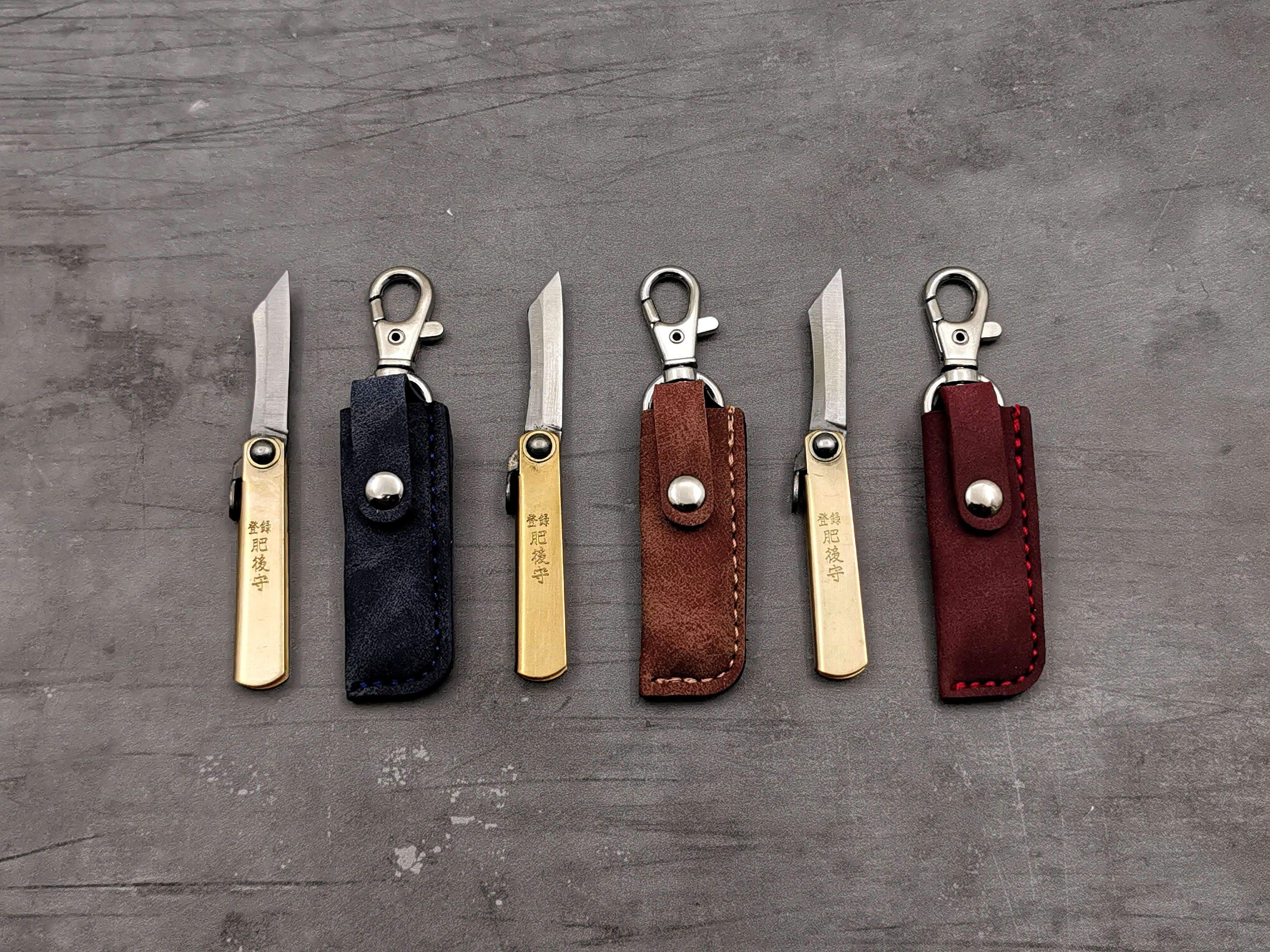
At Cutting Edge Knives we stock a carefully selected range of higonokami pocket knives, sourced from traditional Japanese makers who still produce them largely by hand. We also carry handmade Japanese kitchen knives, including the Hado knife collection, which reflects the same attention to craft and steel quality you find in the best higonokami blades.
Steel types
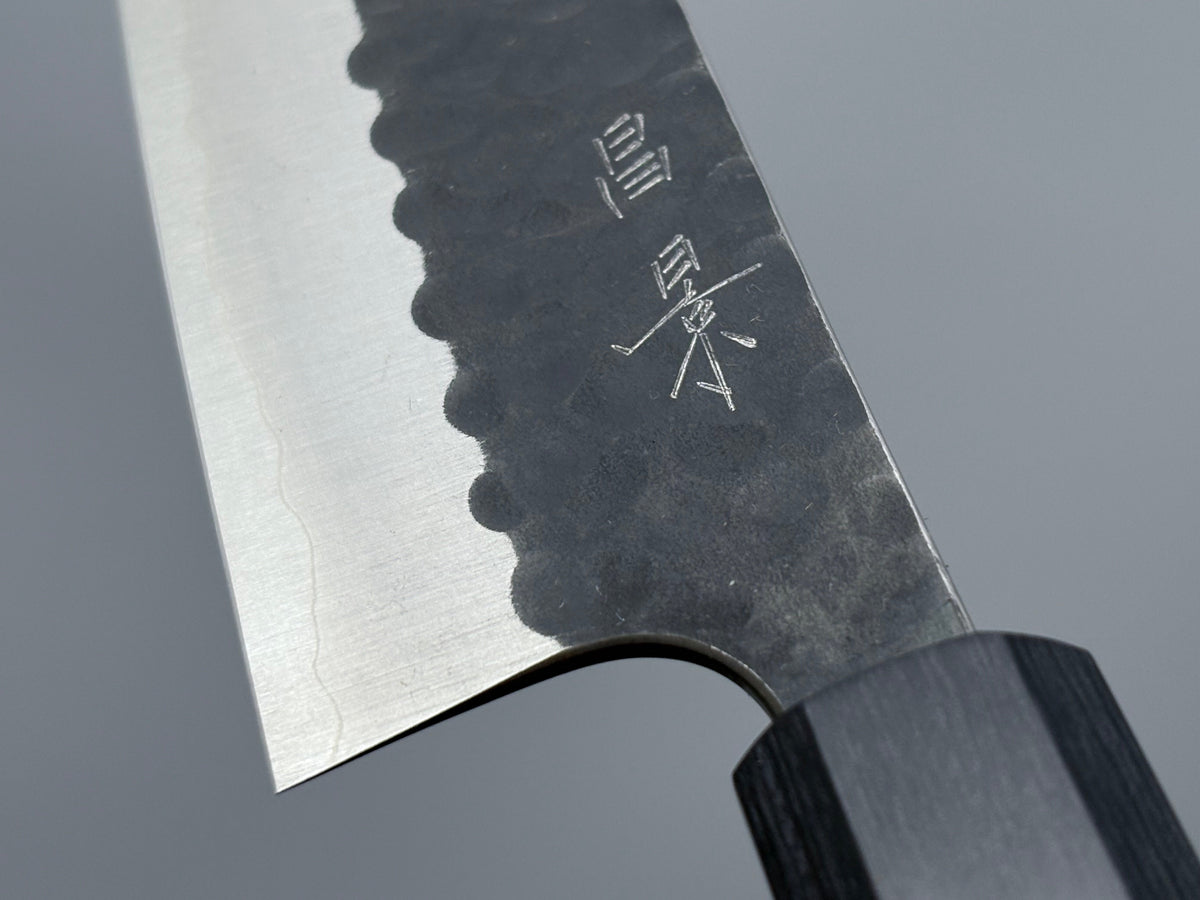
Most traditional higonokami knives use one of two carbon steels: blue steel (aogami) or white steel (shirogami). Both are high-carbon reactive steels that take a very fine edge but need basic care to prevent rust. Blue steel contains small amounts of chromium and tungsten, which give it slightly better edge retention than white steel, though both respond well to whetstones. Some modern versions use stainless steel, which suits buyers who want a low-maintenance tool, though most people who sharpen by hand prefer the carbon options for how they feel on the stone. It is worth deciding on steel before you buy, particularly if you plan to use the knife regularly rather than carry it occasionally.
Sizes
Higonokami blades typically fall in the 120mm and under category, compact enough for everyday carry. The most common sizes sit in the 120 to 134mm range, which balances portability with usable blade length. Larger versions exist in the 135 to 150mm range, though they are less common. The handle is bare steel or brass-finished steel with a simple etched or stamped maker's mark. No scales, no bolsters, nothing extra. The knife is light, thin, and fits in a pocket without any bulk.
How to care for a higonokami knife
Carbon steel needs a little attention. After use, wipe the blade dry and apply a light coat of camellia oil or food-safe mineral oil. Over time the blade will develop a patina, which actually helps protect it from further surface oxidation. Sharpening is done on a whetstone, and the flat grind makes the geometry easy to work with even if you are new to hand sharpening. Browse our knife accessories for whetstones and maintenance products suited to Japanese carbon steels.
Who is a higonokami knife for?
They suit a wide range of people: those new to Japanese blades, collectors interested in traditional craft, and anyone who wants a well-made tool with a genuine history behind it. They are also a good gift, handmade and considered without being expensive. Whether you are buying your first Japanese knife or adding to a collection, a higonokami is a good place to start.
Browse the full range of higonokami pocket knives at Cutting Edge Knives, with free UK delivery and a 30-day money-back guarantee.