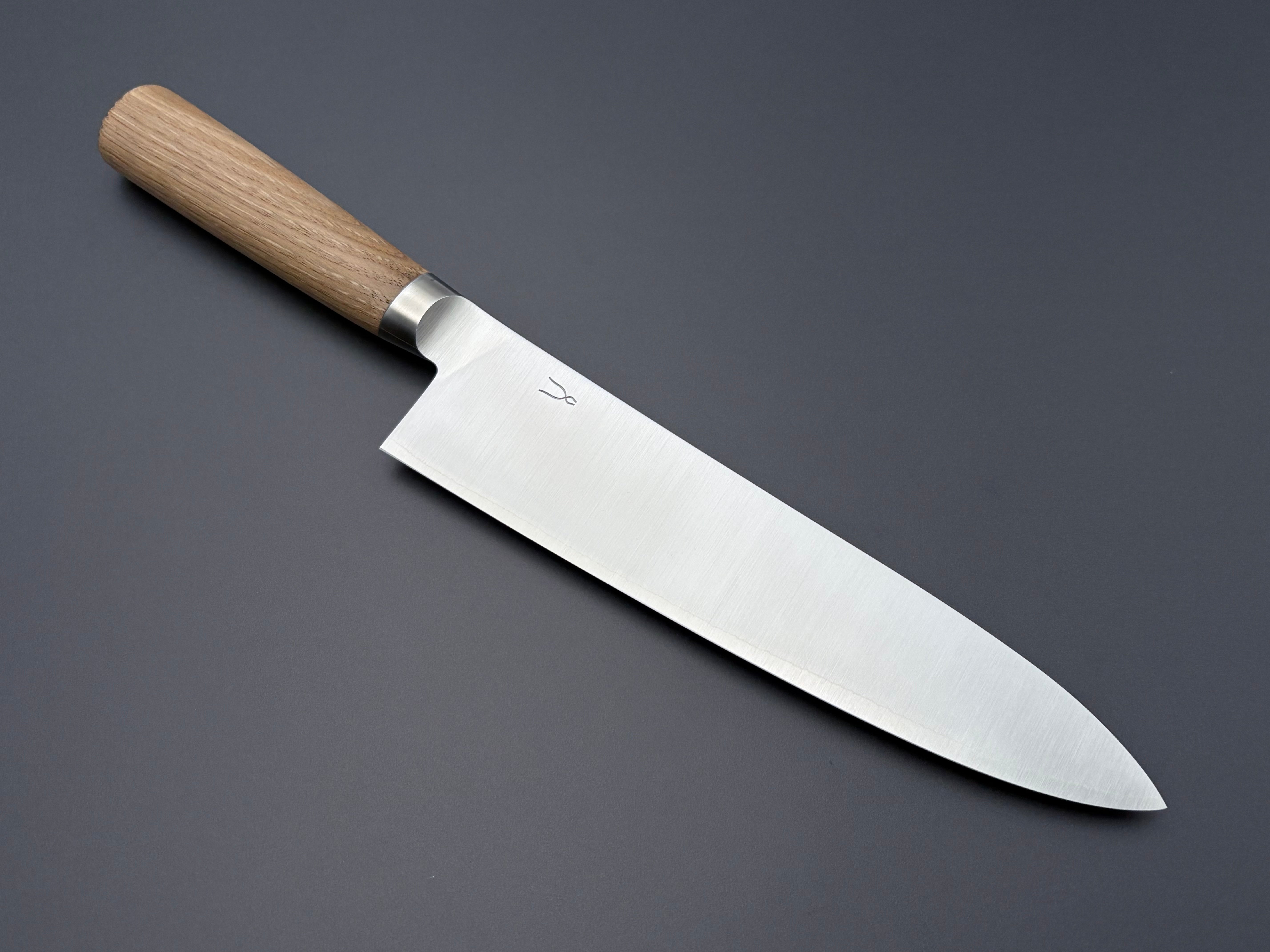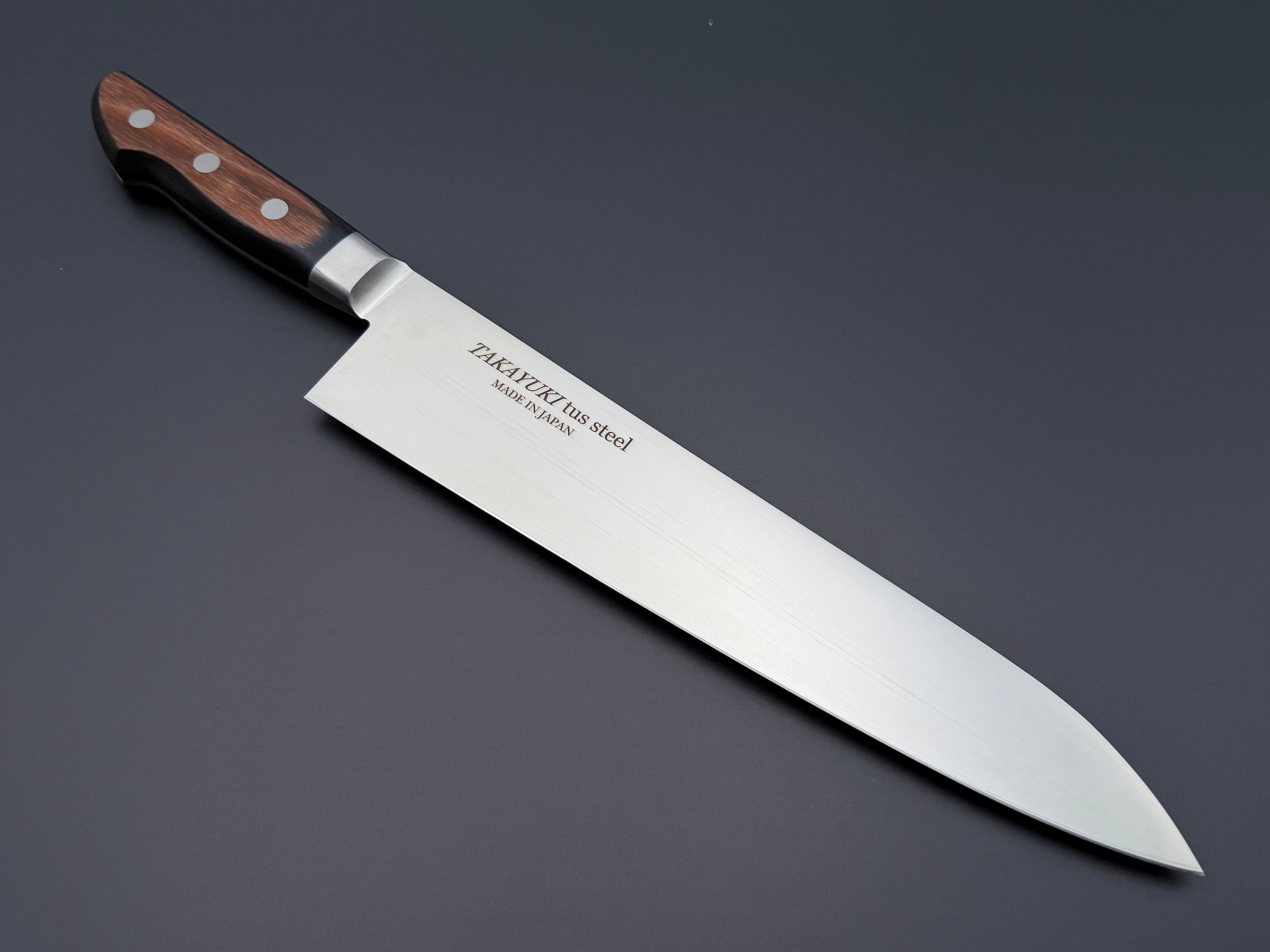


What is a kiritsuke knife?
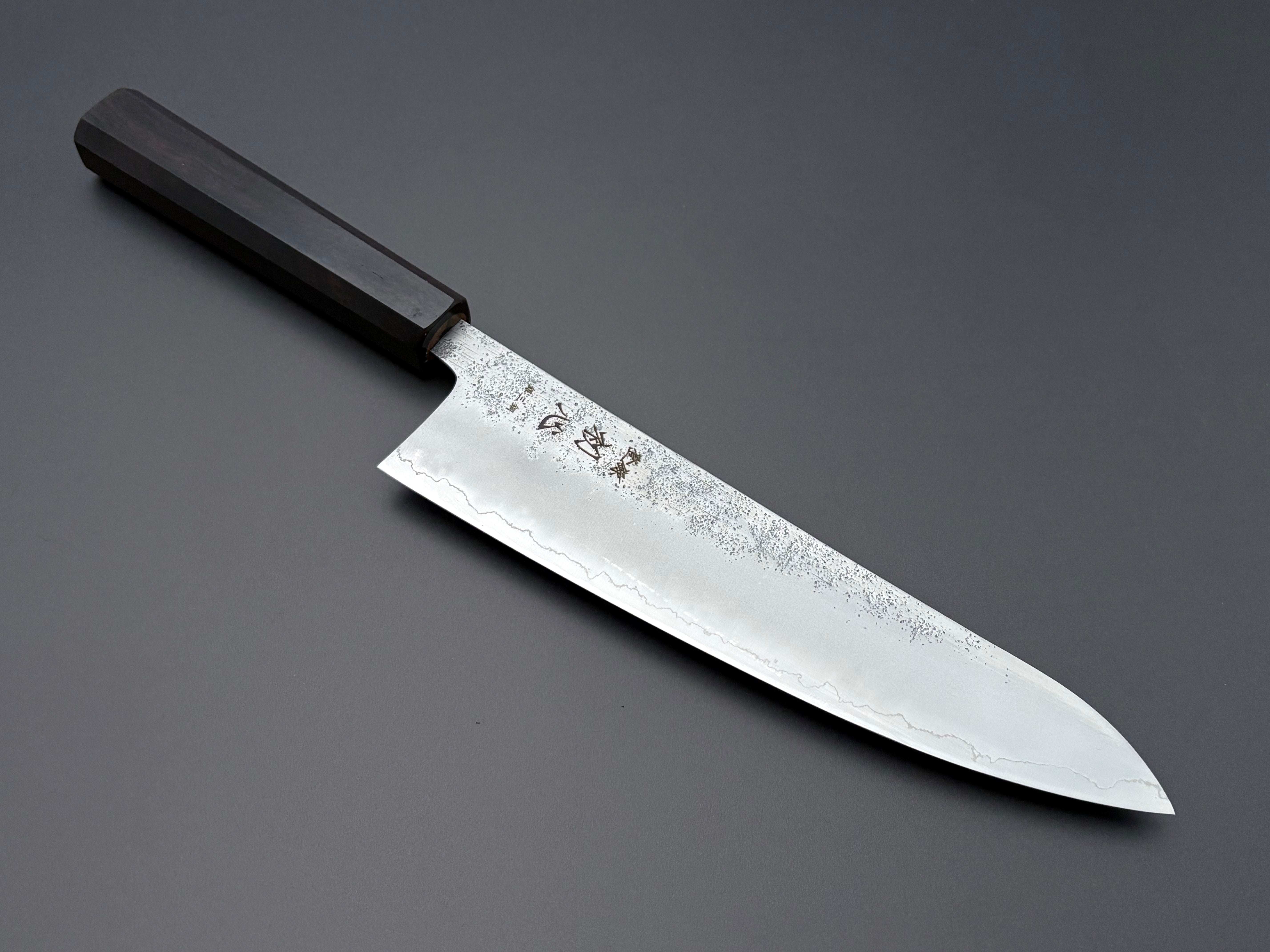
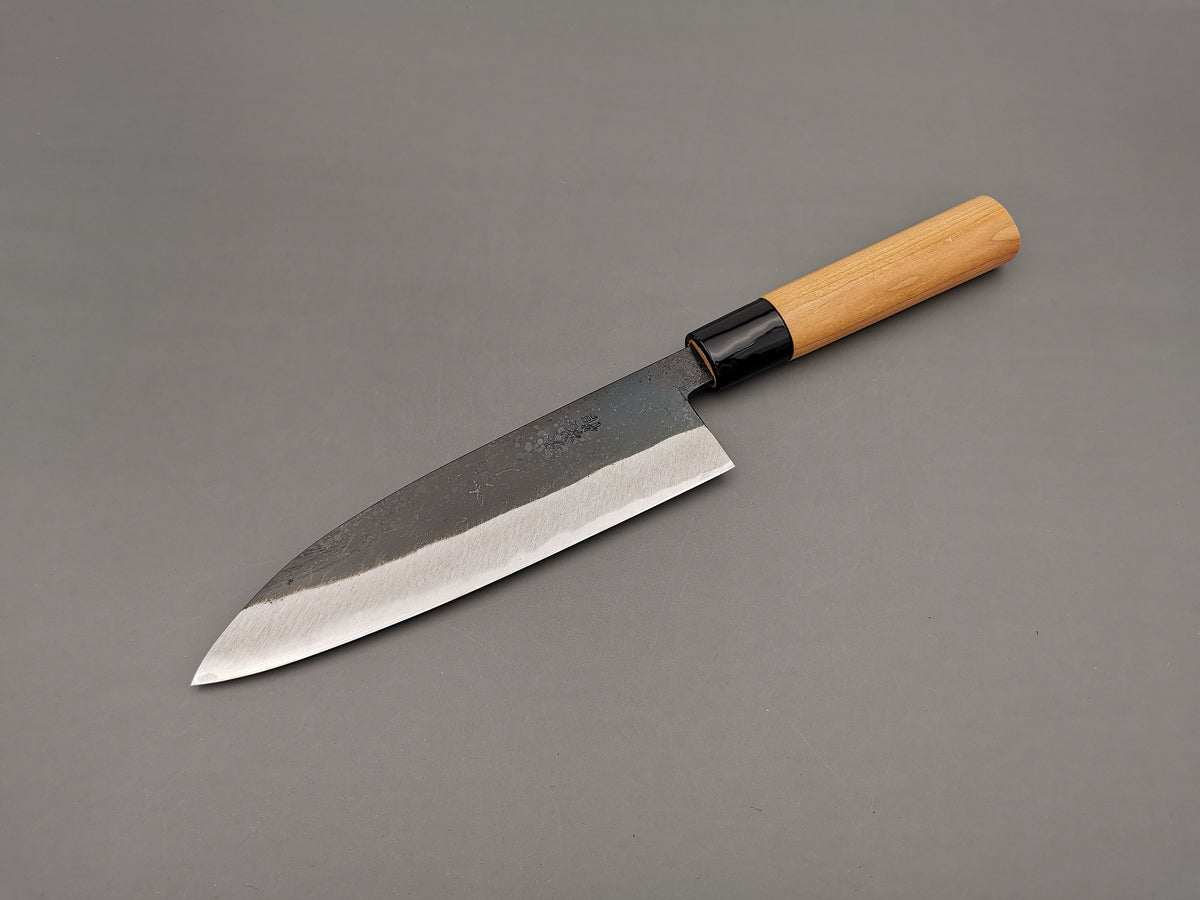
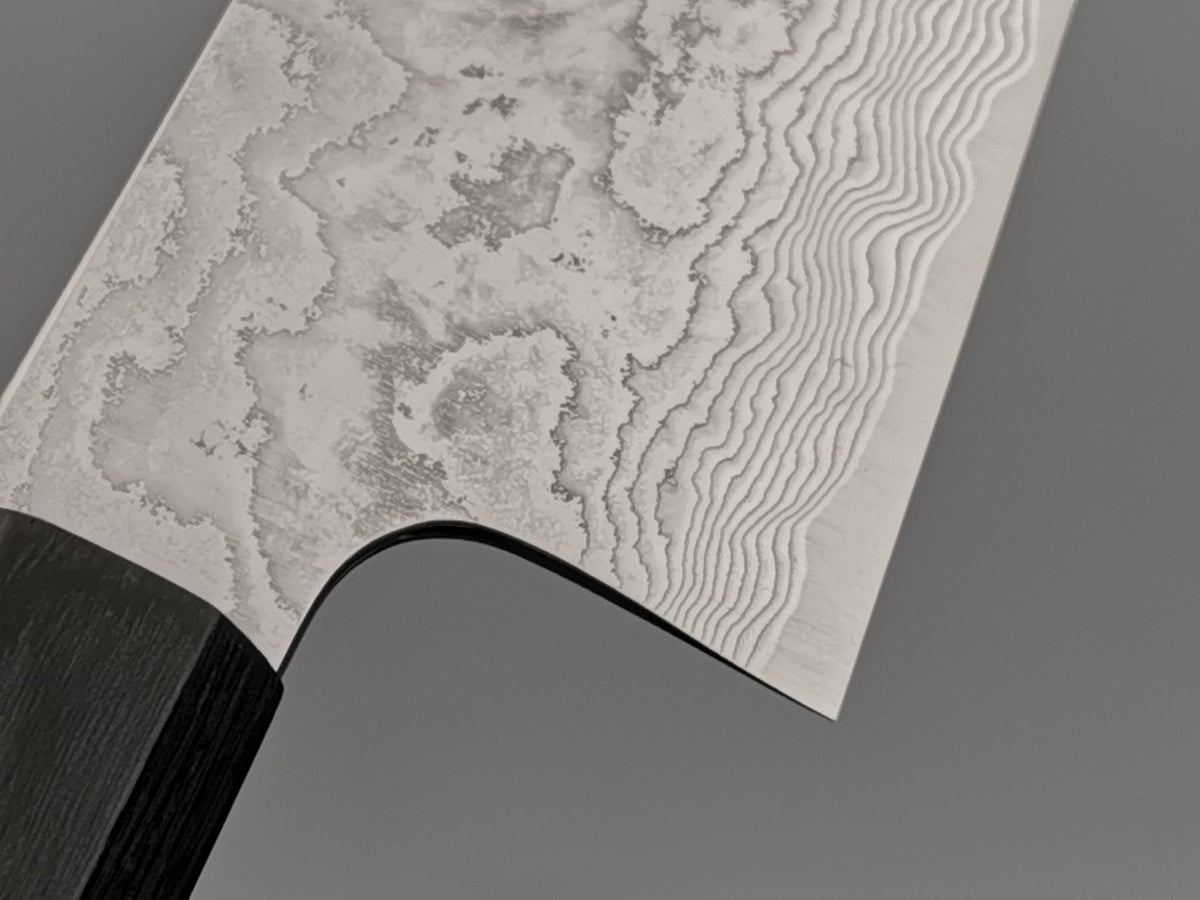
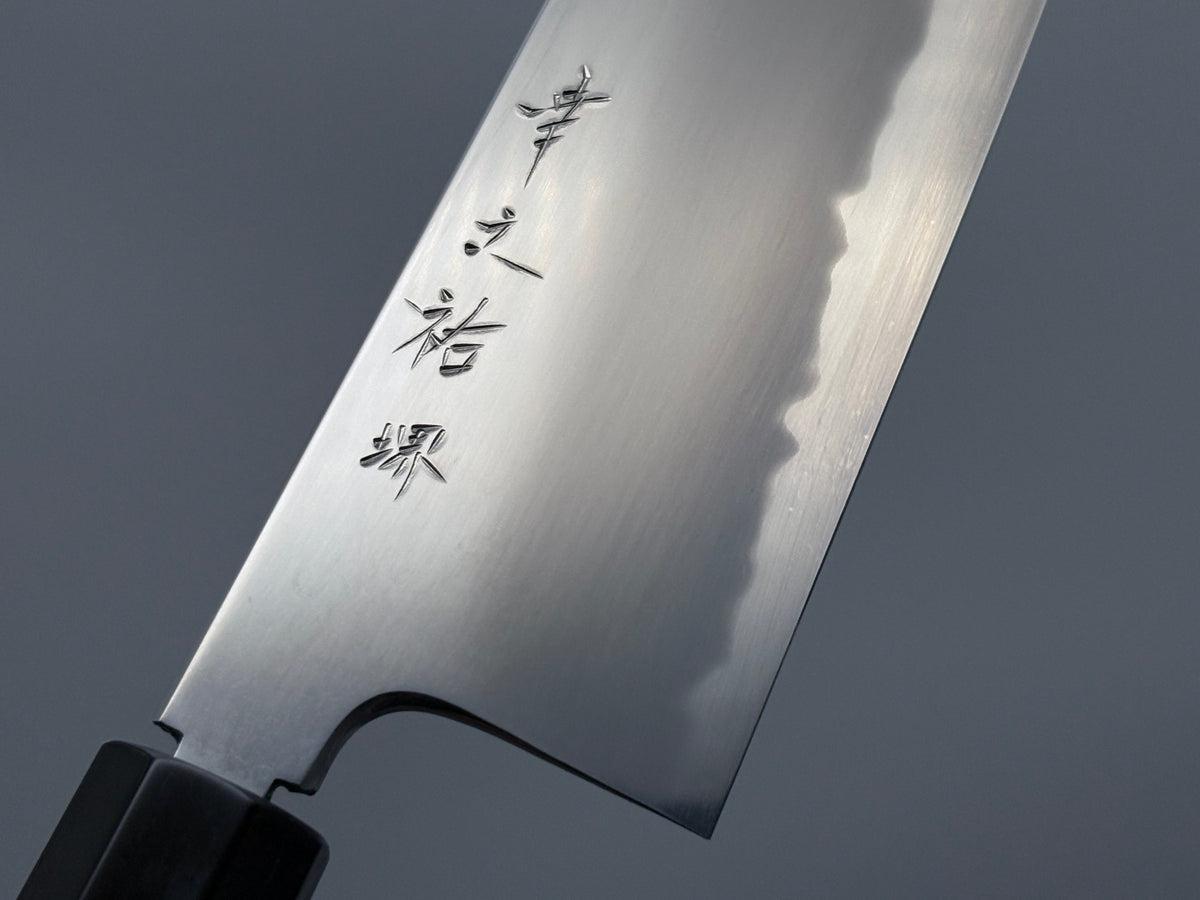
The kiritsuke is one of the more visually distinctive knives in Japanese cutlery. Its defining feature is the angled, clipped tip, sometimes called a reverse tanto point, which gives the blade an almost sword-like silhouette. Traditionally ground on a single bevel and reserved for executive chefs, the kiritsuke carried real status in professional kitchens. Owning one signalled mastery of the craft, and junior cooks were generally expected to leave it alone.

That has changed. Most kiritsuke knives made today, for home cooks and professionals alike, are double-bevel, which makes them far more accessible without losing the distinctive look or the functional benefits of the original design.
How does a kiritsuke perform in the kitchen?
The blade profile sits flatter than a typical gyuto knife, which suits push-cutting and slicing rather than rocking. That makes it well suited to breaking down proteins, slicing fish, and working through vegetables with clean, deliberate strokes. The pointed tip is precise enough for detail work that a broader chef's knife would struggle with.
Because of the flatter profile, the kiritsuke rewards a slightly different technique. Cooks used to a rocking motion may need a short adjustment period, but most find the transition natural once they see how cleanly the blade moves through food. The length, usually between 210mm and 240mm, also gives you good reach when portioning larger cuts.
Single bevel versus double bevel
Traditional single-bevel kiritsuke knives take more skill to use and sharpen. They are typically ground for right-handed use and need a whetstone and some patience to maintain correctly. If you already use Japanese vegetable knives or other single-bevel blades, the upkeep will feel familiar.
Double-bevel versions behave more like a standard all-round chef knife and can be sharpened on either side. They are the better starting point if you are new to the kiritsuke style and want a knife that fits into everyday cooking without a steep learning curve.
Choosing the right steel
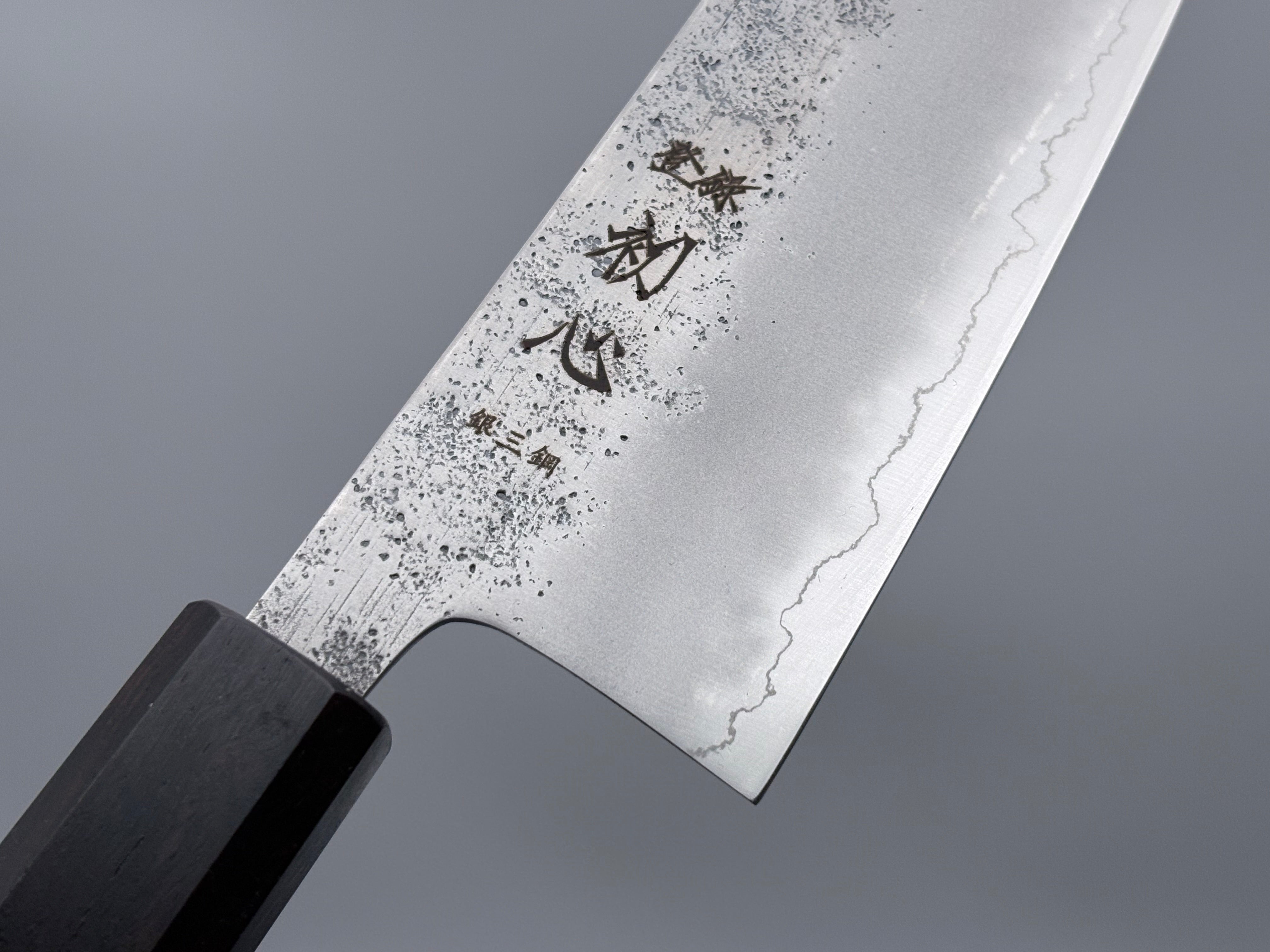
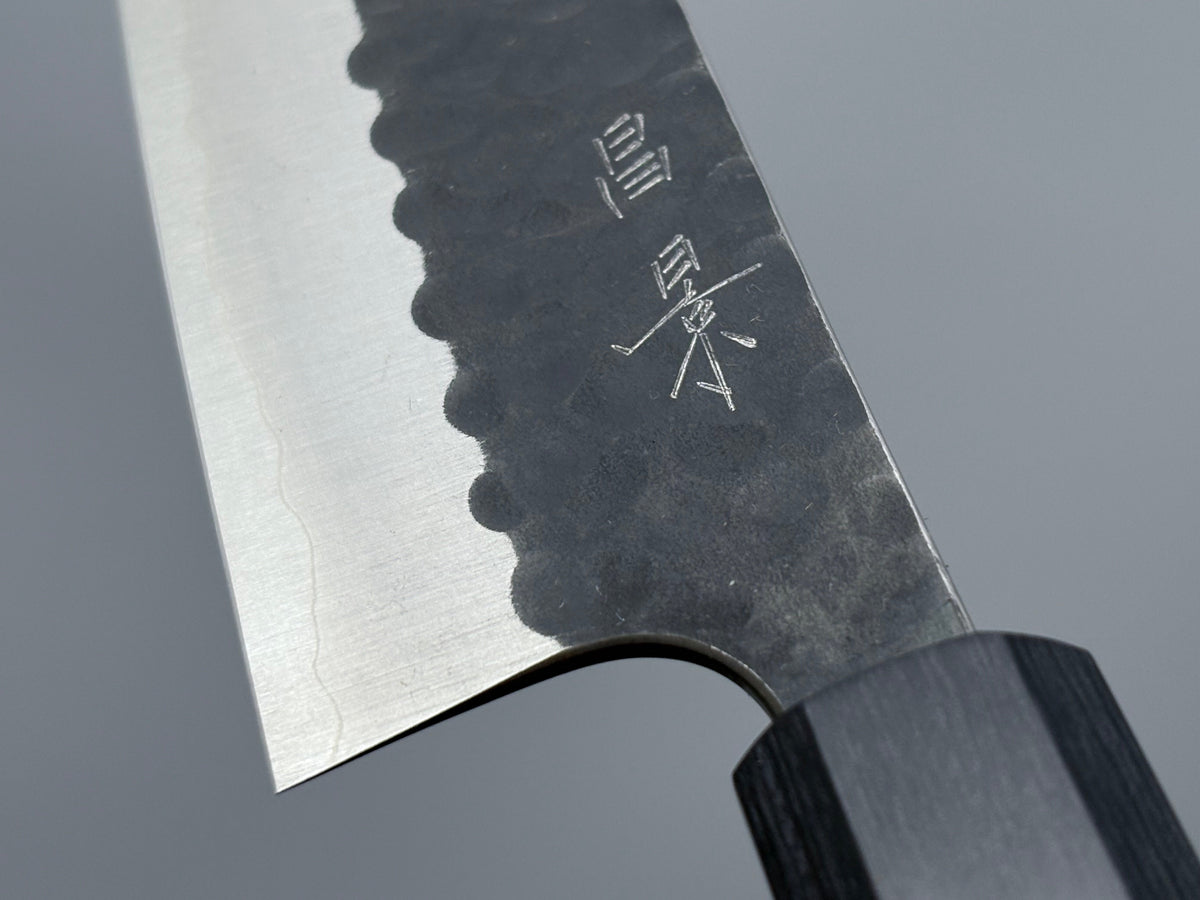
Kiritsuke knives come in a wide range of steels. Aogami blue steel offers excellent edge retention and sharpness but needs some care to prevent oxidation. Ginsan silver 3 reaches a similar level of sharpness with better resistance to moisture, making it a practical choice for busy kitchens. Stainless options such as VG10 are lower maintenance and a good entry point for anyone moving into Japanese knives for the first time.
Find your kiritsuke
Whether you want a traditional single-bevel blade or a modern double-bevel version, browse our full range of handmade Japanese kiritsuke knives at Cutting Edge Knives. Our team is happy to help you find the right fit.