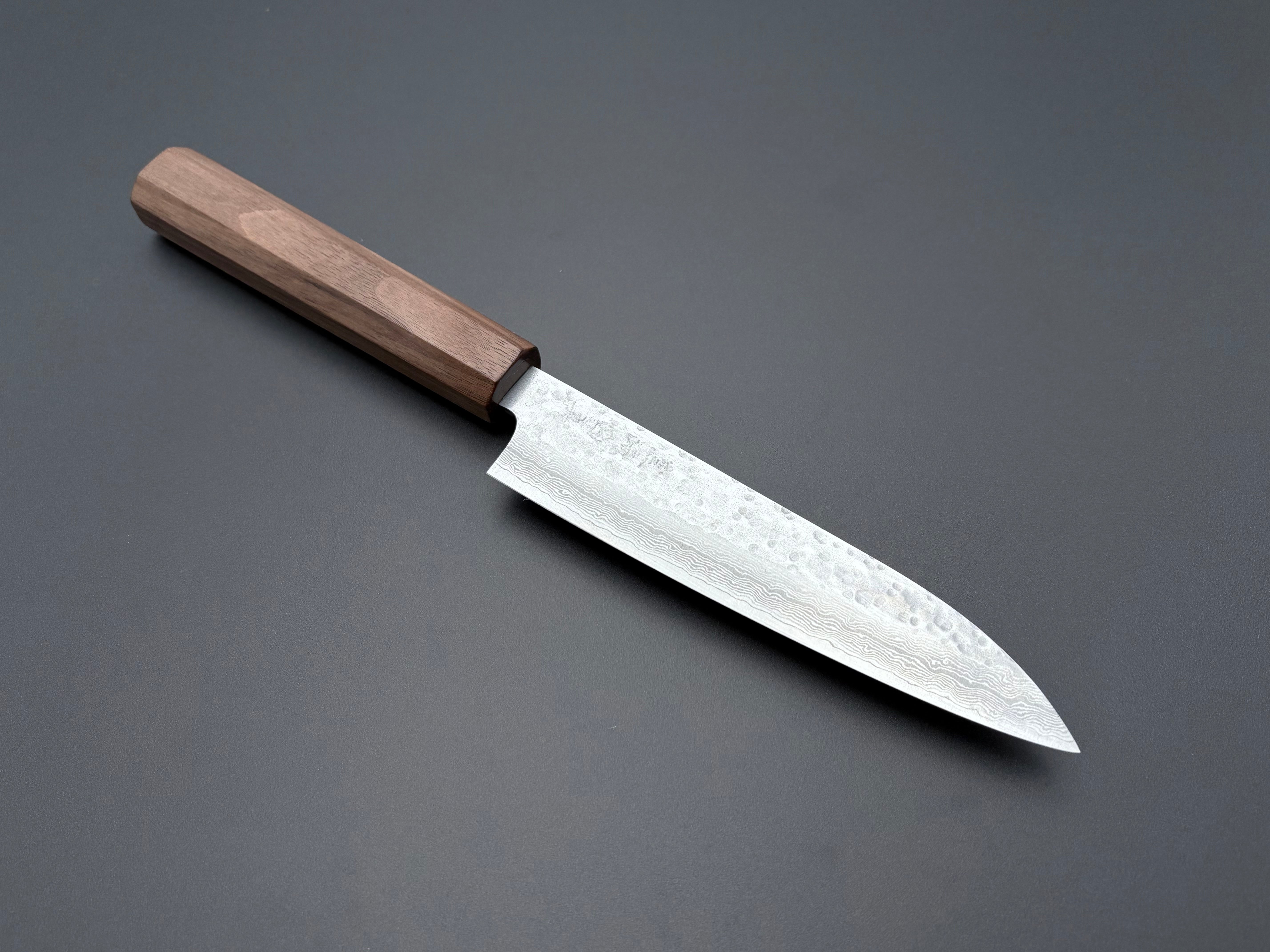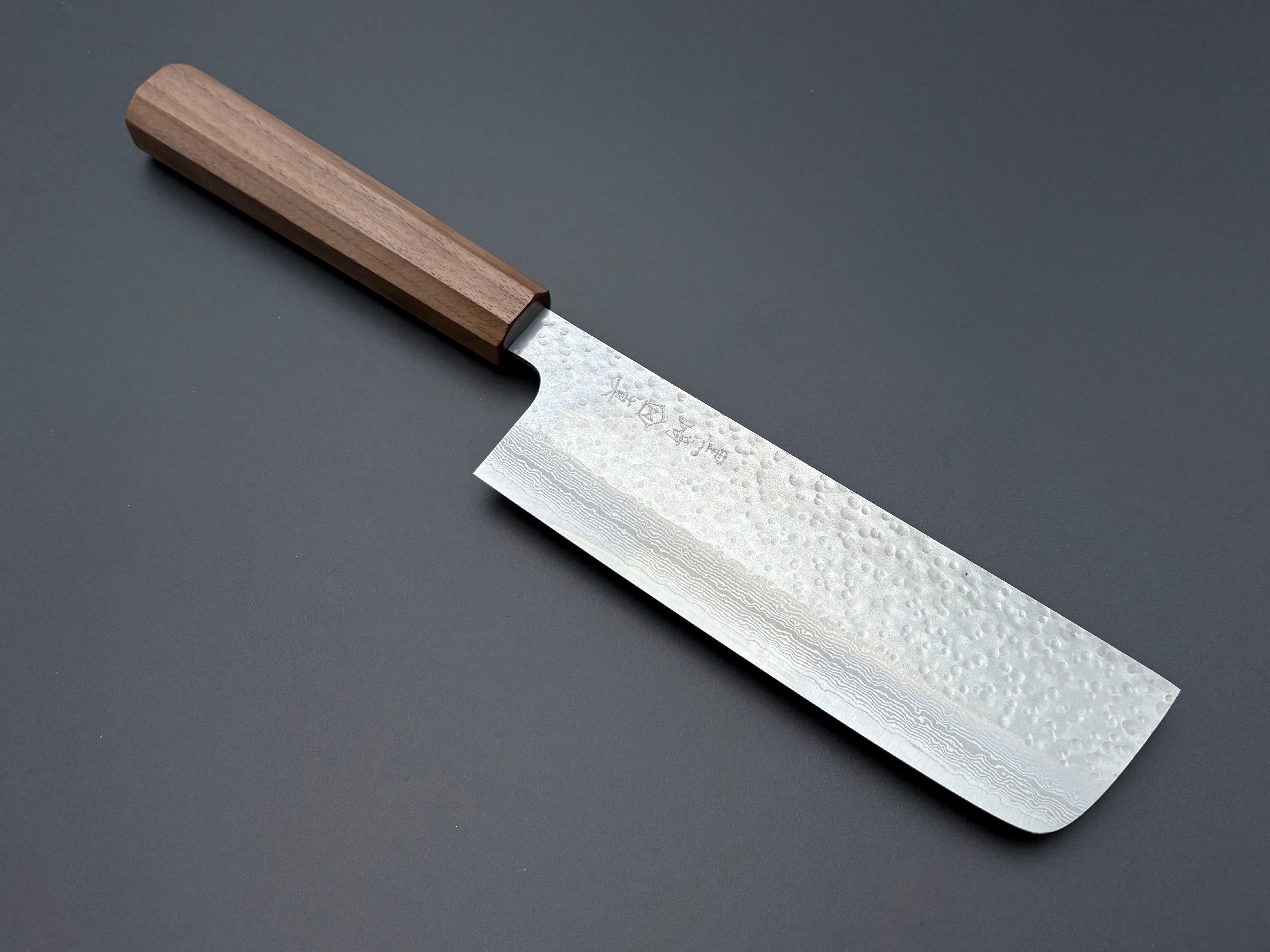

Who is Makoto Kurosaki?
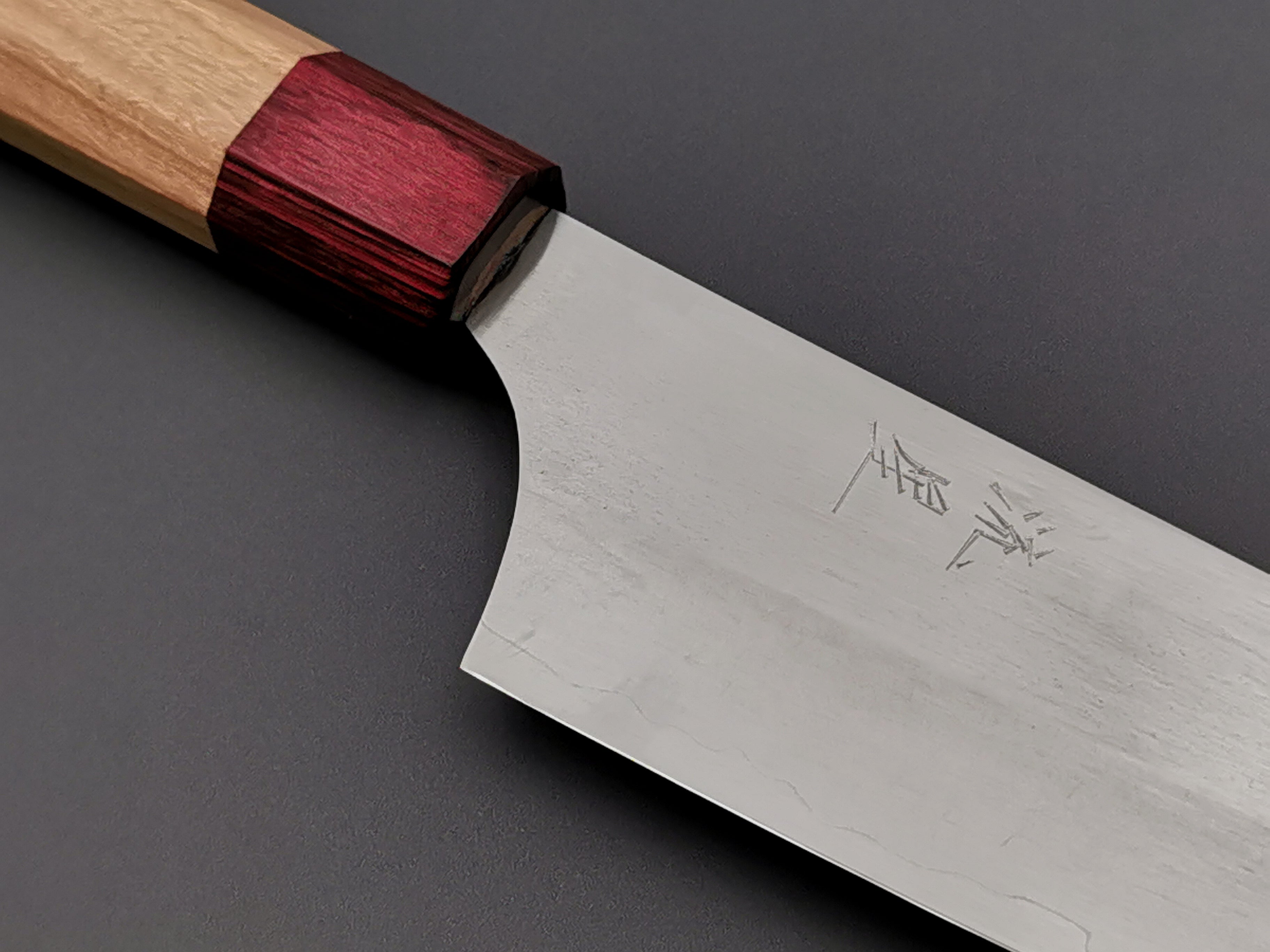
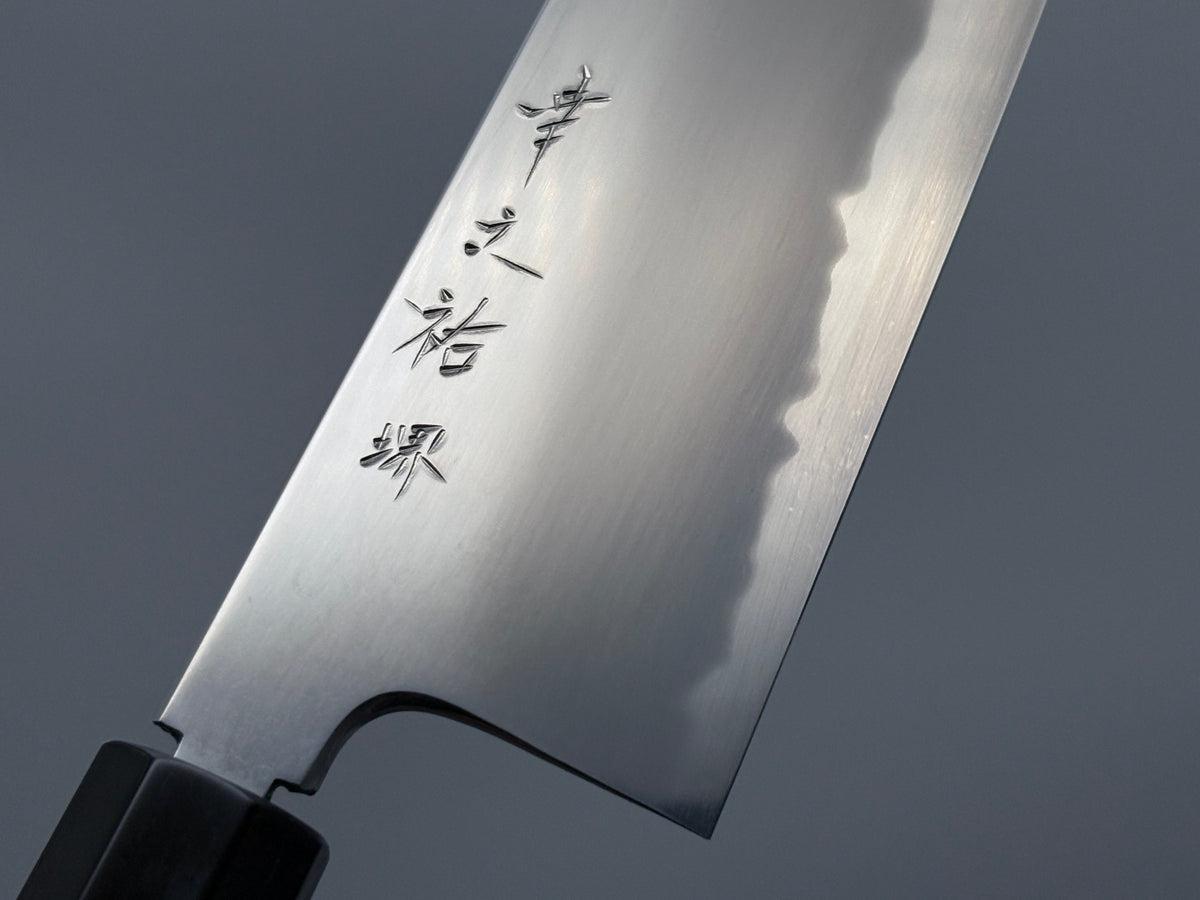
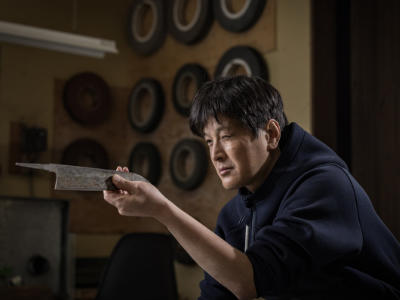
Makoto Kurosaki makes knives in Echizen, Fukui, a city that has been producing bladed tools since the 1300s. He trained under master craftsman Hiroshi Kato, spending years focused on sharpening and finishing before moving into full knife production. That sequence matters. The edges that leave his workshop are clean, consistent, and properly considered, and that comes directly from a foundation built around understanding how a blade should perform rather than just how it should look.

You can browse the full Makoto Kurosaki collection on our site to see what is currently in stock.
Family connections and craft heritage
Makoto is the elder brother of Yu Kurosaki. The two have a well-documented professional relationship, and Makoto's sharpening expertise shaped Yu's early development. Knowledge passed both ways between them, which is fairly typical of how craft learning works in Japan's knife-making communities. It does not always follow a strict master-to-apprentice line. It moves sideways, between siblings, between neighbours, between people who have been working in the same town for decades. Echizen keeps producing good makers partly for that reason.
What Makoto Kurosaki knives are made from
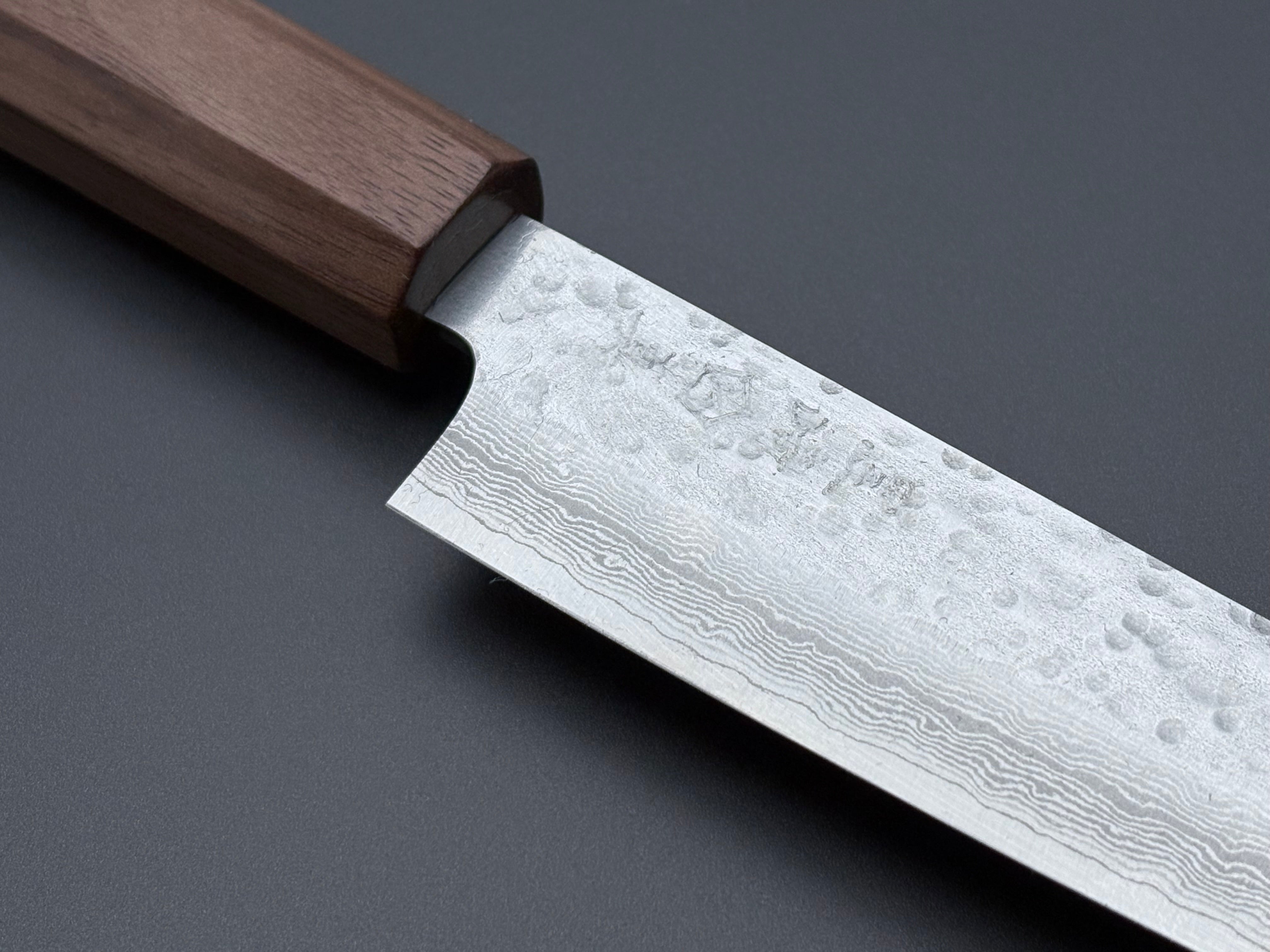
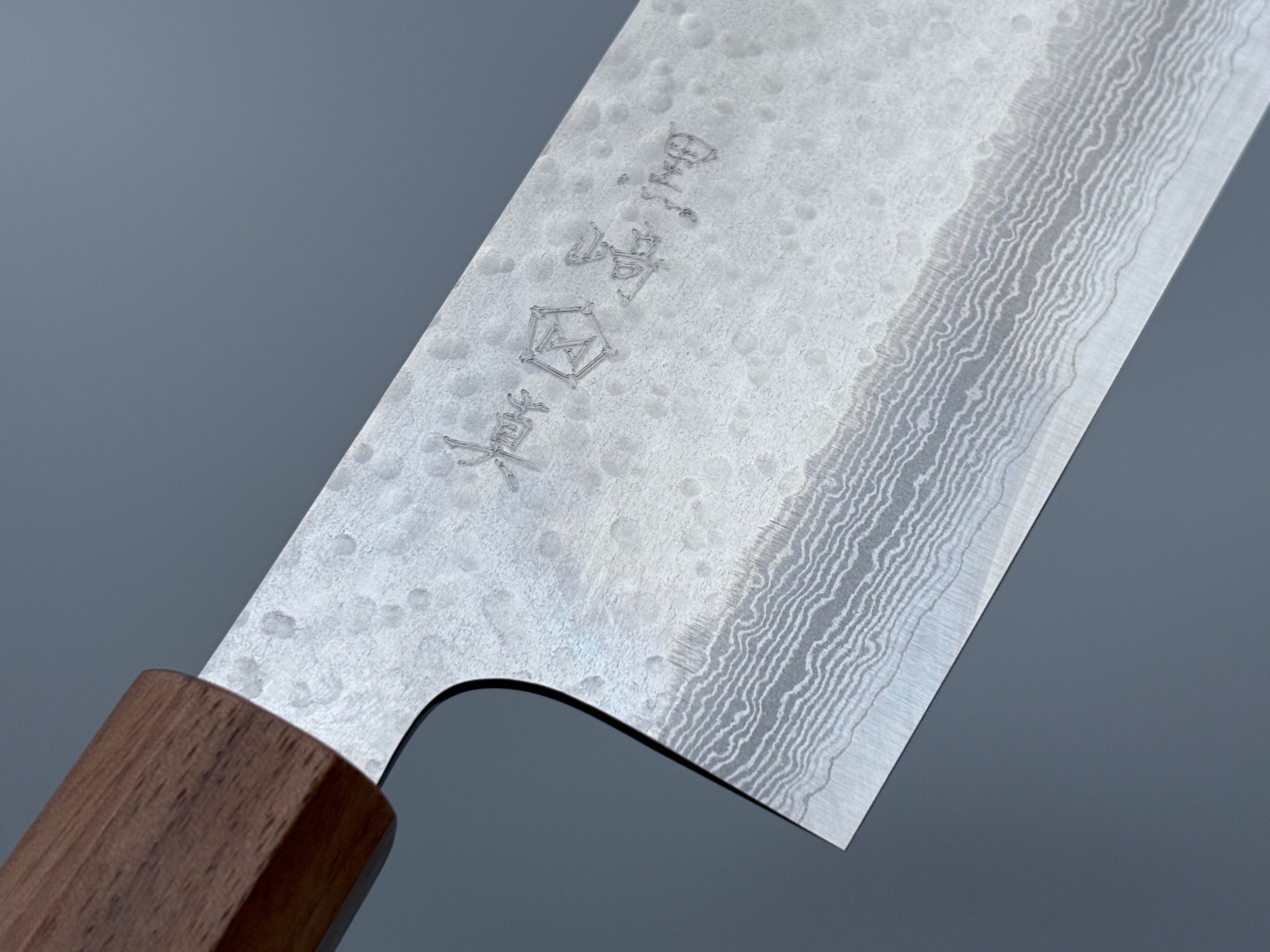
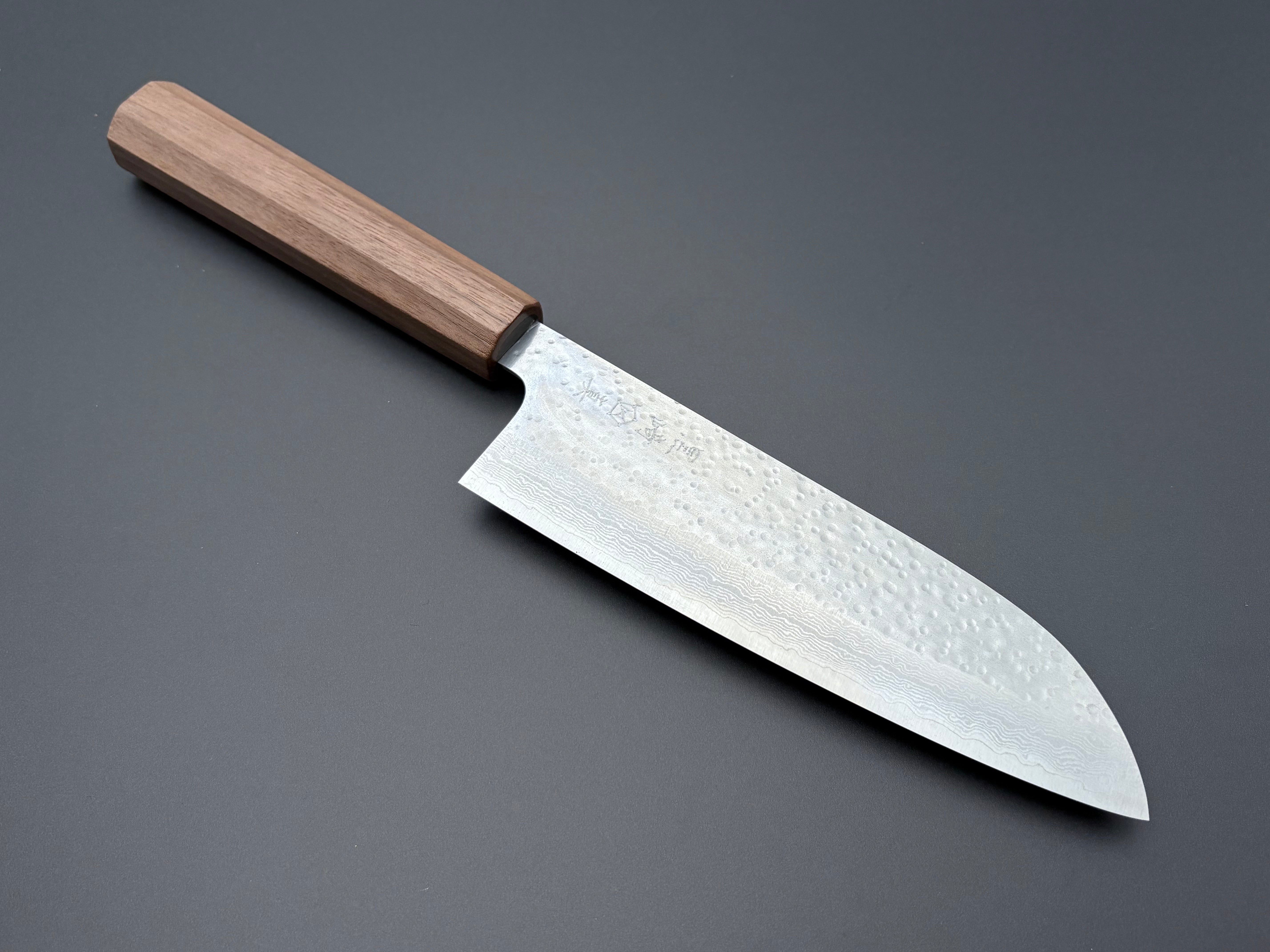
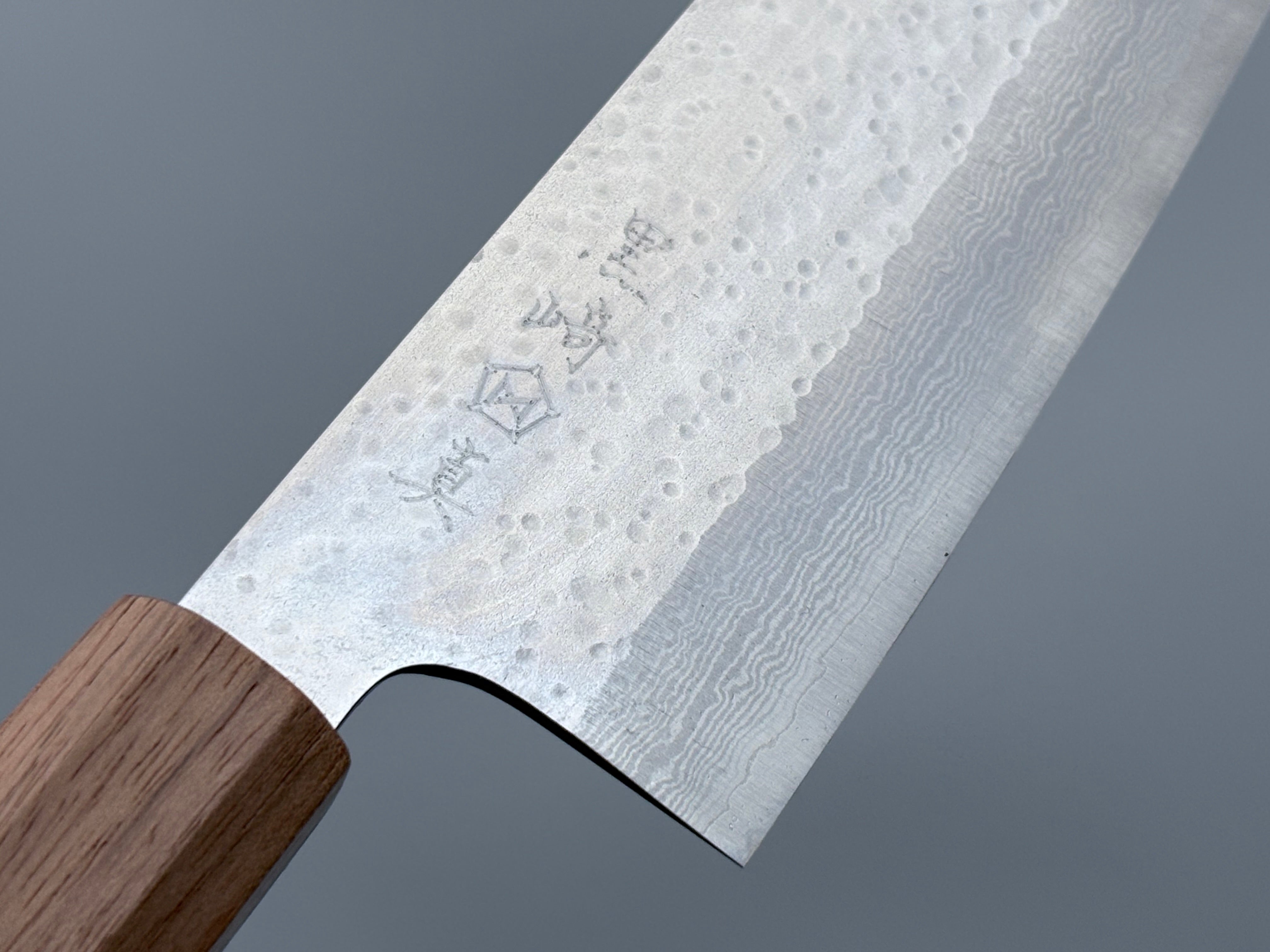
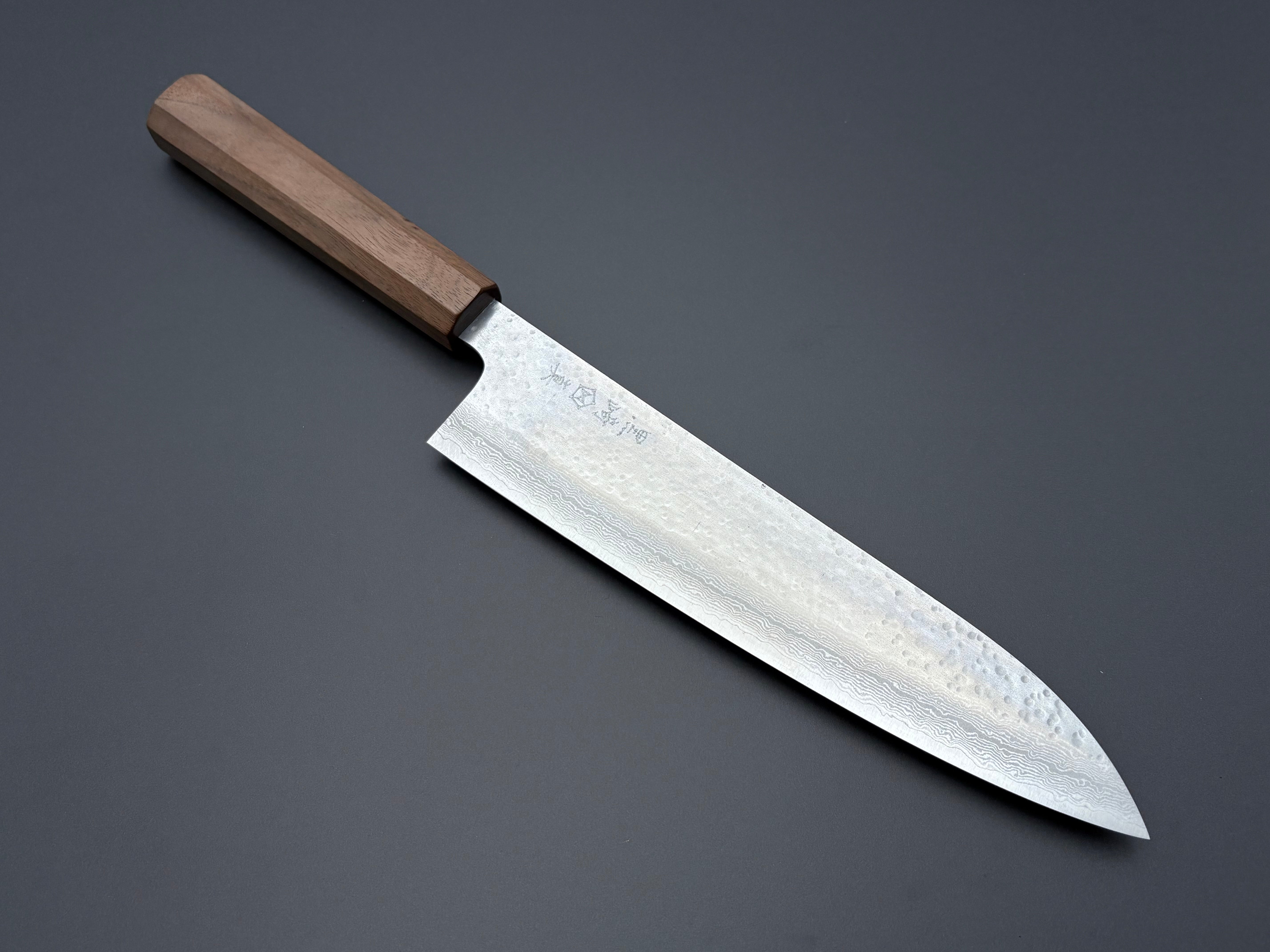
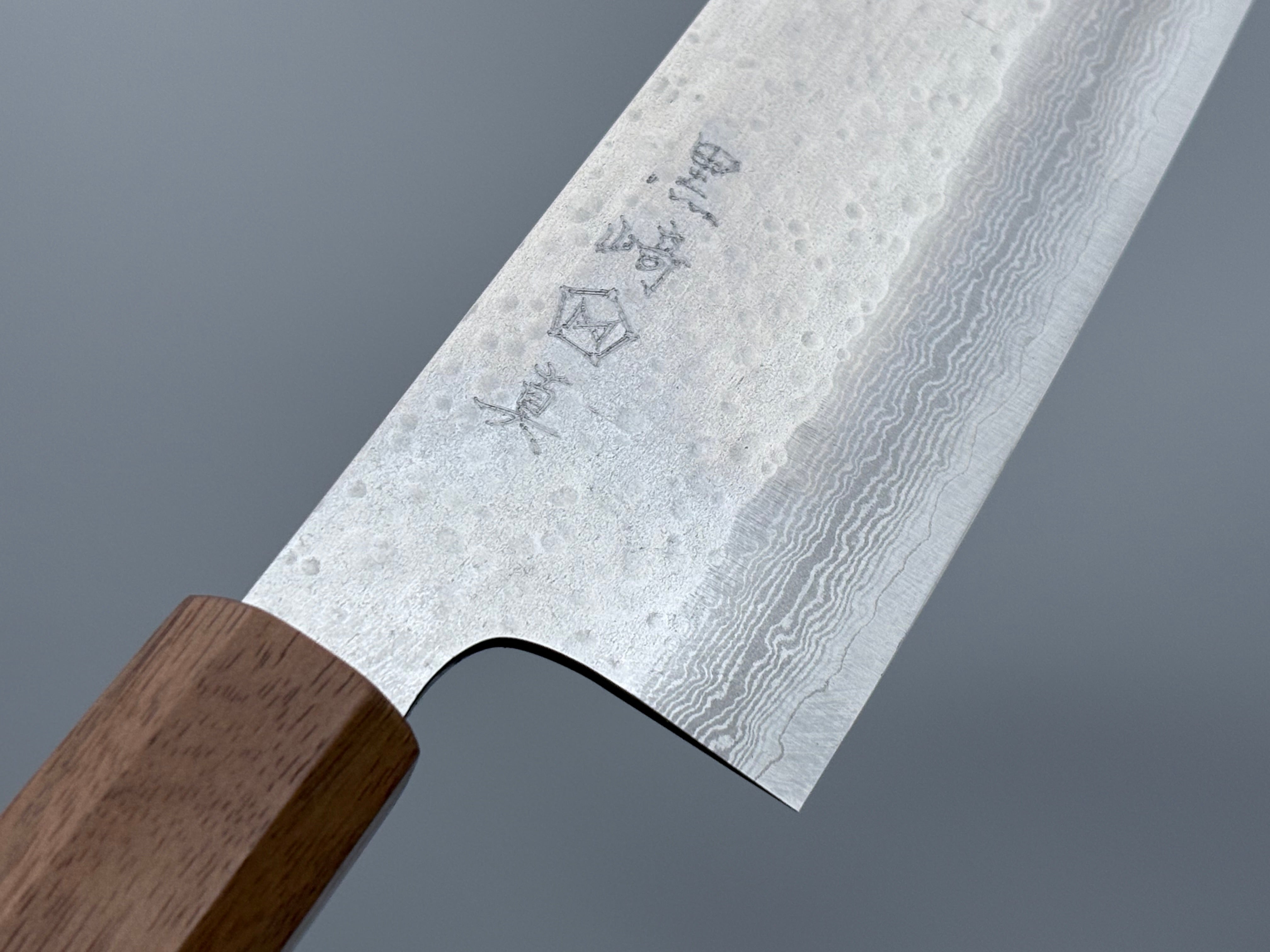
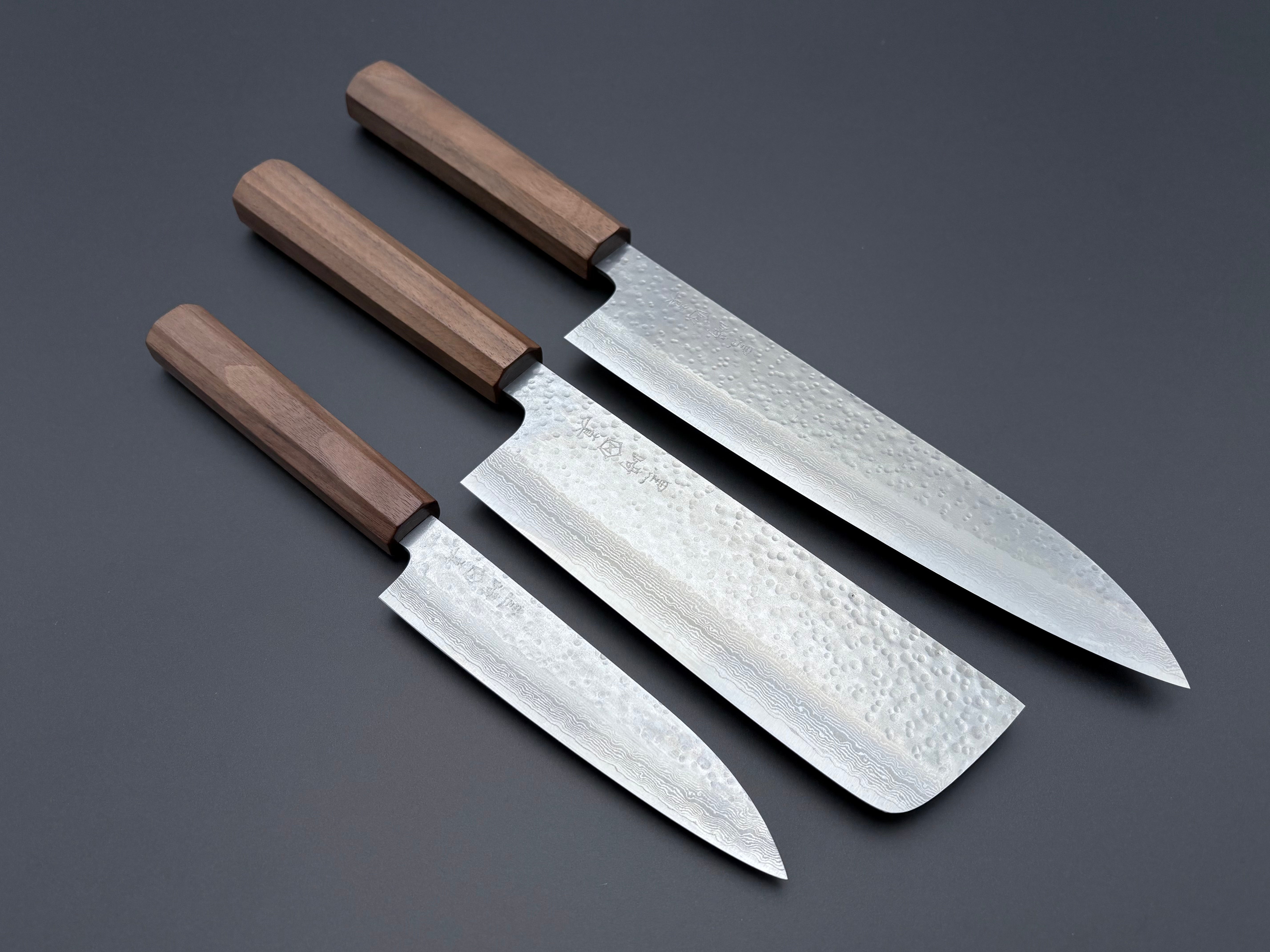
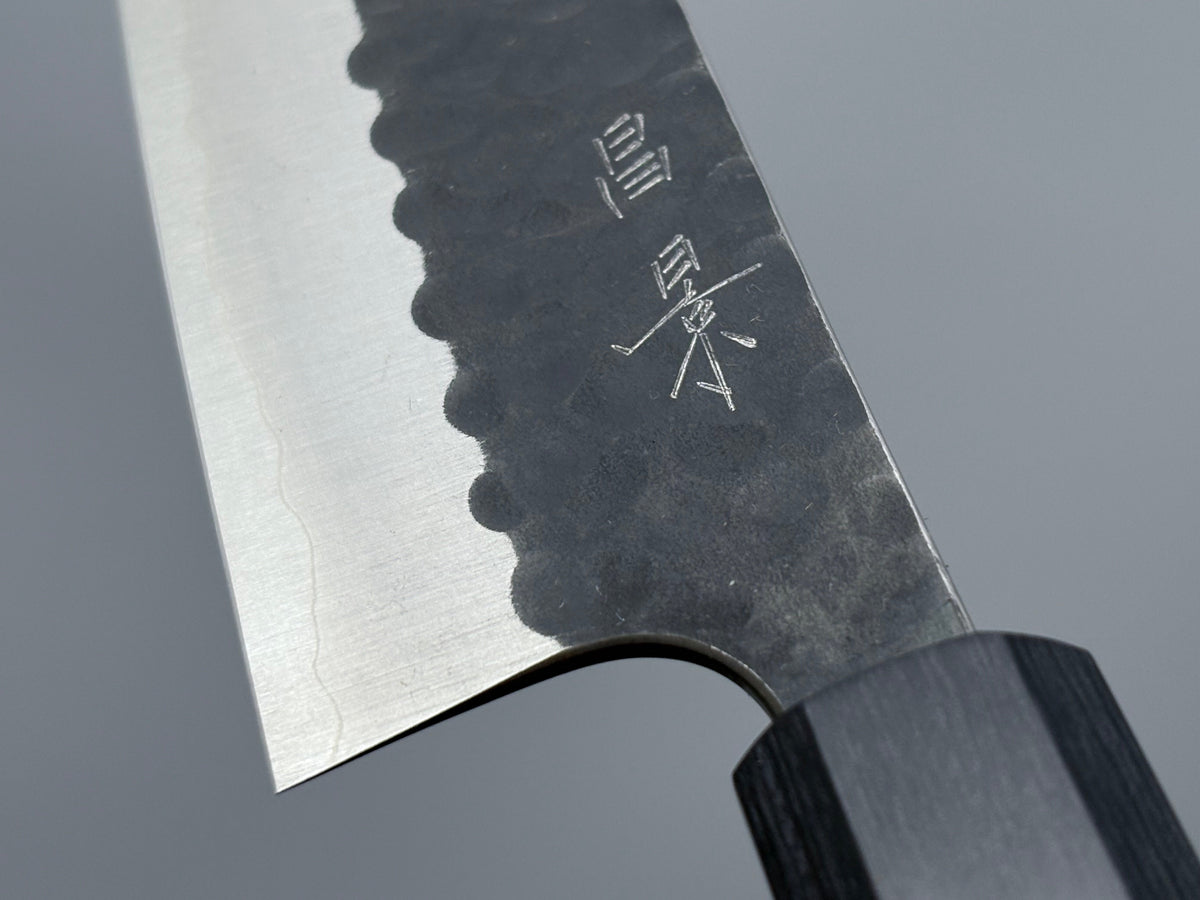
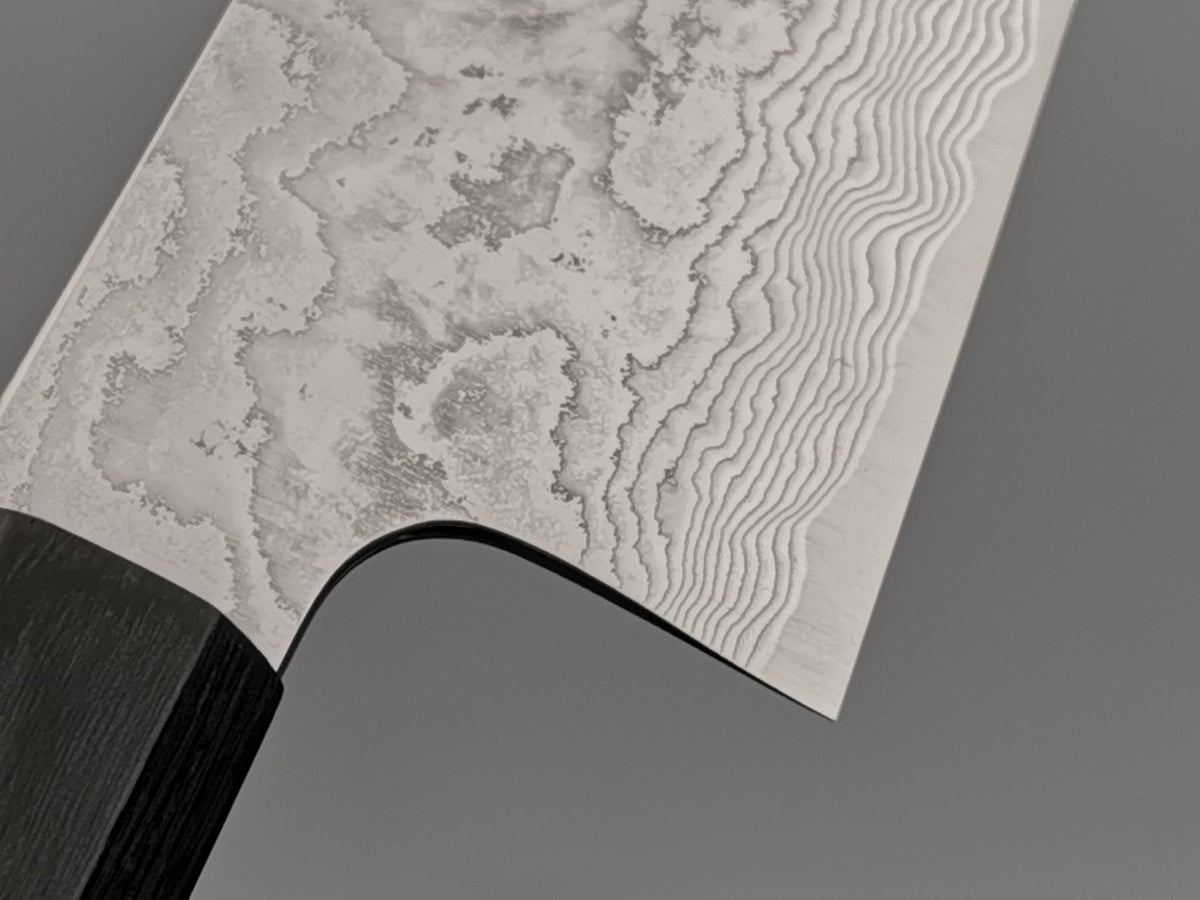
The knives we stock from Makoto fall across two lines. The VG7 Damascus Tsuchime range uses a layered Damascus finish with a hammered surface texture, offered in several profiles.
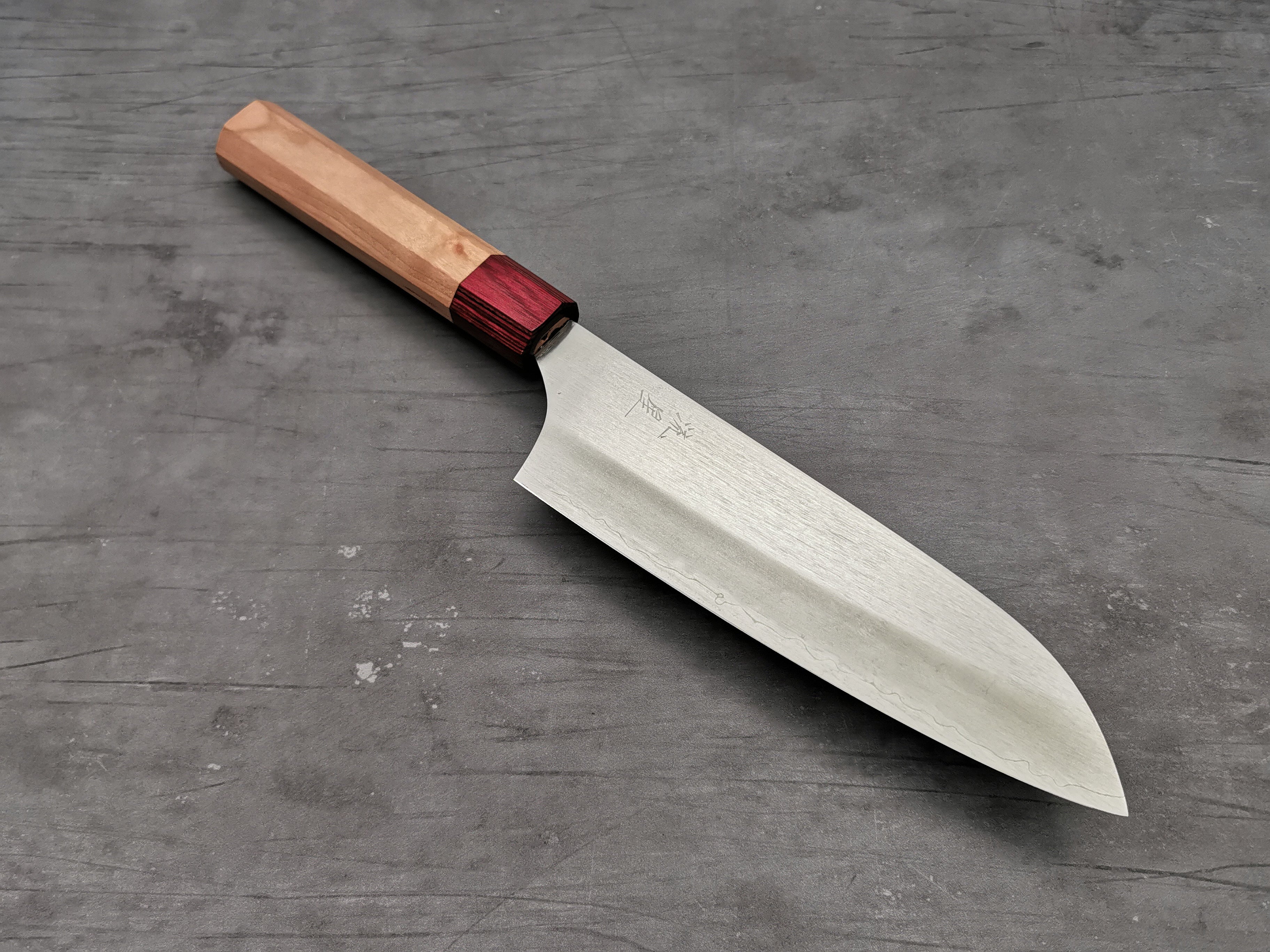
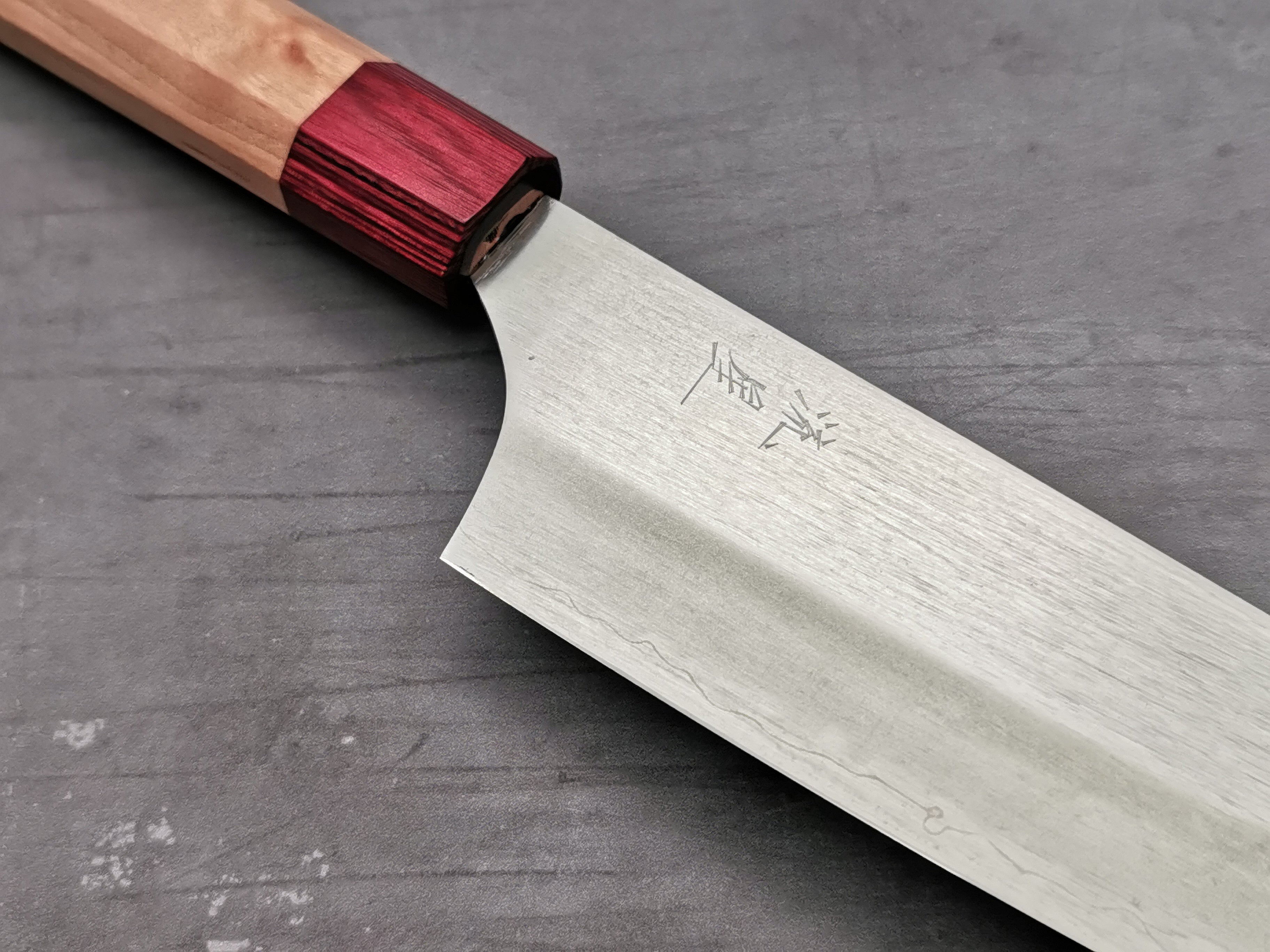
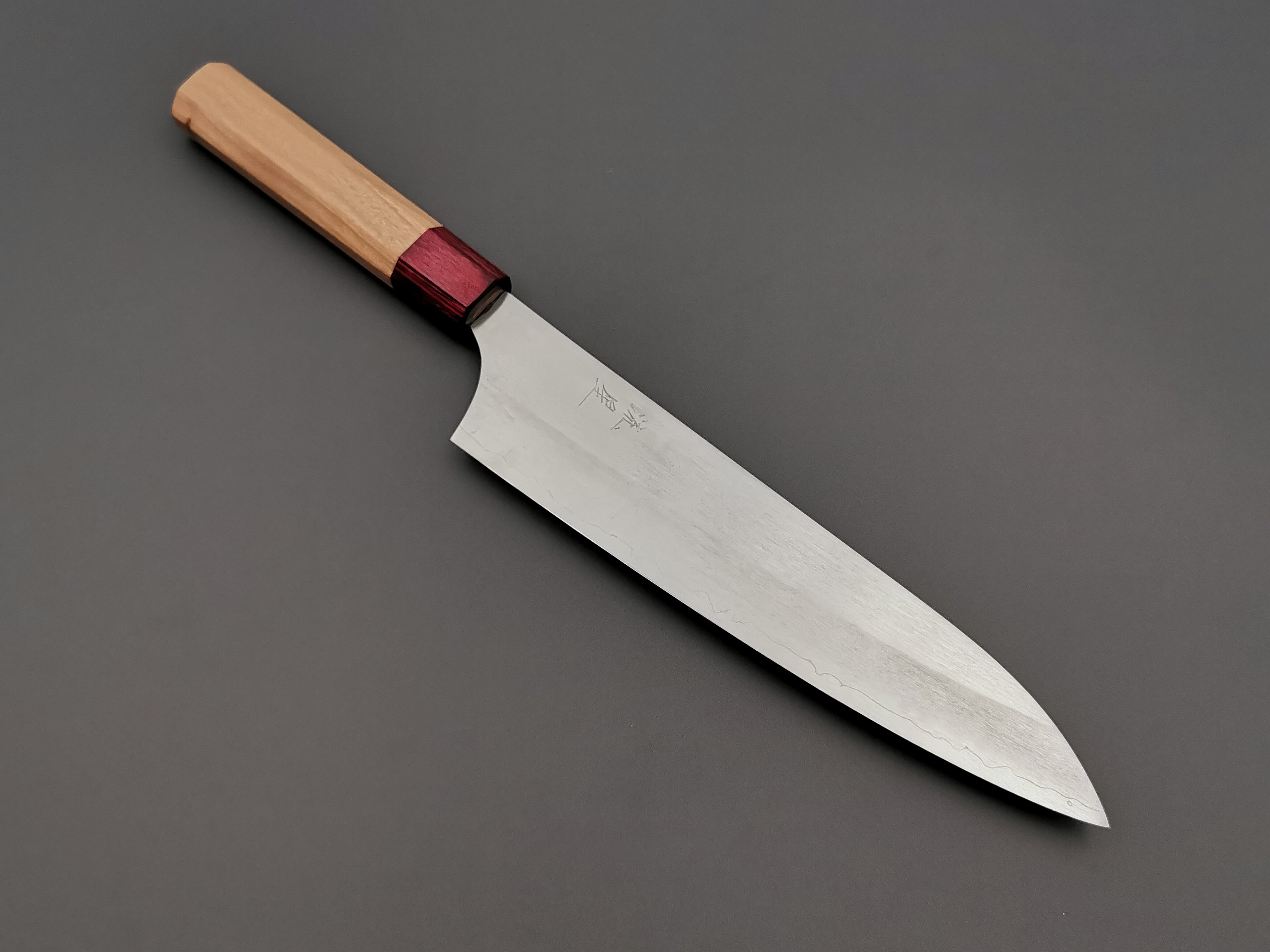
The Ryusen V7 range uses the same core steel in a cleaner presentation. Both use VG7, a stainless steel that sits between everyday stainless and higher-end tool steels. It holds a good edge without the upkeep that reactive carbon steels require, which makes it a sensible choice for cooks who want real performance without committing to a more demanding maintenance routine. If you are interested in Japanese Damascus chef knives more broadly, there is a strong selection across the rest of our range.
Profiles and sizes available
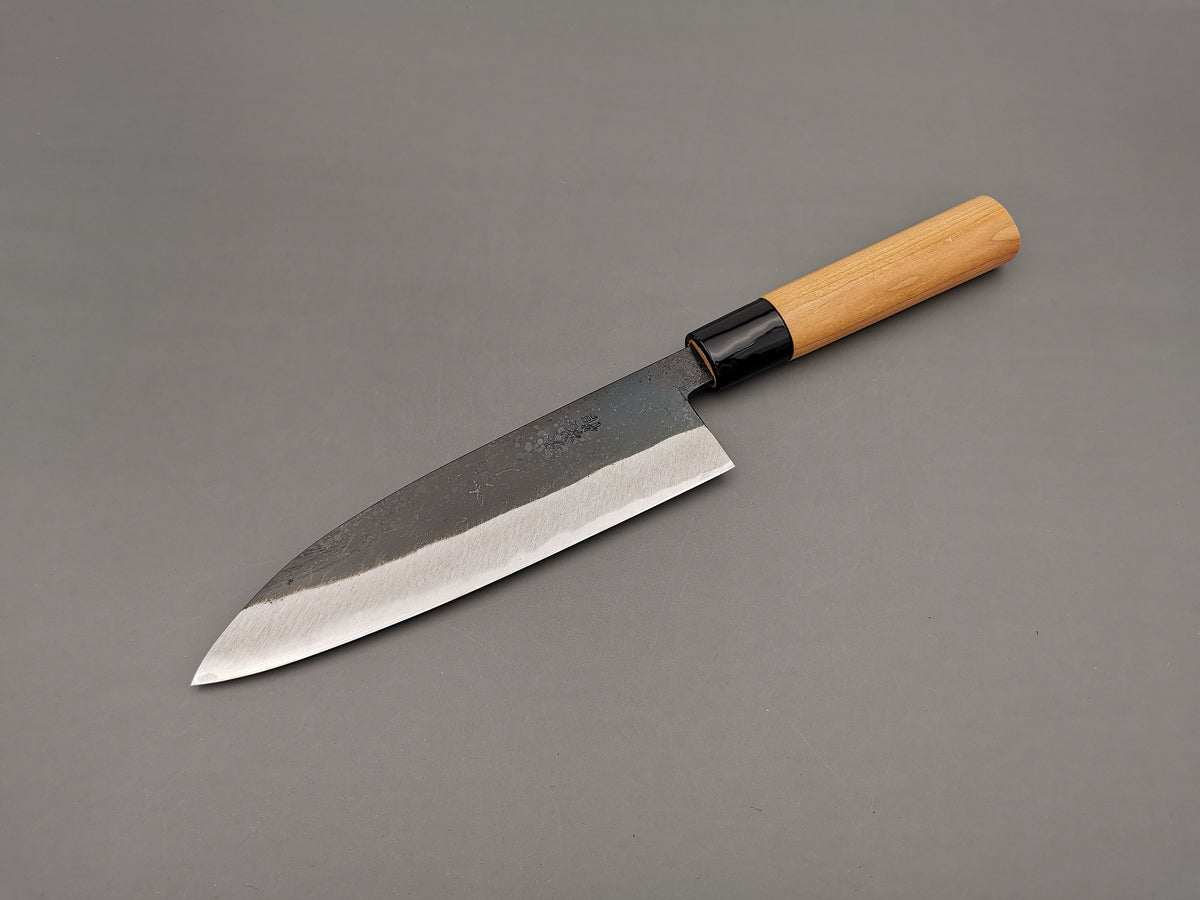
The Makoto Kurosaki range covers four knife types:
- Petty knives at 135mm and 150mm, suited to detail work and prep
- Santoku, a practical all-rounder for most home kitchens
- Nakiri, designed for clean vegetable cuts
- Gyuto at 210mm and 240mm, the workhorse of the kitchen
If you want to filter by size, our 135 to 150mm collection and 210 to 240mm collection let you browse across makers. The all-rounder chef knives section is also worth a look if you are still deciding on the right profile.
Where to buy Makoto Kurosaki knives in the UK
We have stocked Makoto Kurosaki knives since we opened Cutting Edge Knives in Holmfirth in 2011. As an independent retailer focused on handmade Japanese knives, we keep a curated selection rather than a broad catalogue. That means the pieces we carry are ones we can speak to with confidence. Stock moves quickly, so if you are considering a purchase it is worth checking sooner rather than later. The Makoto Kurosaki collection page has current availability and pricing.