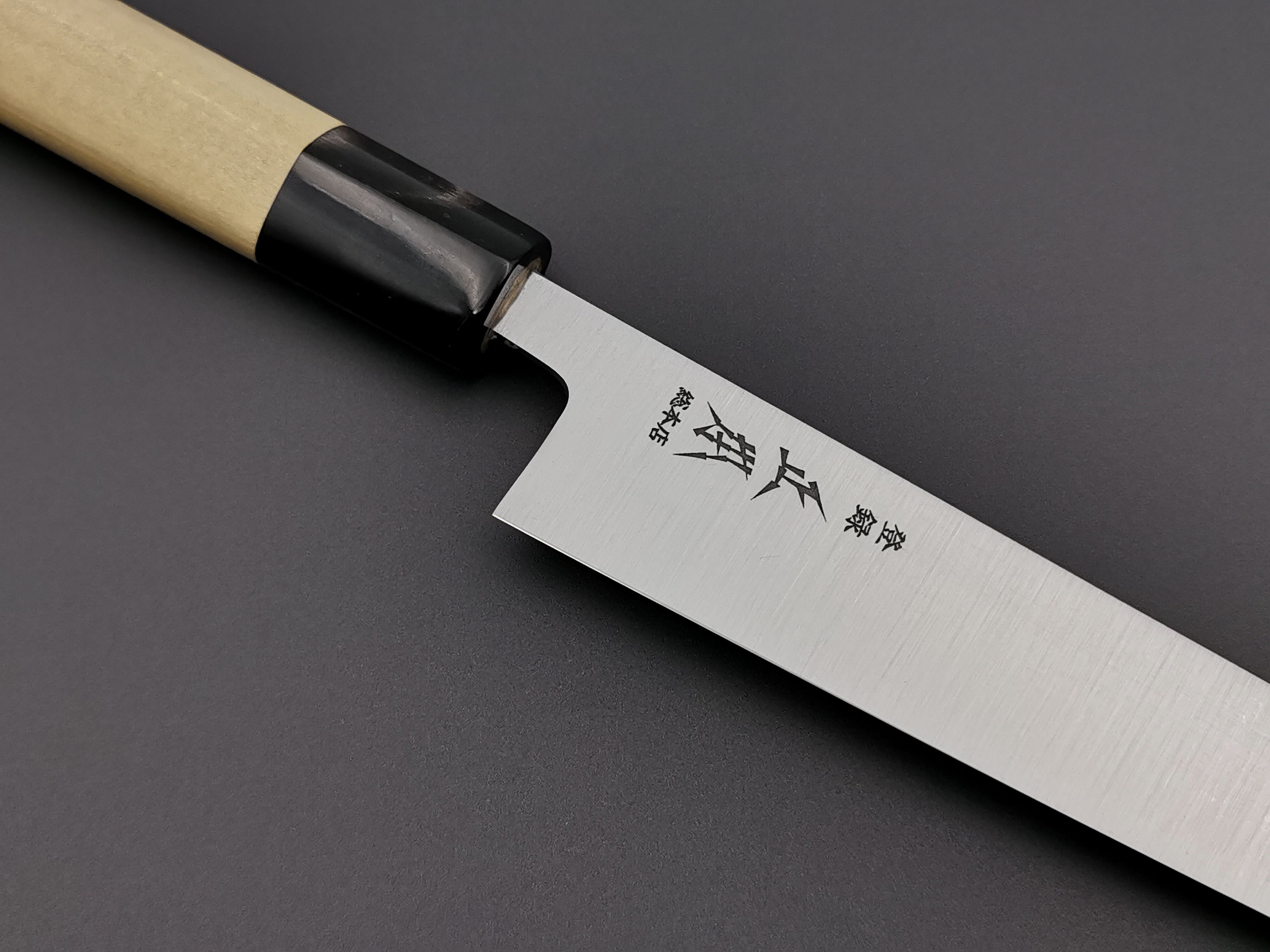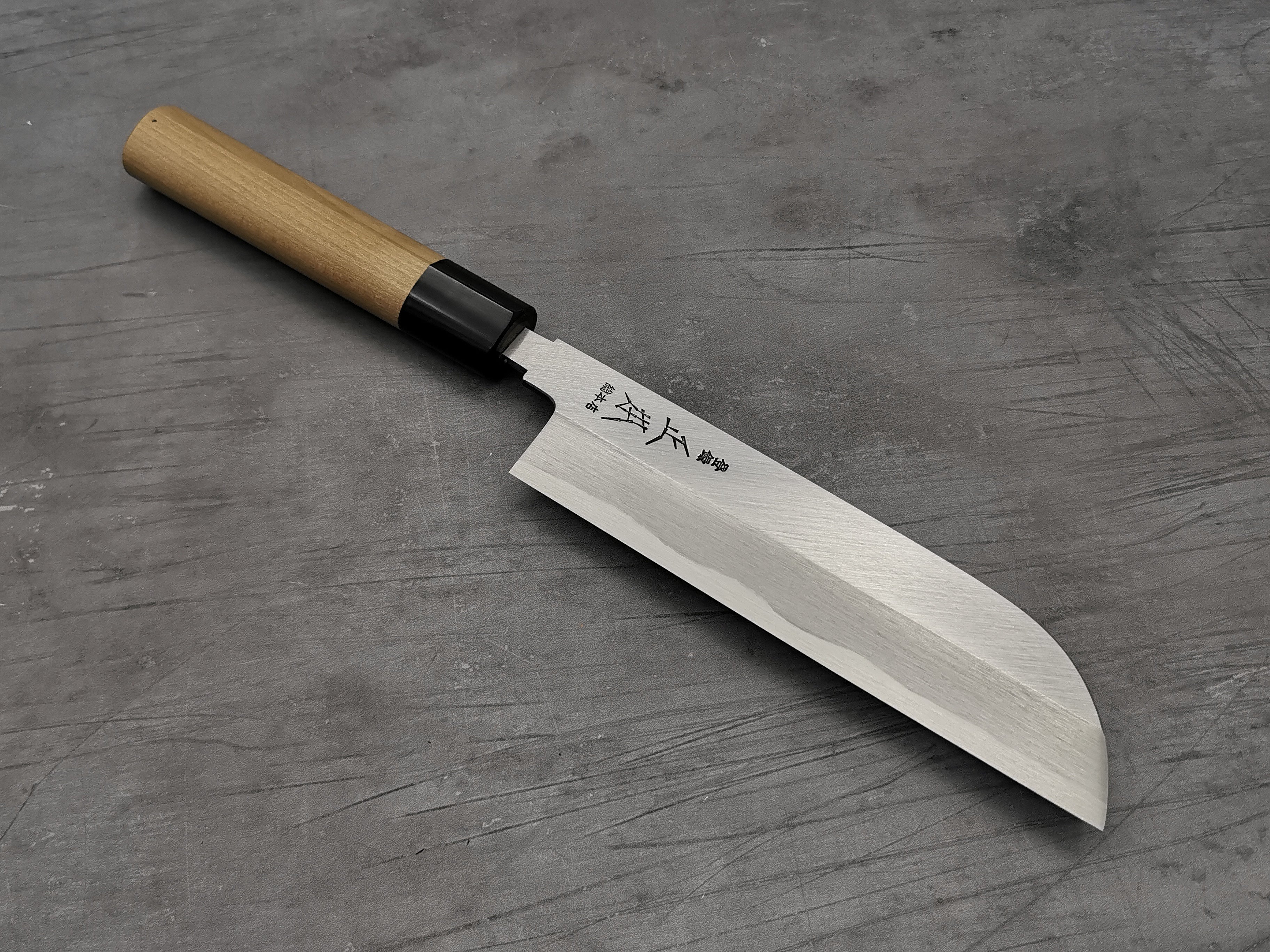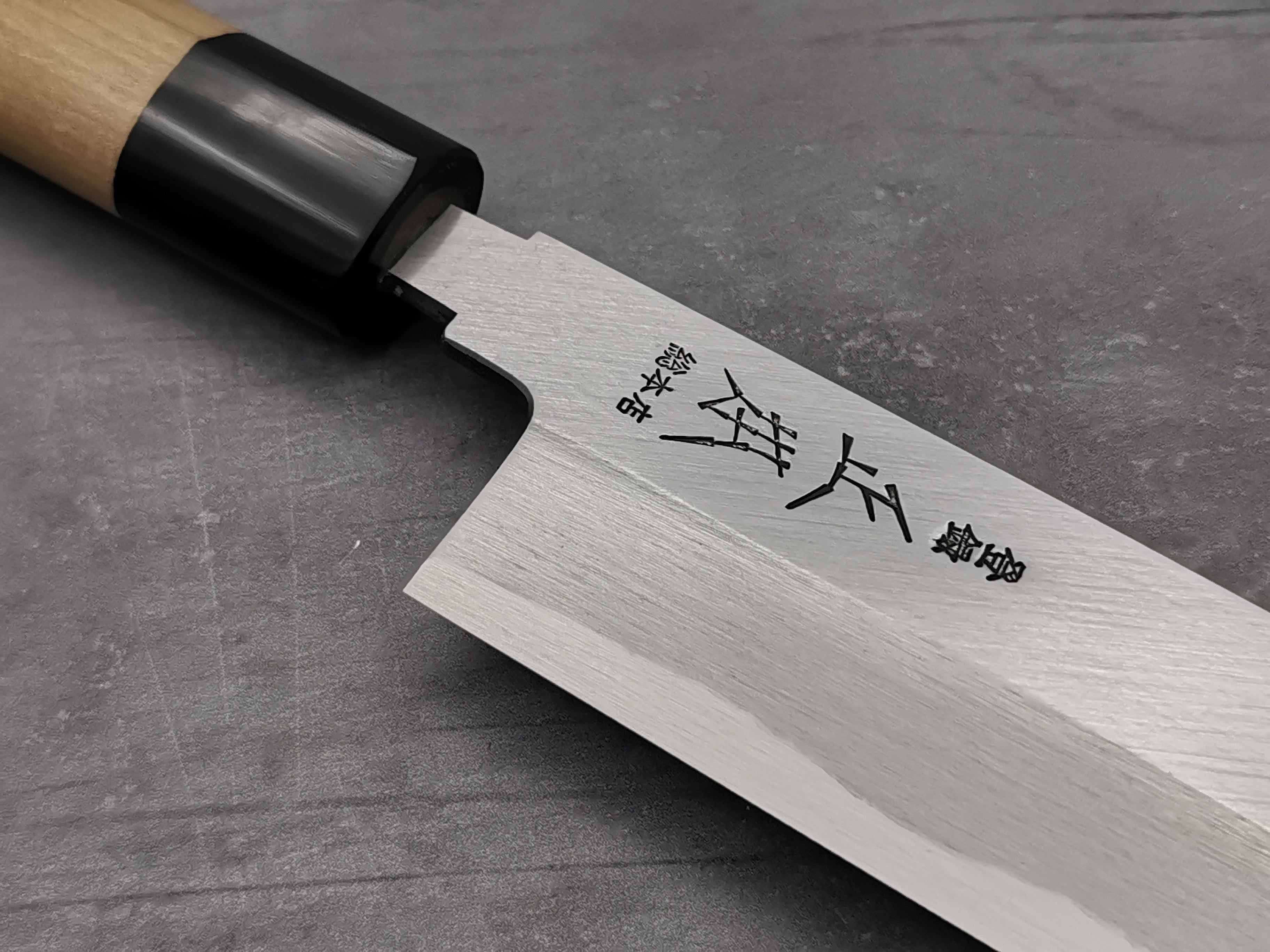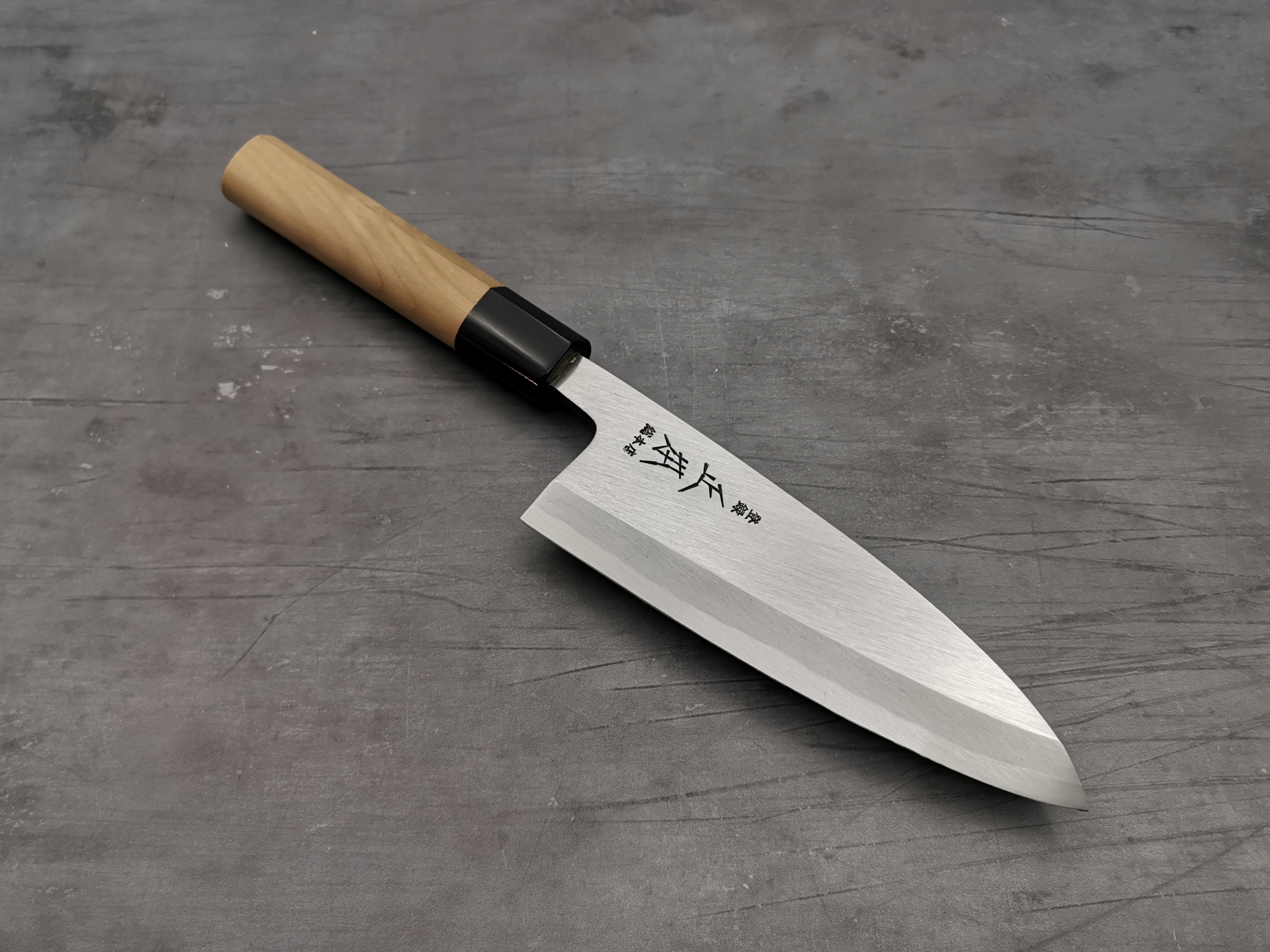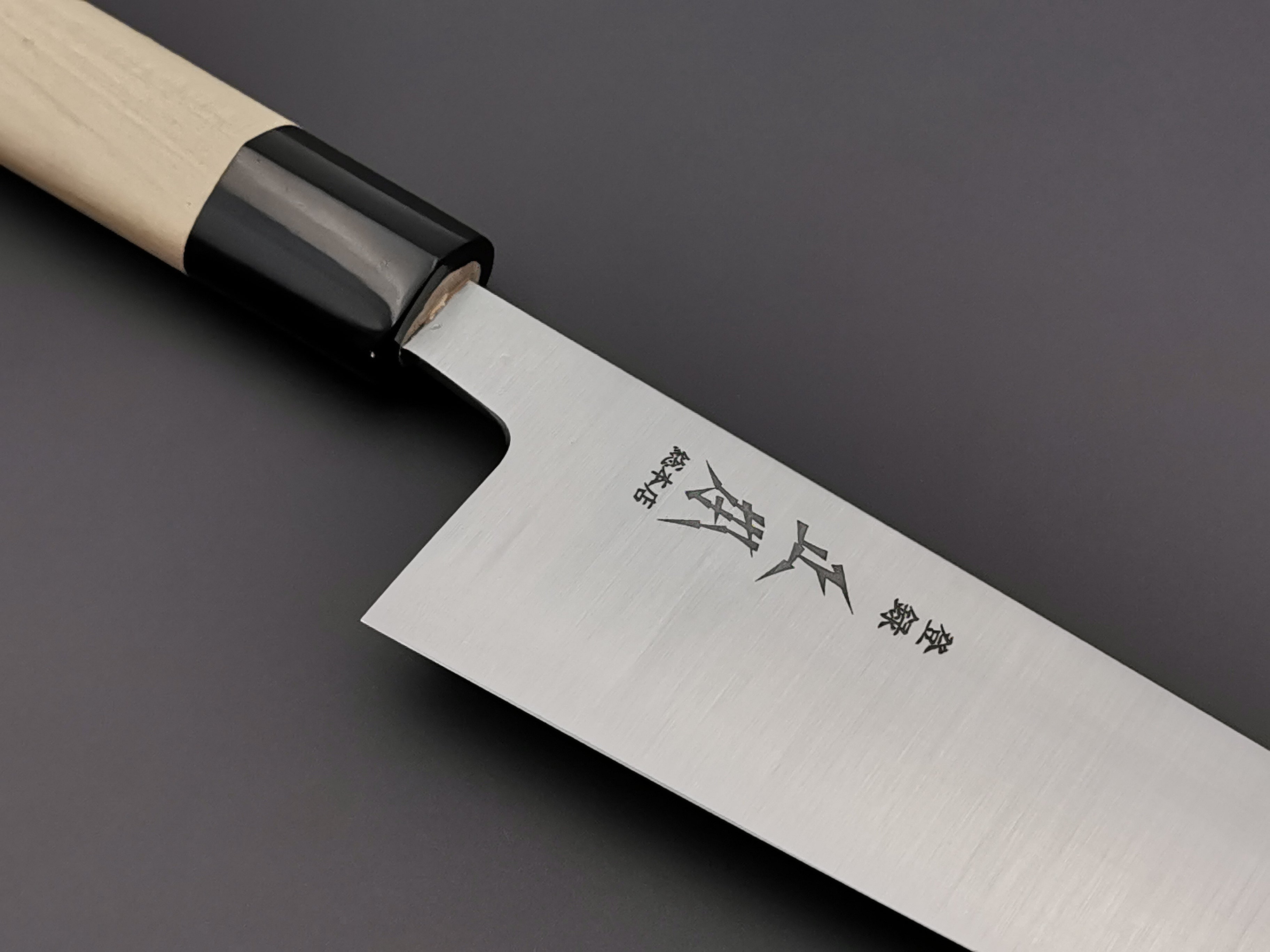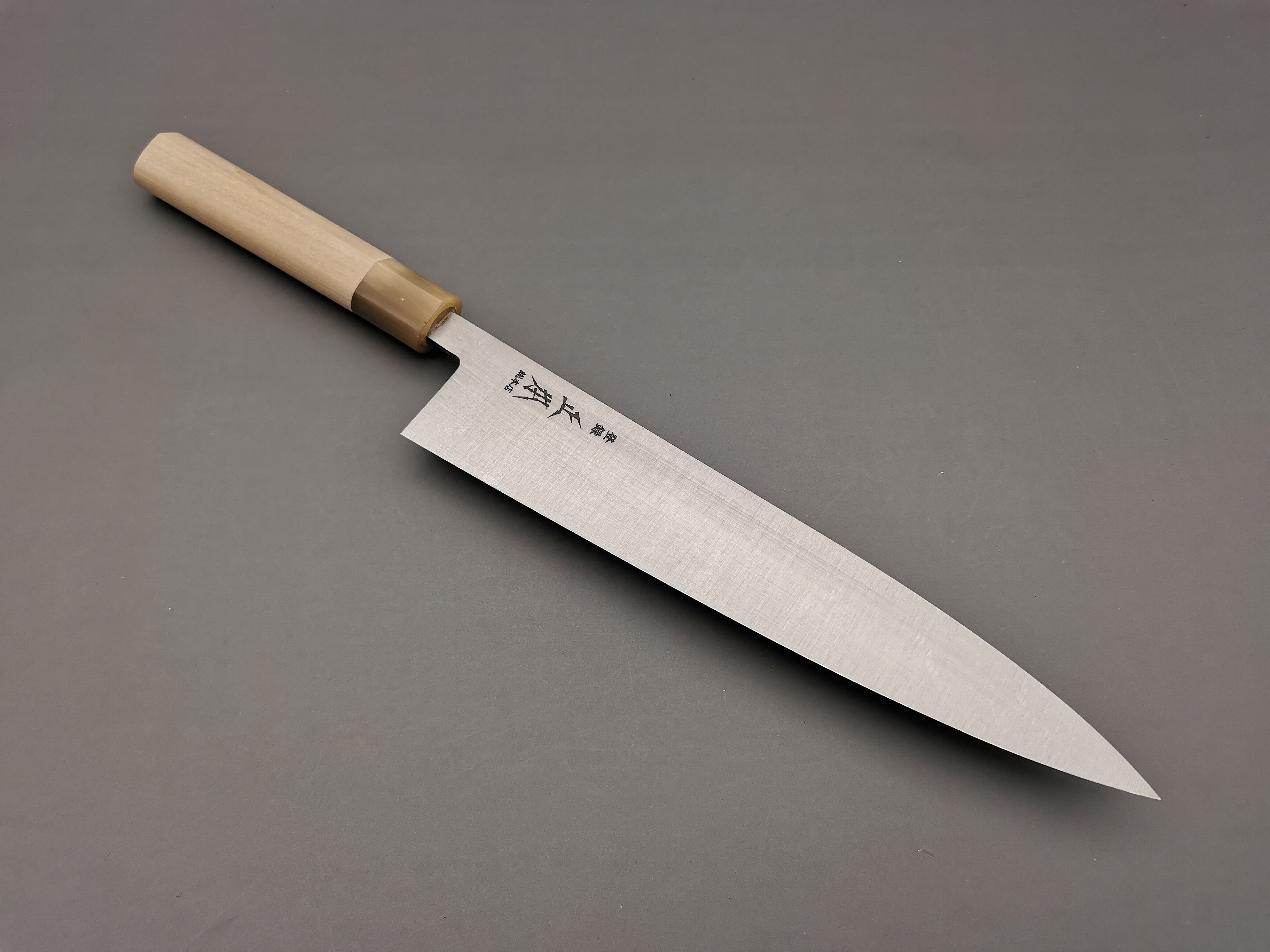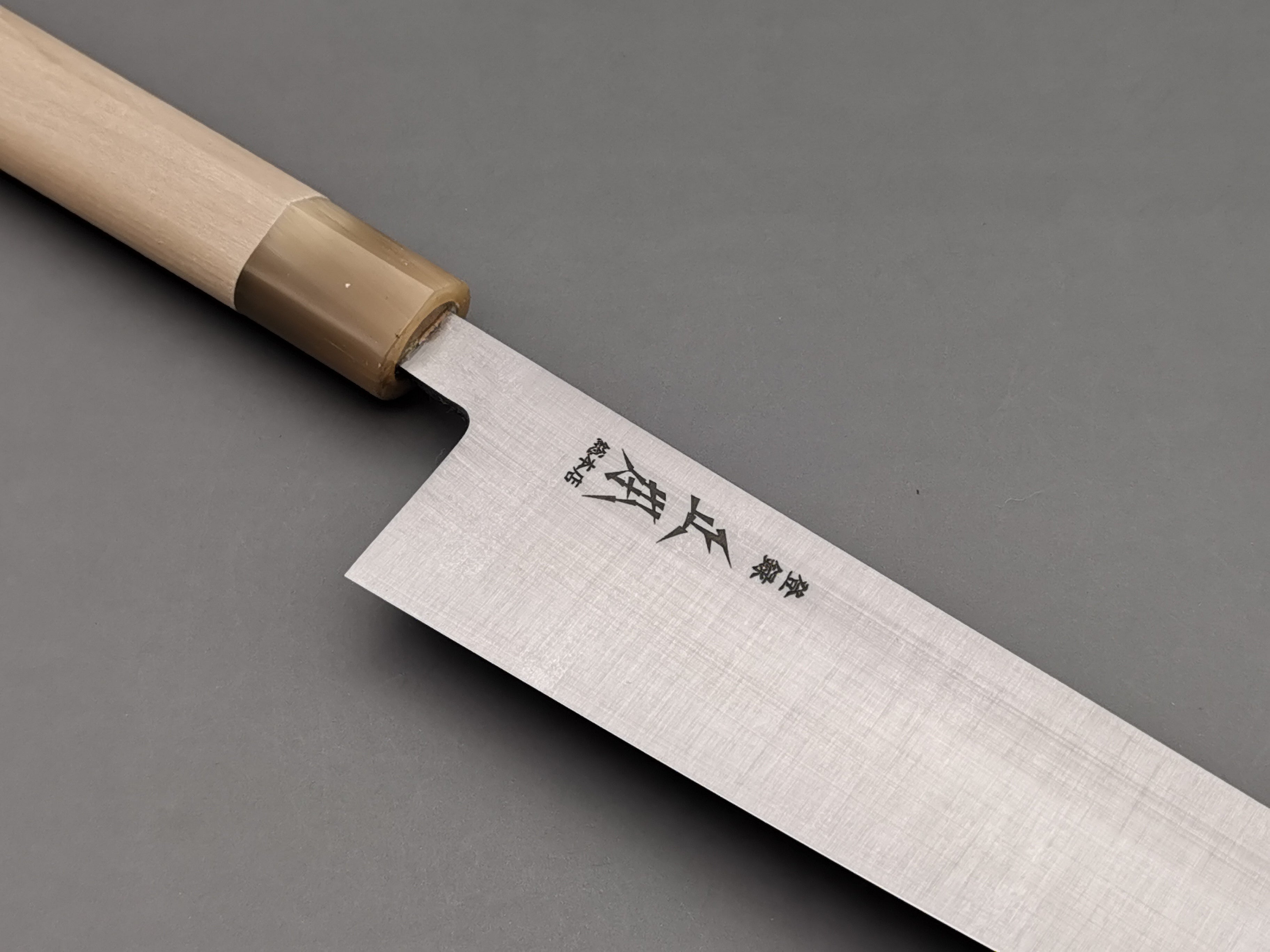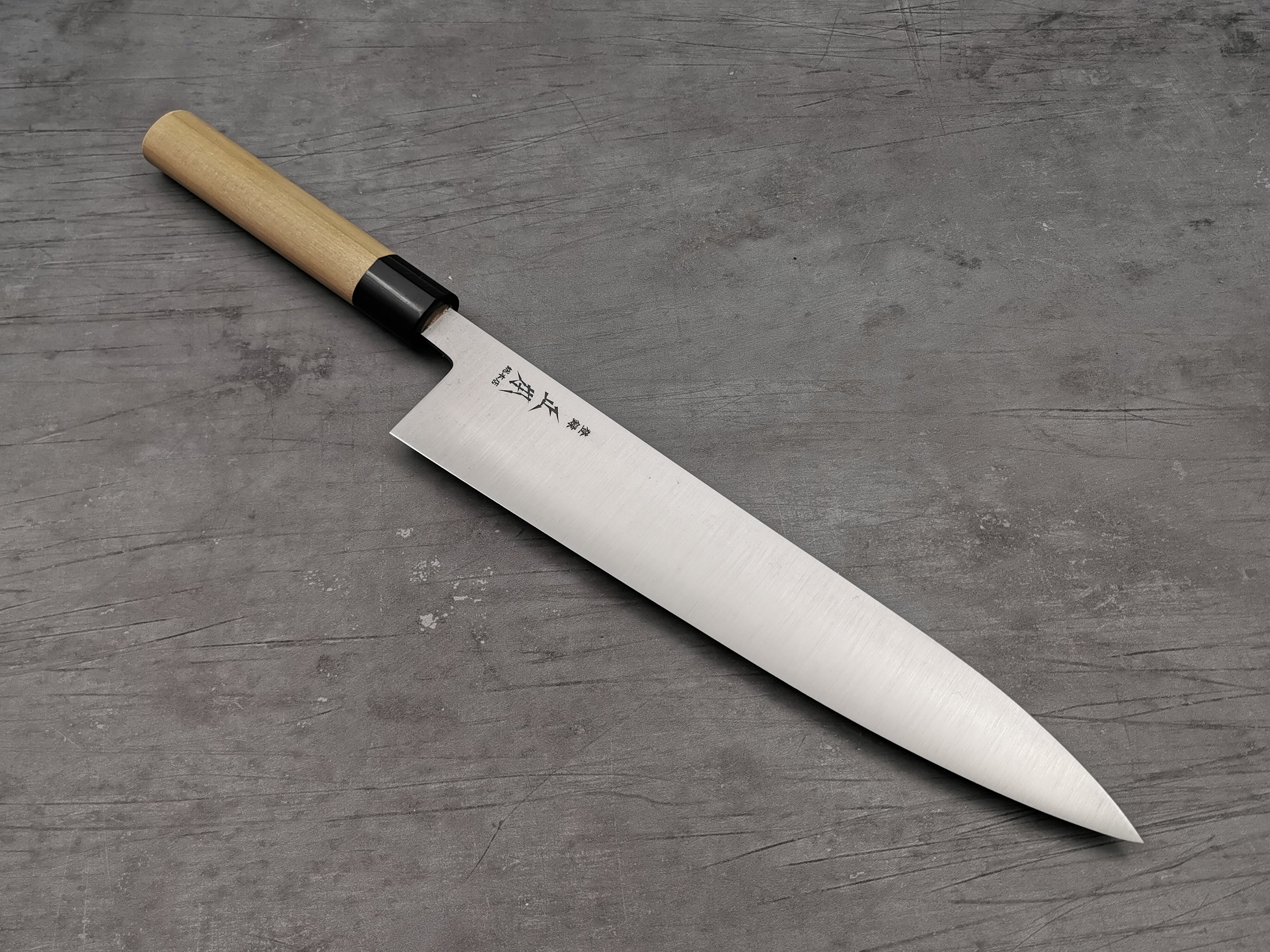

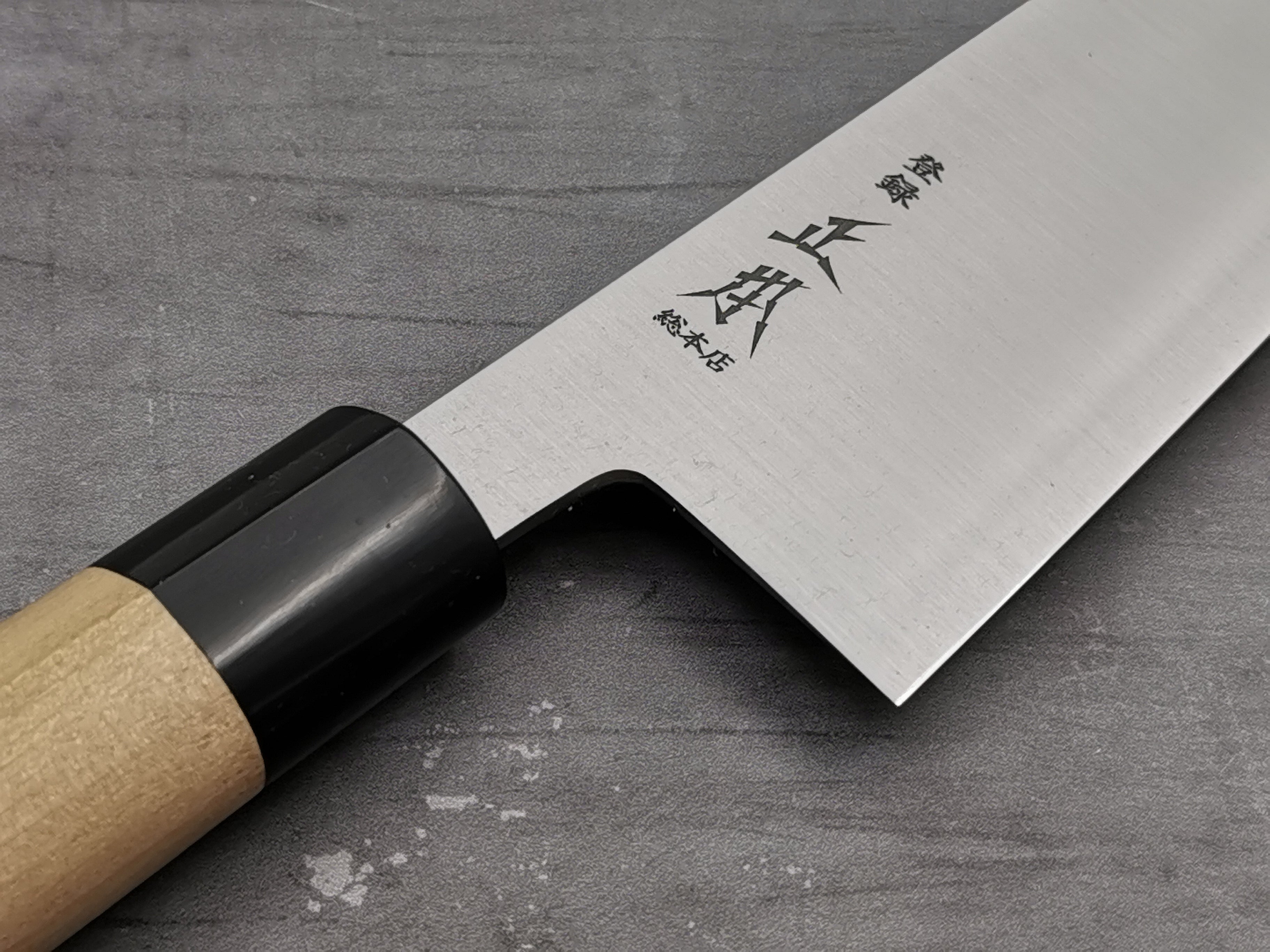
Who makes Masamoto knives?
Masamoto has been making knives for over 150 years. Based in Japan and widely considered the country's leading sushi knife maker, the brand has built its reputation on one thing done consistently well: take excellent steel, grind it correctly, finish it properly. That's it. No reinvention required. Professional chefs and serious home cooks seek them out for exactly that reason.
The KS series: Masamoto's signature range

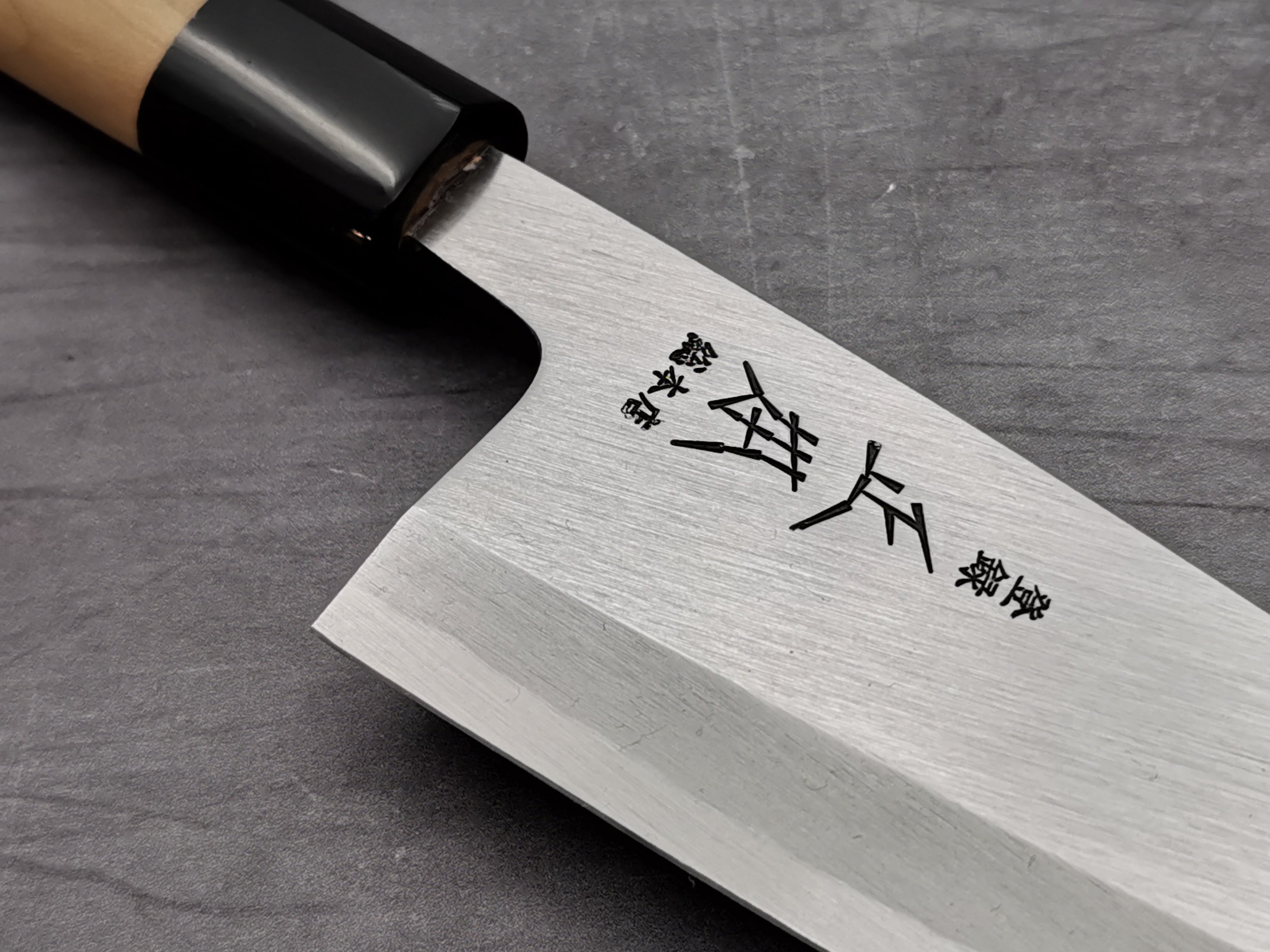
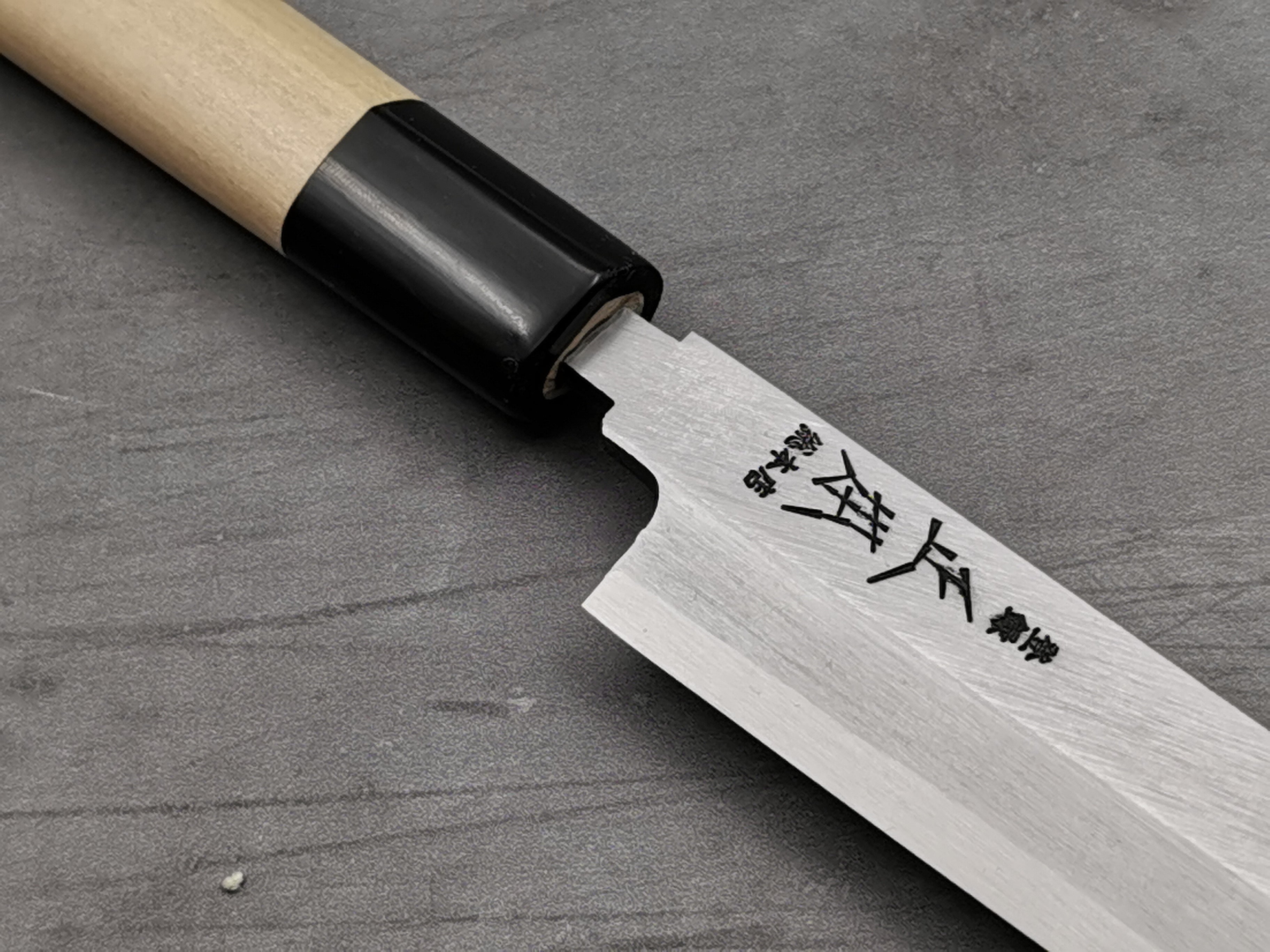
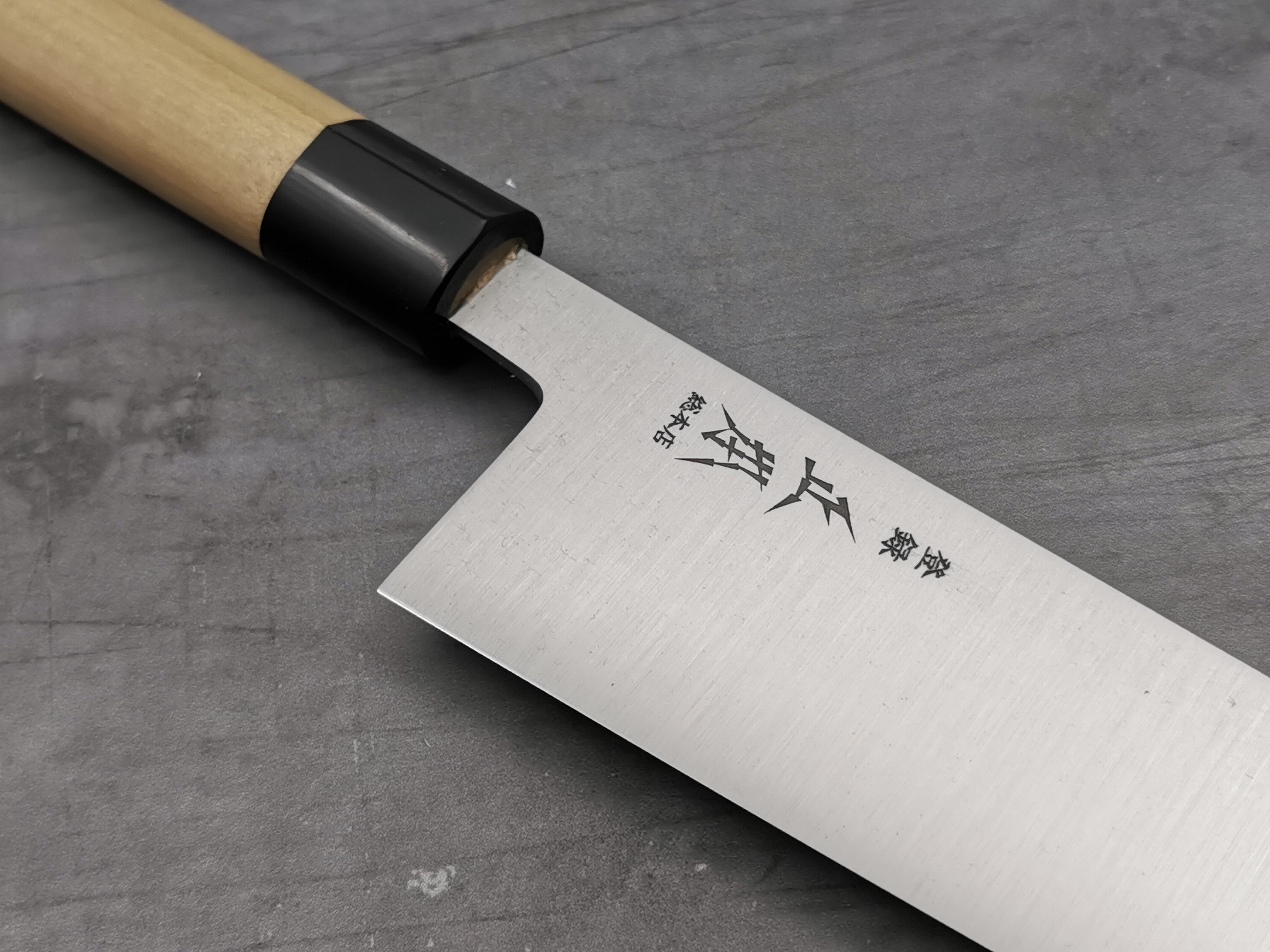
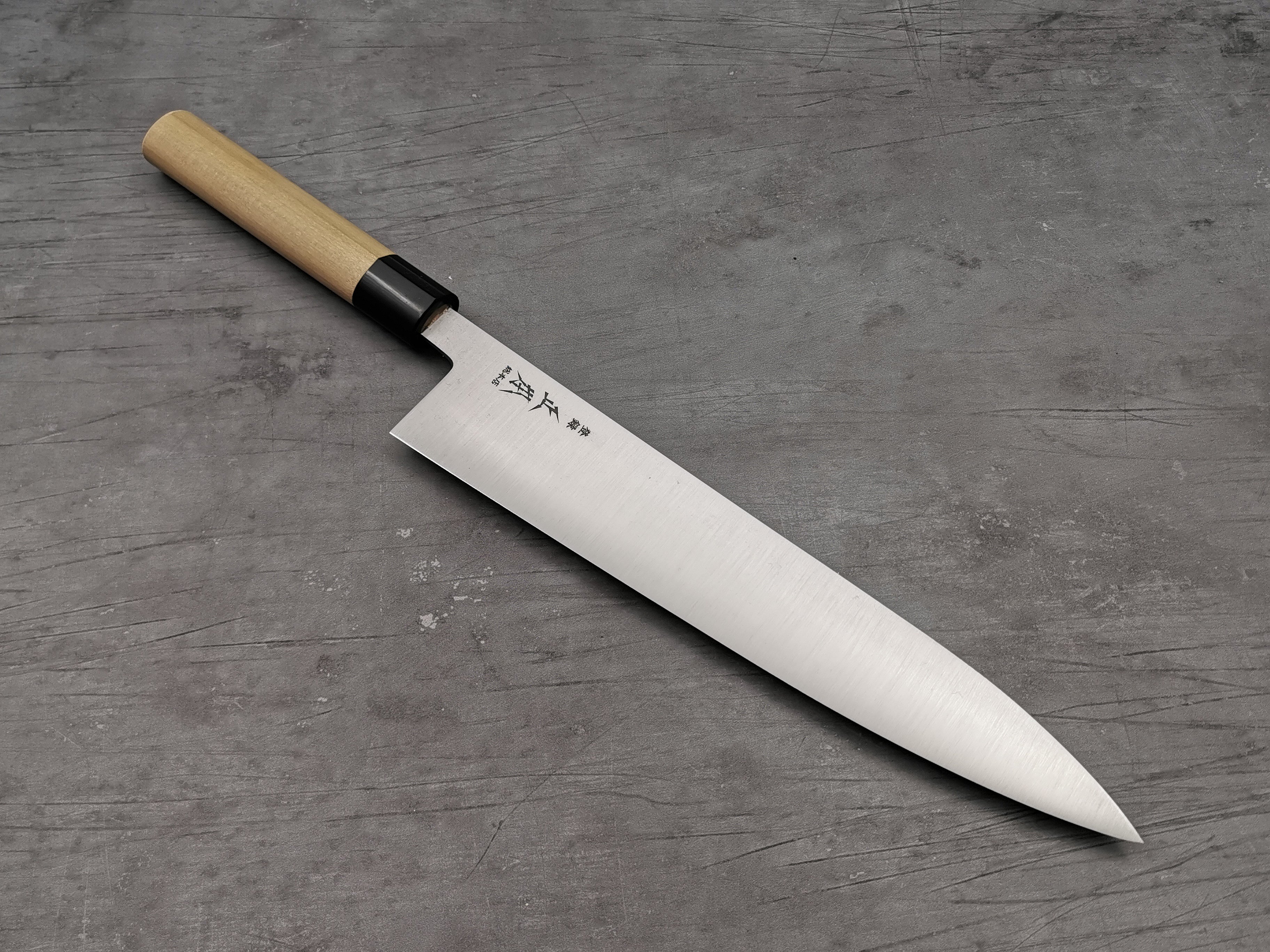
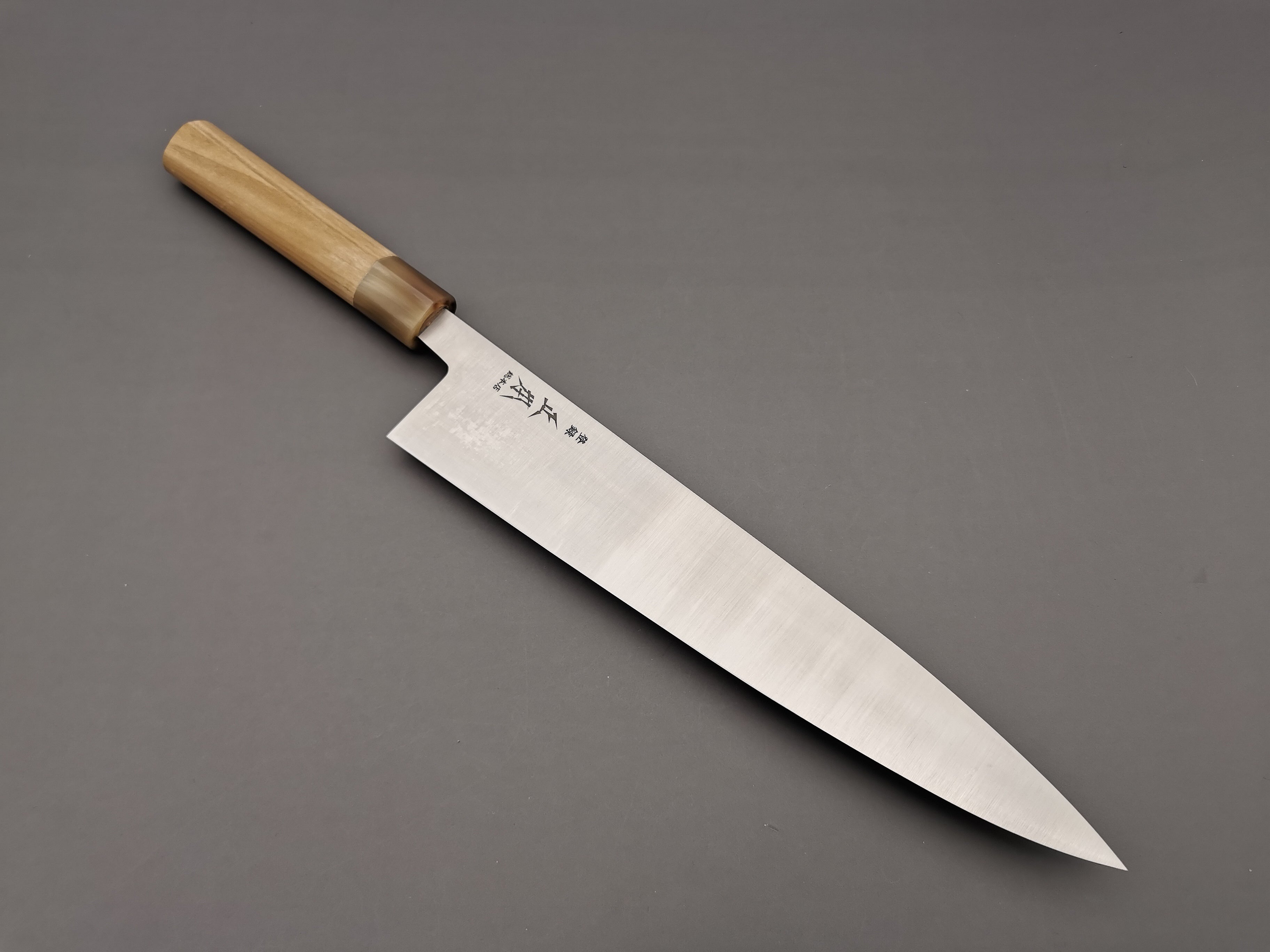
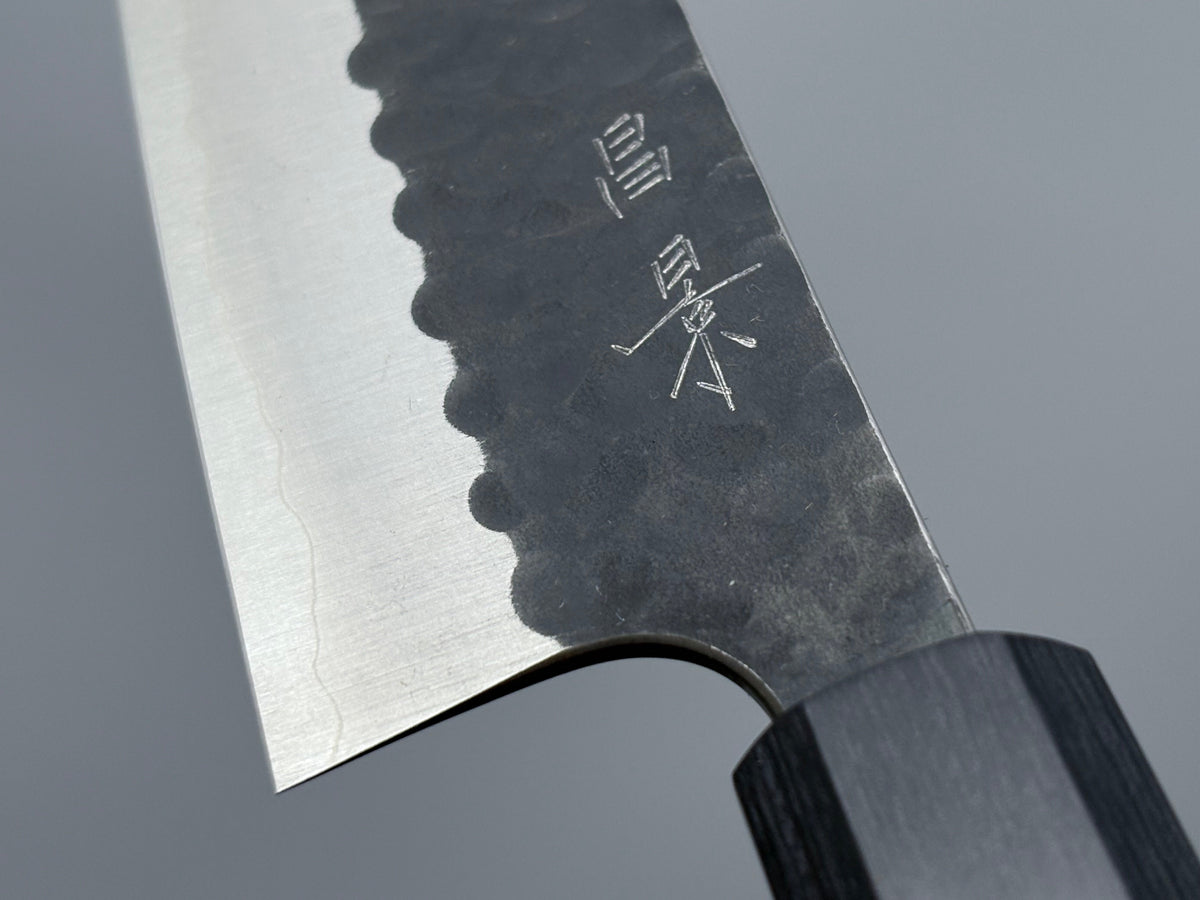
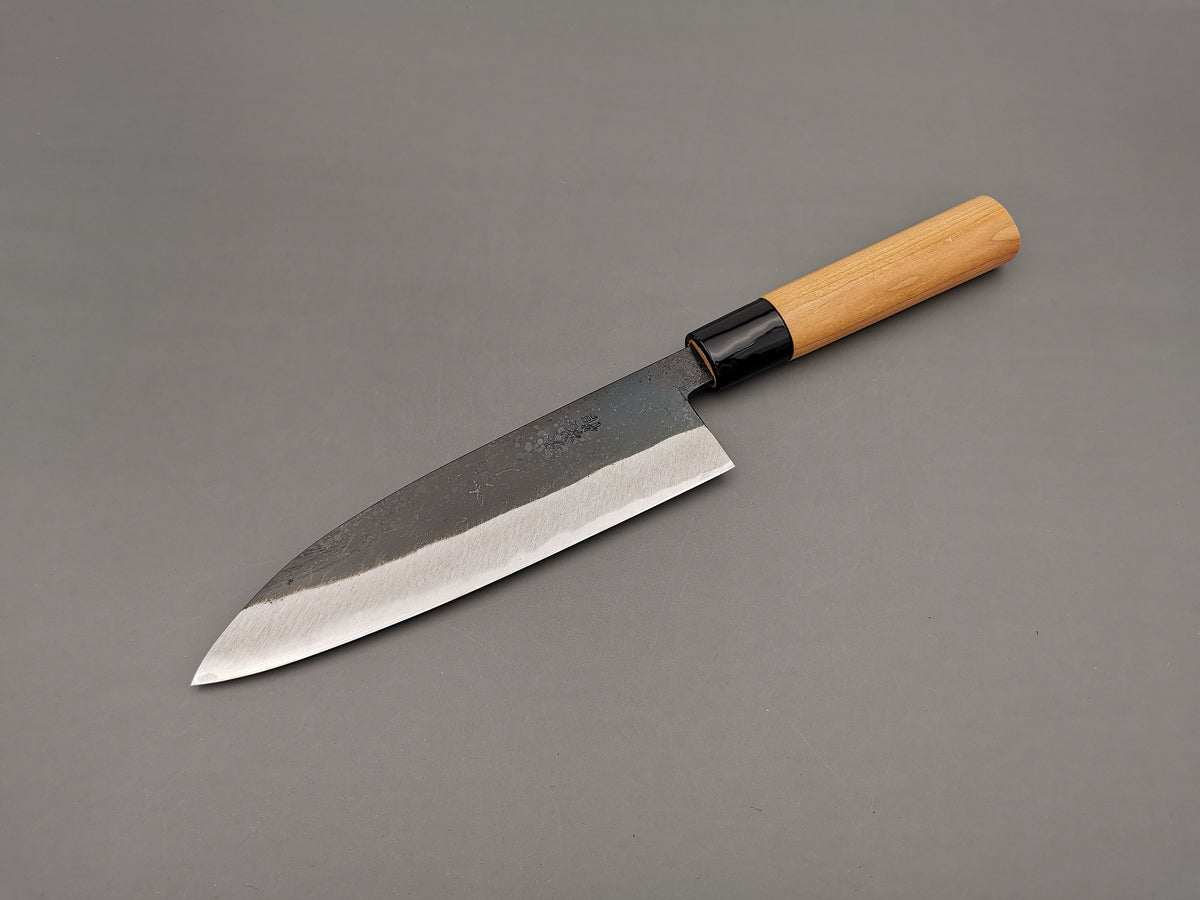
The knives we stock at Cutting Edge Knives come from the Masamoto KS collection, the brand at its most refined. Every knife in the range is forged from White #2 steel, a high-carbon steel that takes an exceptionally sharp edge. It's reactive, so it needs a bit more care than stainless, but the trade-off is a blade that cuts with a clarity stainless steel rarely matches.
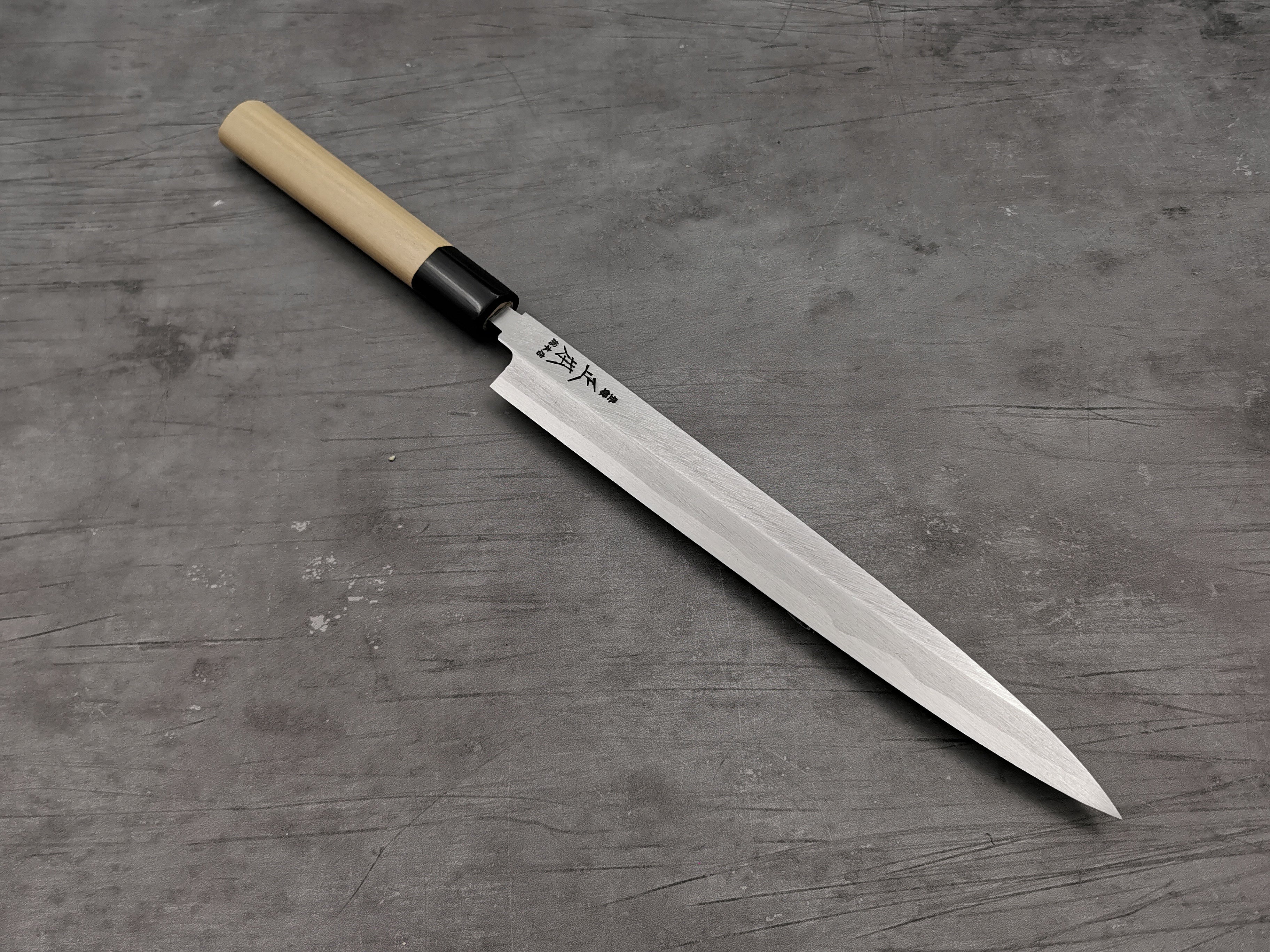
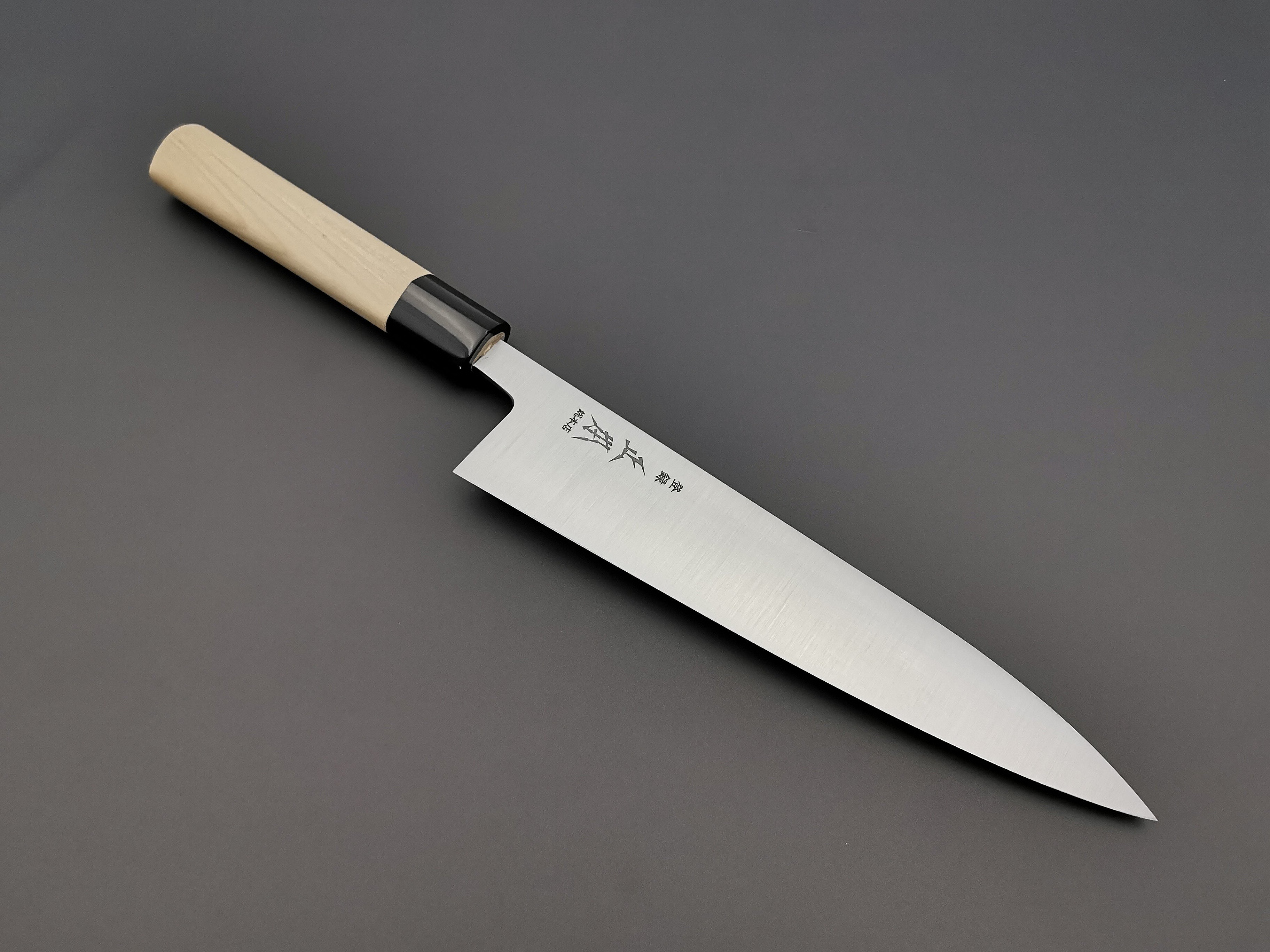
The KS lineup covers the full range of traditional Japanese knife types: yanagiba for slicing fish, deba for breaking down whole fish and poultry, usuba for vegetable work, petty knives for detail tasks, and gyuto knives in three lengths for general use. Each form has been refined over generations, and the KS series carries that depth of knowledge in every grind.
What makes Masamoto knives worth the price?
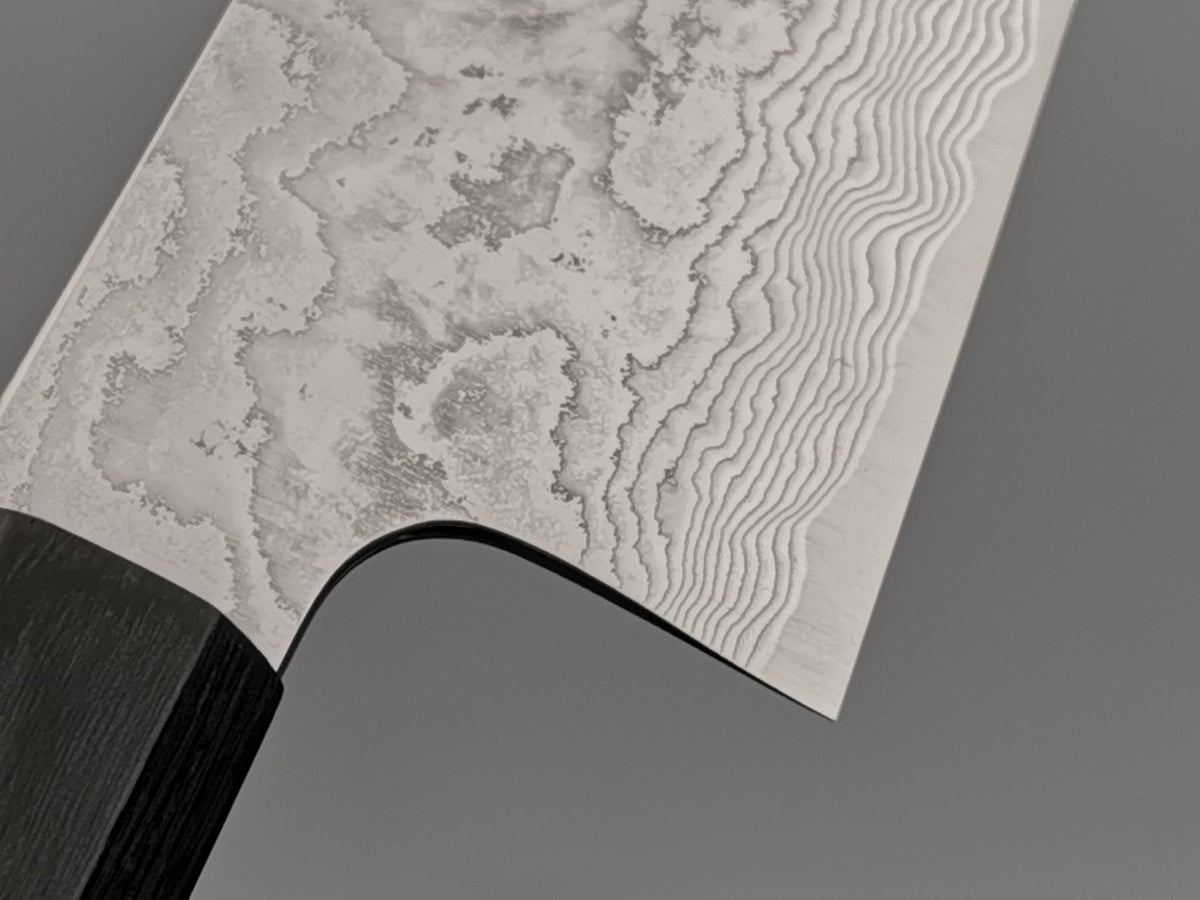
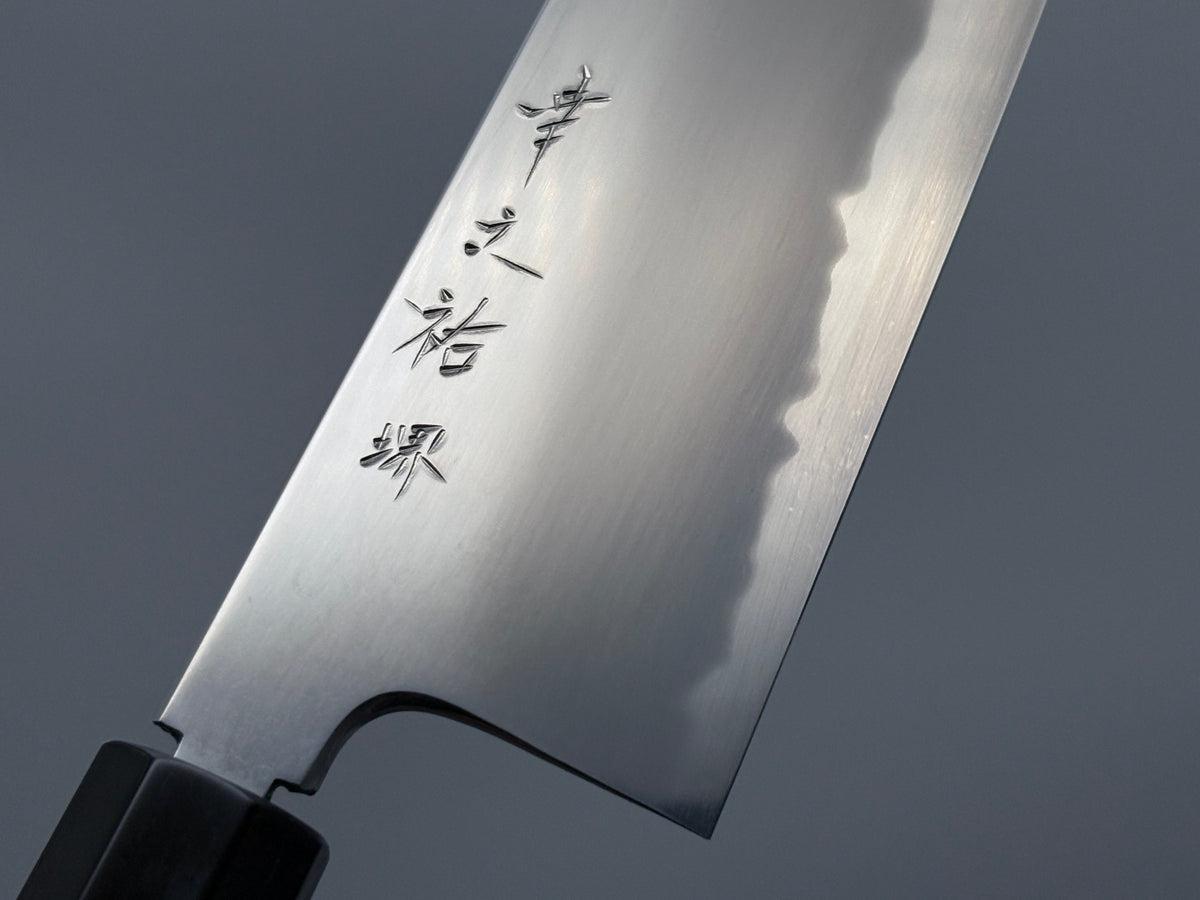
Many models in the KS series sit above £350, and the pricing reflects what goes into making them. The blade profiles are well thought out for their intended tasks, the grinds are thin and consistent, and the finishing is polished throughout. White #2 steel sharpens easily on a whetstone, responds well to stropping, and holds a working edge that makes a real difference in day-to-day kitchen performance. For anyone serious about single-bevel Japanese knives or traditional knife forms, Masamoto is the benchmark.
Masamoto knife types and sizes available
The gyuto knives in the KS range come in 210mm and 240mm as well as a 270mm option, so there's a practical choice depending on your prep style and kitchen space. The yanagiba sits at 240mm, the deba at 150mm, and the petty at 165mm. All are single-bevel with the exception of the gyuto, which is double-bevelled and works for both right and left-handed users.
Browse Masamoto knives at Cutting Edge Knives
We've stocked Masamoto since our early years as an independent retailer in Holmfirth, West Yorkshire, and it remains one of the most important brands we carry. To see what's currently available, visit the Masamoto knives collection page. If you're still deciding which style suits you, our wider range of Japanese knives and accessories is a good place to start.