
The bunka knife: a Japanese kitchen essential
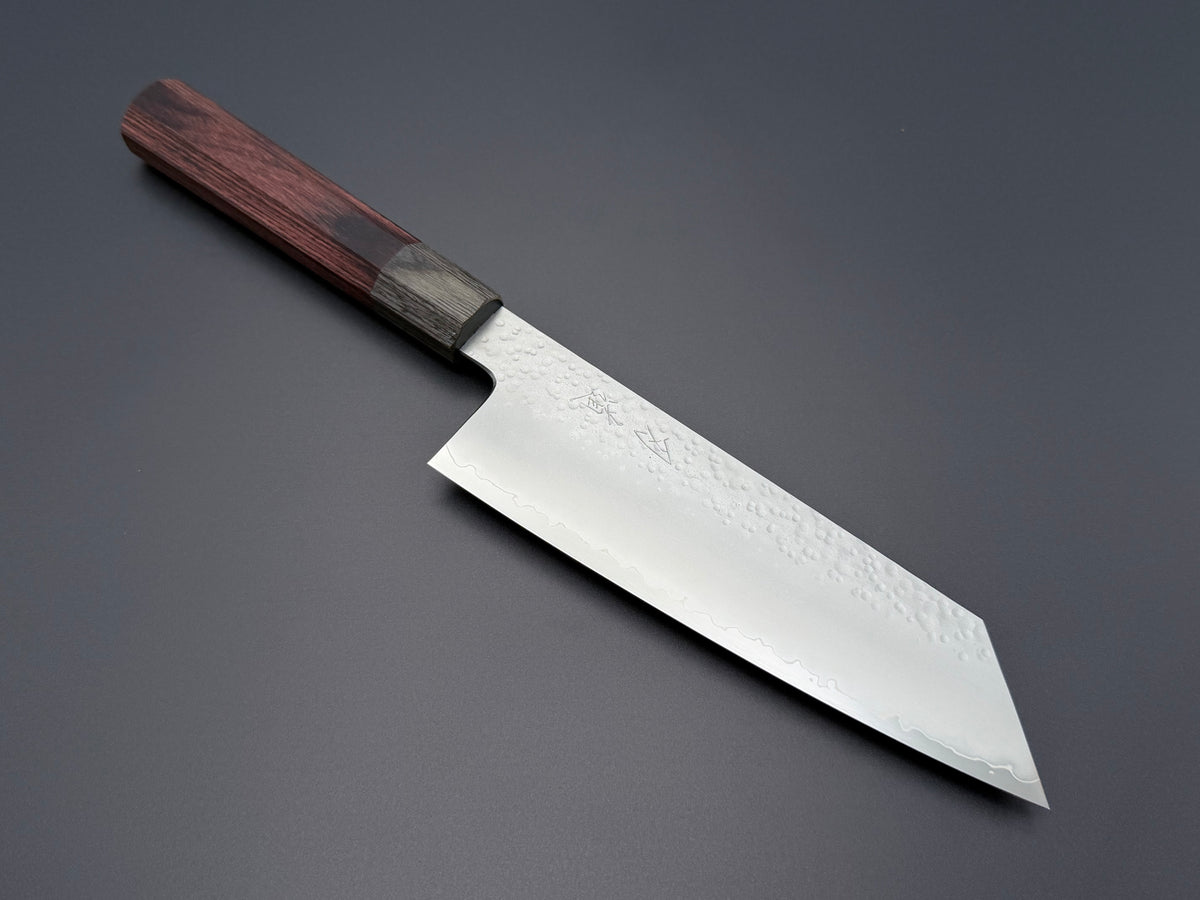
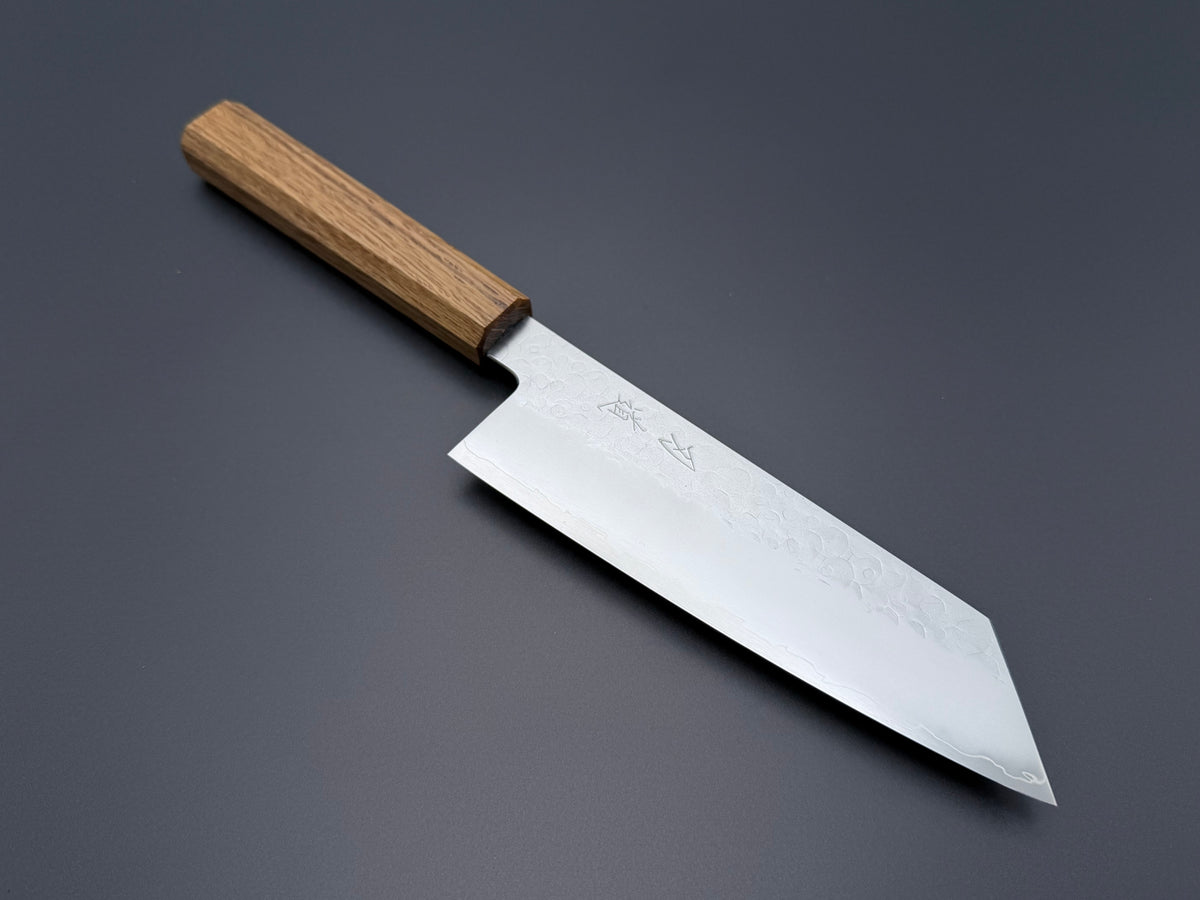
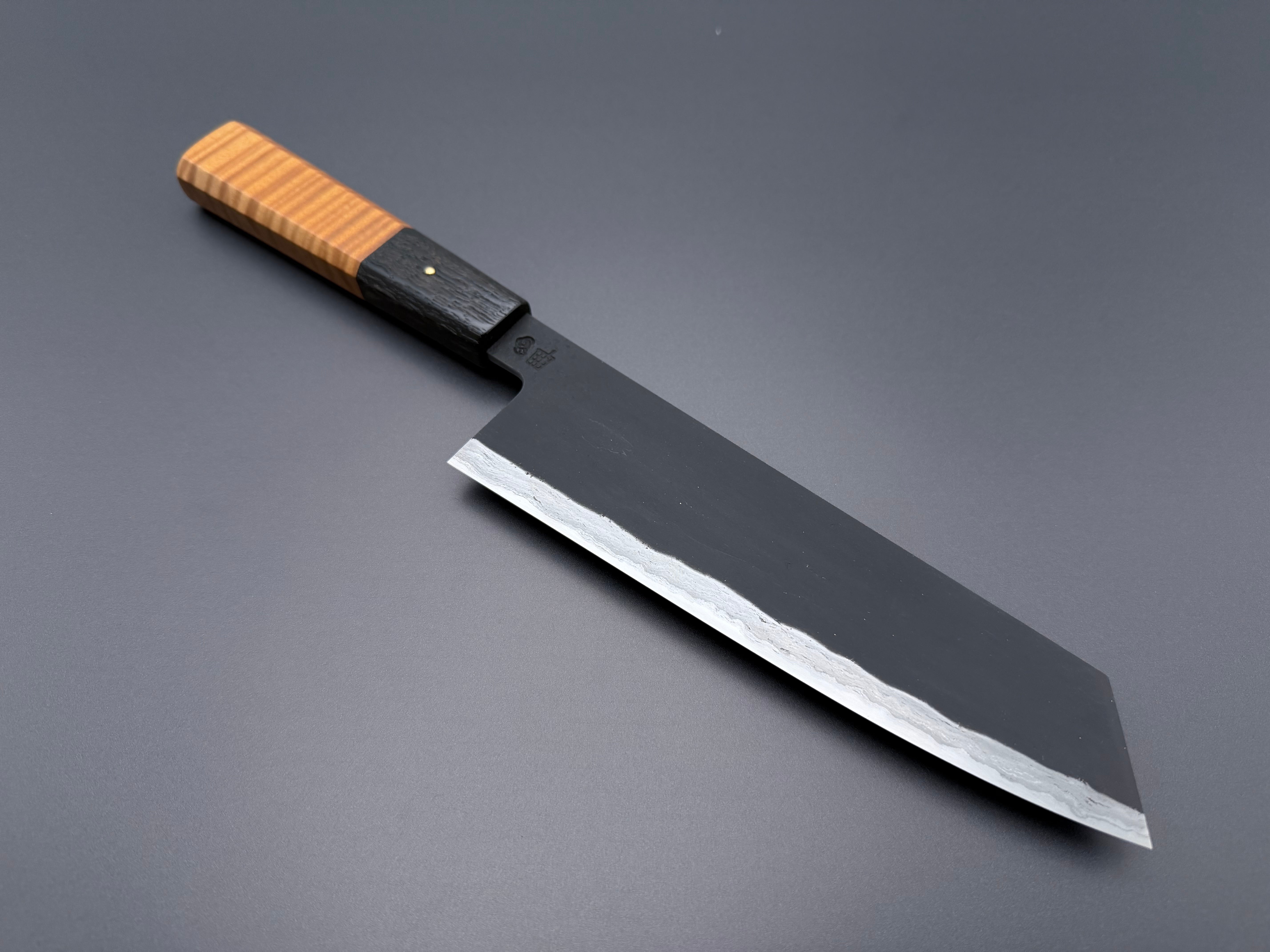
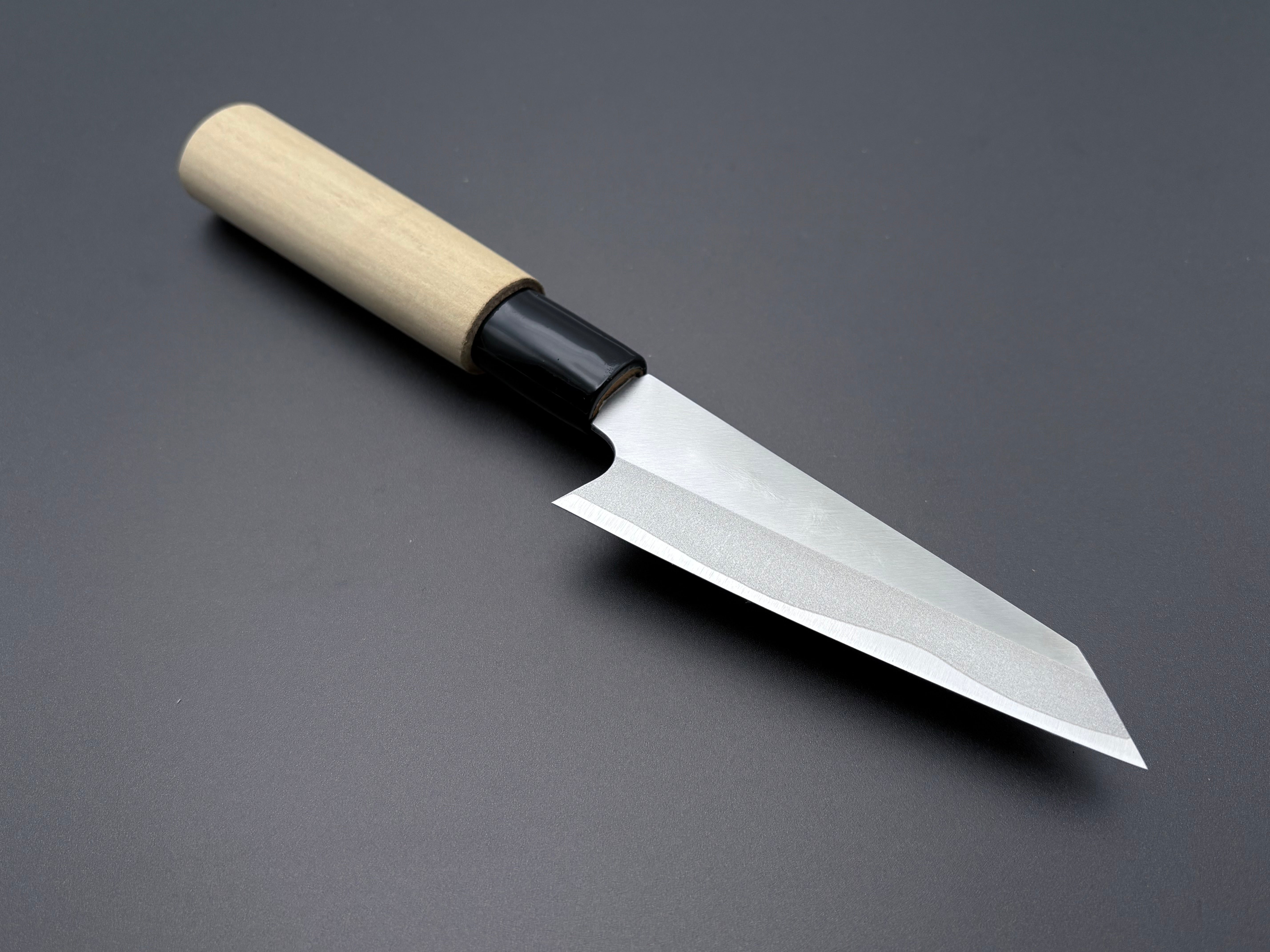
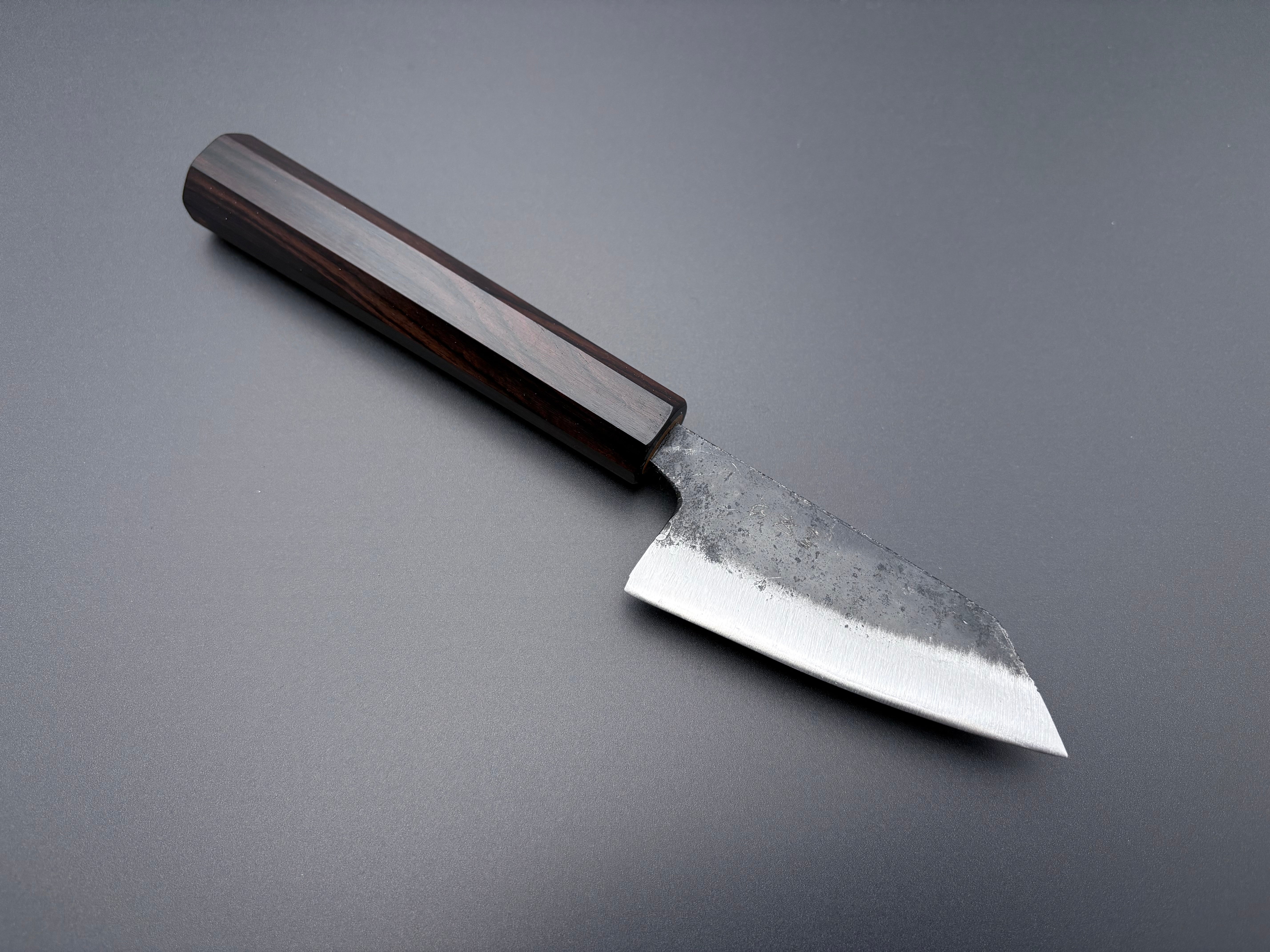
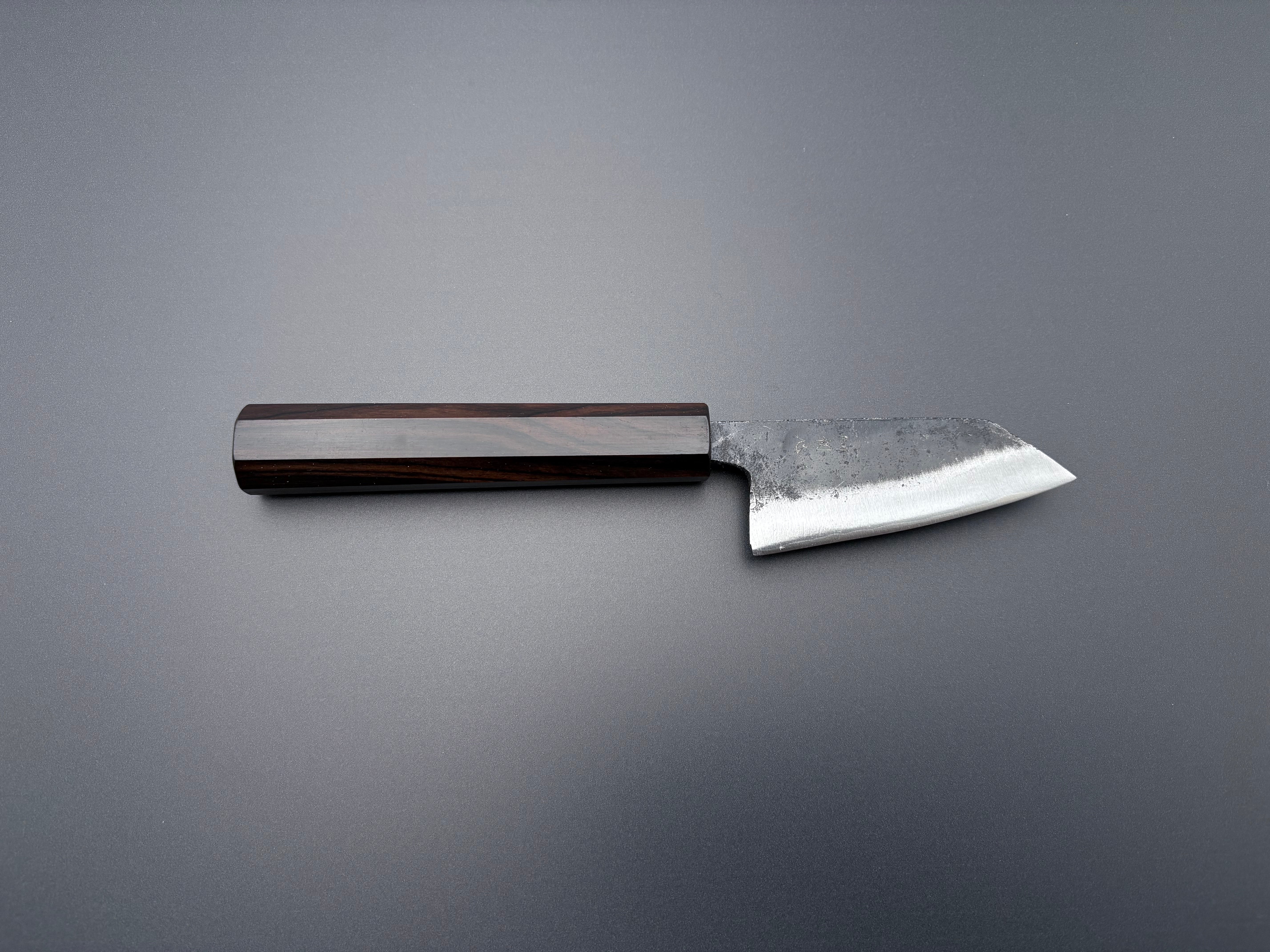
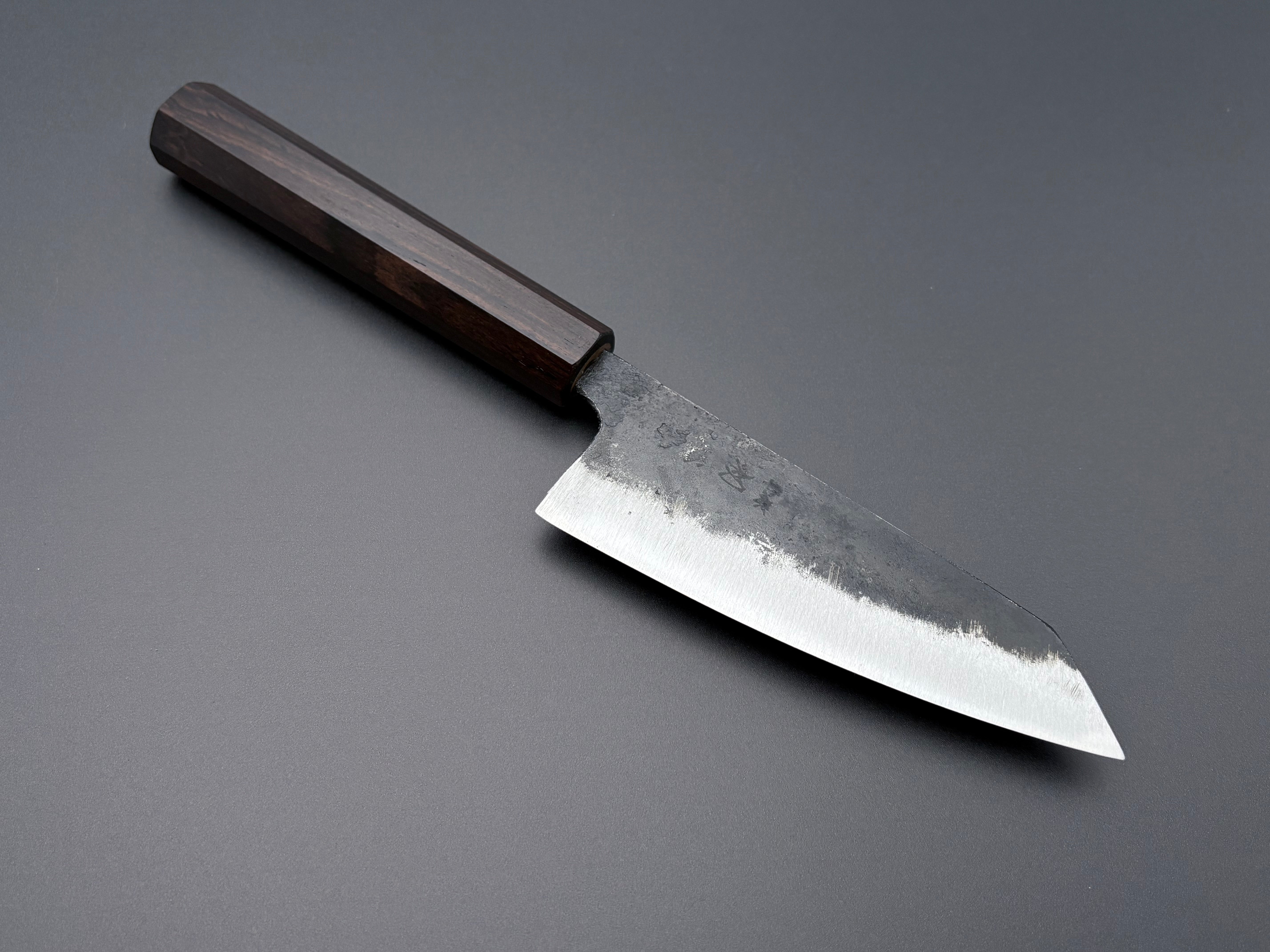
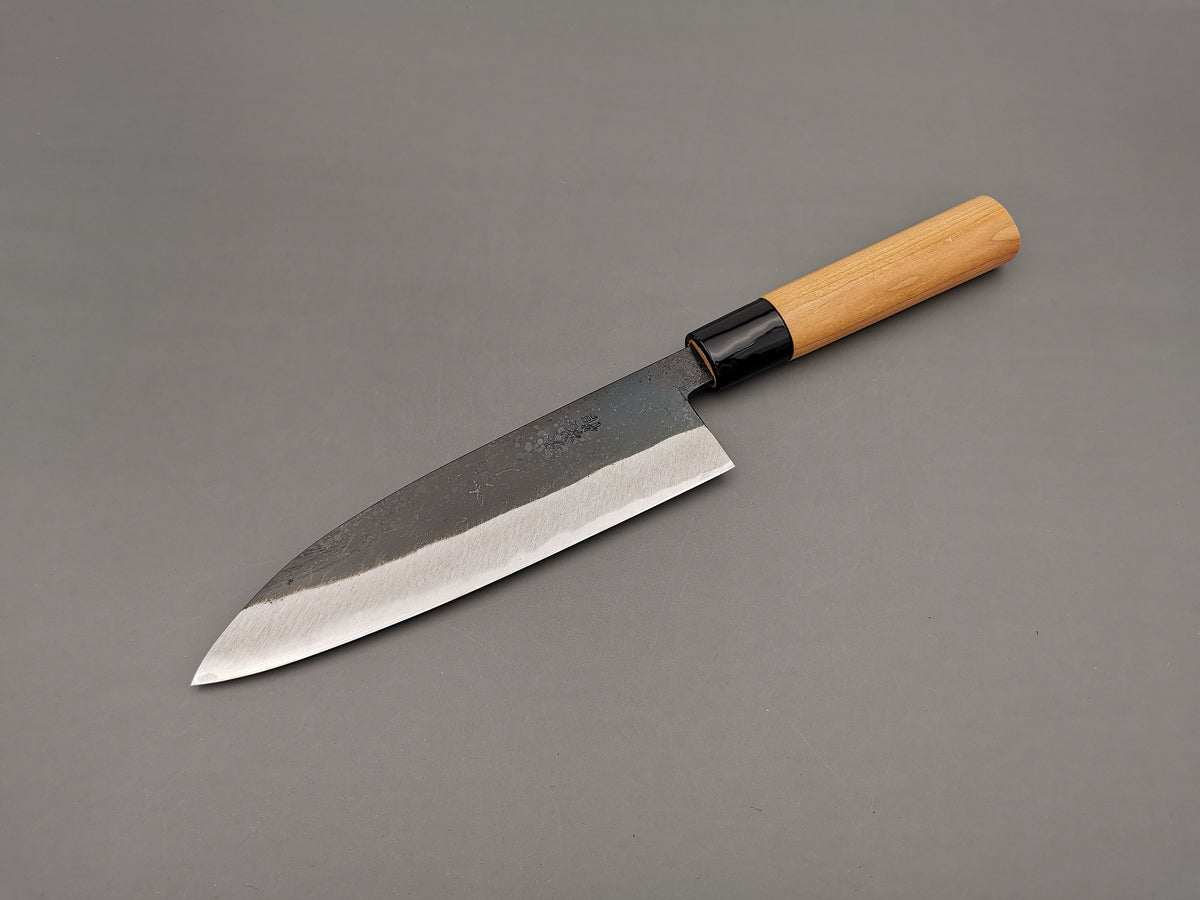
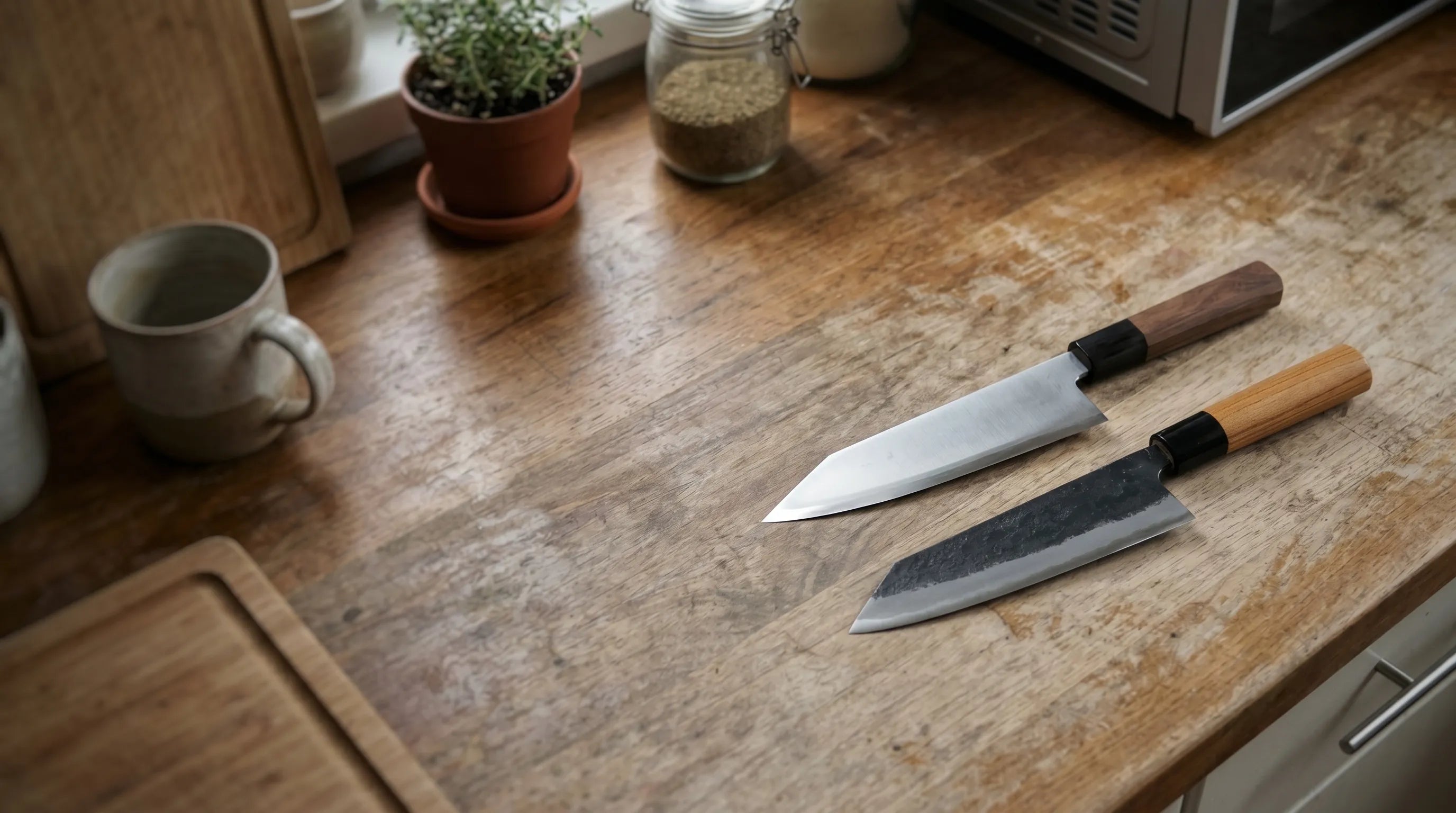
The bunka knife is one of the most capable all-purpose knives to come out of Japan's long tradition of blade making. Recognisable by its reverse tanto tip and slightly curved belly, it sits between a santoku and a gyuto, borrowing the chopping efficiency of the former and some of the slicing reach of the latter.

Dicing onions, slicing fish, working through herbs with a rocking motion: the bunka handles all of it. It is a shape that rewards cooks who want one knife to cover most tasks without reaching for a second.
What makes the bunka shape so practical
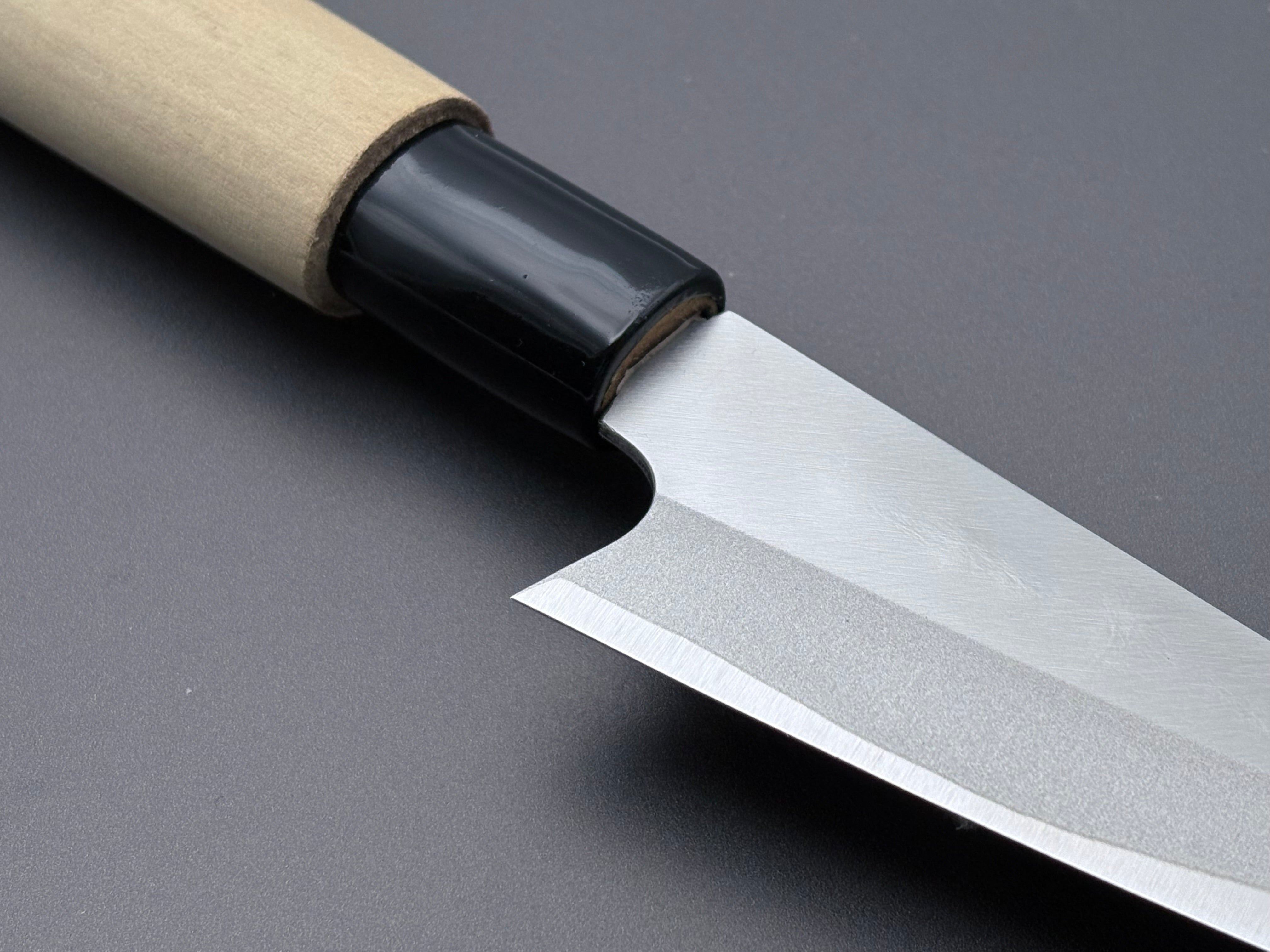
The pointed tip is what separates the bunka from the santoku. That fine point gives you precision for detailed work: mincing garlic, scoring skin, or light butchery on boneless cuts. The broad flat heel suits push cuts through root vegetables, while the mild curve allows a smooth pull-cutting motion for softer produce and herbs. Used with a pinch grip, the shape reduces hand fatigue during longer prep sessions, which makes it a sensible choice whether you cook professionally or just cook a lot.
- Reverse tanto tip for precise tip work
- Broad blade for confident vegetable prep
- Curved belly suits rocking and pull cuts
- Works well with meat, fish and vegetables
Choosing the right steel
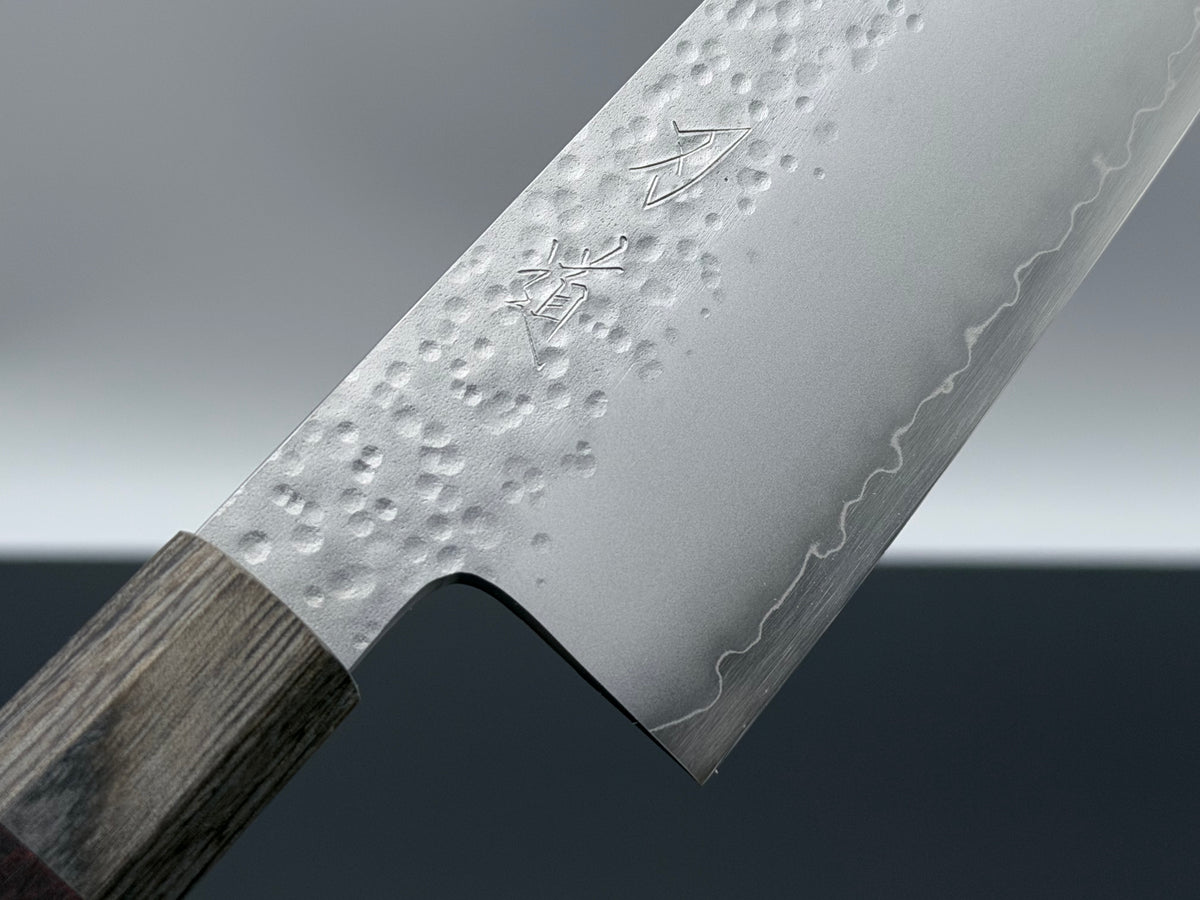
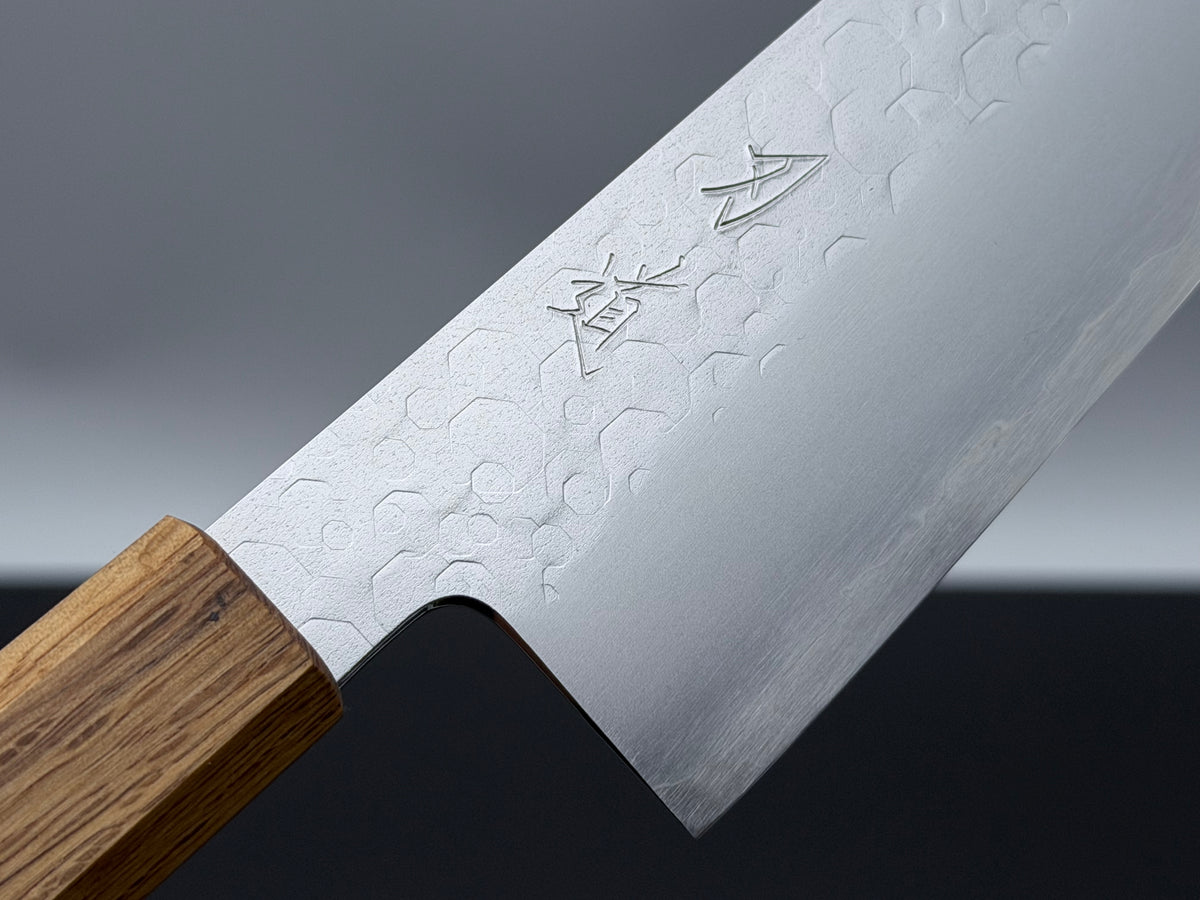
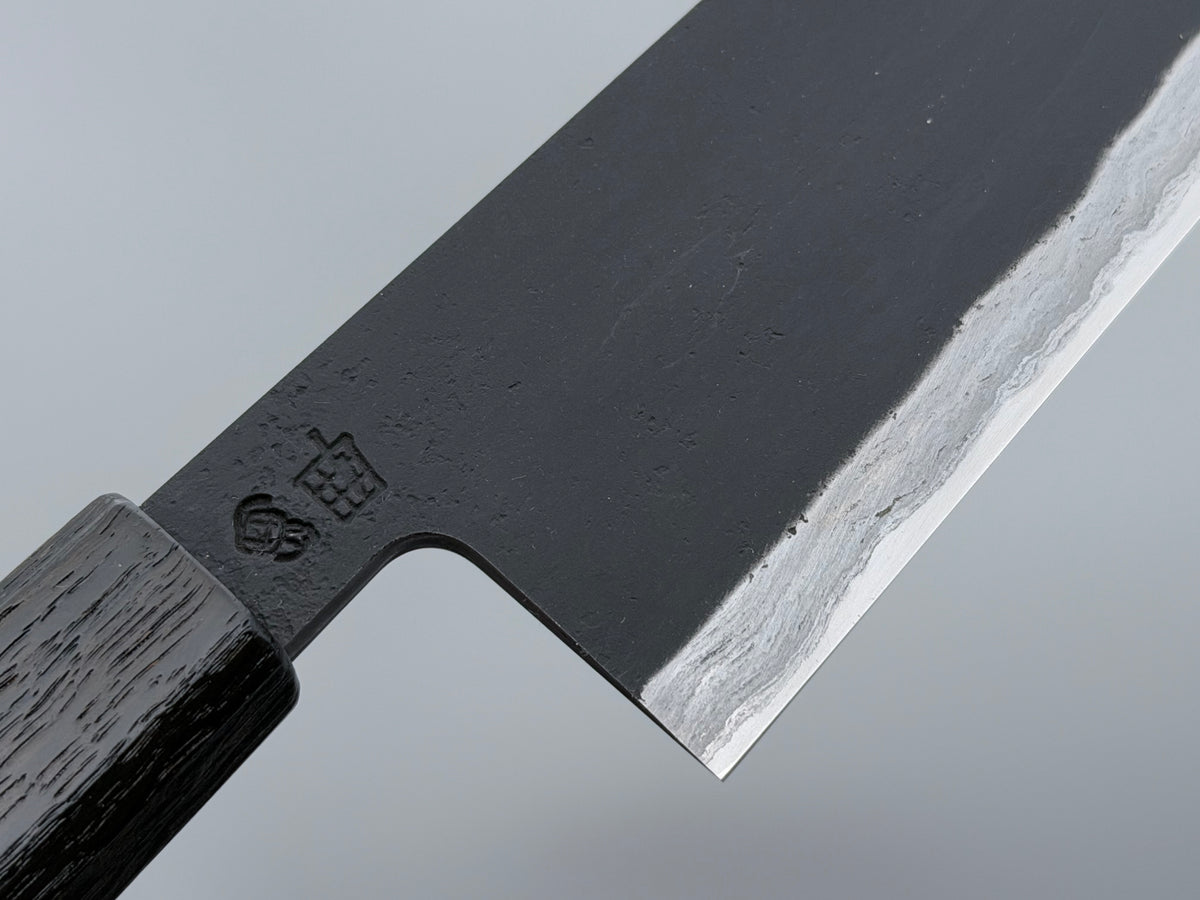
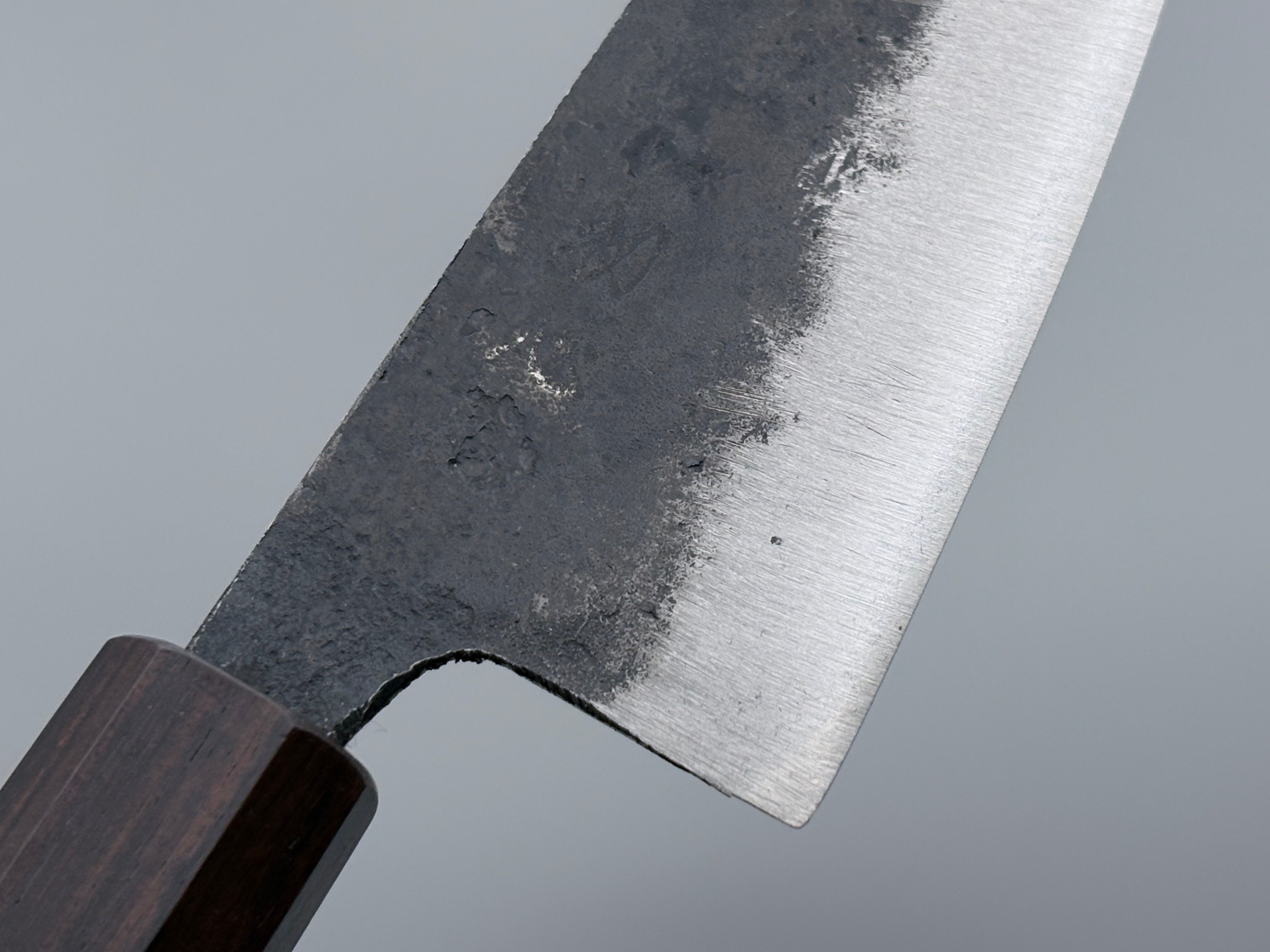
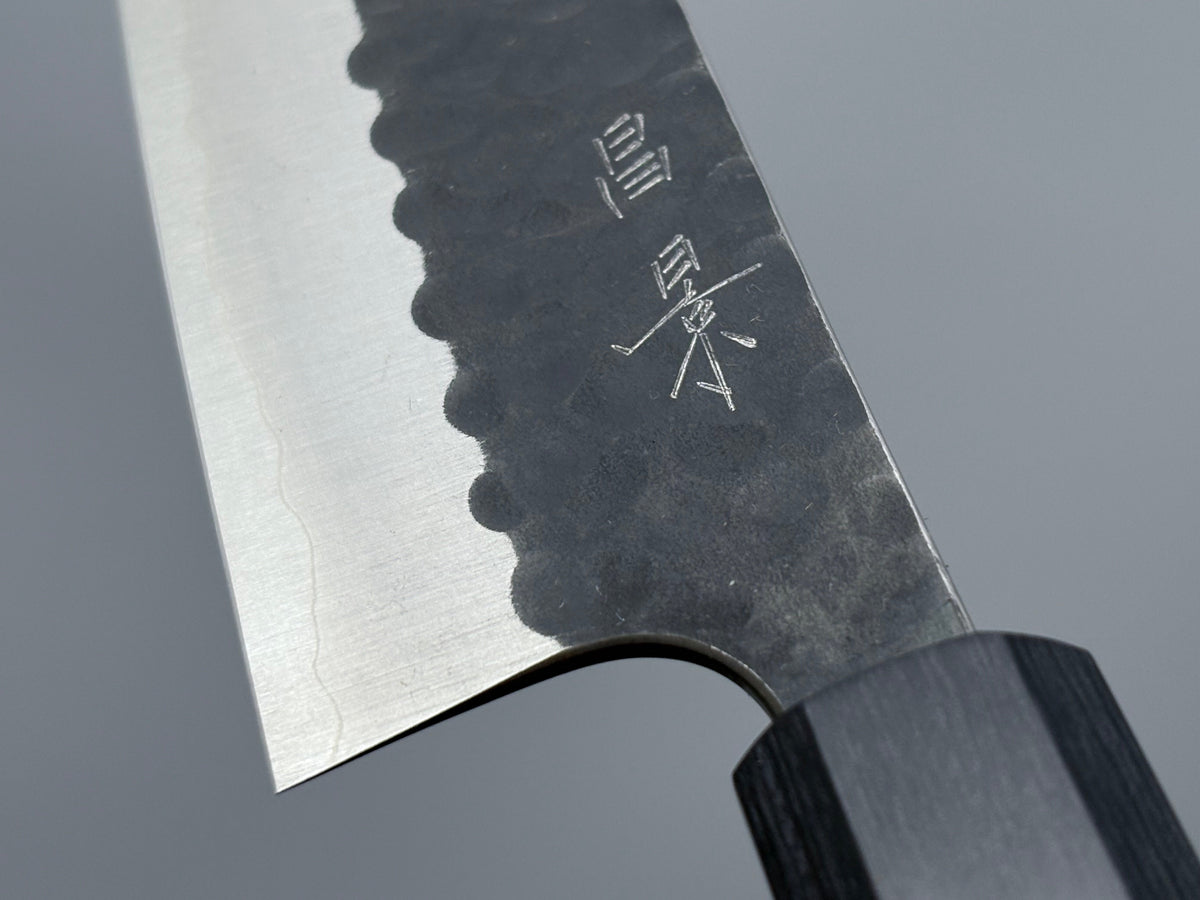
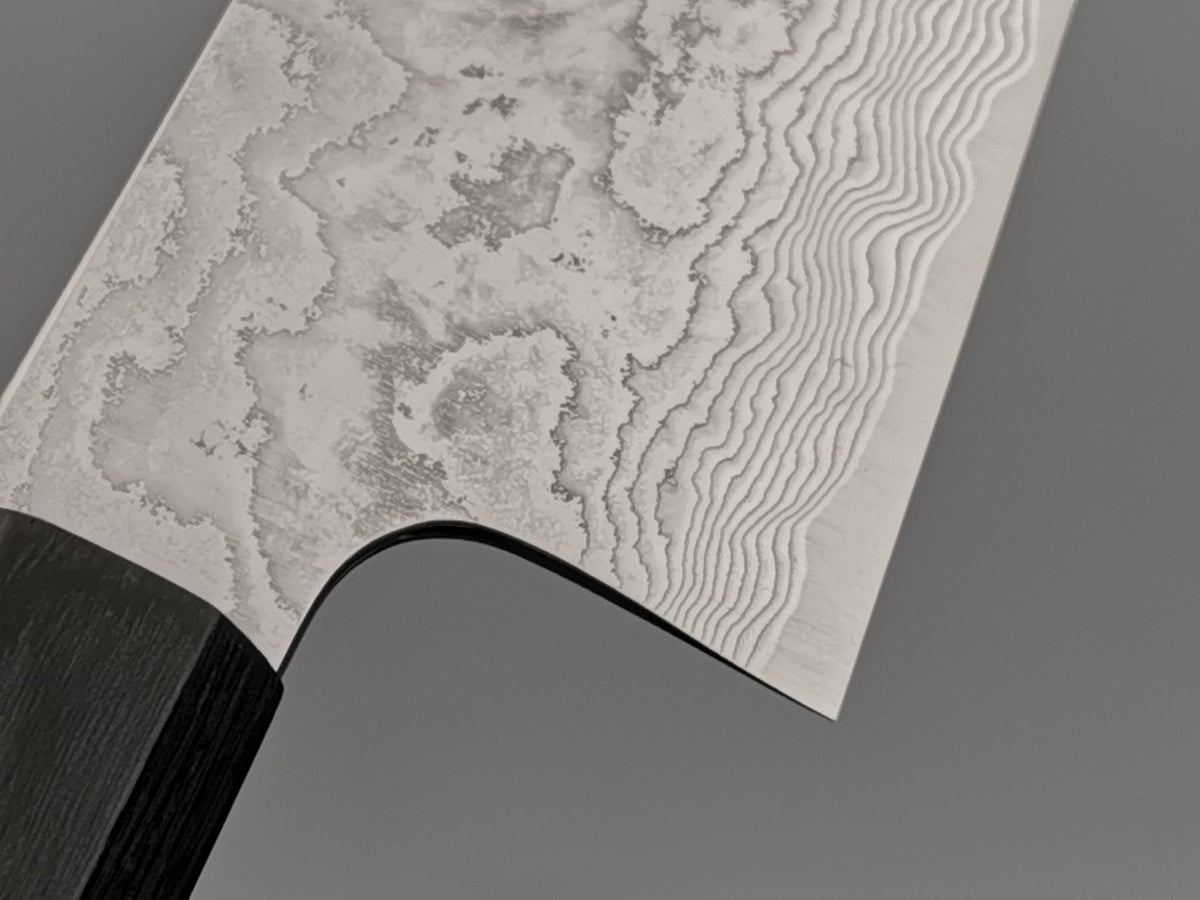
Steel choice matters as much as shape. If you want low maintenance, the Ginsan silver 3 steel knives in our collection offer stainless convenience with a fine, reactive-steel-like edge. If you prefer carbon and are happy to care for your blade, the Aogami Blue 2 knives take a keen edge and sharpen well on a whetstone. For powder metallurgy performance, the Japanese knives made with R2 steel hold their edge without needing constant attention between sessions.
How the bunka compares to other Japanese knife styles
Home cooks often find themselves choosing between the bunka, the gyuto and the santoku. The gyuto is longer and thinner, built for slicing and longer cutting strokes. The santoku has a flat tip and a sheep's foot profile that suits clean downward cuts. The bunka sits between the two, keeping that sharp point without giving up the wide-blade versatility that makes shorter Japanese knives so popular for everyday cooking.
Find your bunka knife at Cutting Edge Knives
Our full bunka knife collection brings together makers from across Japan, with a range of steels, handle styles and price points to suit every level of cook. We have been helping customers find the right blade since 2011, and our team is happy to offer guidance if you are unsure where to start. Browse the range and find a knife that will genuinely change how you feel at the chopping board.