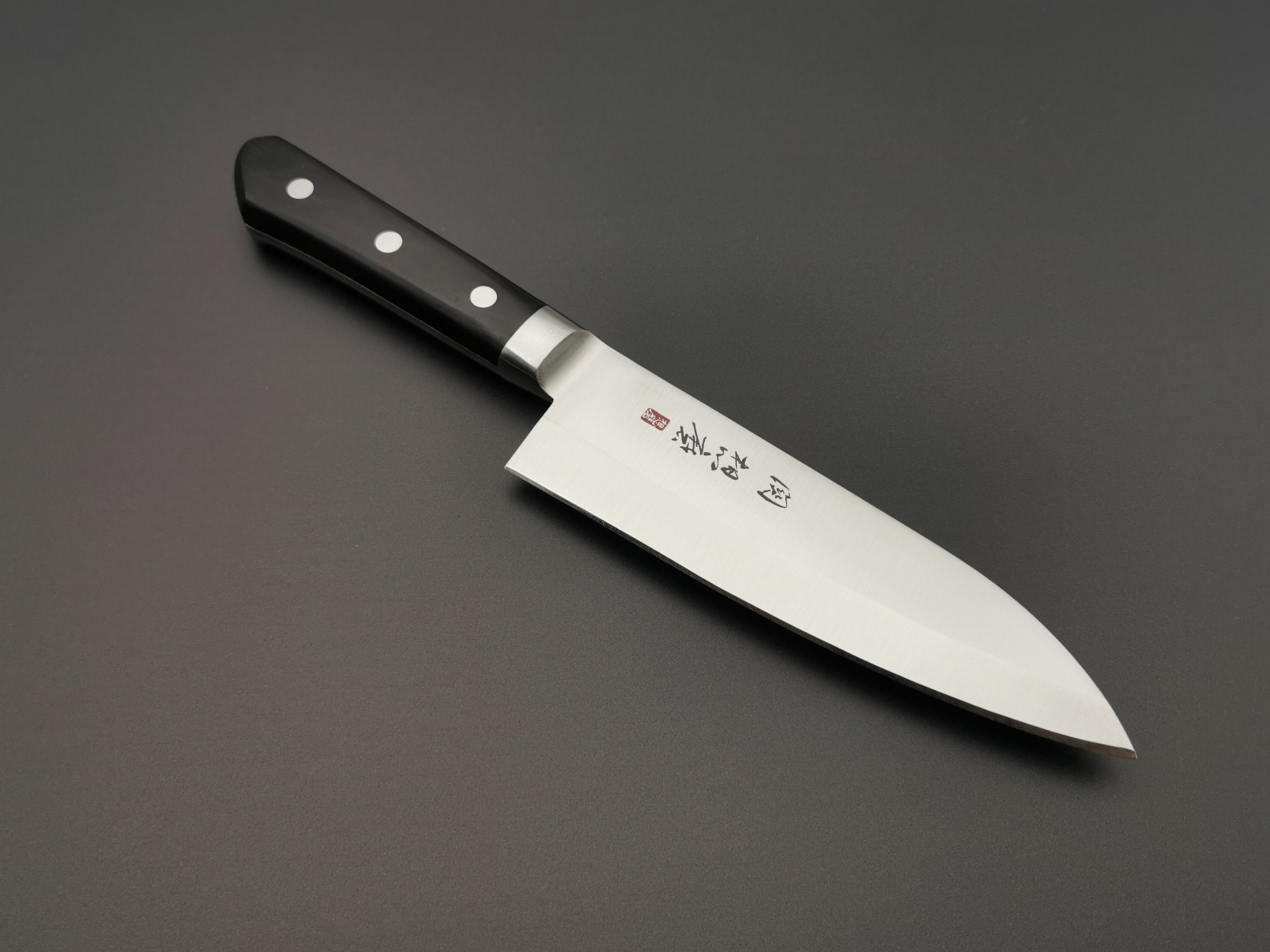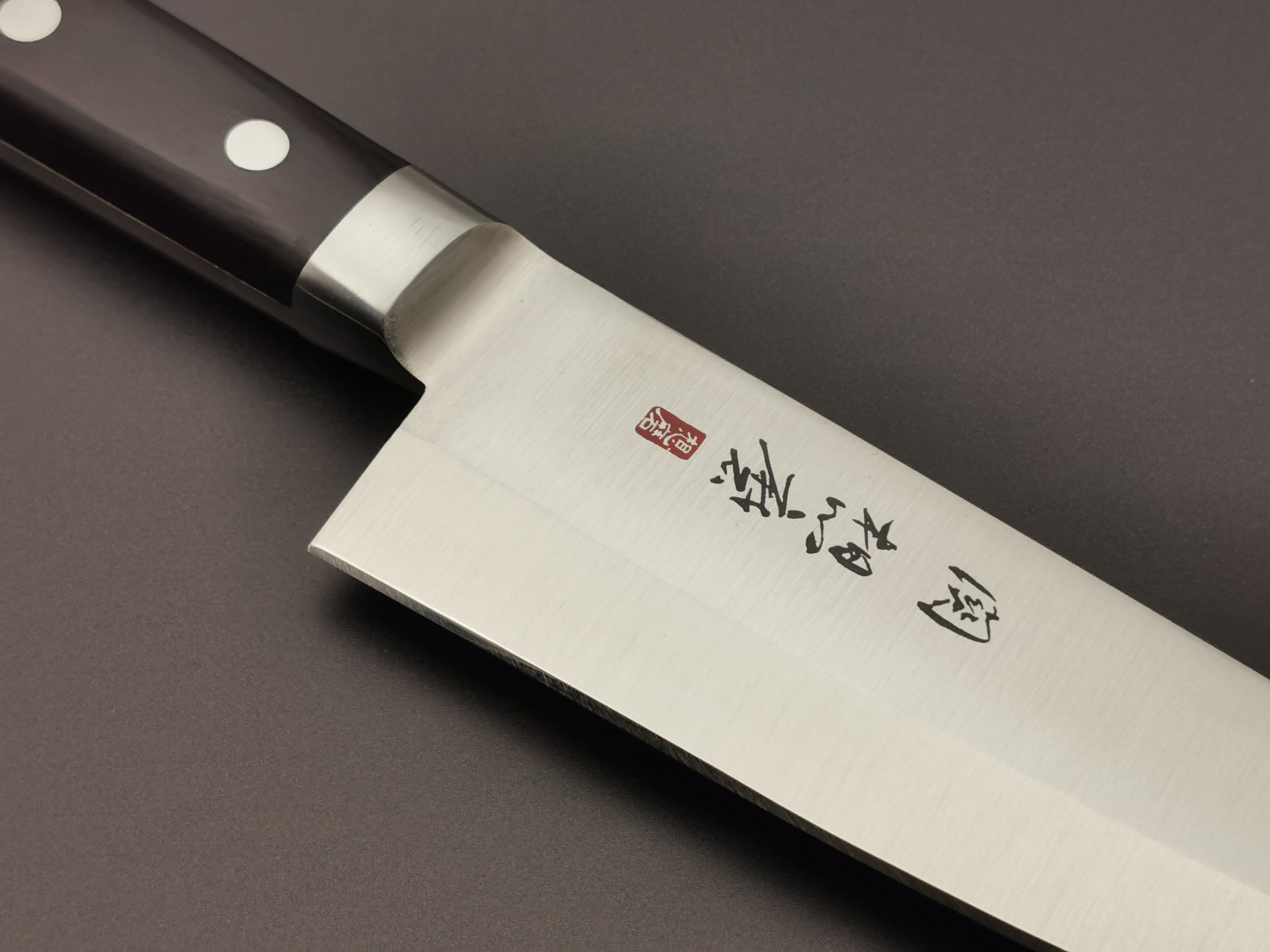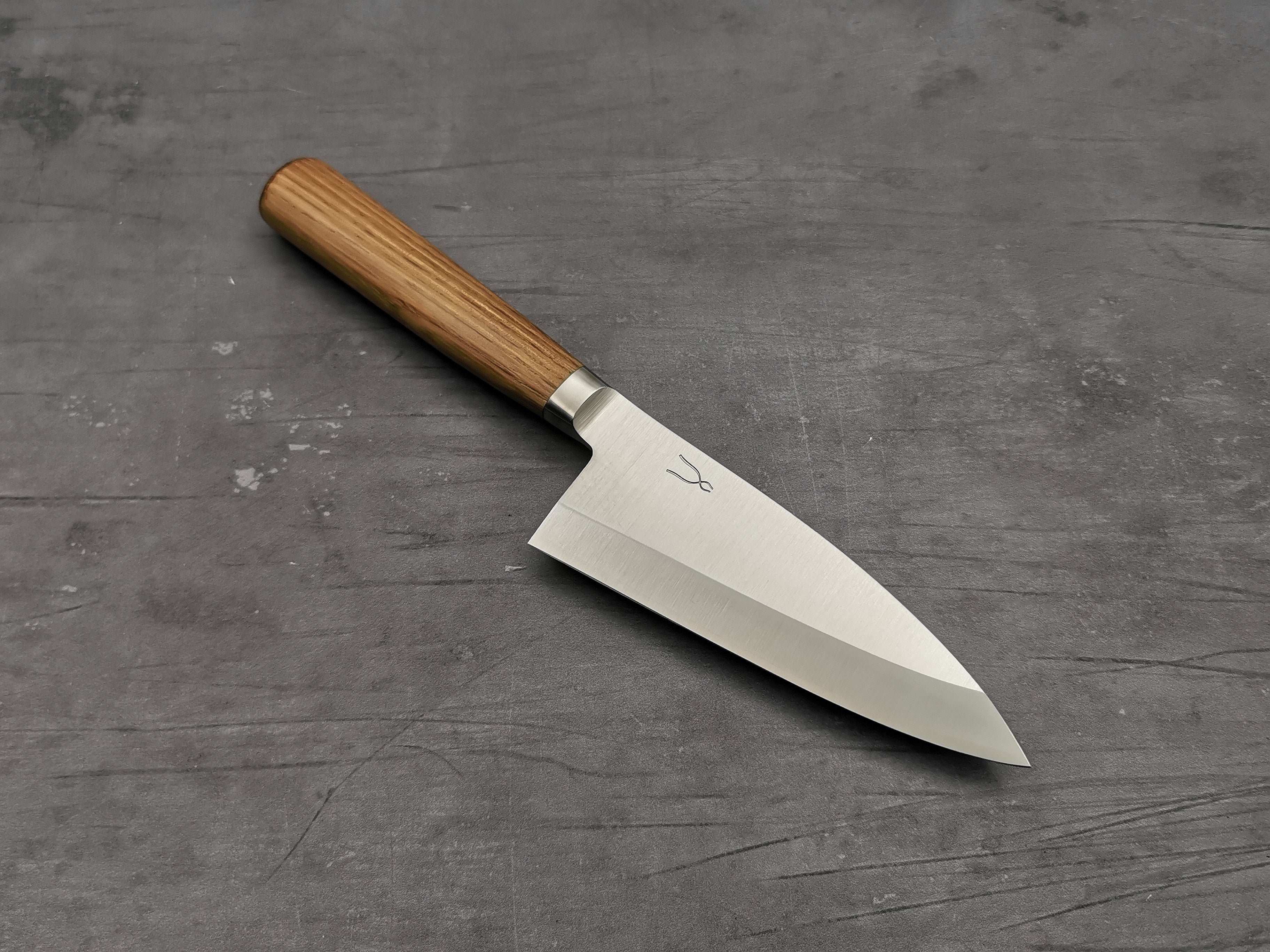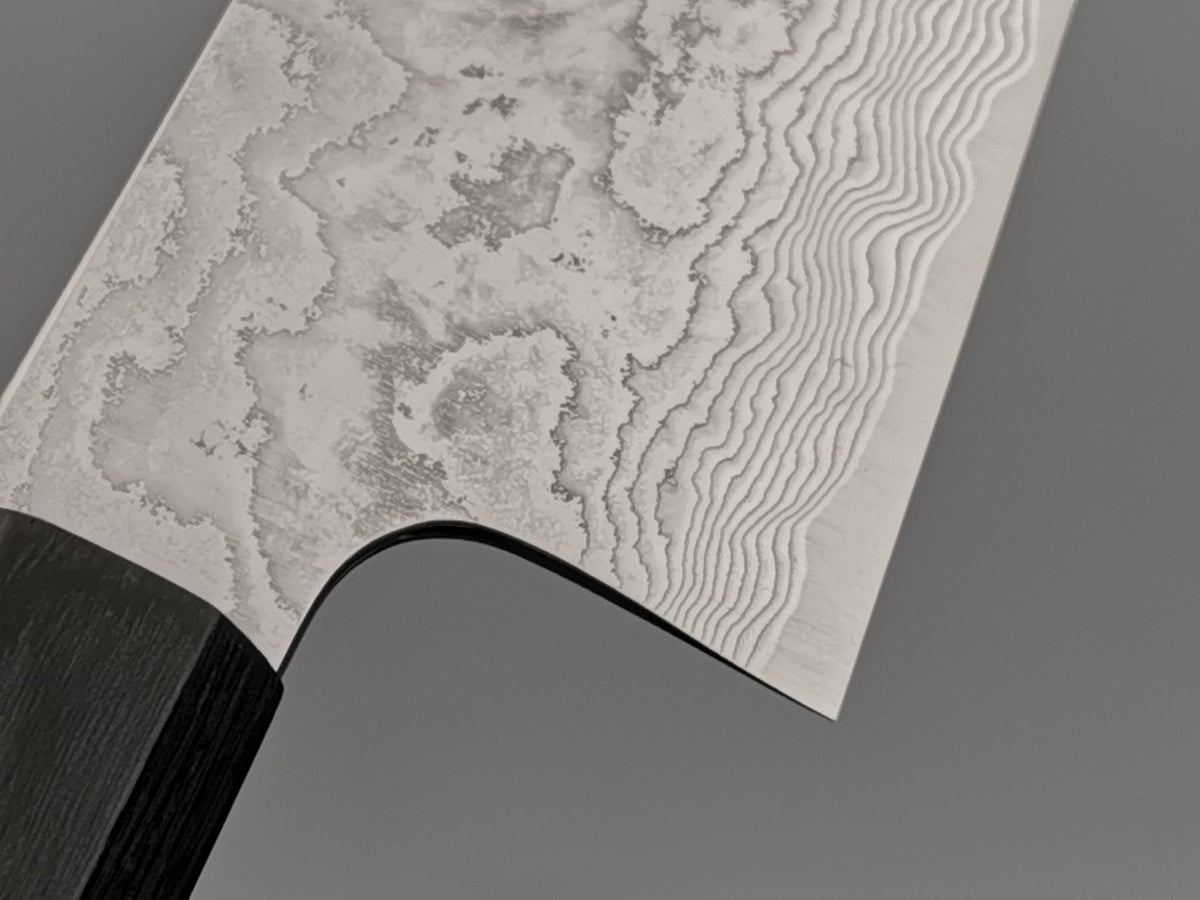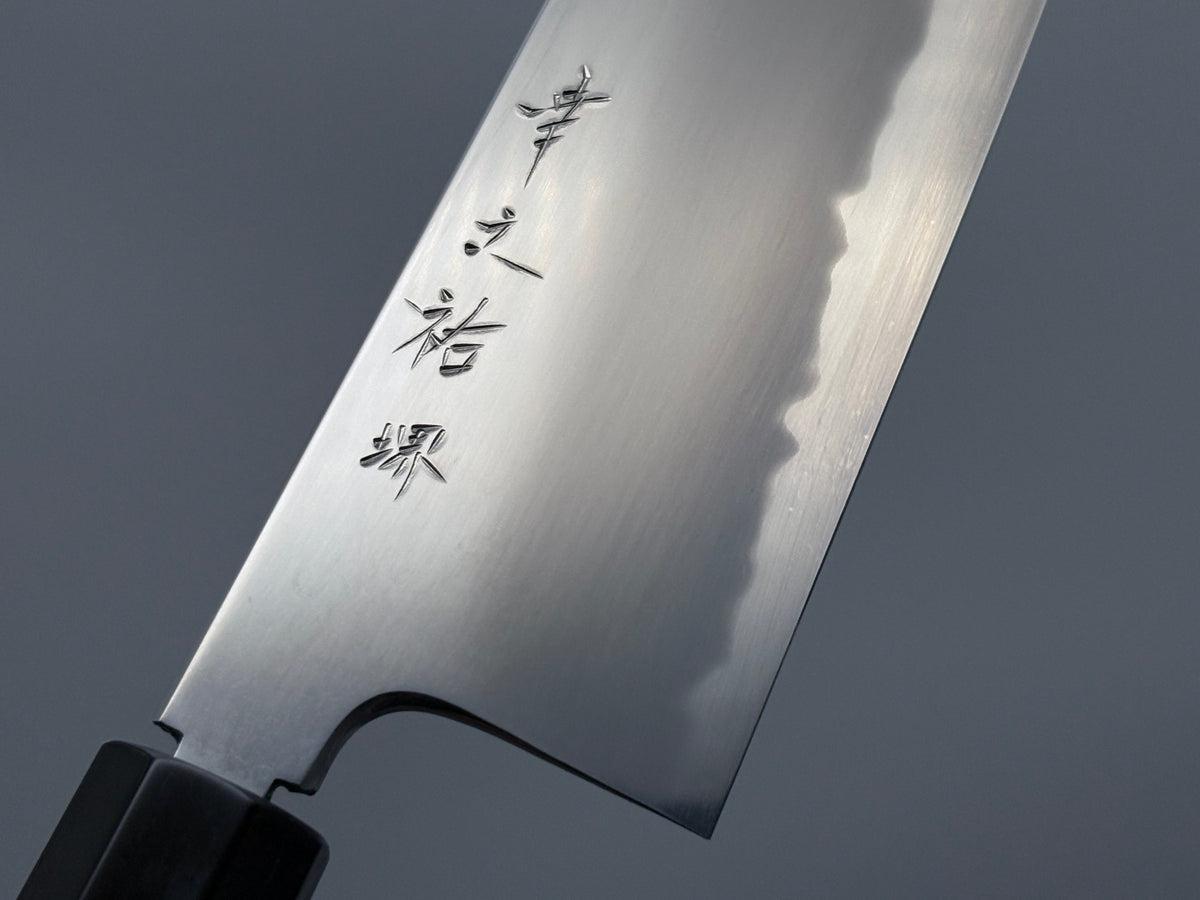

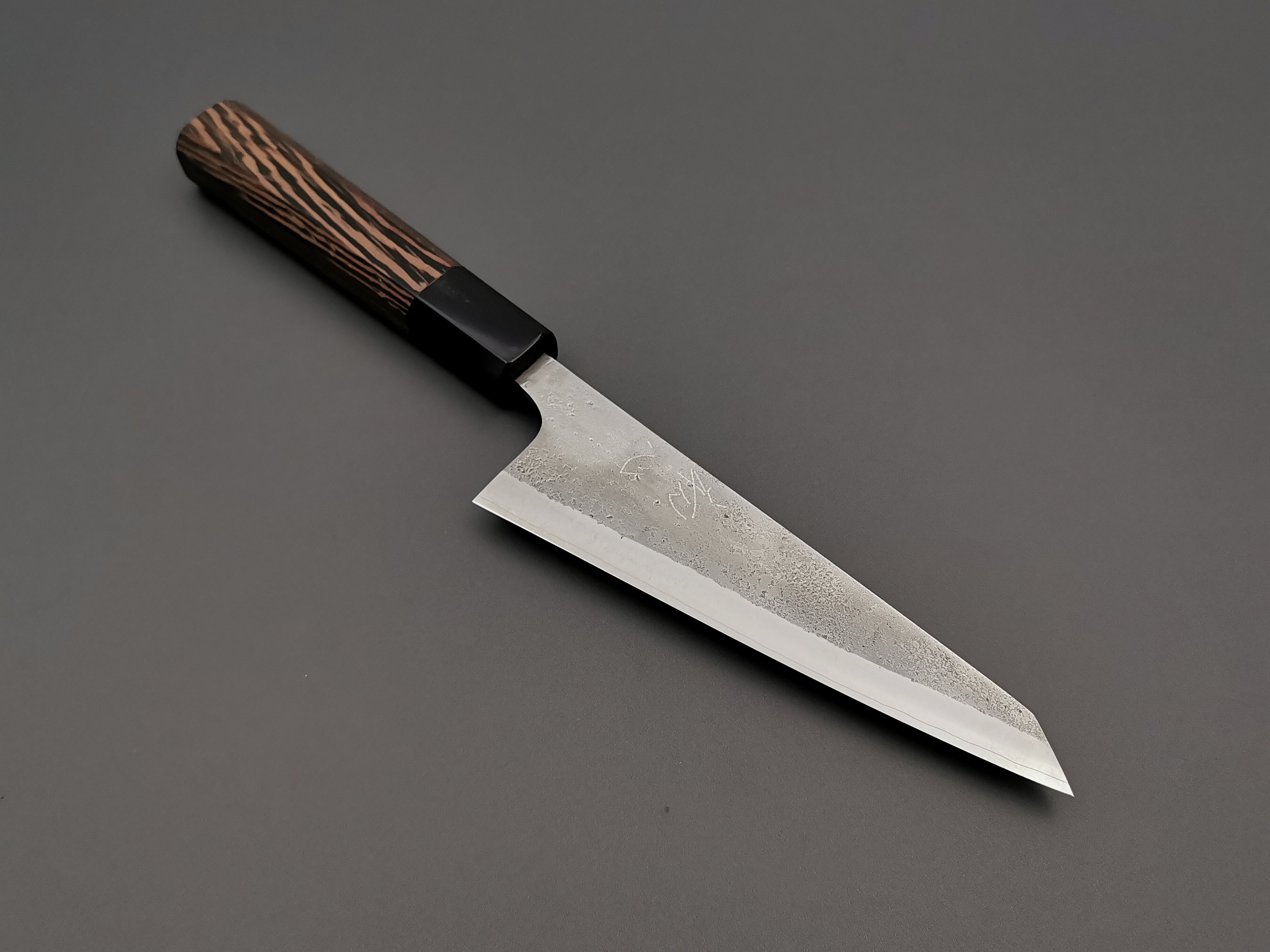
What is a Japanese boning knife?
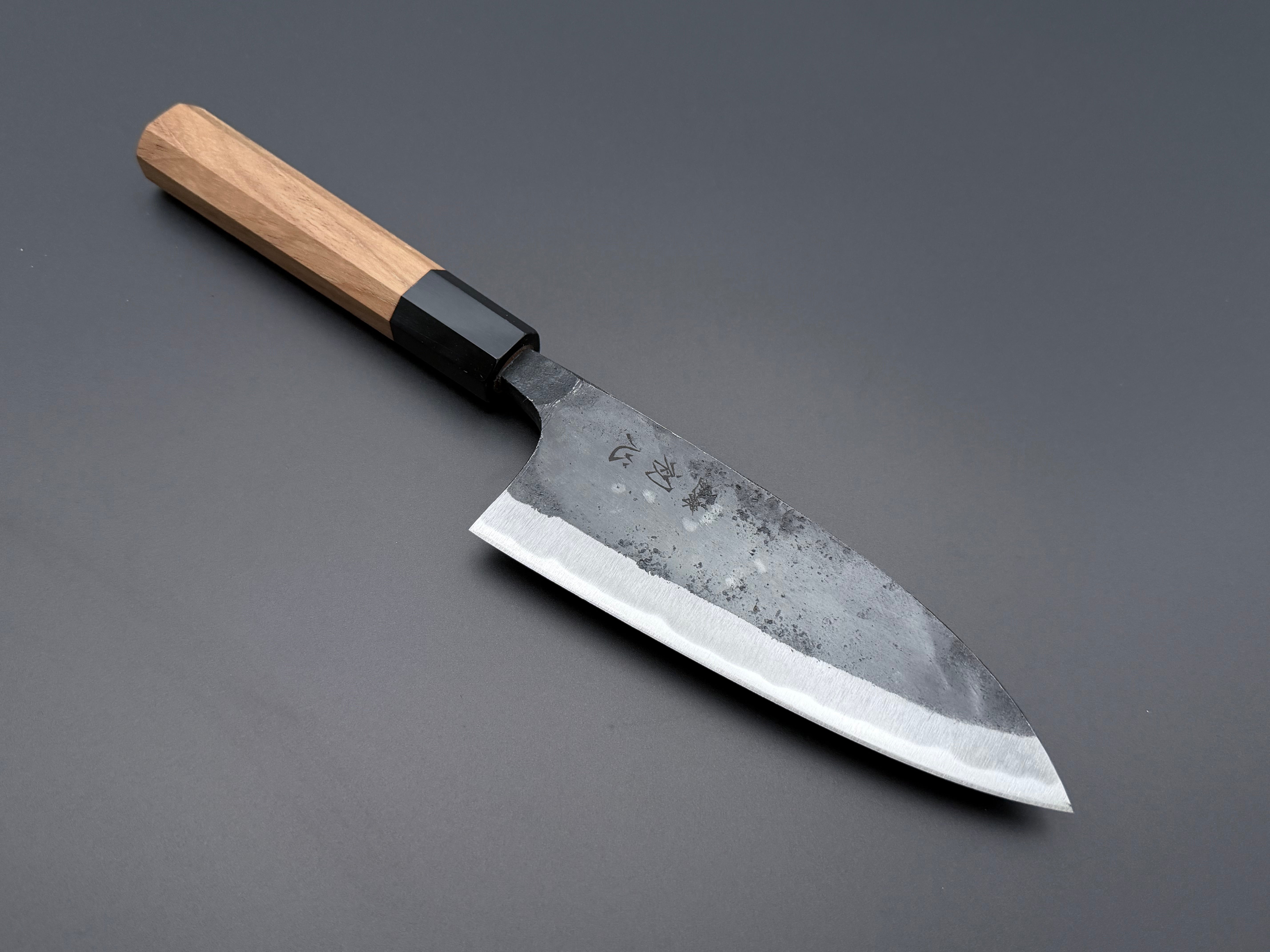
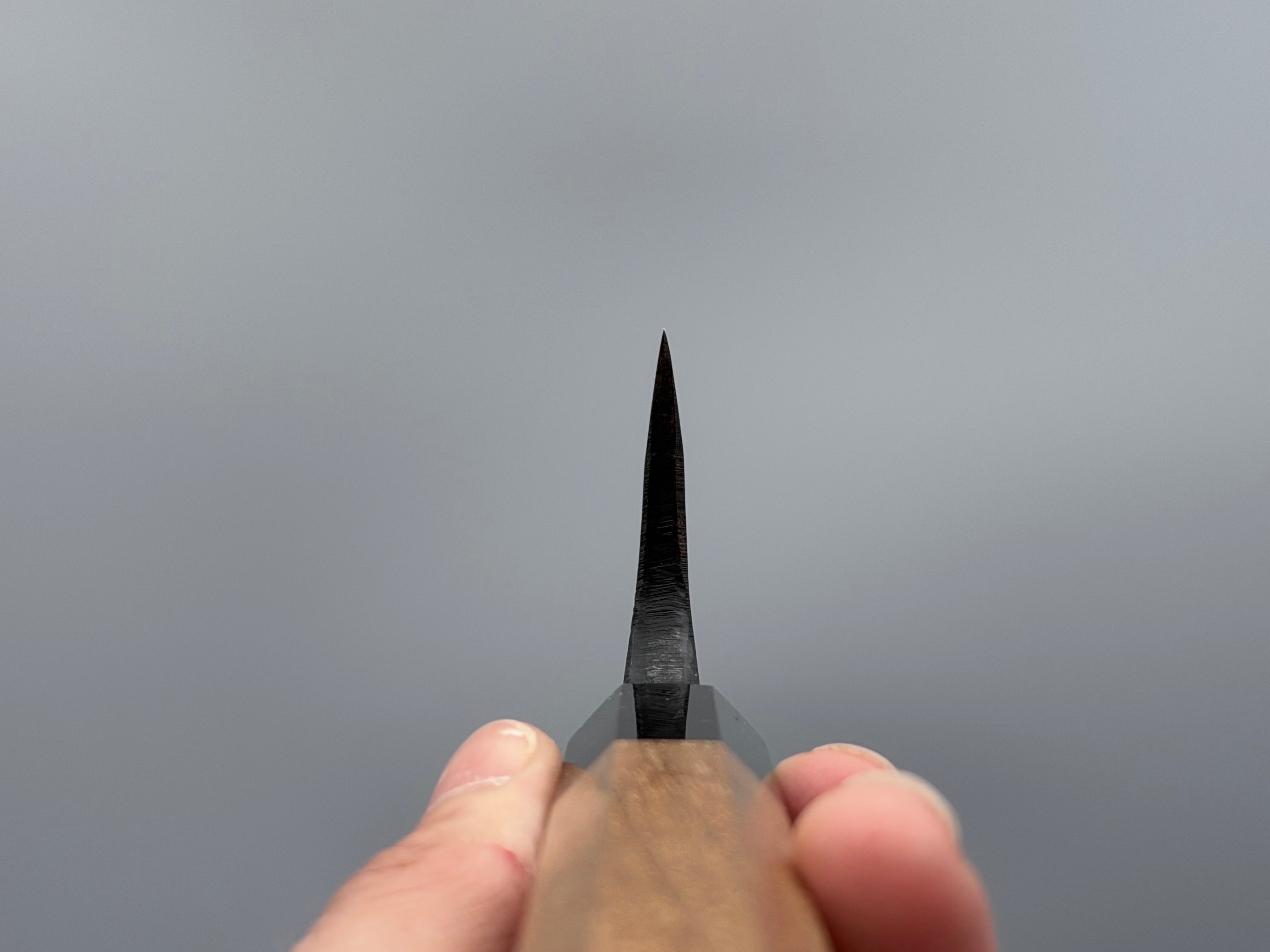
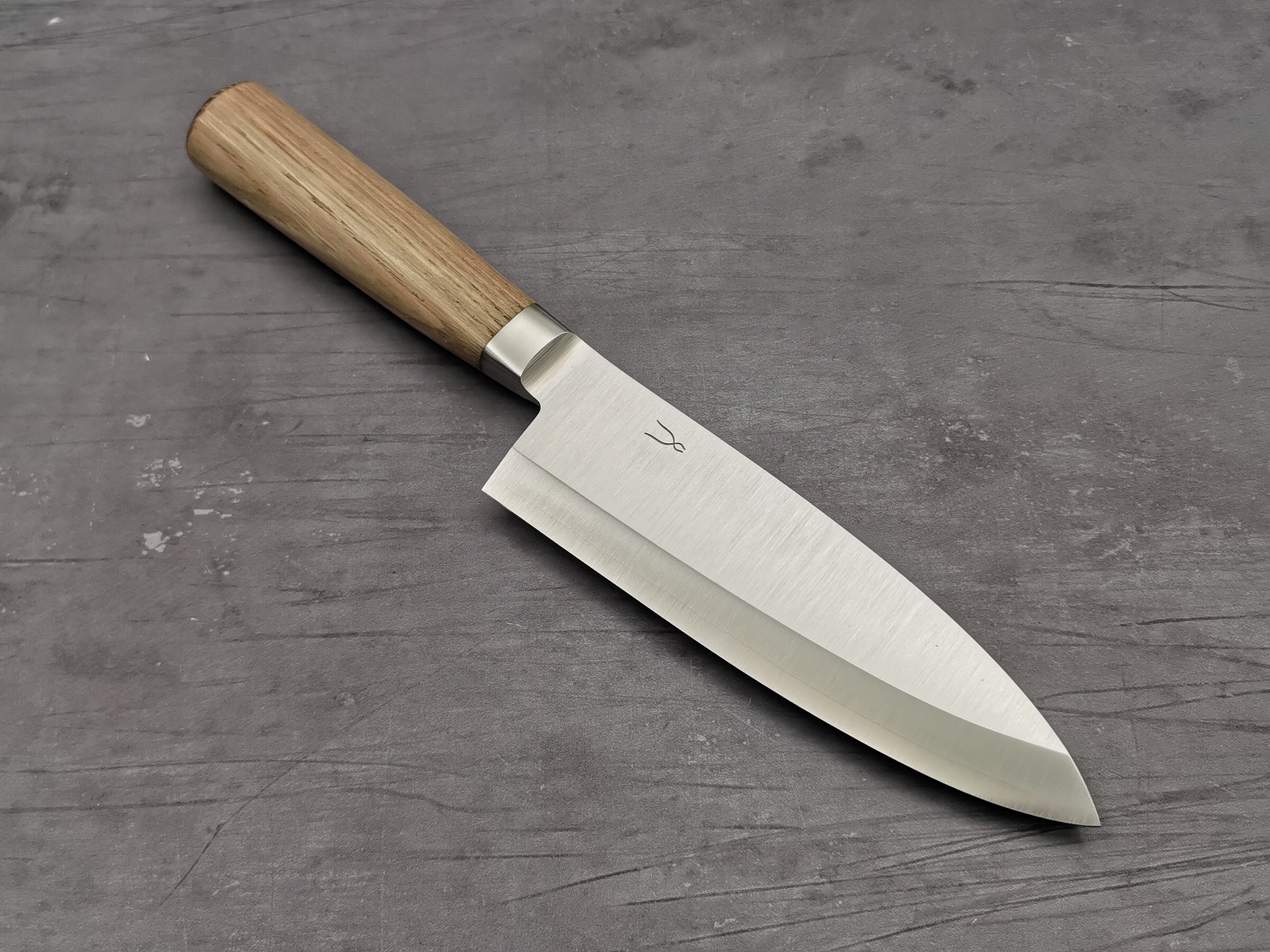
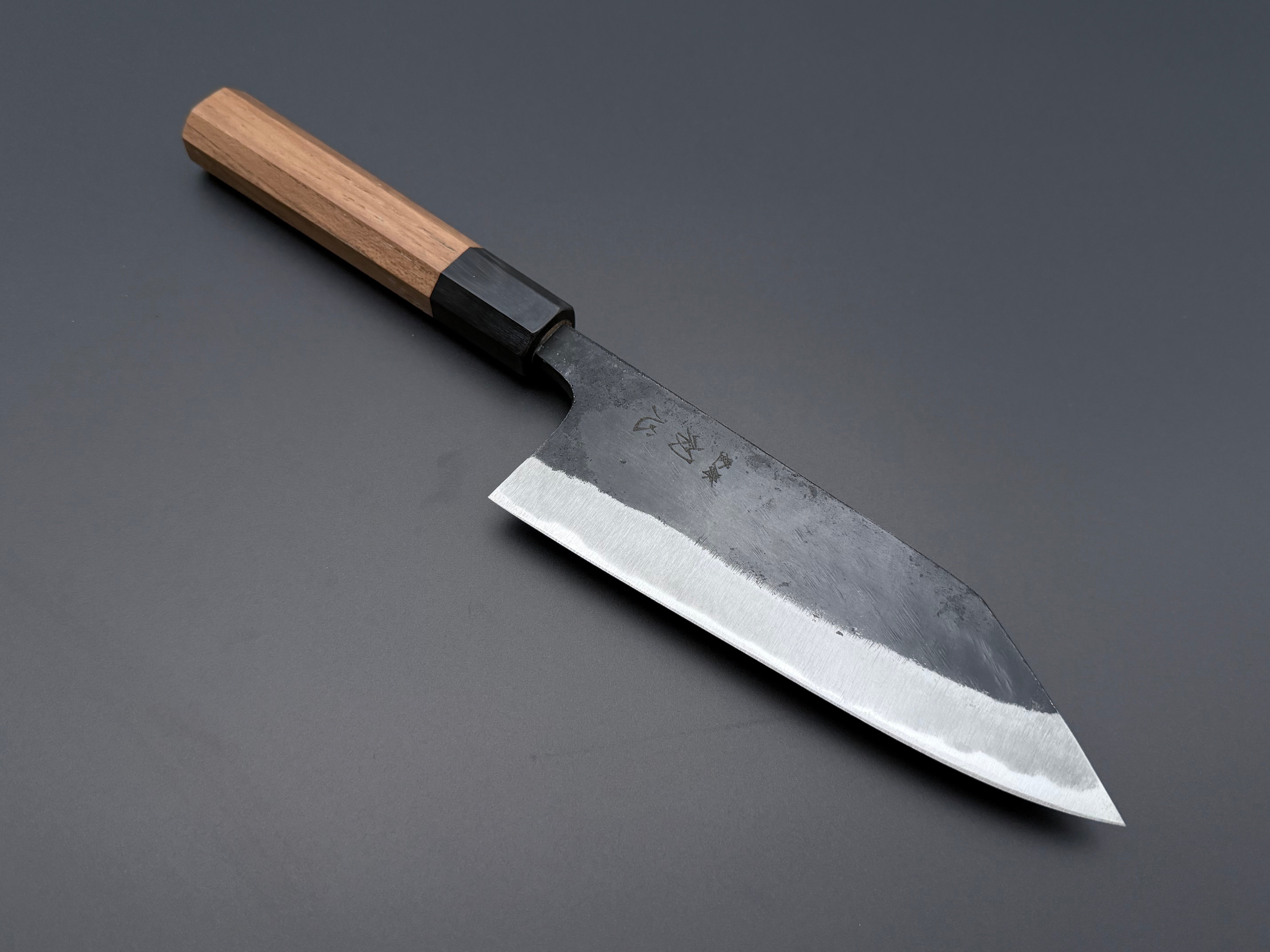
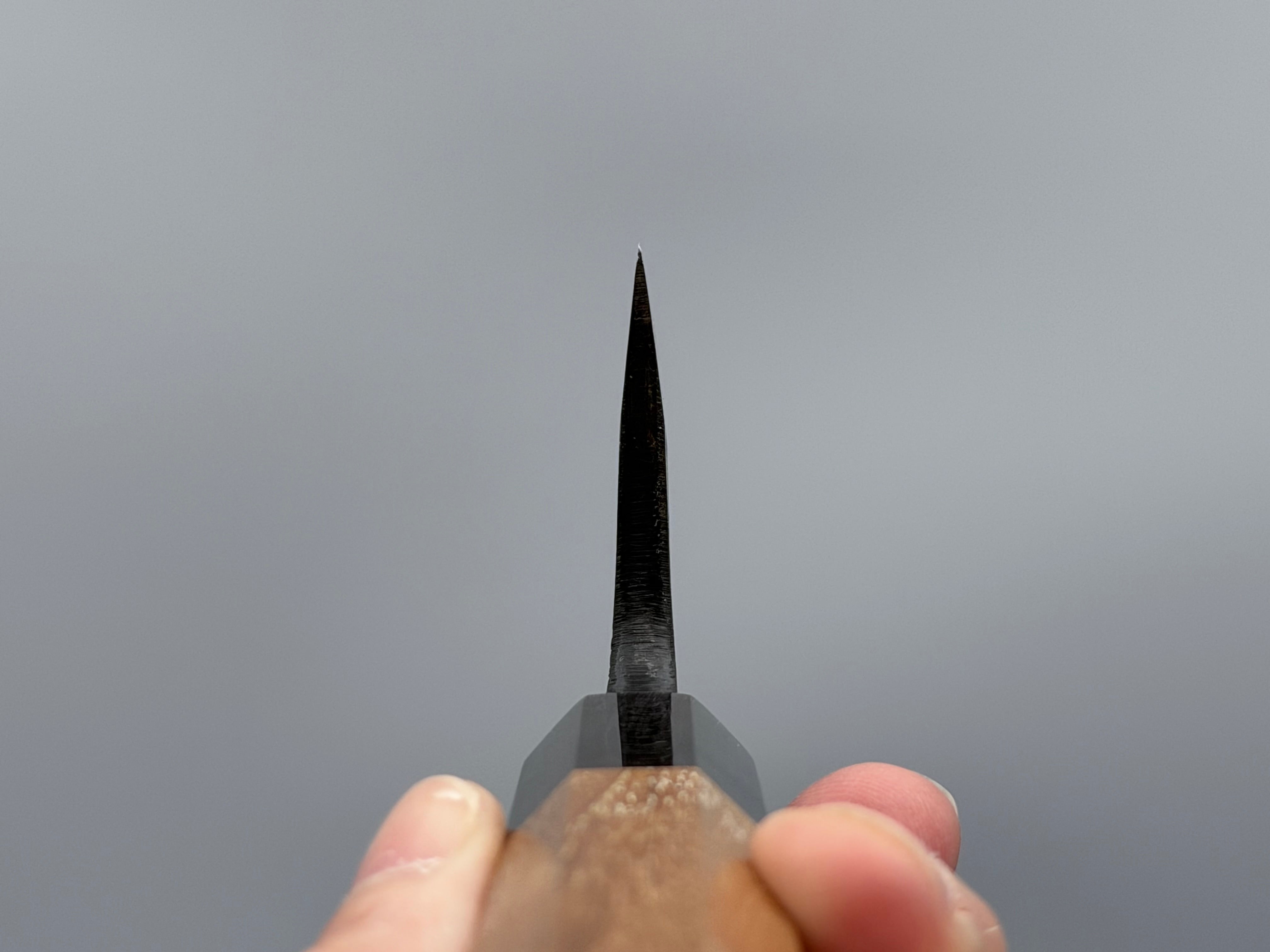
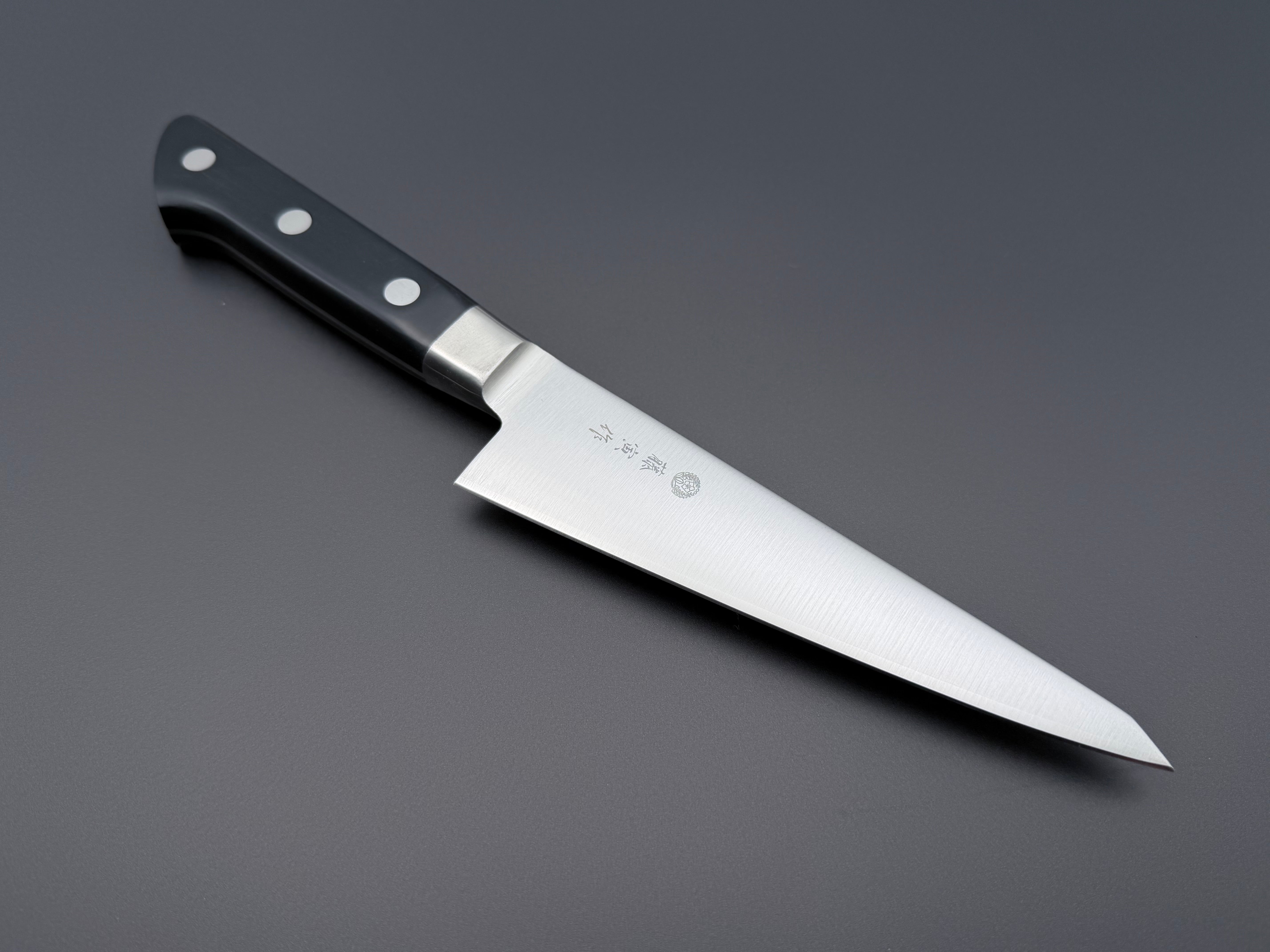
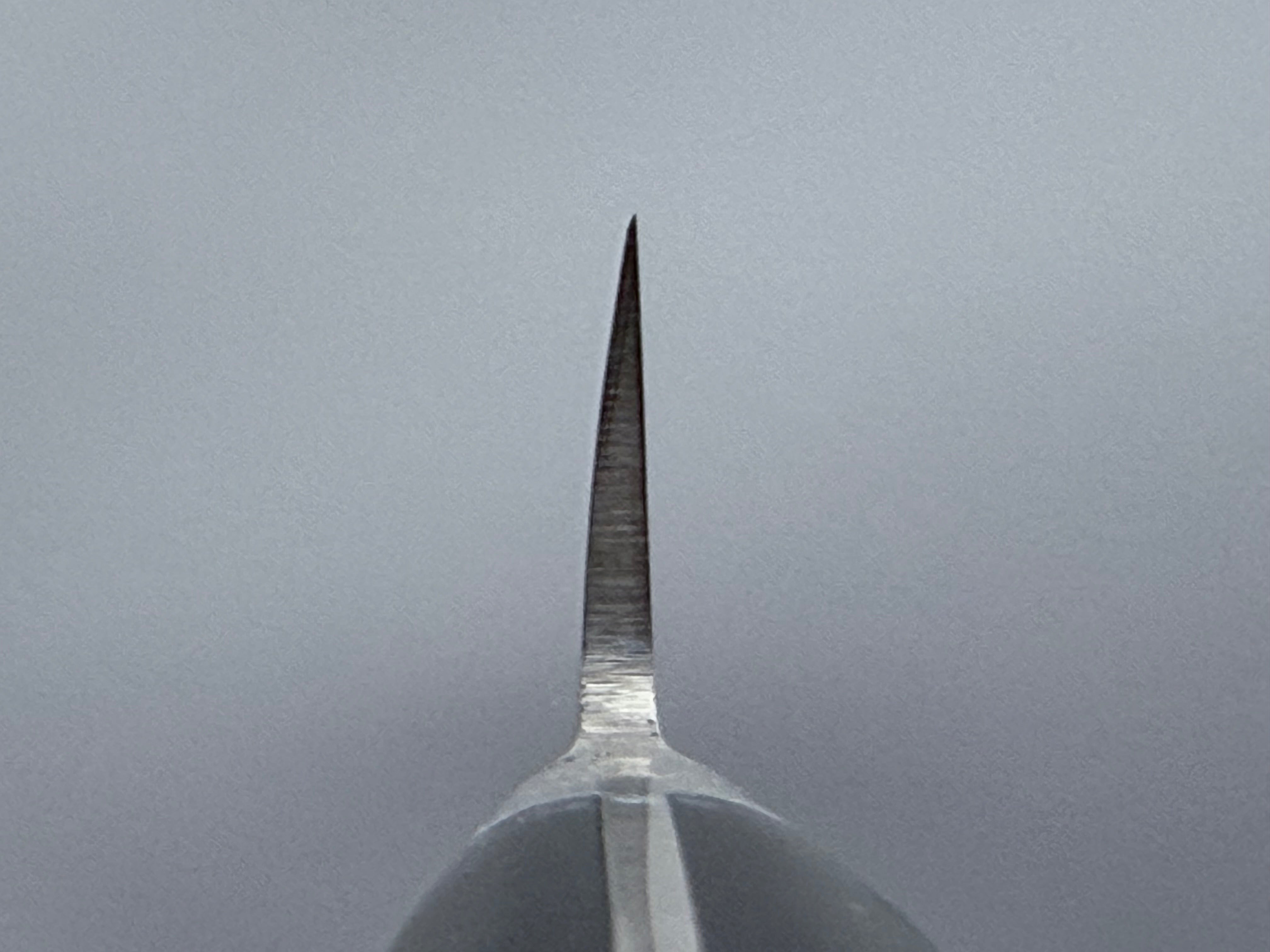
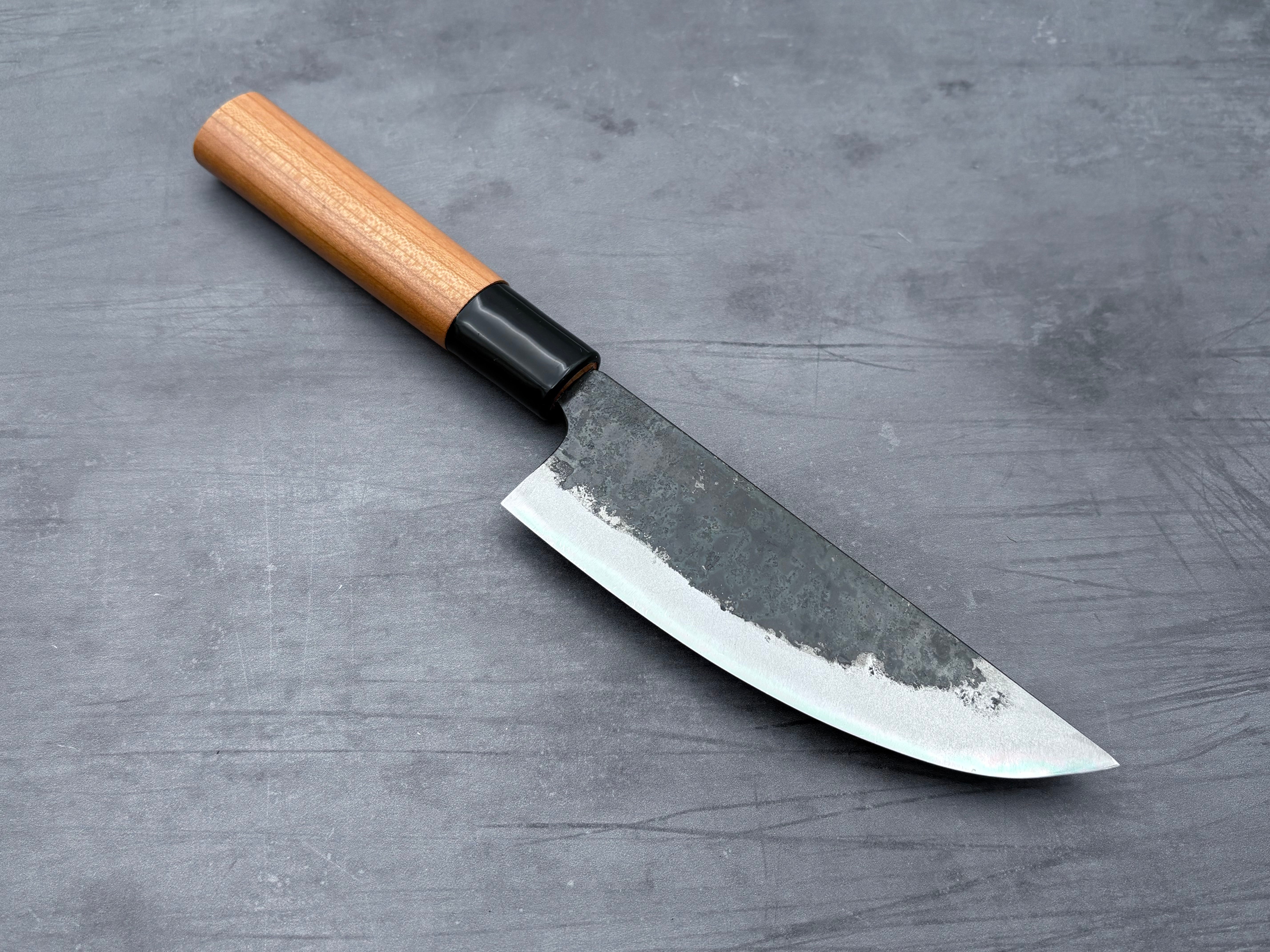
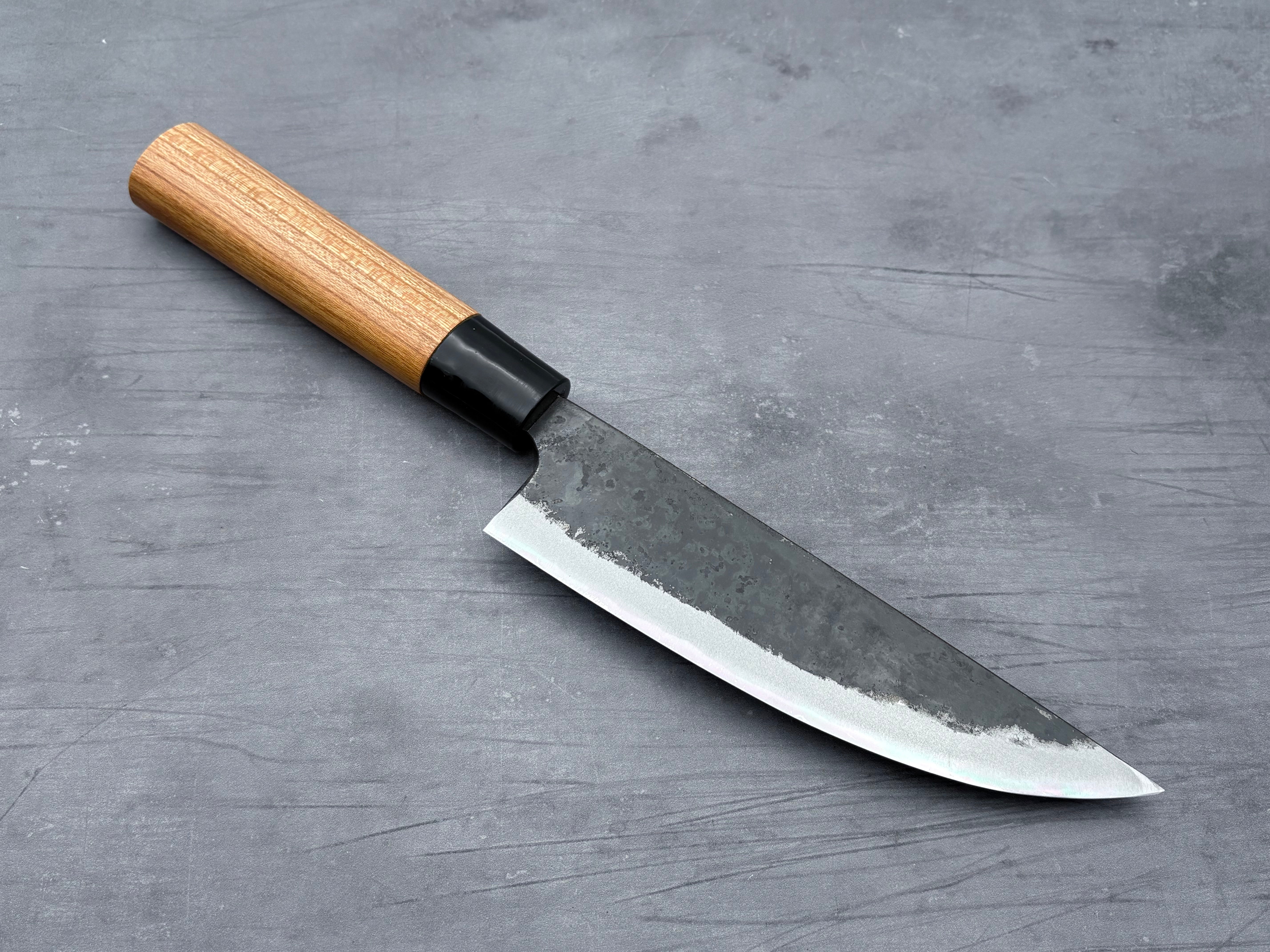
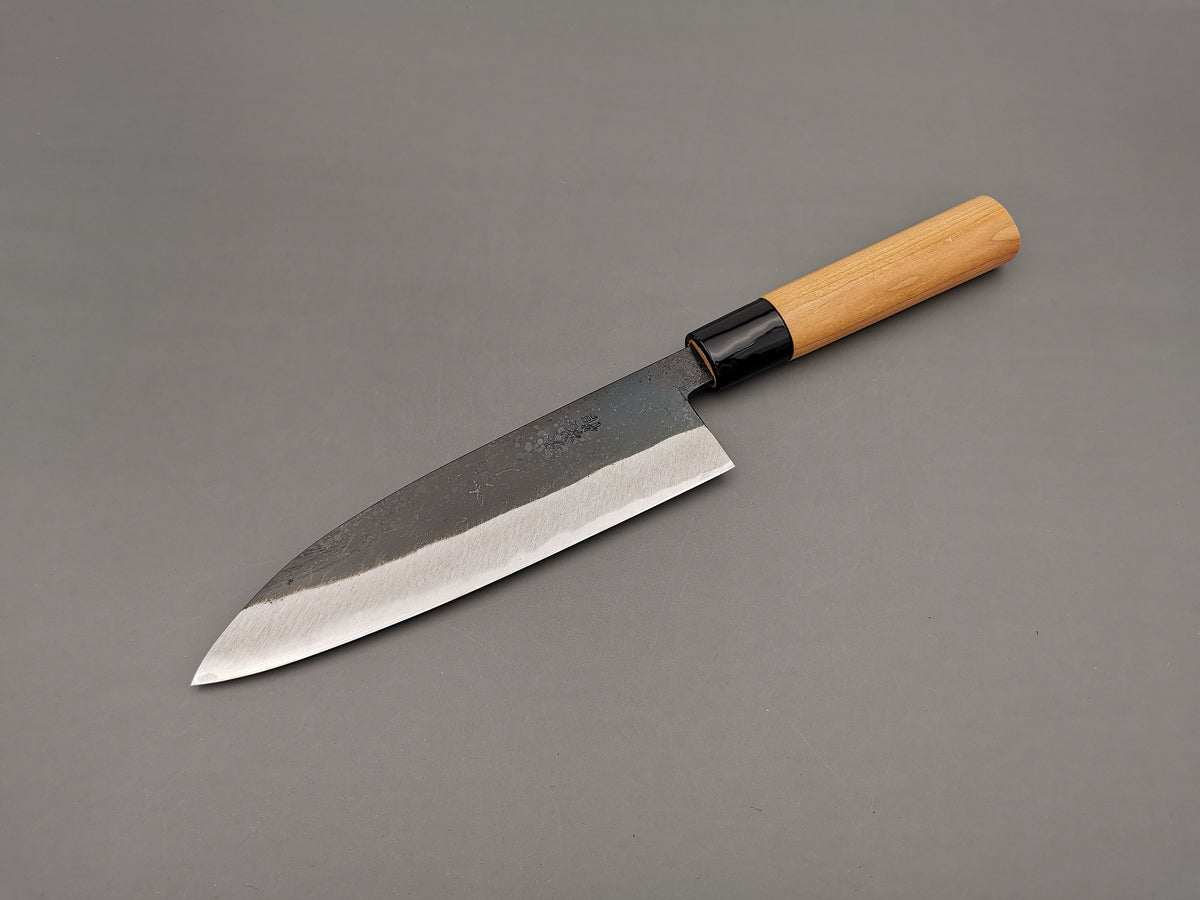
A Japanese boning knife is a specialist blade built to separate meat from bone cleanly, with minimal waste. Compared to the heavier Western boning knives most cooks grow up with, Japanese versions are ground thinner behind the edge, sharpened to finer angles and noticeably lighter in the hand. That combination lets you work closely around joints, cartilage and curved bones without tearing the meat. If you have ever wrestled with a thick-spined Western boning knife on a chicken or a rack of ribs, picking up a Japanese boning knife for the first time tends to settle the question immediately.

The two styles most associated with boning work in Japanese cutlery are the honesuki and the garasuki. The honesuki is the smaller of the two, typically 145 to 165mm, with a triangular blade profile and a stiff spine built for breaking down chicken and smaller game. The garasuki uses the same geometry scaled up for larger cuts. Both are ground as double-bevel knives in their Western-market versions, though single-bevel honesuki exist for professional use.
Japanese boning knife steel: what to look for
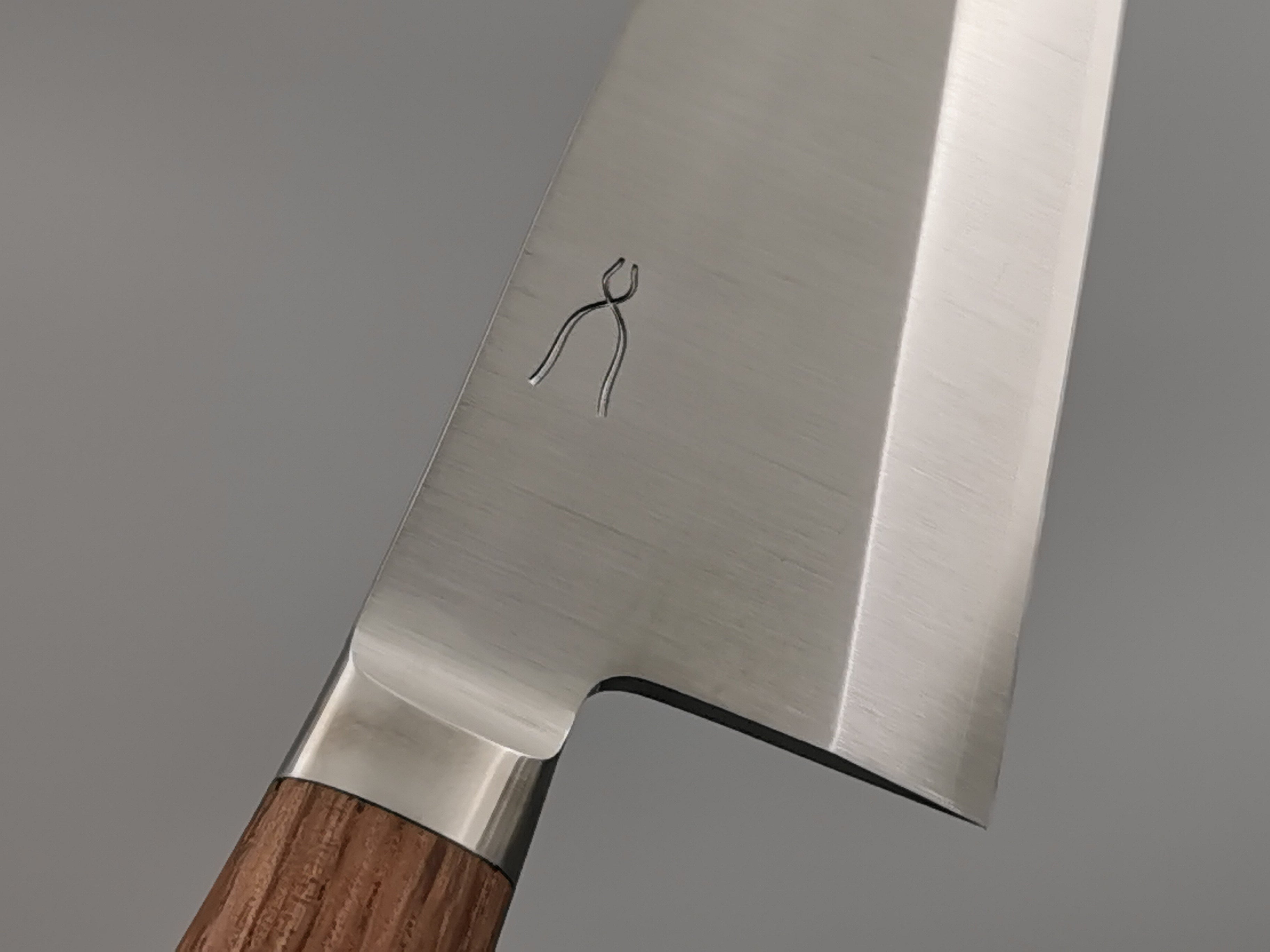
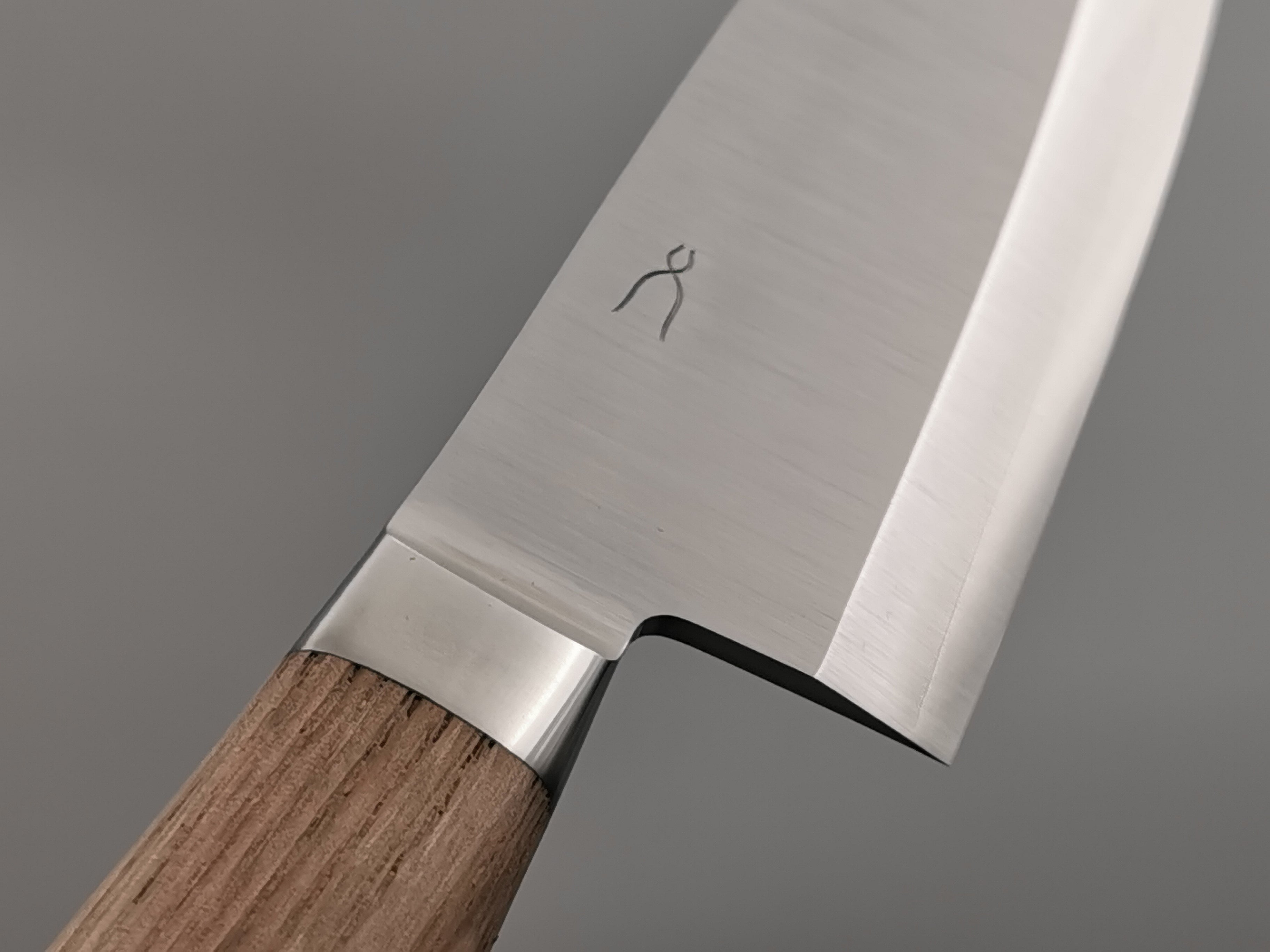
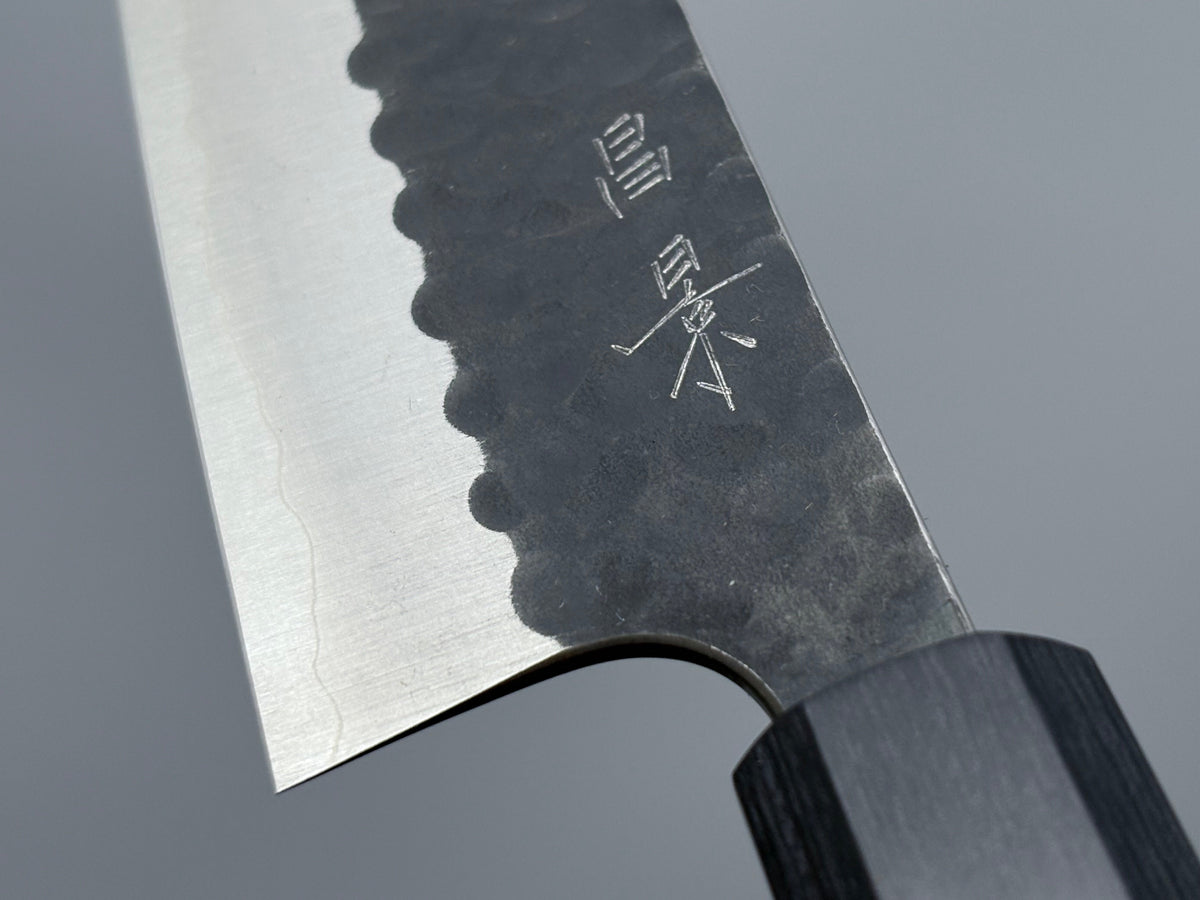
Steel choice matters more in a boning knife than in most other blades, because the knife gets levered and twisted against bone on a regular basis. Stainless and semi-stainless steels offer a sensible balance of resilience and edge retention. Ginsan silver 3, used by makers such as Hado Knife, sits in a useful middle ground: it sharpens almost as readily as carbon steel but resists corrosion well enough for a busy kitchen. Hado, based in Sakai City, work with master blacksmiths and pay close attention to edge geometry and balance, both of which matter in a boning knife where feel and feedback do a lot of the work. SG2 and VG10 are also worth considering if low maintenance is a priority.
Honesuki vs a general-purpose Japanese knife for boning
Some cooks wonder whether a gyuto or all-rounder Japanese chef knife can fill in for a dedicated boning knife. For portioning boneless cuts, yes. For working around joints and navigating bone structure, not really. The honesuki's triangular point and stiff spine give you a level of control that a longer, more flexible blade cannot replicate. If you regularly break down whole birds or trim larger primal cuts, a dedicated Japanese boning and butchery knife is worth the investment.
Blade length and what it means in practice
Most honesuki fall in the 135 to 150mm range, which suits chicken and rabbit comfortably. A garasuki or larger boning knife might sit closer to the 151 to 179mm bracket, giving more reach for pork and lamb. The right length comes down to the proteins you work with most, not any rule about quality.
Caring for a Japanese boning knife
Japanese boning knives are ground thinner than their Western counterparts, so a little extra care goes a long way. Wash by hand and dry immediately after use; moisture sitting on the blade is a problem, especially with reactive carbon steels. For sharpening, a medium grit whetstone in the 1000 to 2000 range is a sensible starting point, with a finishing stone if you want to restore a polished edge. Avoid steel honing rods on fine Japanese edges, as they can chip the bevel. A leather strop used regularly between sharpenings keeps the edge performing well and reduces how often you need to return to the stones.
Find the right Japanese boning knife
Whether you are a home cook who occasionally breaks down a chicken or a professional after a high-performance honesuki, our full range of Japanese boning and butchery knives brings together carefully selected blades from trusted makers. Browse the collection to find something that suits your technique and your budget.