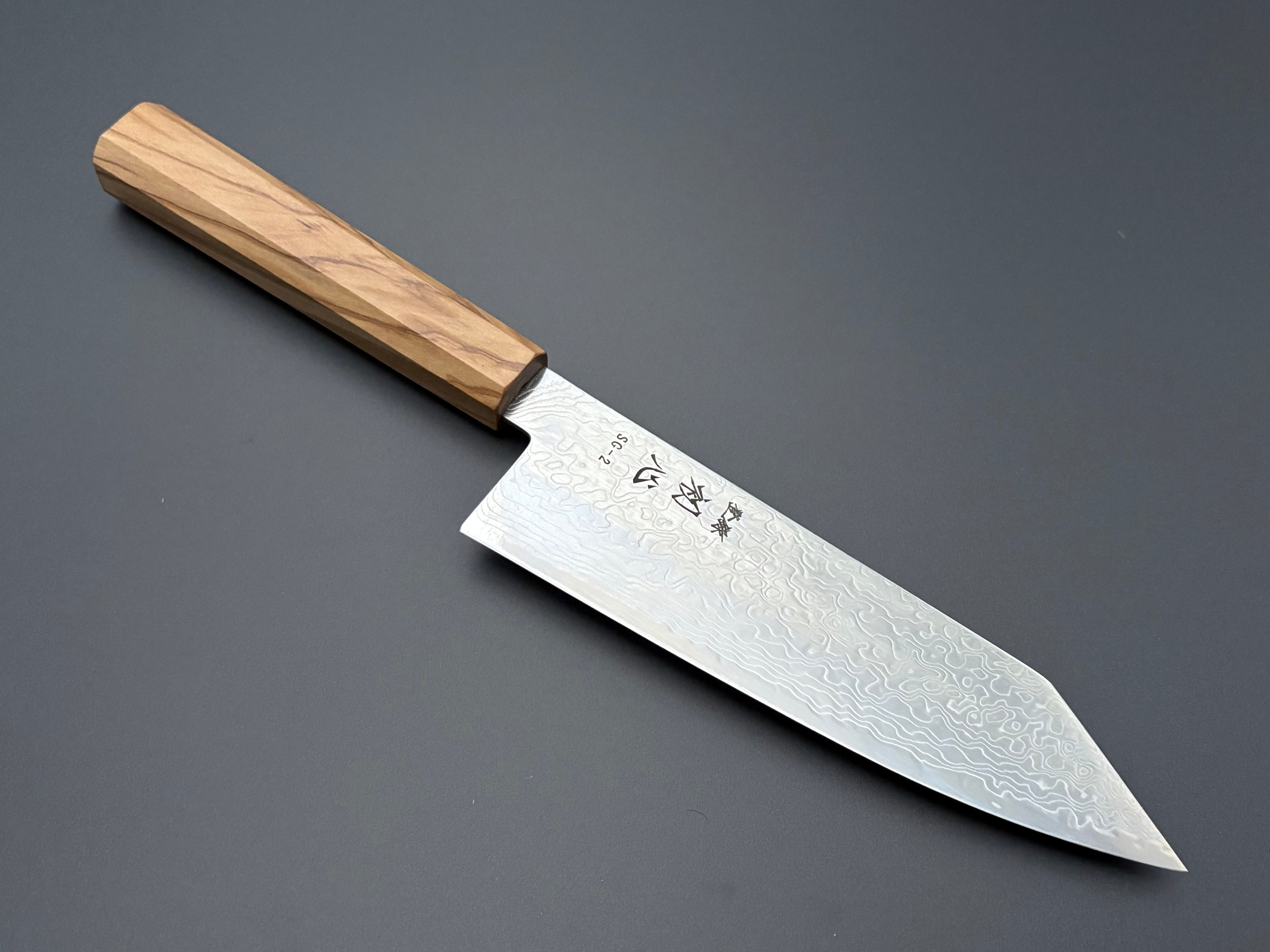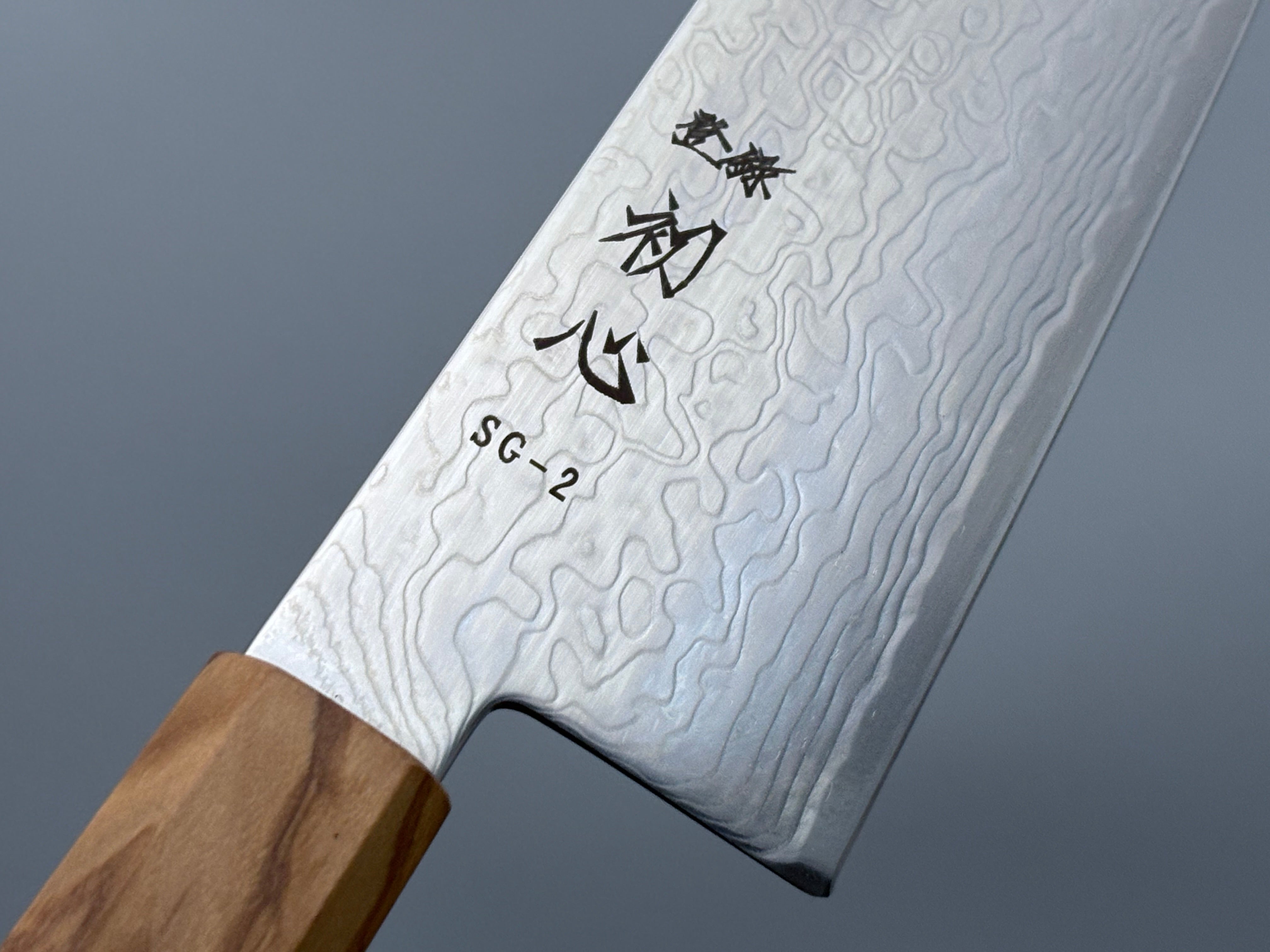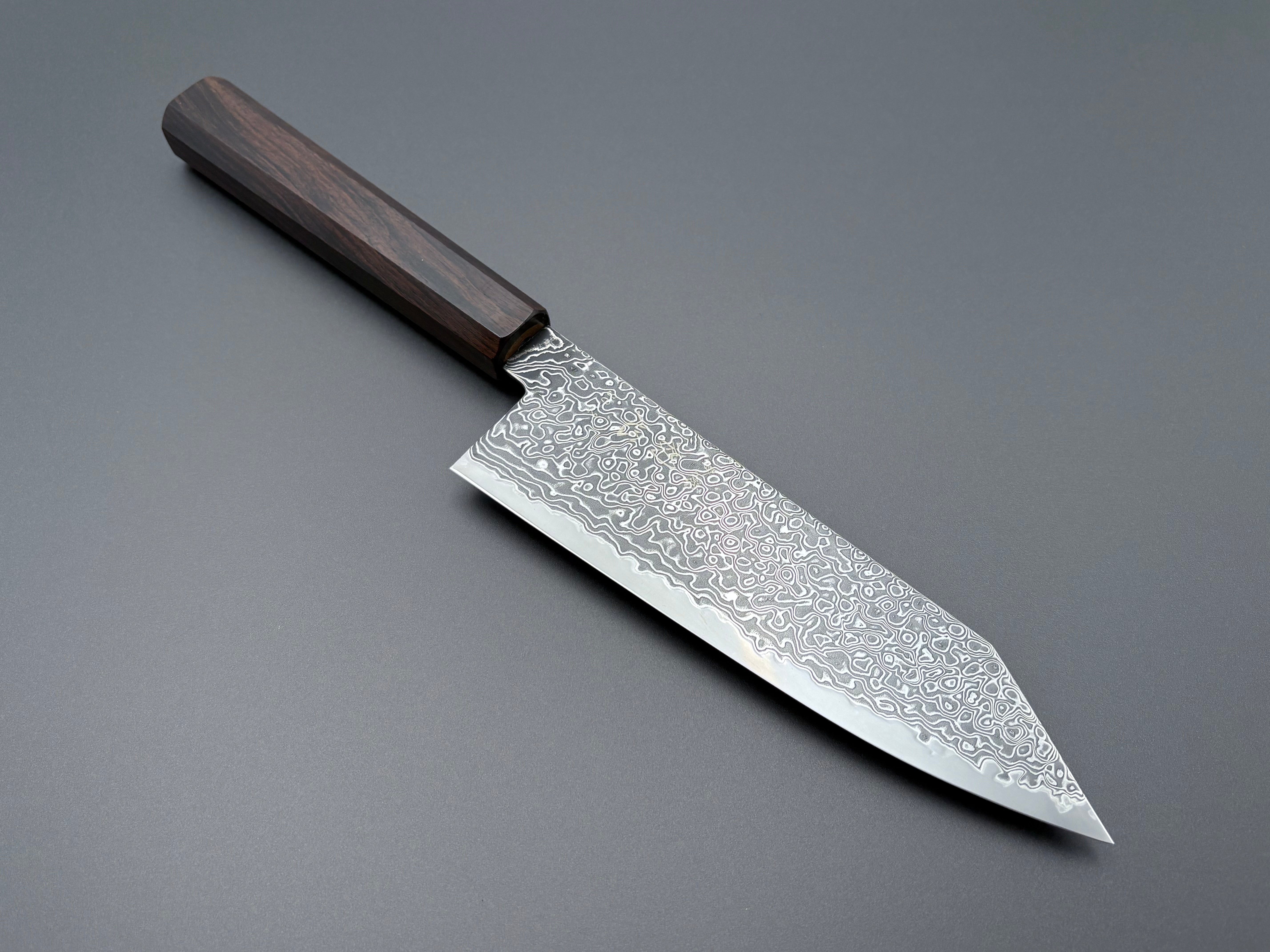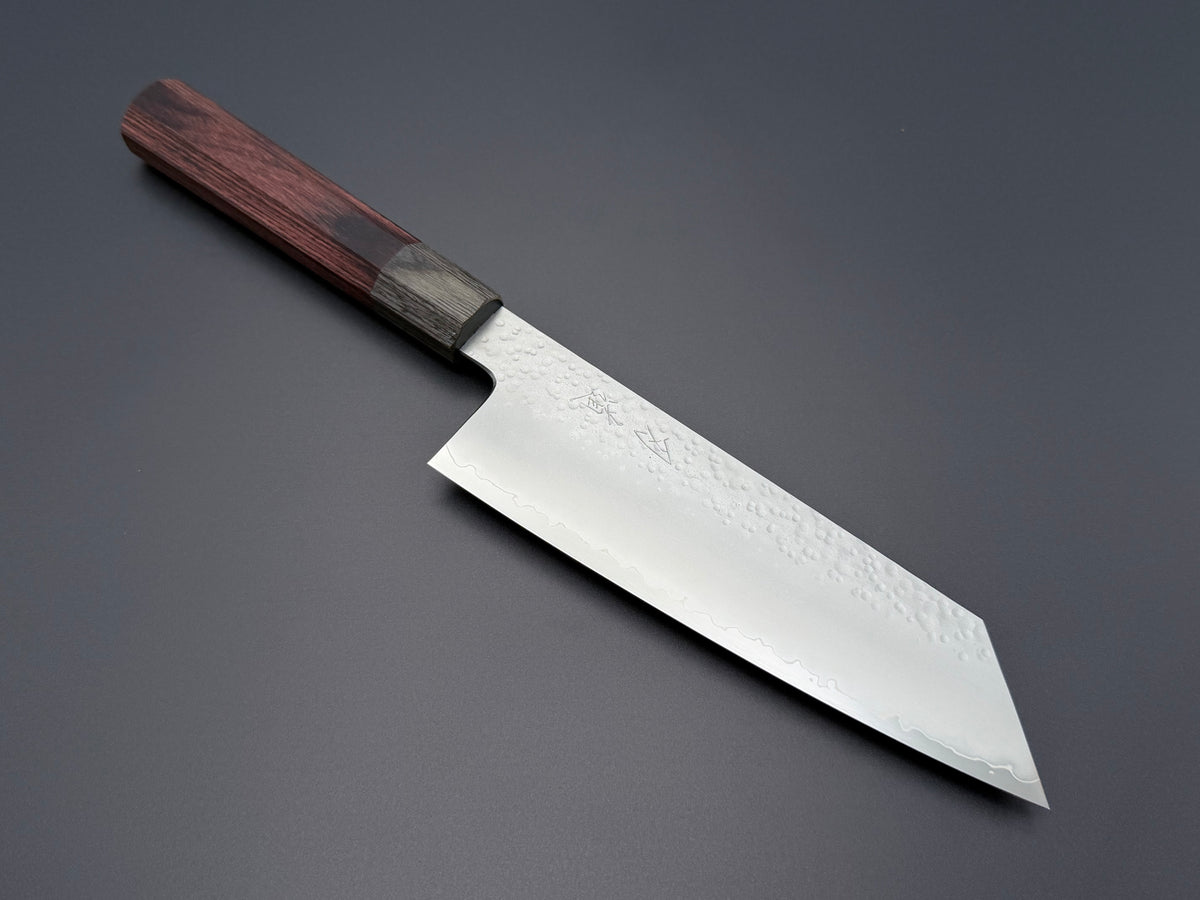


What is a ko bunka knife?
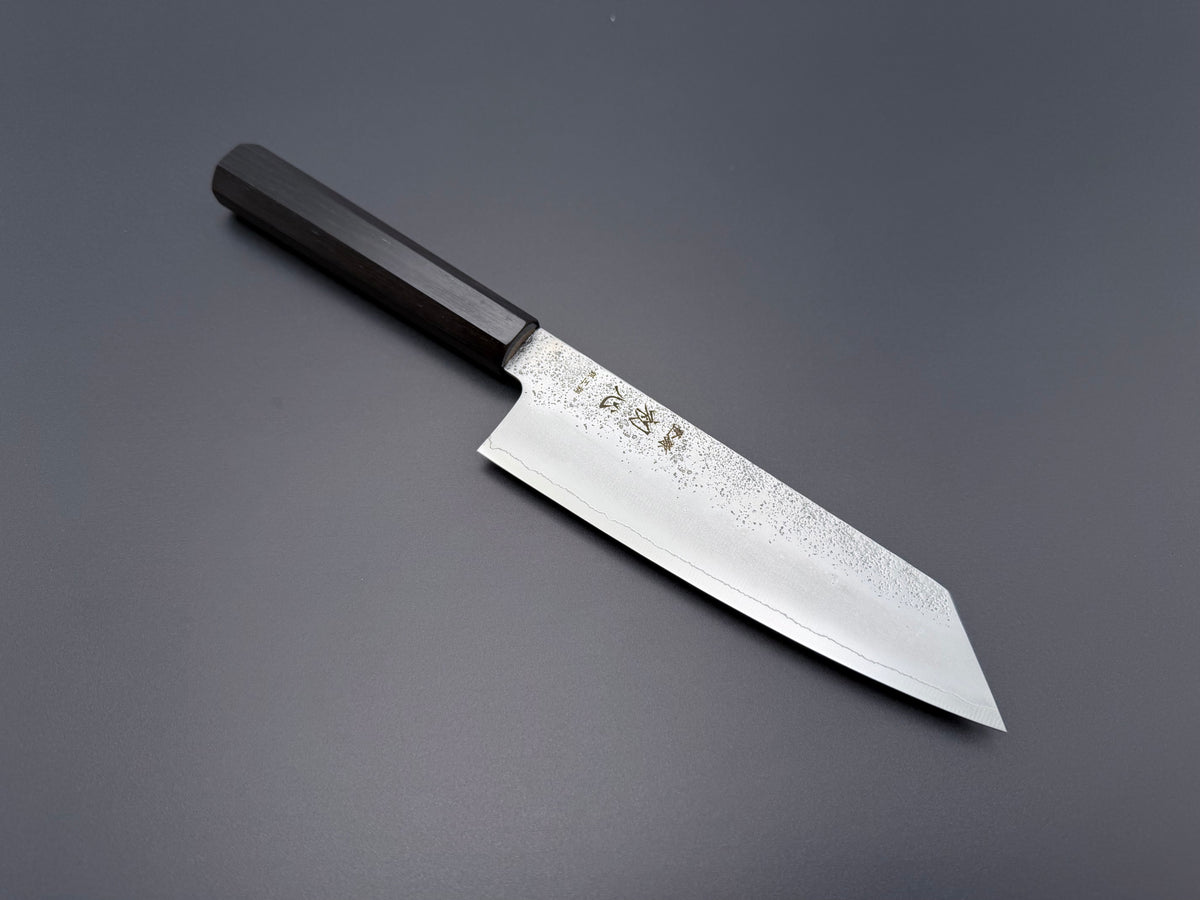
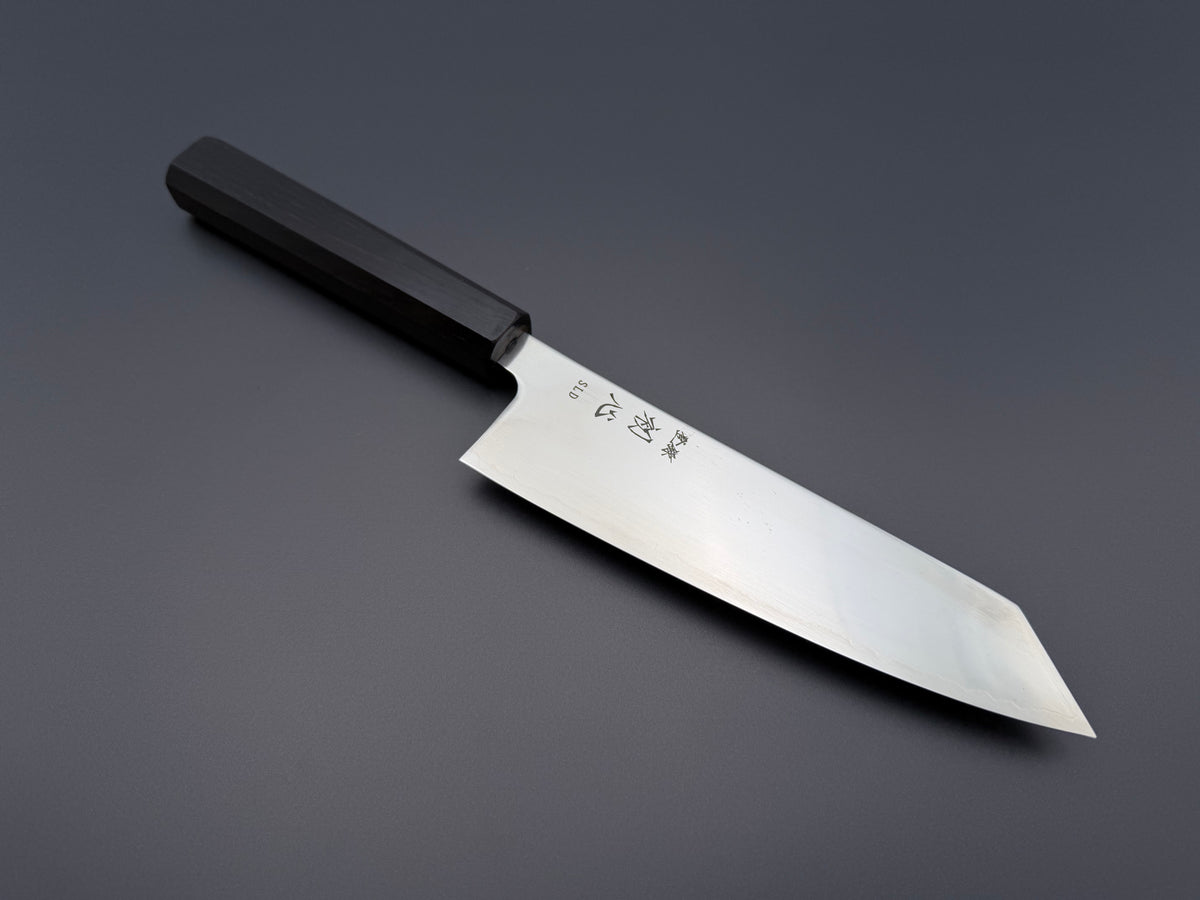
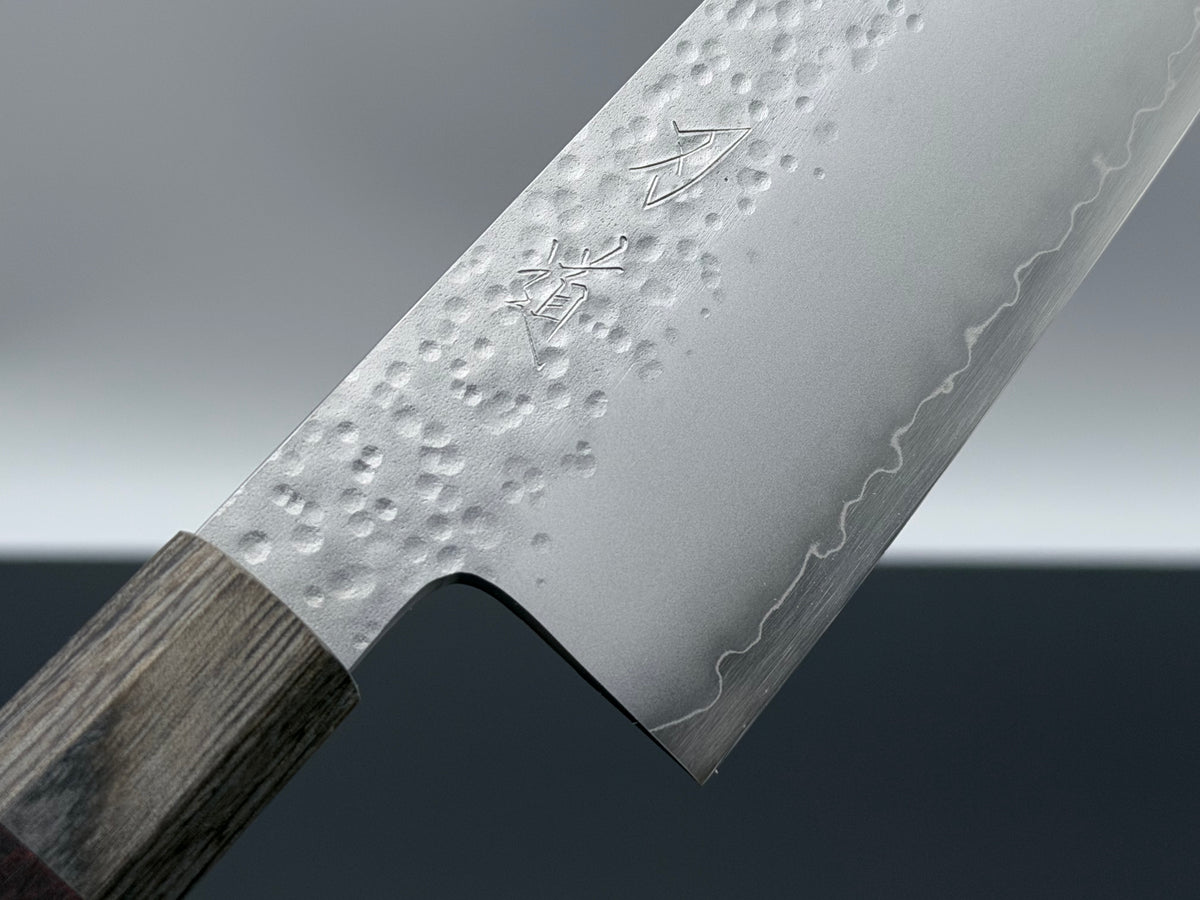
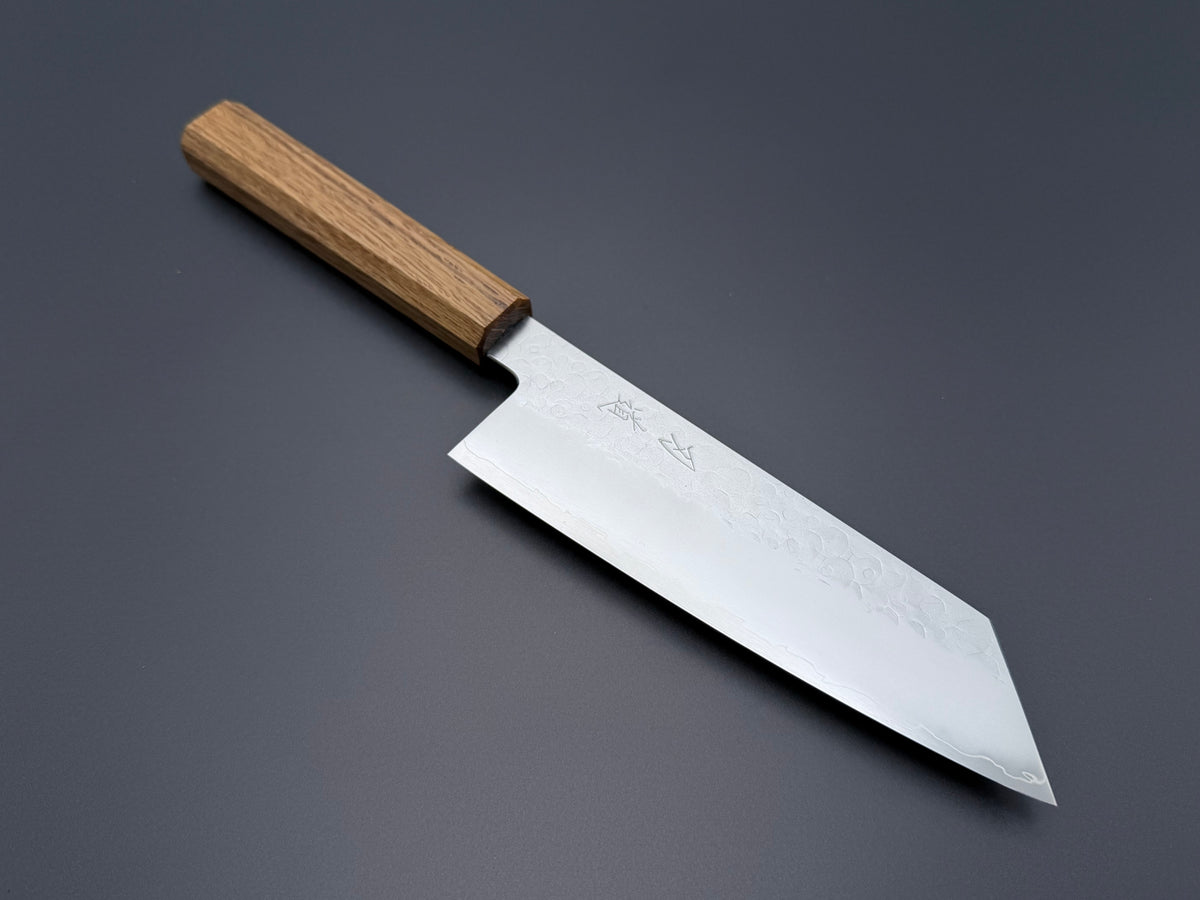
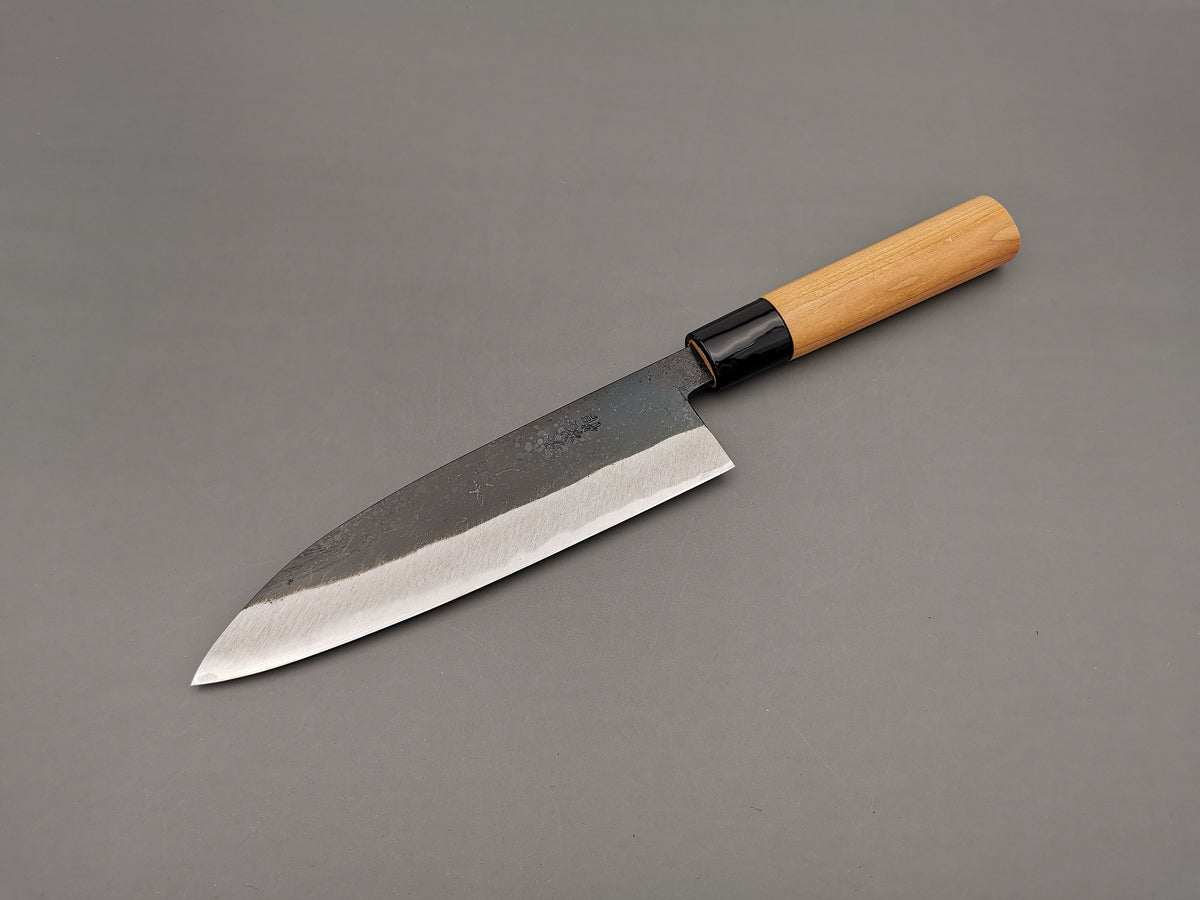
The ko bunka is a smaller version of the standard bunka, a Japanese kitchen knife with an angular reverse tanto tip and a flat cutting profile. A full-size bunka knife typically runs 165 to 180mm; the ko bunka sits between 120 and 150mm, making it one of the more compact multipurpose blades in a Japanese knife collection.

The shorter length costs very little in capability. The same geometry that makes the full-size bunka so capable carries through at the smaller scale, which is why the ko bunka has found a following among professional and home cooks looking for a refined secondary blade.
What makes the ko bunka useful
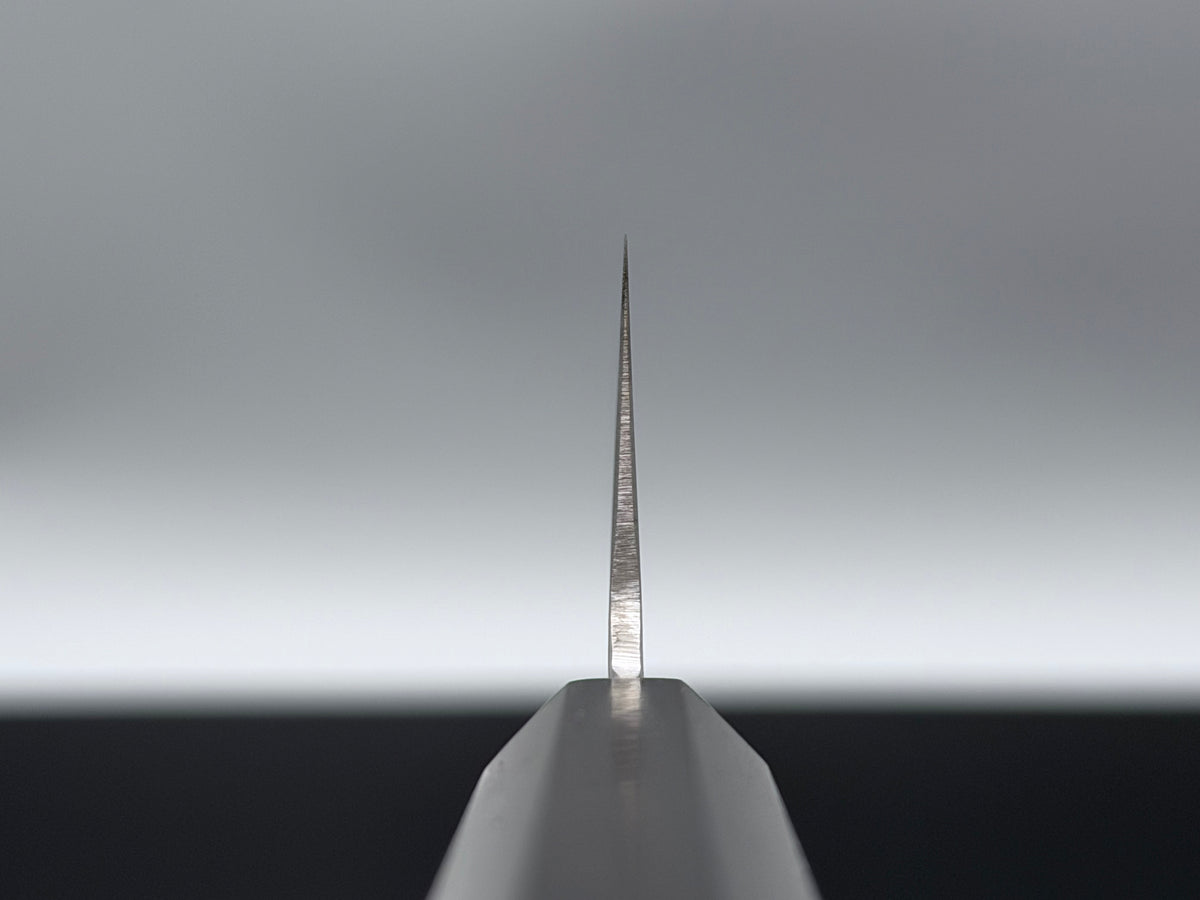
The pointed tip is what sets it apart from rounder blades. Scoring, trimming, peeling, and slicing small ingredients are all tasks where this shape works well. The flat heel suits a push-cut or tap-chopping motion, and the tip allows for precision that a petty or paring knife handles differently.
Its size makes it a good fit for cooks who prefer a smaller blade for secondary prep, or those with smaller hands who find longer knives harder to control. It works well alongside a larger gyuto or santoku rather than replacing either. Many cooks reach for it when breaking down herbs, preparing garnishes, or working with ingredients that don't need a full-length blade. The narrow profile also makes it easier to manoeuvre around bones and into tight spaces where a longer knife would feel awkward.
How the ko bunka compares to similar small Japanese knives
The ko bunka sits alongside the ko-santoku and the ko-bocho. All three are compact knives suited to detailed prep work, but the profiles differ. The ko-santoku has a more rounded sheep's foot tip, while the ko bunka keeps that sharper reverse tanto point. If you like working the tip into cuts, the ko bunka gives you a bit more to work with.
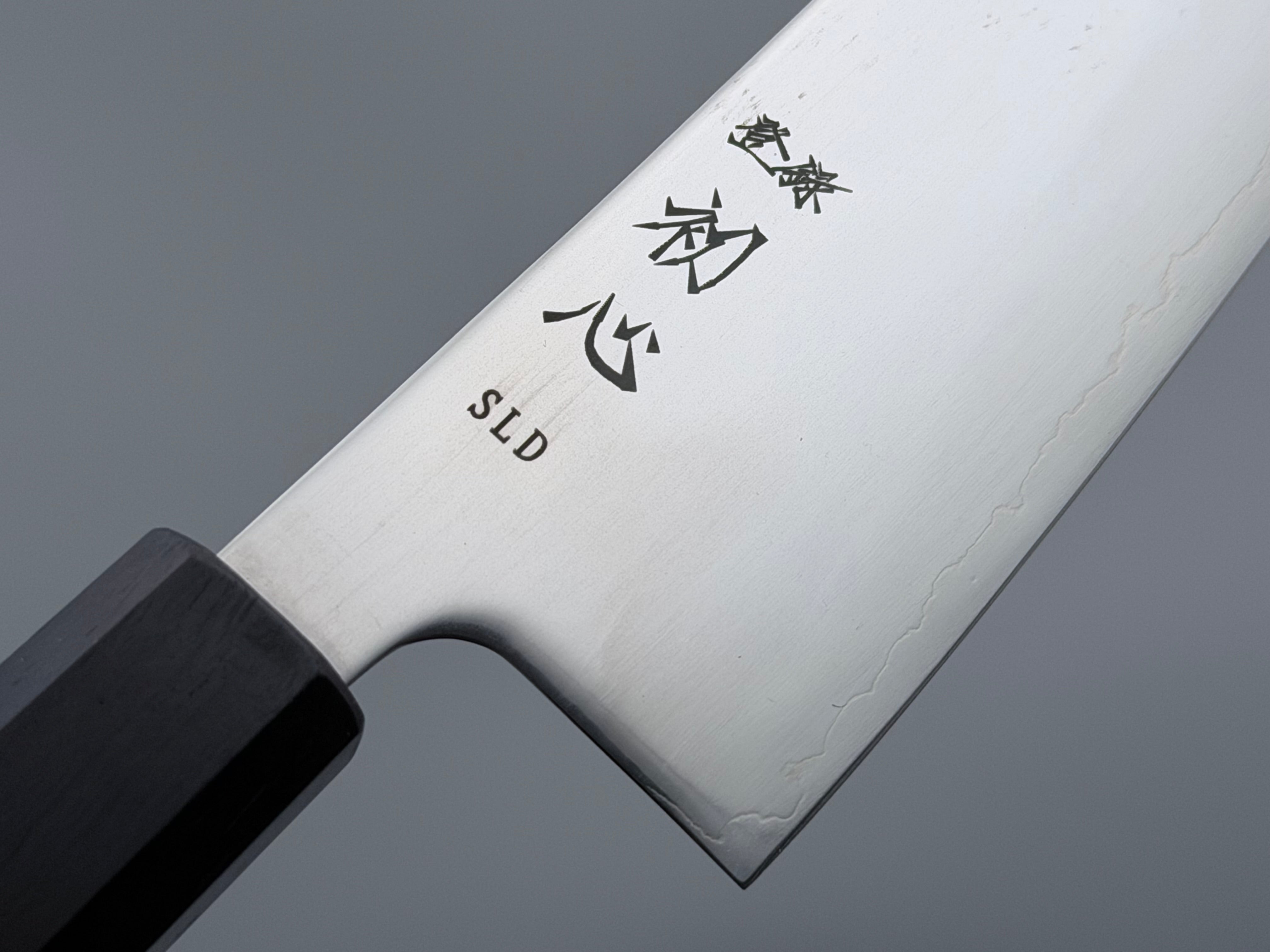
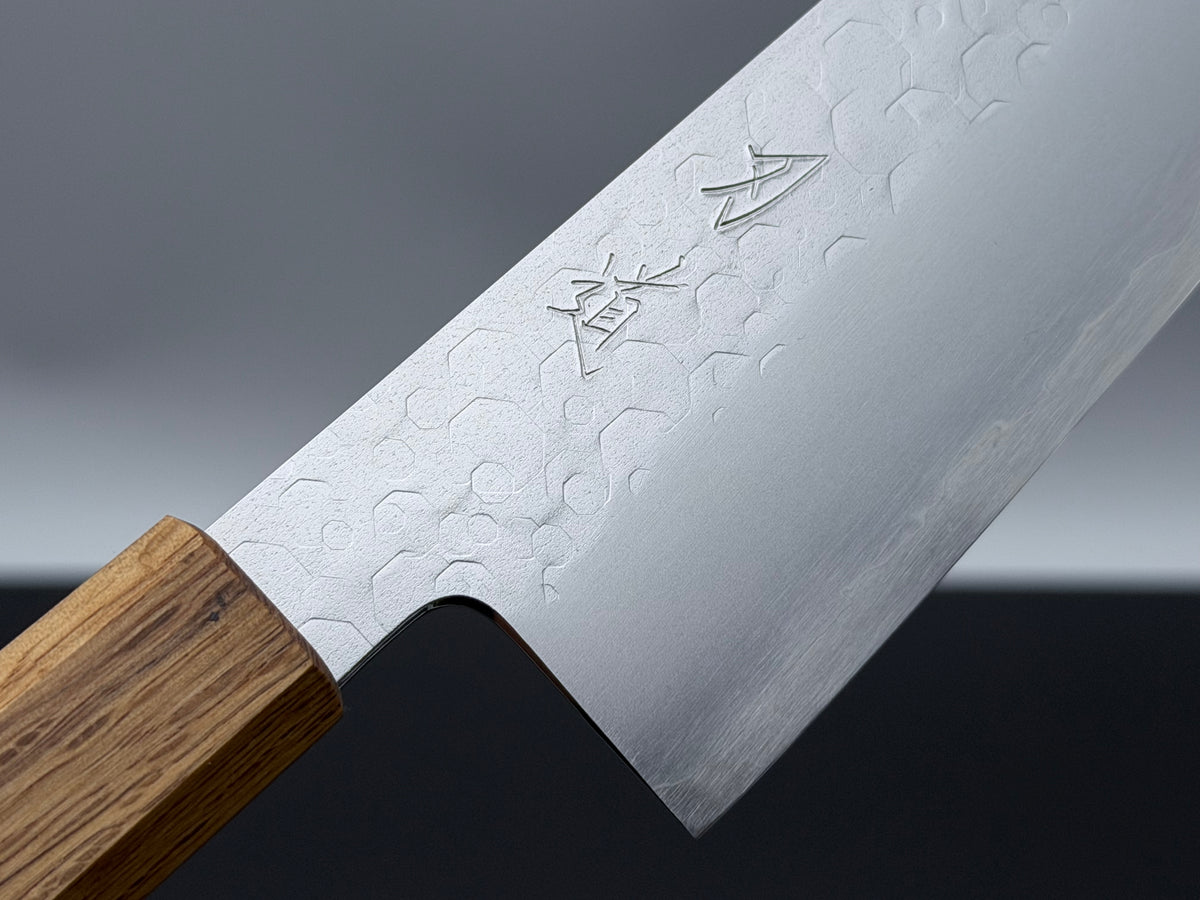
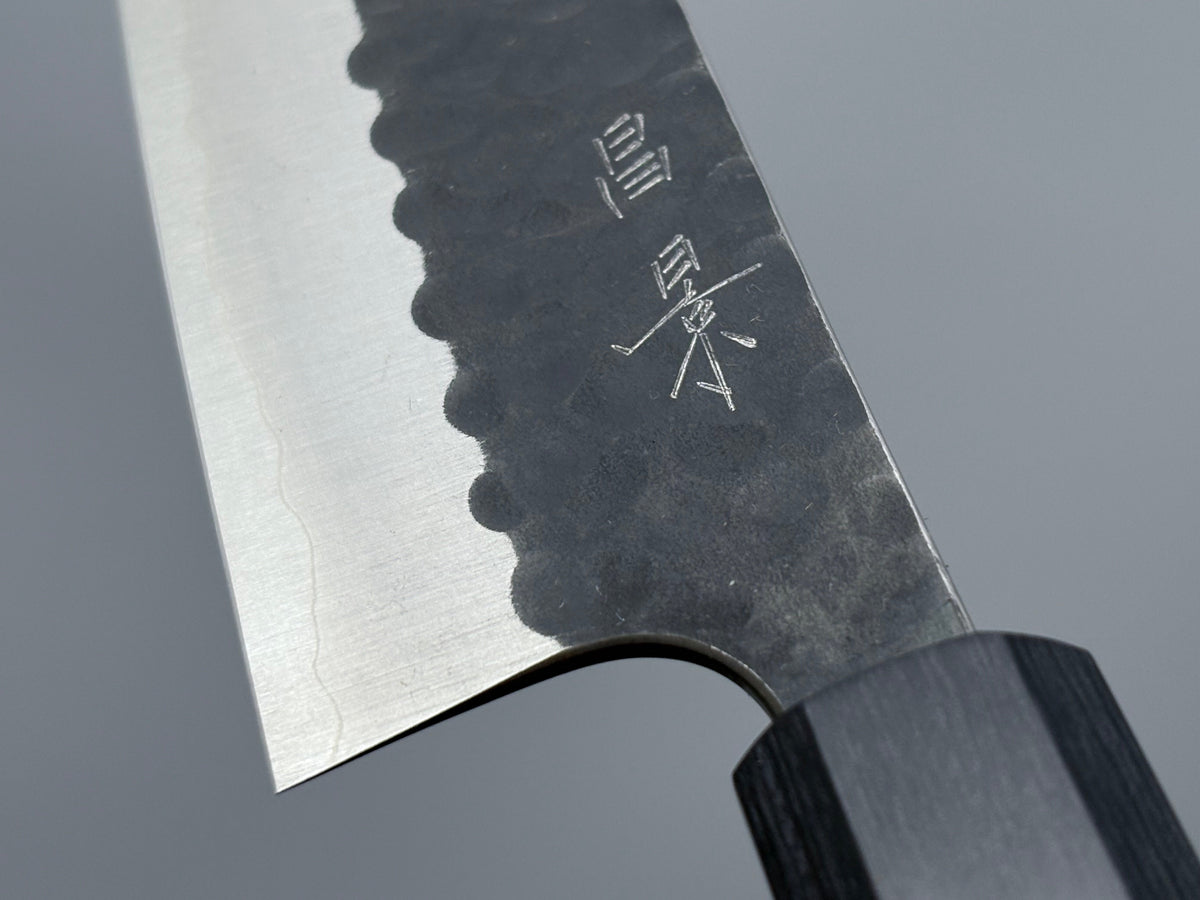
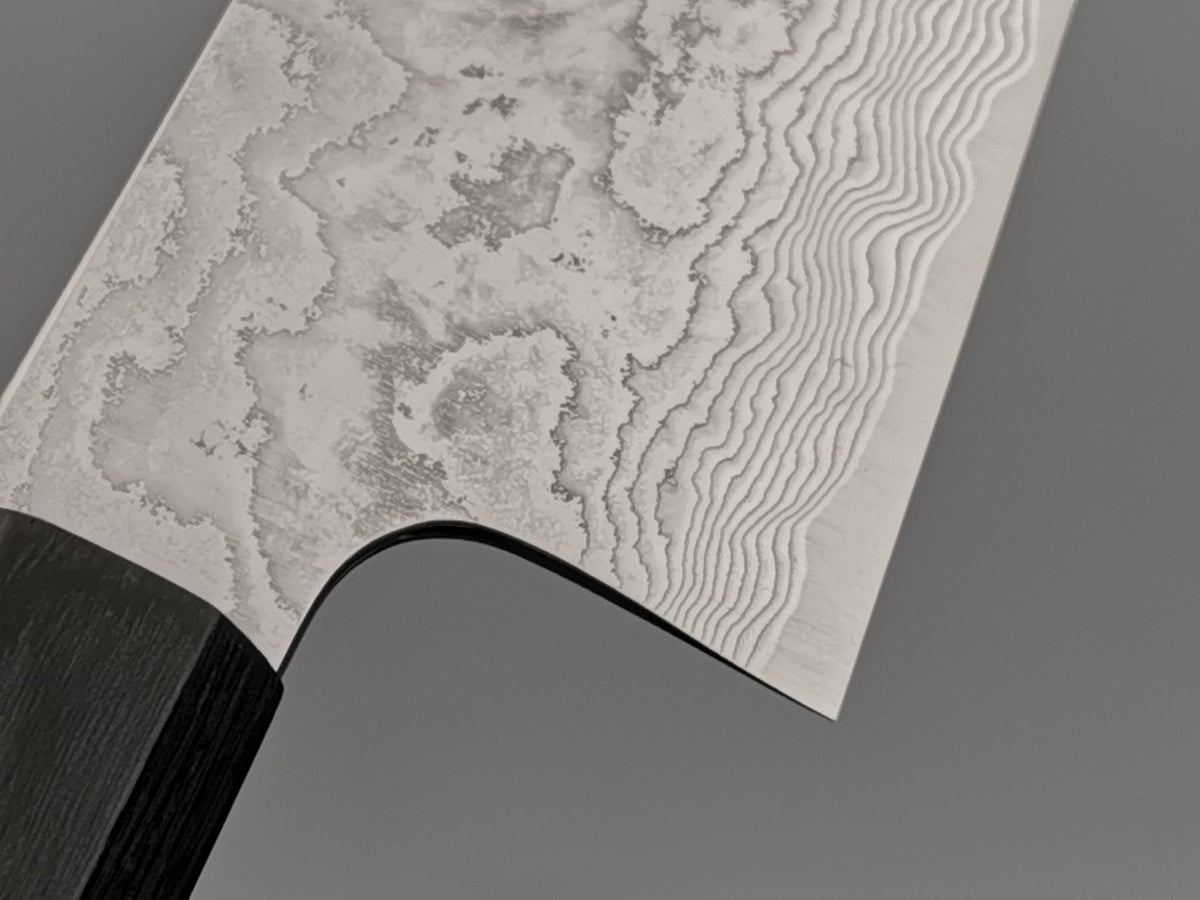
Steel choice matters at this size. A ko bunka in Aogami Blue #2 holds a very fine edge and sharpens easily on a whetstone, while options in Ginsan Silver 3 offer comparable sharpness with better stain resistance, which appeals to cooks who prefer lower maintenance. Both are common choices in handmade ko bunka production.
Find your ko bunka at Cutting Edge Knives
We stock a range of handmade Japanese blades across sizes and profiles. Browse our full ko-bunka knives collection to find the right blade for your kitchen.