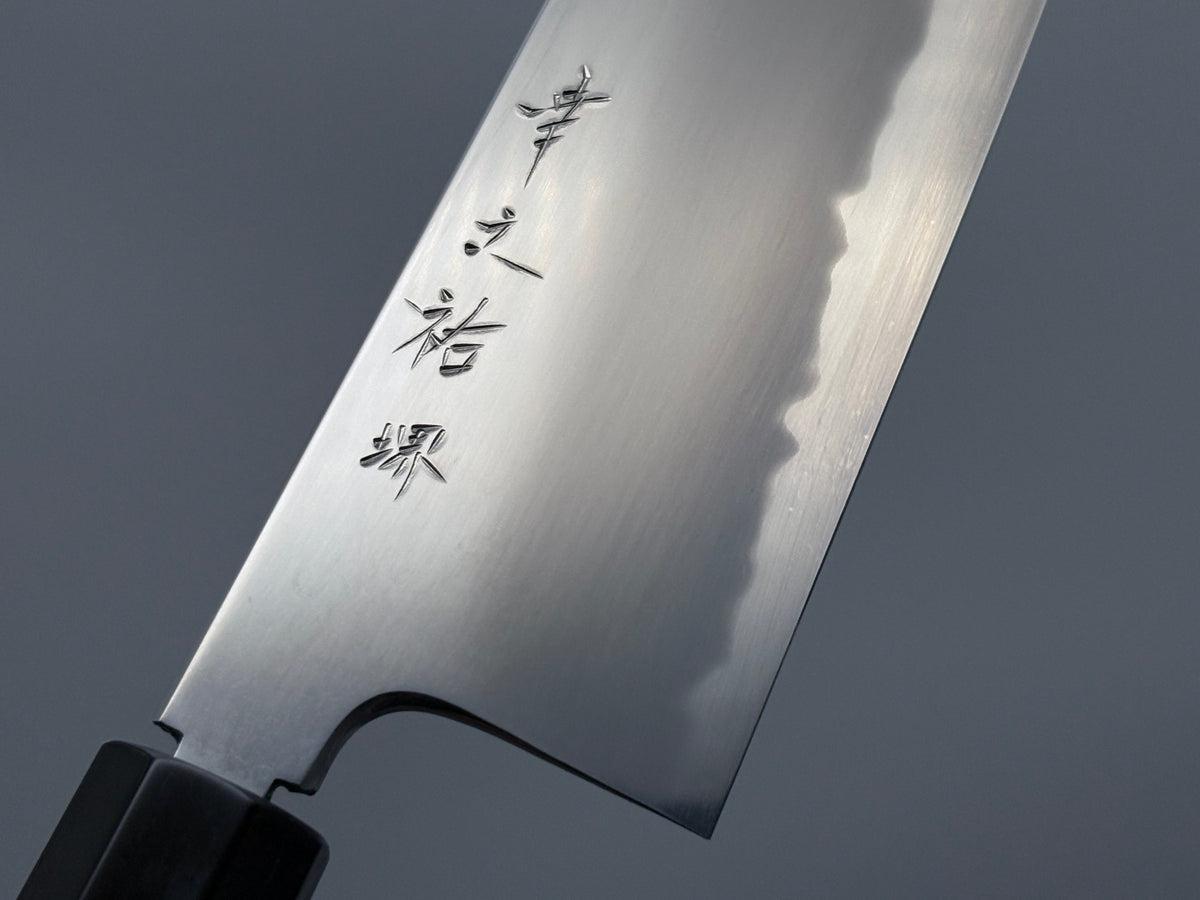

Who is Kyohei Shindo?
Kyohei Shindo is a young blacksmith working out of Tosa, Kochi Prefecture, one of Japan's most respected knife-making regions. He spent eight years training under established masters before opening his own workshop in 2020. In a short time he has built a genuine following among professional chefs and collectors. You can browse the full Kyohei Shindo collection at Cutting Edge Knives to see what that reputation is built on.

The Tosa tradition behind each blade
Tosa has produced working knives for centuries. Blacksmiths there have long prioritised edge performance and durability over decorative finish, and Shindo carries that culture forward without simply copying it. He combines traditional forging methods with a careful eye for balance, producing knives that feel purposeful from the first cut. For many buyers, that continuity with regional craft is part of the appeal.
Aogami Blue #2 and the kurouchi finish
Shindo works primarily in high-carbon steels, with Aogami Blue #2 featuring heavily in his output. The steel takes and holds a fine edge well, which makes it a good choice for people who sharpen regularly and enjoy the maintenance side of carbon knife ownership.
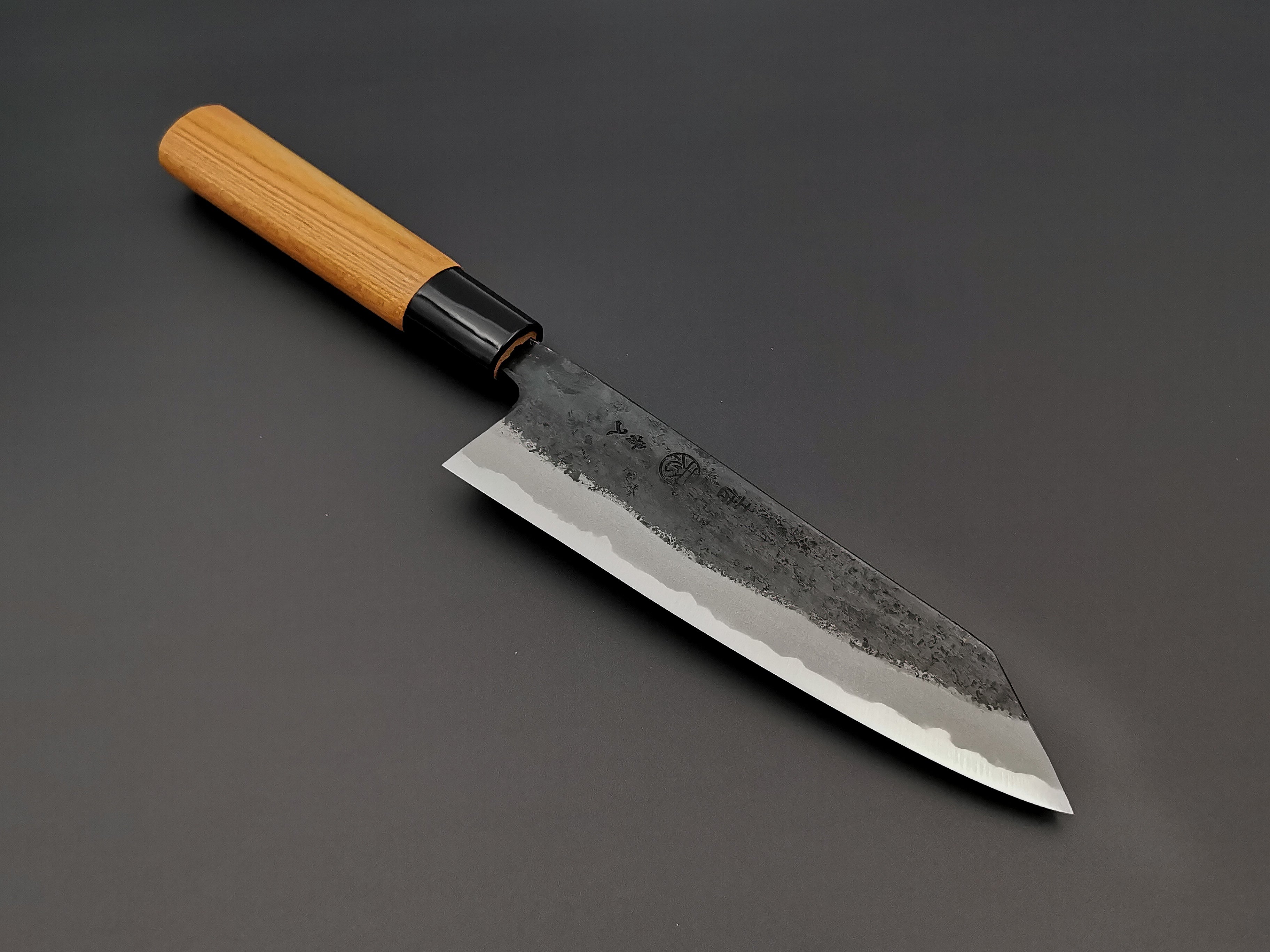
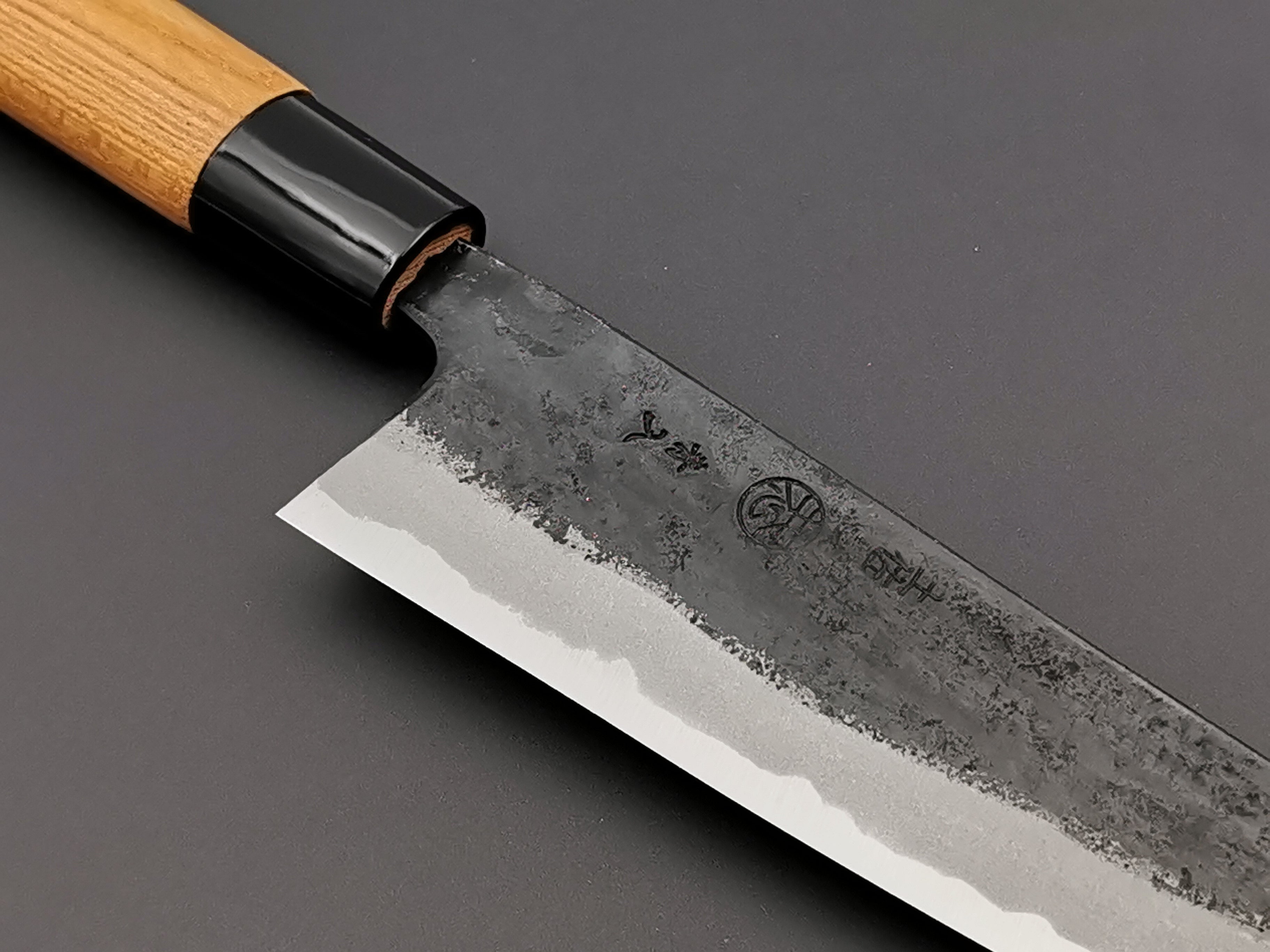
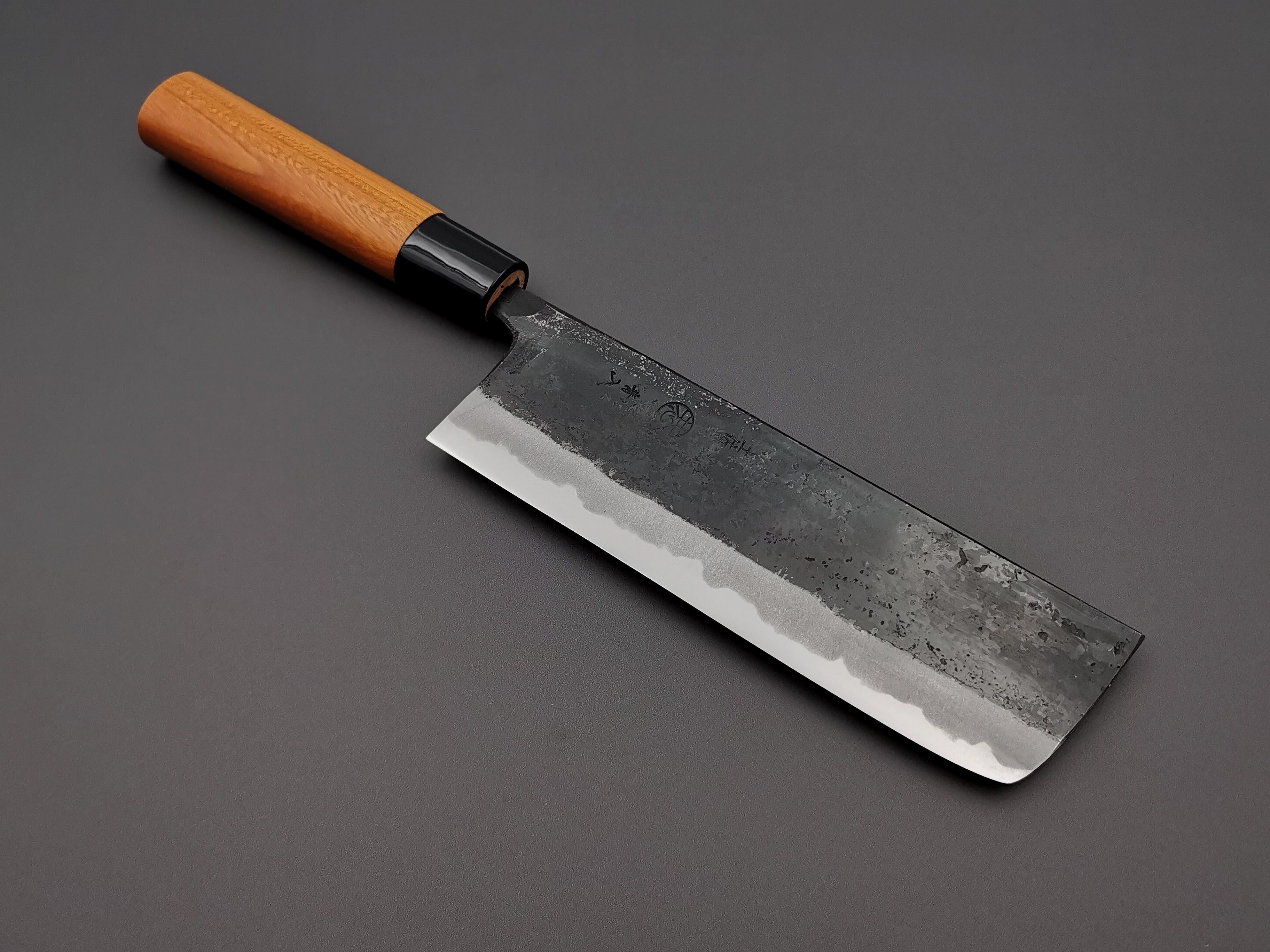
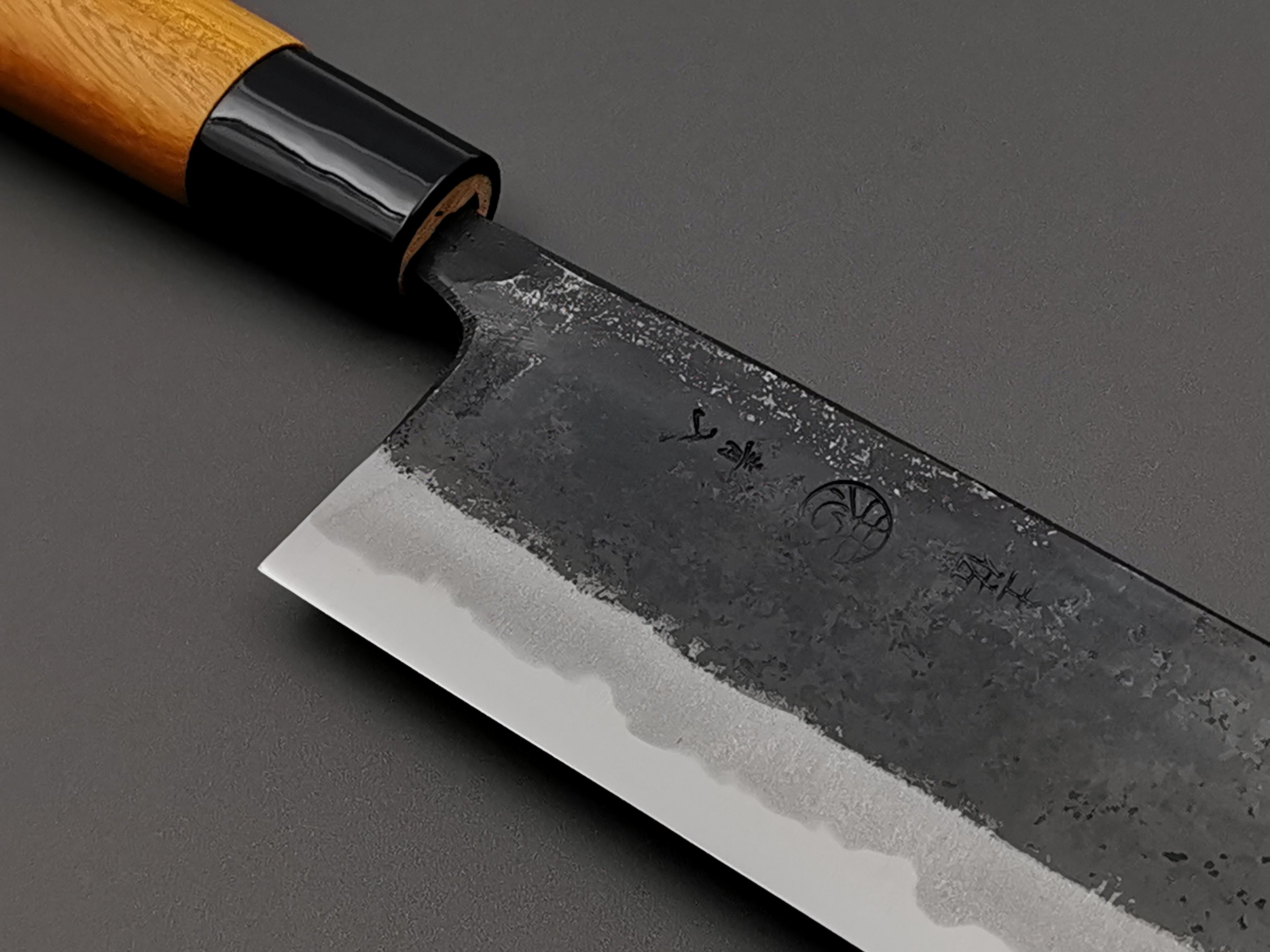
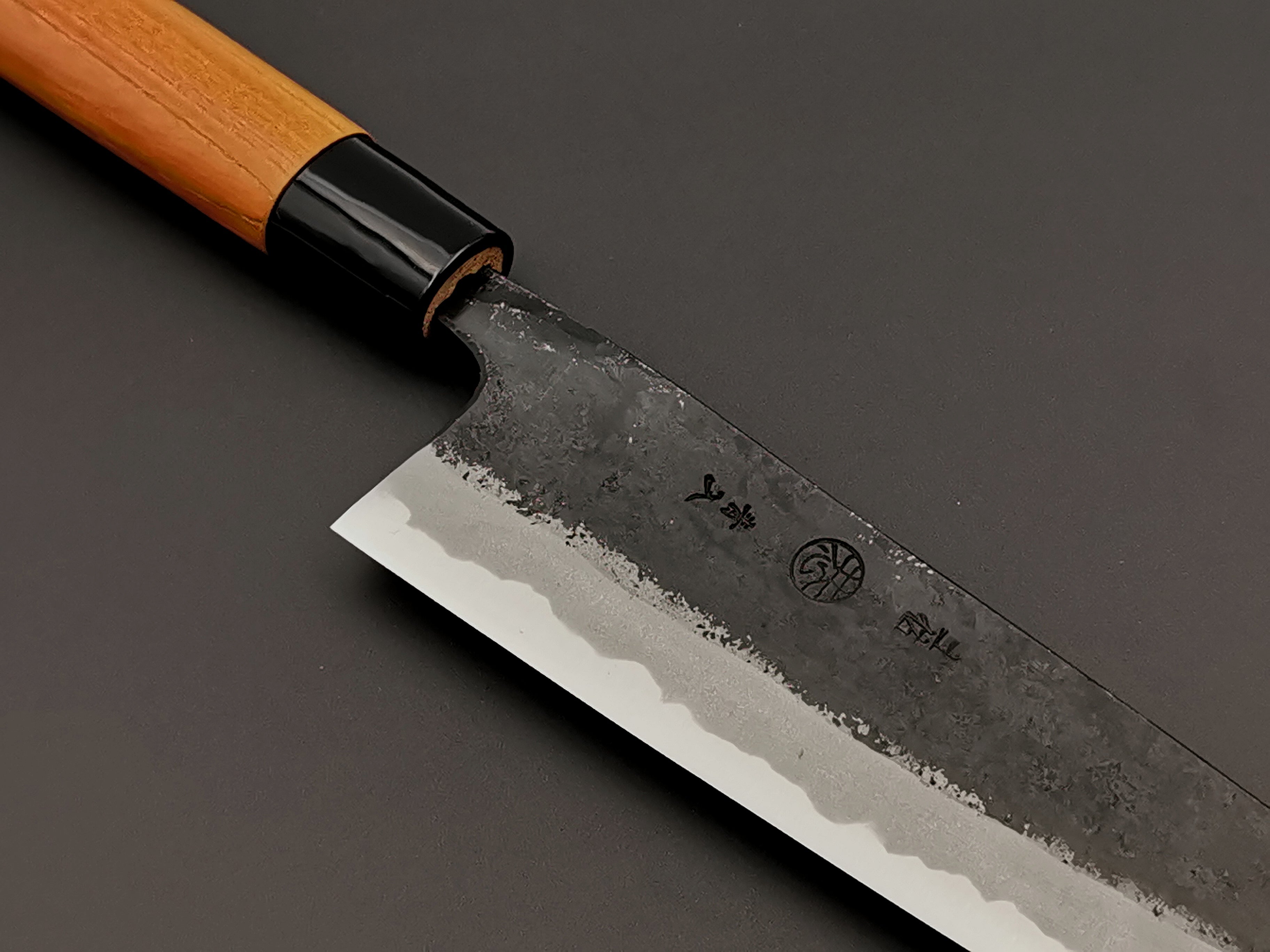
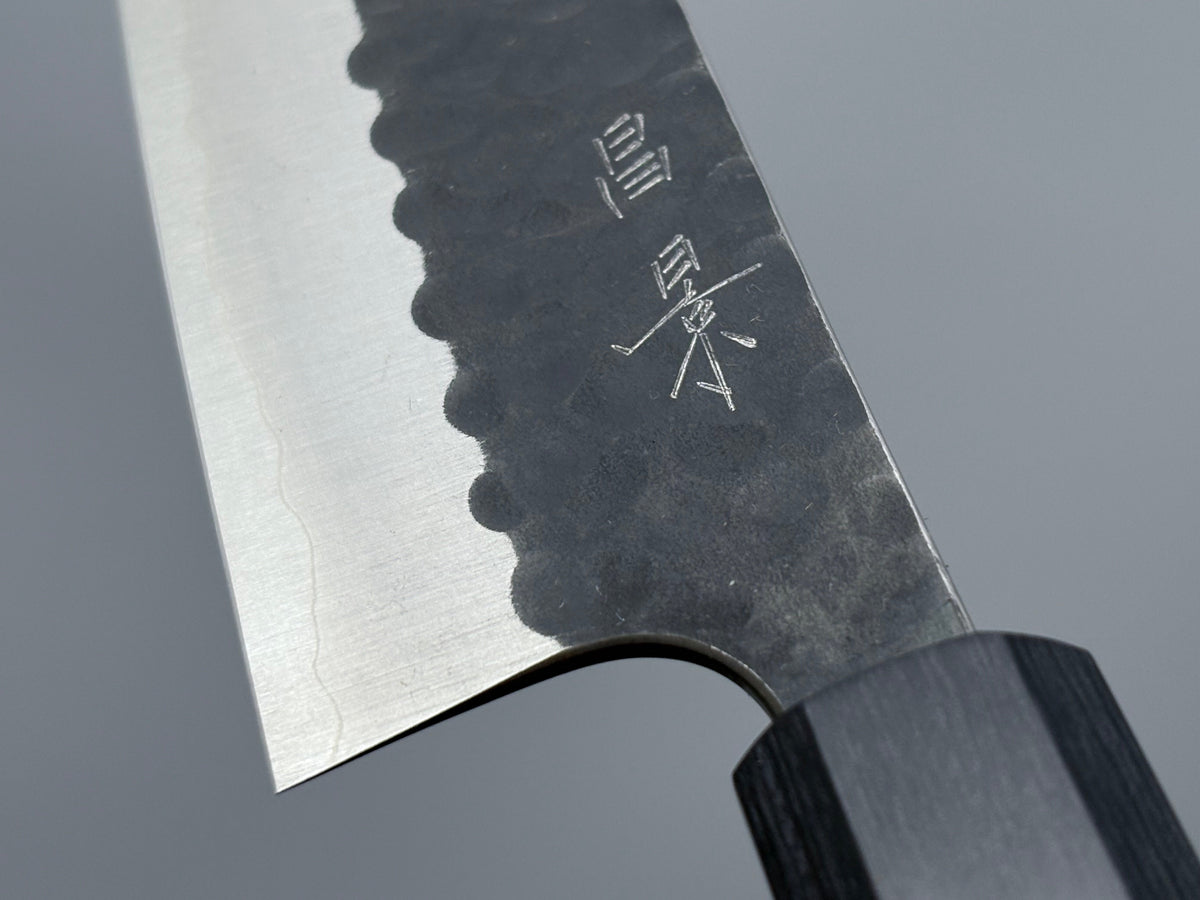
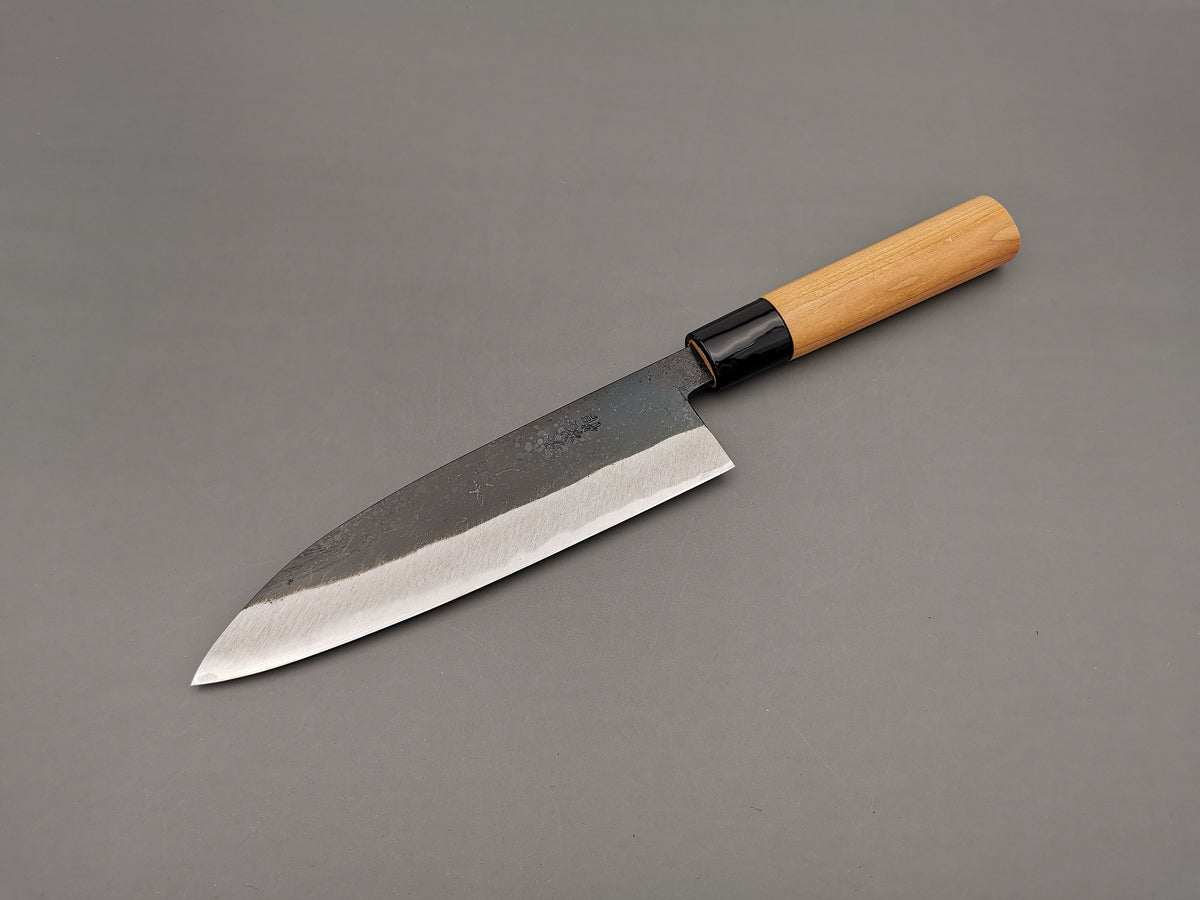
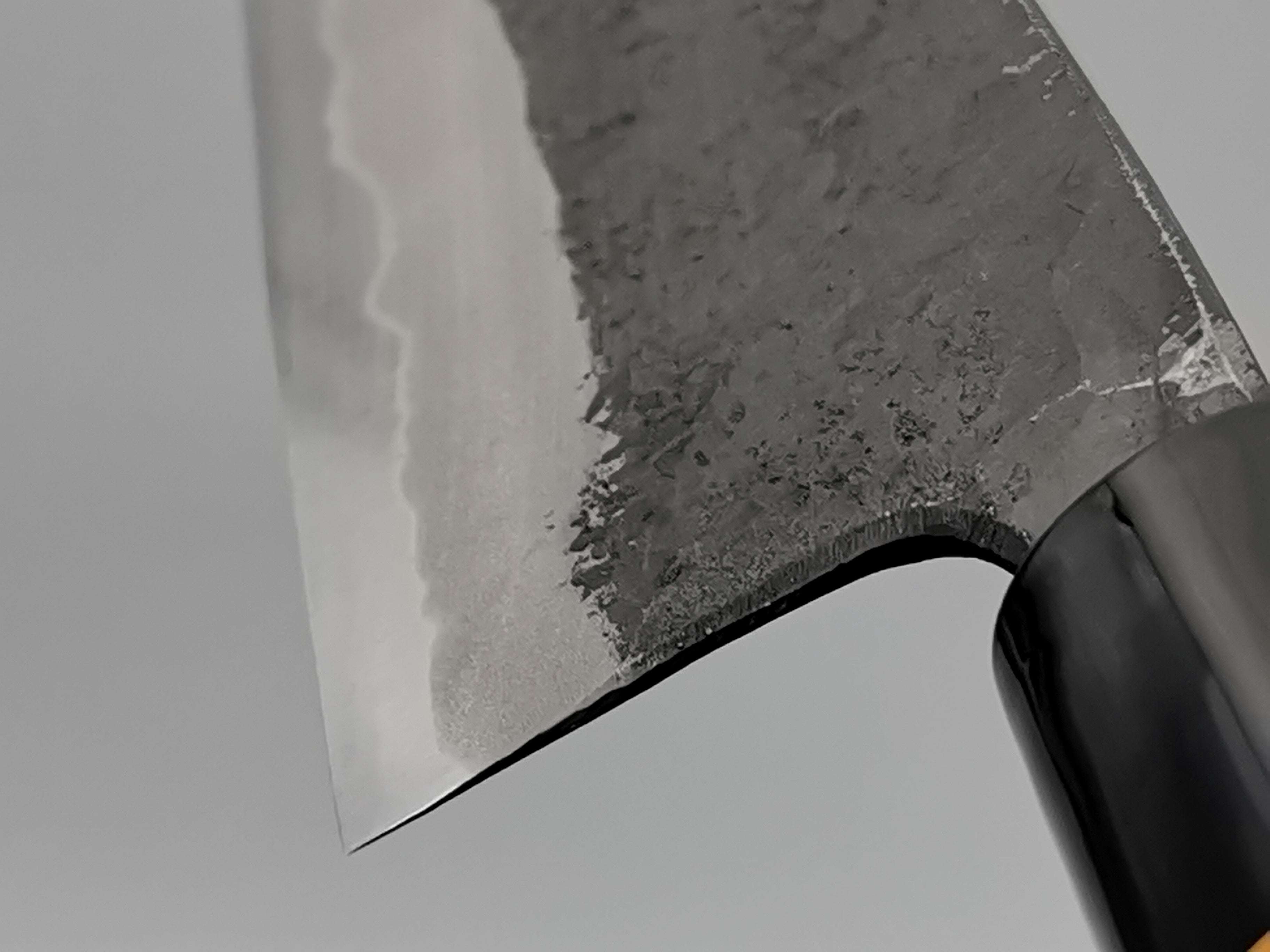
Most of his blades are finished kurouchi, leaving much of the forged surface intact for a raw, traditional look that sits in contrast to the precision of the edge beneath. The Kyohei Shindo Aogami kurouchi range includes gyuto, bunka, santoku, nakiri and funayuki shapes.
What makes his knives worth considering
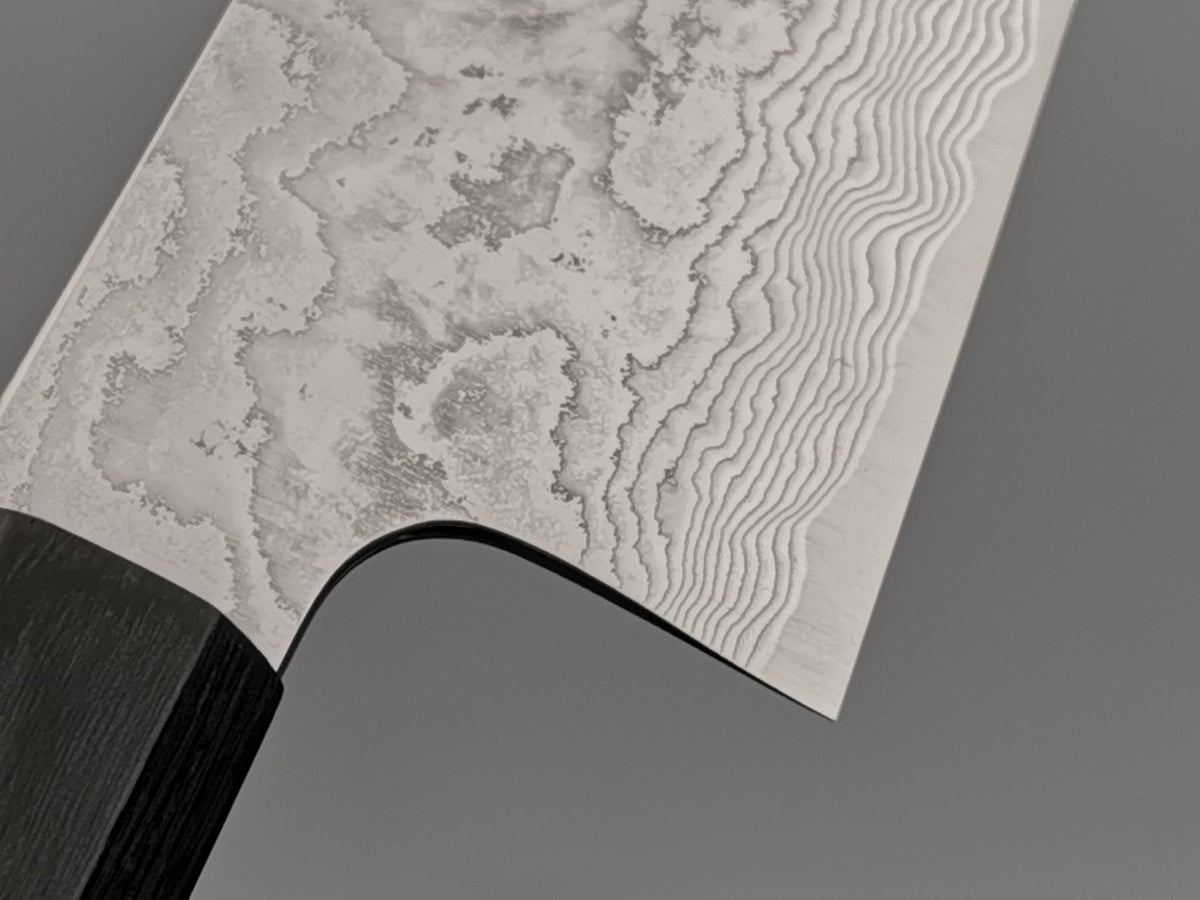
Each knife is forged, heat treated and finished by hand. There is no production line behind these blades. For buyers who care about provenance and want to know that a single craftsperson handled every stage, that matters. The knives also sit at a price point that reflects genuine craft without reaching the level of makers with decades of independent reputation behind them. That balance between quality and accessibility is a big part of why interest in his work has grown steadily since he set up on his own.
- Hand-forged in Tosa, Kochi Prefecture
- Aogami Blue #2 core steel for excellent edge retention
- Kurouchi finish with a rustic, traditional character
- Available in multiple shapes including gyuto and bunka
- Every knife individually forged, heat treated and finished
How Shindo's work fits into the wider market
Among Japanese knives made with Aogami Blue #2, Shindo's output offers something specific: a young maker's voice shaped by years of traditional training. His knives appear alongside other respected names in our best-selling collection and consistently draw attention for their edge geometry and finish quality.
If you want to see what he makes, the full Kyohei Shindo collection at Cutting Edge Knives is a good place to start.