
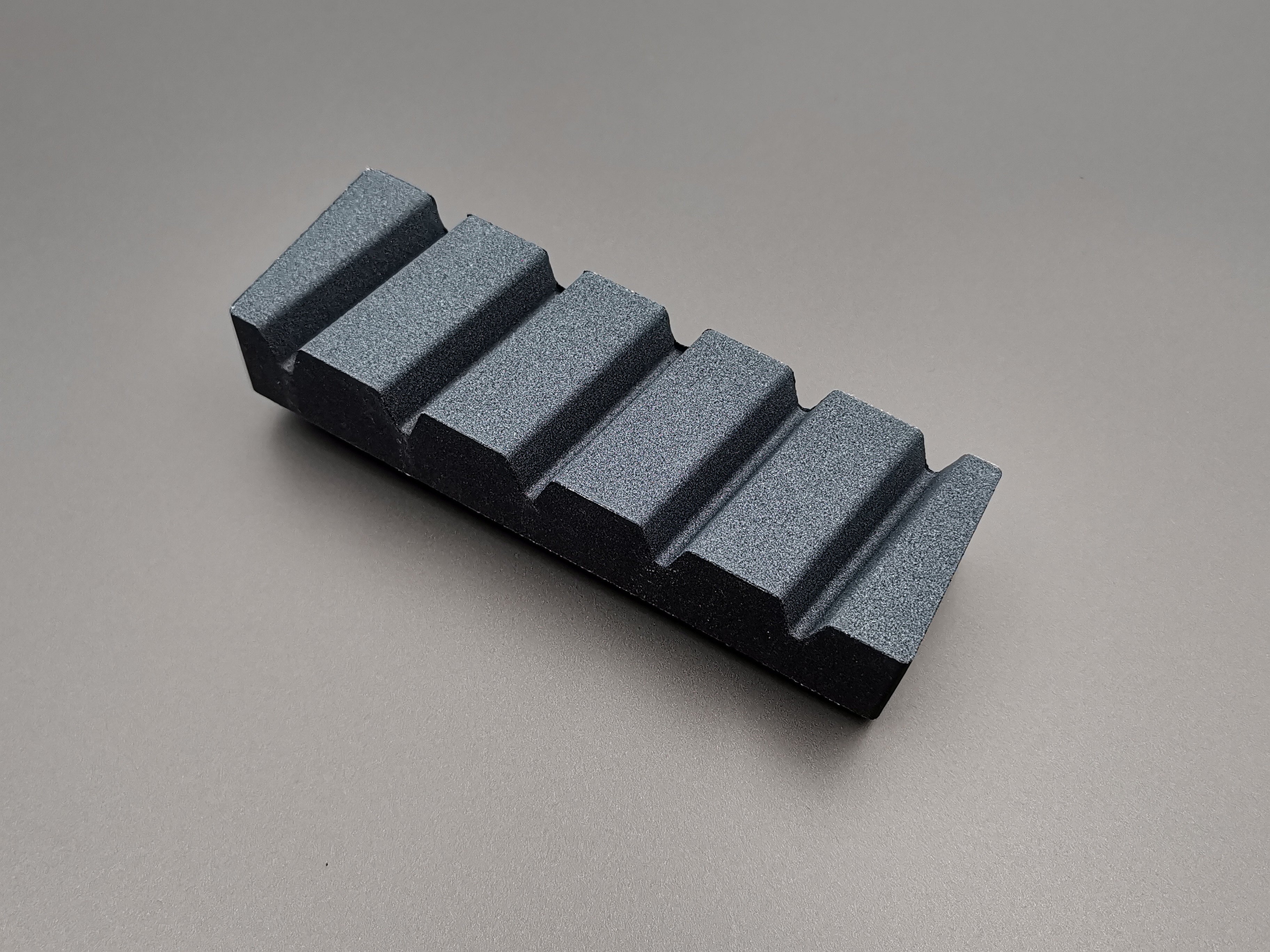
The problem with a warped whetstone
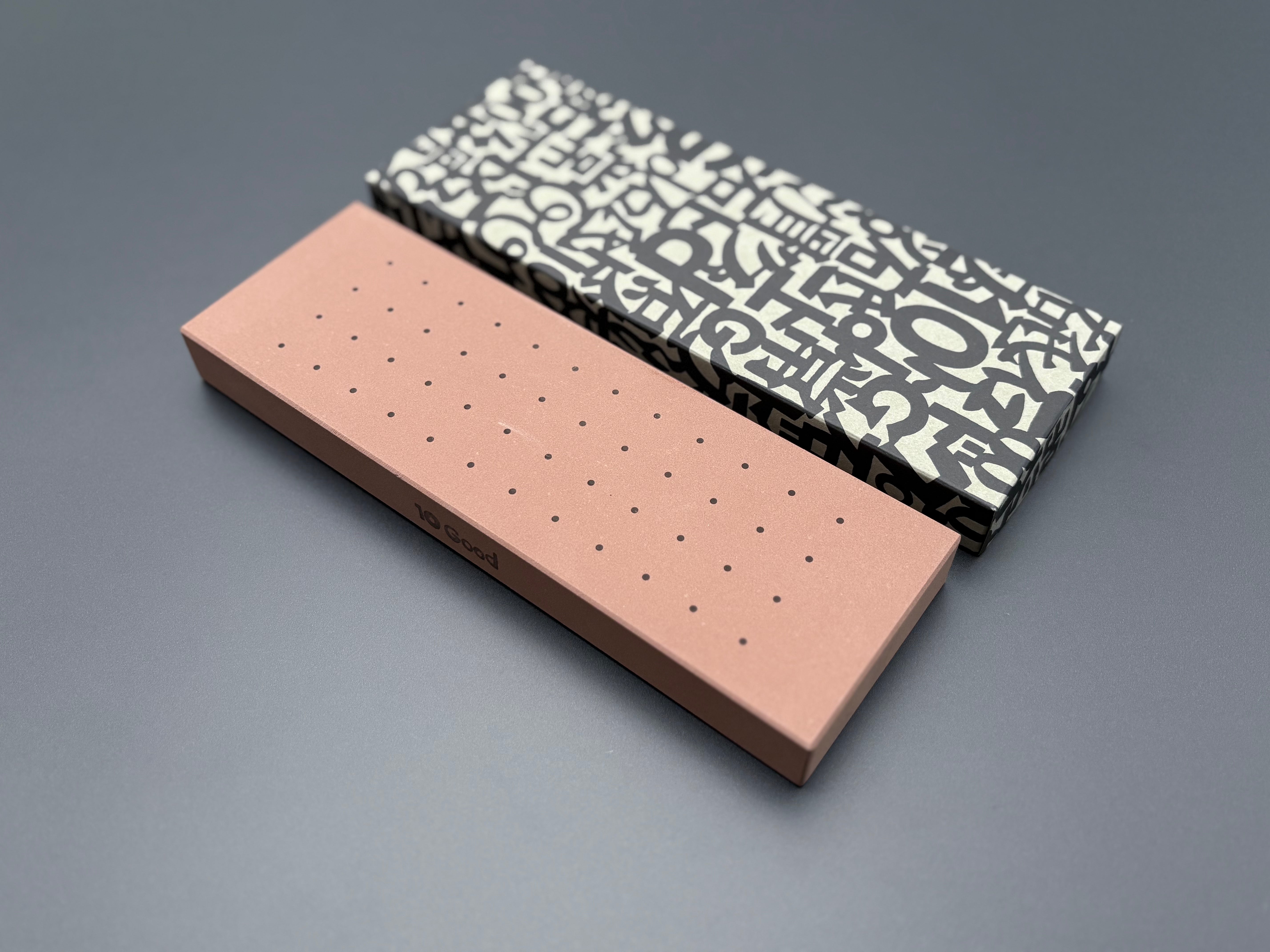
Sharpen Japanese knives regularly and your whetstone will eventually develop a hollow in the middle. The centre does most of the work and wears down faster than the edges. Once that happens, the blade rocks into the dip, your sharpening angle drifts, and the edge you produce is uneven. That is when a stone fixer earns its place.

What a stone fixer actually does
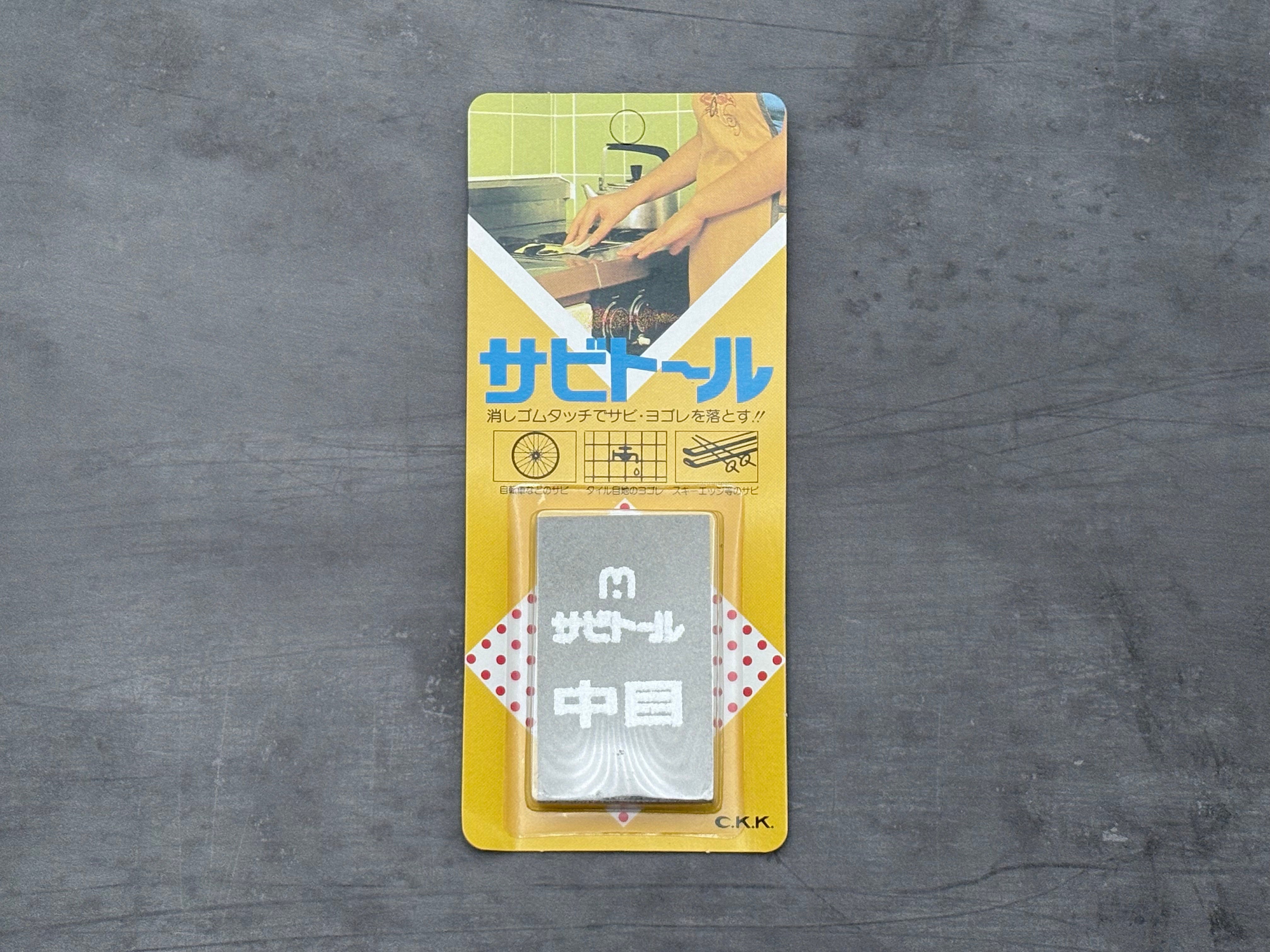
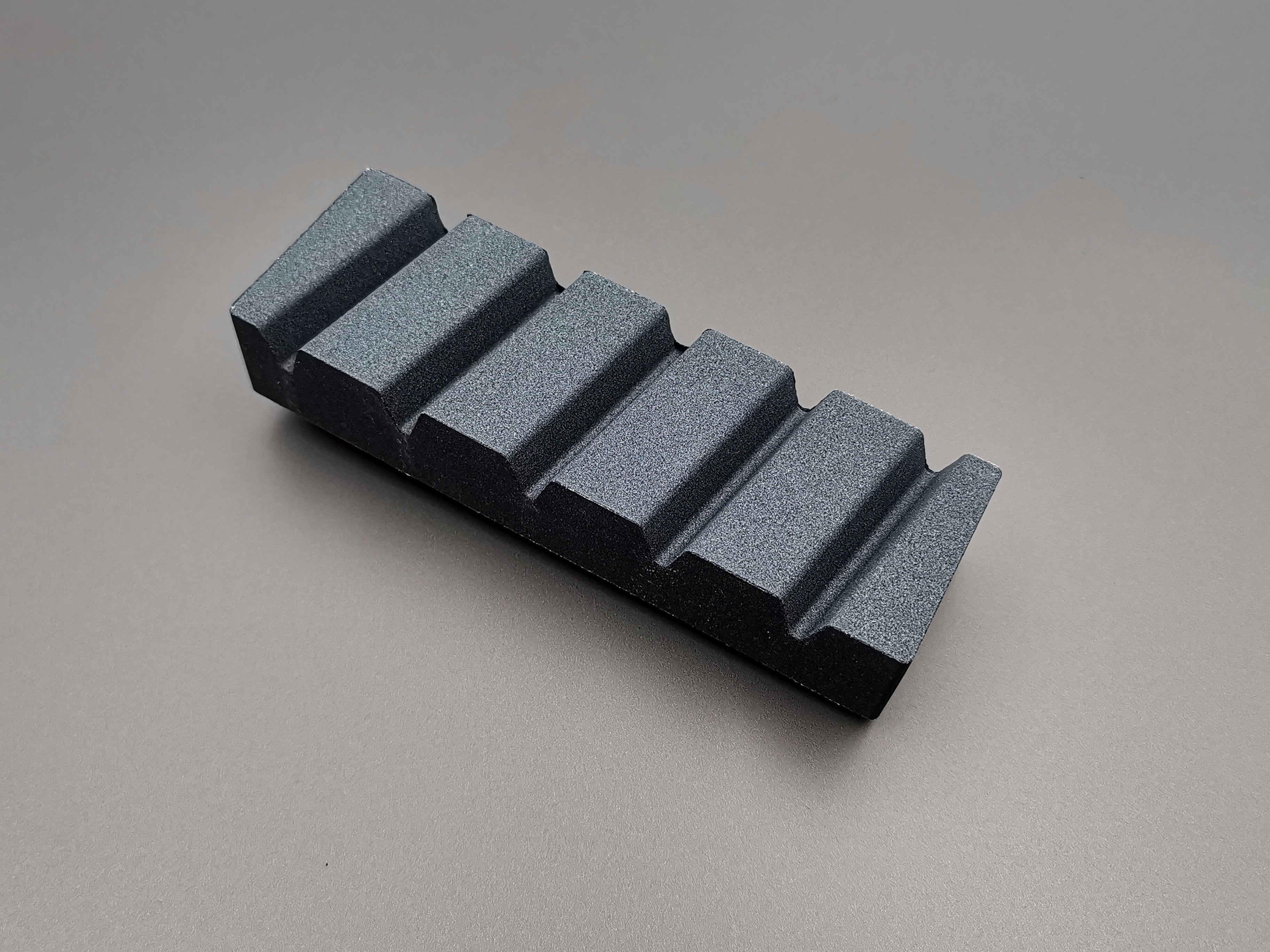
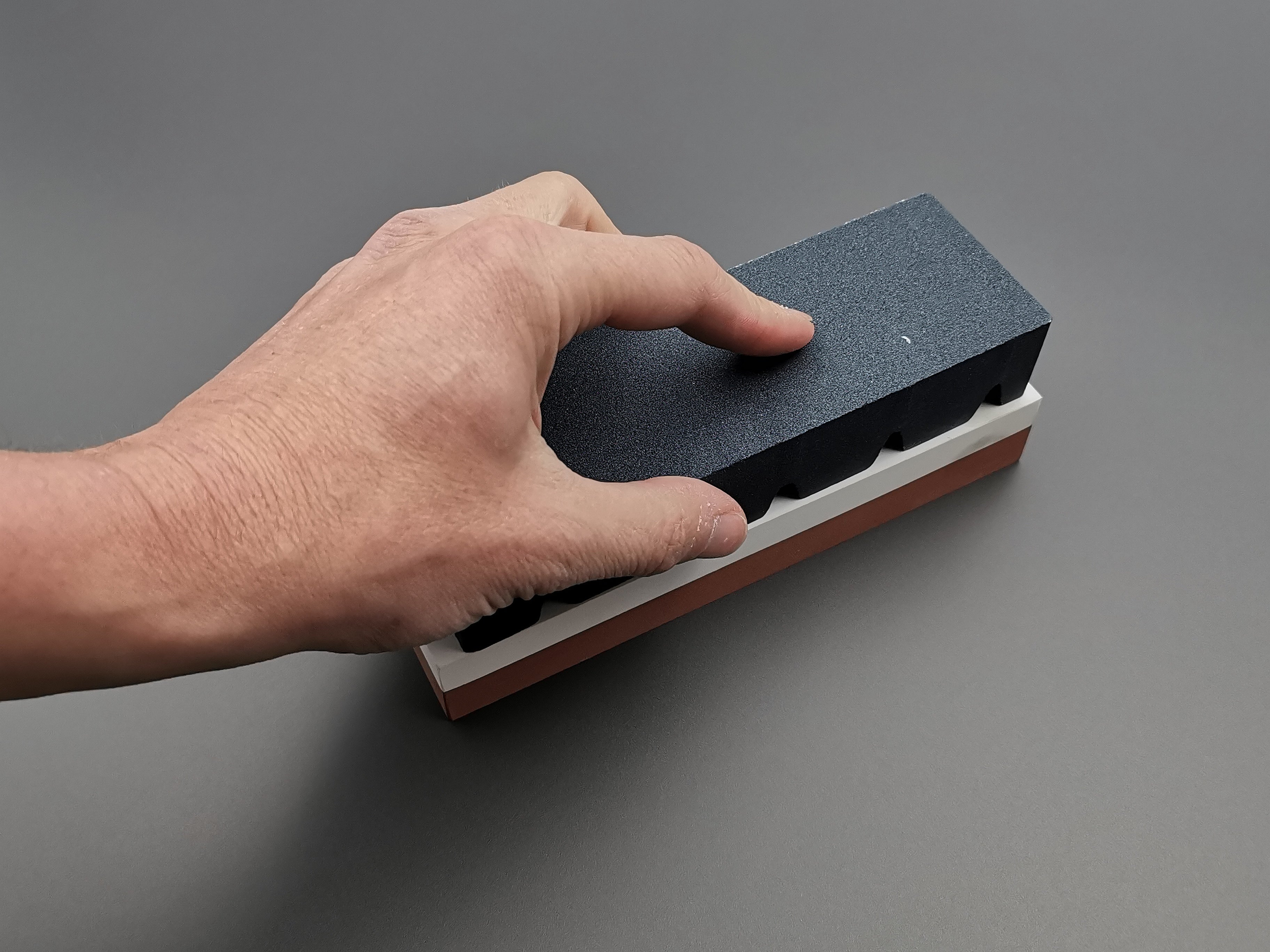
A stone fixer, also called a lapping plate or flattening stone, is an abrasive tool that resurfaces a whetstone. You work it across the face of the stone in overlapping strokes, taking down the high spots until the surface is level again. It takes a few minutes once you have done it a couple of times. A flat stone tracks the blade consistently, holds your bevel angle, and cuts metal far more efficiently than a dished surface.
How often should you use one
It depends on how often you sharpen and which grits you use. Coarse stones in the 200 to 400 grit range dish quickly because they remove material fast. Finer finishing stones last longer between flattenings. A practical habit is to lay a ruler across the stone before each session. If there is a visible gap in the middle, flatten it before you start. Catching it early means the problem never becomes severe, and the stone lasts considerably longer.
Using a stone fixer with Japanese knife sharpening
Japanese knives are usually sharpened at 10 to 15 degrees per side. That low angle is sensitive to any unevenness in the stone. A hollow can shift the effective angle partway through a stroke without you noticing, leaving a blade that looks sharp but struggles at the board. Keeping your stones flat is one of the more reliable improvements you can make to your sharpening routine, whether you are working on a yanagiba or a gyuto.
Pairing your stone fixer with the right accessories
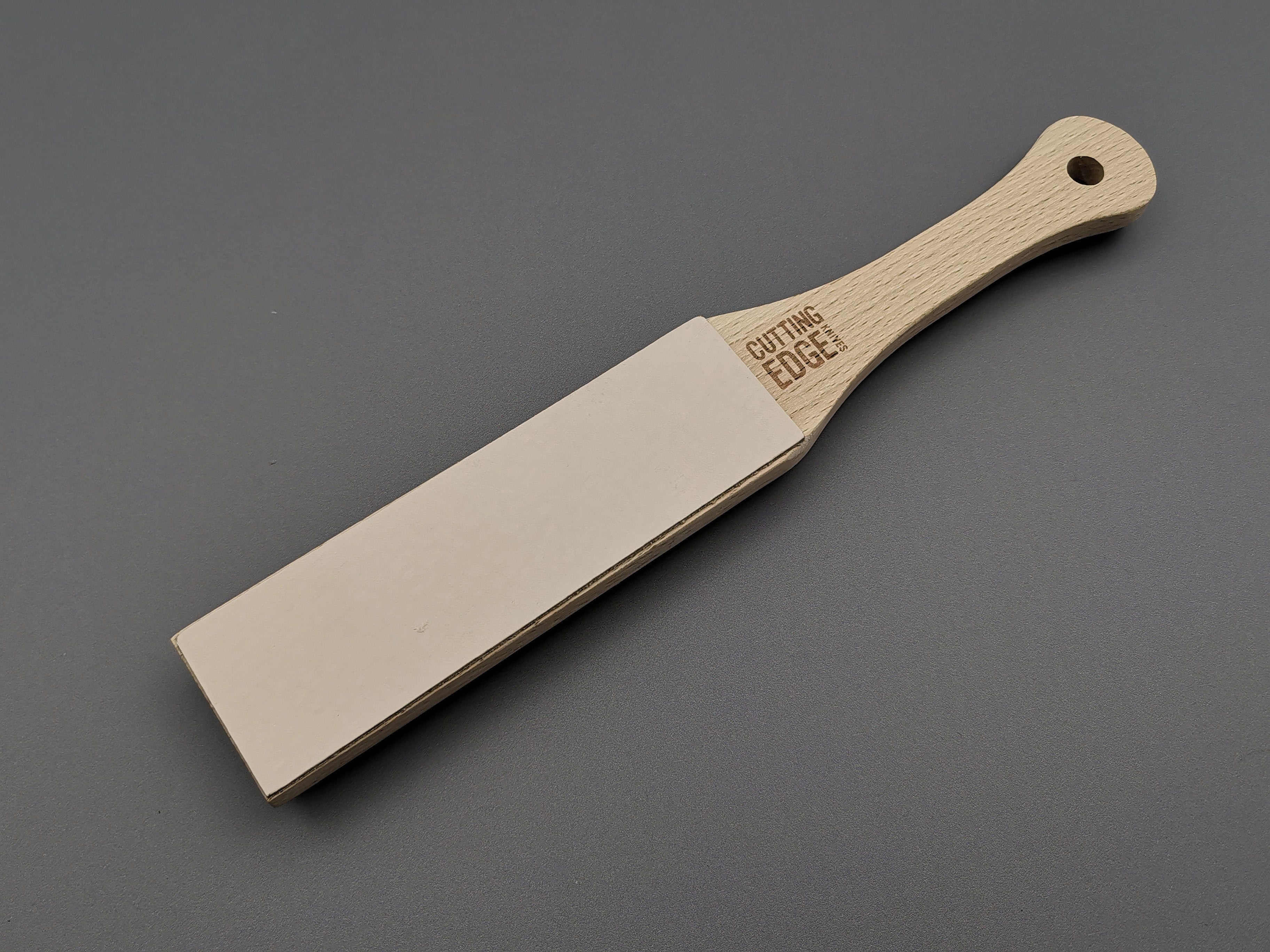
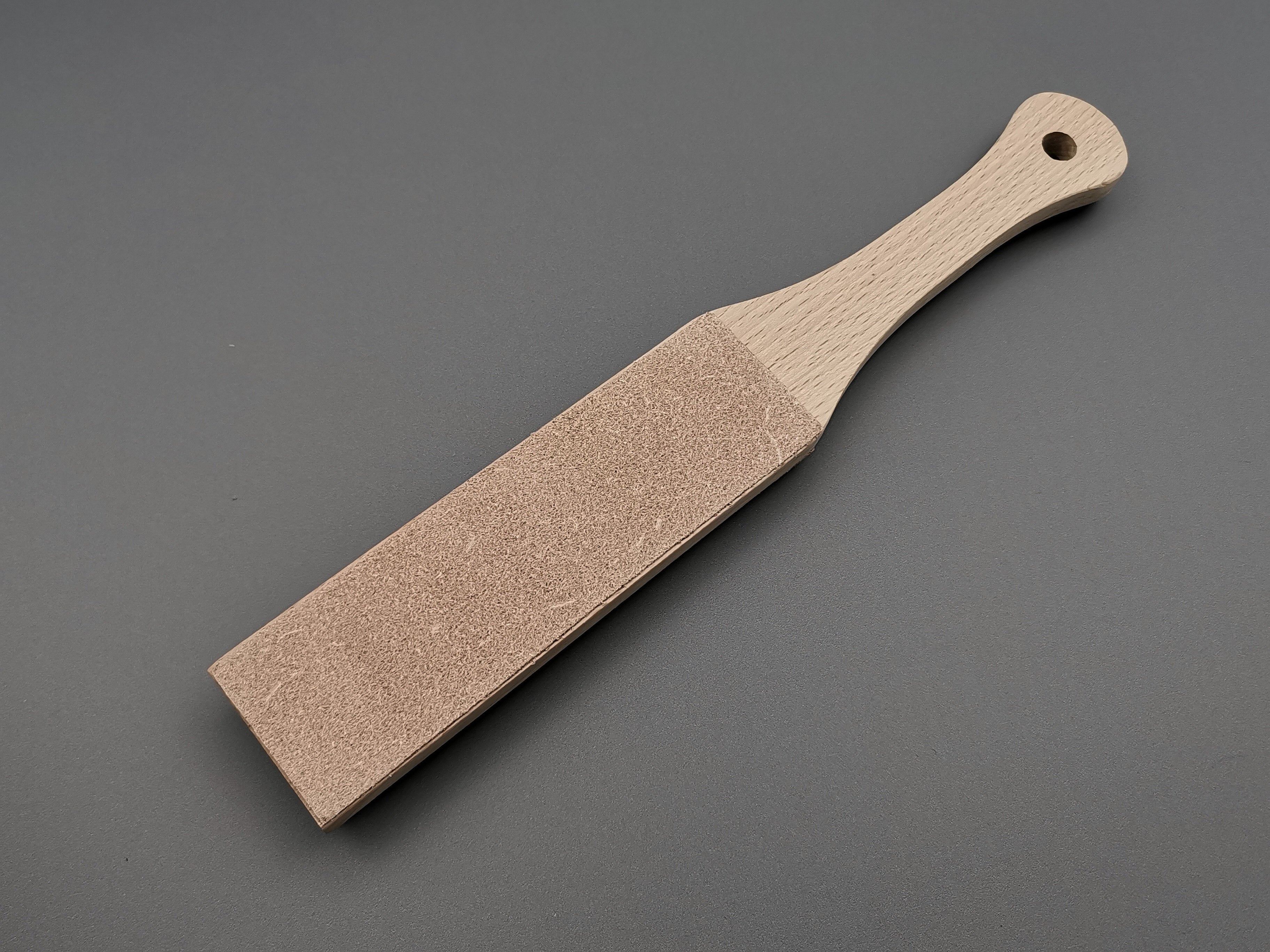
A stone fixer works best as part of a broader setup. A few things that support good results:
- Stone holders keep the whetstone stable during both flattening and sharpening
- A splash of water or nagura slurry helps the fixer cut evenly across the surface
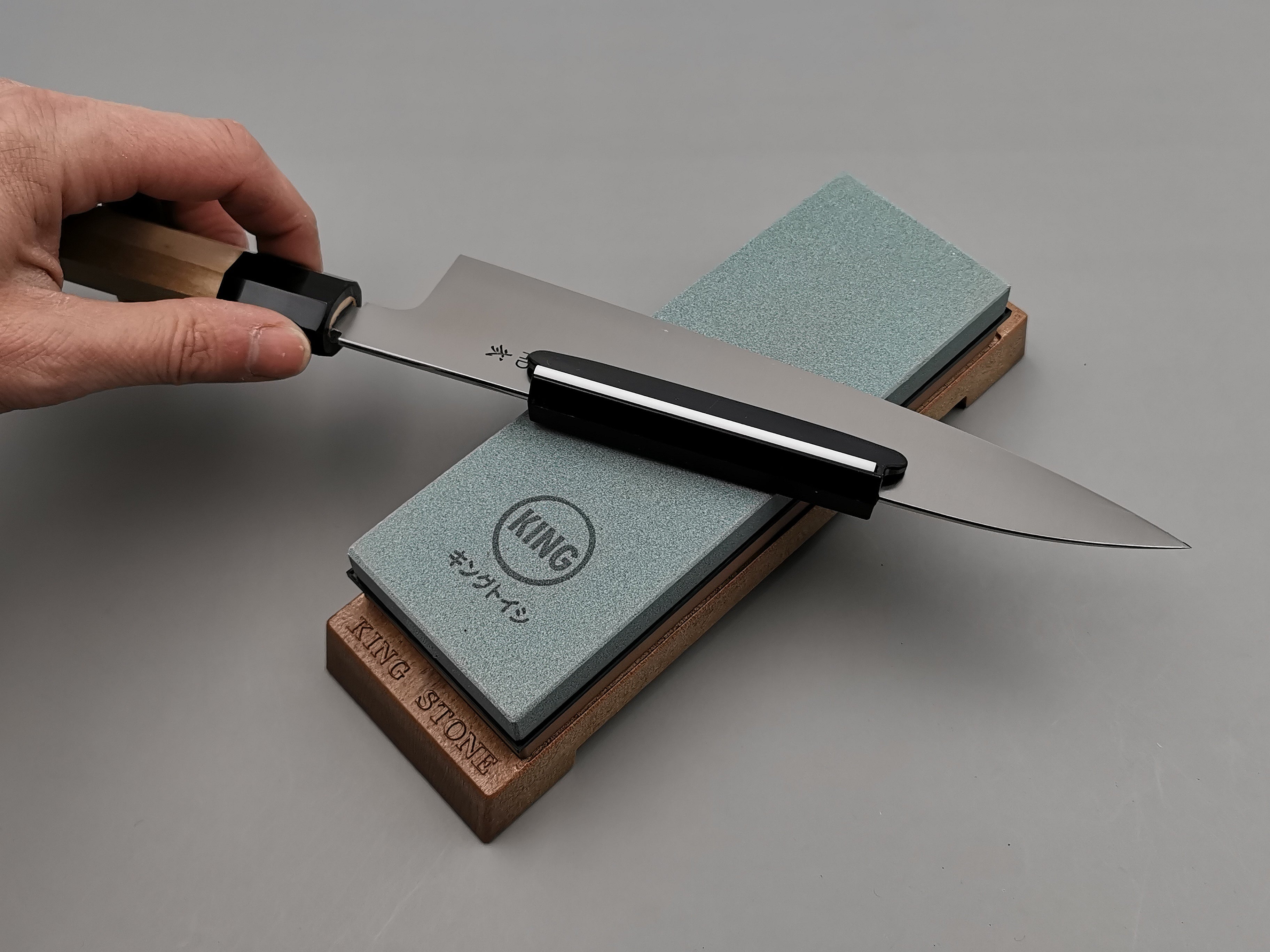
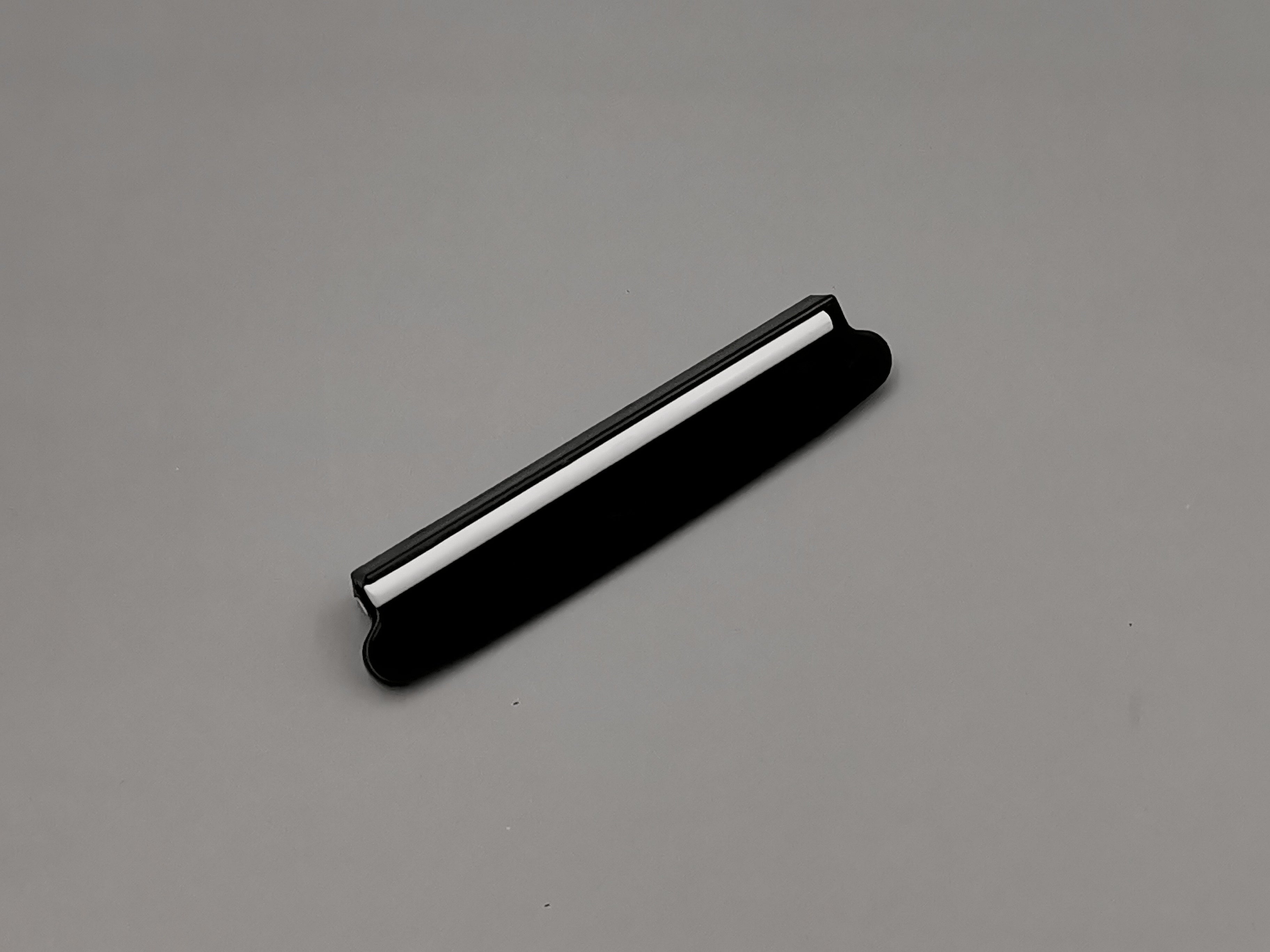
- An angle guide is useful while you are still building muscle memory for consistent bevel control
If you are putting together a sharpening kit or filling gaps in an existing one, our full accessories range covers sharpening tools and knife storage.
Shop sharpening accessories at Cutting Edge Knives
Whether you are starting from scratch or adding a stone fixer to an existing kit, we stock a range of whetstone care products and sharpening accessories. Take a look at our knife guards and storage collection while you are here, or browse kitchen and home accessories for anything else your knife care routine needs.