
Why a Japanese knife sharpener is worth understanding
Japanese knives are ground to acute edge angles, often between 10 and 15 degrees per side, and that geometry needs a sharpener built to respect it. A coarse pull-through device will round the edge and strip the steel faster than it restores it.

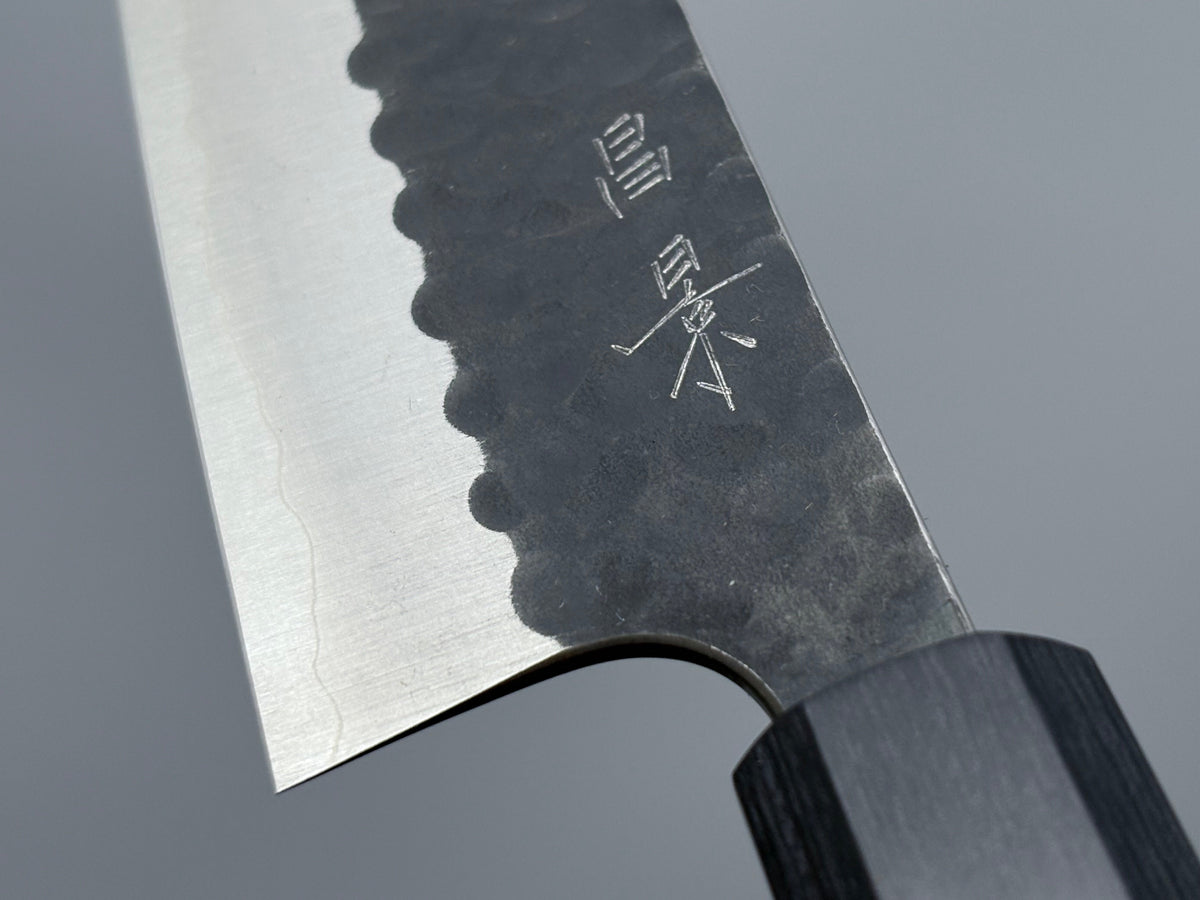
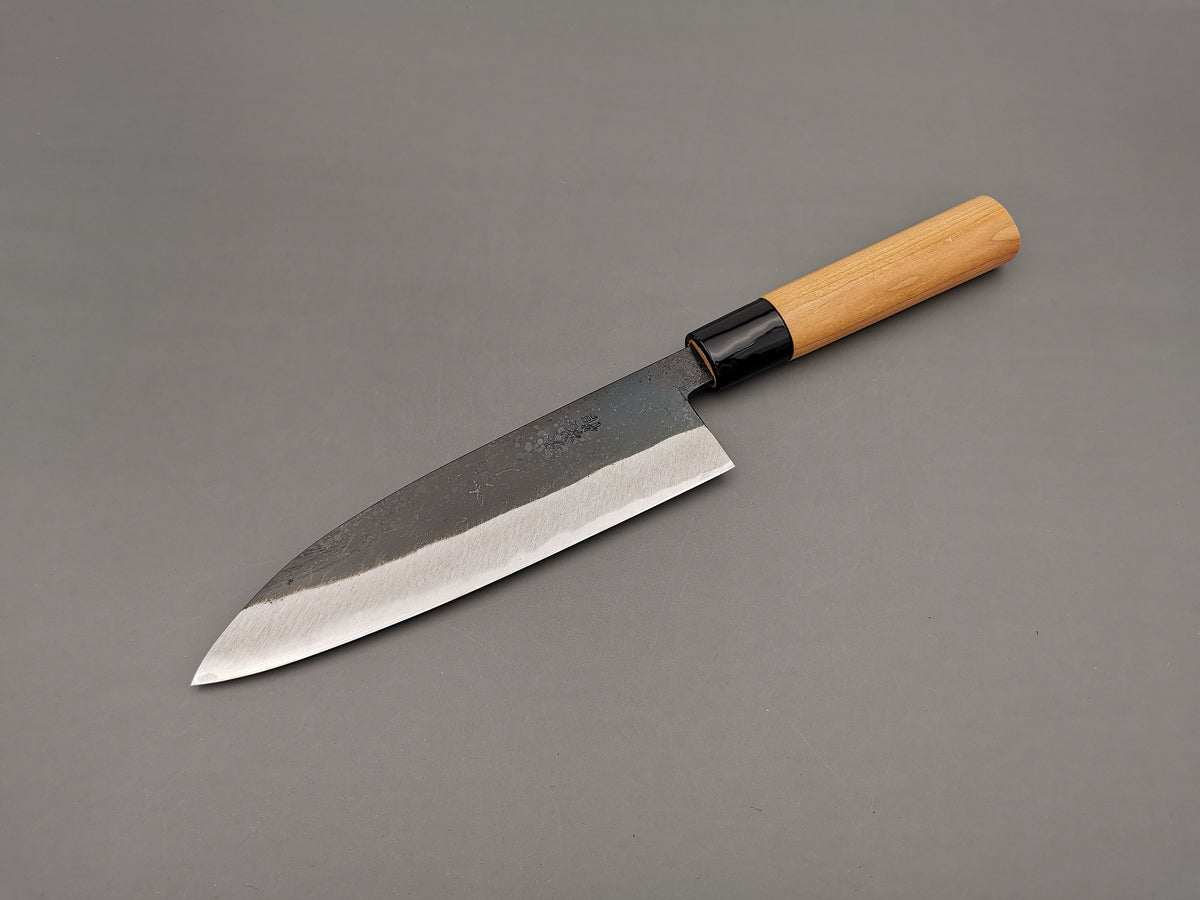
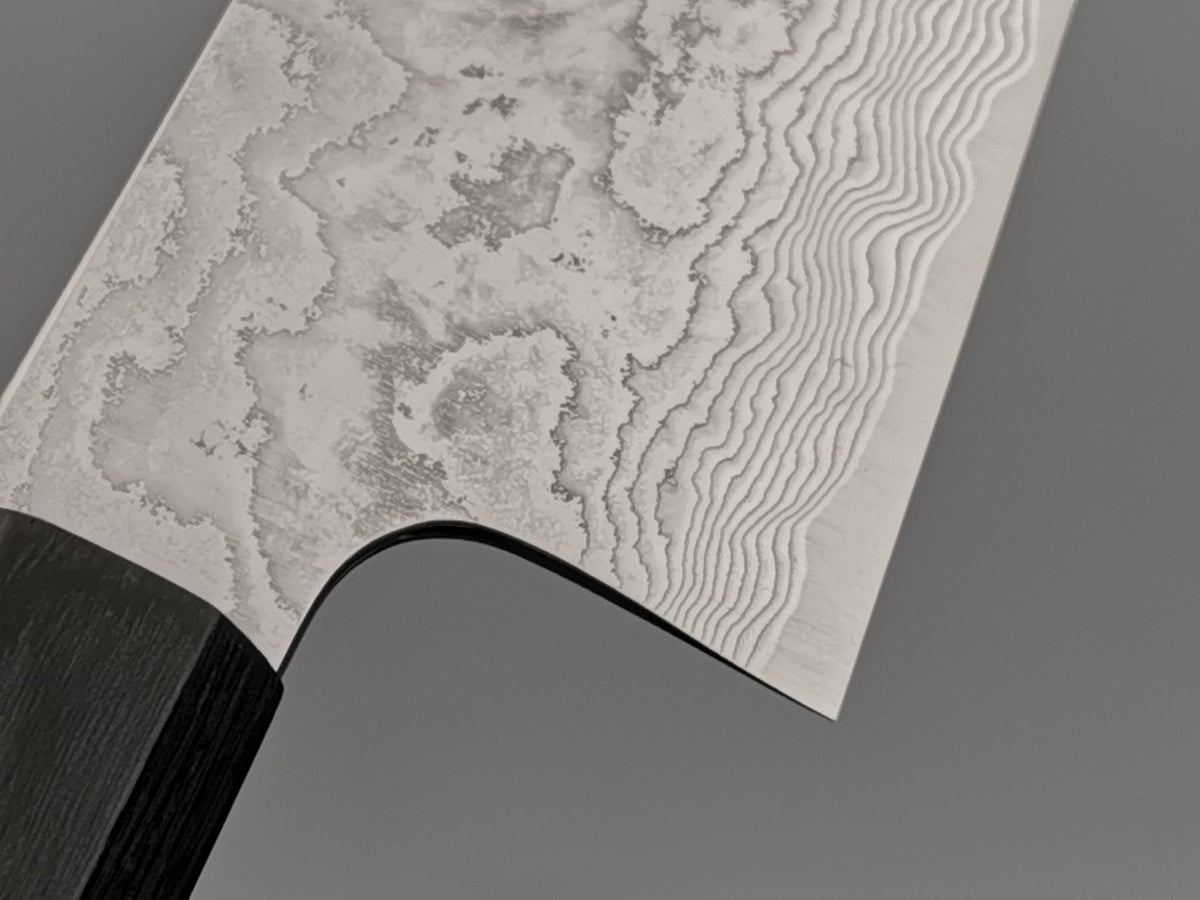
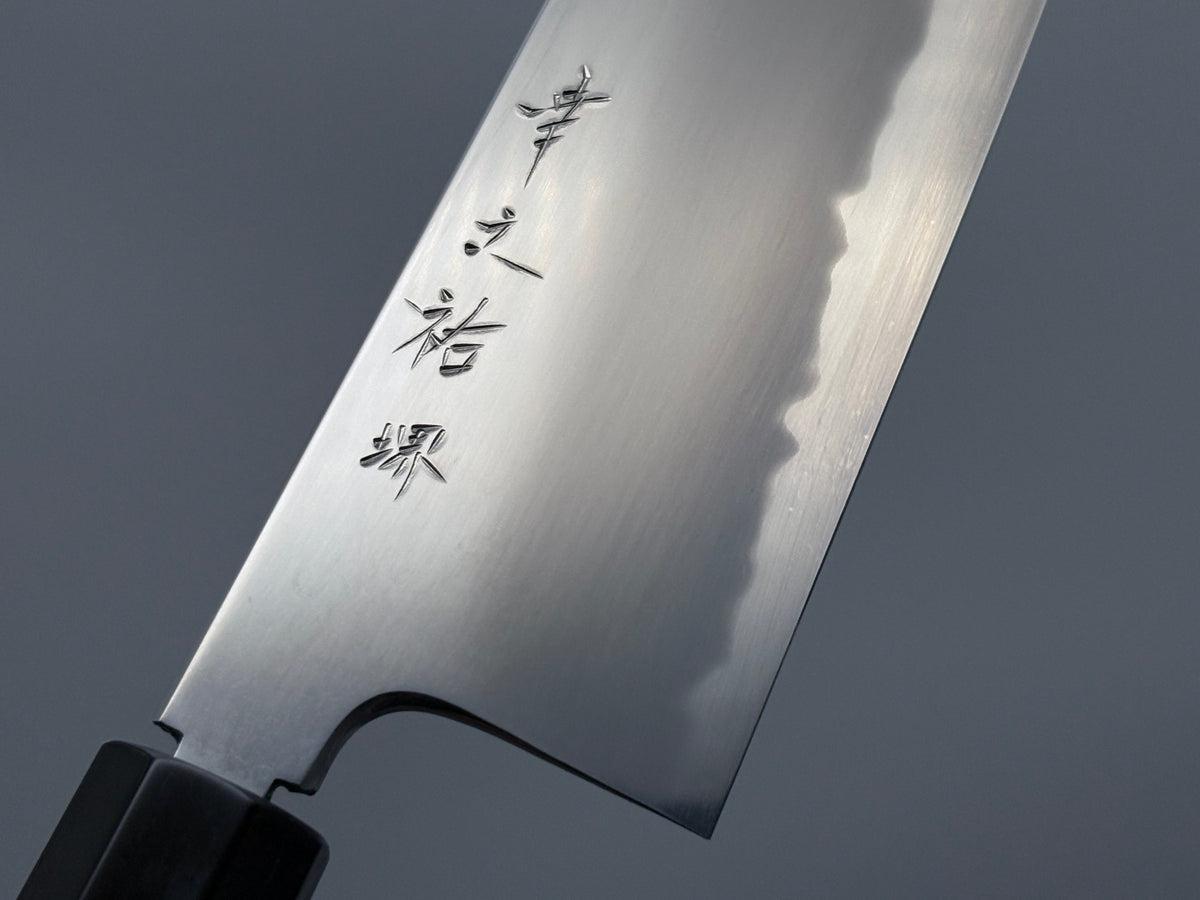
If you have invested in hand-forged blades from makers like Hado Knife, whose Sakai-crafted range uses steels such as SG2 and Ginsan, you want a sharpening method that preserves the original bevel rather than eroding it.
Choosing the right Japanese knife sharpener does not require years of practice. It does require a clear understanding of what each type of tool does and when to use it. Getting that foundation right from the start saves you money and keeps your knives in the condition they left the maker's workshop.
Whetstones: the most effective option for most cooks
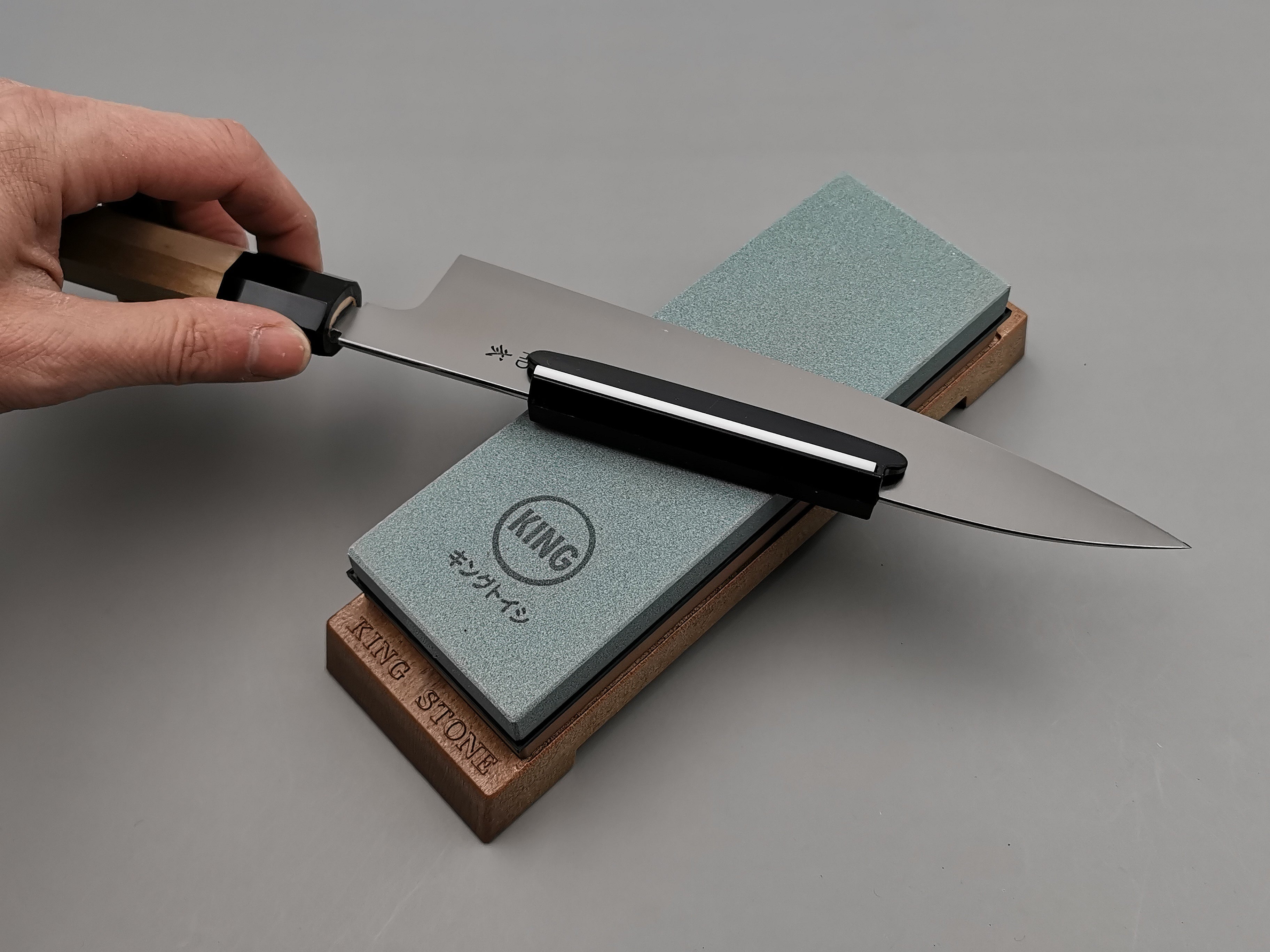
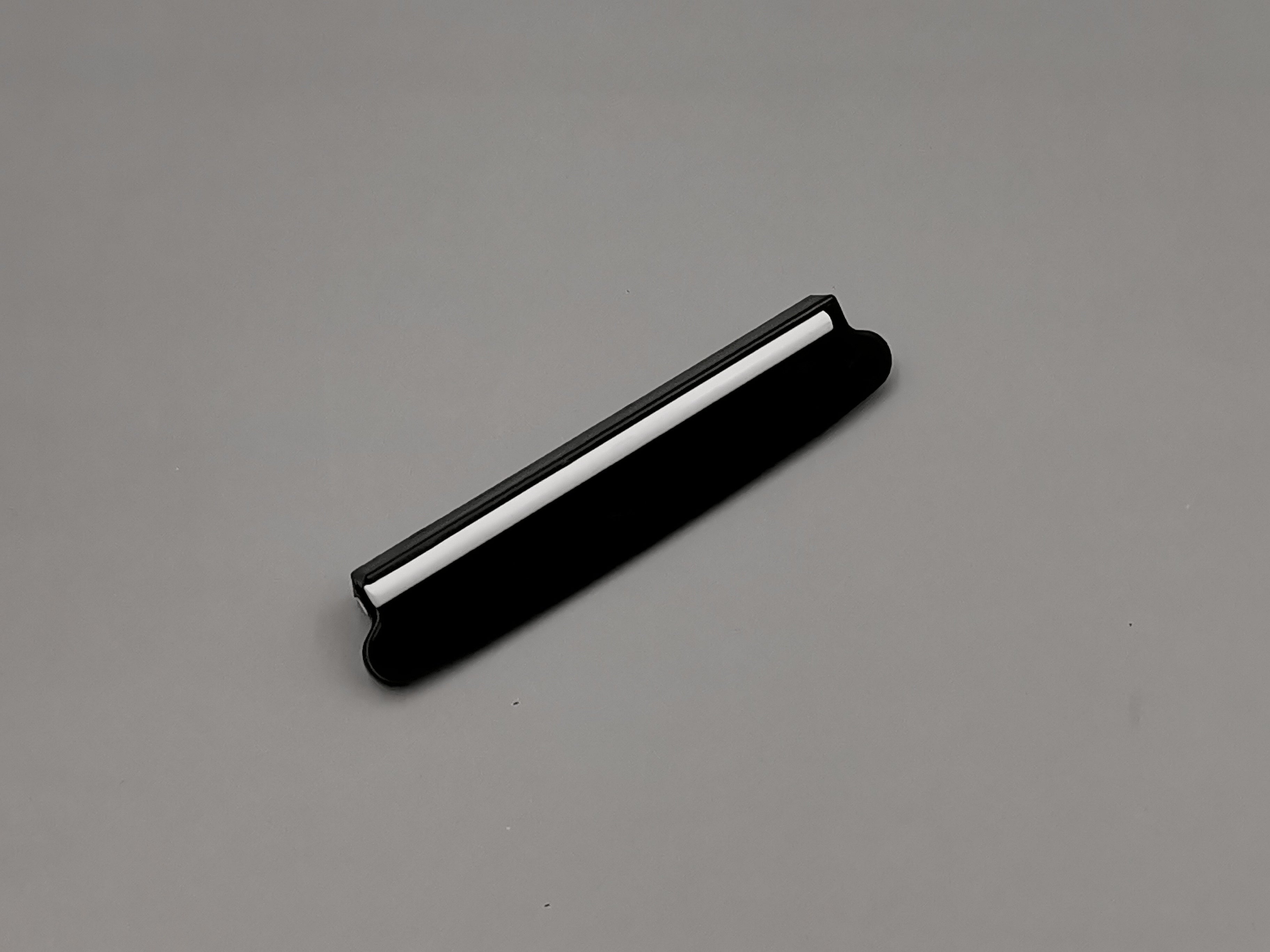
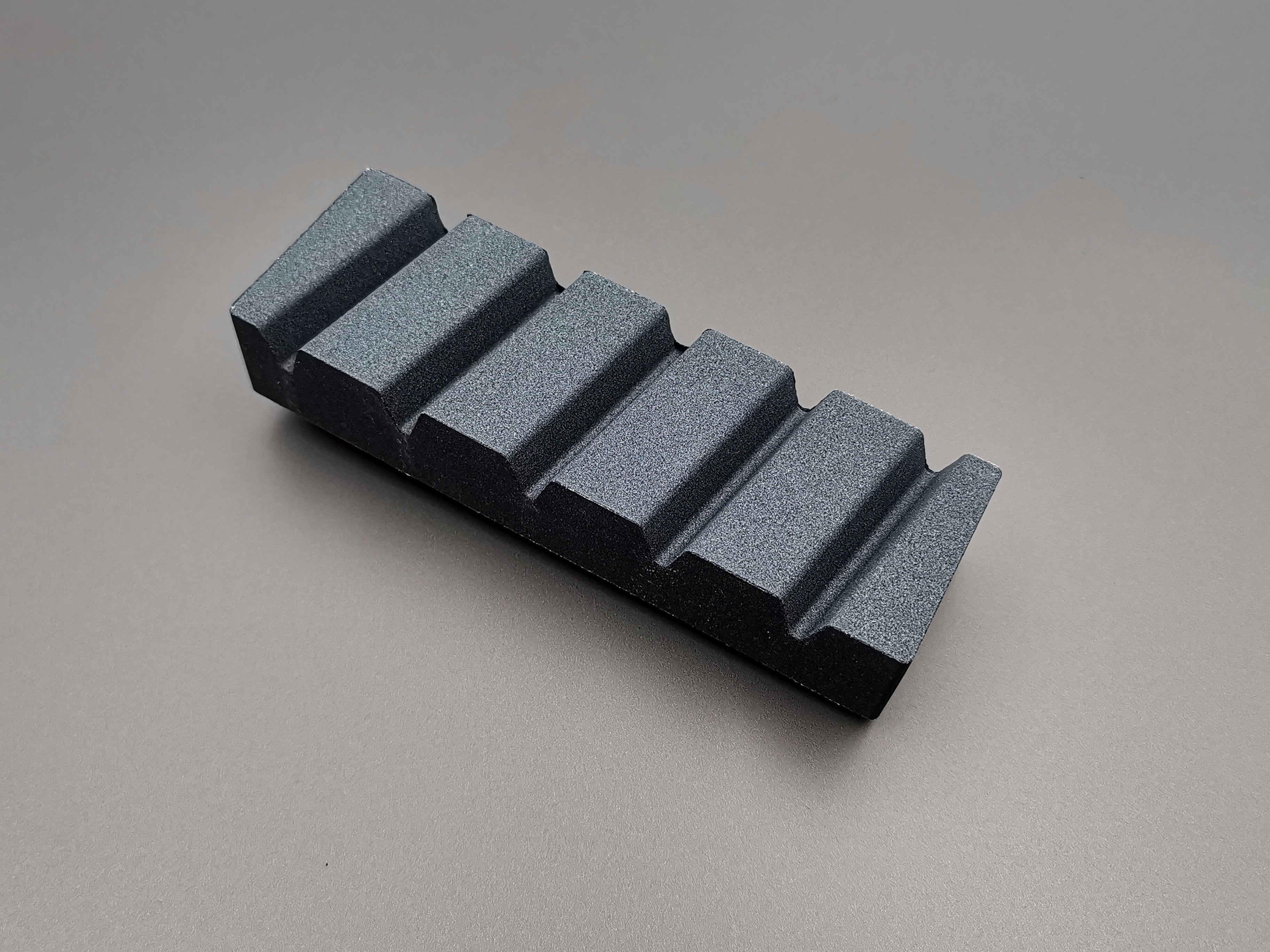
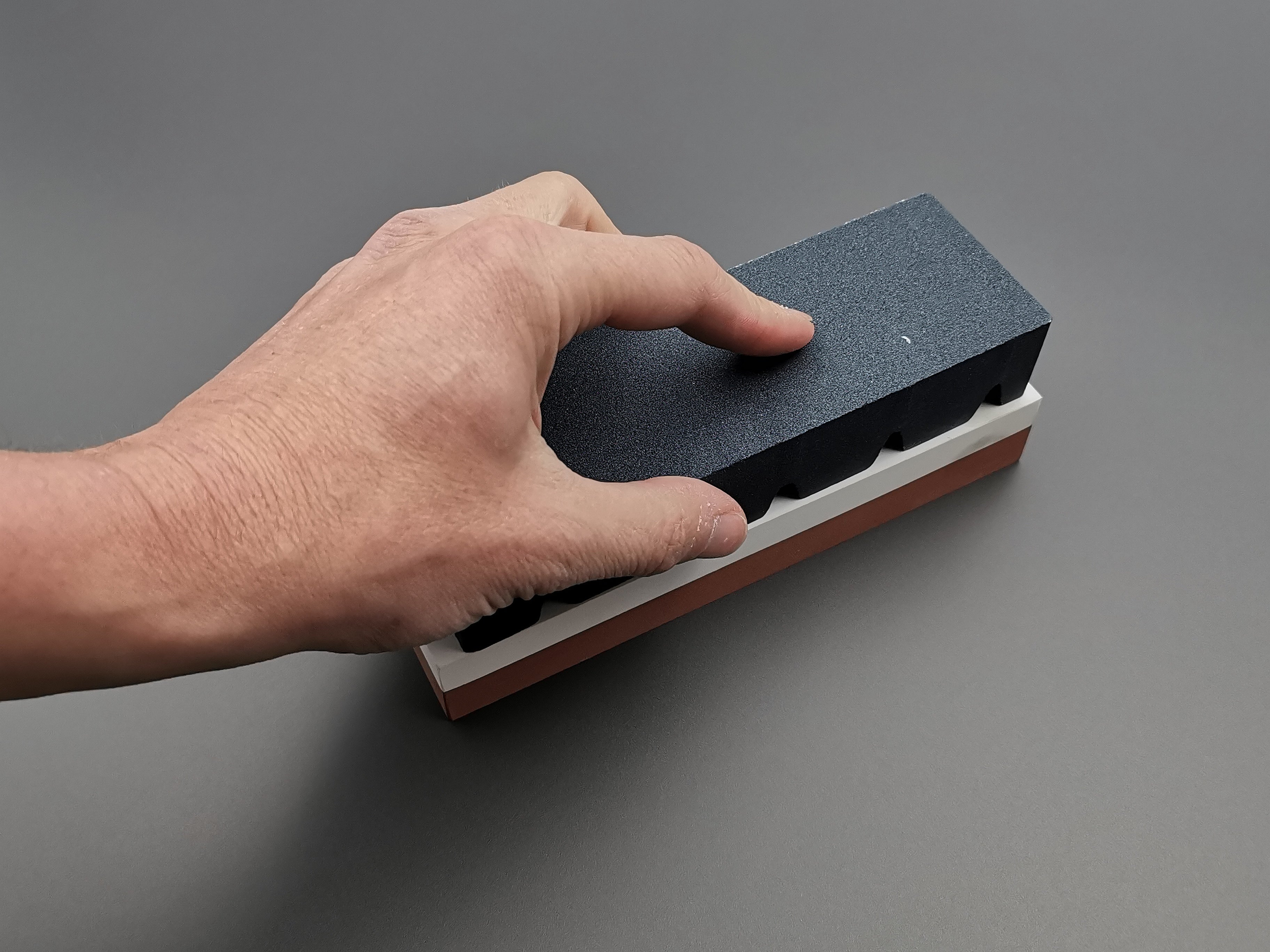
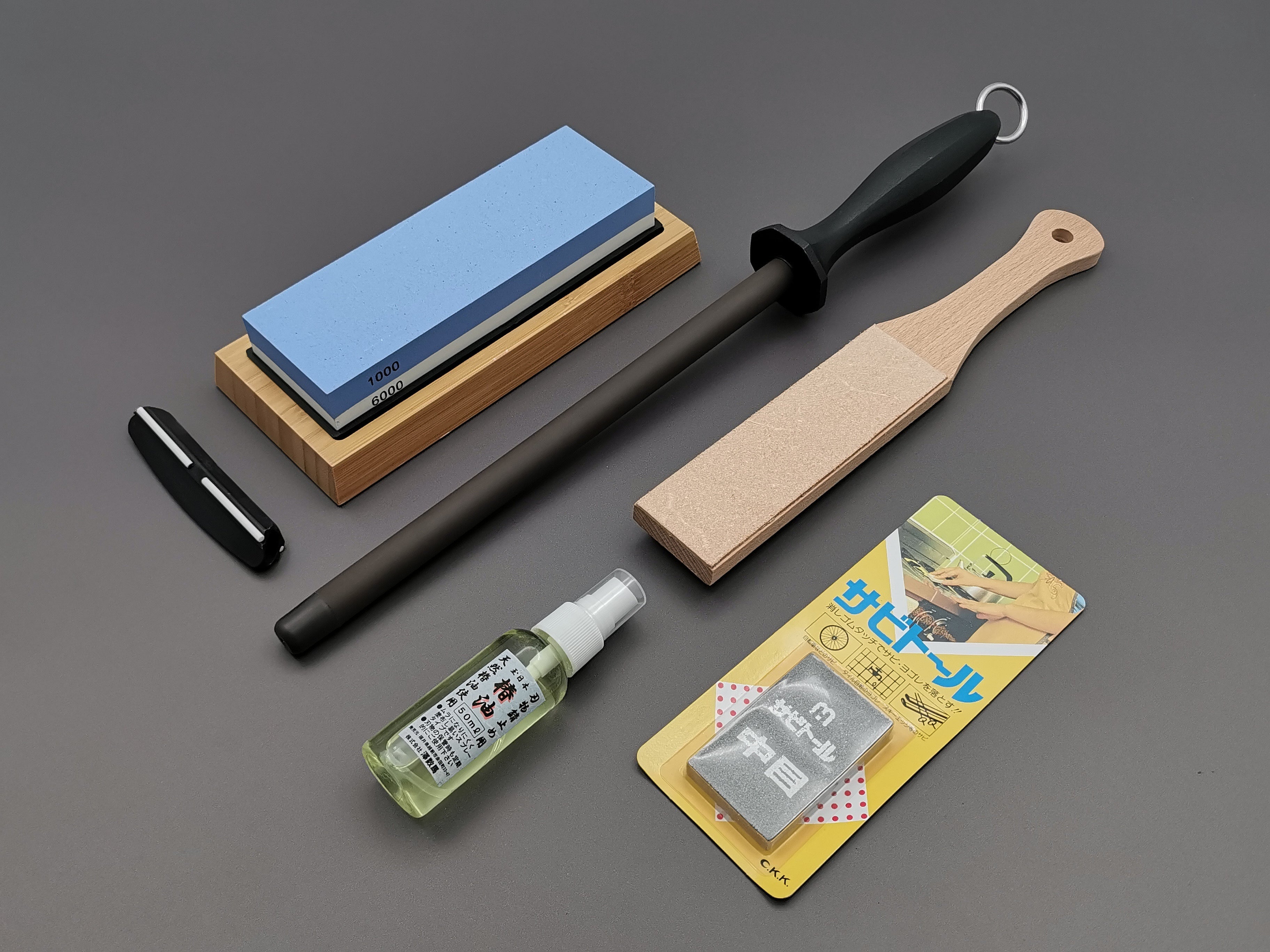
A whetstone gives you full control over the angle and the amount of material removed. A 1000-grit stone handles regular maintenance and light edge repair. A 3000 to 6000-grit finishing stone refines and polishes the edge after the bulk work is done. For harder Japanese steels, finer grits produce a noticeably cleaner cut. You can browse our best-selling sharpening accessories to see which whetstones sell most.
Combination stones that pair a medium and fine grit are practical for home kitchens. They cover most maintenance without needing a full set of separate stones. If you are sharpening regularly rather than correcting serious damage, a combination stone is often all you need.
Honing rods and stropping
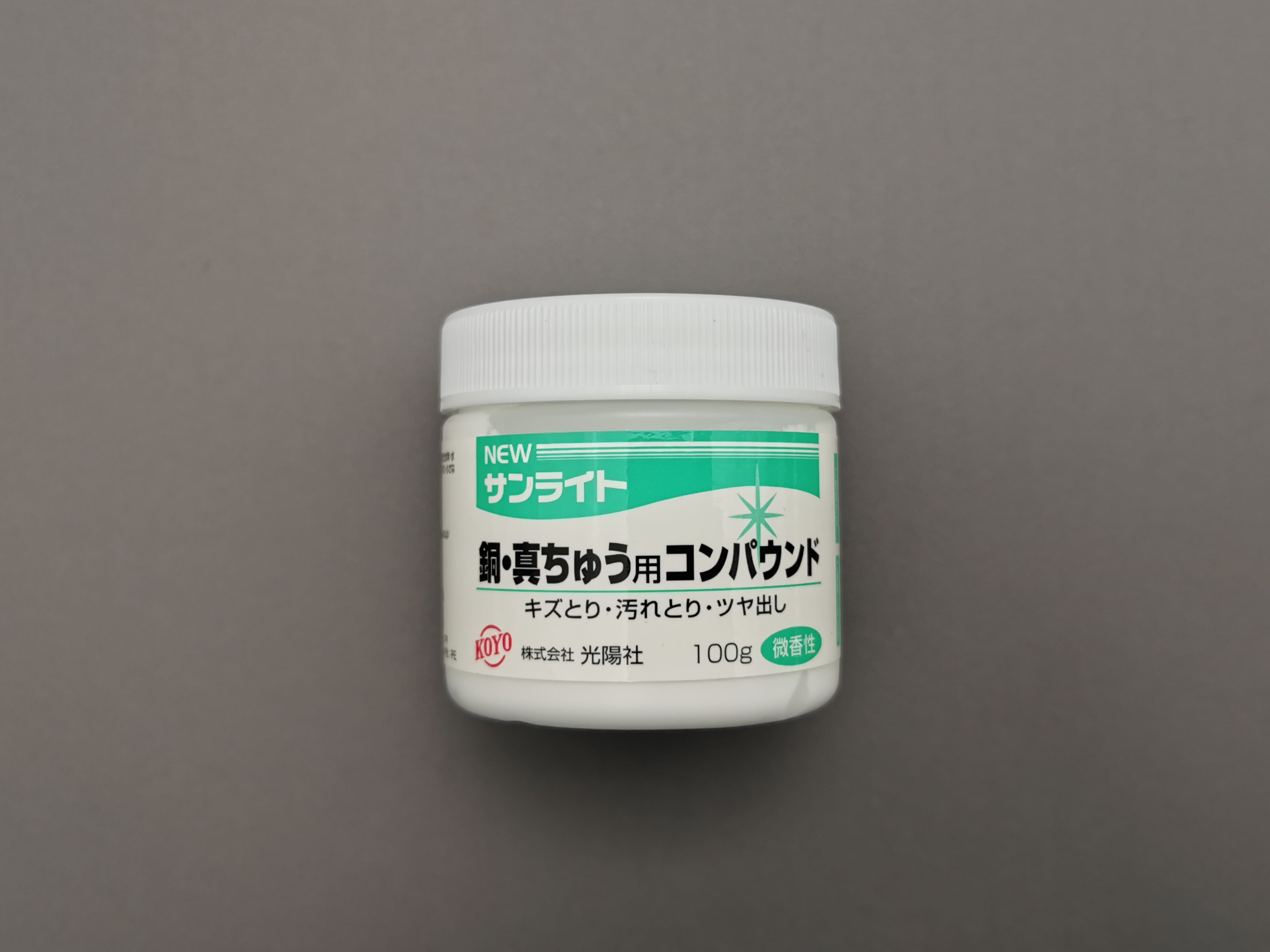
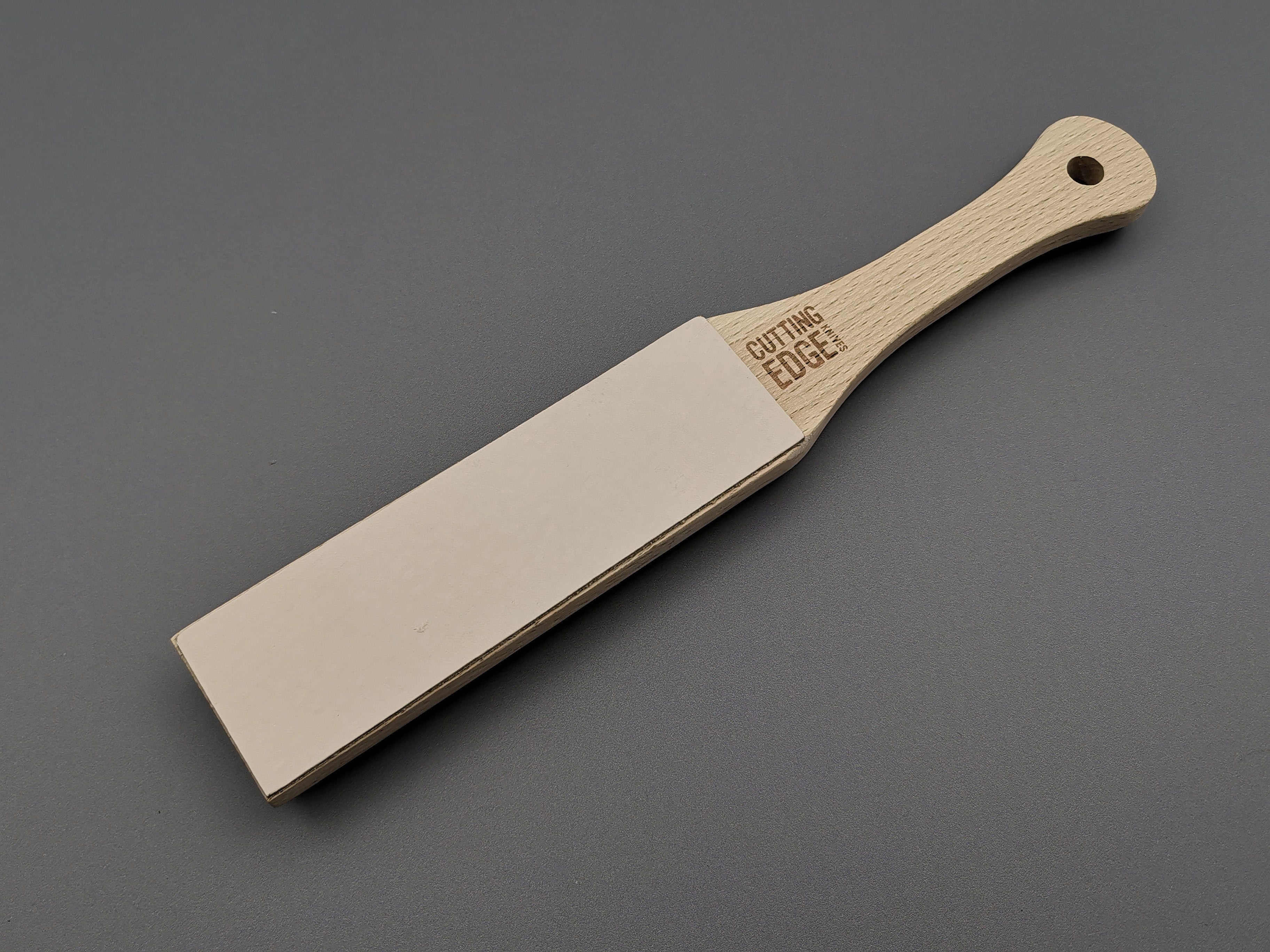
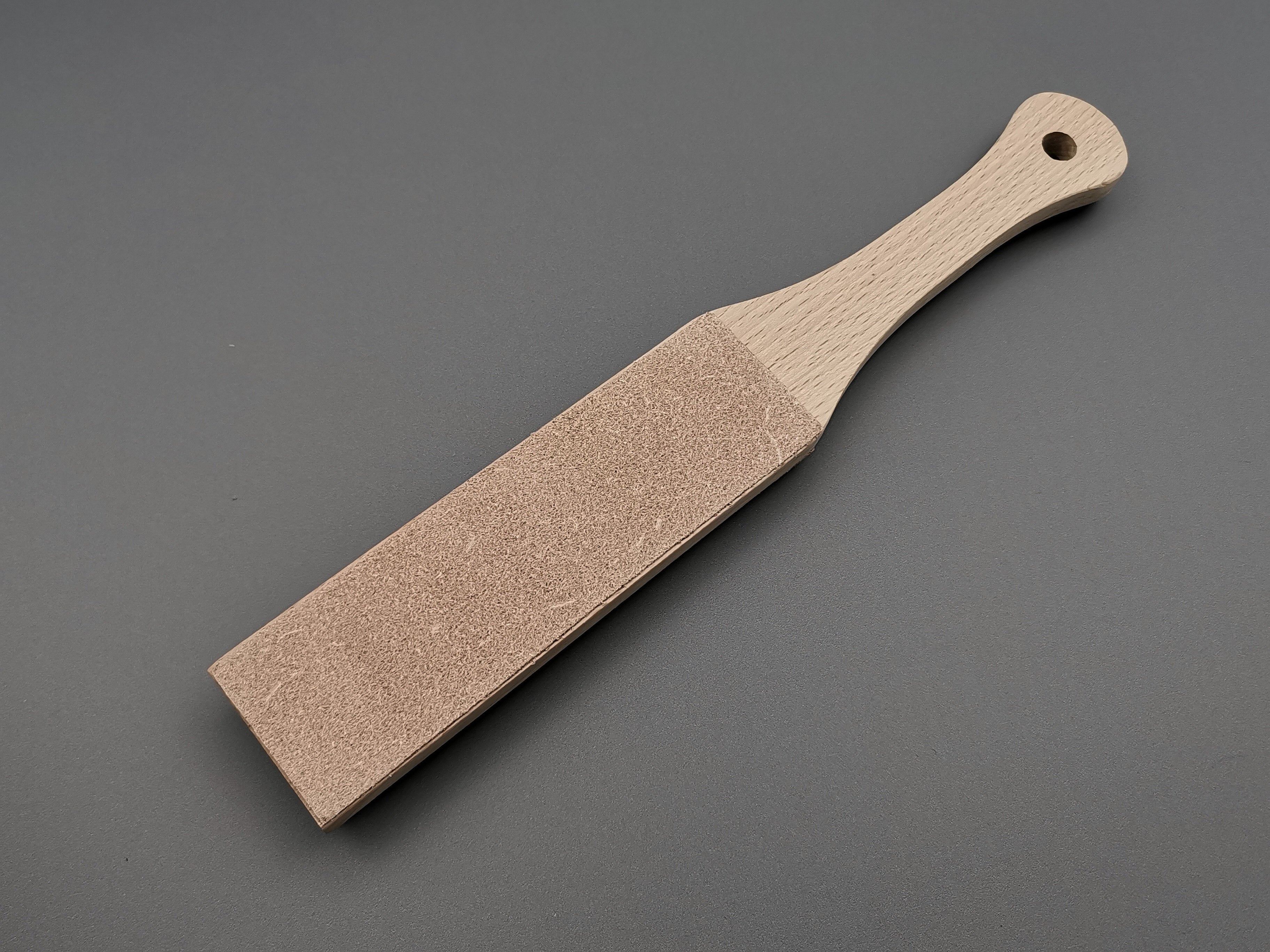
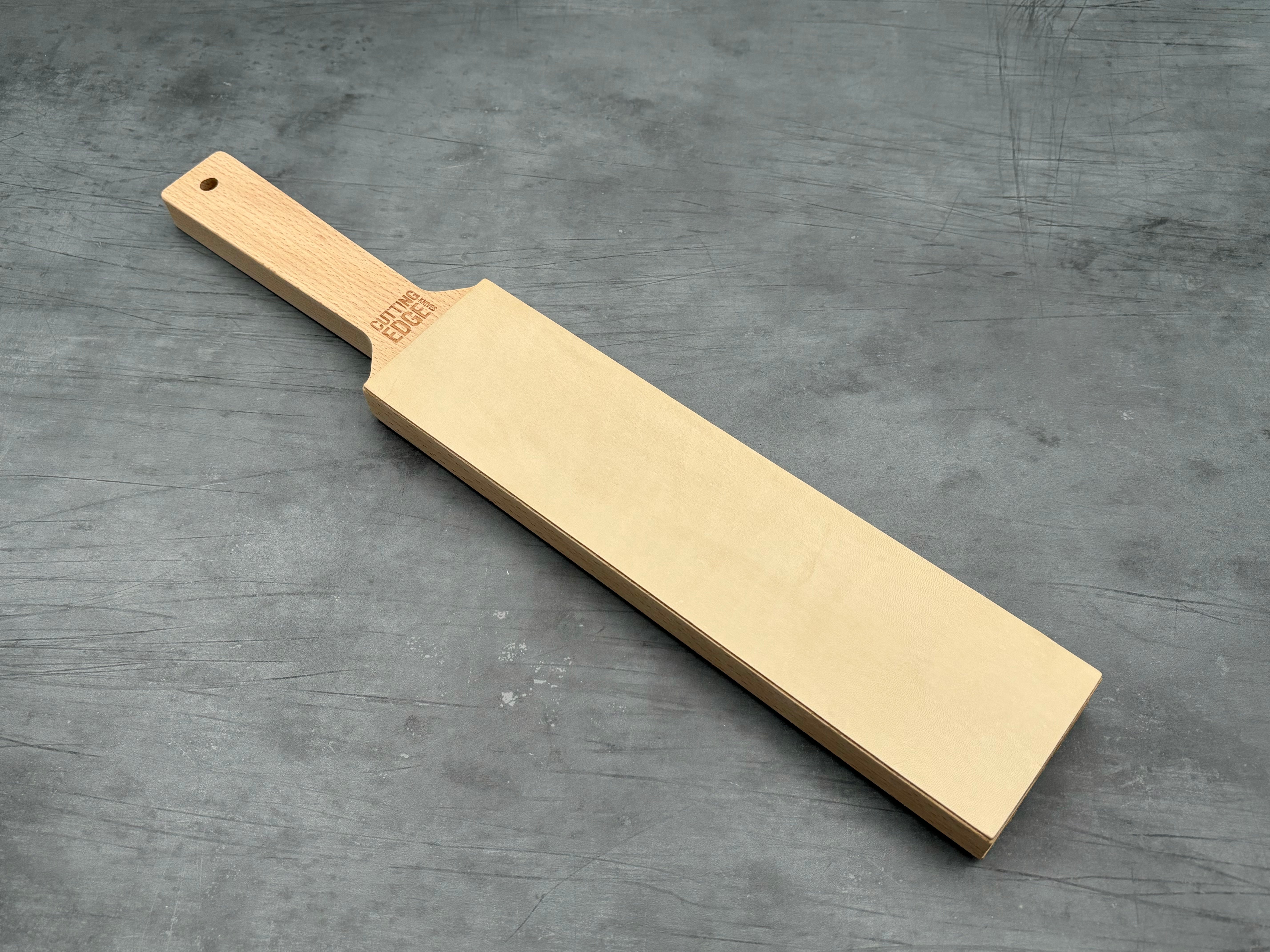
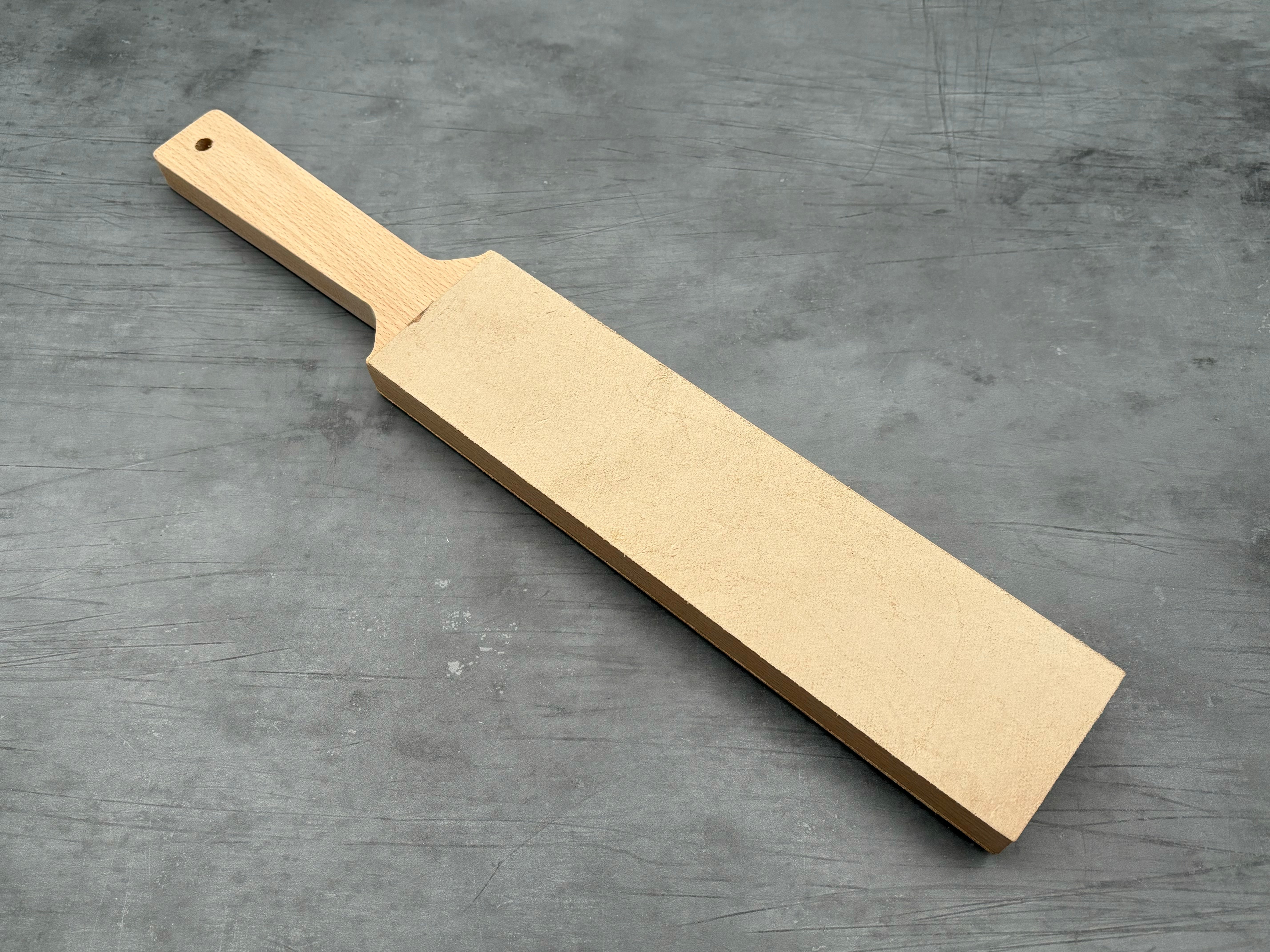
A ceramic honing rod realigns the edge between sharpenings without removing much steel. Unlike a ridged steel rod, ceramic is gentle enough for hard Japanese blades that can chip under aggressive honing. Leather strops loaded with a polishing compound take this further, producing a finish that suits single-bevel knives particularly well. Many experienced cooks use a strop after every session at the whetstone to stretch the time between full sharpenings.
Pull-through and electric sharpeners
Pull-through sharpeners are convenient but set the angle for you, usually at 20 to 22 degrees. That is wider than a typical Japanese grind, so consistent use will gradually alter the edge profile. Electric sharpeners have the same limitation. For general-purpose western knives they are fine, but for a dedicated Japanese gyuto or a precise vegetable knife, they are a trade-off worth avoiding if you can.
Matching the sharpener to the steel
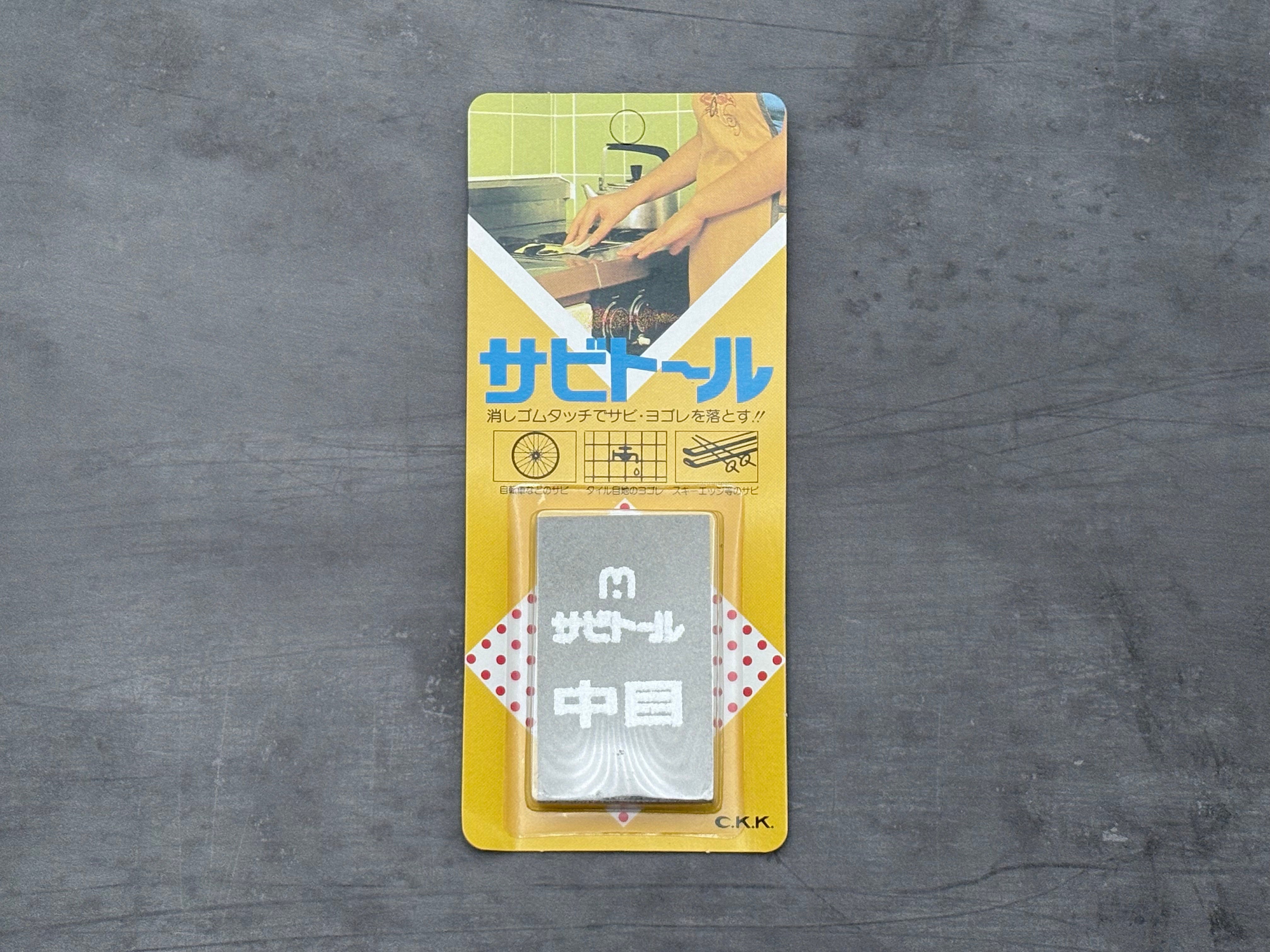
Harder steels such as HAP40 or SG2 need diamond plates or quality aluminium oxide stones to cut efficiently. Softer reactive carbon steels sharpen quickly on most stones and respond better to frequent light maintenance than to infrequent heavy sessions. Check the steel in your blade before choosing a Japanese knife sharpener.
Browse the full range of knife care accessories at Cutting Edge Knives to find whetstones, honing rods, and everything else needed to keep your blades sharp.