
🦉 HELLO NIGHTOWL 🦉 Grab a late night treat of 7% off your order between 1-5am with code NIGHTOWL

One of the most common questions from new owners is whether Japanese knives can go in the dishwasher. The answer is simple: no. Japanese knives should always be hand washed and dried immediately. Here are three important reasons why:

1. Risk of Corrosion

Many Japanese knives use high-carbon steel, which is more prone to rust than standard stainless steel. The heat, steam and detergents inside a dishwasher strip protective oils and promote corrosion.

2. Edge Damage

The thin, razor-sharp edge of a Japanese knife can easily chip or dull if it rattles against other utensils or the dishwasher racks. This can ruin the precision cutting performance.

3. Handle and Finish Protection

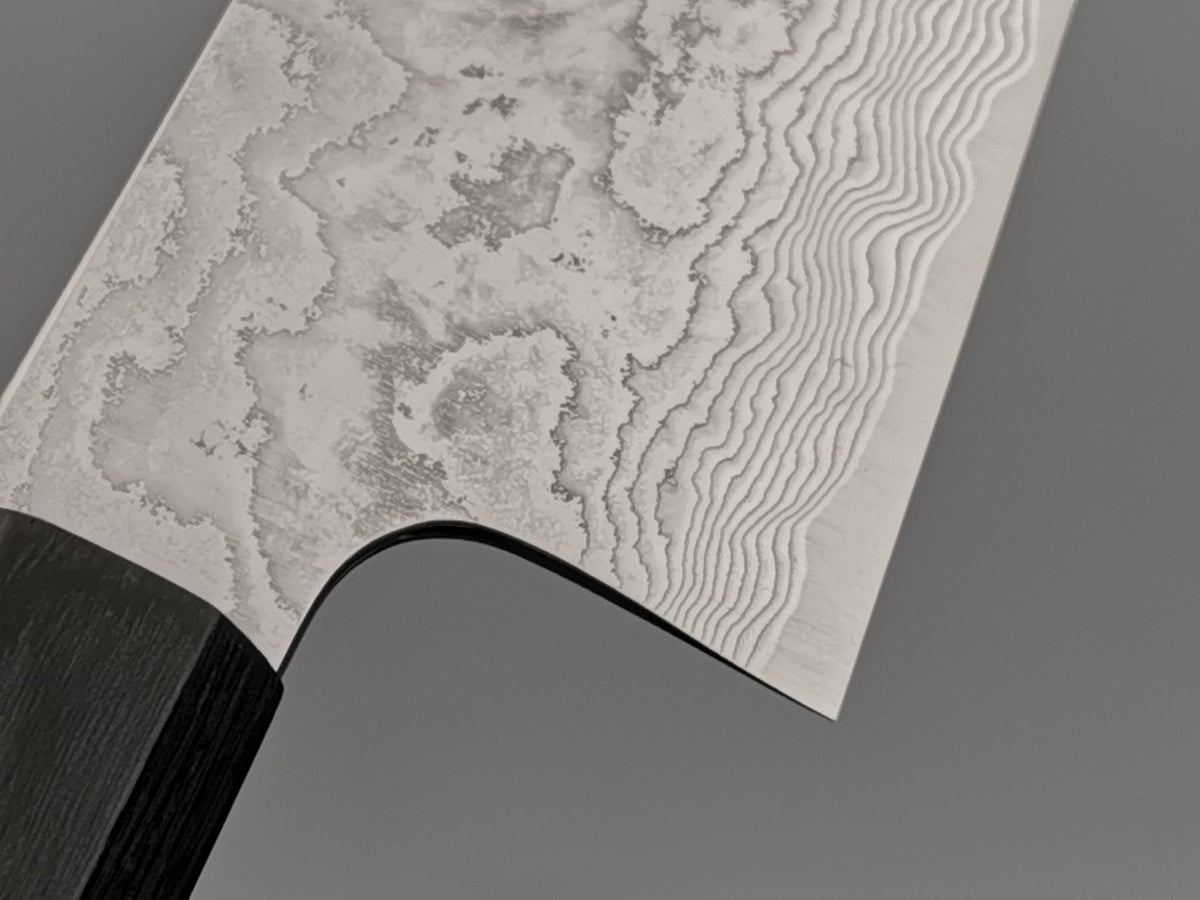
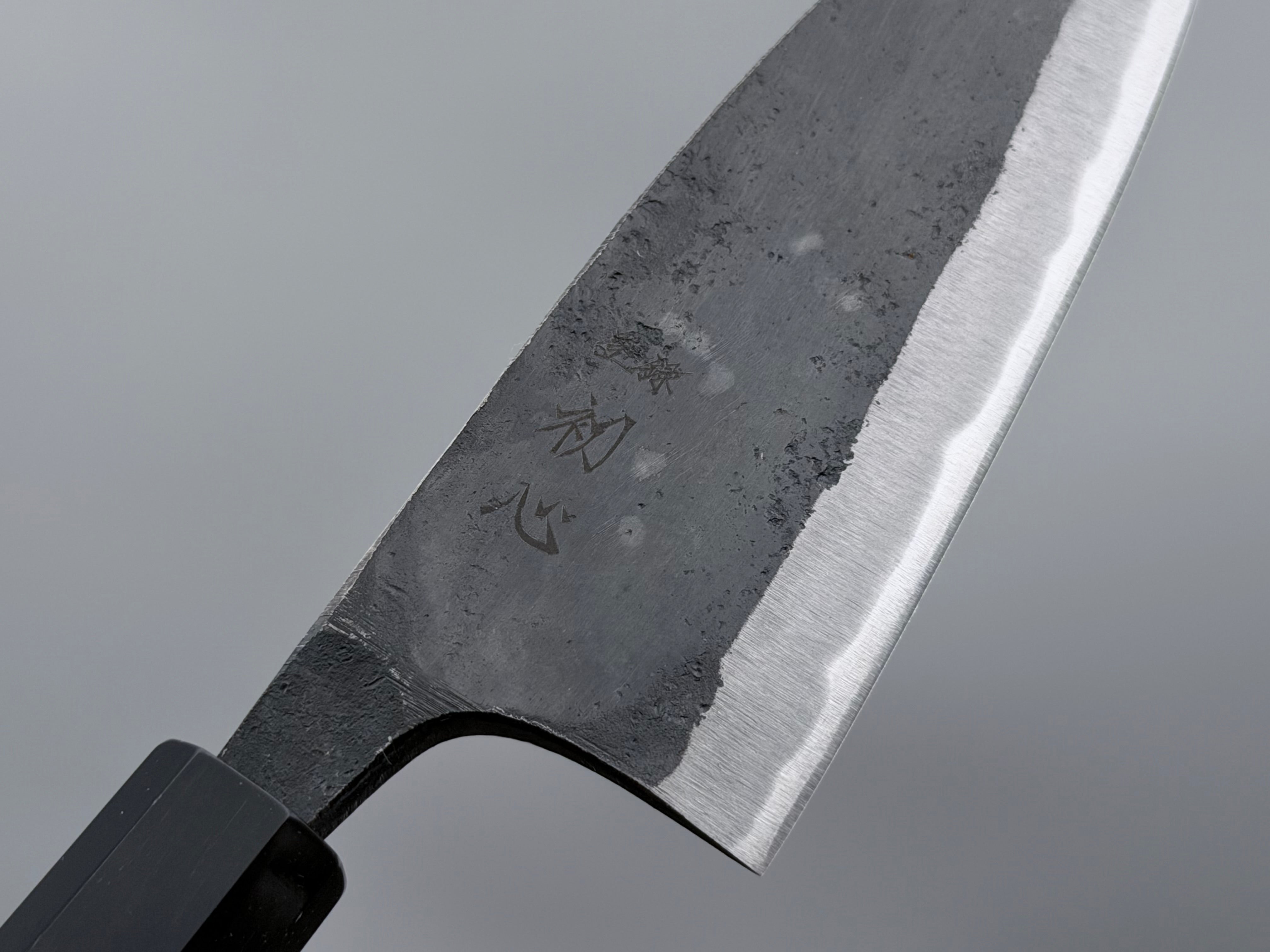
Wooden or composite handles are sensitive to heat and moisture. A dishwasher cycle can cause swelling, cracking or loosening of the handle, while delicate finishes like kurouchi or tsuchime can wear away.

The Right Way to Clean

Always wash your Japanese knives gently by hand with mild detergent, rinse, then dry them immediately with a soft cloth. Proper care will keep your knives sharp, beautiful and long-lasting.
Related Products

View all

Save 26%

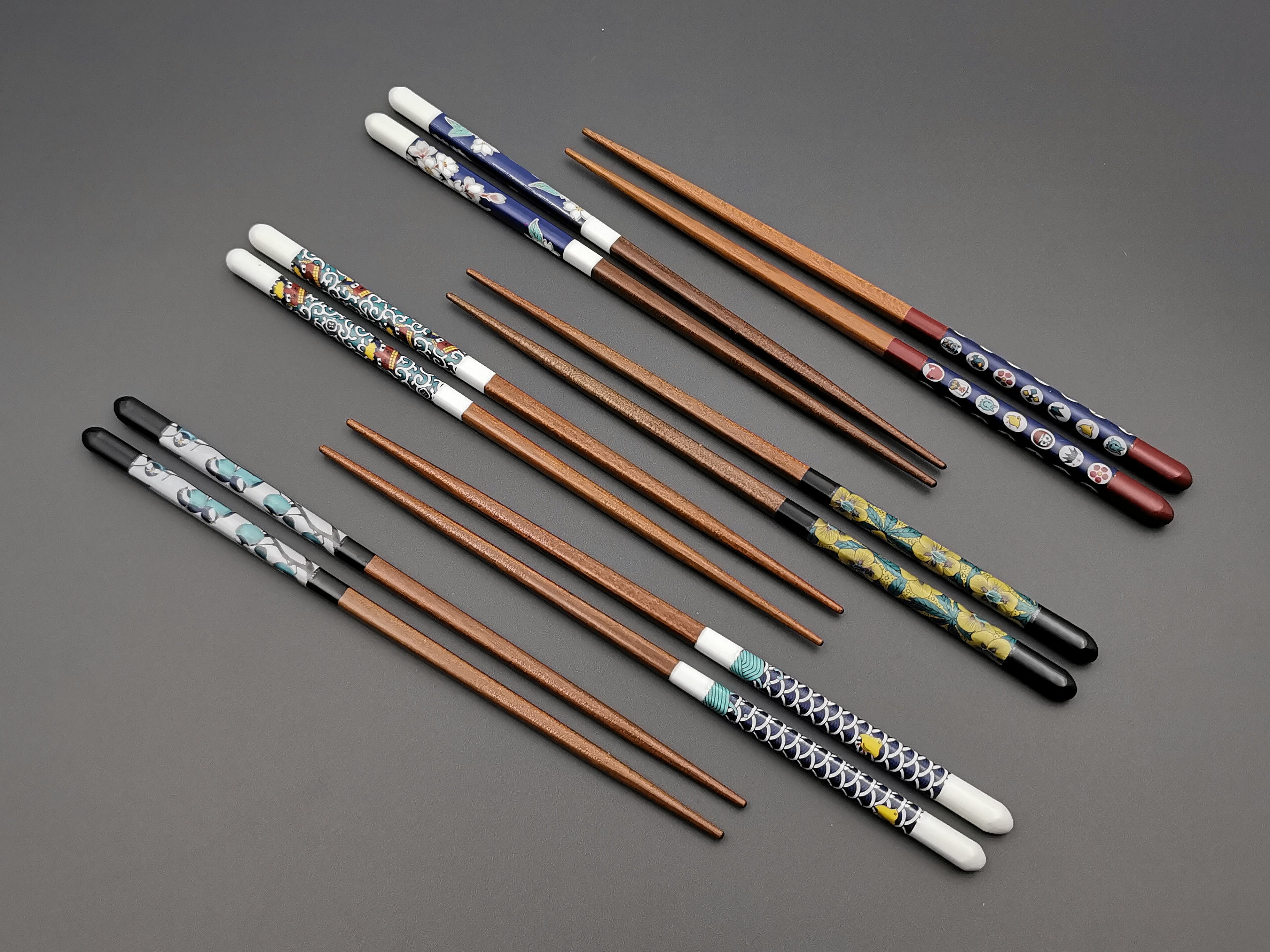
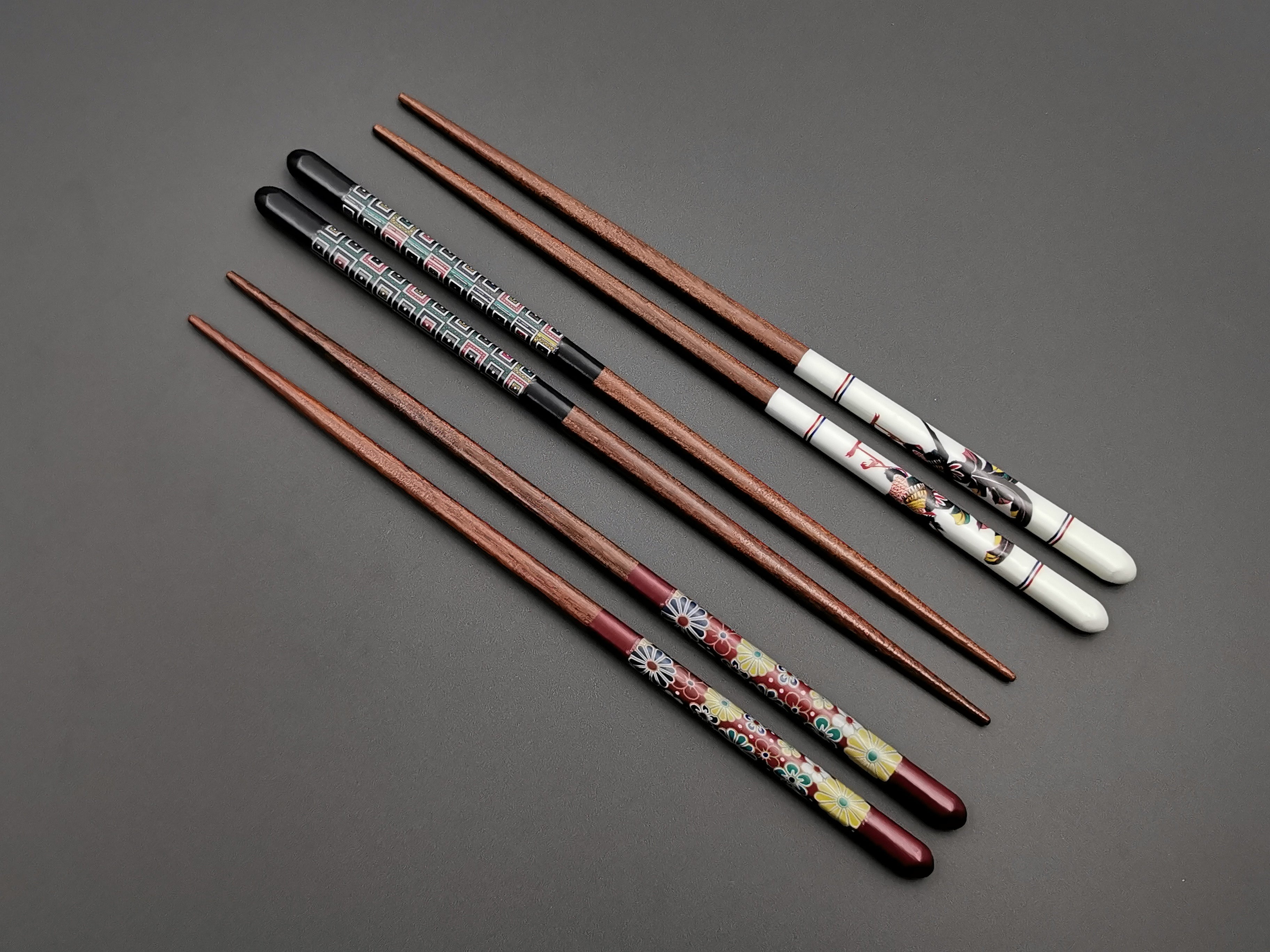
Seikou Kutani Wakasa Lacquer Chopsticks

Sale price£5.95Regular price £8.00

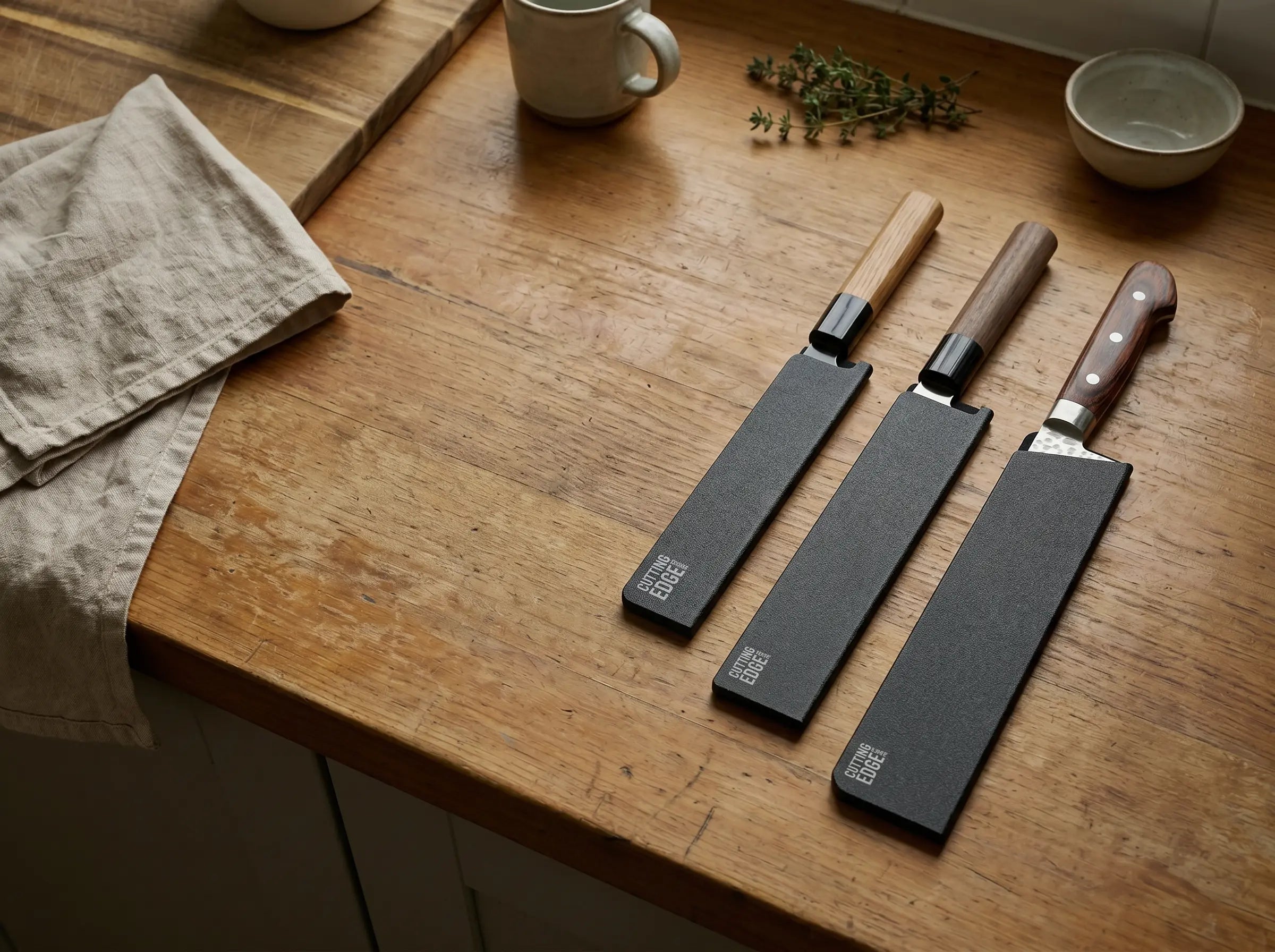
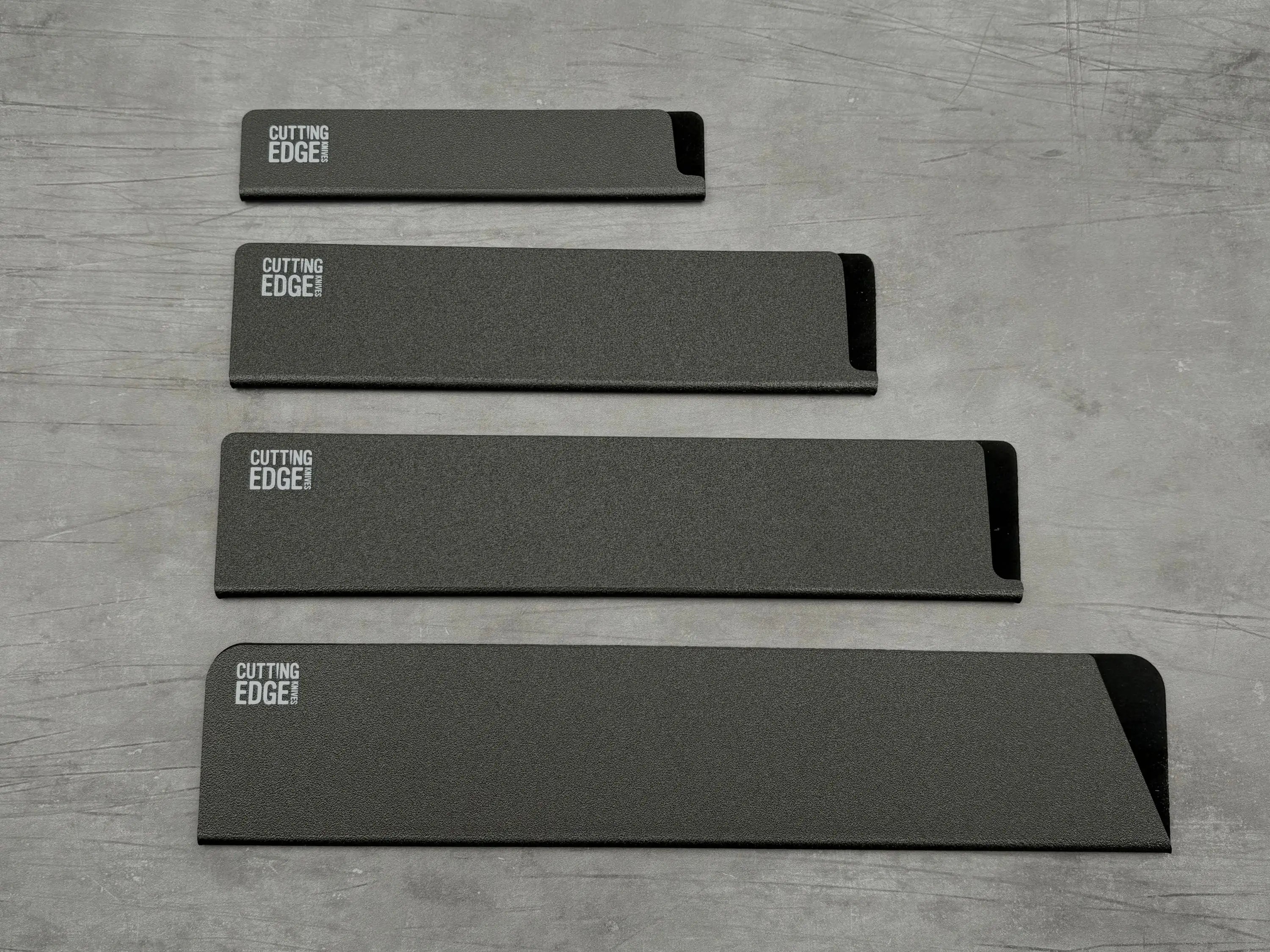
Blade guard

From £5.00
Save 36%

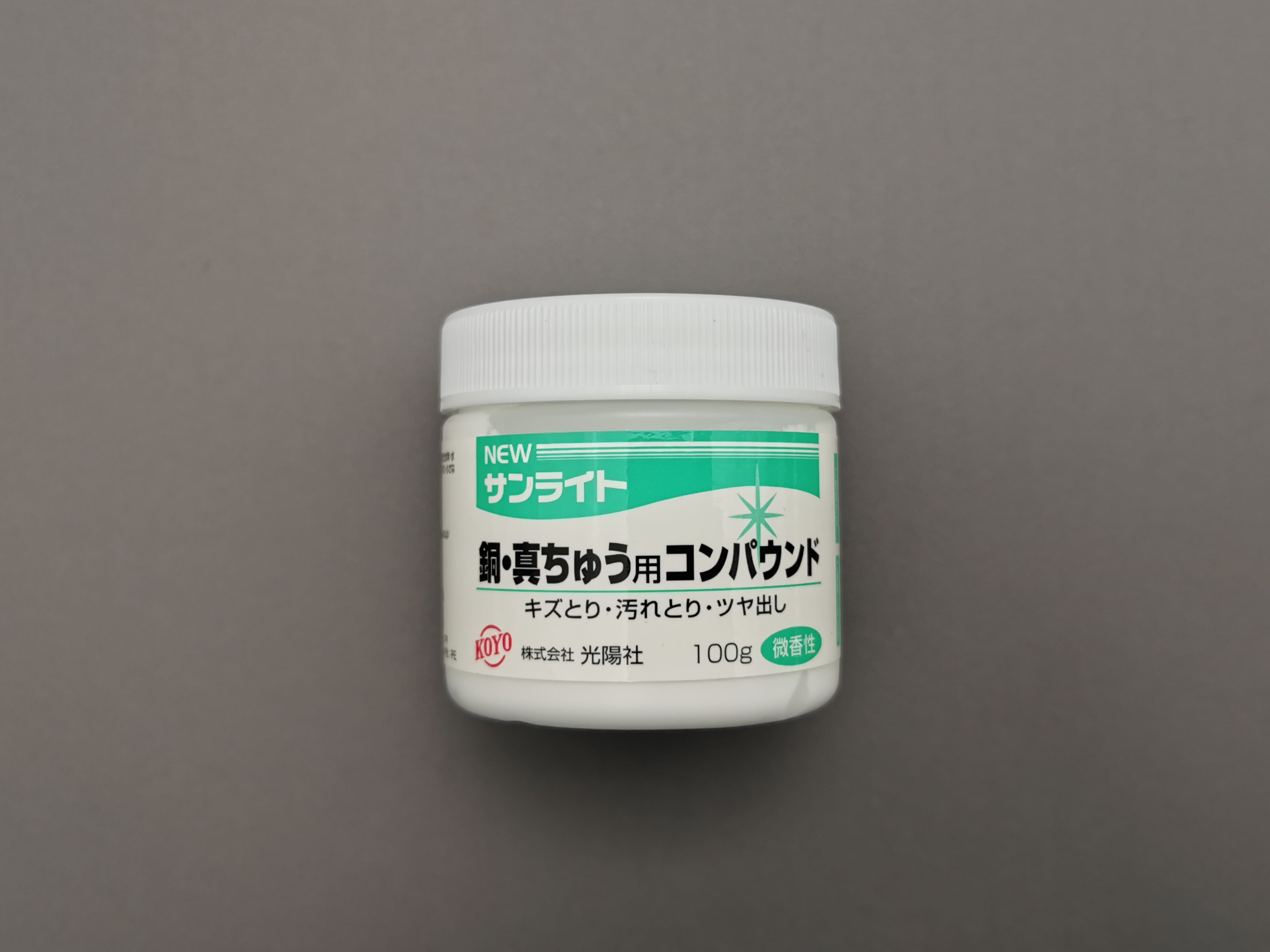
Koyo Green Label Polishing Compound

Sale price£7.95Regular price £12.50
Save 11%

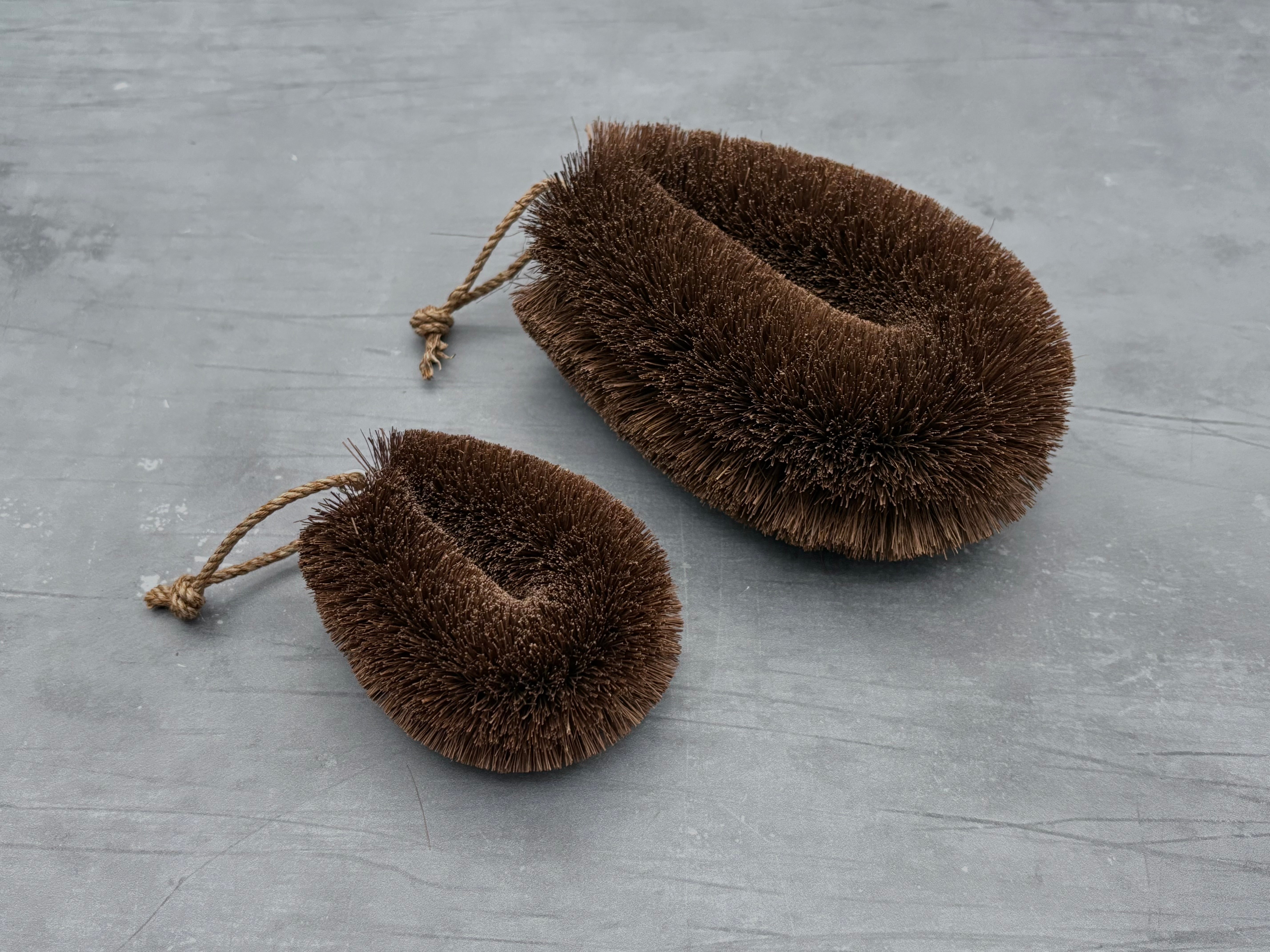
Takada Tawashi Brush

Sale priceFrom £6.25Regular price £7.00

More from the blog

View all

Daisuke Nishida knives: handmade White #1 steel from Kumamoto

Daisuke Nishida knives: handmade White #1 steel from Kumamoto

Discover Daisuke Nishida knives, handforged in Kumamoto from White #1 steel. Shop the full collection at Cutting Edge Knives, UK.

Read moreabout Daisuke Nishida knives: handmade White #1 steel from Kumamoto

Yuta Katayama knives: the independent Japanese blacksmith worth knowing

Yuta Katayama knives: the independent Japanese blacksmith worth knowing

Discover Yuta Katayama, former apprentice of Takeshi Saji, now crafting VG10 Damascus knives independently since 2021. Shop his range at Cutting Edge Knives.

Read moreabout Yuta Katayama knives: the independent Japanese blacksmith worth knowing

What is the machi gap on a Japanese knife?

What is the machi gap on a Japanese knife?

Learn about the history and reasons behind that unusual gap between blade and handle on some Japanese knives.

Read moreabout What is the machi gap on a Japanese knife?

Shindo bunka: the knife that does almost everything

Shindo bunka: the knife that does almost everything

Discover the Shindo bunka knife by Kyohei Shindo, forged in Tosa, Japan. A versatile, high-carbon blade built for serious home and professional cooking.

Read moreabout Shindo bunka: the knife that does almost everything