

As the proud owner of a collection of high-quality Japanese knives, I know how important it is to keep them in top condition. These beautifully crafted blades require a bit more care and attention than your average kitchen knife, but the results are well worth it. Whether you're slicing sashimi, dicing vegetables, or mincing herbs, a razor-sharp Japanese knife can make all the difference.
One of the most crucial aspects of maintaining your Japanese knives is proper sharpening. While it may seem daunting at first, with a little practice, you'll be able to keep your blades in pristine condition. Let's explore the different sharpening methods you can use to ensure your knives are always ready for action.
Whetstone Sharpening
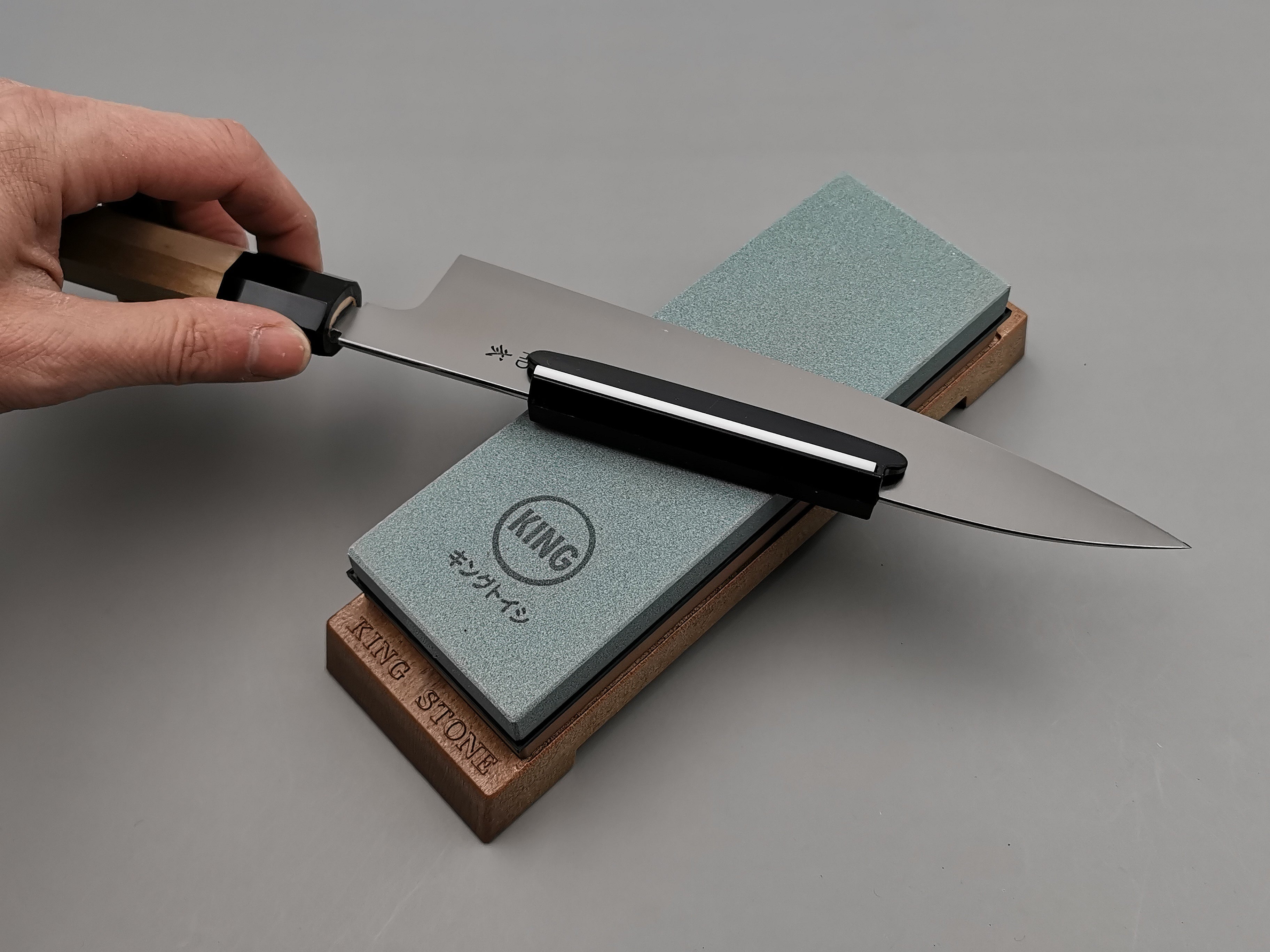
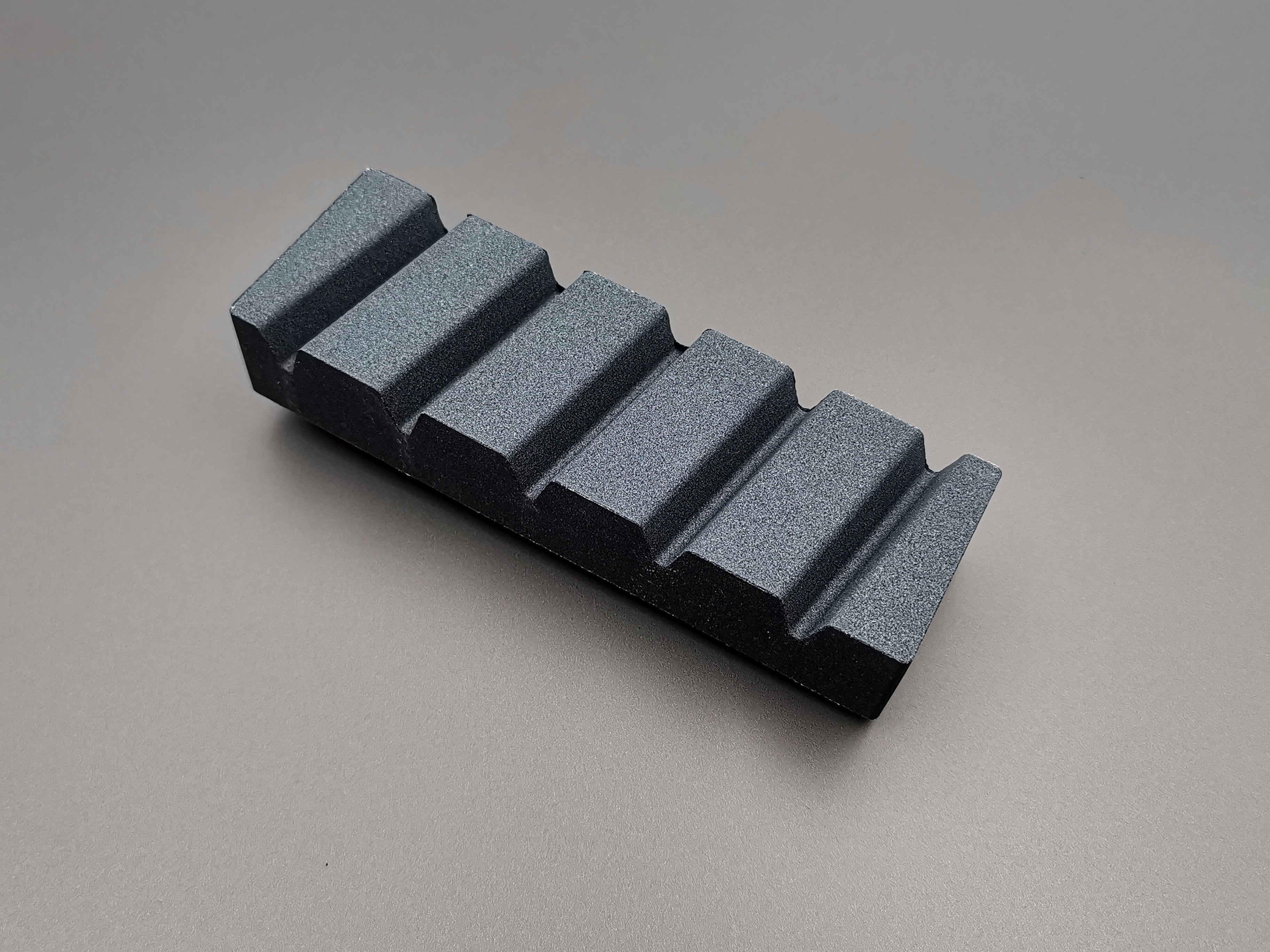
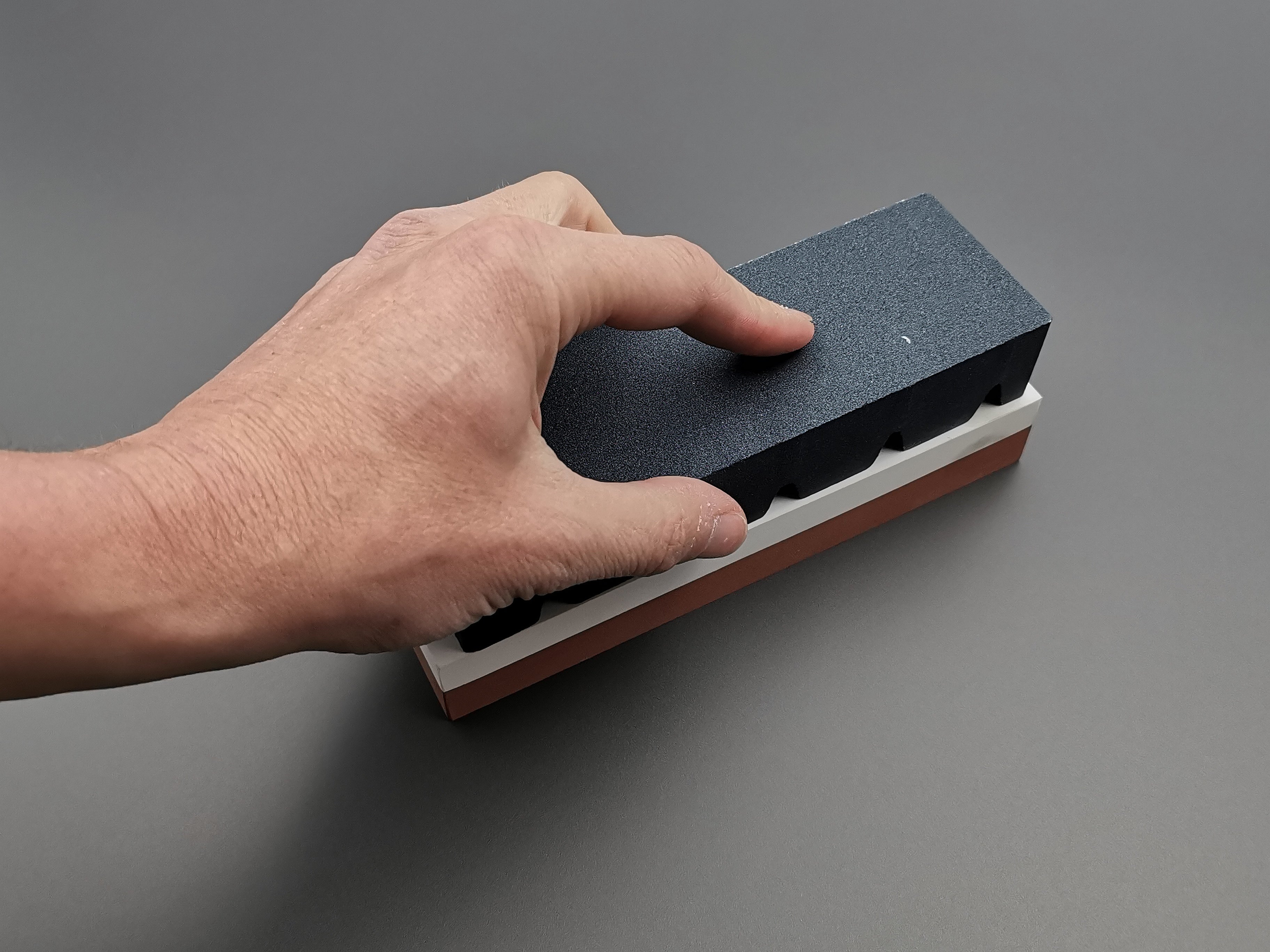
The traditional method of sharpening Japanese knives is with a whetstone, also known as a sharpening stone. These natural or synthetic stones come in a variety of grits, from coarse to fine, allowing you to both sharpen and refine the edge of your blade. The key is to use the proper technique, holding the knife at the correct angle and applying even pressure as you move it across the stone.
Whetstone sharpening takes a bit of practice, but the results are unbeatable. Not only will your knives be razor-sharp, but the process also helps to maintain the unique geometry of the Japanese blade. The downside is that it can be a time-consuming task, especially for those new to the technique.
Honing Rod Maintenance
In between more thorough sharpening sessions, you can use a honing rod to keep your knives in top shape. Honing rods, also known as sharpening steels, help to realign the edge of the blade, straightening any microscopic bends or curls that may occur during use.
Using a honing rod is a quick and easy way to maintain your knife's edge. Simply hold the rod at a 20-degree angle and gently draw the blade across it a few times before each use. This simple step can significantly extend the time between full sharpening sessions.
Leather Strop Finishing
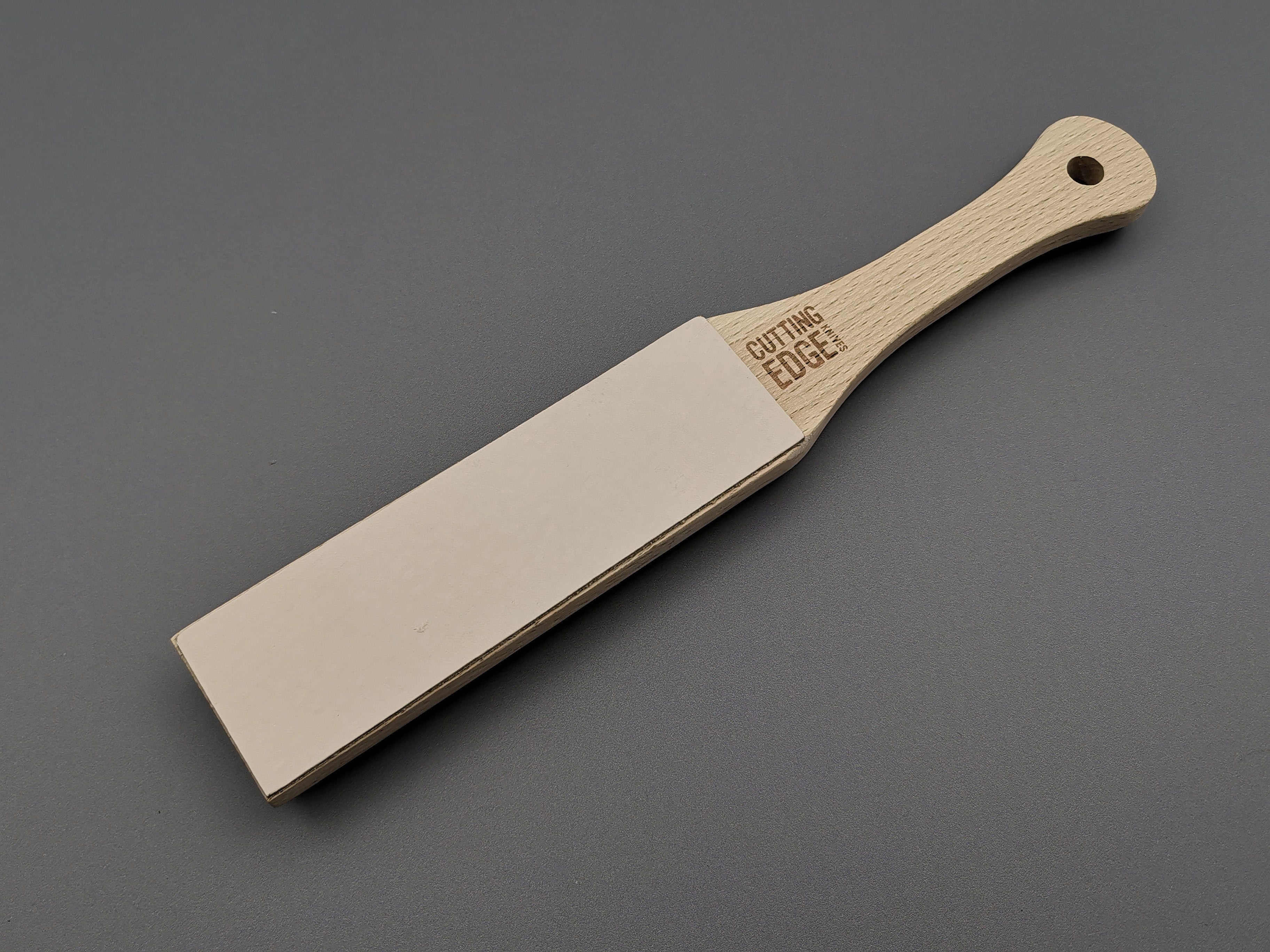
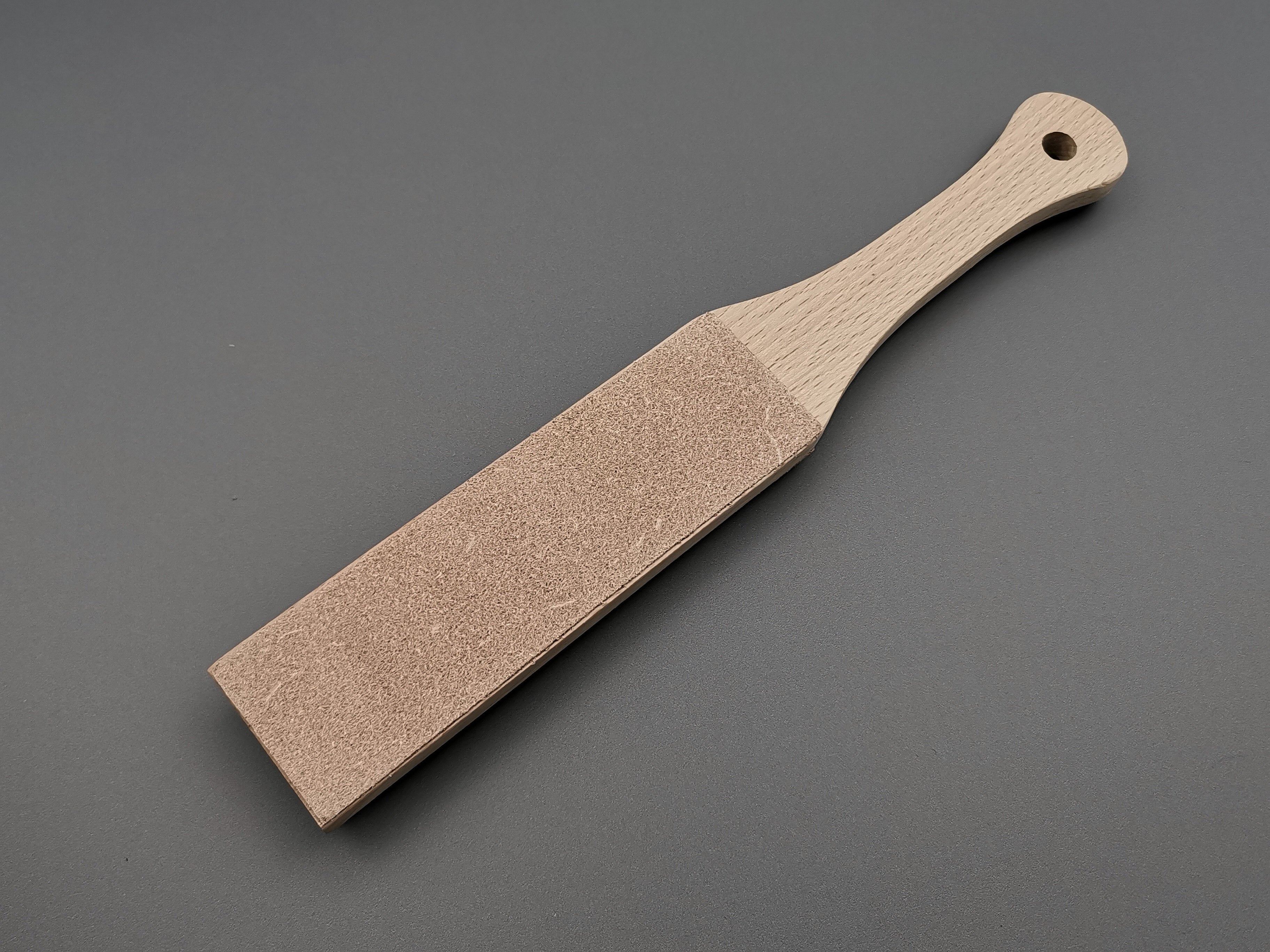
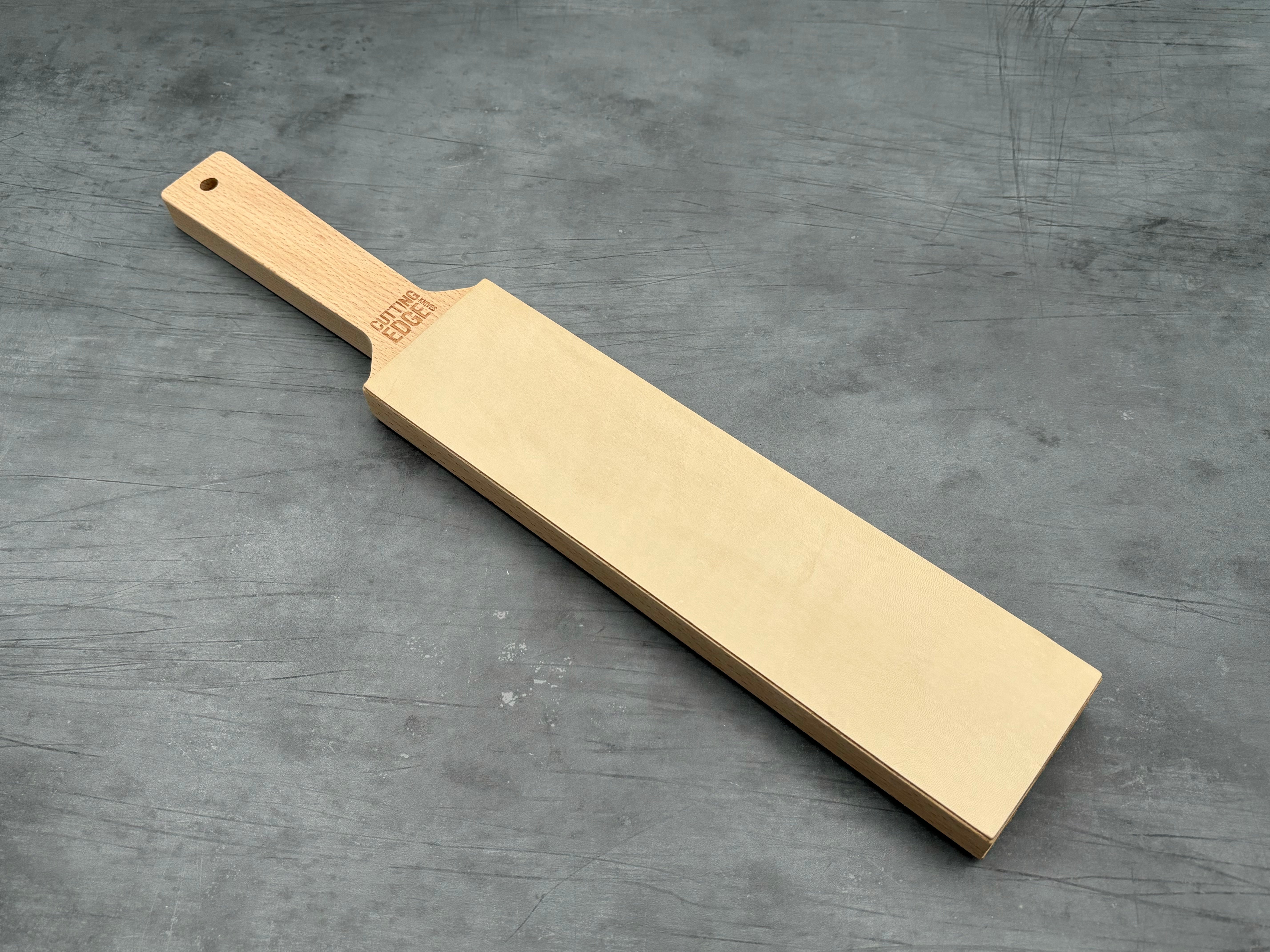
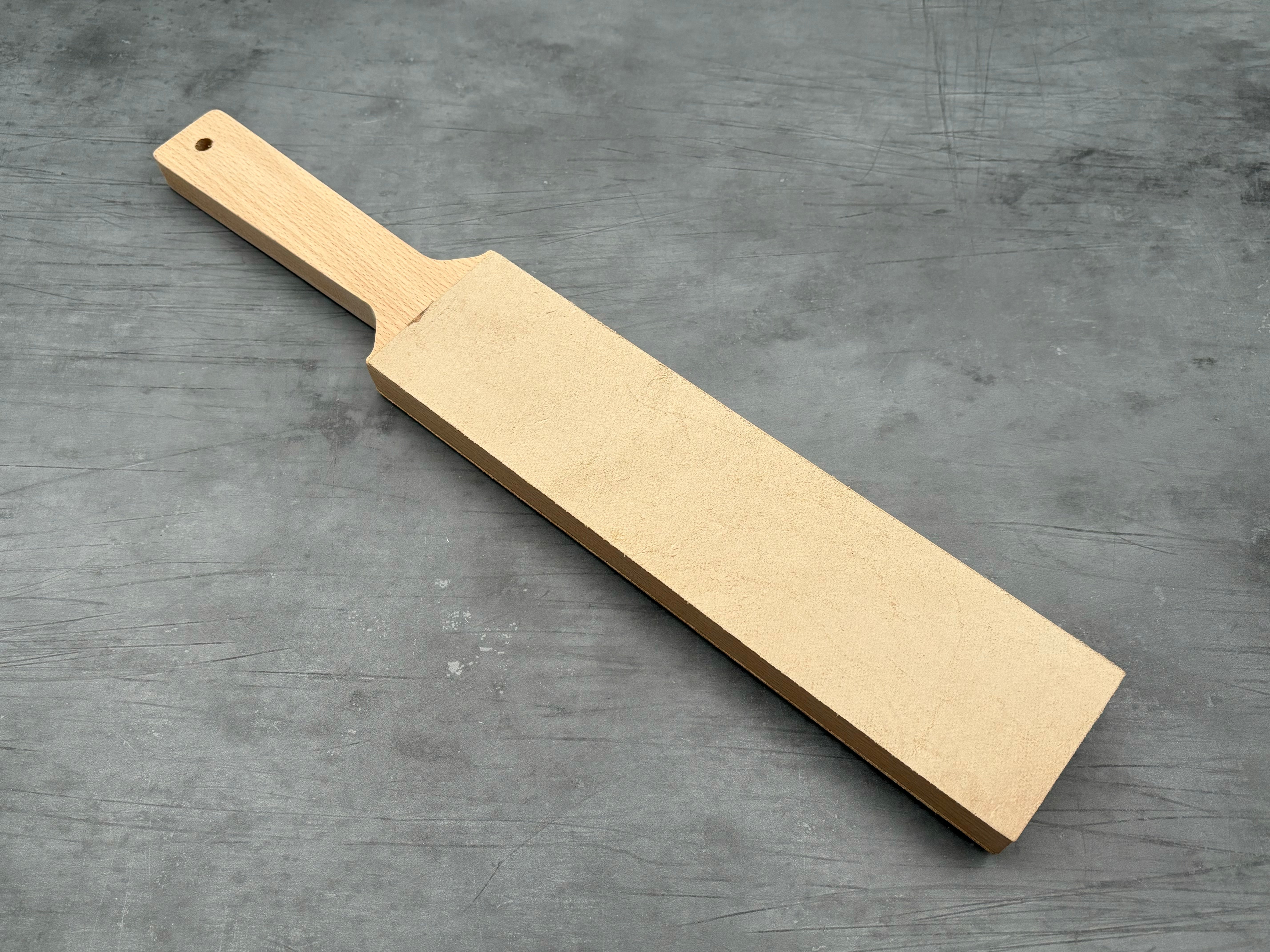
For the ultimate edge refinement, consider using a leather strop after sharpening. A strop is a piece of leather (often mounted on a wooden block) that is used to polish and refine the knife's edge. By gently drawing the blade across the strop, you can remove any remaining burrs or imperfections, leaving behind a mirror-like finish.
Stropping is an optional step, but it can make a noticeable difference in the cutting performance of your Japanese knives. It's a great way to extend the time between full sharpening sessions and keep your blades in pristine condition.
Professional Sharpening Services
Of course, if you're not comfortable with the sharpening process or simply don't have the time, you can always turn to a professional knife sharpening service. These experts use specialized equipment and techniques to restore your blades to their former glory, ensuring they're always ready for action.
While professional sharpening may come at a cost, it's a worthwhile investment for those who want to keep their Japanese knives in top shape without the hassle of doing it themselves. Just be sure to research local options and find a reputable service that specializes in high-quality blades.
Maintaining your Japanese knives doesn't have to be a chore. By mastering the art of whetstone sharpening, honing, and stropping, you can keep your blades in peak condition and enjoy their superior performance for years to come. With a little practice and the right tools, you'll be slicing, dicing, and mincing like a true culinary pro.