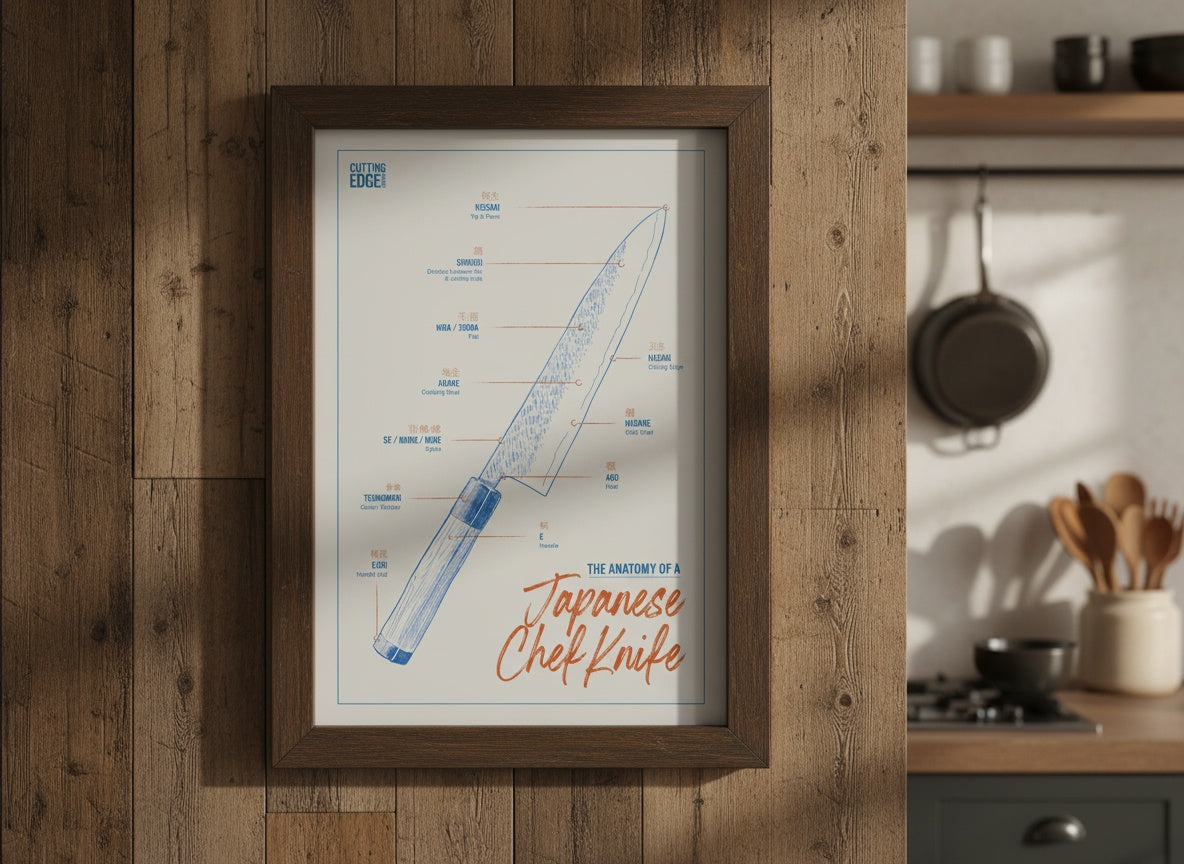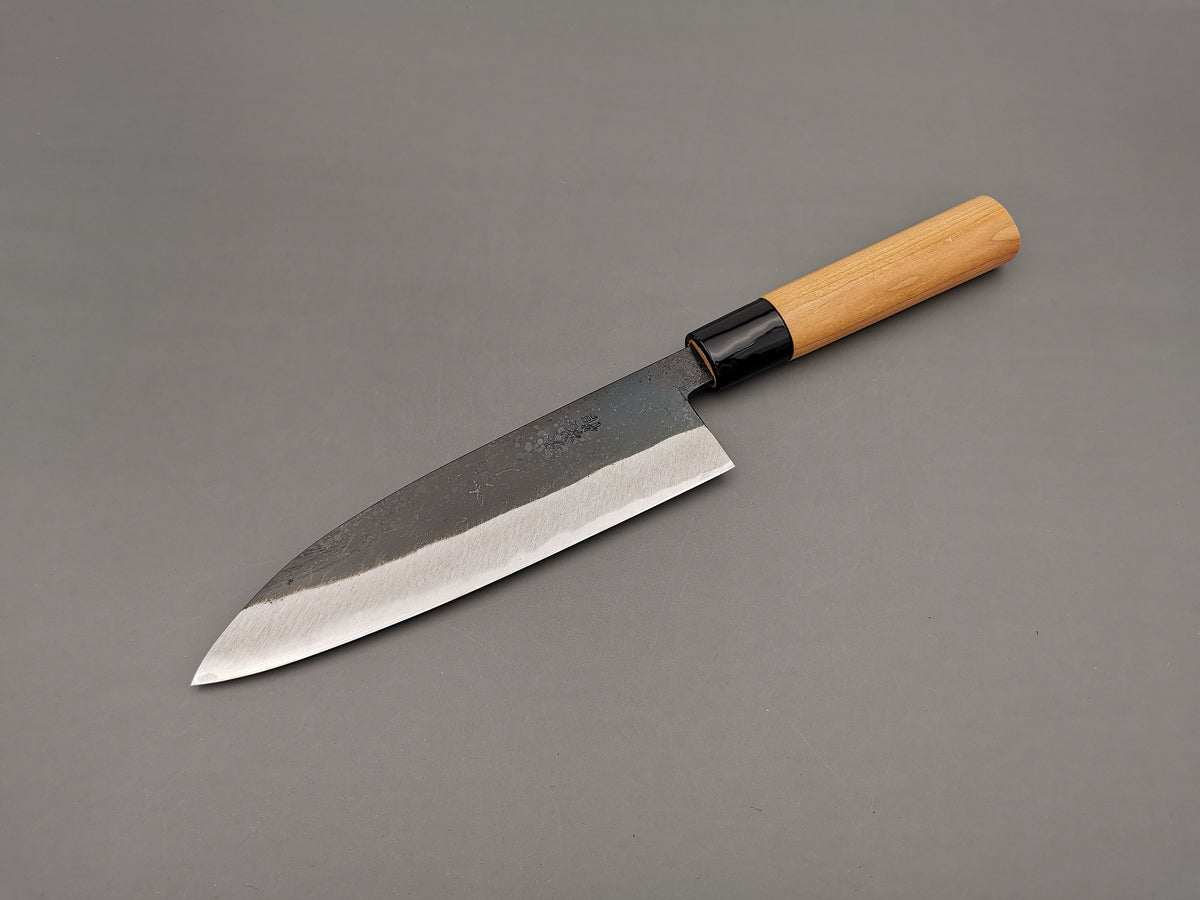

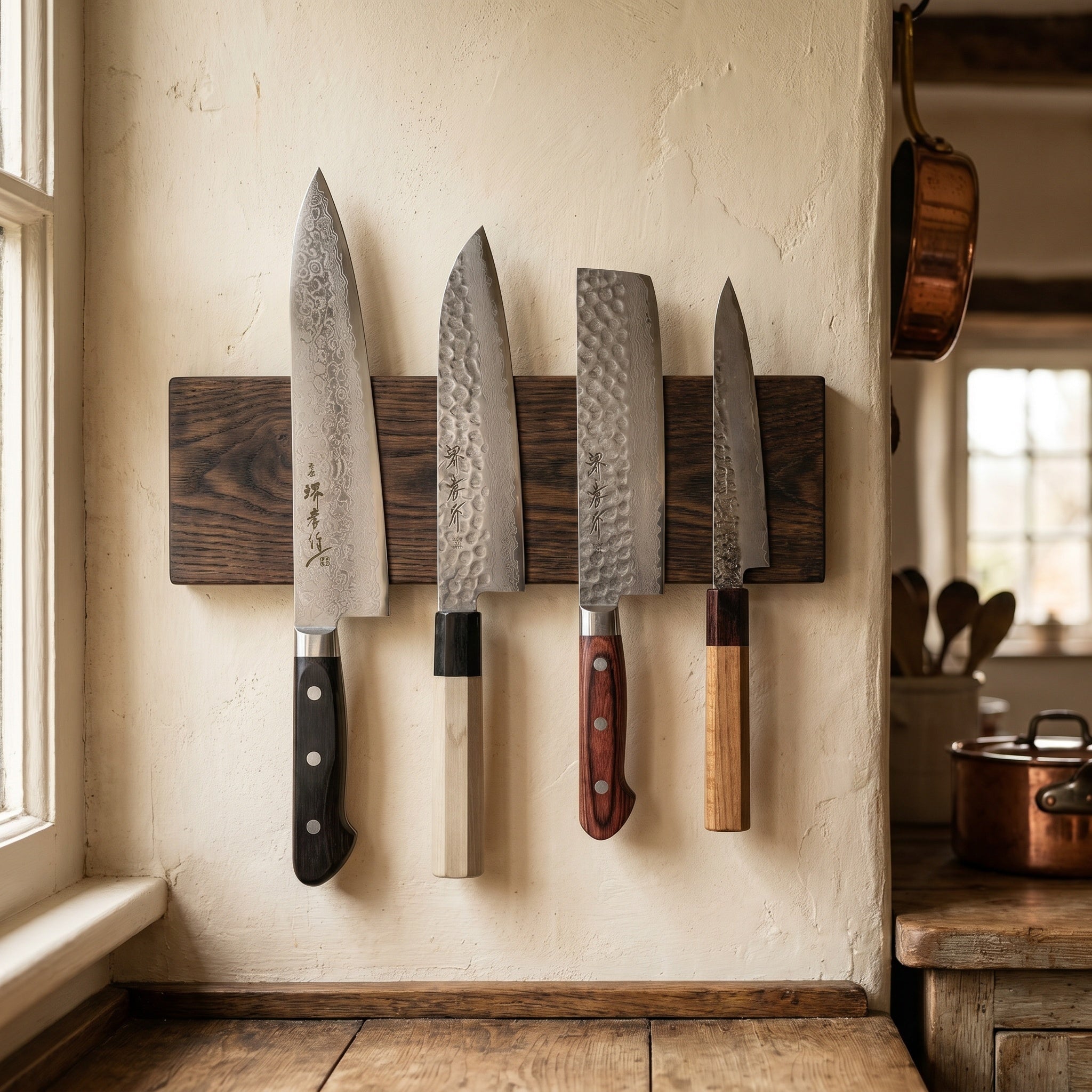
The art of Japanese knife craftsmanship has been honed over centuries, producing some of the most sought-after and revered blades in the culinary world. As the owner of Cutting Edge Knives, a shop dedicated to helping customers find the perfect hand-crafted Japanese knives, I've had the privilege of witnessing firsthand the transformative power these tools can have in the kitchen.
The Rich History of Japanese Knife Making
Japanese knife making can be traced back to the ancient samurai swords, where master bladesmiths perfected the art of forging and tempering steel to create blades of unparalleled sharpness and durability. This tradition of excellence has been passed down through generations, with modern-day artisans continuing to uphold the meticulous standards that have made Japanese knives synonymous with quality.
Understanding the Variety of Japanese Knife Types
When it comes to Japanese knives, there is a wide array of specialized designs, each tailored to specific culinary tasks. From the versatile Santoku to the precision-focused Sujihiki, each knife type offers unique advantages that can enhance your cooking experience.
Santoku
The Santoku is a workhorse in the kitchen, with a broad, slightly curved blade that excels at a variety of cutting tasks, from slicing vegetables to mincing herbs. Its balanced design makes it a popular choice for home cooks and professional chefs alike.
Gyuto
The Gyuto, often referred to as the "chef's knife" of the Japanese knife world, is a versatile all-purpose blade that can handle a wide range of cutting tasks, from dicing onions to slicing meat. Its long, tapered blade provides excellent control and precision.
Petty
The Petty knife is a smaller, more nimble version of the Gyuto, making it ideal for delicate tasks such as peeling, trimming, and deveining. Its compact size and sharp edge make it a valuable addition to any kitchen arsenal.
Nakiri
The Nakiri is a vegetable-focused knife, with a straight, rectangular blade that is perfect for slicing and dicing produce with clean, even cuts. Its unique design allows for efficient, effortless chopping.
Sujihiki
The Sujihiki is a long, thin slicer, often used for tasks such as carving roasts, slicing sashimi, or portioning fish. Its razor-sharp edge and precise control make it a favorite among professional chefs.
Key Characteristics of Japanese Knives
When selecting a Japanese knife, there are several key characteristics to consider, each of which contributes to the overall performance and longevity of the blade.
Blade Material
Japanese knives are often forged from high-carbon stainless steel or carbon steel, which offer exceptional sharpness and edge retention. The choice of material can impact the knife's weight, flexibility, and maintenance requirements.
Edge Geometry
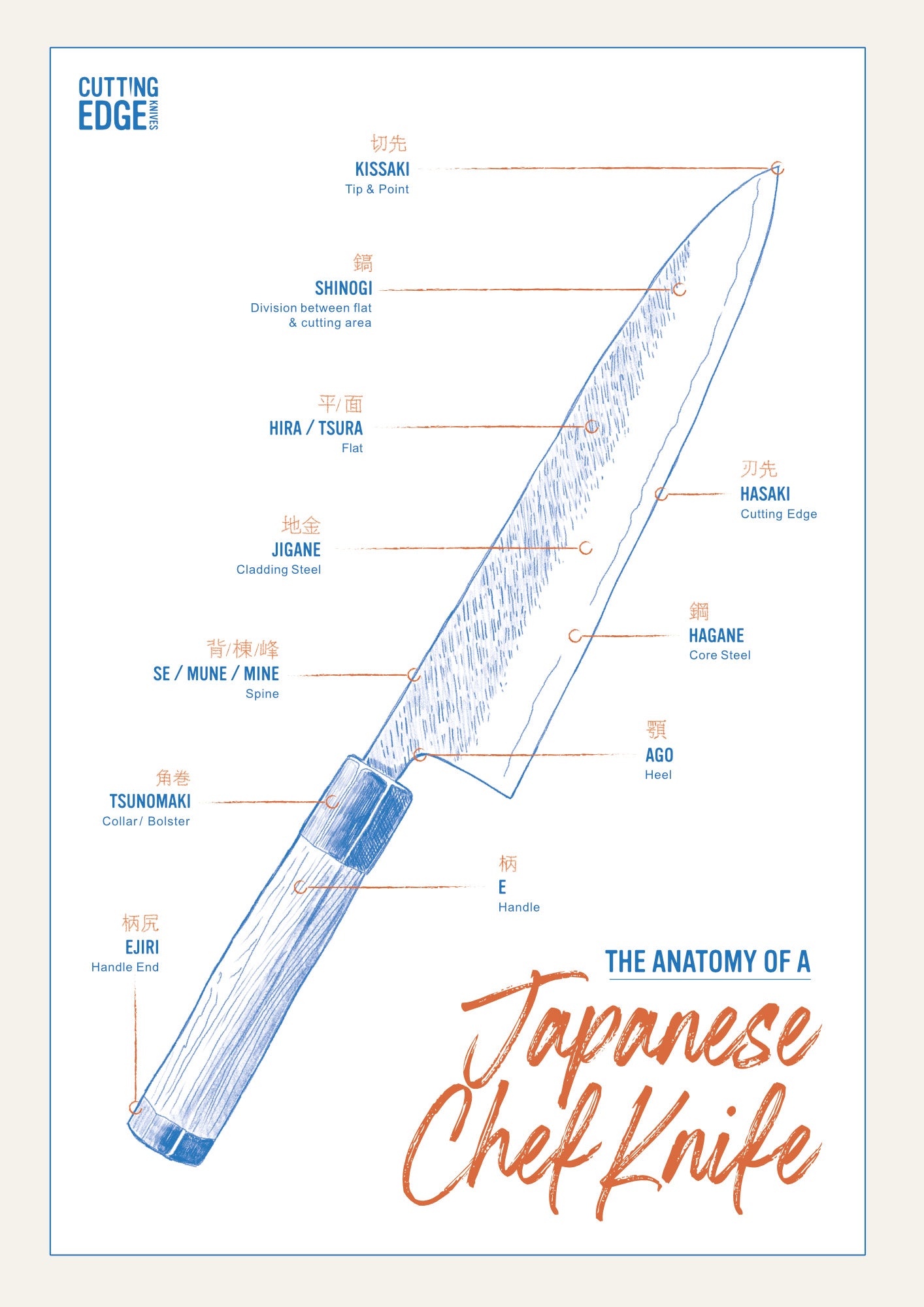
The unique edge geometry of Japanese knives, often featuring a single-bevel or double-bevel design, allows for incredibly sharp and precise cutting. This specialized edge shape requires specific sharpening techniques to maintain.
Handle Design
Japanese knife handles are typically made from materials such as wood, pakkawood, or even traditional Japanese magnolia. The handle design not only affects the knife's balance and grip but also reflects the cultural heritage of the blade.
Craftsmanship
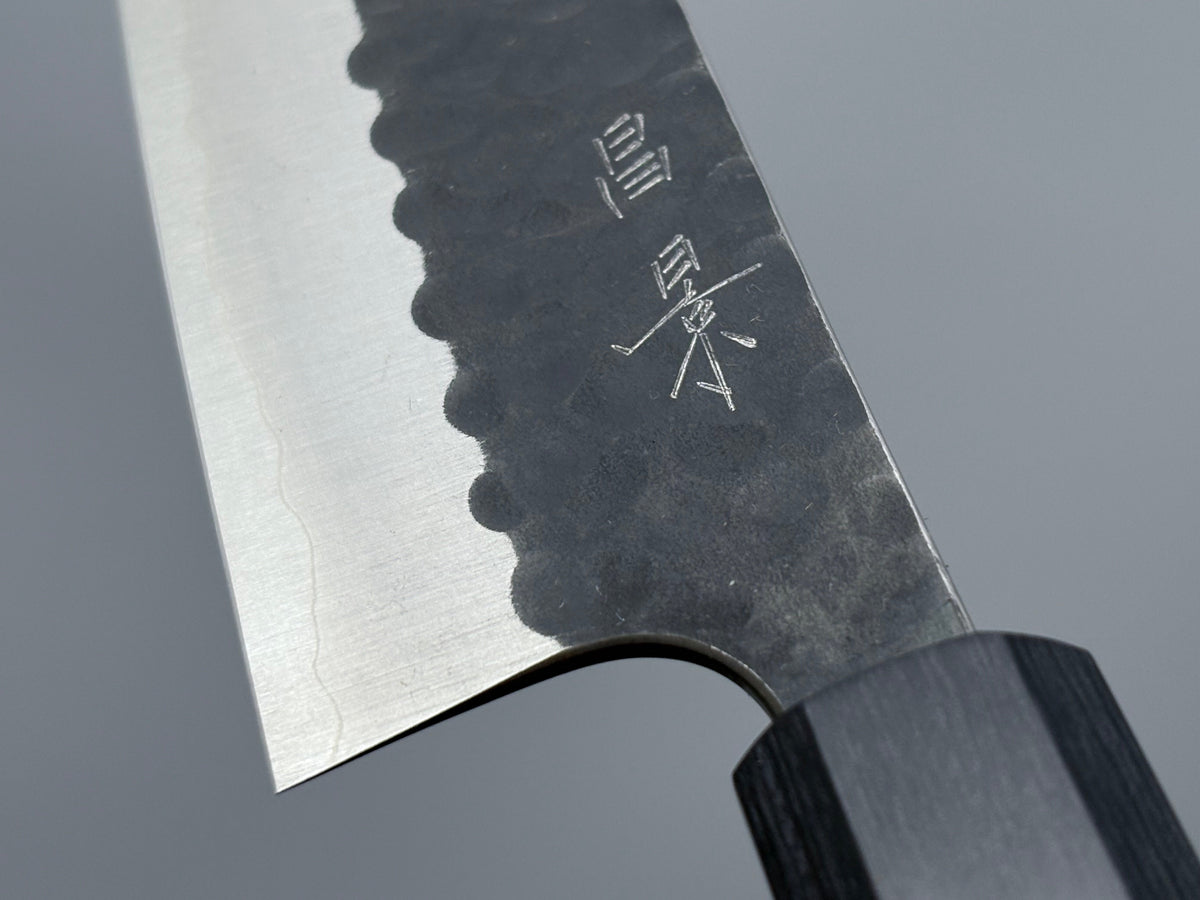
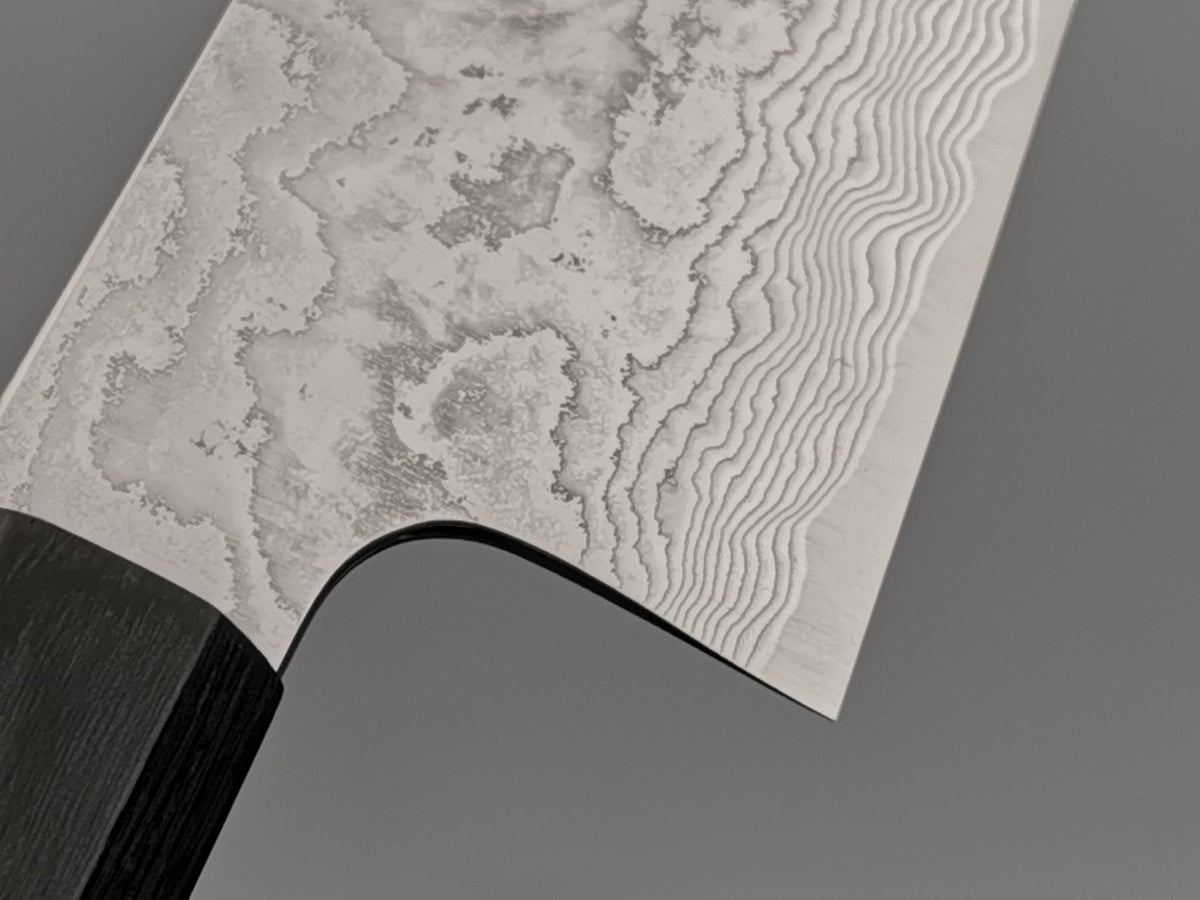
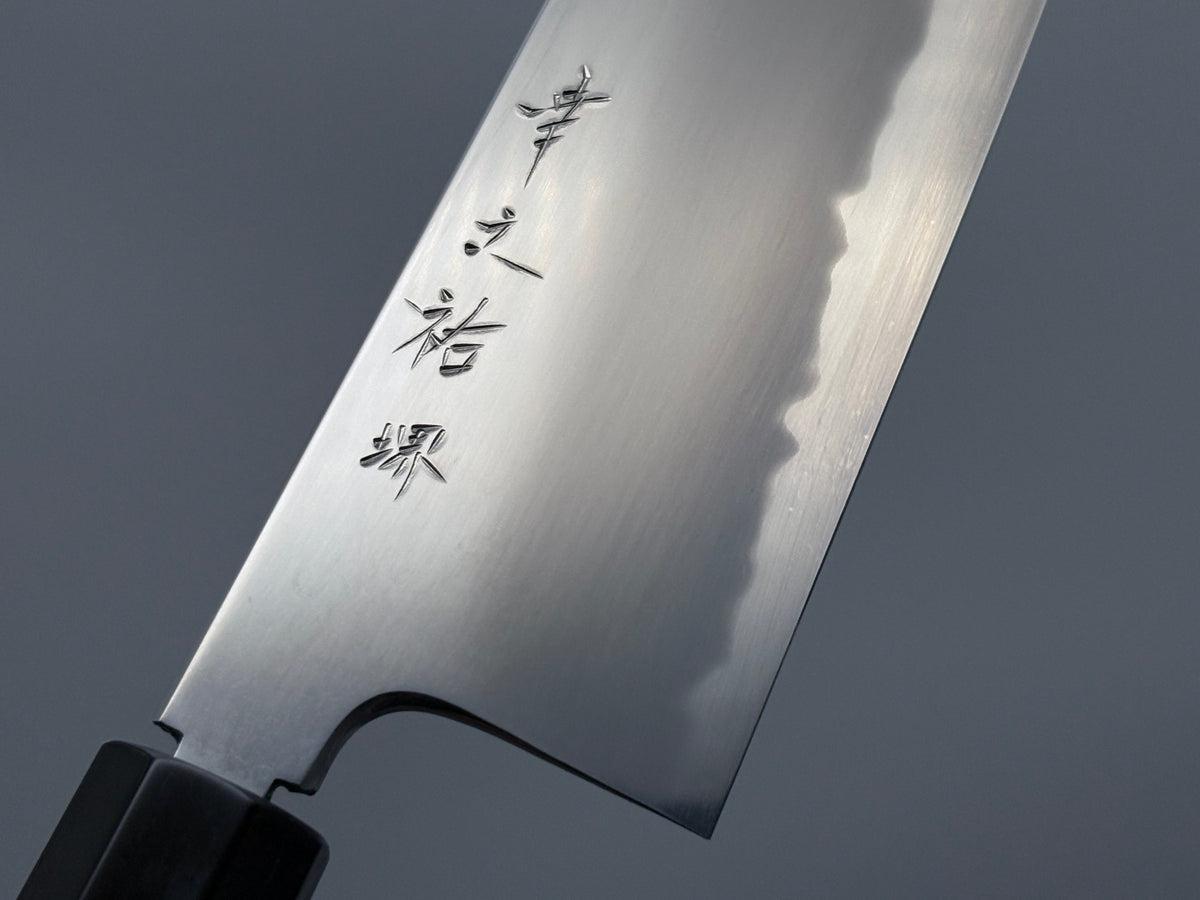
The meticulous craftsmanship of Japanese knife makers is evident in the attention to detail, from the forging process to the final polishing. This level of care and skill is what sets these blades apart from mass-produced alternatives.
Factors to Consider When Selecting a Japanese Knife
Choosing the perfect Japanese knife for your kitchen can be a daunting task, but by considering a few key factors, you can find the blade that best suits your cooking style and needs.
Cooking Style
Think about the types of dishes you prepare most often and the cutting tasks you perform regularly. This will help you determine the ideal knife type and size for your culinary needs.
Skill Level
If you're a beginner cook, you may want to start with a more forgiving, all-purpose knife, such as a Santoku or Gyuto. As your skills develop, you can explore more specialized blades.
Budget
Japanese knives can range in price from affordable to high-end, depending on the materials, craftsmanship, and brand. Establish a budget that aligns with your needs and preferences.
Maintenance Requirements
Some Japanese knives, particularly those made from carbon steel, may require more diligent care and maintenance to prevent rust and ensure optimal performance. Consider your willingness to invest the time and effort required.
Caring for Your Japanese Knife
Proper care and maintenance are essential for preserving the exceptional performance of a Japanese knife. This includes regular cleaning, sharpening, and storage techniques that protect the delicate blade.
Cleaning
Always hand-wash your Japanese knife with mild soap and water, avoiding the dishwasher. Dry the blade thoroughly to prevent rust or corrosion.
Sharpening
Invest in a quality sharpening stone or service to keep your Japanese knife's edge razor-sharp. The specific sharpening angle and technique will depend on the knife's design.
Storage
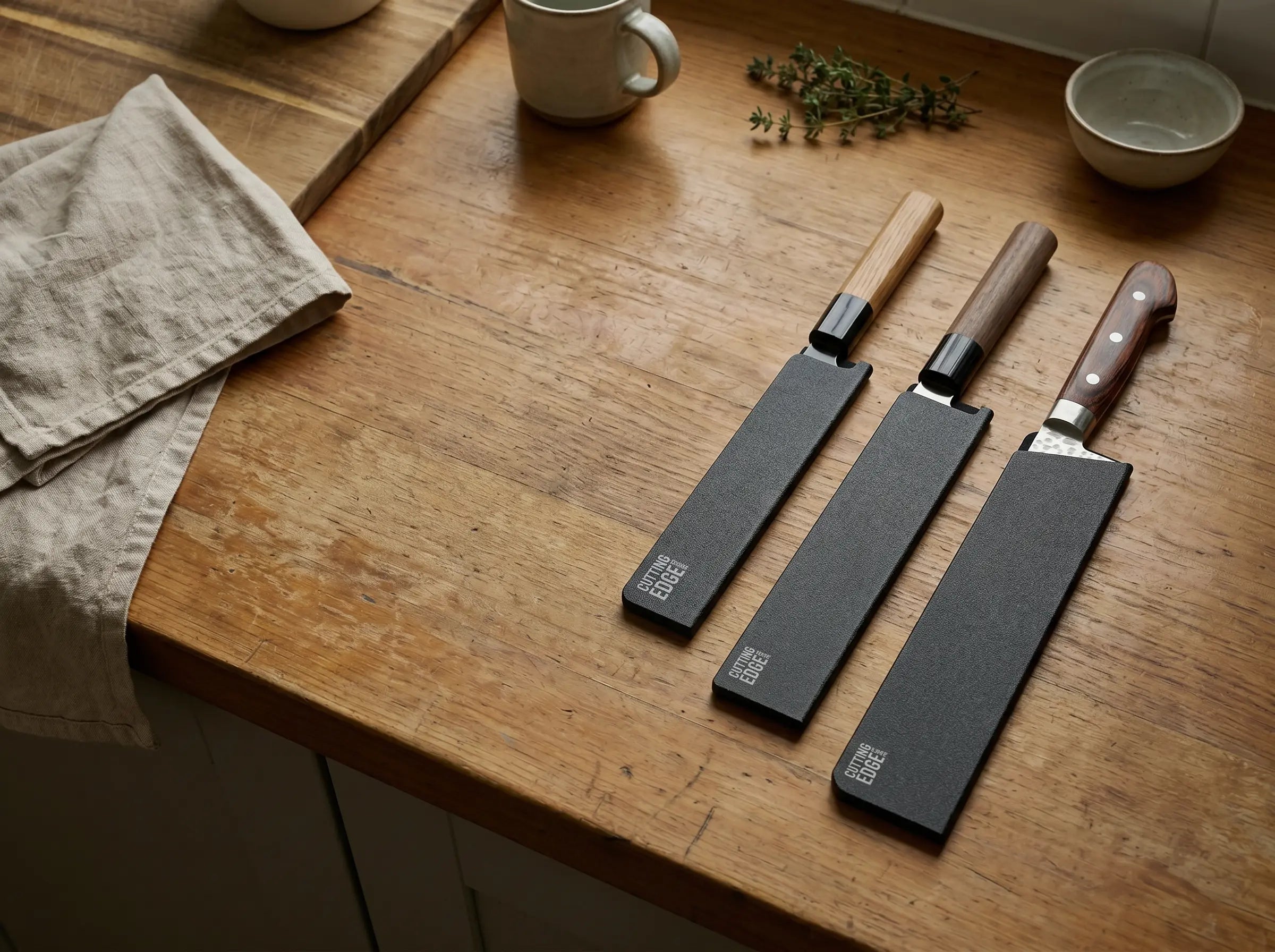
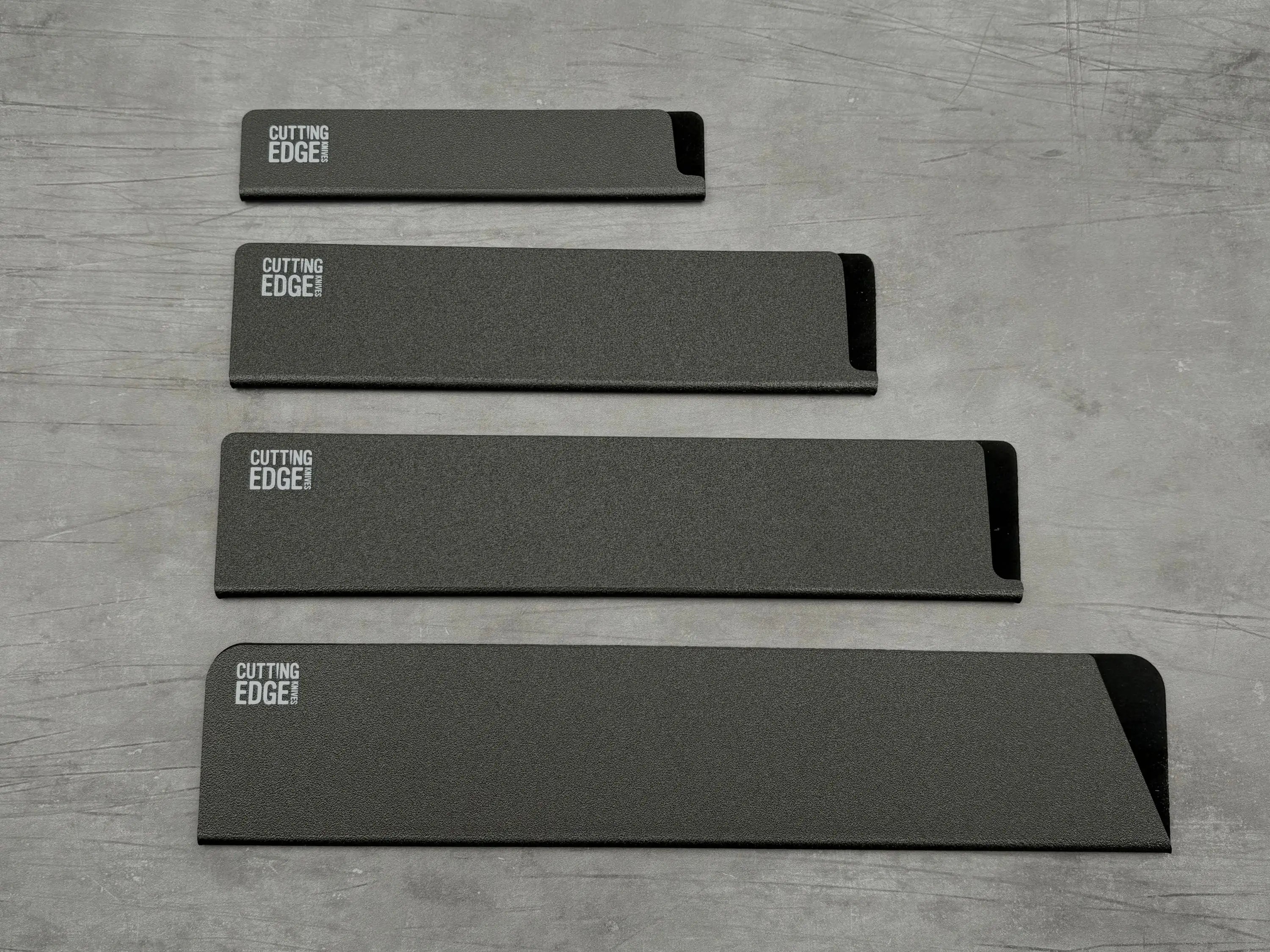
Store your Japanese knife in a protective sheath or block to prevent the blade from becoming damaged. Avoid leaving it loose in a drawer, as this can dull the edge over time.
The Rewards of Investing in a Quality Japanese Knife
Choosing a high-quality Japanese knife is an investment that can pay dividends in the kitchen for years to come. These exceptional blades offer unparalleled precision, longevity, and a level of performance that can truly transform your cooking experience.
Whether you're a seasoned chef or a passionate home cook, exploring the world of Japanese knife craftsmanship is a journey worth taking. At Cutting Edge Knives, we're dedicated to helping our customers find the perfect blade to elevate their culinary skills and bring their culinary dreams to life.
Conclusion
The art of choosing the perfect Japanese kitchen knife is a deeply rewarding process that allows you to connect with the rich history and tradition of Japanese bladesmithing. By understanding the unique characteristics and specialized designs of these exceptional tools, you can unlock a new level of culinary mastery and enjoy the countless benefits of cooking with a blade that truly feels like an extension of your own hand.
So, embark on your journey to find the Japanese knife that will become your trusted companion in the kitchen, and let the art of cutting edge craftsmanship inspire your culinary creations.