
In the realm of culinary excellence, the allure of Japanese knives is undeniable. These meticulously crafted tools have long been revered for their unparalleled sharpness, precision, and timeless elegance. But have you ever wondered where these masterpieces of blade-making originate? Embark on a journey with us as we explore the rich history and captivating traditions that have shaped the art of Japanese knife making.
The Enduring Legacy of Japanese Knife Craftsmanship
Japan's knife-making heritage dates back centuries, with the country's skilled artisans honing their craft over generations. The origins of this tradition can be traced to the Samurai warriors of old, who demanded the finest blades to complement their martial prowess. As the centuries passed, this dedication to perfection in blade-making extended beyond the battlefield and into the realm of the kitchen, where chefs sought out the most exceptional knives to elevate their culinary creations.
Today, the reputation of Japanese knives is unparalleled, with their unique design, superior materials, and uncompromising craftsmanship setting them apart from their global counterparts. The origin of these blades is not merely a matter of geography, but a testament to the deep-rooted cultural values and meticulous attention to detail that define the Japanese approach to knife making.
The Heartbeat of Japanese Knife Production: Major Knife-Making Regions
While Japan is renowned for its exceptional knives, the country's knife-making prowess is not evenly distributed. Instead, certain regions have emerged as the epicenters of this time-honored craft, each with its own distinct traditions and specialties.
Sakai, Osaka: The Birthplace of Legendary Blades
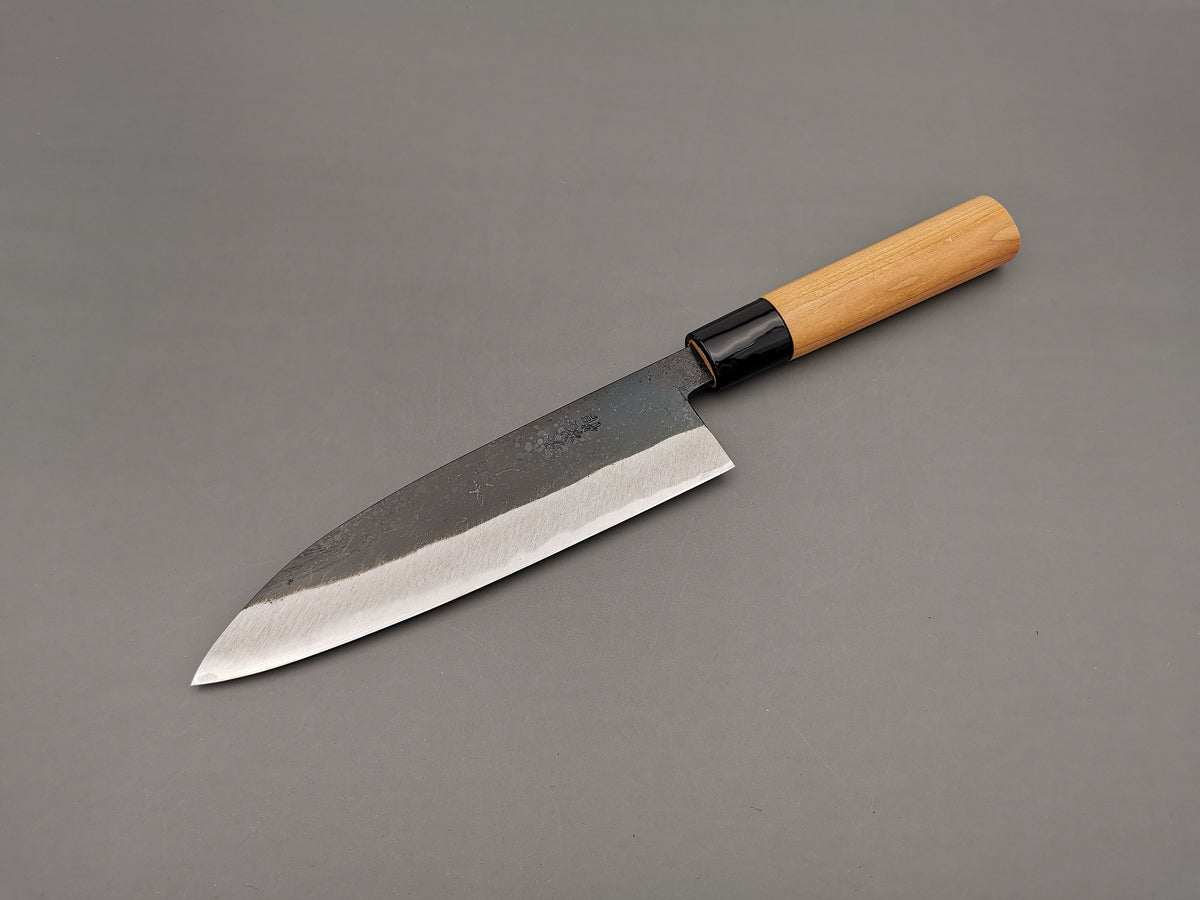
Sakai, a city in the Osaka prefecture, is widely regarded as the birthplace of some of the world's finest knives. This region has a storied history of knife making, dating back to the 14th century when local artisans began crafting blades for the Samurai class. Today, Sakai is home to a thriving community of knife makers, each with their own unique techniques and specialties, from the renowned Santoku knives to the versatile Gyuto.
Tsubame-Sanjo, Niigata: The Industrial Heartland of Knife Production
In the Niigata prefecture, the city of Tsubame-Sanjo has emerged as a hub of industrial knife production. While Sakai is known for its handcrafted blades, Tsubame-Sanjo has embraced modern manufacturing techniques to produce high-quality knives on a larger scale. This region is particularly renowned for its precision-engineered kitchen knives, which combine the best of traditional Japanese craftsmanship with the efficiency of modern production methods.
Echizen, Fukui: The Cradle of Traditional Knife-Making Techniques
Nestled in the Fukui prefecture, the town of Echizen is a bastion of traditional Japanese knife-making techniques. Here, artisans have honed their skills over generations, passing down the secrets of forging, tempering, and finishing blades with meticulous care. Echizen is particularly renowned for its production of the iconic Deba knife, a heavy-duty blade used for tasks such as filleting fish and breaking down poultry.
The Diversity of Japanese Knife Styles: Exploring Regional Specialties
As you delve deeper into the world of Japanese knives, you'll discover that each region has developed its own distinct styles and specialties, reflecting the unique cultural and historical influences of the area.
In Sakai, for instance, the Santoku knife is a versatile all-purpose blade that has become a staple in kitchens around the world. This knife's distinctive shape and razor-sharp edge make it ideal for a wide range of cutting tasks, from slicing vegetables to mincing herbs.
Meanwhile, in Tsubame-Sanjo, the focus is on precision-engineered kitchen knives that combine the best of traditional Japanese craftsmanship with modern manufacturing techniques. These knives are renowned for their exceptional balance, razor-sharp edges, and long-lasting performance.
And in Echizen, the Deba knife reigns supreme, with its heavy, thick blade designed for tackling the toughest cutting tasks, such as breaking down whole fish or poultry. This specialized knife is a testament to the region's deep-rooted connection to the sea and its abundant seafood resources.
The Evolution of Japanese Knife Making: From Handcrafted to Industrial
While the traditional, handcrafted approach to Japanese knife making has endured for centuries, the industry has also adapted to the demands of the modern world. In recent decades, we've witnessed the rise of industrial knife production, where advanced manufacturing techniques are employed to create high-quality blades on a larger scale.
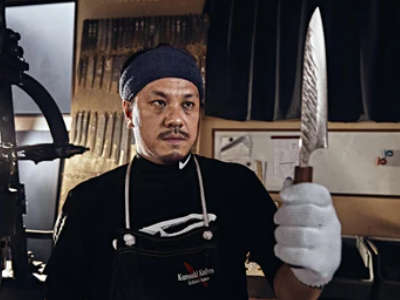
In the handcrafted realm, skilled artisans continue to meticulously forge, temper, and finish each knife by hand, using time-honored techniques passed down through generations. These knives are prized for their unparalleled attention to detail, unique aesthetic, and the personal touch of the maker.
On the industrial side, manufacturers in regions like Tsubame-Sanjo have embraced modern machinery and production methods to meet the growing global demand for Japanese knives. While these knives may not bear the same level of individual craftsmanship as their handmade counterparts, they still uphold the core principles of Japanese blade-making, ensuring exceptional quality and performance.
The Enduring Allure of Japanese Knives: Quality and Craftsmanship
What sets Japanese knives apart from the rest of the world is their unwavering commitment to quality and craftsmanship. From the selection of premium materials to the meticulous attention to detail during the forging and finishing processes, every aspect of Japanese knife making is imbued with a relentless pursuit of perfection.
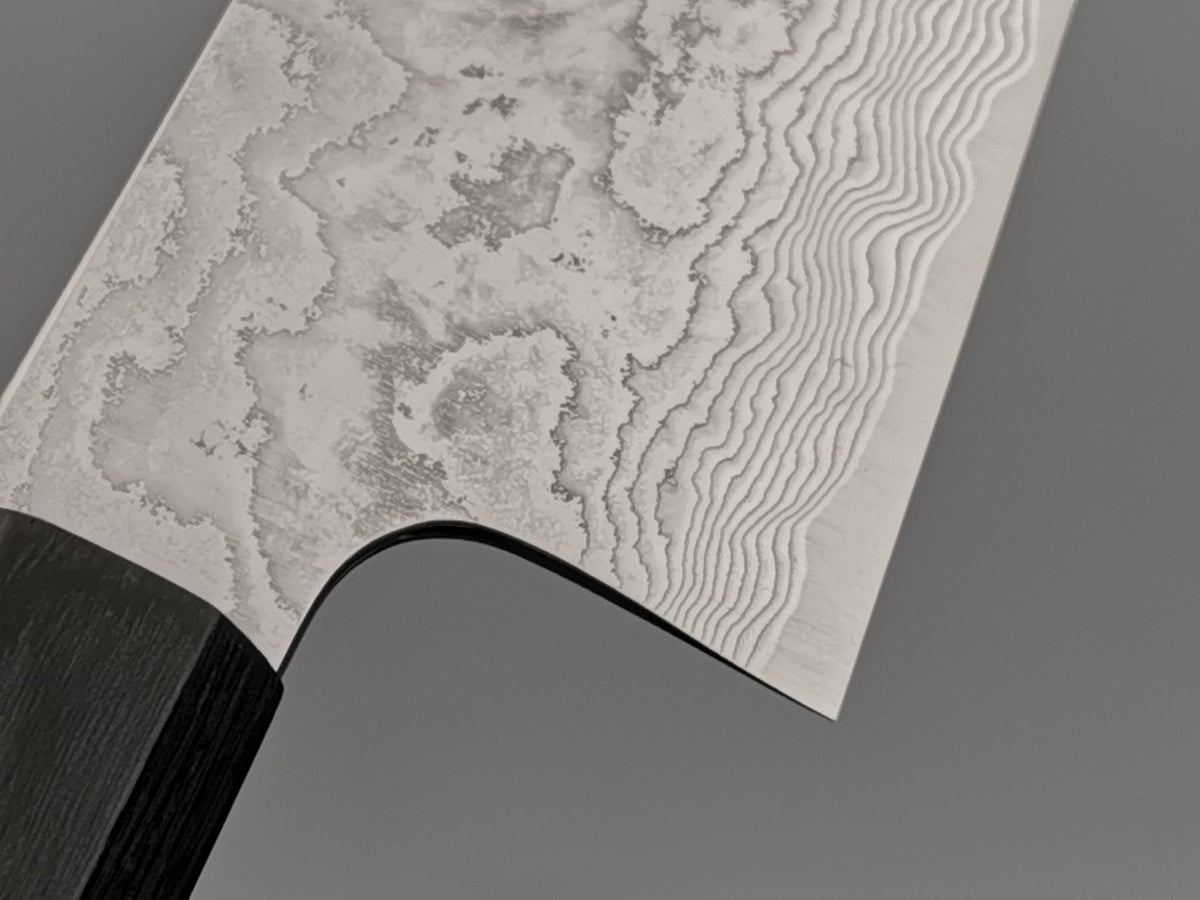
The blades of Japanese knives are typically forged from high-carbon steel, which is renowned for its exceptional hardness and edge-retention properties. This, combined with the skilled tempering techniques employed by Japanese artisans, results in blades that can maintain a razor-sharp edge for an exceptionally long time.
But the true magic of Japanese knives lies not only in their technical superiority, but also in the intangible qualities that come from the rich cultural heritage and traditions of the craft. Each knife is imbued with the spirit and skill of the maker, a testament to the dedication and passion that have been passed down through the generations.
Unlocking the Secrets of Authentic Japanese Knives
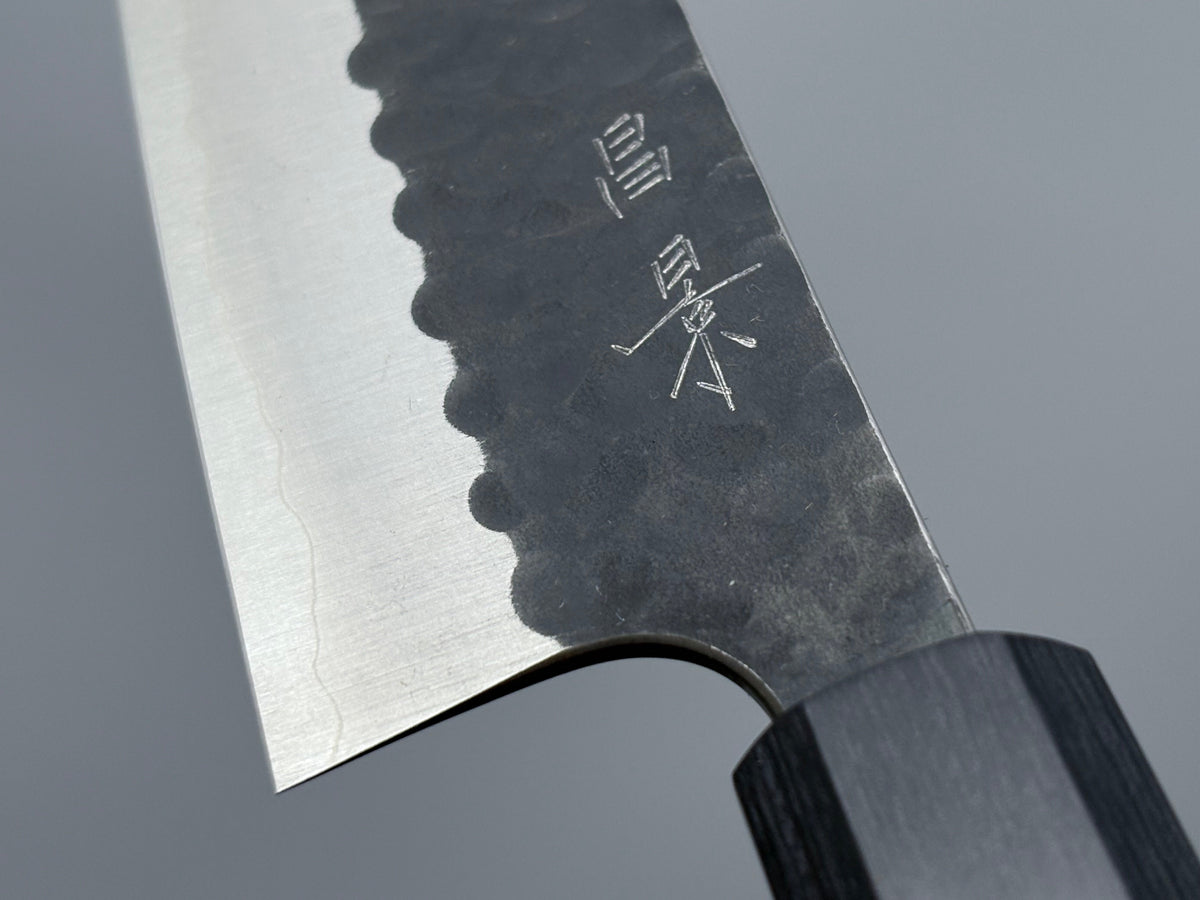
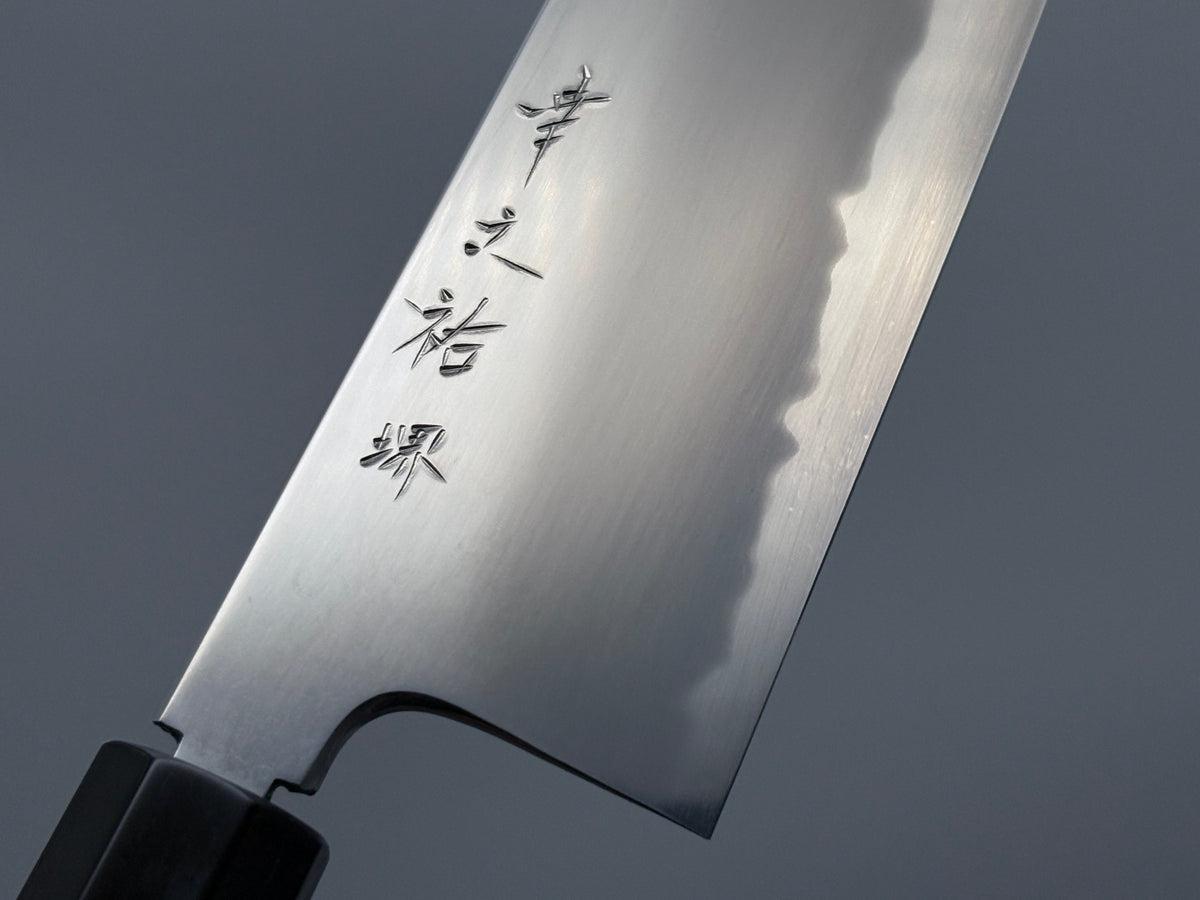
As the global demand for Japanese knives continues to grow, it's essential to be able to identify genuine, high-quality blades from their mass-produced counterparts. When shopping for a Japanese knife, look for telltale signs of authenticity, such as the use of premium materials, the presence of the maker's mark, and the overall attention to detail in the craftsmanship.
It's also important to consider the specific needs of your kitchen and cooking style when selecting a Japanese knife. Different regions and styles of knives are better suited for particular tasks, so it's worth doing your research to find the perfect blade that will elevate your culinary experience.
Conclusion: Preserving the Legacy of Japanese Knife Making
As we've explored, the world of Japanese knife making is a rich tapestry of history, tradition, and uncompromising craftsmanship. From the artisanal workshops of Sakai to the industrial hubs of Tsubame-Sanjo, the enduring legacy of these exceptional blades continues to captivate and inspire culinary enthusiasts around the globe.
By understanding the origins and unique characteristics of Japanese knives, we can better appreciate the skill and dedication that goes into their creation. Whether you're a professional chef or a passionate home cook, investing in a genuine Japanese knife is a testament to your commitment to culinary excellence and a celebration of the timeless art of blade-making.
As we move forward, it's crucial that we continue to honor and preserve the traditions that have made Japanese knives the pinnacle of cutting-edge culinary tools. By supporting the skilled artisans and innovative manufacturers who carry on this legacy, we can ensure that the world's finest blades will continue to grace our kitchens for generations to come.