
Japanese knives are known for their precision, sharpness, and specialist designs – but with so many types available, which is the best for cutting meat? The answer depends on the kind of meat preparation you’re doing, from slicing cooked proteins to breaking down joints. Below we answer some common questions to help you choose the right blade.
What is the best Japanese knife for slicing cooked meat?
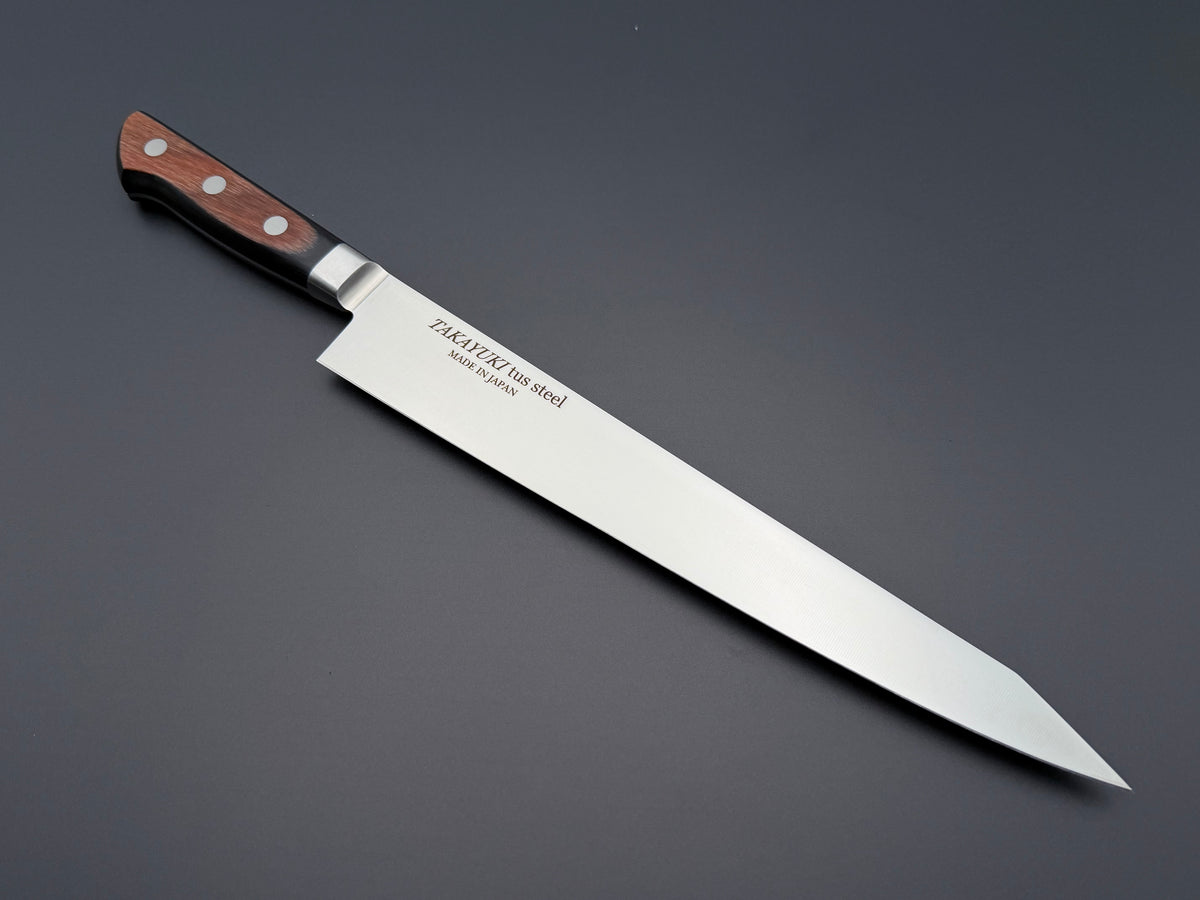
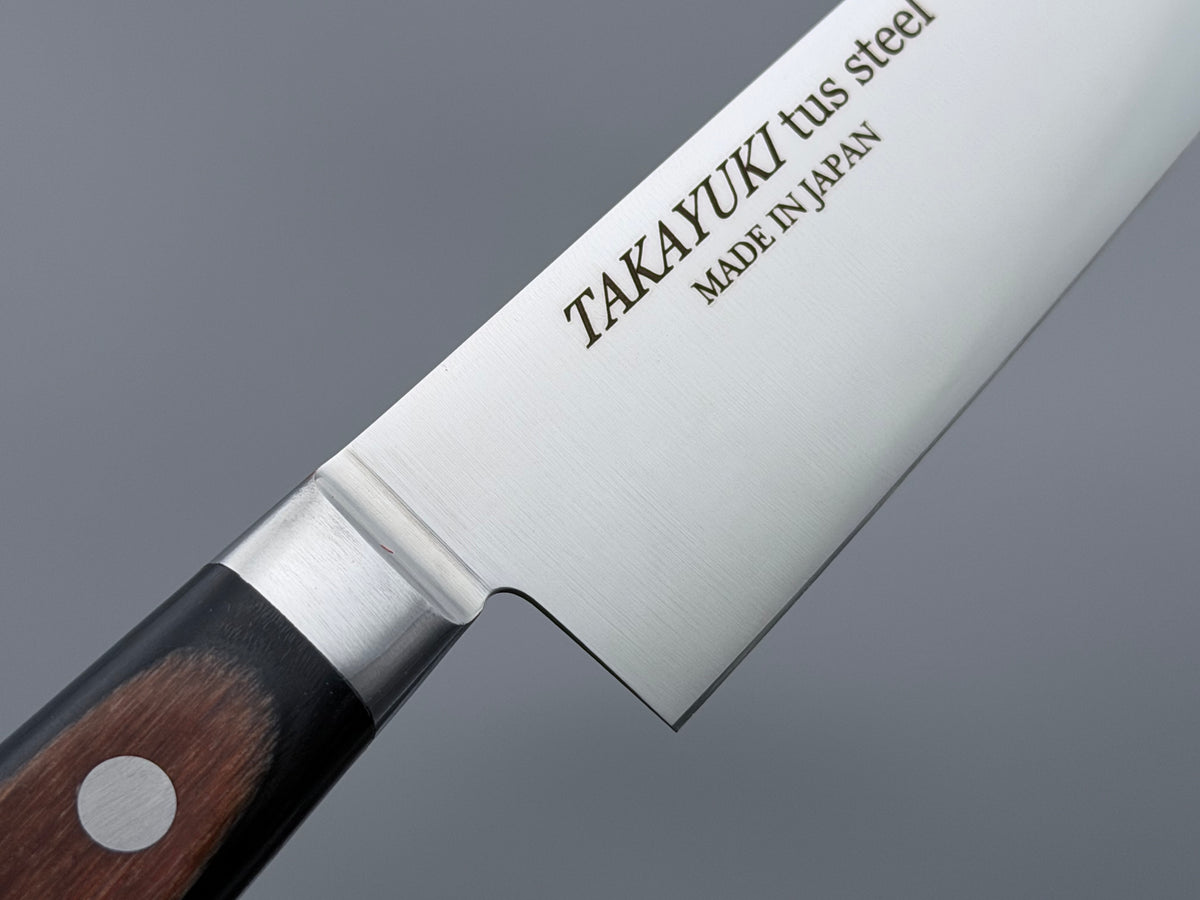
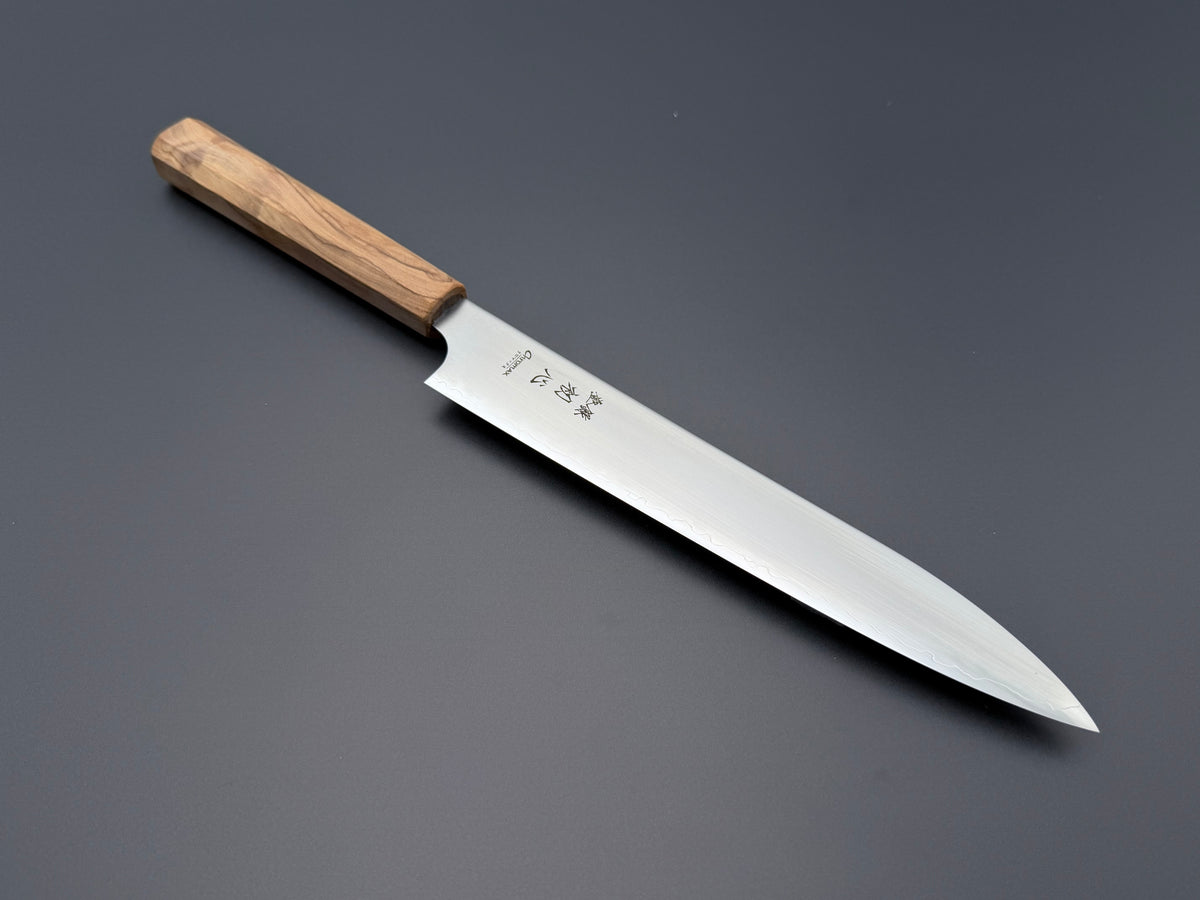
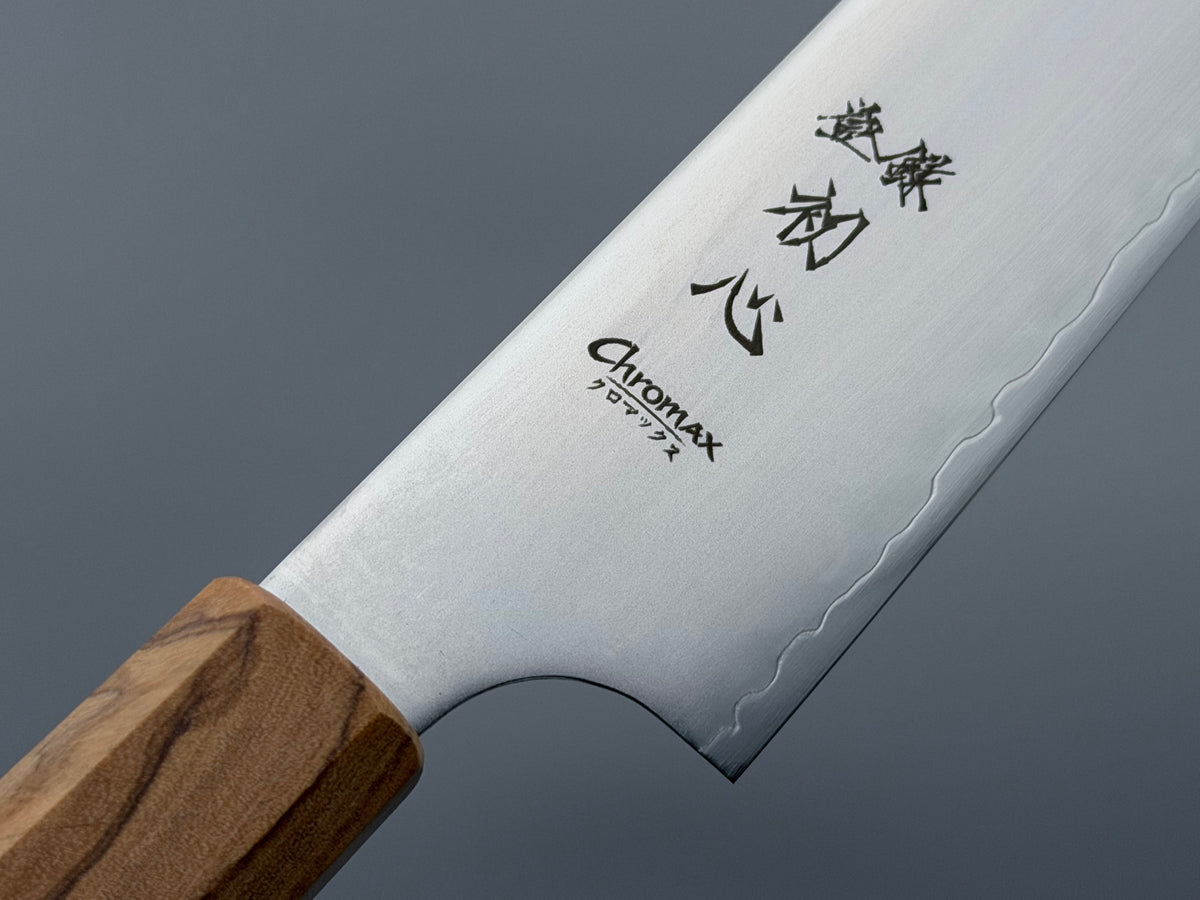
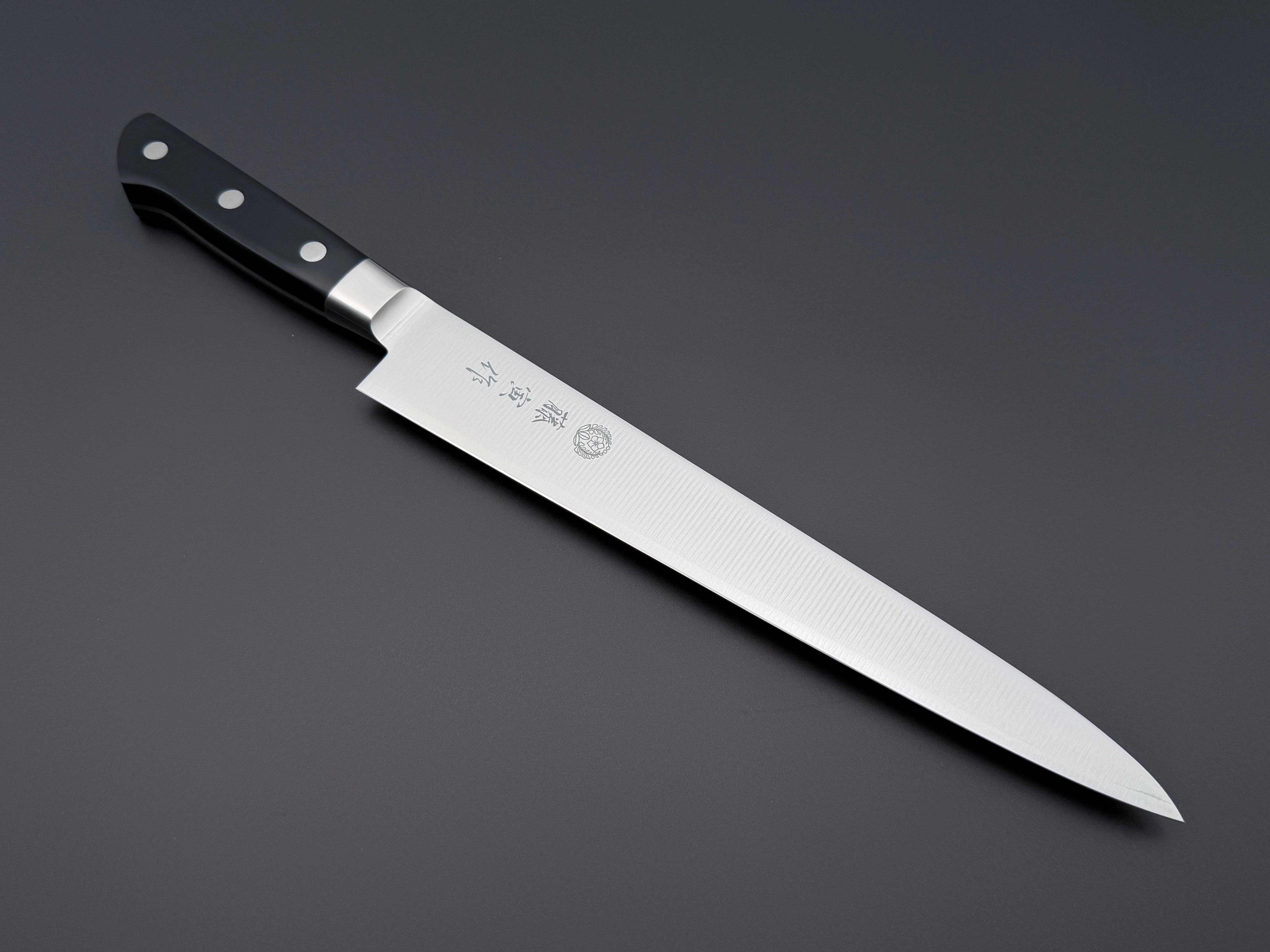
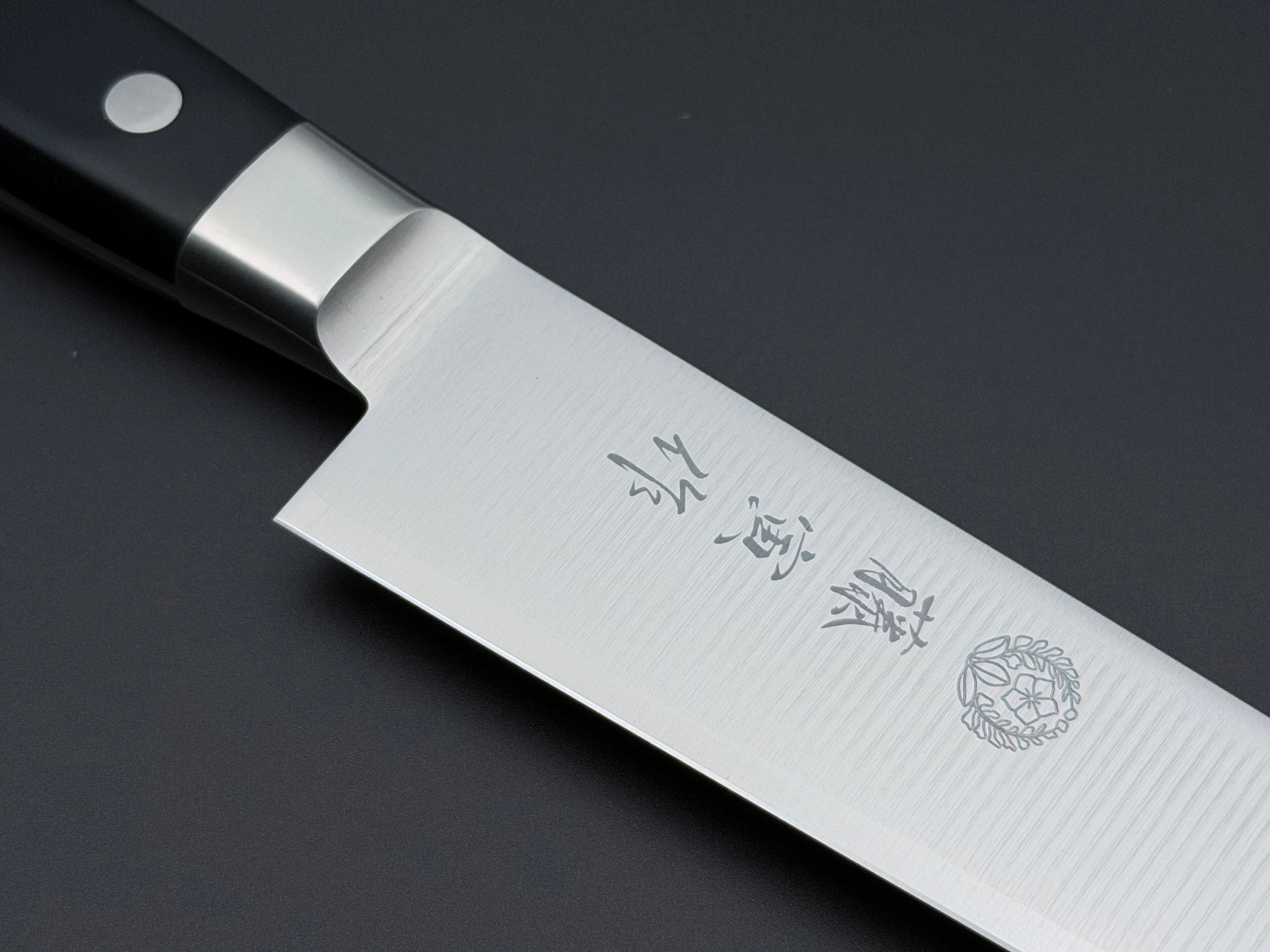
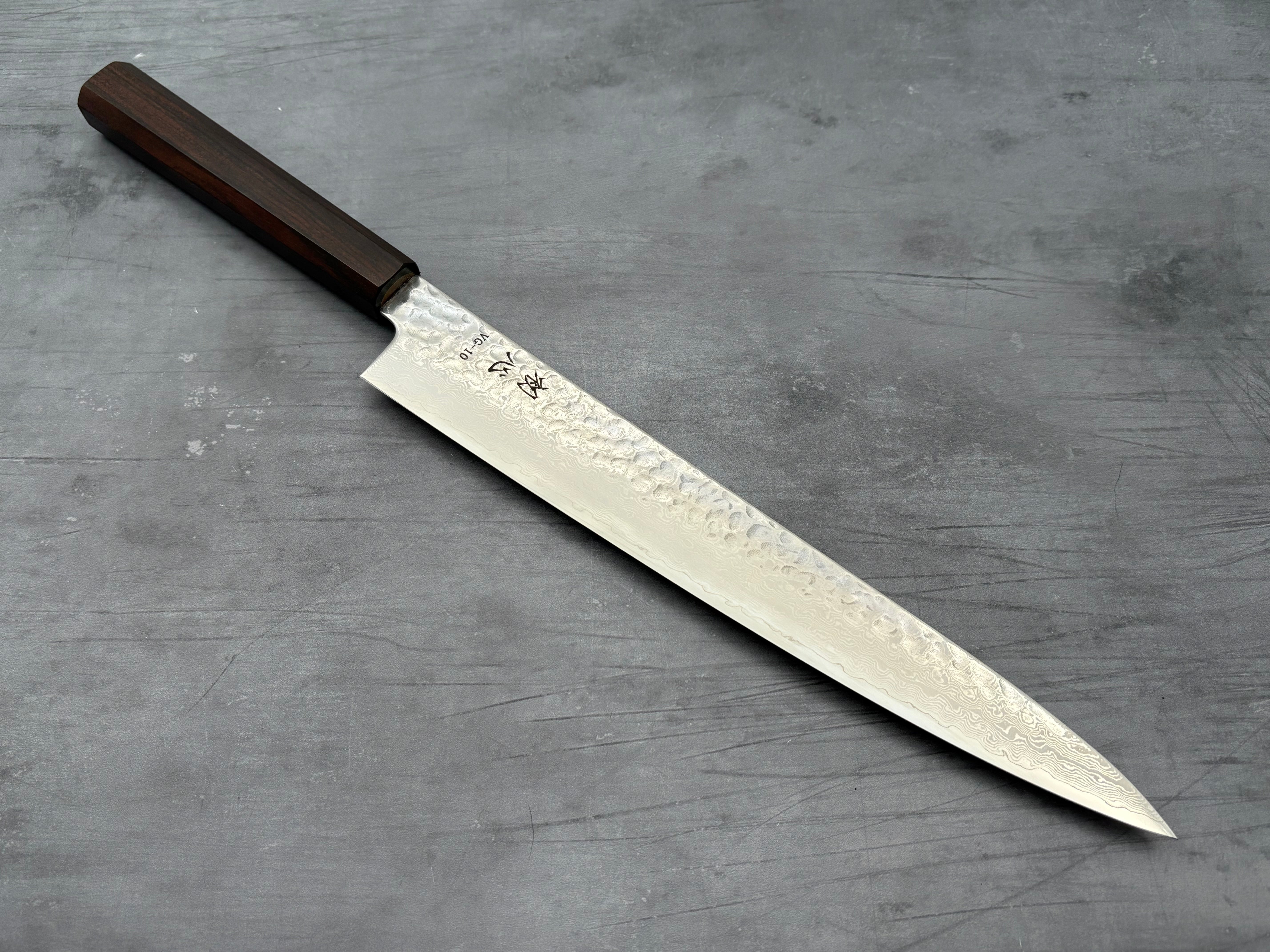
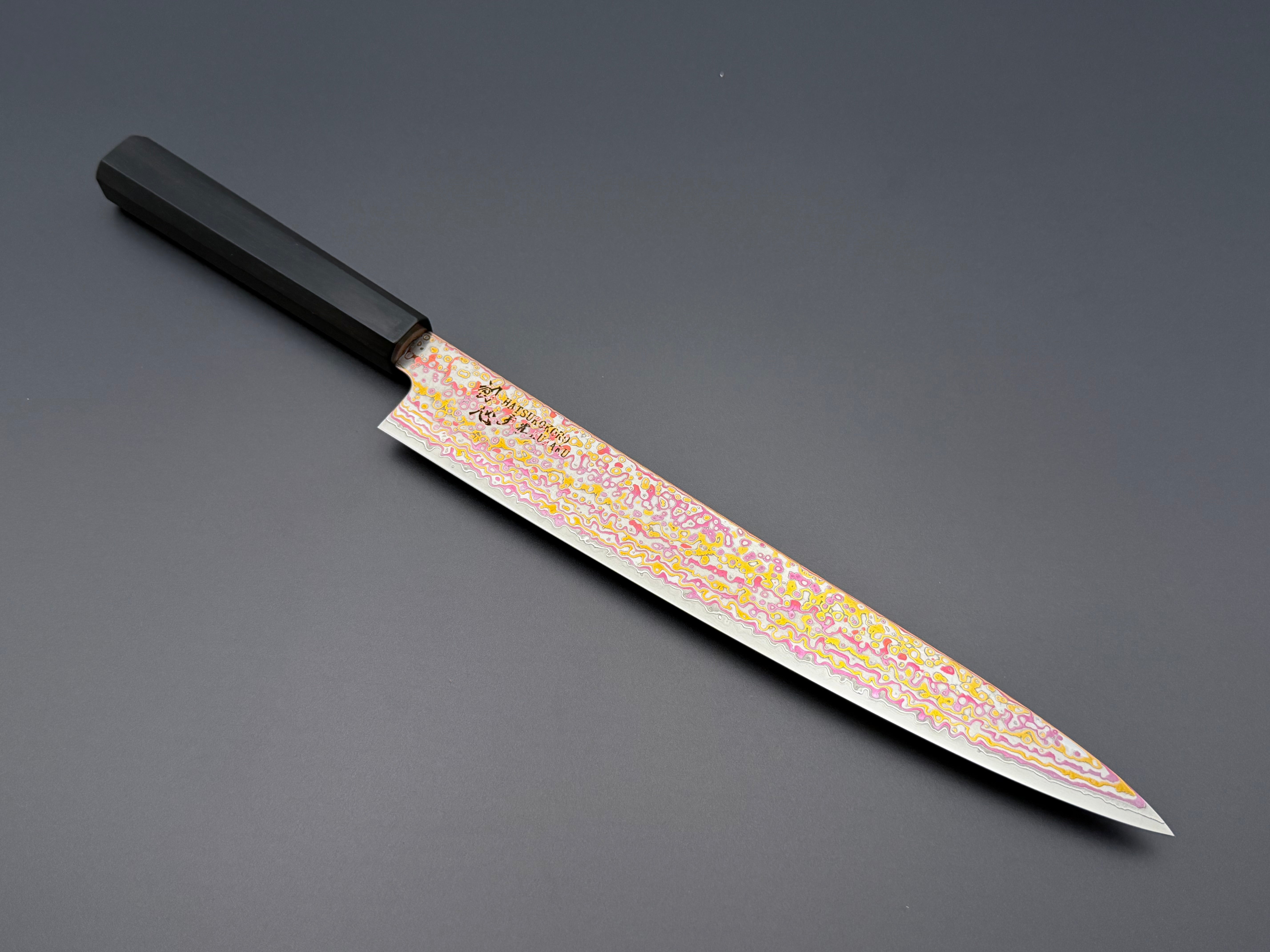
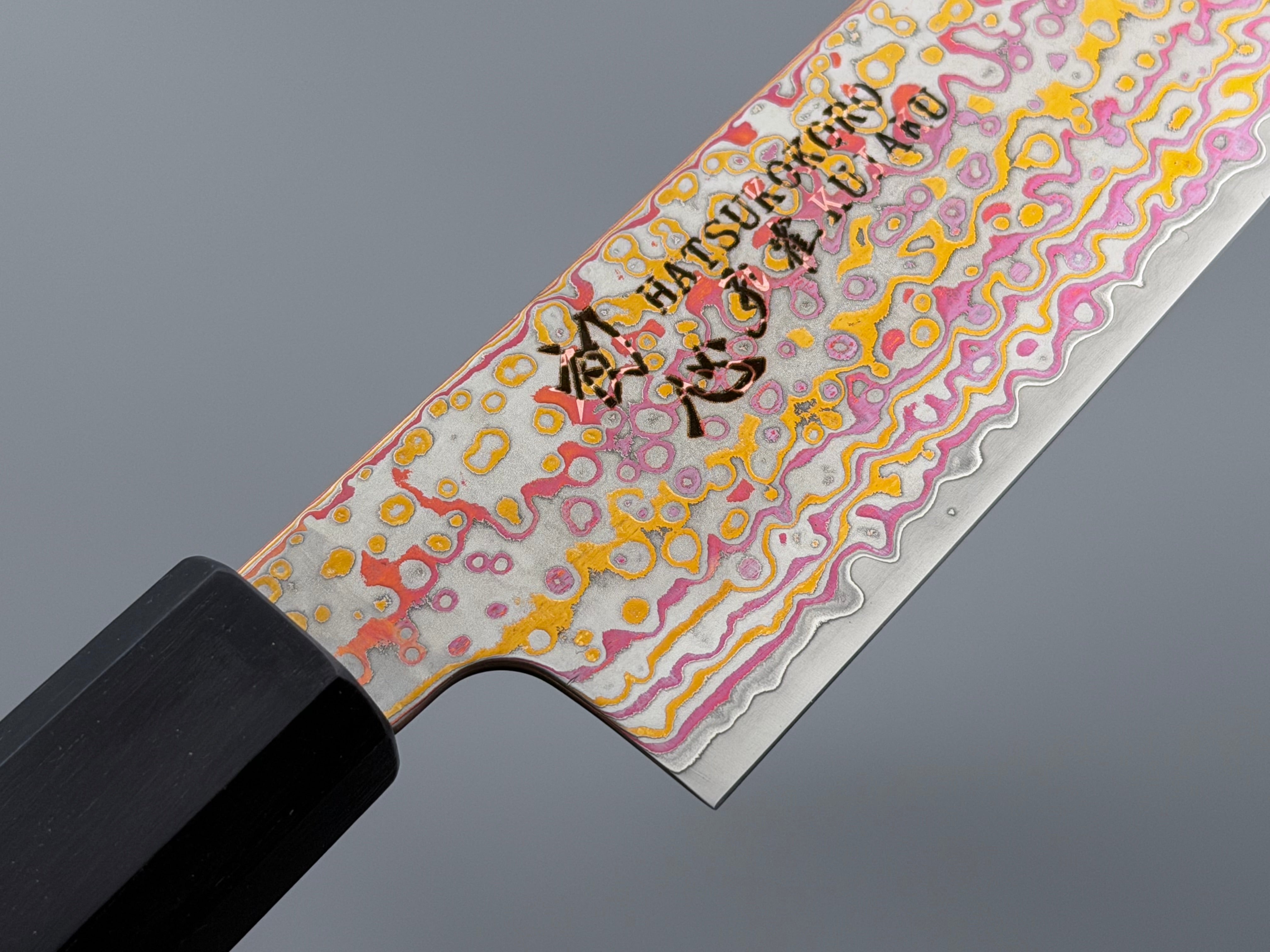
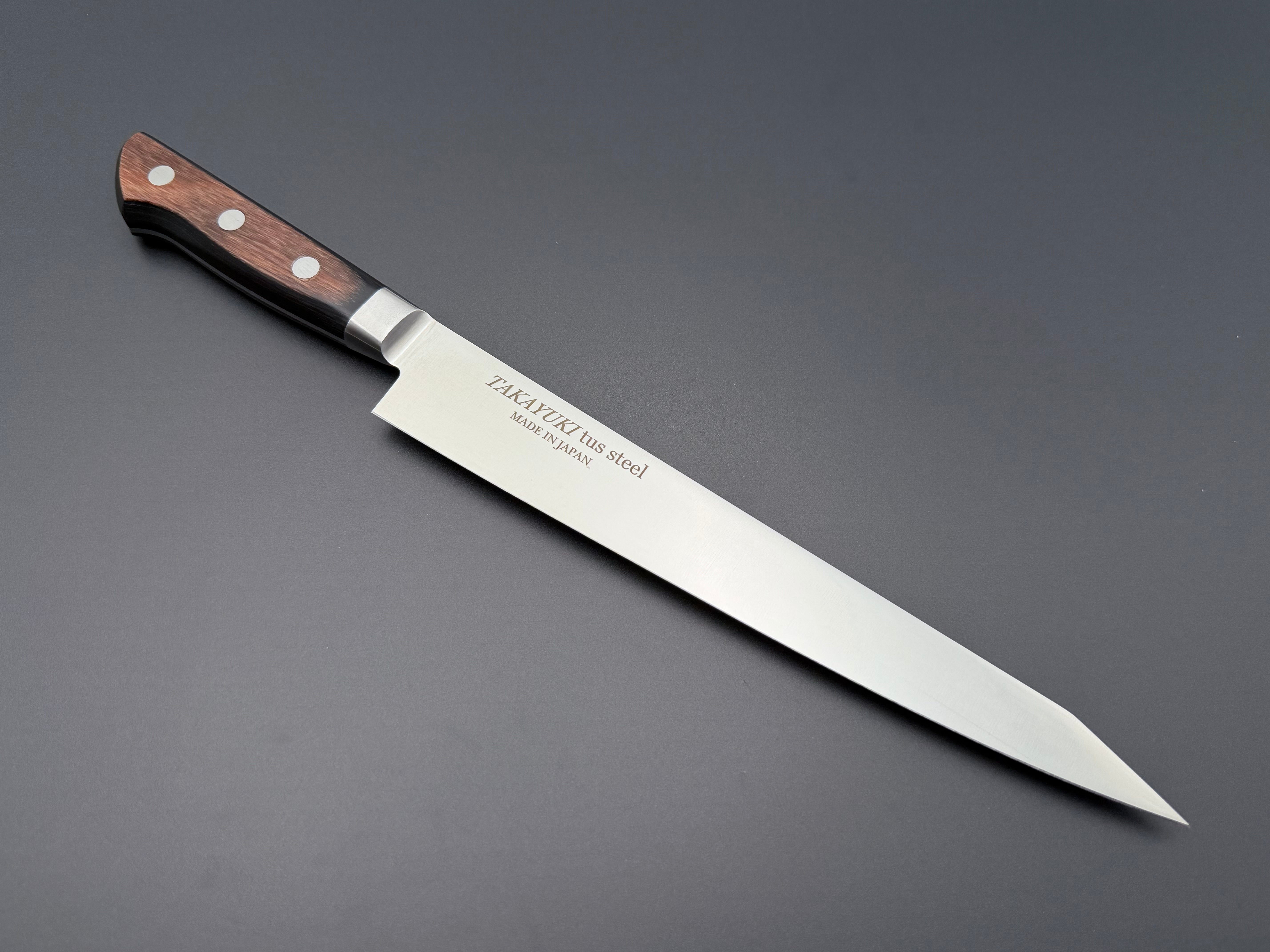
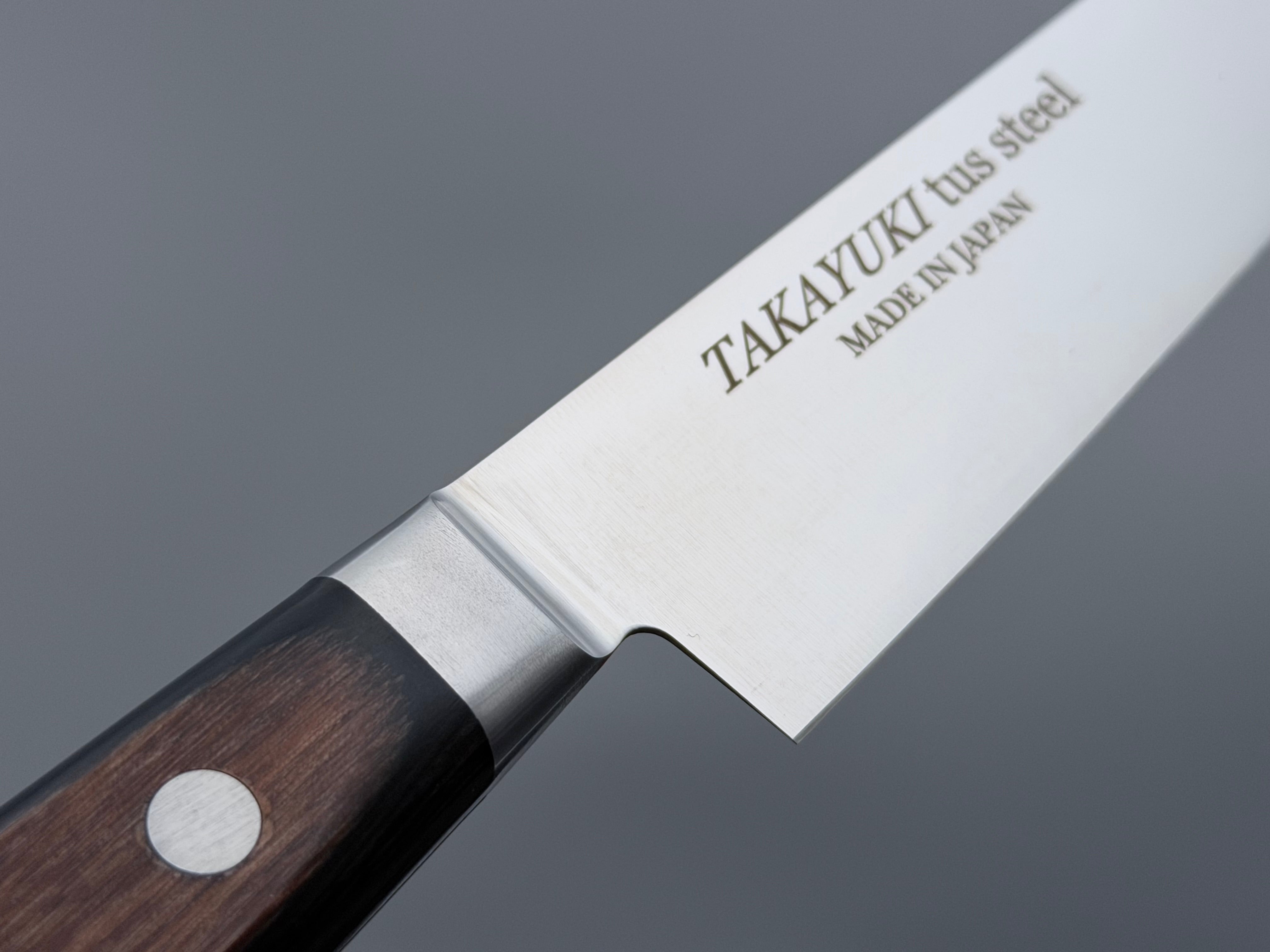
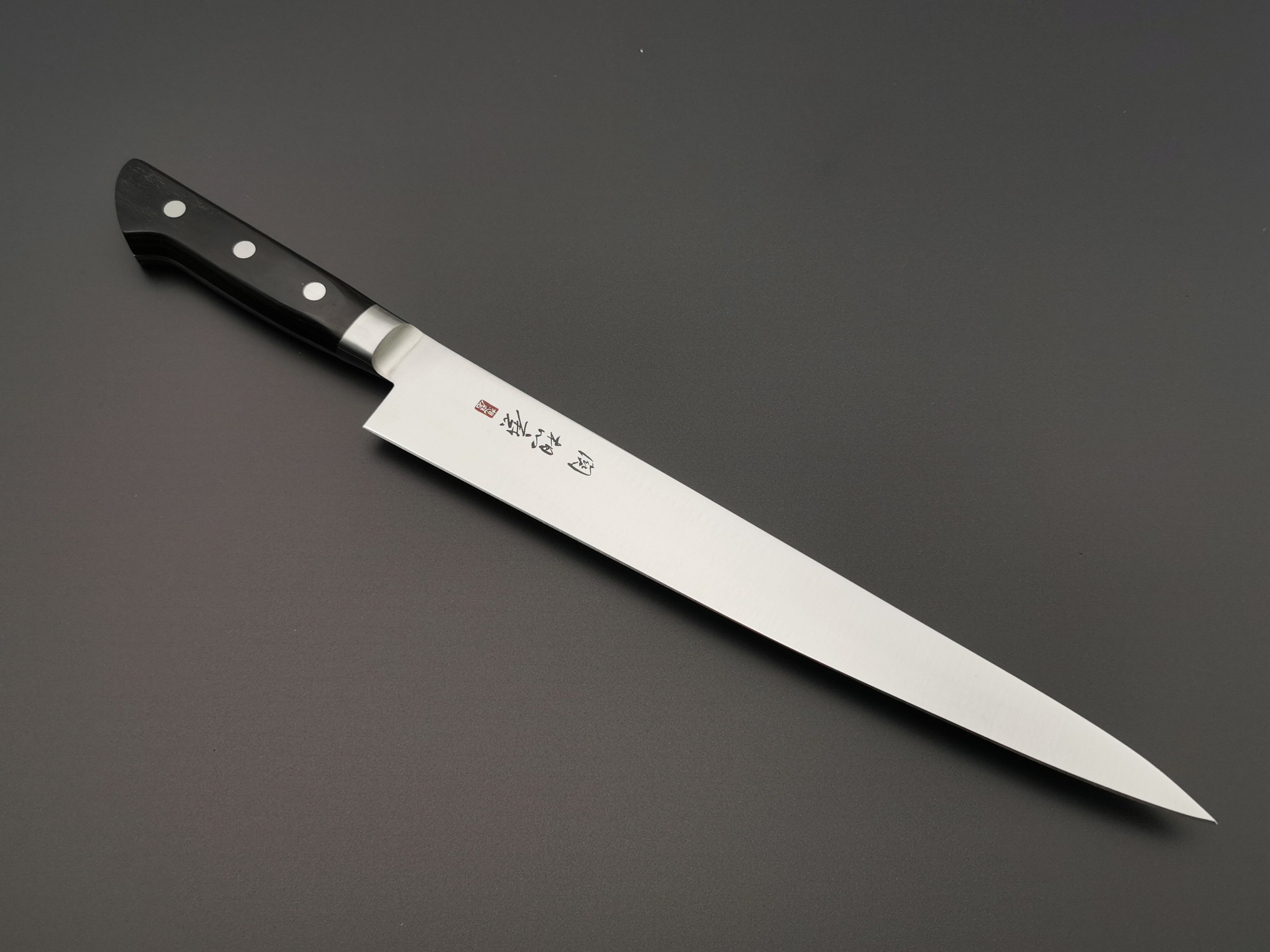
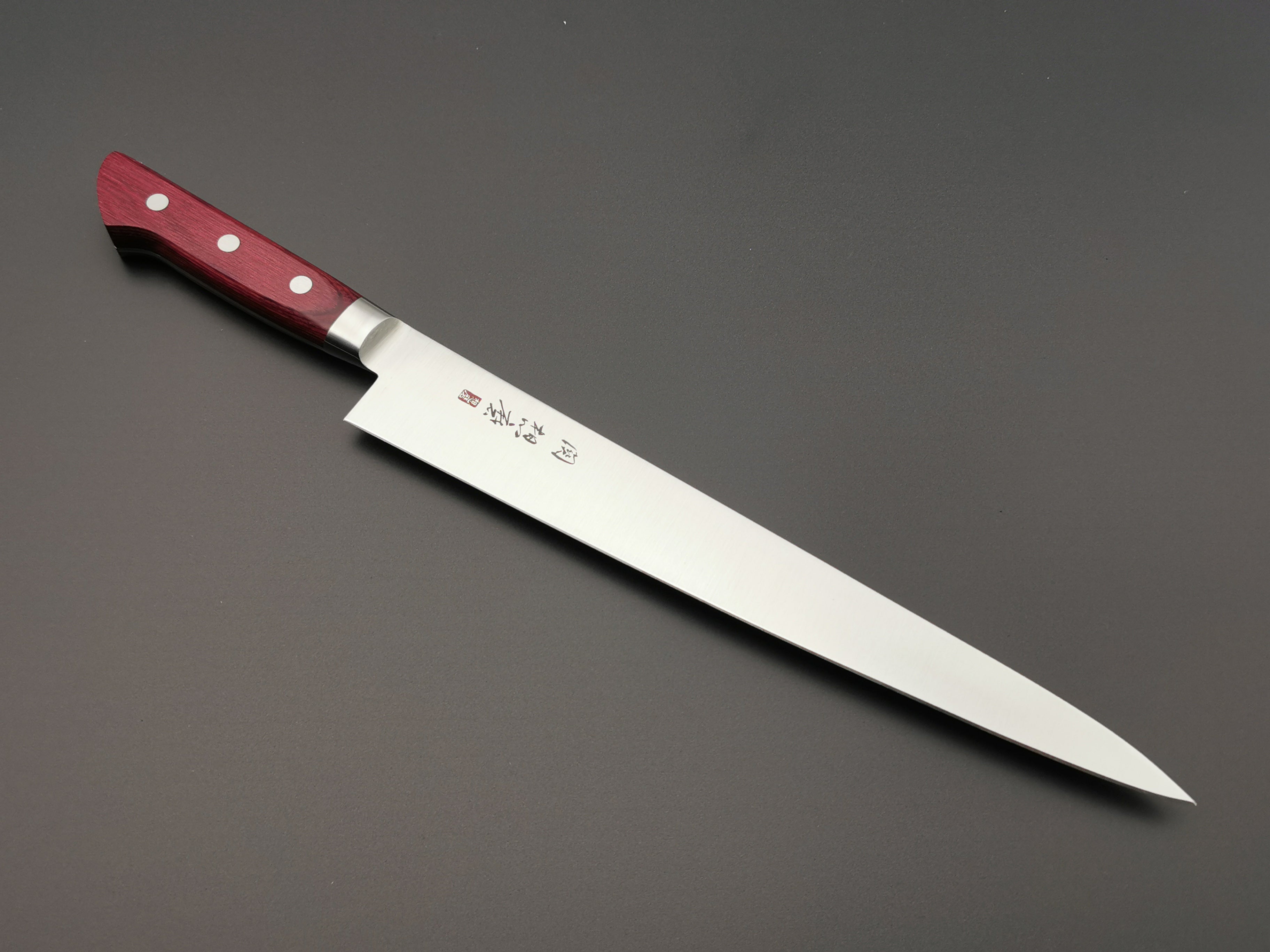
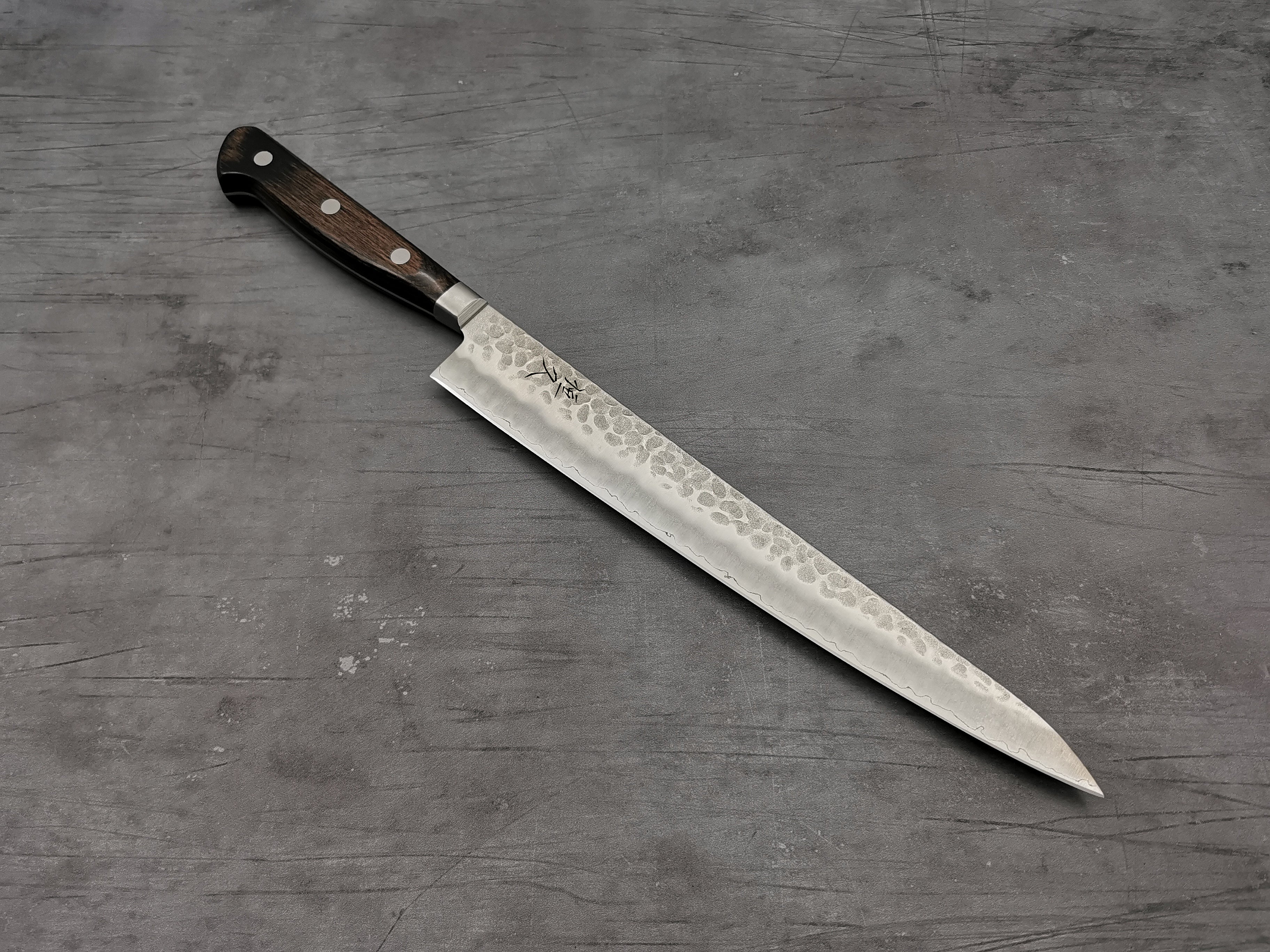
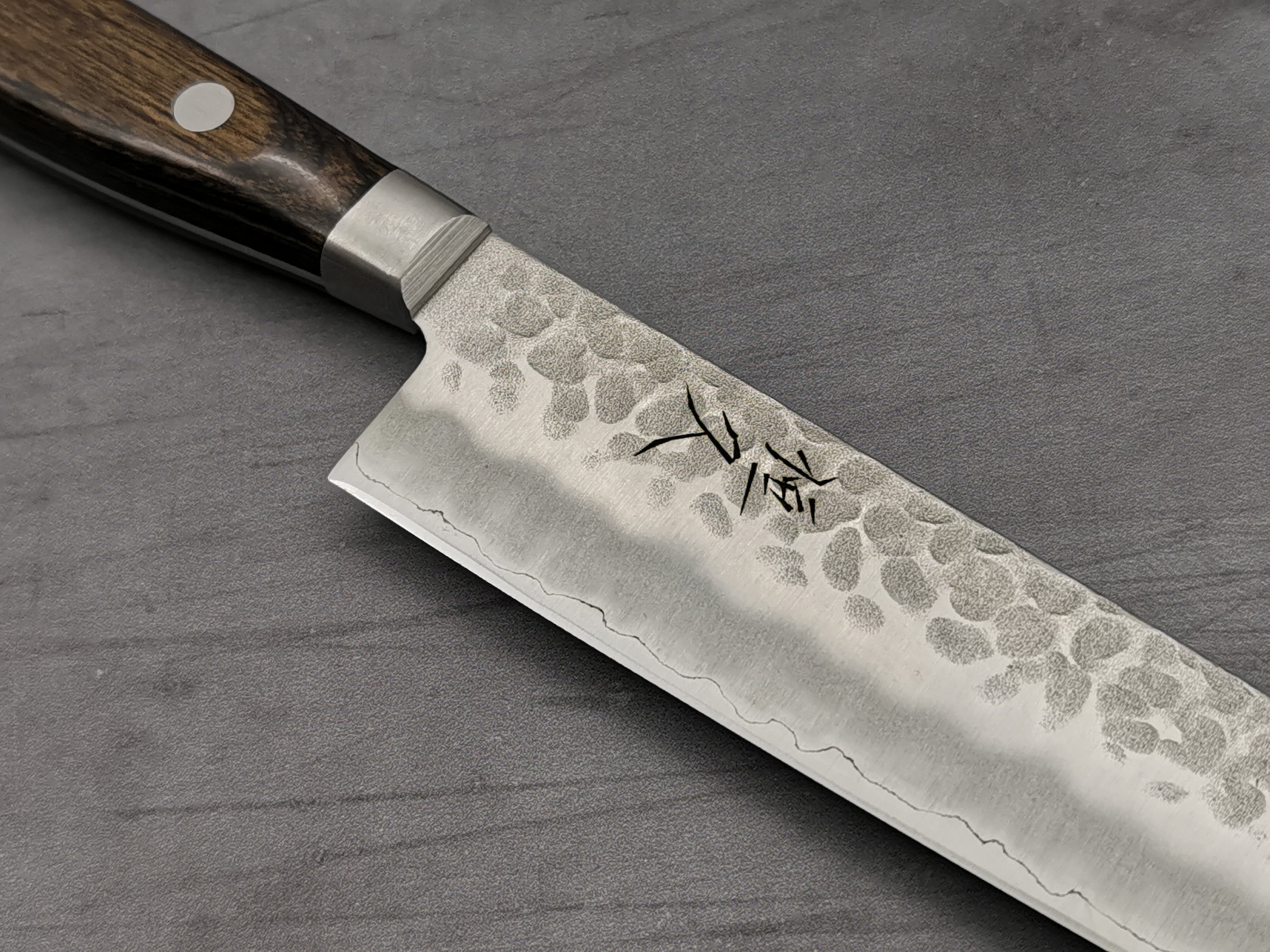
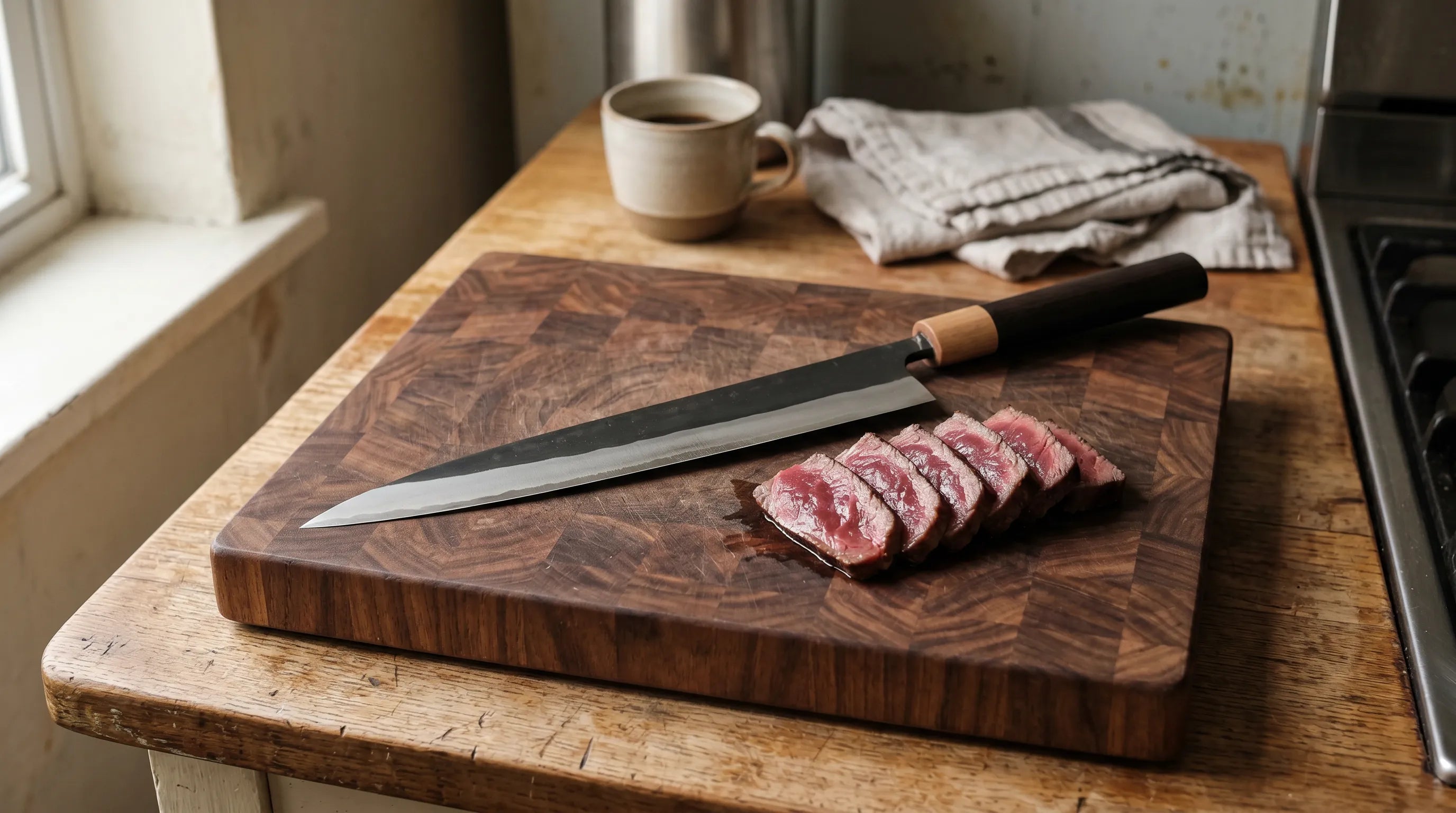
For slicing roasts, steaks, or fillets of fish, the sujihiki (slicer) is the go-to choice. Its long, narrow blade is designed to make smooth, single strokes through meat, reducing tearing and preserving juices. A well-sharpened sujihiki will give you clean, even slices – ideal for presentation and texture.
Which knife is best for butchery tasks?
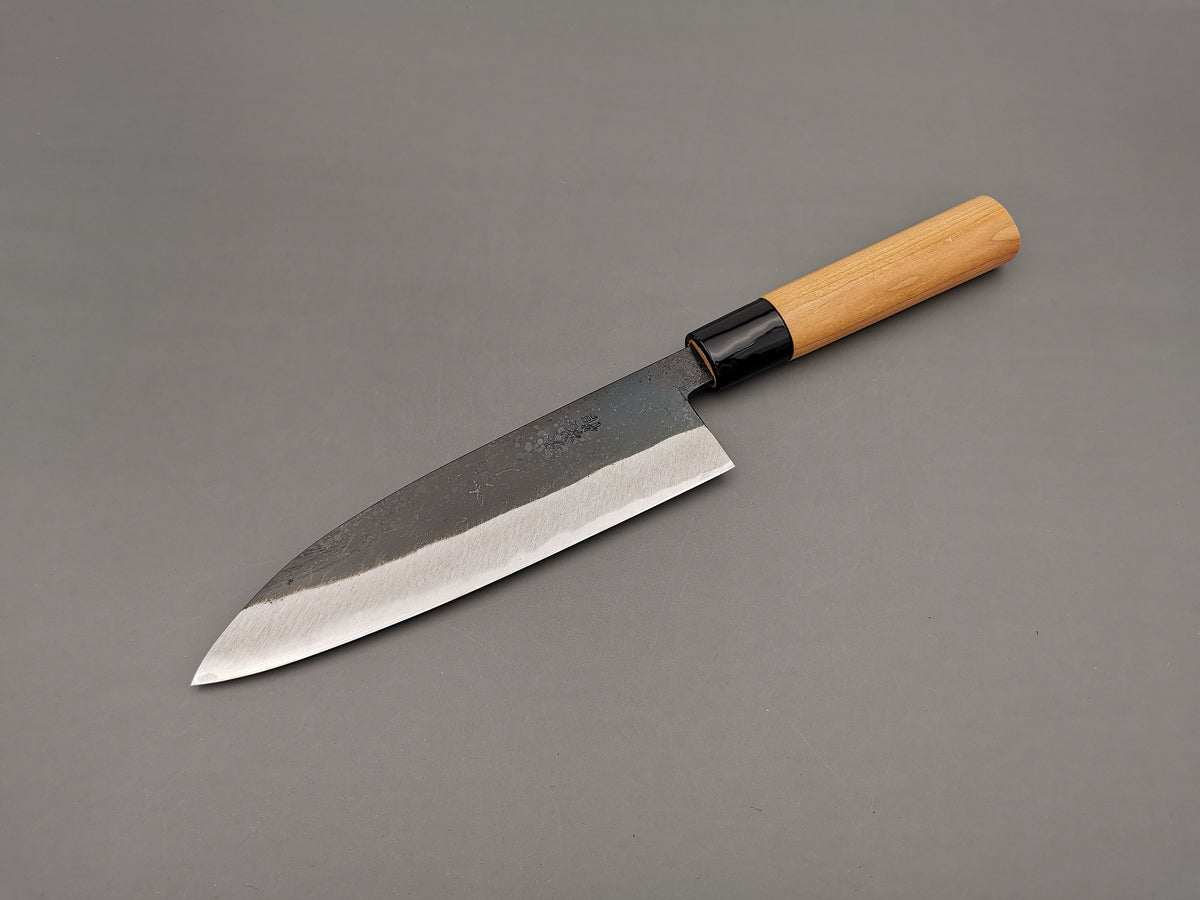
If you’re breaking down whole poultry or trimming larger cuts, the honesuki is often recommended. This Japanese boning knife has a triangular profile with a stiff, pointed blade that excels at getting into joints and separating meat from bone. For heavier butchery, such as working with pork shoulders or beef ribs, a deba can be useful thanks to its thick spine and robust edge, though it’s more traditional for fish butchery.
What about general slicing of hot proteins?
When carving hot proteins like brisket or roast chicken, versatility is key. A gyuto (Japanese chef’s knife) is a strong all-rounder for this purpose. With its curved belly and sharp tip, it handles everything from carving slices to trimming fat. For slightly smaller tasks or more controlled cuts, a bunka or santoku can also perform well, though they won’t match the sujihiki for long, clean slices.
Should you use a Japanese knife on bone?
Most Japanese knives are designed for precision cutting and are not suited to chopping through bone. Using them this way can chip or damage the edge. For tasks that require heavy-duty chopping, a Western cleaver or specialized butcher’s tool is more appropriate, while Japanese knives tend to shine more in fine butchery and slicing.
Final thoughts
So, which Japanese knife is best for cutting meat?
-
For clean, elegant slices: sujihiki
-
For poultry and joint work: honesuki (or deba for heavier butchery)
-
For versatile carving: gyuto
Choosing the right blade depends on the type of meat preparation you do most often. With proper care, any of these knives will make meat preparation smoother, sharper, and more enjoyable.