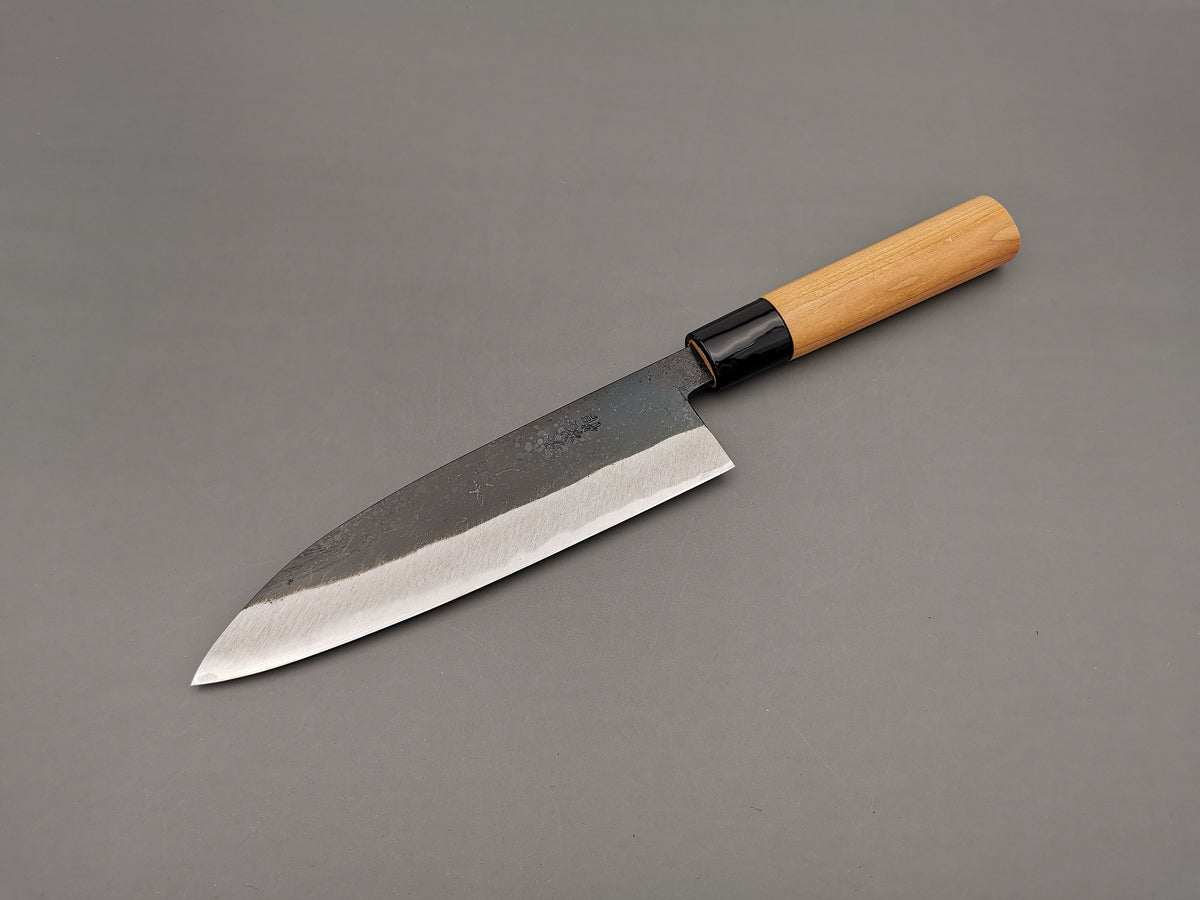


Japanese knives are precision tools, crafted with care to deliver exceptional sharpness and performance. To maintain their quality, it’s important to know how to clean a Japanese knife properly. Unlike standard kitchen knives, Japanese blades often use high-carbon or specialty steels that require a little extra attention. Good cleaning habits will help preserve sharpness, prevent damage, and extend the lifespan of your knife.
Step-by-step cleaning guide
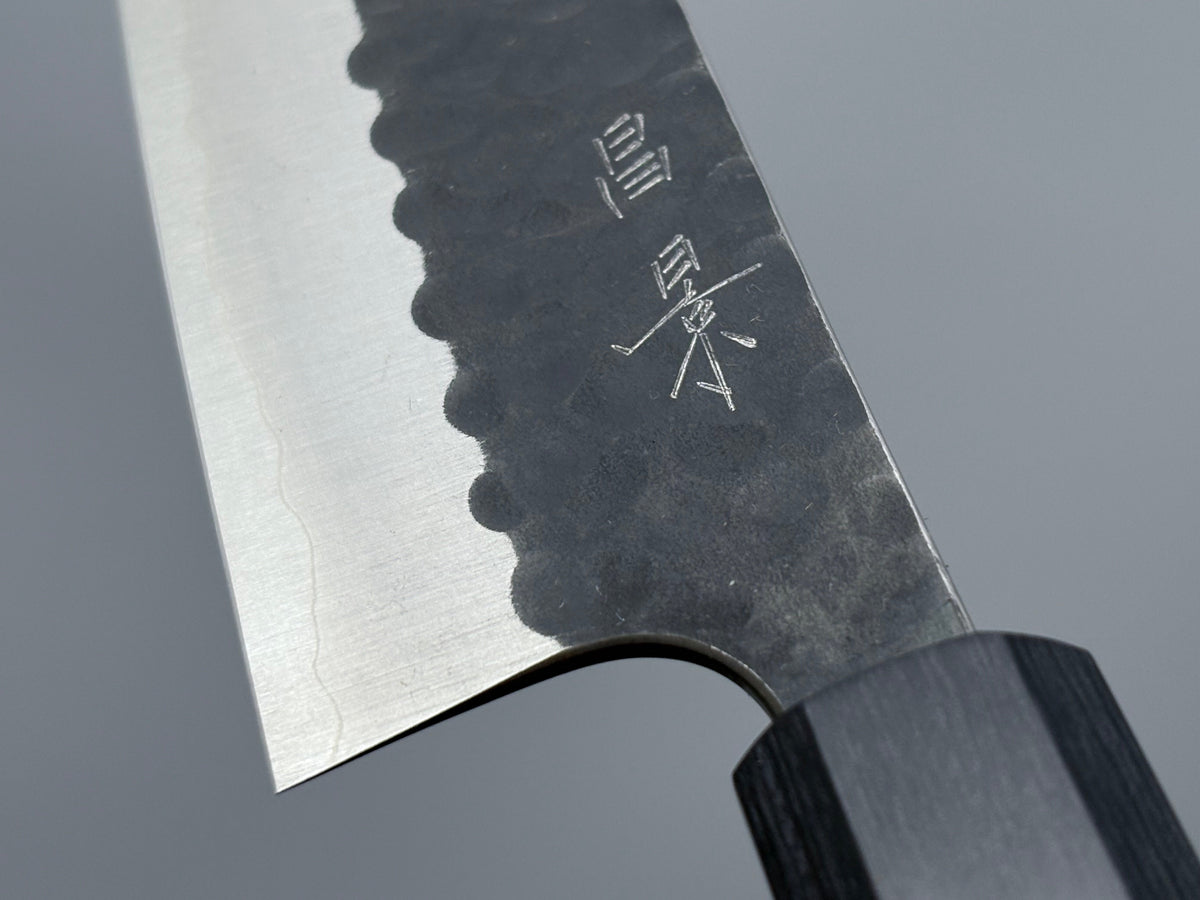
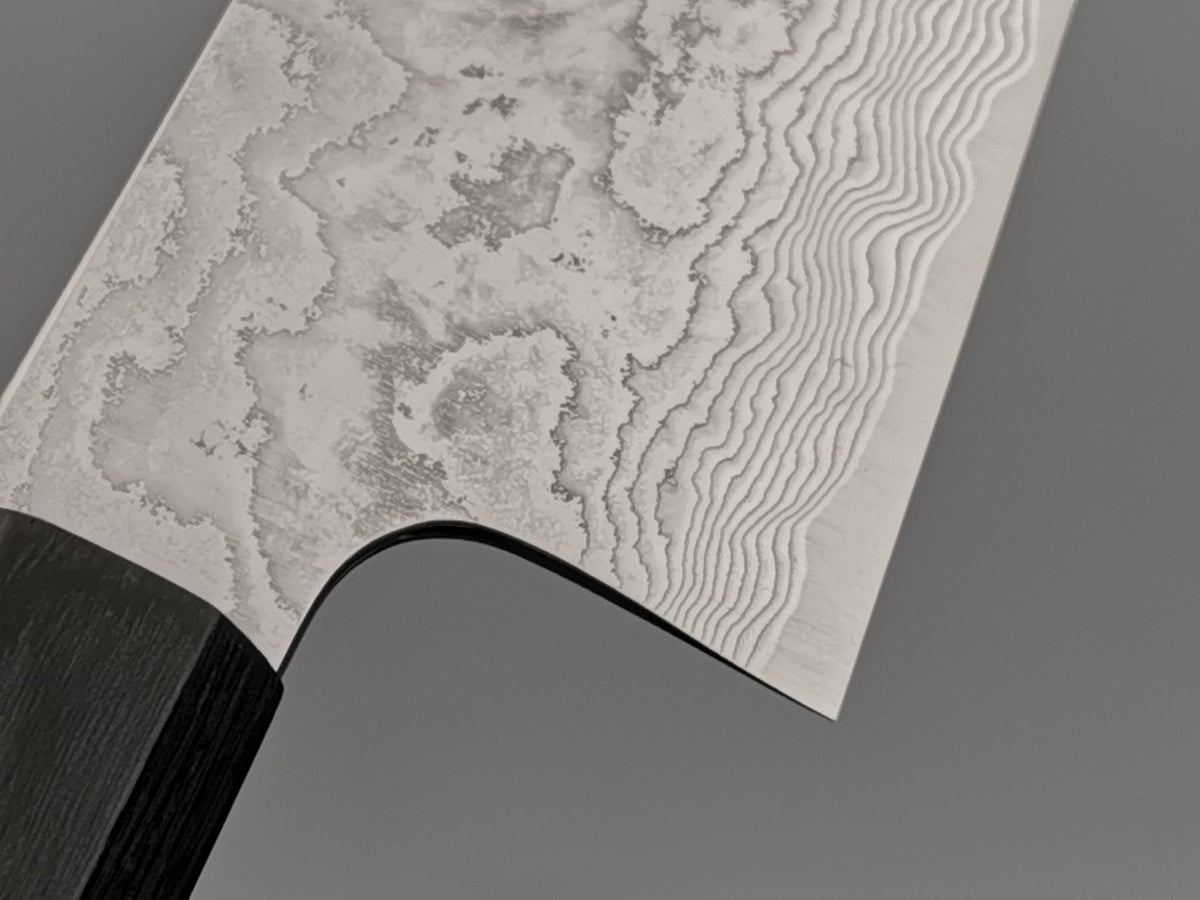
After each use, wash your knife by hand with warm water and a mild dish soap. Use a soft sponge or cloth (or even better, we recommend a tawashi brush), gently wiping along the length of the blade rather than scrubbing across it. Avoid abrasive pads, as they can scratch both the steel and any decorative finishes such as Damascus patterns or kurouchi coatings.
Once washed, rinse thoroughly to remove any soap residue.
The most crucial step is drying. Wipe the knife immediately with a clean towel, paying close attention to the edge and spine. Leaving a Japanese knife to air dry can lead to water spots, corrosion, or in the case of carbon steel, rapid rusting.
Things to avoid
-
Never put a Japanese knife in the dishwasher – the harsh detergents, heat, and rattling can cause serious damage.
-
Do not leave your knife soaking in water. Extended contact with moisture is the fastest route to rust and handle problems.
-
Avoid harsh chemicals or bleach. These can erode steel and damage natural wood handles.
How to clean rust from a Japanese knife
Even with careful maintenance, small rust spots can sometimes appear, especially on high-carbon steel blades.
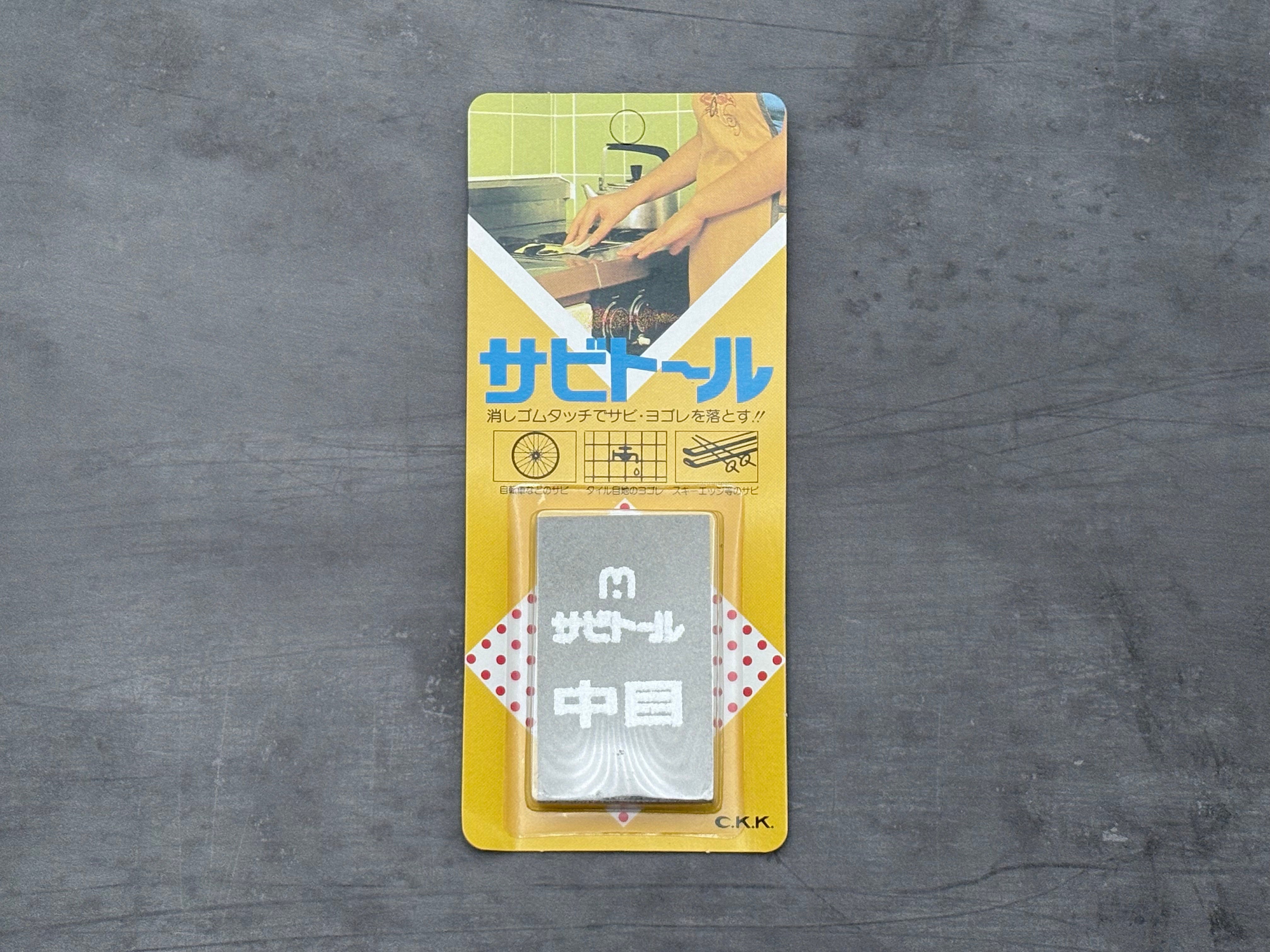
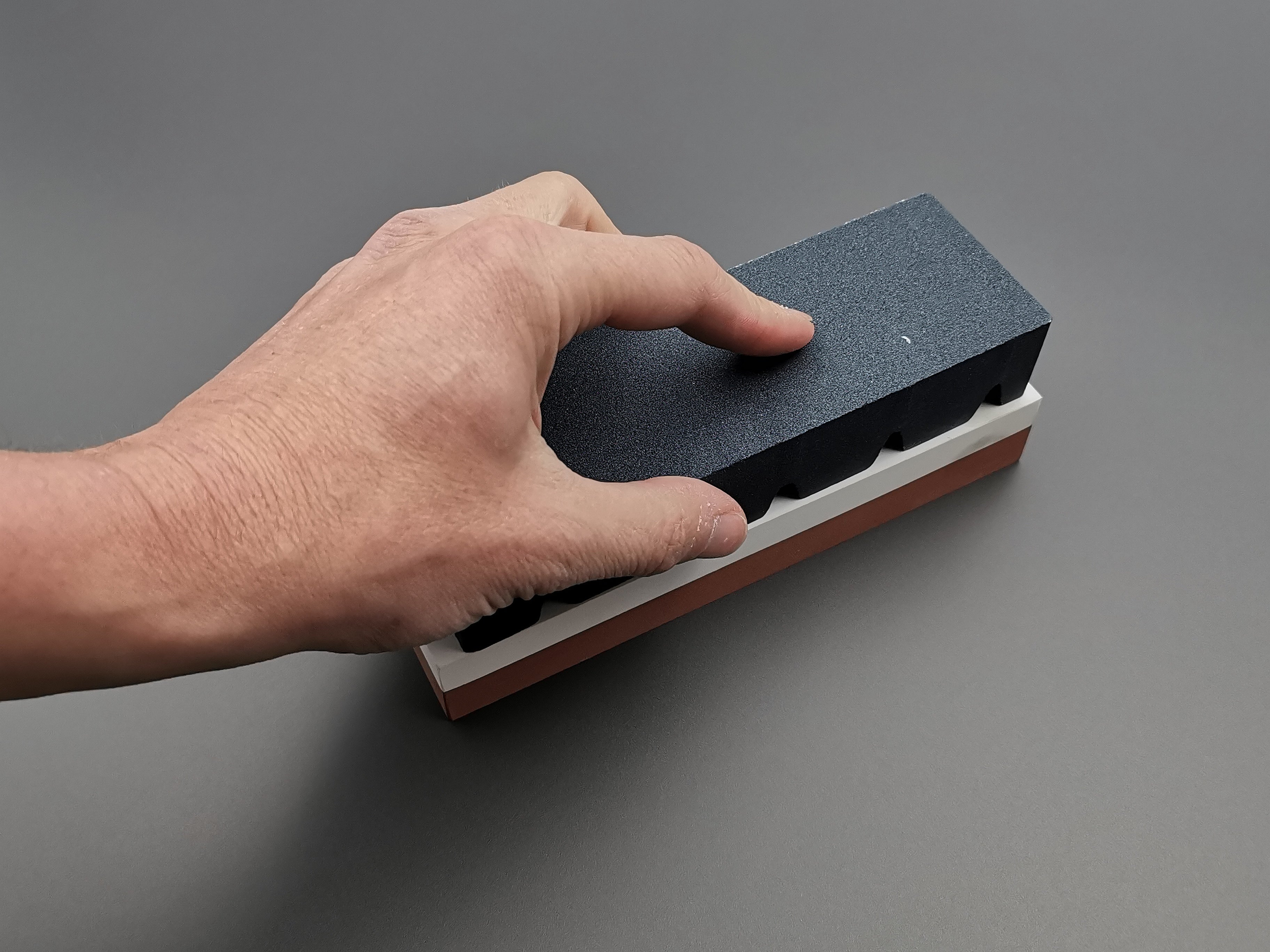
To clean rust, gently rub the affected area with a soft cloth and a non-abrasive cleaner such as baking soda paste or a rust eraser specifically made for knives. Work slowly, following the grain of the steel.
Once the rust is removed, wash and dry the knife immediately. Applying a light coat of food-safe mineral oil such as camellia oil will help protect the blade from future oxidation.
Learn more about the difference between rust and patina.
Final thoughts
Knowing how to clean a Japanese knife is essential for protecting both the performance and appearance of your blade. With proper care – hand washing, thorough drying, and occasional oiling – your knife will remain razor-sharp and ready to perform at its best for years to come.